NEVUS ANEMICUS
Nevus anemicus is a congenital pale area of skin, most commonly found on the upper to mid trunk. These patches have an irregular border and an average diameter of 5–10 cm (Fig. 106.16). Within the body of the lesion, local blood vessels are very sensitive to endogenous catecholamines and are permanently vasoconstricted. The border and extent of the lesion become imperceptible with pressure (or diascopy) sufficient to cause blanching of surrounding skin. Conversely, application of heat or an ice cube will often accentuate the lesion; the border becomes hyperemic during warming, while the lesion stays pale. The pale appearance of the lesion (rather than an absence of pigmentation) and the results of the above clinical maneuvers allow nevus anemicus to be differentiated from vitiligo and nevus depigmentosus, respectively. Interestingly, islands of sparing may be present within the lesion, and skin transplanted within the nevus anemicus retains the characteristics
Multiple pale spots with an erythematous background on the forearm.
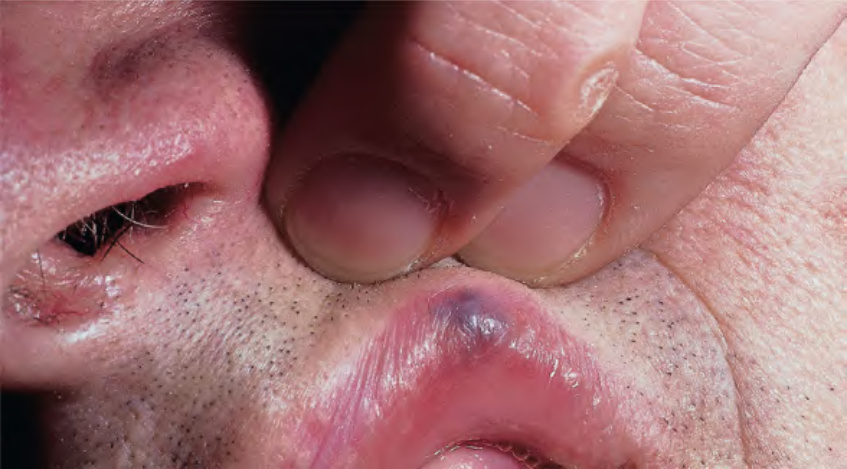
Fig. 106.15 Venous lake on the lip. The lesion is soft and, with compression, can be emptied of most of its blood content. Courtesy Ronald P. Rapini, MD.
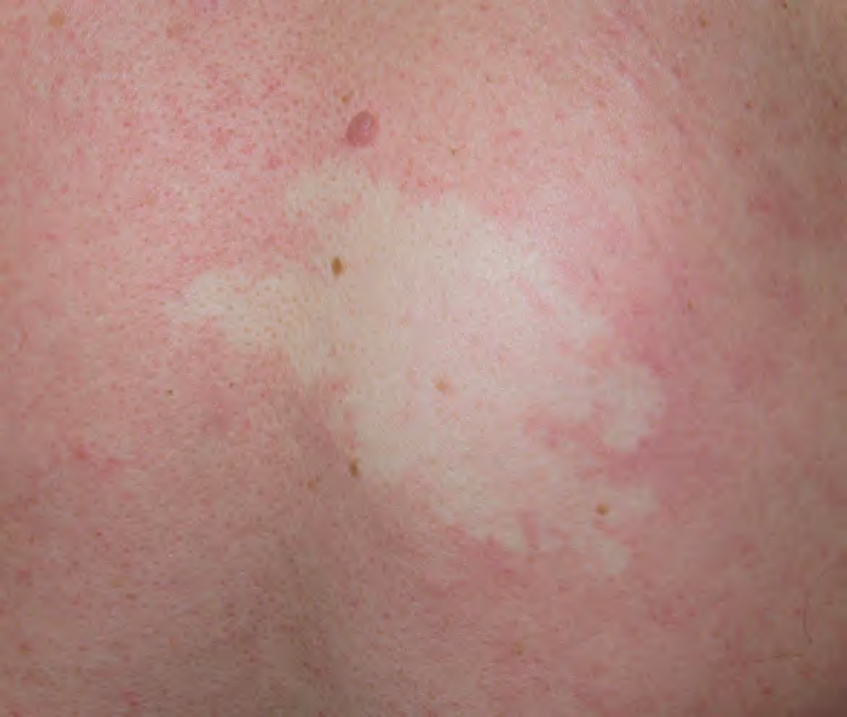
Fig. 106.16 Nevus anemicus. Pale area of vasoconstriction with irregular borders on the back.
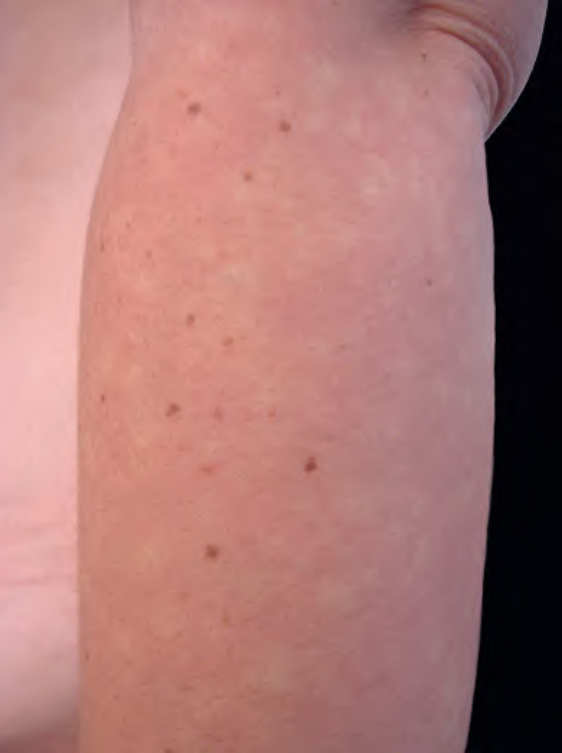
Fig. 106.17 Angiospastic macules (Bier spots).