INTRODUCTION
Photodynamic therapy (PDT) requires the sequential administration of a photosensitizing agent that is then activated by light in order to generate singlet oxygen within biologic tissues (Fig. 135.1). Singlet oxygen is a highly reactive form of oxygen that can induce cellular necrosis and/or apoptosis while modulating a variety of biologic processes. During the latter part of the twentieth century, PDT was synonymous with the use of systemic photosensitizers in combination with red laser light to treat cancers. However, in dermatology, the practice of PDT has evolved into applying a topical photosensitizer precursor locally to the skin and then illuminating the treatment site(s) with artificial visible light or natural daylight.
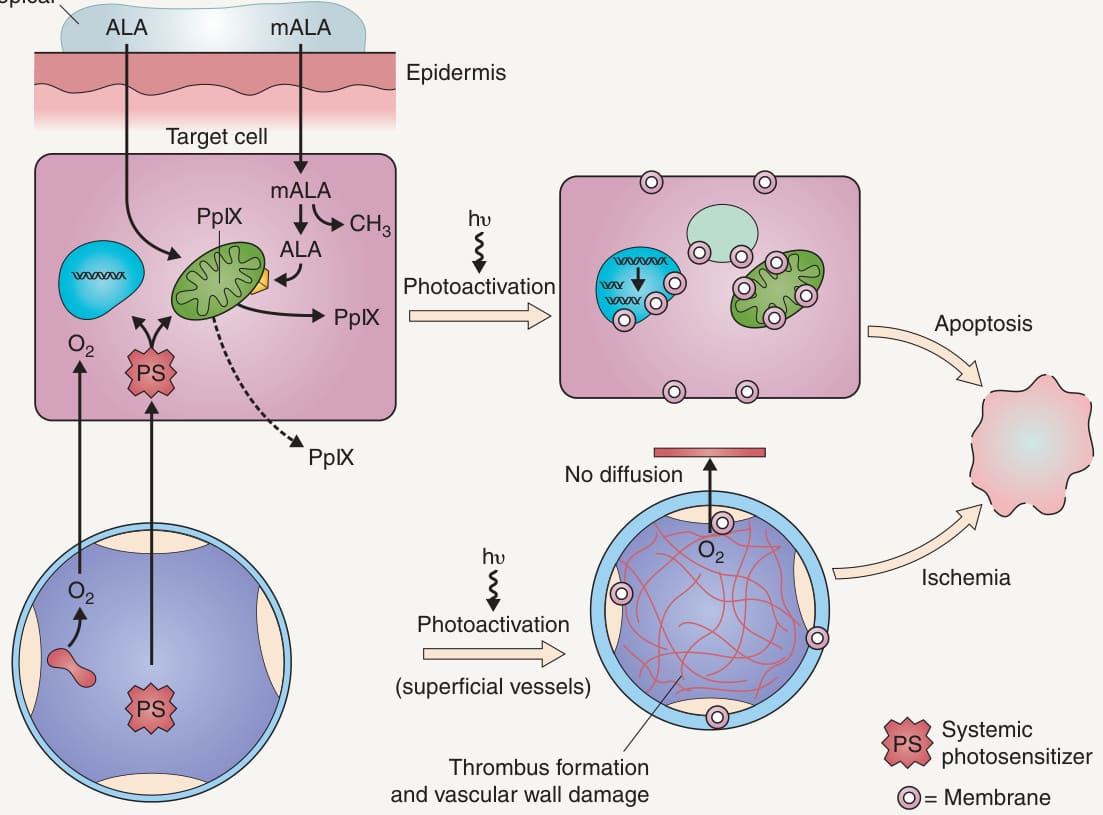
Fig. 135.1 Photosensitizer delivery and photodynamic effects on target cells and tissue vasculature.