INTRODUCTION
An accurate diagnosis of nail disorders often requires clinicopathologic correlation. When performing a biopsy of the nail unit, it is important that: (1) the most appropriate surgical procedure be performed correctly; (2) there is precise handling of the specimen in the histopathology laboratory; and (3) a dermatopathologist with knowledge of the nuances of nail pathology examine the tissue. A range of disorders require nail surgery, from nail tumors to ingrown toenails. As with surgical procedures performed elsewhere, the major goals include establishing a diagnosis and/or providing treatment safely and with minimal pain or scarring. Because dermatologists are the physicians who under-stand and manage nail disorders, they are well suited to perform nail surgery. A solid grasp of the anatomy and physiology of the nail unit is a prerequisite for successful nail surgery. Additional requirements for an optimal outcome include a well-prepared patient, adequate anesthesia, proper surgical technique, and hemostasis (Table 149.1).
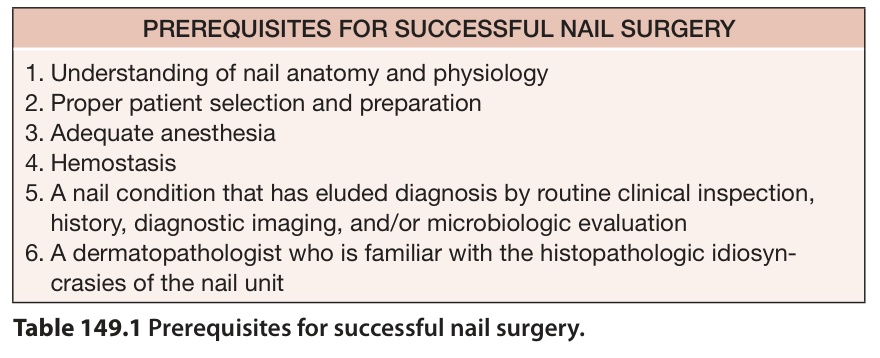
Table 149.1 Prerequisites for successful nail surgery.