INTRODUCTION
Cysts are common cutaneous lesions. Patients with cysts may present to clinicians because of medical or cosmetic concerns, or due to discomfort from mechanical irritation or inflammation of the cyst. The definitive diagnosis of a cyst requires histologic examination, as many other dermal and subcutaneous tumors can form cyst-like nodules. Cysts can be classified by anatomic location (as they may occur in virtually any organ of the body), by embryologic derivation, or by histologic features. As the histologic features determine the definitive diagnosis, that scheme will be used in this chapter, which is limited to cutaneous cysts.
True cysts have an epithelial lining that may be composed of stratified squamous epithelium or other forms of epithelia while “pseudocysts” have no epithelial lining at all. Cutaneous cysts can be divided into three main categories based on the presence or absence and composition of the cyst wall (Table 110.1; Fig. 110.1). Many non-dermatologists refer to epidermoid and pilar cysts as “sebaceous cysts”, possibly believing erroneously that the hydrated white keratinized contents of many epithelial-lined cysts is of sebaceous origin. The only true sebaceous cyst is the steatocystoma. The term “sebaceous cyst” is best avoided.
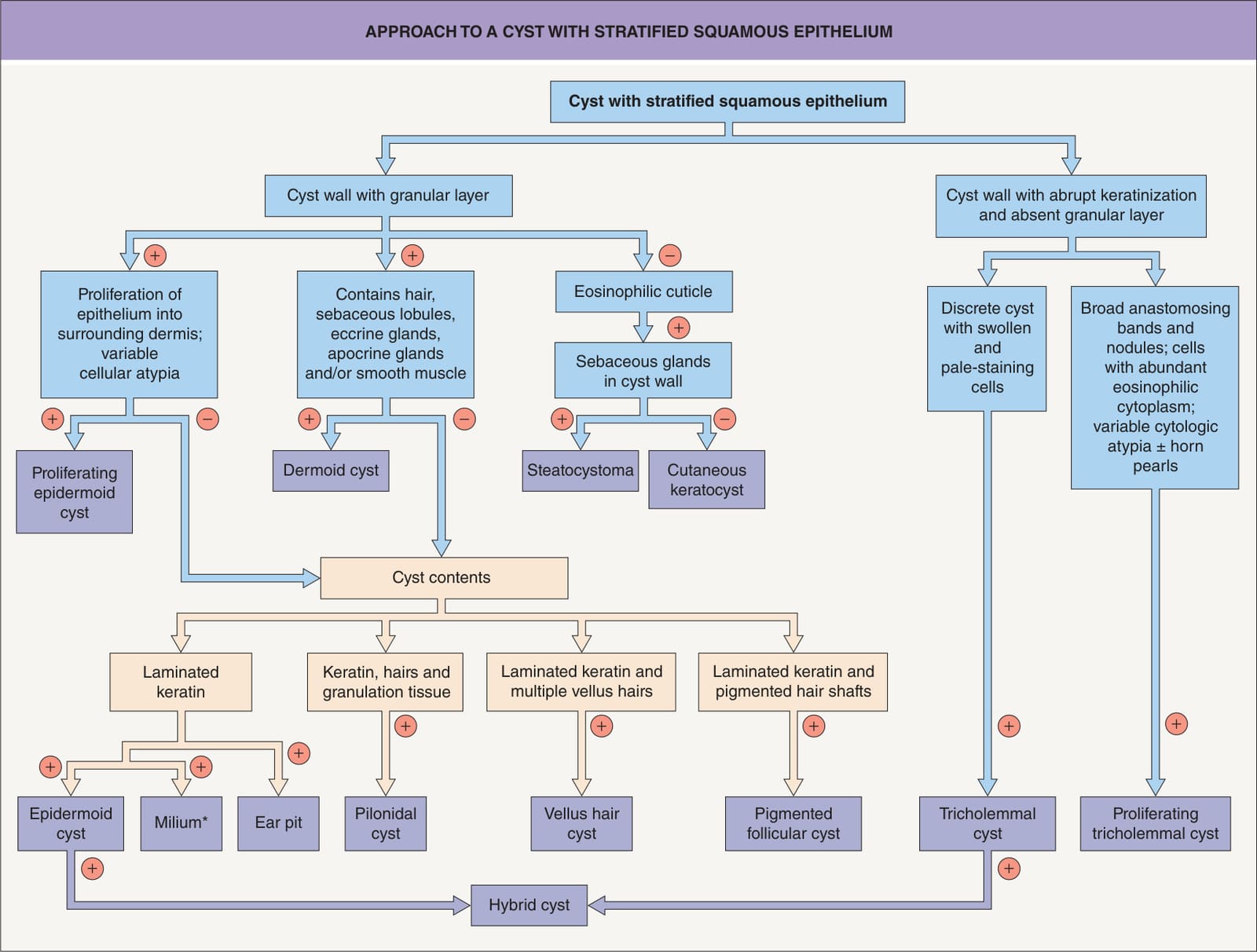
*Fig. 110.1 Approach to a cyst with stratified squamous epithelium. Diameter 1–2 mm.
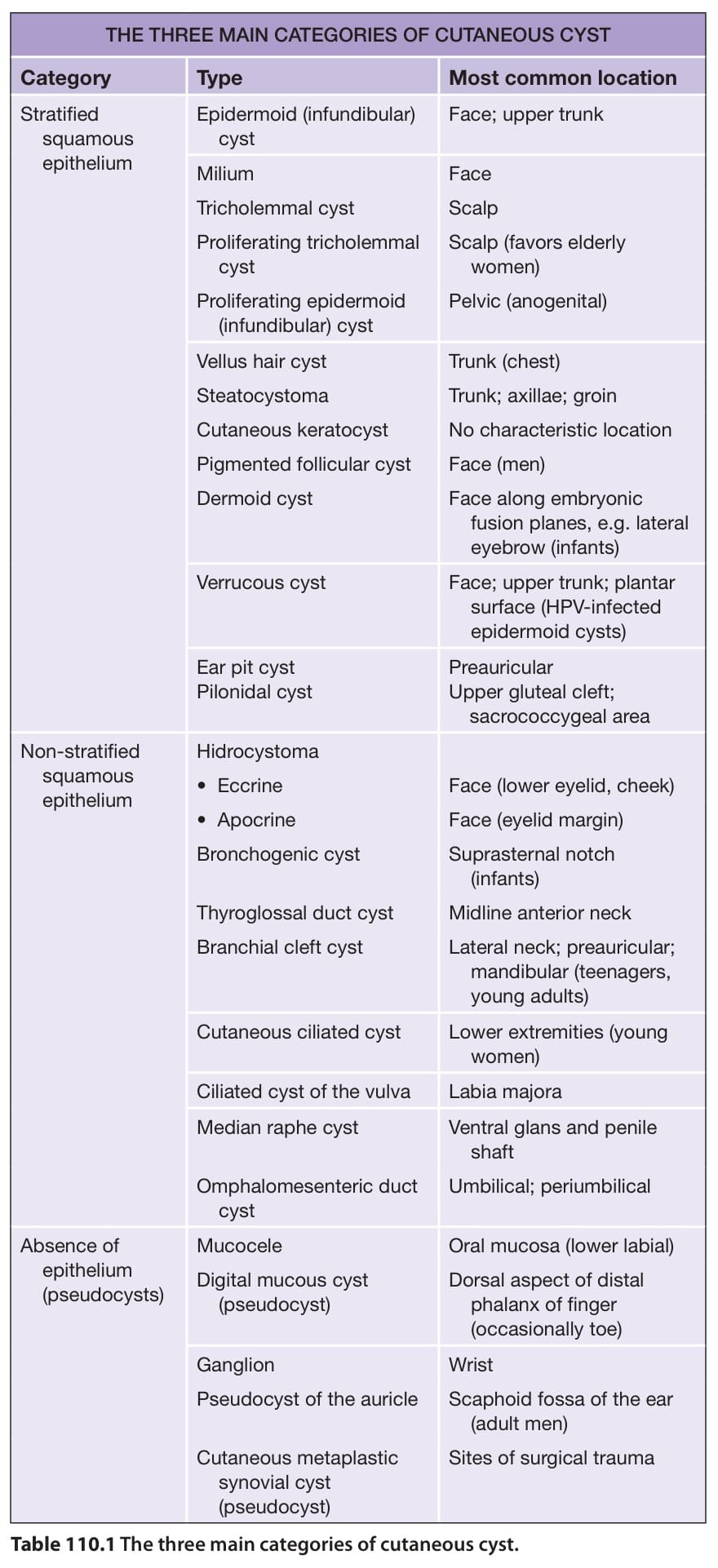
Table 110.1 The three main categories of cutaneous cyst.