INTRODUCTION
Complementary and alternative medicine (CAM) represents a diverse set of healthcare systems, practices, and treatments that are grouped together because they are not considered part of conventional medicine (Table 133.1). More specifically, “complementary medicine” can be defined as non-mainstream modalities or approaches used in conjunction with conventional medicine, while “alternative medicine” typically refers to the use of non-mainstream approaches in place of a conventional treatment. Integrative medicine seeks to blend CAM with more conventional therapies and implies assimilation of healing practices from multiple traditions and cultures.
Multiple studies suggest that from 35% to 70% of patients with skin disease have used CAM. In the US, there tends to be a greater use of CAM in women, adults 30 to 69 years of age, those with higher levels of education, and former smokers. CAM utilization also correlates with the number of health conditions, number of doctor visits during the past year, and hospitalization within the past year. The overwhelming majority of CAM users in high-income countries, including those with dermatologic disorders, use CAM to complement conventional medicine rather than as a complete alternative. Interestingly, individuals with skin conditions are more likely to use CAM than the general population, making this topic particularly relevant to dermatologists.
In this chapter, a number of the major alternative or complementary systems and therapies employed for dermatologic conditions are reviewed. In order to maximize utility, we have focused on treatments with at least some supportive evidence of efficacy (Table 133.2).
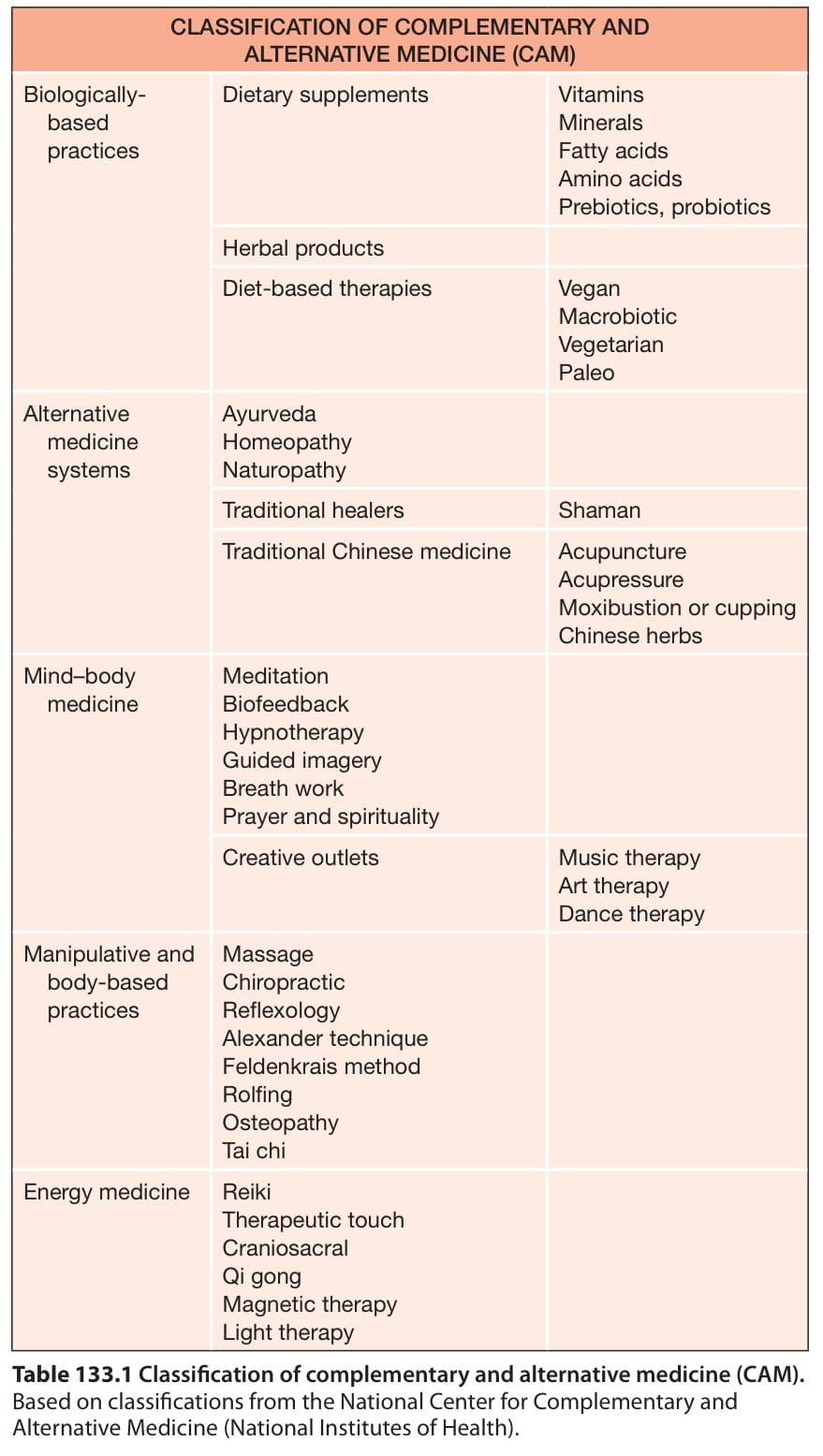
Table 133.1 Classification of complementary and alternative medicine (CAM).
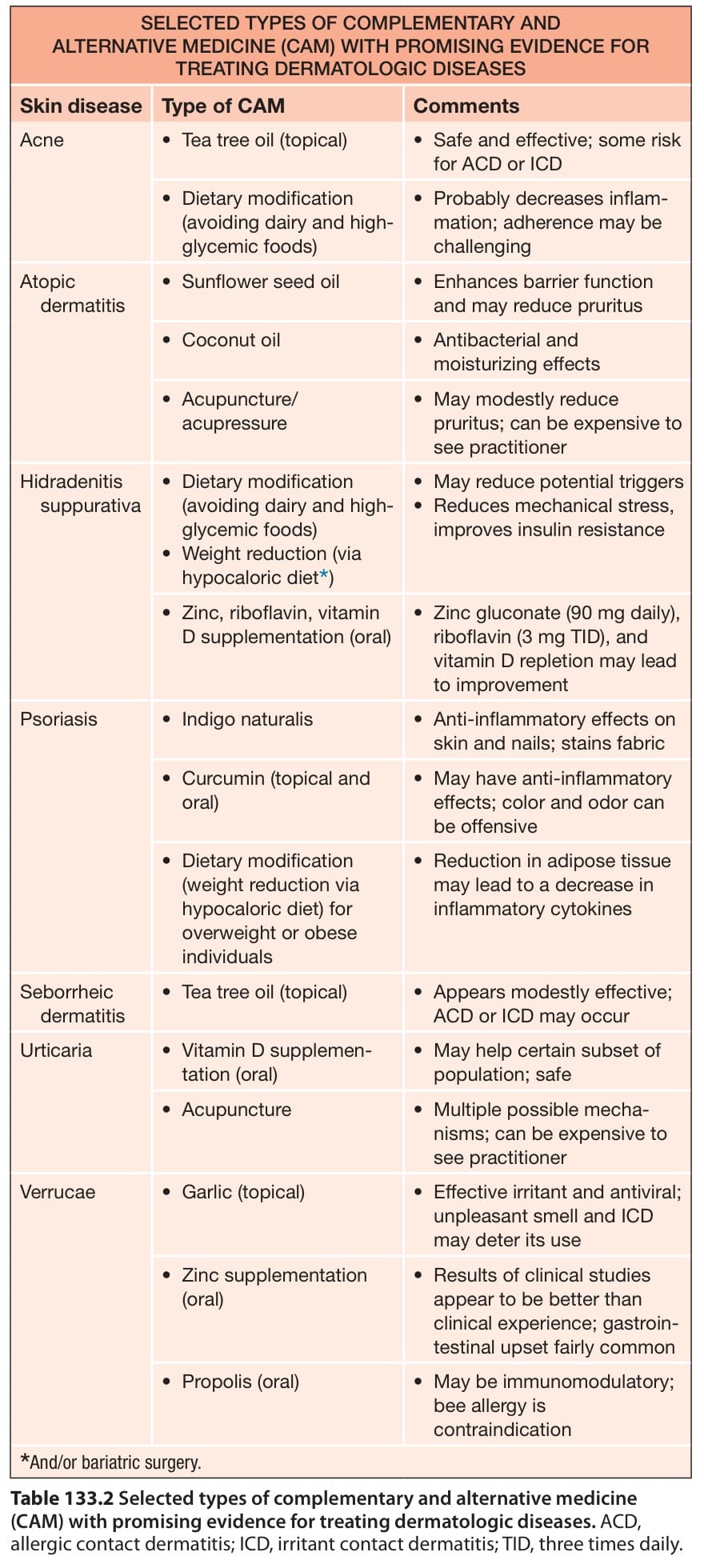
Table 133.2 Selected types of complementary and alternative medicine