COMPLICATIONS OF NAIL SURGERY
Nail surgery is safe and effective. However, as with any surgical procedure, complications may occur. General complications are similar to those observed at other anatomic sites, e.g. hematomas, infection, necrosis, bleeding, keratin implantation cysts, tumor recurrence, and hypertrophic scars or keloids. Nail surgery-specific complications include lateral deviation of the plate after partial ablation of the nail apparatus, nail dystrophy, distal embedding of the plate, and formation of nail spicules (see Fig. 149.15). In addition, nail surgery can lead to pyogenic granuloma formation, complex regional pain syndrome (reflex sympathetic dystrophy), and deep infections such as osteomyelitis and septic arthritis (Table 149.3). When the principles of nail surgery are carefully followed by the surgeon and if the patient adheres
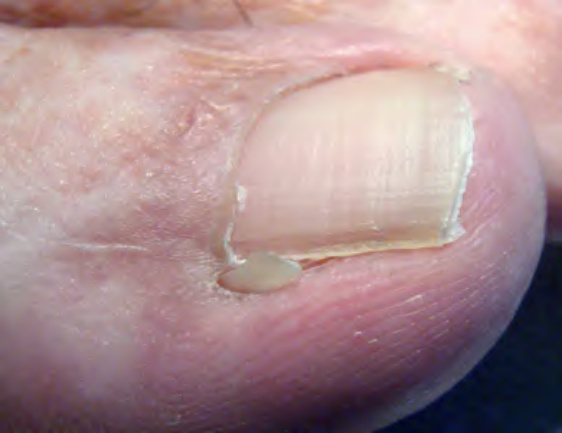
Fig. 149.15 Lateral nail spicule due to incomplete removal of the lateral horn of the matrix. Note the straight line of the incision and compare to Fig. 149.14.
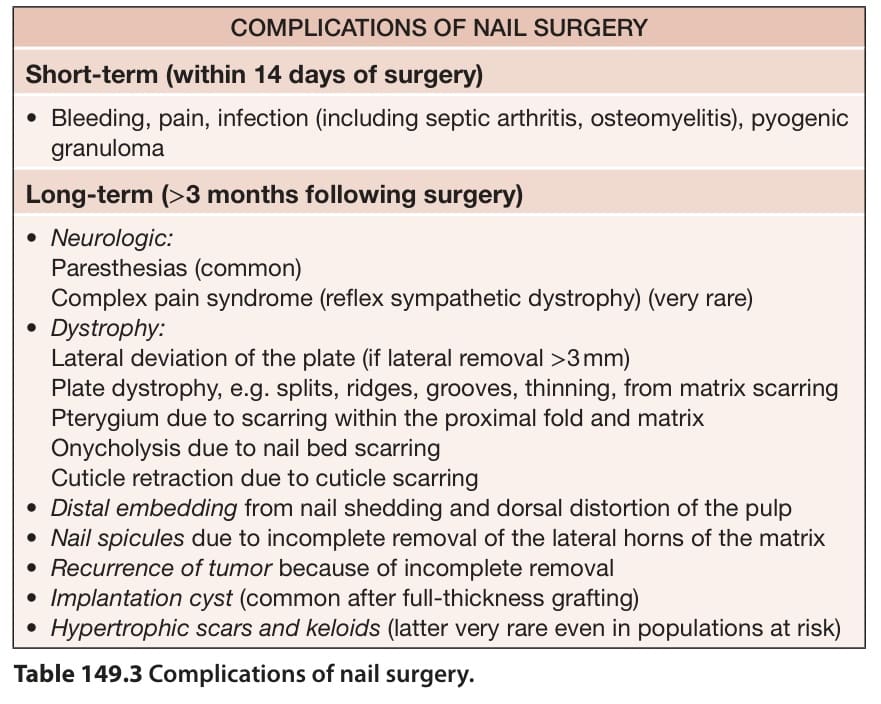
Table 149.3 Complications of nail surgery.
to the specific instructions from the physician regarding wound care and postoperative treatment regimens, significant complications are rare. If necessary, the dermatologic surgeon should involve fellow dermatologists, hand surgeons, or infectious disease specialists who may be able to offer their assistance and expertise with difficult cases.
Additional tables on Patient evaluation prior to nail surgery, Nail unit tumors: radiographic findings and surgical treatments, and Etiologies of a pseudo-Hutchinson sign, available in our eBook (see inside front cover for access code).
313–322.2. André J, Sass U, Richert B, Theunis A. Nail pathology. Clin
Haneke E, eds. Nail Surgery: A Text and Atlas. Philadelphia: Lippincott Williams & Wilkins; 2001. p. 55–81.16. de Berker DA. Lateral longitudinal nail biopsy. Australas J
Table 149.3 Complications of nail surgery.