TEXTILE DERMATITIS
Textile dye dermatitis often goes undetected because of low suspicion and a lack of routine testing with screening allergens. The allergens most likely to cause textile dermatitis are not the synthetic or natural fibers from which the textiles are made, but rather the dyes used to color them and the resins (e.g. ethyleneurea/melamine formaldehyde resin, dimethylol dihydroxyethyleneurea) used to make clothes less likely to wrinkle or shrink. Textile dermatitis typically occurs in areas where clothing fits more tightly (see Fig. 14.9C), and it is more
Adapted from Immediate and delayed allergic hypersensitivity to corticosteroids: practical guidelines. Contact Dermatitis. 2012;66:38–45.
common in women. Dyes, particularly disperse blue dyes 106 and 124, have been found to be a common cause of textile dermatitis and can be used as screening agents. They frequently cross-react and positive patch test reactions can be delayed up to 7–10 days. Although
p-phenylenediamine is a disperse dye, it is not a good screening allergen for textile dye dermatitis. Testing with an individual’s moistened garment can also produce a relevant positive patch test reaction.
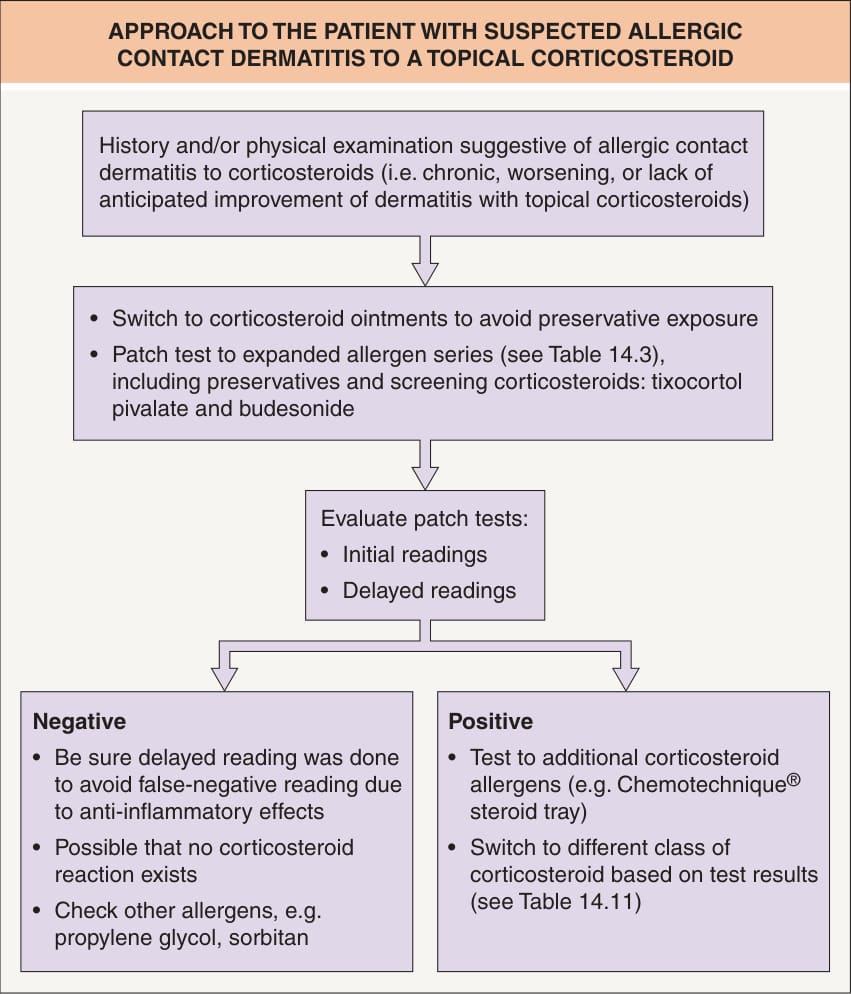
Fig. 14.18 Approach to the patient with suspected allergic contact dermatitis to a topical corticosteroid.
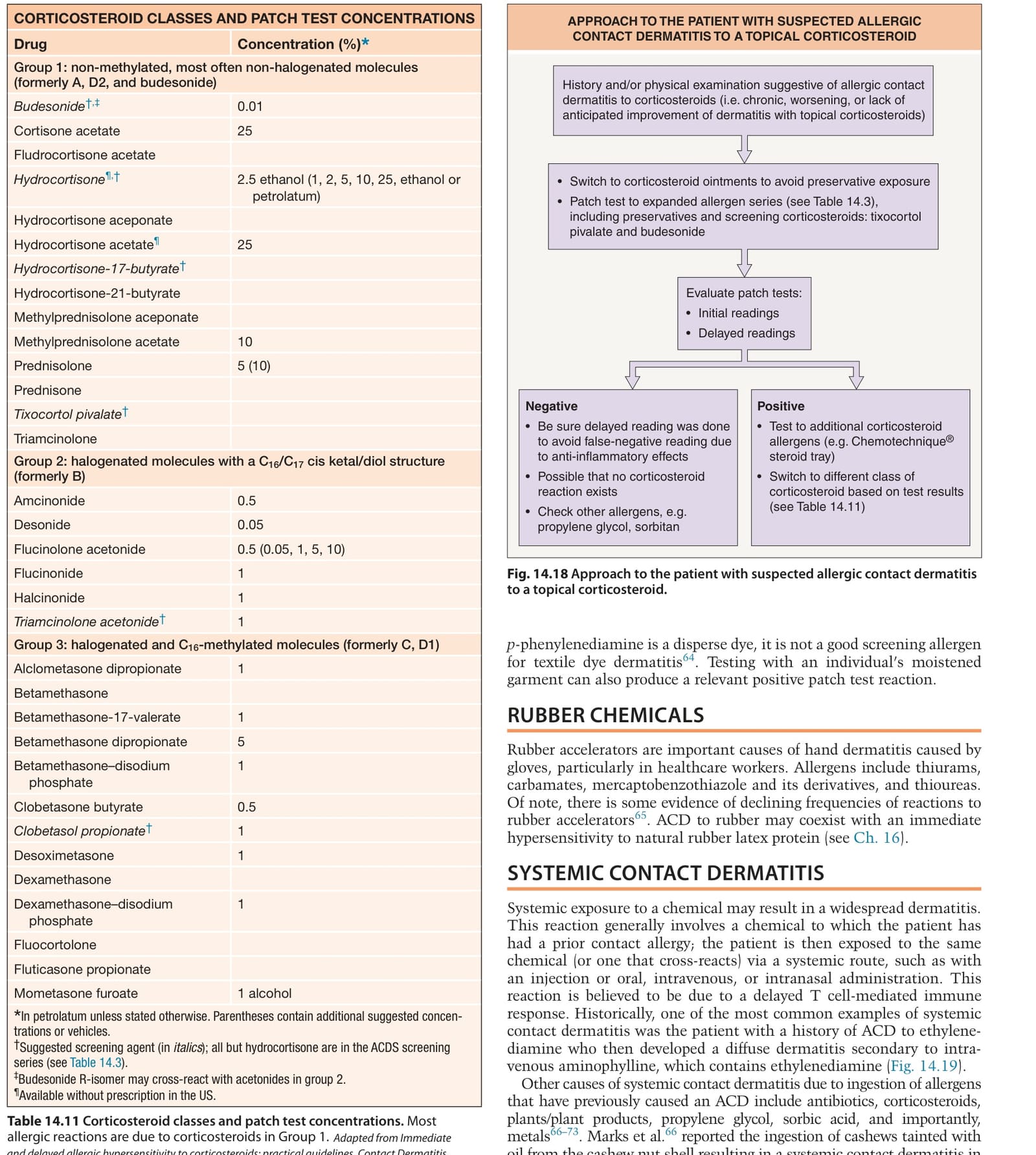
Table 14.11 Corticosteroid classes and patch test concentrations. Most allergic reactions are due to corticosteroids in Group 1.