紡織品皮膚炎(TEXTILE DERMATITIS)
紡織品染料皮膚炎(textile dye dermatitis)常因懷疑度低以及缺乏以篩檢用過敏原進行例行測試而未被察覺。最可能造成紡織品皮膚炎的過敏原並非製作紡織品所用的合成或天然纖維,而是用來為其染色的染料,以及用來使衣物較不易起皺或縮水的樹脂(例如 ethyleneurea/melamine formaldehyde resin、dimethylol dihydroxyethyleneurea)。紡織品皮膚炎通常發生於衣物較為貼身的區域(見圖 14.9C),且在
改編自 Immediate and delayed allergic hypersensitivity to corticosteroids: practical guidelines. Contact Dermatitis. 2012;66:38–45.
女性較為常見。染料,特別是 disperse blue dyes 106 與 124,已被發現是紡織品皮膚炎的常見原因,並可作為篩檢劑使用。它們經常發生交叉反應,而陽性貼膚試驗反應可能延遲至 7–10 天才出現。雖然
p-phenylenediamine 是一種分散染料(disperse dye),但它並非紡織品染料皮膚炎的良好篩檢過敏原。以個人沾濕的衣物進行測試,也可能產生具相關性的陽性貼膚試驗反應。
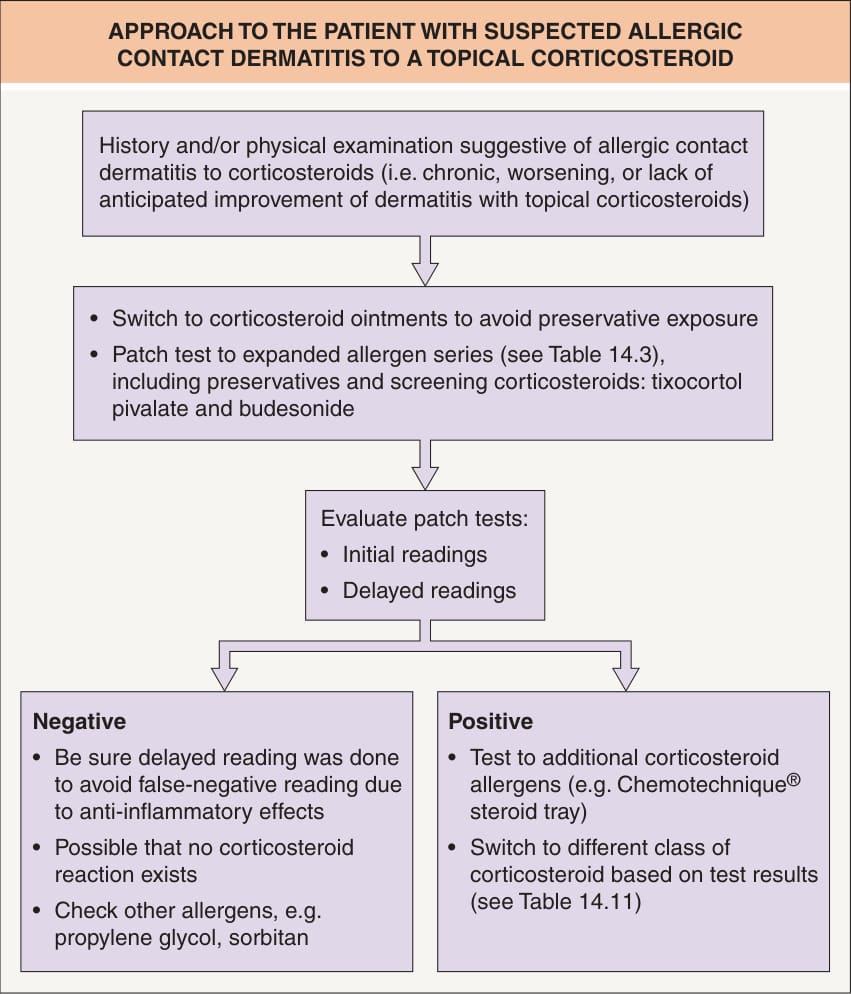
Fig. 14.18 Approach to the patient with suspected allergic contact dermatitis to a topical corticosteroid.
圖 14.18:疑似對外用皮質類固醇有過敏性接觸性皮膚炎之病人的處理方式。
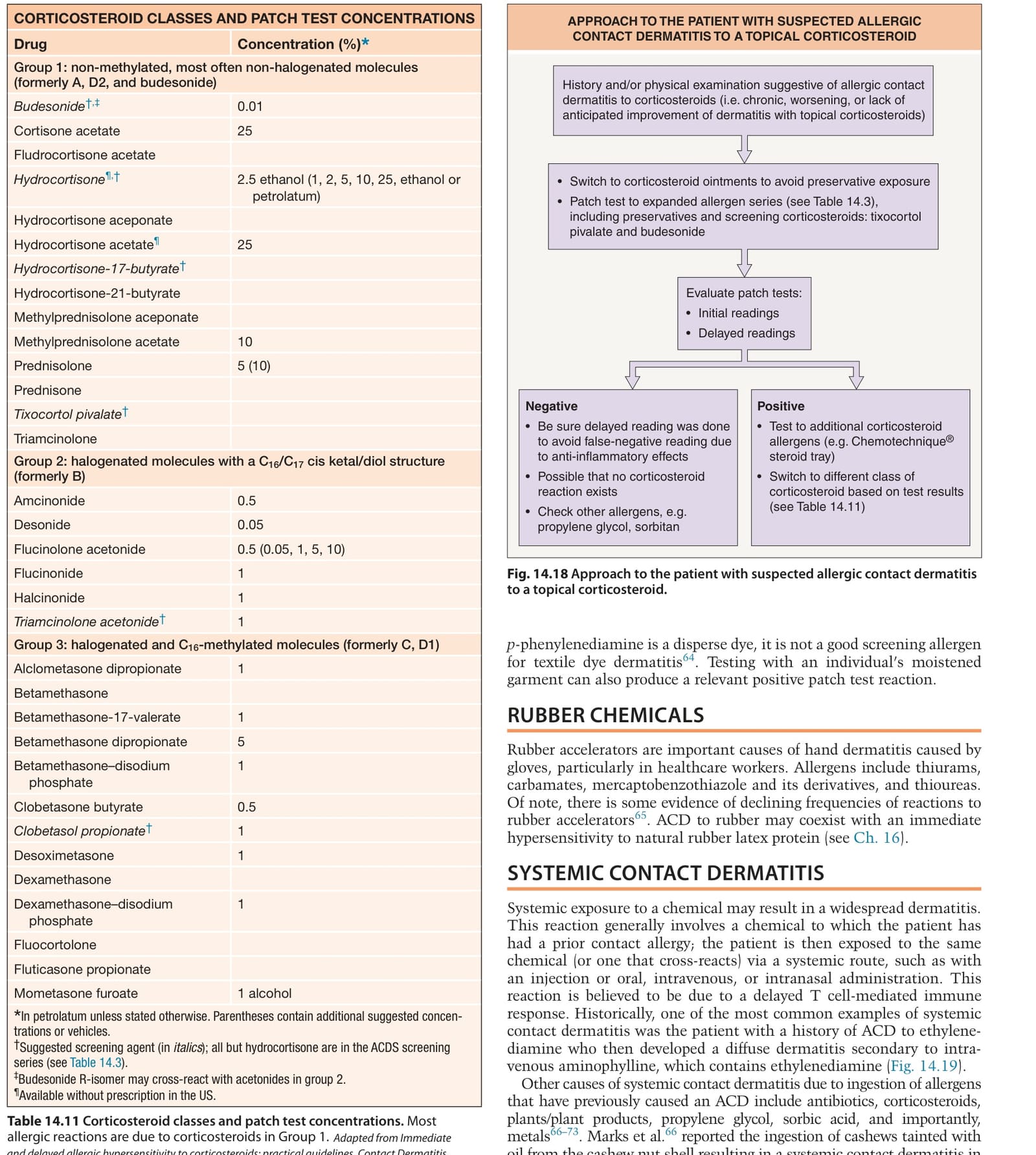
Table 14.11 Corticosteroid classes and patch test concentrations. Most allergic reactions are due to corticosteroids in Group 1.
表 14.11:皮質類固醇分類與貼膚試驗濃度。大多數過敏反應源自第 1 組(Group 1)的皮質類固醇。