CLASSIFICATION OF IRRITANT CHEMICALS
Acids
A variety of both inorganic and organic acids can be corrosive to the skin. Acids cause epidermal damage via protein denaturation and cytotoxicity. Principally, all strong acids give the same clinical features, including erythema, vesication, and necrosis (Fig. 15.2).
Inorganic acids are commonly used in industry, especially hydrofluoric, sulfuric, hydrochloric, chromic, nitric, boric, and phosphoric acids (Table 15.4). Hydrofluoric acid and sulfuric acid cause the most severe
burns, even at low concentrations, and significant absorption may lead to systemic toxicity.
In general, organic acids tend to be less irritating. Among the organic acids, acetic, acrylic, formic, glycolic, benzoic, and salicylic acids are the most common irritants, particularly after prolonged exposure. The uses and properties of acrylic acid and formic acid are outlined in Table 15.4. Acetic acid is a constituent of vinegar, flavoring agents, and astringent mouthwashes, whereas glycolic, benzoic, and salicylic acids are mild irritants whose properties can be harnessed for therapeutic and cosmetic purposes, when used in low concentrations.
Alkalis
Alkalis or bases often cause more painful and severe damage than most acids, with the exception of hydrofluoric acid. There are generally no vesicles, but rather necrotic skin that first appears dark brown, then black, and ultimately becomes hard, dry, and cracked. Alkalis disrupt barrier lipids and denature proteins with subsequent fatty acid saponification, thus subjecting the cell to edema and resultant cytotoxicity. The emulsifying effect of soaps formed in the process facilitates the further penetration of the alkali into the deeper layers of the skin. Strong alkalis include sodium, ammonium, calcium, and potassium hydroxide; sodium and potassium carbonate; and calcium oxide, used primarily in the manufacture of bleaches, dyes, vitamins, pulp, paper, plastics, and soaps and detergents. Calcium hydroxide is liberated from wet cement, which has an initial pH of 10–12 that rises to 12–14 as the cement sets (see Table 15.4).
Metal Salts
Metals represent an important and commonly encountered group of irritants, with irritant reactions to metal salts ranging from folliculitis and pigmentary changes to ulceration (see Table 15.4).
Solvents
A wide variety of solvents are used daily in processes such as chemical reactions, hydraulic systems, metal refining, dry cleaning, and metal degreasing. Nearly all are primary irritants to varying degrees (see Table 15.4), with only a few, such as turpentine, also being able to elicit allergic sensitization. Solvents act mainly by dissolving the intercellular lipid barrier of the epidermis, thereby substantially compromising barrier function. Prolonged skin contact can result in severe dermatitis as well as symptoms and even death from systemic absorption, making early recognition of skin manifestations important in the prevention of systemic toxicity. After repeated exposure, the hands, and occasionally the hands and face, develop erythema, scaling and dryness, eventually evolving into eczema (Fig. 15.3). The irritating capacity of organic solvents, attributed mainly to their lipophilicity, follows the order: aromatic
aliphatic > chlorinated > turpentine > alcohols > esters > ketones. In the common clinical scenario of solvent then soap and water exposure, there is a synergistic degradation of epidermal barrier function, pointing to the importance of personal protection and hygiene.
Alcohols/Glycols
Alcohols are used widely as solvents, disinfectants, preservatives in cosmetics, and penetration enhancers in drug delivery systems; most have only mild irritating effects. Alcohols are the safest known topical anti-septic compounds, providing bactericidal activity against most Gram-positive and Gram-negative bacteria as well as many fungi and viruses. Most appropriate for this use are diluted solutions of ethyl alcohol, propyl alcohol, and isopropyl alcohol, which act by means of protein denaturation. In cosmetics, alcohol is used as a preservative to prevent microbial contamination and to decrease viscosity. The principal mechanism by which alcohols enhance percutaneous absorption is hypothesized to be the extraction of intercellular lipids from the stratum corneum.
Glycols, or diols, such as ethylene glycol and propylene glycol, are aliphatic alcohols commonly used in cosmetic products as solvents, emulsifiers, humectants, or keratolytics. Propylene glycol can produce both allergic and irritant contact dermatitis and sources of exposure include personal care products, topical corticosteroids, and other topical medications. Of note, propylene glycol is typically used in cosmetics in concentrations <50%.
Detergents and Cleansers
A detergent includes almost any surface-active agent (surfactant) that concentrates at oil–water interfaces and holds both cleansing and emulsifying properties. Detergents most commonly cause chronic forms of ICD and are present in skin cleansers, cosmetics, and household cleaning products. With normal use, ICD is rare from skin cleansers, the exception being in individuals with susceptible skin. Detergents’ cleansing actions are derived from their ability to lower the surface tension between two non-mixable phases due to their hydrophilic (polar head) and lipophilic (apolar tail) components. Skin toxicity arises from their damaging influence on the stratum corneum, which impairs barrier function (Fig. 15.4). Surfactants concomitantly bind to keratin and cause protein denaturation. When the stratum corneum is disrupted, detergents can damage viable epidermis and papillary dermal structures.
Irritancy from detergents is best evaluated by measuring TEWL since the latter represents the surrogate measurable change indicative of irritancy damage from this group of chemicals. As a group, anionic detergents such as alkyl sulfates and alkyl carboxylate salts (soap) are more irritating than are amphoteric and non-ionic groups. Sodium lauryl sulfate, an anionic detergent, is often used as a reference irritant in studies because of its consistent, non-allergic, rapid toxic response. Amphoteric surfactants such as cocamidopropyl betaine – which are used in therapeutic formulations, personal care products, and cosmetics – have the lowest irritation potential. Cocamide DEA (diethanolamine), a non-ionic biodegradable surfactant, is used as a viscosity booster, stabilizer, and foam booster; it is found in hand soaps, liquid shampoos, detergents, and dishwashing liquids. Of note, cocamide DEA is one of the more irritating surfactants, and it is commonly involved in occupation-related contact dermatitis in North American healthcare workers. In contrast, cocamide MEA is minimally irritating and can be used in a concentration of up to 10% in leave-on products.
Skin cleansers may be solid or liquid, based on soap and/or synthetic detergents, and may contain solvents or abrasives, depending on use requirements (see Ch. 153). Although the primary factor that determines skin irritancy is the detergent component, skin tolerance cannot be adequately predicted from the composition of products alone. Such an assessment is largely left to trial and error or repeated skin challenges in volunteer cohorts.
Disinfectants
Most disinfectants used to destroy pathogens in the environment act as weak toxic agents and cause chronic ICD as a result of cumulative doses of subclinical irritancy (Fig. 15.5). Various compounds may be used, such as alcohols (see above), aldehydes, phenolic compounds, halogenated
compounds, and quaternary ammonium salts (see Table 15.4), in addition to dyes, oxidizing agents, and mercury compounds.
Dyes of the triphenylmethane family are extensively used as topical antiseptics; they are capable of producing phototoxic dermatitis but uncommonly cause irritant reactions. Benzoyl peroxide is a common oxidizing agent used as a topical antimicrobial medication that is capable of causing mild irritation. Most mercury compounds induce skin irritation by protein precipitation, but have fallen into disuse as a result of hazards of systemic toxicity.
Plastics
Plastics are synthetic macromolecular end-products consisting of large polymers formed by the linkage of small monomers into large chainlike units. A large number of plastic resins are commercially important and they can be divided into three categories:
●thermoplastics – polyacrylates, polyethylene, polystyrene, polyvinyl chloride, and saturated polyesters
●thermosettings – epoxy resins, phenol–formaldehyde resins, and polyurethanes
●elastomers – synthetic rubbers. Skin damage is almost exclusively attributable to the monomer ingredients, hardeners, and other additives such as stabilizers. The final hardened plastic product is generally considered inert and non-hazardous to
the skin, but residual non-polymerized monomers may be the offending agents. Both irritant and allergic contact dermatitis are common, and they may only be differentiated by patch testing.
Food and Plants
Food and food additives often contain compounds that elicit contact sensitivity and irritation, particularly in those working in agriculture, fishing, catering, and food processing industries. Much of the work in these sectors is done without gloves under damp working conditions with frequent hand washing – factors further aggravating skin irritation. Mechanical, thermal, and climatic factors also contribute. A large majority of exposed persons in food handling and fishing professions may be affected by chronic irritant hand dermatitis. Slight irritant skin changes are often accepted as “normal” for the patient’s occupation and medical advice is often not sought.
Examples of foods that can lead to ICD include pineapples, which contain the proteolytic enzyme bromelain (bromelin), and garlic, which contains allicin and diallyl disulfide. Irritant dermatitis and chemical burns have occurred from the homeopathic use of garlic as well as apple cider vinegar (contains acetic acid; see Fig. 90.7). Foods can also lead to contact urticaria (see Table 15.3) and protein contact dermatitis; both of these entities are discussed in detail in Chapter 16.
Additional food-associated and plant-derived irritants are outlined in Table 15.5 and the latter are discussed in Chapter 17.
Water
Water, the universal solvent, is a particularly ubiquitous skin irritant. Wet workers such as hairdressers, hospital cleaners, cannery workers, and bartenders have an increased incidence of hand eczema, with frequent exposure to water via hand washing directly correlating with the development of irritant hand dermatitis. Several mechanisms such as osmolarity, pH, hardness, and temperature might account for the irritancy of water. Stratum corneum hydration may facilitate penetration of polar and non-polar substances through connections in the lacunar network (see Ch. 124) as well as support the overgrowth of pathogenic organisms. The irritancy of water is often exacerbated by occlusion, as it changes the barrier properties of the stratum corneum.
Bodily Fluids
Urine, feces (especially in the setting of diarrhea), and saliva can lead to ICD. In babies, irritant diaper dermatitis is a common problem and is often characterized by glazed erythema of convex surfaces and at the diaper margins, with sparing of the skin folds; edema, scaling, and superficial erosions may also be observed (see Fig. 13.12). Chronic diarrhea and incontinence can result in similar problems in the elderly.
In both children and adults, long-standing irritant dermatitis in the anogenital region can lead to papules and nodules (granuloma gluteale infantum [adultorum]; pseudoverrucous papules and nodules) as well as punched-out erosions and ulcerations (Jacquet erosive dermatitis) (Fig. 15.6). Predisposing factors, in addition to prolonged exposure to urine or stool, include occlusion, candidal infection, and topical corticosteroid use. Histologically, epidermal hyperplasia, a variably dense mixed inflammatory infiltrate in the dermis, and vascular proliferation are typically observed. The term erosive papulonodular dermatosis has been suggested as an overarching term to describe this spectrum of reactive changes. Of note, similar changes can be seen in submammary and peristomal skin. Although barrier creams and topical antifungal agents may have some benefit, the condition tends to persist until the irritant trigger is eliminated.
Children, more so than adults, develop the habit of lip licking. In these patients, irritant dermatitis may involve the perioral skin as well as the lips (Fig. 72.16A). In a series of 75 patients with cheilitis who were referred for patch testing, ICD was the most common cause of cheilitis. Figure 72.15 outlines distinguishing features of the various forms of cheilitis, including that due to ICD. Periurethral ICD may be seen in patients with bladder-drained pancreatic allografts and in those receiving foscarnet.
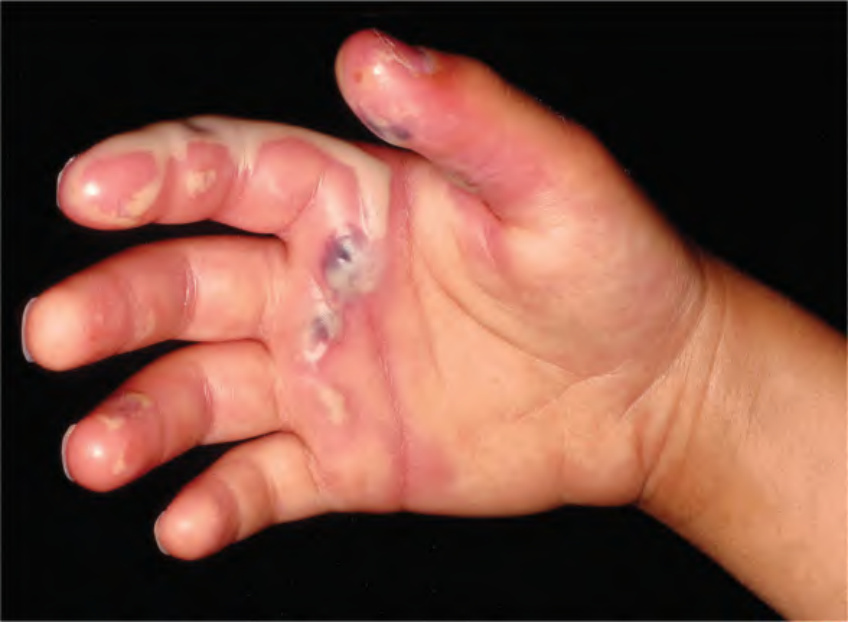
Fig. 15.2 Chemical burn due to hydrochloric acid. Development of erythema, edema, and bullae, some of which are hemorrhagic. Courtesy Eugene Mirrer, MD.
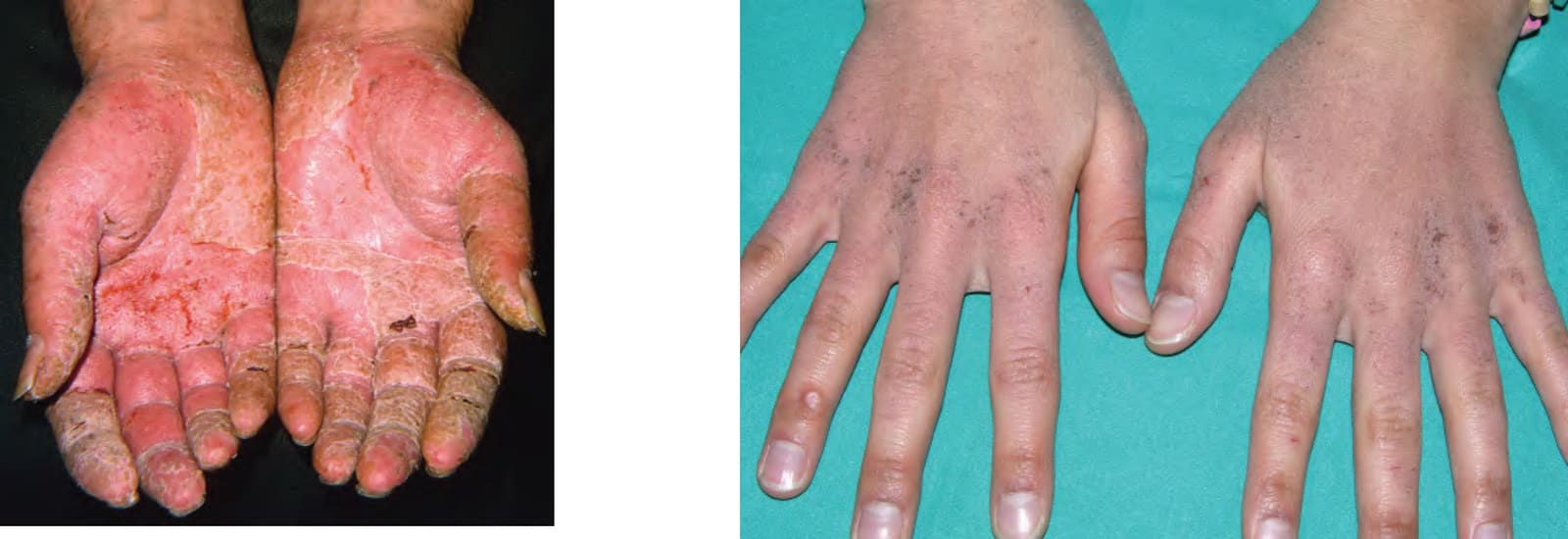
Fig. 15.3 Bilateral irritant contact dermatitis of the palms secondary to repeated contact with paint solvents. Extensive patch testing excluded allergic contact dermatitis in this professional paint and crayon illustrator. Courtesy Kalman Watsky, MD.
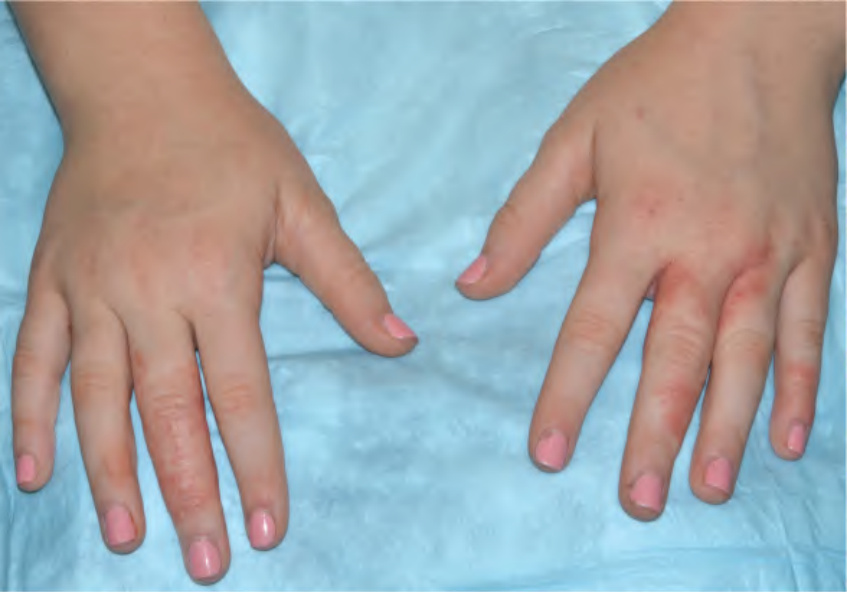
Fig. 15.4 Irritant contact dermatitis caused by playing with slime composed of school glue, food coloring, and laundry detergent. Note the involvement of the web spaces. Components of homemade slime typically include glue, dye, and sodium borate (borax powder or within detergents) or boric acid. Courtesy Emily Berger, MD.
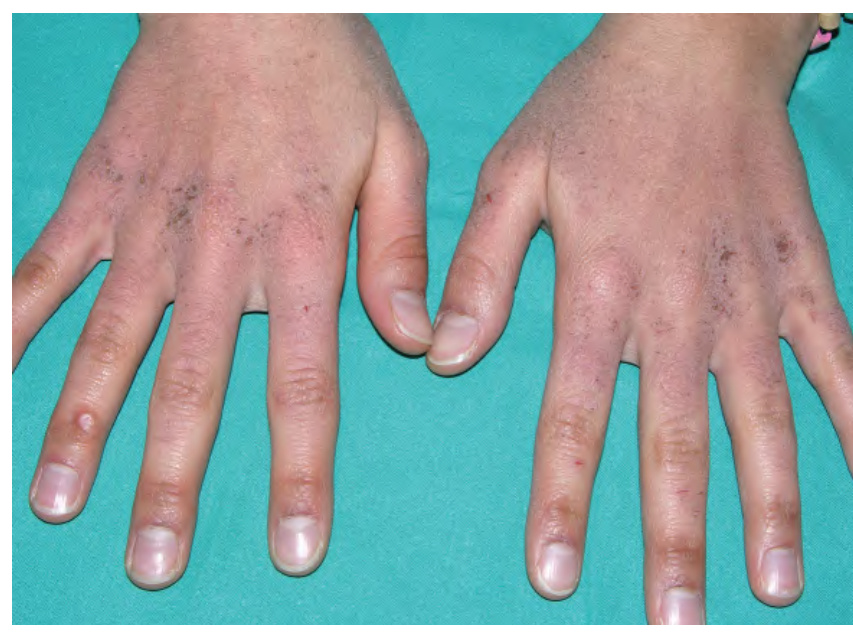
Fig. 15.5 Irritant contact dermatitis of the hands due to chronic exposure to disinfectants.Courtesy Antonio Torrelo, MD.
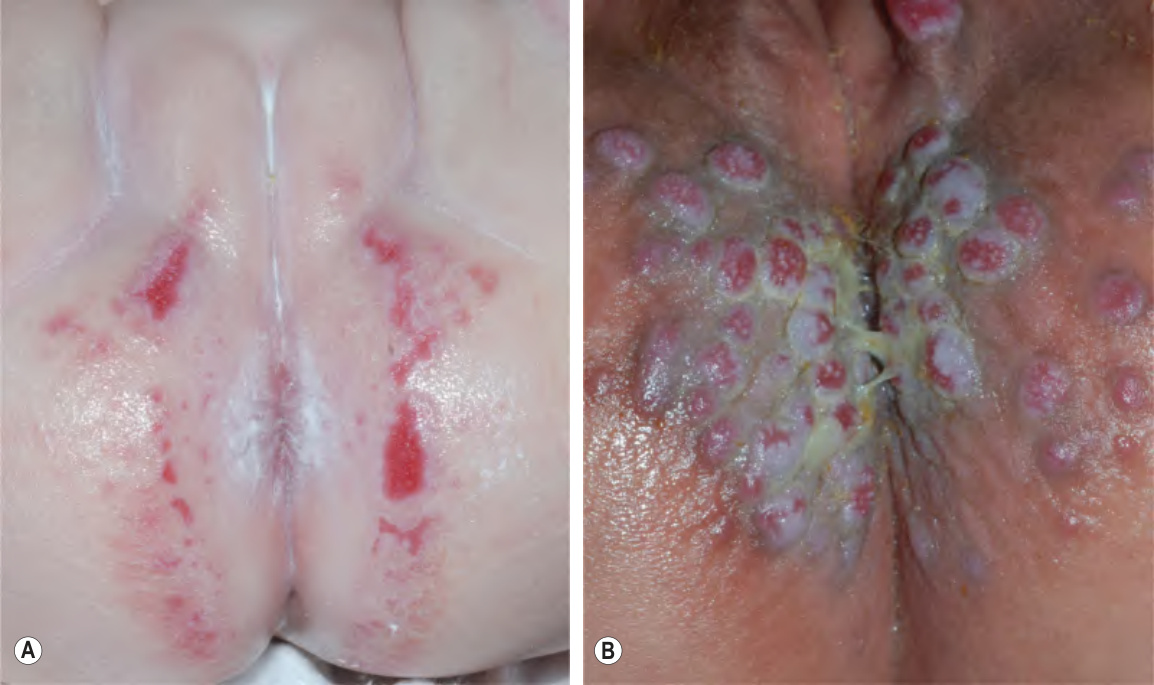
Fig. 15.6 Granuloma gluteale infantum, a form of chronic irritant contact dermatitis. Chronic exposure to urine and feces can lead to erosions and ulcerations (A); also referred to as Jacquet erosive dermatitis, as well as pseudoverrucous papules and nodules or erosive papulonodular dermatosis (B). Courtesy Julie V. Schaffer, MD.
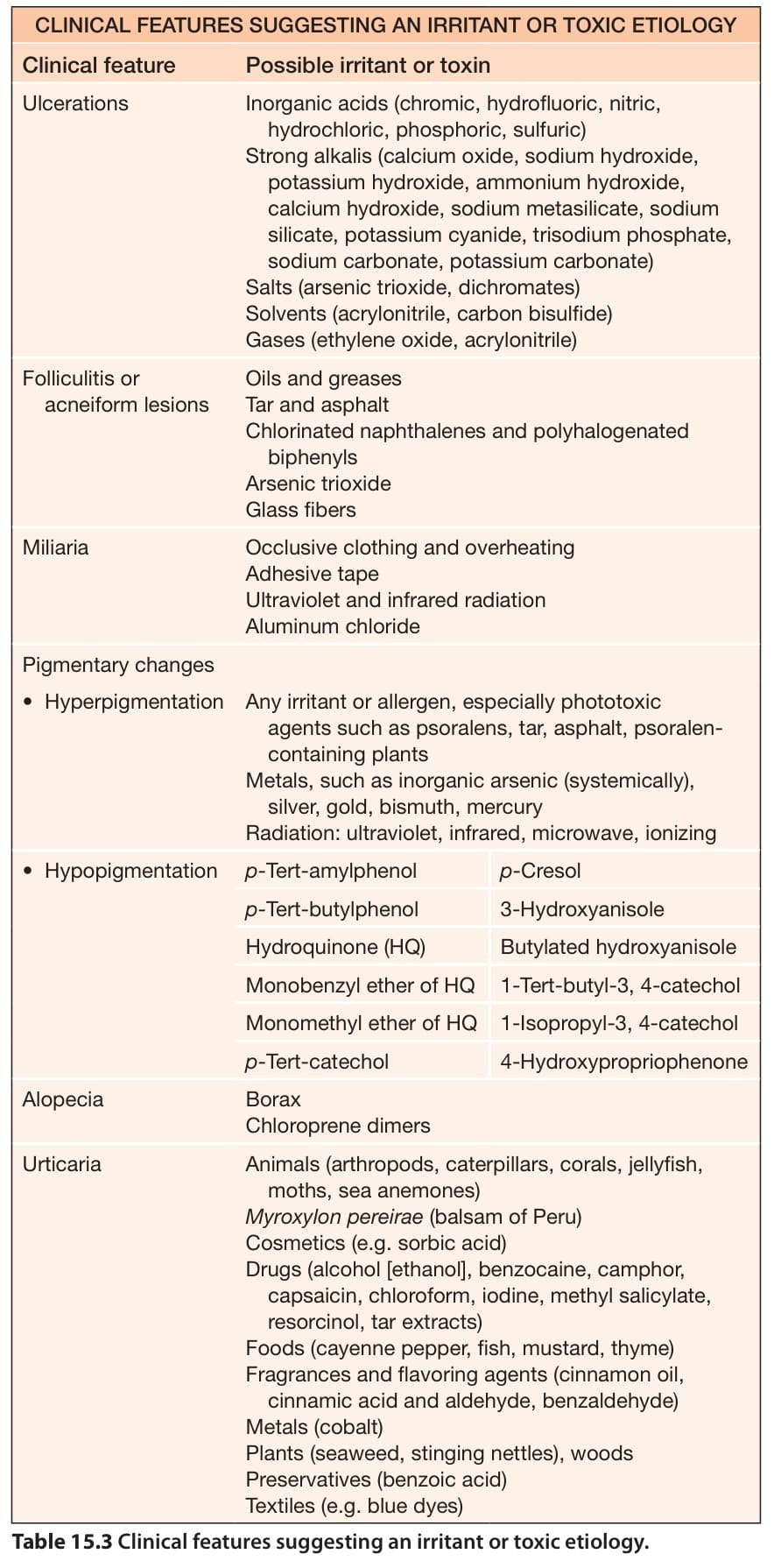
Table 15.3 Clinical features suggesting an irritant or toxic etiology.
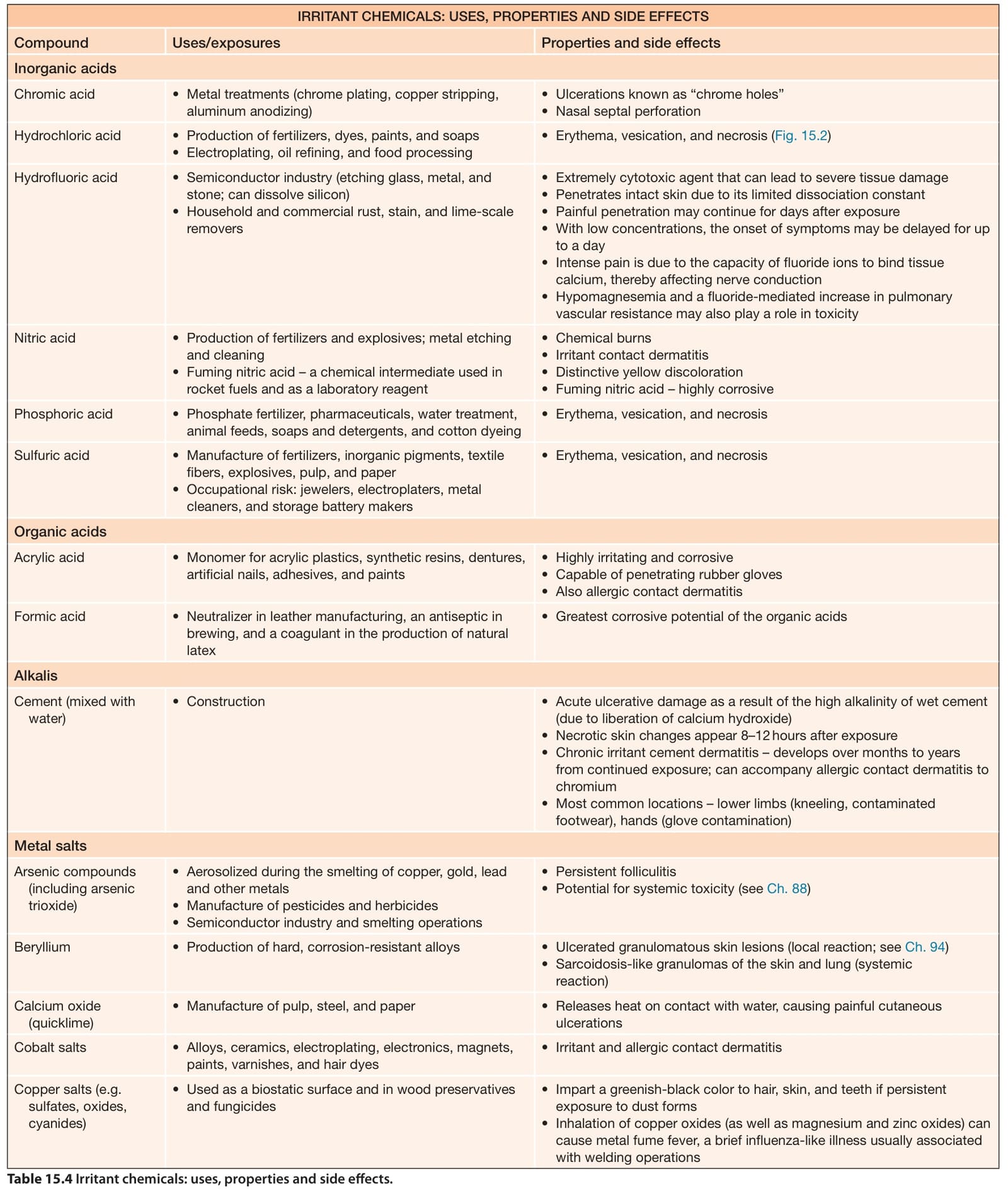
Table 15.4 Irritant chemicals: uses, properties and side effects.
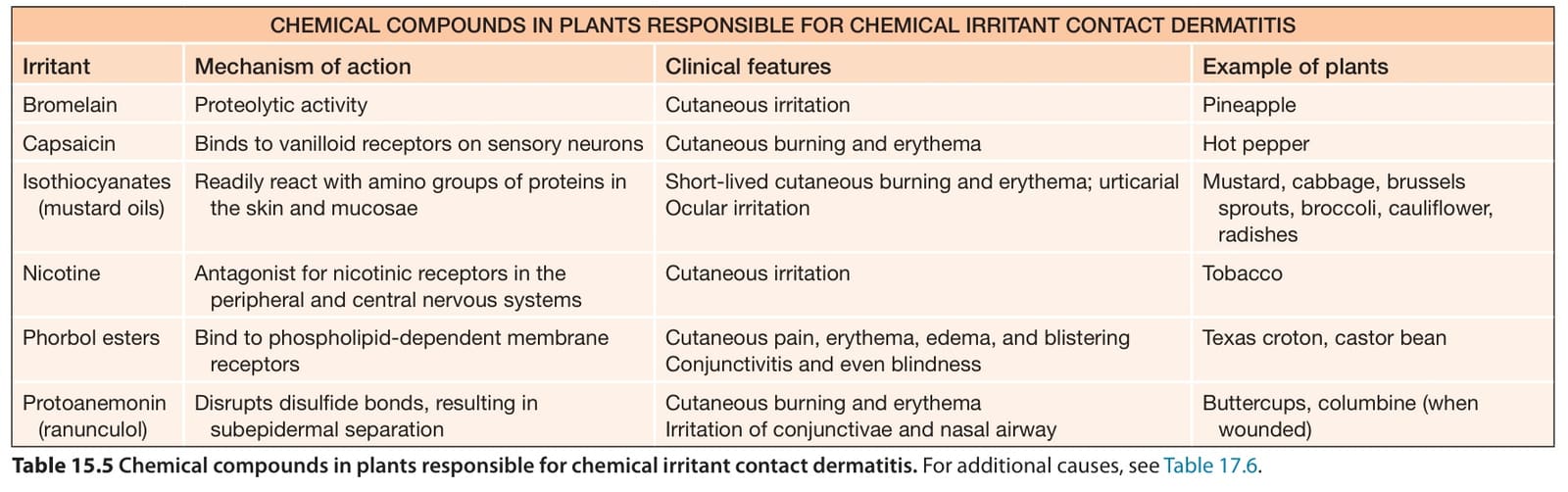
Table 15.5 Chemical compounds in plants responsible for chemical irritant contact dermatitis. For additional causes, see Table 17.6.