INTRODUCTION
The skin contains a network of highly specialized afferent sensory nerves that convey sensations such as pain, itch, temperature, and touch (Table 5.1). In addition, peptidergic nerve fibers release neuropeptides such as substance P, calcitonin gene related peptide (CGRP), nerve growth factor (NGF), and other neurotrophins whose effects include immune modulation. Because pruritus is largely restricted to the skin, the latter represents the major target organ of somatosensation.
Pruritus (itch) is the dominant symptom of many cutaneous diseases and is mediated by sensory nerves traditionally classified as non-peptidergic (NP). Although itch elicits scratching via a reflex arc, it is actually multidimensional with cognitive, evaluative, and motivational components. Pruritus can also occur in association with systemic diseases (e.g. chronic kidney disease, cholestasis; see Ch. 6), psychiatric conditions (see Ch. 7), and damage to nerve fibers.
The link between itch and scratching is so close that in some languages the same word refers to both itch and scratch. Although similarities to pain exist, itch is distinct – pain elicits a reflex withdrawal, whereas itch leads to a scratching response. Despite being an extremely common complaint that is highly conserved across species, medical science is still struggling to understand the mechanisms of itch and how it can be inhibited.
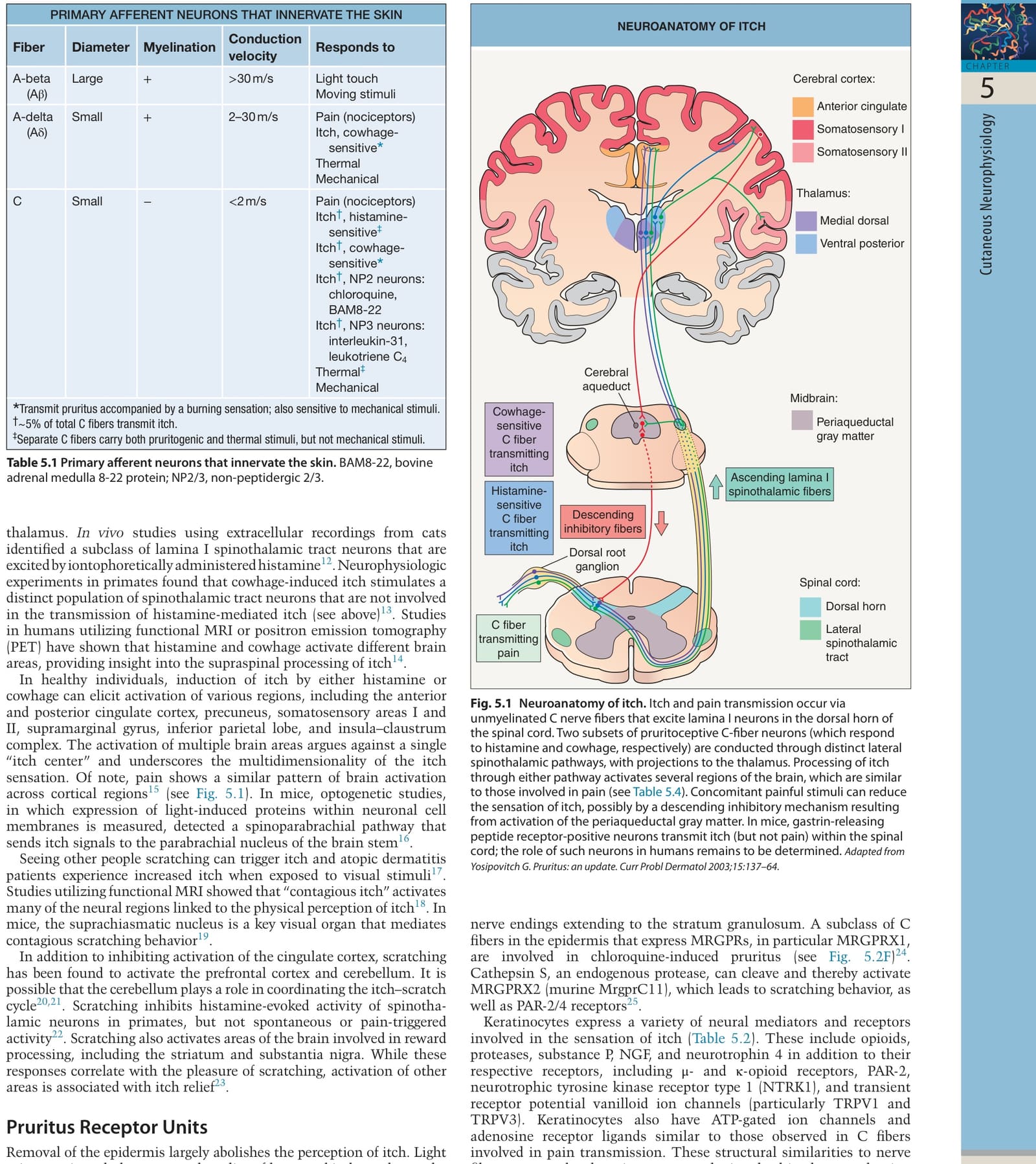
Table 5.1 Primary afferent neurons that innervate the skin. BAM8-22, bovine adrenal medulla 8-22 protein; NP2/3, non-peptidergic 2/3.