PRURITUS IN SYSTEMIC DISEASE
Chronic Kidney Disease-Associated Pruritus (Renal Pruritus)
Pruritus is a frequent symptom in patients with advanced chronic (not acute) kidney disease, especially those requiring dialysis. Although the term “uremic pruritus” is used synonymously, it incorrectly implies that the symptom is secondary to elevated serum urea levels. Nowadays, chronic kidney disease-associated pruritus (CKD-aP), rather than renal pruritus, is the preferred term.
CKD-aP may be localized or generalized, and the intensity and distribution often vary over time. Prurigo nodularis and other secondary skin lesions can develop due to scratching, rubbing, or picking the skin. CKD-aP represents an independent predictor of mortality in dialysis patients and is associated with sleep disturbances, depression, and impaired quality of life.
In general, the occurrence of CKD-aP is not associated with sex, race, duration of dialysis, or etiology of the kidney disease; it is rare in children but otherwise does not correlate with age. From 25% to 45% of hemodialysis patients suffer from pruritus; a decrease in pruritus frequency over the past few decades likely reflects improvements in dialysis procedures, such as utilization of high-permeability rather than conventional hemodialysis. Patients receiving continuous ambulatory peritoneal dialysis (CAPD) appear to be slightly less or equally affected by pruritus compared to those on hemodialysis. In patients receiving standard thrice weekly hemodialysis, pruritus usually peaks in the evening after 2 days without dialysis, is relatively high during dialysis, and is lowest the following day.
The etiology of CKD-aP is poorly understood. The role of mast cells and histamine is controversial, with no relationship between plasma histamine levels and the severity of pruritus. This finding is supported by the failure of antihistamine therapy in most affected individuals. Another possible explanation for CKD-aP is an accumulation of compounds that cross the dialysis membranes slowly.
Parathyroid gland activity is commonly increased in chronic kidney disease, and dramatic relief of pruritus after subtotal parathyroidectomy has been reported in some patients. However, although higher serum levels of calcium, phosphate, and parathyroid hormone (PTH) have been detected in dialysis patients with pruritus than in those without pruritus, no correlation between degree of pruritus and PTH levels has been observed. Furthermore, studies have failed to demonstrate PTH immunoreactivity within the skin, PTH does not produce pruritus when injected intradermally, and pruritus is not always present in uremic patients with hyperparathyroidism.
Although dry, scaly skin is common in patients with chronic kidney disease (Fig. 6.8), the presence of pruritus does not correlate with xerosis, stratum corneum hydration, or sweat secretion. Peripheral neuropathy affects up to 65% of patients who receive dialysis, raising the possibility that pruritus may be a manifestation of a neuropathy. Loss of itch-inhibiting CGRP-expressing neurons in the papillary dermis has been observed in CKD-aP patients. Opioids could potentially play a role, as they accumulate with renal failure. However, this accumulation is unrelated to the duration of disease and levels are unaltered by hemodialysis. A recent study found a decrease of κ-opioid receptors in the skin of hemodialysis patients with pruritus, suggesting a role of the peripheral opioid system in renal itch. It has also been suggested that an immunologic alteration characterized by a proinflammatory pattern is involved in the pathogenesis of CKD-aP, and elevated serum IL-31 levels have been reported. Lastly, higher serum aluminum levels have also been associated with pruritus in hemodialysis patients.
The management of CKD-aP is often very challenging, and currently available therapeutic options are outlined in Table 6.6. Xerosis should be addressed with gentle skin care and emollients (see Table 6.11). Treatment with topical γ-linolenic acid, pramoxine, corticosteroids, tacrolimus, or capsaicin may be helpful. Antihistamines typically have only marginal efficacy, with improvement related primarily to their sedative effects.
In patients with CKD-aP, serum PTH levels should be assessed and hyperparathyroidism treated if present. The quality of dialysis should also be evaluated to ensure that the Kt/V (urea clearance [K] multiplied by dialysis time [t] divided by volume of urea distribution [V]) is ≥1.2. If itch persists, gabapentin (100–300 mg orally) after each dialysis session can be tried; low-dose pregabalin may be equally effective. Phototherapy, especially broadband or narrowband UVB, represents an alternative or adjunctive modality. Difelikefalin, a peripherally acting κ-opioid receptor agonist, was shown in an RCT to significantly reduce itch intensity in hemodialysis patients and is now an FDA/EMA-approved treatment for CKD-aP. Nalfurafine (available in Japan) is another κ-opioid receptor agonist that was found to be effective in multicenter controlled studies. The μ-opioid receptor antagonist naltrexone (25–100 mg orally daily) represents an additional option. Even in patients with intractable CKD-aP, renal transplantation generally leads to resolution of itch.
Cholestatic Pruritus
Nearly any liver disease can present with pruritus, but the most commonly associated entities are primary biliary cholangitis (primary biliary cirrhosis), primary sclerosing cholangitis, obstructive choledocholithiasis, carcinoma of the bile duct, cholestasis (may also be druginduced), chronic hepatitis C viral infection, and other forms of viral hepatitis. Pruritus in these settings tends to be generalized, migratory, and not relieved by scratching. It tends to be more pronounced at night and is typically worse on the hands and feet (especially the palms and soles) as well as body regions constricted by clothing. In patients with chronic cholestasis, pruritus can be an early symptom that develops years before any other manifestation of the liver disease.
The exact etiology of cholestatic pruritus is unknown. MRGPRX4 (Mas-related G-protein coupled receptor member X4), a bile acid receptor expressed in sensory neurons, is involved in itch transmission and may represent a therapeutic target. However, elevated serum levels of bile acids are not always associated with pruritus, and in patients with severe cholestasis the development of hepatocellular failure tends to result in spontaneous cessation of pruritus. Increased opioidergic neurotransmission or neuromodulation in the CNS is also hypothesized to contribute to cholestatic pruritus.
Other studies have provided evidence that lysophosphatidic acid (LPA), a neuronal activator, and autotaxin (ATX, lysophospholipase D), the enzyme responsible for production of LPA from lysophosphatidylcholine, play significant roles in cholestatic pruritus. Unlike other putative mediators, ATX levels correlate with the intensity of itch in patients with cholestasis. However, the factors presumably present in the enterohepatic circulation that are responsible for induction of ATX expression remain to be determined.
The disease underlying cholestatic pruritus should be treated if possible, such as gallstone removal, drug withdrawal, and therapy for chronic hepatitis C infection with direct-acting antiviral agents. A stepwise approach to the treatment of cholestatic pruritus is provided in Table 6.7. In intrahepatic cholestasis of pregnancy (see Ch. 27), ursodeoxycholic acid (UDCA) significantly reduces itch and serum bile acid levels, probably due to improvement of hepatobiliary secretion, and it represents first-line therapy. Although UCDA is also used in other cholestatic conditions, itch has not been studied as the primary endpoint. The ileal bile acid transporter inhibitors odevixibat and maralixibat are FDA-approved to treat cholestatic pruritus in patients with progressive familial intrahepatic cholestasis and Alagille syndrome, respectively. The recommended first-line treatment for other forms of cholestatic pruritus is the anion exchange resin cholestyramine, which binds bile acids in the small intestine and results in their fecal excretion. Rifampin represents a second-line option and may work by reducing ATX expression on a transcriptional level. Opioid antagonists (e.g. naltrexone, naloxone) and the SSRI sertraline can also have antipruritic effects in cholestatic itch. Fibrates, phototherapy, albumin dialysis, and plasmapheresis are additional treatment options. Ultimately, liver transplantation for end-stage liver failure can improve symptoms.
Hematologic Pruritus
Significant pruritus can occur in association with a number of hematologic diseases, especially hypereosinophilic syndromes (see Ch. 25) and myeloproliferative neoplasms such as polycythemia vera and Hodgkin lymphoma, and less often essential thrombocythemia. Occasionally, patients with myelodysplastic syndrome have significant pruritus.
Iron deficiency
In patients with iron deficiency plus generalized or localized pruritus, especially of the perianal or vulvar region, improvement with iron supplementation has been described. Of note, iron deficiency can be a sign of polycythemia vera and other malignancies or systemic diseases that themselves may cause pruritus. In addition to laboratory confirmation, the etiology of the iron deficiency should be determined, including exclusion of a gastrointestinal source of blood loss.
Polycythemia vera
Aquagenic pruritus may precede the development of polycythemia vera by several years and eventually affects ~30%–50% of polycythemia vera patients. Thus, this diagnosis should be considered in all patients with aquagenic pruritus (see above). Additional cutaneous findings include a ruddy facial complexion, erythema of the hands and feet, and conjunctival injection. Approximately 97% of patients with polycythemia vera have a somatic mutation (V617F) in the Janus kinase 2 gene (JAK2) that results in constitutive activation and agonist hypersensitivity in basophils, which may have a pathogenic role in their aquagenic pruritus. Platelet aggregation has also been suggested as a possible underlying mechanism, with release of serotonin and other pruritogenic factors such as histamine. In RCTs, the JAK 1/2 inhibitor ruxolitinib led to rapid improvement of polycythemia vera and its associated pruritus. Other treatment options include hydroxyurea, aspirin (300 mg daily), UVB or PUVA phototherapy (reports of success), SSRIs (effective in small series), interferon-α-2b (approved therapy with good efficacy), and oral H1- or H2-receptor antagonists (variable results).
Pruritus and Malignancy
Virtually any malignancy can induce pruritus, but the precise relationship between cancer and this symptom is unclear. In 2014, a special interest group of the International Forum on the Study of Itch defined “paraneoplastic itch” as “a systemic reaction to the presence of a tumor or a hematological malignancy, neither induced by the local presence of cancer cells nor by tumor therapy”. They noted that the itch usually disappears with remission of the neoplasm and returns with a disease relapse.
Paraneoplastic itch is most frequent with myeloproliferative neoplasms (e.g. polycythemia vera > essential thrombocythemia), lymphoma (Hodgkin > non-Hodgkin), and cancers of the liver or biliary system. A population-based cohort study found that patients with chronic pruritus without concomitant skin findings (n = 8744; mean age, 61 years) had 2- and 3.7-fold increased risks of an incident hematologic or bile duct malignancy, respectively. Another study found a 1-year absolute risk of cancer of 1.6% in patients with pruritus. In pediatric patients, itch is most often associated with hematologic malignancies. Thus, persistent unexplained pruritus or failure of generalized pruritus to respond to conventional therapy should warrant evaluation for an underlying malignancy, including a complete blood count and hepatic panel as well as a thorough review of systems and physical examination.
Paraneoplastic pruritus can occur in advanced disease or represent an early sign, which is sometimes present for several years prior to diagnosis. However, the intensity and extent of pruritus do not generally correlate with the extent of tumor involvement. Proposed mechanisms of tumor-associated pruritus include toxic products from necrotic tumor cells entering the systemic circulation, production of chemical mediators of pruritus by the tumor, allergic reactions to tumor-specific antigens, increased proteolytic activity, and histamine release. Pruritus can also be a symptom of malignancies that obstruct the biliary tree (e.g. carcinoma of the head of the pancreas or bile duct) or involve the brain (“central” pruritus). In addition, pruritus may develop due to treatment with surgery, radiotherapy, cytotoxic chemotherapy, targeted tumor therapy, or immunotherapy.
Treatment of the underlying malignancy is the most effective measure. In refractory cases, or when the tumor is not treatable, therapeutic options include antidepressants (e.g. paroxetine, mirtazapine), gabapentinoids, opioid modulators, NK1 receptor antagonists, and histone deacetylase inhibitors.
Hodgkin lymphoma
Up to 30% of patients with Hodgkin lymphoma experience pruritus. It is usually generalized and classically manifests at night in association with chills and sweating. Severe, persistent pruritus is predictive of a poor prognosis, and return of this symptom may portend tumor recurrence. It has been proposed that pruritus should be added to the list of the “B symptoms” in this disease.
Factors contributing to pruritus in Hodgkin lymphoma may include eosinophilia and release of histamine (from basophils), leukopeptidases, or bradykinin. Hepatic involvement by the lymphoma may occasionally play a role. Production of IL-5 by Reed–Sternberg cells can lead to eosinophilia, but whether the eosinophil count correlates with the degree of pruritus is unclear. While the pruritus usually resolves following successful treatment of the lymphoma, based upon case reports and series, phototherapy, cimetidine, carbamazepine, mirtazapine, oral corticosteroids, and NK1 receptor antagonists may lead to some improvement.
Non-Hodgkin lymphoma
Pruritus is generally less prevalent in non-Hodgkin lymphoma than in Hodgkin lymphoma. Up to 10% of patients with non-Hodgkin lymphoma suffer from pruritus at some time during their disease course, often with improvement after successful therapy.
Leukemia
Pruritus is not a common symptom in patients with leukemia, but when it occurs, it is usually generalized. Chronic lymphocytic leukemia (CLL) and hypereosinophilic syndromes, which include patients with eosinophilic leukemia and other hematologic malignancies (see Ch. 25), are most often associated with pruritus. In addition, patients with CLL can develop exaggerated reactions to insect bites (see Ch. 33). Leukemia cutis may produce localized symptoms that include pruritus.
Endocrine Pruritus
Thyroid disease
Severe generalized pruritus may be a presenting symptom of hyperthyroidism. The cause is not known, but it is postulated to result from a direct effect of thyroid hormone on the skin. Localized or generalized pruritus may also be seen in patients with hypothyroidism, but not as frequently. The skin in individuals with hypothyroidism is often dry, which can lead to asteatotic eczema accompanied by pruritus.
Diabetes mellitus
Generalized pruritus is a fairly common symptom of diabetes mellitus, with itch often first developing on the back. Diabetic polyneuropathy is characteristically associated with pain as well as burning or prickling sensations, but it can also present with pruritus that starts on the feet and lower legs.
Pruritus in HIV Infection
Severe, treatment-resistant pruritus can be seen in HIV-infected individuals, and a possible correlation between intractable pruritus and increased HIV viral load has been observed. Immunologic parameters associated with pruritus in HIV patients include markedly elevated IgE levels, peripheral hypereosinophilia, and a Th2-type cytokine profile.
HIV-infected individuals may develop a number of pruritic dermatoses such as pruritic papular eruption, eosinophilic folliculitis, severe seborrheic dermatitis, psoriasis, scabies, insect bite reactions, drug eruptions, xerosis, and acquired ichthyosis (see Ch. 78). Kaposi sarcoma lesions are occasionally pruritic. Patients with HIV infection may also have other causes of pruritus, such as chronic kidney disease, liver disease, and non-Hodgkin lymphoma and they can develop prurigo nodularis.
Treatment should be directed at any underlying dermatoses that can be identified (see above). Topical corticosteroids and antihistamines can be used symptomatically; antihistamines with anti-eosinophilic potential (e.g. cetirizine) may be more effective. UVB is an additional therapeutic option and is considered to be safe in HIV-infected individuals. Although antiretroviral therapy (ART) can lead to improvement in several pruritic dermatologic diseases, a variety of infectious, inflammatory, and neoplastic skin conditions may flare when ART is started (immune reconstitution inflammatory syndrome; see Ch. 78). Thalidomide (100–300 mg daily) is used to treat pruritus and prurigo nodularis in patients with HIV infection and AIDS, as it is not an immunosuppressant.
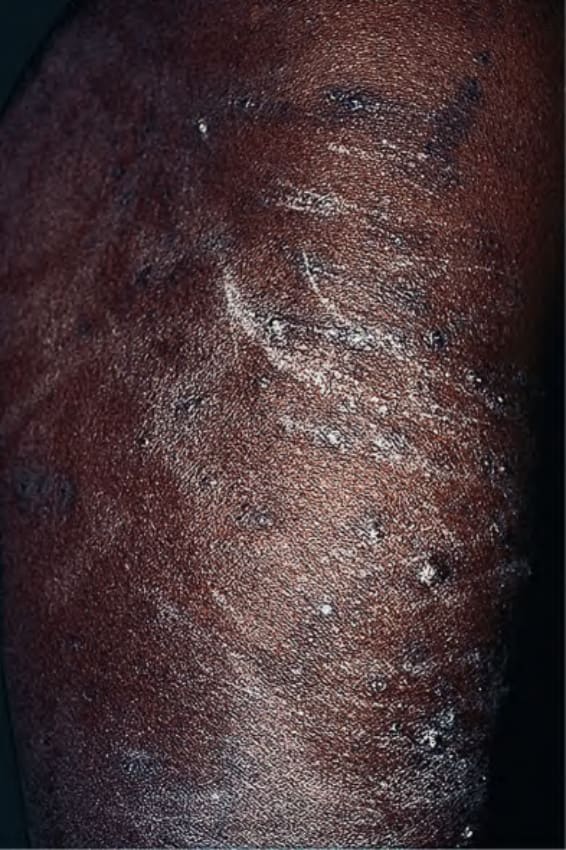
Fig. 6.8 Xerosis and scratching in a patient with end-stage kidney disease undergoing hemodialysis. There are a few papules of acquired perforating dermatosis admixed with the scratch marks. Courtesy Jean L. Bolognia, MD.
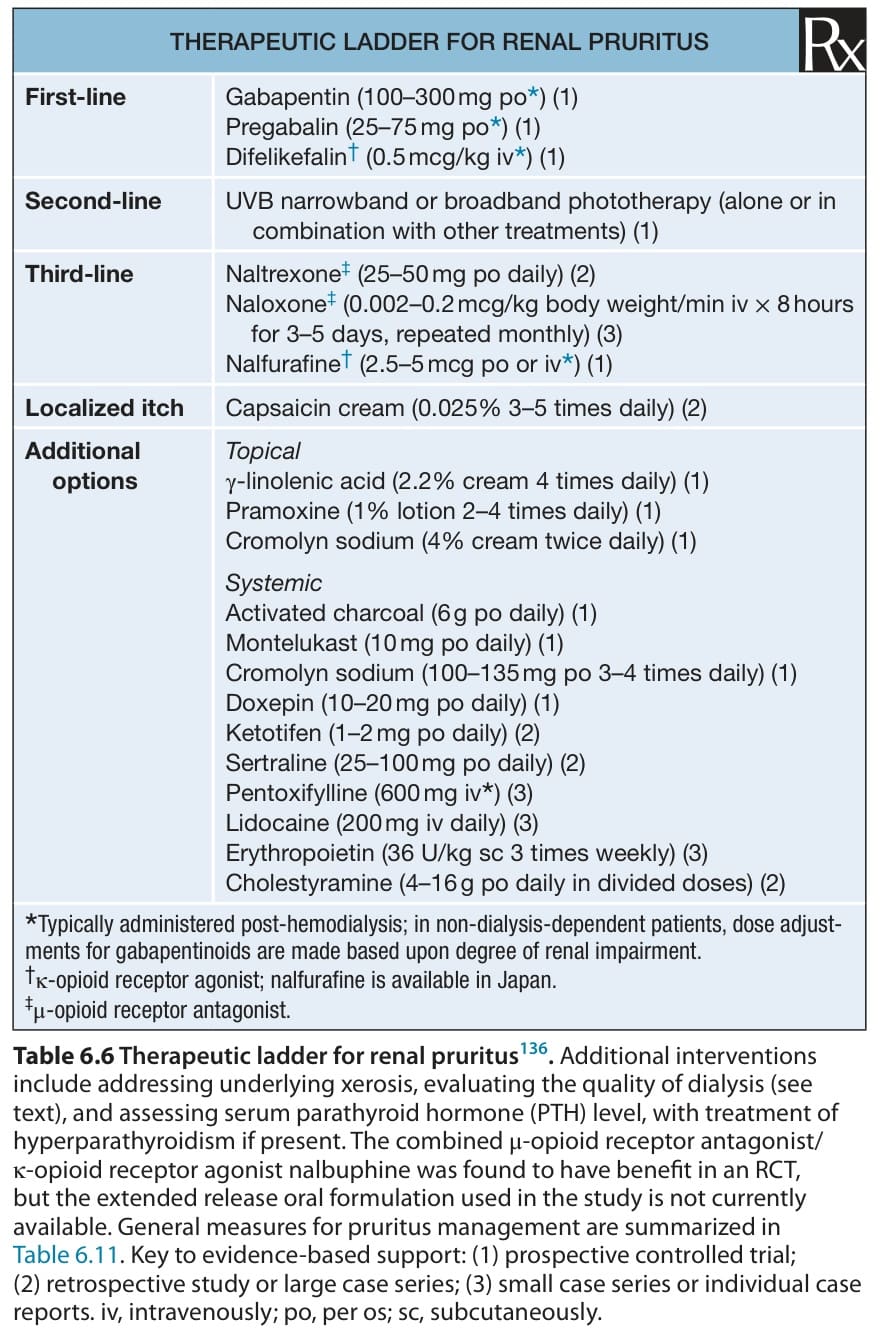
Table 6.6 Therapeutic ladder for renal pruritus. Additional interventions include addressing underlying xerosis, evaluating the quality of dialysis (see text), and assessing serum parathyroid hormone (PTH) level, with treatment of hyperparathyroidism if present. The combined μ-opioid receptor antagonist/ κ-opioid receptor agonist nalbuphine was found to have benefit in an RCT, but the extended release oral formulation used in the study is not currently available. General measures for pruritus management are summarized in Table 6.11. Key to evidence-based support: (1) prospective controlled trial; (2) retrospective study or large case series; (3) small case series or individual case reports. iv, intravenously; po, per os; sc, subcutaneously.
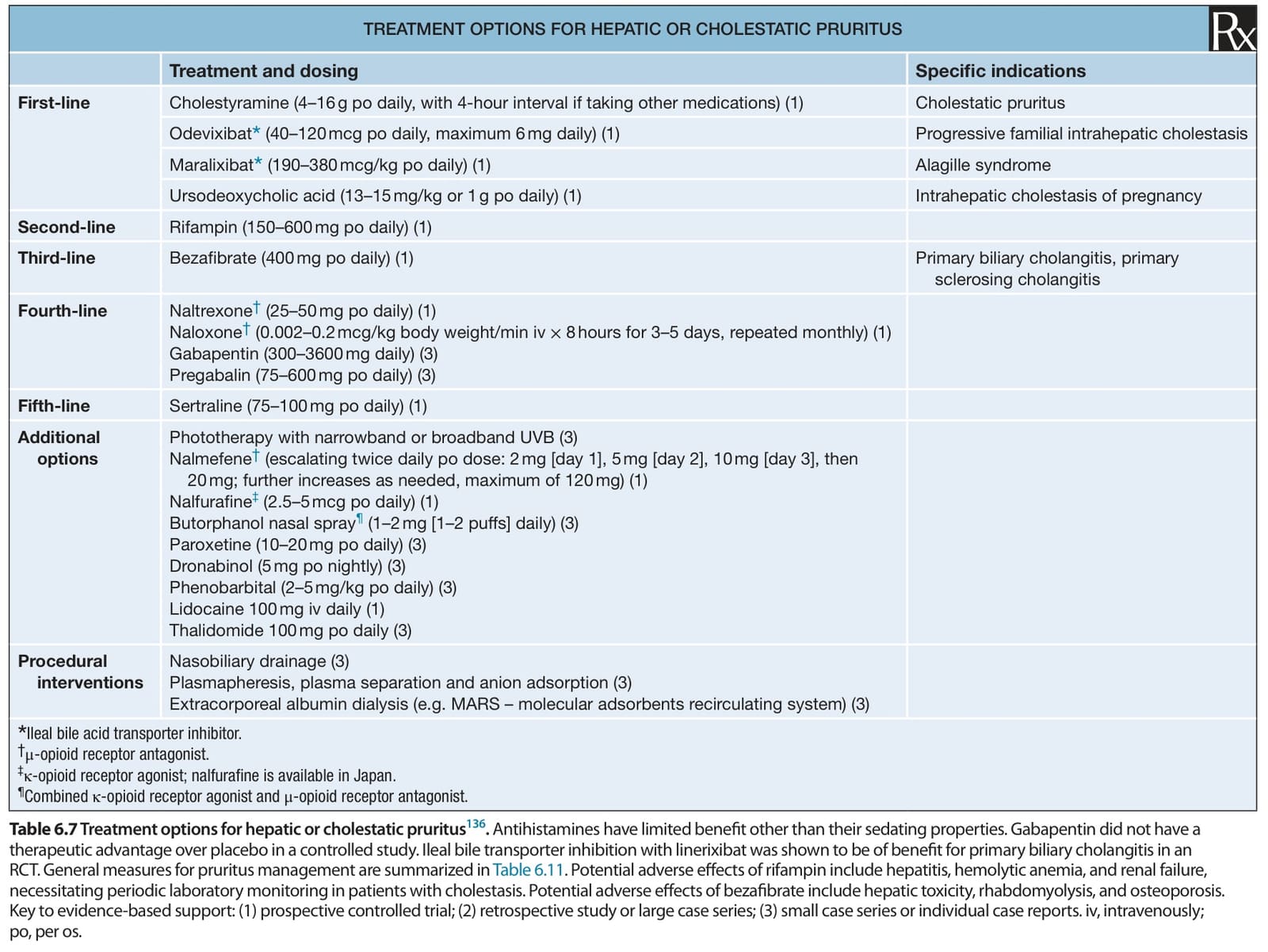
Table 6.7 Treatment options for hepatic or cholestatic pruritus. Antihistamines have limited benefit other than their sedating properties. Gabapentin did not have a therapeutic advantage over placebo in a controlled study. Ileal bile transporter inhibition with linerixibat was shown to be of benefit for primary biliary cholangitis in an RCT. General measures for pruritus management are summarized in Table 6.11. Potential adverse effects of rifampin include hepatitis, hemolytic anemia, and renal failure, necessitating periodic laboratory monitoring in patients with cholestasis. Potential adverse effects of bezafibrate include hepatic toxicity, rhabdomyolysis, and osteoporosis. Key to evidence-based support: (1) prospective controlled trial; (2) retrospective study or large case series; (3) small case series or individual case reports. iv, intravenously; po, per os.
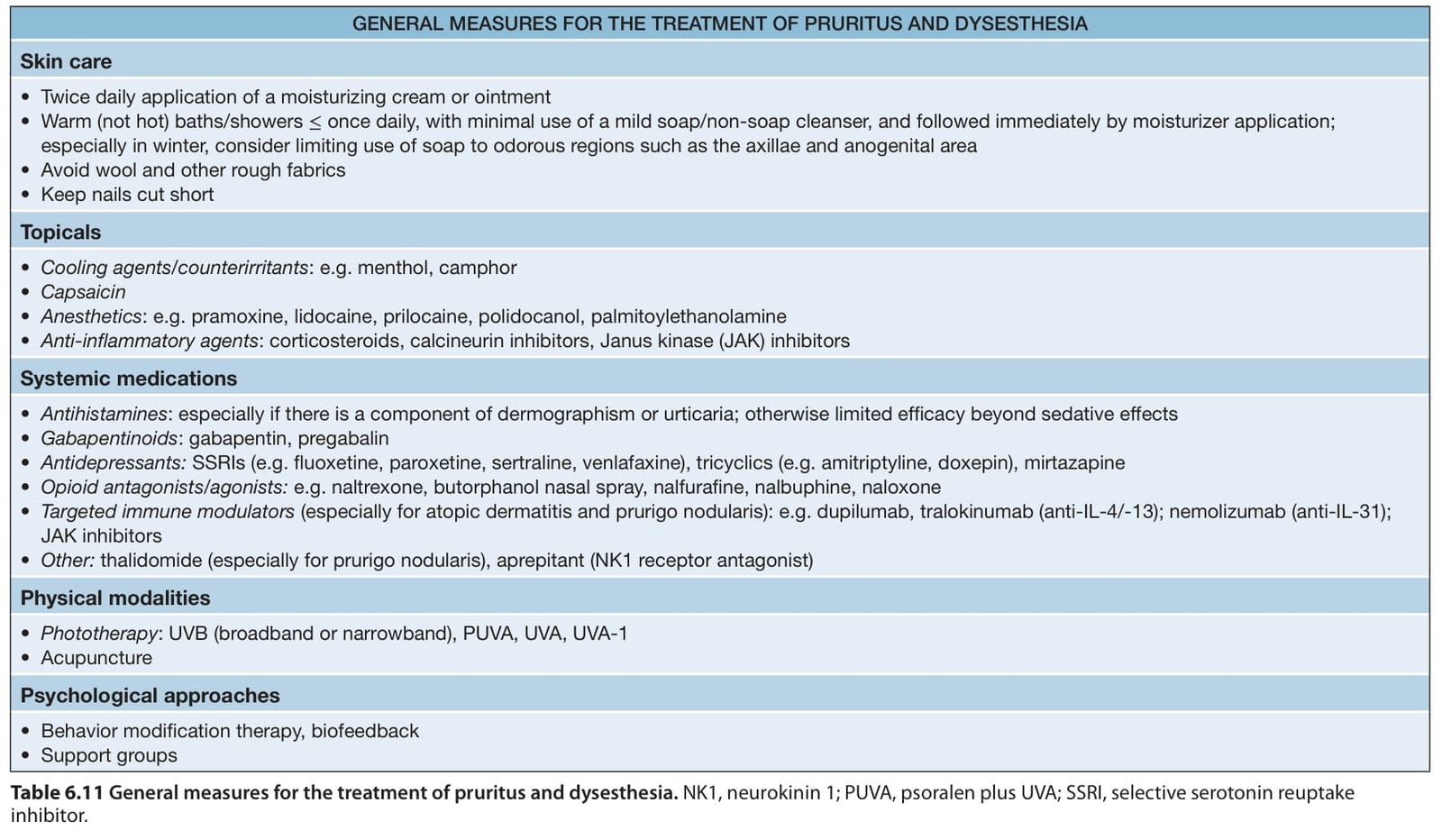
Table 6.11 General measures for the treatment of pruritus and dysesthesia. NK1, neurokinin 1; PUVA, psoralen plus UVA; SSRI, selective serotonin reuptake inhibitor.