TREATMENT
Care of the psoriatic patient needs to focus not only on the skin, but also on the comorbidities that exist or might develop. An appropriate treatment regimen for a particular patient is selected from available topical and systemic medications as well as phototherapies. In clinical trials, single agents are usually evaluated, but in practice most patients receive combination therapy. To date, no treatment has been shown to cure this disease, so counseling of the patient and family members regarding its natural history and management strategies is essential.
The management of psoriasis requires individualization of therapy, with consideration of the extent of the disease and its effects on the patient’s quality of life as well as the likely benefits and potential side effects of specific treatments. The chronic nature of psoriasis necessitates adoption of a long-term approach with avoidance of dramatic short-term “fixes” that may actually produce a more reactive disease state (see below).
Topical Treatments
Guidelines of care for the treatment of psoriasis with topical therapies have been developed by the American Academy of Dermatology.
Corticosteroids
Since their introduction in the early 1950s, topical corticosteroids have become a mainstay in the treatment of psoriasis. They are first-line therapy in mild to moderate psoriasis and in sites such as the flexures and genitalia, where other topical agents can induce irritation. Chapter 125 provides detailed information on mechanisms of action, pharmacologic aspects, and side effects of corticosteroid therapy.
Corticosteroids are available in various vehicles, from ointments, creams, and lotions to gels, foams, sprays, and shampoos; ointment formulations, in general, have the highest efficacy (see Ch. 125). By increasing lipophilicity via masking of hydrophilic 16- or 17-hydroxy groups or by introducing acetonides, valerates or propionates, their anti-inflammatory properties have been significantly improved. Application under plastic or hydrocolloid occlusion also enhances the penetration. Once-daily application has been shown to be as effective as twice-daily application, and long-term remissions may be maintained by applications on alternate days. The indications and contraindications of topical corticosteroids for the treatment of psoriasis are summarized in Table 8.5.
At least 80% of patients treated with high-potency topical corticosteroids experience clearance. In fact, the maximum improvement is usually achieved within 2 weeks. With maintenance therapy consisting of 12 weeks of intermittent applications of betamethasone dipropionate ointment (restricted to weekends), 74% of patients remained in remission, compared with 21% of the patients receiving a placebo ointment. Unfortunately, no efficacy data are available on prolonged treatment for more than 3 months. As tachyphylaxis and/or rebound can occur fairly rapidly, i.e. within a few days to weeks, intermittent treatment schedules (e.g. once every 2 or 3 days or on weekends) are advised for more prolonged treatment courses. Combination topical therapy can take advantage of both the rapid effect of topical corticosteroids plus the prolonged benefits of long-term treatment with topical agents such as vitamin D analogues.
In the early 1990s, vitamin D analogues became available as a topical treatment for psoriasis. When the epidermis is hyperproliferative, vitamin D inhibits epidermal proliferation, and it induces normal
Maximal quantities: 50 g/week of a superpotent corticosteroid; 100 g/week of a potent corticosteroid.
differentiation by enhancing cornified envelope formation and activating transglutaminase; it also inhibits several neutrophil functions. Due to their therapeutic efficacy and limited toxicity, calcipotriene (calcipotriol) and other vitamin D analogues have become a first-line therapy for psoriasis.
For a detailed description of topical vitamin D analogues, the reader is referred to Chapter 129. Table 8.6 summarizes the major characteristics of commercially available vitamin D analogues. Calcipotriene monotherapy has been shown to result in an ~60% reduction of PASI after 8 weeks of treatment, but in practice combination therapy with topical corticosteroids is commonly employed, both during the clearing phase as well as intermittently during long-term treatment. When calcipotriene and betamethasone dipropionate are combined, an ~70% reduction in PASI has been observed (ointment or foam formulation), as has clearing/minimal disease in ~70% of patients with scalp psoriasis (gel formulation).
Anthralin
Anthralin (dithranol) has been available since 1916; it is still used as a treatment for psoriasis, although it was more commonly utilized in the past (see Ch. 129). It has marked epidermal effects, including an anti-hyperproliferative effect. Anthralin also inhibits mitogen-induced T lymphocyte proliferation and neutrophil chemotaxis. In Europe and other regions outside the US, it is used most often in day-care centers and the inpatient setting.
The indications and contraindications for the use of anthralin in the treatment of psoriasis are summarized in Table 8.7. In the authors’ experience, total clearing of psoriasis in at least 80% of patients occurs with 3–5 weeks of treatment in an inpatient setting or day-care center. If the anthralin treatment is performed at home, the efficacy is substantially less.
Topical retinoids
All-trans-retinoic acid and 13-cis-retinoic acid, although effective in the treatment of acne, are not effective for psoriasis. However, topical tazarotene, an acetylene retinoid that selectively binds retinoic acid receptor (RAR)-β and RAR-γ, can be used to treat psoriasis. Tazarotene has been shown to decrease epidermal proliferation and it inhibits psoriasis-associated differentiation (e.g. transglutaminase expression, K16 expression). It is manufactured in cream and gel formulations and is usually applied once daily.
Indications and contraindications of tazarotene for the treatment of psoriasis are summarized in Table 8.8. In view of its modest efficacy as monotherapy, it is usually prescribed as a second-line therapy. Irritation of the skin with burning, pruritus, and erythema can limit the use of tazarotene. For this reason, combination therapy with topical corticosteroids (e.g. halbetasol) is useful. The maximal area that can be treated with tazarotene is 10%–20% of the body surface, and safety data are available for up to 1 year of treatment.
Additional topical treatments
If the psoriatic plaques have thick scale, this needs to be reduced in order to enhance penetration of topical medications and ultraviolet (UV) light. Options include salt-water baths, topical salicylic acid, and oral retinoids. Salicylic acid 5%–10% has a substantial keratolytic effect and, in the case of scalp psoriasis, salicylic acid can be formulated in an oil or ointment base. Application of salicylic acid to localized areas can be done daily, but, for more widespread areas, two to three times per week is preferred. This is to prevent systemic intoxication (see Ch. 129), especially in infants or those with reduced renal function.
Coal tar has a range of anti-inflammatory actions and is effective as an antipruritic. Although crude coal tar may be the most effective tar available for the treatment of psoriasis (see Ch. 129), a distilled and alcohol-derived tar product, liquor carbonis detergens (LCD), is also used. In view of its mutagenic potential, tar is contraindicated in pregnant or lactating women. However, guidelines on the use of tar products may differ between countries.
Calcineurin inhibitors are used to treat facial and flexural psoriasis. Randomized, placebo-controlled studies have demonstrated efficacy and safety for this indication.
Recently approved topical treatments
Tapinarof cream is a first-in-class aryl hydrocarbon receptor (AhR) modulating agent. It reduces proinflammatory Th17 and Th22 cytokines, upregulates antioxidant activity, and promotes epidermal barrier restoration by filaggrin. In phase 3 studies, 35%–40% of patients reached Physician Global Assessment (PGA) 0 after 12 weeks and 35%–47% of patients reached PASI 75. Up to 6% of patients have discontinued topical tapinarof due to dermatitis, folliculitis, or nasopharyngitis.
Roflumilast cream is a PDE-4 inhibitor with the same mechanism of action as apremilast (see Fig. 130.4). In a phase 2b, double-blind, randomized trial, 28% of the patients were clear or almost clear after 6 weeks of daily application of roflumilast 0.3% cream. Improvement of intertriginous psoriasis in ~70% of patients has also been reported. In two phase 3 trials, there was a 65%–70% improvement in the Dermatology Life Quality Index (DLQI). Potential side effects include diarrhea (3%), headache (2%), and application site pain (1%)84a.
Photo(chemo)therapy and Systemic Medications
Evidence-based guidelines for the treatment of psoriasis with photo(chemo)therapy and classic systemic medications have been developed by various dermatologic organizations, and the tables in this chapter are adapted from these recommendations.
Photo(chemo)therapy
Photo(chemo)therapy represents a mainstay in the treatment of moderate to severe psoriasis. Phototherapy with broadband or narrowband ultraviolet B (UVB) and photochemotherapy with ultraviolet A (UVA) following ingestion of or topical application of a psoralen are classic treatment options. In the late 1970s, monotherapy with erythemogenic doses of broadband UVB was proven to be an effective approach; later on, narrowband UVB (311 nm) was developed and is the optimal irradiation currently available. Monochromatic 308 nm light from an excimer laser or equivalent source can be used to target individual psoriatic plaques.
Photo(chemo)therapy is discussed in detail in Chapter 134, and its indications and contraindications for psoriasis are summarized in Table 8.9.
Methotrexate
In 1971, amethopterin (methotrexate; MTX) was approved by the FDA as a treatment for psoriasis. The effect of MTX on lymphocytes, circulating and cutaneous, is a likely explanation for its antipsoriatic activity.
MTX is a first-line systemic therapy for psoriasis as it is highly efficacious for severe disease and all clinical variants of psoriasis. In chronic plaque psoriasis, initial improvement is observed between 1 and 7 weeks and maximum improvement can be expected after 8–12 weeks of treatment. Based upon an international consensus, MTX should be administered weekly as a single dose, usually orally but switched to subcutaneously if there are gastrointestinal adverse effects or insufficient efficacy. Occasionally, it is administered intramuscularly. The recommended
maximum weekly dosage is 15 mg (children) or 25 mg (adults), with supplemental folic acid administered 24 hours after the MTX. Depending on the dosage regimen, the percentage of patients reaching PASI 75, i.e. a 75% reduction in the PASI score, ranges from 25% (low starting dose) to 60% (high starting dose) after 12–16 weeks of treatment.
Potential side effects restrict its use to moderate to severe disease resistant to topical treatments and phototherapy and/or situations in which these are contraindicated. However, provided that the guidelines are carefully followed, MTX can be employed as an effective long-term therapy. Hepatotoxicity is one of the well-known side effects, but a correlation between the cumulative dose of MTX and liver fibrosis could not be established. The use of folic acid supplementation during MTX administration is recommended as it reduces side effects, including gastrointestinal. Guidelines for MTX usage vary depending on the country and disease state.
Chapter 130 describes the mechanism of action, pharmacology, and safety issues of MTX, with Fig. 130.7 outlining the monitoring guidelines for MTX-related hepatotoxicity. Tables 8.10 and 8.11 summarize indications and contraindications as well as side effects of MTX.
Cyclosporine
Cyclosporine is a cyclic undecapeptide that was isolated from the fungus Tolypocladium inflatum. Based on large controlled studies, cyclosporine is a highly effective treatment for the severe manifestations of psoriasis. As a calcineurin inhibitor, it prevents T lymphocyte activation from being translated into the release of effector cytokines such as IL-2. Cyclosporine can be used safely, provided that the guidelines are strictly followed. In view of its nephrotoxic effects (e.g. reduced glomerular filtration rate, tubular atrophy), cyclosporine should be given for several-month courses (i.e. maximally 1 year, although this duration is still debated) and alternated with other therapies. An alternative is an intermittent schedule using multiple short courses of a few weeks’ duration.
The indications and contraindications of cyclosporine are summarized in Table 8.12. Cyclosporine can produce dramatic rapid improvement of psoriasis, but this must be balanced by the requirement for an appropriate replacement therapy, given the need to ultimately stop cyclosporine therapy.
Guidelines for pre-cyclosporine screening and long-term evaluation during cyclosporine administration are outlined in Chapter 130. An important aspect is assessment of renal function, and creatinine clearance should be estimated using the Cockcroft–Gault formula:
140 agein years weiht in kg g serum creatininemg/100ml 72
In elderly patients and patients with a history of hypertension, the risks of renal impairment and hypertension are increased.
Cyclosporine treatment in psoriatic patients has been reported to increase the frequency of SCCs, especially in those previously treated with PUVA. The underlying mechanism is not mutagenesis but a decrease in immunosurveillance of the skin. In particular, psoriatic patients who have been exposed to high cumulative doses of UV radiation are at risk for development of cutaneous malignancies. Although cyclosporine is an immunosuppressive agent, no increase in serious infections has been reported in patients treated with cyclosporine alone. Other side effects include gastrointestinal discomfort, hypertrichosis, paresthesias, gingival hyperplasia, headache, vertigo, muscle cramps, and tremor. Metabolic side effects include hyperkalemia, hypomagnesemia, hyperuricemia (due to decreased clearance of uric acid), and elevated cholesterol and triglycerides.
The efficacy of cyclosporine for psoriasis has been clearly shown in multiple controlled and uncontrolled studies. For example, the European multicenter dose-finding studies found that doses of 1.25, 2.5–3, and 5 mg/kg/day of cyclosporine resulted in reductions of the PASI of 35%, 57%, and 86%, respectively. An improvement in the PASI of 75% was achieved in 24%, 52%, and 88% of the patients. Of note, because the criteria for these studies were different from those used for FDA approval of targeted immunomodulators (“biologic” therapies), the PASI numbers are not directly comparable. Efficacy of cyclosporine has been demonstrated in all variants of psoriasis (including nail psoriasis), but less so for psoriatic arthropathy. In general, a reduction of the
PASI of 60%–70% can be reached within 4 weeks of treatment. During long-term treatment, there are no signs of tachyphylaxis.
Systemic retinoids
By the 1930s, vitamin A deficiency was known to cause hyperkeratosis of the skin (phrynoderma). Thirty years later, modifications of the vitamin A molecule resulted in the discovery of the so-called first generation of retinoids, including all-trans-retinoic acid (tretinoin) and 13-cis-retinoic acid (isotretinoin). Further research resulted in the development of the second generation of retinoids, the mono-aromatic retinoids, etretinate and its free metabolite acitretin.
Acitretin is an effective treatment for psoriasis, but a major problem with systemic retinoids is their teratogenicity, making contraception mandatory in women of childbearing age during treatment and (depending on the drug half-life) for a period of 1 month (isotretinoin) to 3 years (acitretin) after discontinuing therapy. Chapter 126 provides a description of the modes of action, pharmacologic aspects, and side effects of systemic retinoids.
The indications and contraindications for the use of acitretin in the treatment of psoriasis are summarized in Table 8.13, and the recommended initial and ongoing evaluations are outlined in Table 8.14.
In patients with chronic plaque psoriasis, 0.5 mg/kg/day is the initial dosage, which can be increased depending upon the clinical response and side effects. For erythrodermic psoriasis, the initial dosage is 0.25 mg/kg/day, and in pustular psoriasis, the dose should be maximized, i.e. up to 1 mg/kg/day. In patients with chronic plaque psoriasis, mild cheilitis (just perceivable by the patient) is the goal, whereas in patients with pustular psoriasis, a dose that causes a clinically apparent but tolerable cheilitis is an endpoint.
The efficacy of acitretin monotherapy in chronic plaque psoriasis is limited, with ~70% of patients achieving a moderate or better response. In one study, 23% of patients treated with 50 mg of acitretin daily for 8 weeks achieved ≥75% improvement in their PASI. Combination treatment with photo(chemo)therapy and/or vitamin D analogues results in a substantial improvement in clinical response. Maximal therapeutic efficacy is reached after 2–3 months. Acitretin has been shown to be an effective maintenance therapy. As monotherapy, acitretin is highly effective in erythrodermic and pustular psoriasis. Its efficacy in nail psoriasis and psoriatic arthritis is only modest.
JAK and TYK2 inhibitors
Oral JAK inhibitors (e.g. tofacitinib, upadacitinib) have been approved for psoriatic arthritis and several are currently in phase 3 trials for plaque psoriasis. There are four JAK enzymes – JAK1, JAK2, JAK3, and TYK2 – and depending upon the drug, one or more enzymes are inhibited. Oral deucravacitinib, a selective TYK2 inhibitor, was recently approved for plaque psoriasis based upon two phase 3 trials in which it was compared to apremilast or placebo. A PASI 75 improvement was observed in 55%–60% of patients who received deucravacitinib, compared to 35% and 13% for apremilast and placebo, respectively.
Inhibition of the JAK/STAT pathway eventually leads to a reduction in IL-17- and IL-23-mediated inflammation and type I IFN-driven responses. The mechanisms of action and side effects of this group of medications are reviewed in Chapter 128.
Apremilast and other systemic therapies
Apremilast is an oral phosphodiesterase 4 inhibitor that prevents cyclic AMP degradation within keratinocytes, dendritic cells, monocytes, and neutrophils. Increased intracellular cAMP levels then lead to a reduction in proinflammatory mediators (see Fig. 130.4). Chapter 130 reviews the dosages and side effects of apremilast. In a third of patients with plaque psoriasis, apremilast leads to a PASI 75 improvement and it significantly decreases pruritus. Scalp psoriasis may have a relatively better response.
Additional systemic therapies that have been reported as beneficial in the management of psoriasis are outlined in Table 8.15. In general, they are used less often than the other medications described in this chapter, and there are regional differences in their use.
Targeted immunomodulators (“biologic” therapies)
Beginning in 2000, targeted immunomodulators were introduced for the treatment of psoriatic arthritis and moderate to severe psoriasis. Their targets are cytokines, including TNF, IL-12, IL-17, and IL-23 (see Fig. 8.1B). Table 8.16 lists the biologic agents that are currently commercially available and Chapter 128 provides a description of their modes of action, dosages, side effects, and monitoring recommendations. Guidelines, including European S3-Guidelines and those developed by the American Academy of Dermatology and National Psoriasis Foundation, have been proposed for the treatment of psoriasis patients with TNF inhibitors (adalimumab, etanercept, certolizumab, infliximab)
as well as anti-IL-12/23 (ustekinumab), -IL-17 (secukinumab, ixekizumab, brodalumab), and -IL-23 (guselkumab, tildrakizumab, risankizumab) antibodies. The evidence in these guidelines is based upon both short-term clinical trials (12- to 16-week efficacy and safety data) and long-term clinical trials (up to 5-year efficacy and safety data).
Based upon a network meta-analysis, the relative efficacies of multiple biologic agents are outlined in Table 8.17. With regard to short-term efficacy, there is significant overlap amongst first-generation (TNF inhibitors) and second-generation (ustekinumab) biologic agents, photo(chemo)therapy, and classic systemic medications such as MTX and cyclosporine. However, third-generation (anti-IL-17 antibodies) and fourth-generation (anti-IL-23 antibodies) biologic agents are associated with a significant enhancement in short-term efficacy. The latter has led to assessments of PASI 90, not just PASI 75, with 60%–70% of patients achieving at least PASI 90.
In the treatment of psoriasis, long-term efficacy also matters. With the introduction of TNF inhibitors and ustekinumab came a dramatic reduction in both inpatient and day-care units dedicated to treating psoriasis. Data from clinical trials that included 5-year follow-up periods for first- to fourth-generation target immunomodulators demonstrated that clinical improvements were maintained long-term. In addition, long-term safety data were reassuring.
Because clinical trials often enroll selective populations, it is important to assess real-world efficacy and safety. Real-world data have confirmed effective and safe long-term control by TNF inhibitors and ustekinumab, with a 50% drug survival over 2–6 years. The improved efficacy profile of anti-IL-17 and -IL-23 antibodies has also proved to be sustainable. In a recent analysis of five of the more commonly used antibodies (adalimumab, guselkumab, ixekizumab, secukinumab, ustekinumab), guselkumab had the highest drug survival.
At the time of writing, bimekizumab, a dual-inhibitor of IL-17A and IL-17F, has been EMA, but not yet FDA, approved for the treatment of plaque psoriasis. Of note, spesolimab-sbzo, an interleukin-36 receptor inhibitor, was recently approved for the treatment of generalized pustular psoriasis.
More so in the past, biologic agents were prescribed primarily for “high-need” patients in whom some or all classic systemic treatments were either contraindicated or had led to insufficient improvement. This stepwise approach has gradually been replaced by the use of targeted immunomodulators early on in order to control disease activity. Of course, the latter recommendation has to be balanced against the high cost of these medications. Both indications and contraindications for currently commercially available therapies are outlined in Table 8.18.
Therapeutic Management
General considerations
Before considering a specific treatment in an individual psoriatic patient, it is important to exclude triggering factors. Aggravating factors such as focal infections, medications, and psychological stress have been described above. As psoriasis is a systemic disease, comorbidities and disease-modifying factors need to be addressed. These include arthritis, nail disease (a prognostic marker for the development of arthritis), metabolic syndrome with its associated cardiovascular disease and obesity, depression, and smoking. Furthermore, it is also crucial to assess the various aspects of disease severity, in particular:
●The areas of involvement and the degree of erythema, induration, and desquamation of the cutaneous lesions (see Table 8.2).
●The impairment of quality of life. The visibility of the lesions and symptoms such as pruritus are relevant factors, and psychoemotional stress and the response of family and friends to the psoriasis should also be considered. Impact of psoriasis on quality of life can be measured by questionnaires (e.g. Dermatology Life Quality Index [DLQI], Skindex-29).
●The responsiveness to previous treatments. Individual patients report a wide variation with respect to their clinical response to various treatments. For example, some patients, even those with widespread disease, may experience excellent improvement with a mild topical therapy, whereas patients with localized disease may prove recalcitrant to even high-dose systemic treatments. Relative and absolute contraindications to the various treatment options have to be recognized, especially in the case of photo(chemo) therapy and systemic medications. Because psoriasis is a chronic condition, patients have to cope not only with their disease, but also with the various treatments and their costs for prolonged periods of time. For example, individual circumstances may restrict the time available for intensive daily treatments. Also, some patients cannot accept a few coin-sized lesions in visible sites, while for others this is less of a problem. Therefore, treatment selection is a multivariable decision-making process and not a simple stepwise therapeutic ladder.
In addition, classically assessing disease severity as mild, moderate, or severe can sometimes prove challenging as no consensus has been reached on their definitions based upon PASI, PGA, or DLQI. The International Psoriasis Council has redefined disease severity in practice-driven rather than data-driven terms: psoriasis patients should be classified as candidates for either topical therapy (mild disease) or systemic therapy (severe disease). The latter group should meet at
least one of the following criteria: (1) body surface area (BSA) >10%; (2) disease involving special sites; and (3) failure of topical therapy.
Management with topical agents
It is important before instituting topical therapy that the patient understands that due to the Koebner phenomenon, trauma (e.g. from scratching or debriding lesions) can negate therapeutic interventions. Although it may seem obvious, patients should also be told that topical agents do not prevent new lesions from appearing at additional sites. For patients with mild disease, topical treatments are the first choice. Patients with more widespread involvement may also be treated with a topical agent; however, a high degree of compliance is required and this can be difficult to achieve.
Evidence for the efficacy of various topical treatments was reassessed in a meta-analysis. From this analysis, it was concluded that only very potent topical corticosteroids tended to be more effective than monotherapy with the vitamin D analogue calcipotriene. In ambulatory patients, calcipotriene was more effective than anthralin, coal tar, the other vitamin D analogues (tacalcitol and calcitriol), and the retinoid tazarotene. The efficacy of coal tar and anthralin are difficult to assess, as the success of these topicals is highly dependent on the treatment setting. A day-care or inpatient setting is optimal, as it allows the patient to more easily cope with the side effects of staining, stinging, and irritation.
Combination treatment is advised for the vast majority of patients, thereby increasing efficacy and reducing side effects. For example, a fixed combination of calcipotriene and betamethasone dipropionate applied once daily proved to be superior to twice-daily calcipotriene or twice-daily betamethasone dipropionate monotherapy. Nonetheless, one common initial approach is to apply either calcipotriene twice daily or a potent corticosteroid once daily for a period of 4 to 8 weeks (except for sensitive skin areas and the scalp). If this regimen is not successful or if rapid clearing is required, then both calcipotriene and a potent topical corticosteroid can be applied for 4 to 8 weeks. In the case of an insufficient response, another vitamin D analogue or tazarotene may be tried as monotherapy or in combination with a topical corticosteroid. In addition, a topical corticosteroid under hydrocolloid occlusion can be used for a few recalcitrant plaques, especially when there is superimposed LSC.
A trial of tar or anthralin may be tried, especially in patients with longstanding disease and incomplete responses or fast relapses. These treatments often require a day-care or inpatient facility as their use in the ambulatory setting is inconvenient and disappointing. With regard to maintenance therapy, some patients prefer only intermittent clearing courses with no intervening therapy, while other patients want continuous treatment. Daily use of a topical vitamin D analogue (below the maximum allowed weekly dosage) provides a safe long-term form of maintenance therapy. If the therapeutic response is insufficient, additional intermittent application of a topical corticosteroid (once or twice weekly) is helpful.
Certain body areas may require a more site-specific approach, e.g. roflumilast cream or a topical calcineurin inhibitor, rather than a potent topical corticosteroid, for psoriasis involving major body folds. If topical therapies do not provide adequate improvement, then treatment with photo(chemo)therapy or a systemic agent is indicated.
Management with photo(chemo)therapy and classic
For patients with more severe involvement, topical therapies may be ineffective or impractical. On a chronic basis, patients with widespread disease often cannot manage their psoriasis with topical treatments and become frustrated and non-compliant. Evidence for the efficacy of photo(chemo)therapy and classic systemic treatments has been reassessed in a meta-analysis. PUVA had the highest percentage of patients with clearance (70%), followed by UVB (68%) and cyclosporine (64%). However, PUVA has become a seldomly used therapy for psoriasis due to its potential for cumulative carcinogenicity.
In the selection of a systemic treatment for an individual patient, the existence of relative and absolute contraindications has to be considered. For example, photo(chemo)therapy would not be chosen for patients with a history of excessive exposure to UV radiation, but these same patients could be excellent candidates for retinoid therapy (considering its anticancer effects). Methotrexate is contraindicated in patients with excessive alcohol intake or active hepatitis, while cyclosporine is contraindicated in those with renal insufficiency or hypertension.
As noted previously, some guidelines recommend a stepwise approach utilizing less expensive treatments first, i.e. UVB phototherapy initially, followed by one of the classic systemic medications. Because of psoriasis’ chronicity, maintenance therapy also needs to be addressed. While cyclosporine should not be used long-term, methotrexate, acitretin, and fumarates (available in some European countries) can be, as long as the potential for cumulative toxicity is monitored. However, increasingly, targeted immunomodulators have become first-line therapy for moderate to severe disease, with the goal of complete or nearly complete clearance as well as a reduction in systemic inflammation.
Management with targeted immunomodulators (“biologic” therapies)
Several biologic therapies are currently available worldwide for the treatment of psoriasis and/or psoriatic arthritis (see Table 8.16). Relative response rates are reviewed in Table 8.17 with indications and contraindications outlined in Table 8.18. In addition to moderate to severe disease, there may be other situations in which targeted immunomodulators become first-line therapy, e.g. acute arthritis, severe depression, suicidal ideation.
The side effect profiles are very different from those of photo(chemo) therapy and classic systemic medications, as there is no indication of cumulative toxicity. Because a 1-year course of biologic therapy costs up to $60 000 in the US and up to €35 000 in Europe (with costs varying depending upon the country), national health authorities and managed care insurance companies have adopted a restrictive approach. Therefore, in many countries, biologic agents are available exclusively for those patients with severe psoriasis who cannot be treated adequately with the classic treatments. However, an improvement in quality of life and the possible impact on comorbidities also need to be considered.
Combining treatments
Enhanced clinical response and a possible reduction in side effects are the goals of combination therapy. However, for safety reasons, some combinations are contraindicated.
For topical treatments, systematic literature reviews have been published. As noted previously, the combination of calcipotriene with potent topical corticosteroids has been shown to be more effective than either treatment as monotherapy. The irritation caused by vitamin D analogues and tazarotene can be reduced by the addition of a medium- or high-strength corticosteroid. While not comprehensively investigated in controlled studies, topical therapies are often used for persistent lesions in patients receiving systemic agents. Those biologic agents that can induce autoantibodies (e.g. adalimumab, infliximab) may be combined with MTX.
The combination of acitretin and cyclosporine carries the risk of accumulation of cyclosporine, because cyclosporine is inactivated by the cytochrome P450 system, which is inhibited by acitretin. The combination of cyclosporine and methotrexate has been viewed as high risk because both are immunosuppressants. However, this combination has been used with success by rheumatologists, and, in recalcitrant psoriasis, the combination has proved to be very effective without major side effects. The combination of methotrexate and acitretin has been used in those patients in whom all treatments have failed. Although this combination can be very effective, severe hepatotoxicity has been reported; therefore, careful monitoring is mandatory. If a patient has received PUVA therapy in the past, the use of cyclosporine should be avoided.
Management of childhood psoriasis
The efficacy and safety of treatment modalities in children have been reviewed. Only two randomized controlled trials were identified; one examined topical calcipotriene and the other etanercept. Of note, since then, ustekinumab and ixekizumab have been studied in controlled trials. The authors recommended topical calcipotriene as first-line therapy for mild to moderate juvenile psoriasis, combined with mild- to moderate-strength topical corticosteroids (if necessary). For treatmentresistant flexural and/or facial psoriasis, tacrolimus 0.1% ointment can be added to the treatment regimen. In some countries, anthralin is then considered if this treatment regimen is not effective or if the psoriasis is moderate to severe. The next step is to recommend treatment with narrowband UVB, especially in adolescents, with attention to the number of treatments. Although controversial, the use of antibiotics can be considered in patients with guttate psoriasis where there is suspicion of a streptococcal infection.
Of the systemic medications, methotrexate is regarded as the treatment of choice, with retinoids considered in pustular and erythrodermic psoriasis. Cyclosporine is occasionally utilized for exceptional cases. Four systemic immunomodulators – etanercept, ustekinumab, secukinumab, and ixekizumab – have been approved by the FDA for use in children from the ages of 4, 6, 6, and 6 years, respectively. The EMA has also approved these four medications as well as adalimumab (in children ≥4 years of age), but its age for etanercept is ≥6 years. The EMA has also approved adalimumab for children 4 years of age or older. National recommendations for the treatment of psoriasis in children have also been published by Italian and German expert groups.
Management of psoriasis in patients with comorbidities
Comorbidities, in particular metabolic syndrome, are often observed in patients with more moderate to severe forms of psoriasis. Recommended therapies for patients with various comorbidities are summarized in Table 8.19.
Treatment of elderly patients
To address the efficacy and safety of systemic medications in older patients (≥65 years of age), a systematic literature review was conducted. The effectiveness of acitretin, etanercept, adalimumab, and secukinumab did not correlate with age. For other systemic therapies, studies with age group comparisons were not available. Elderly patients often have a greater number of comorbidities, in addition to those associated with psoriasis. As a result, they may require altered dosing as well as more frequent laboratory and clinical
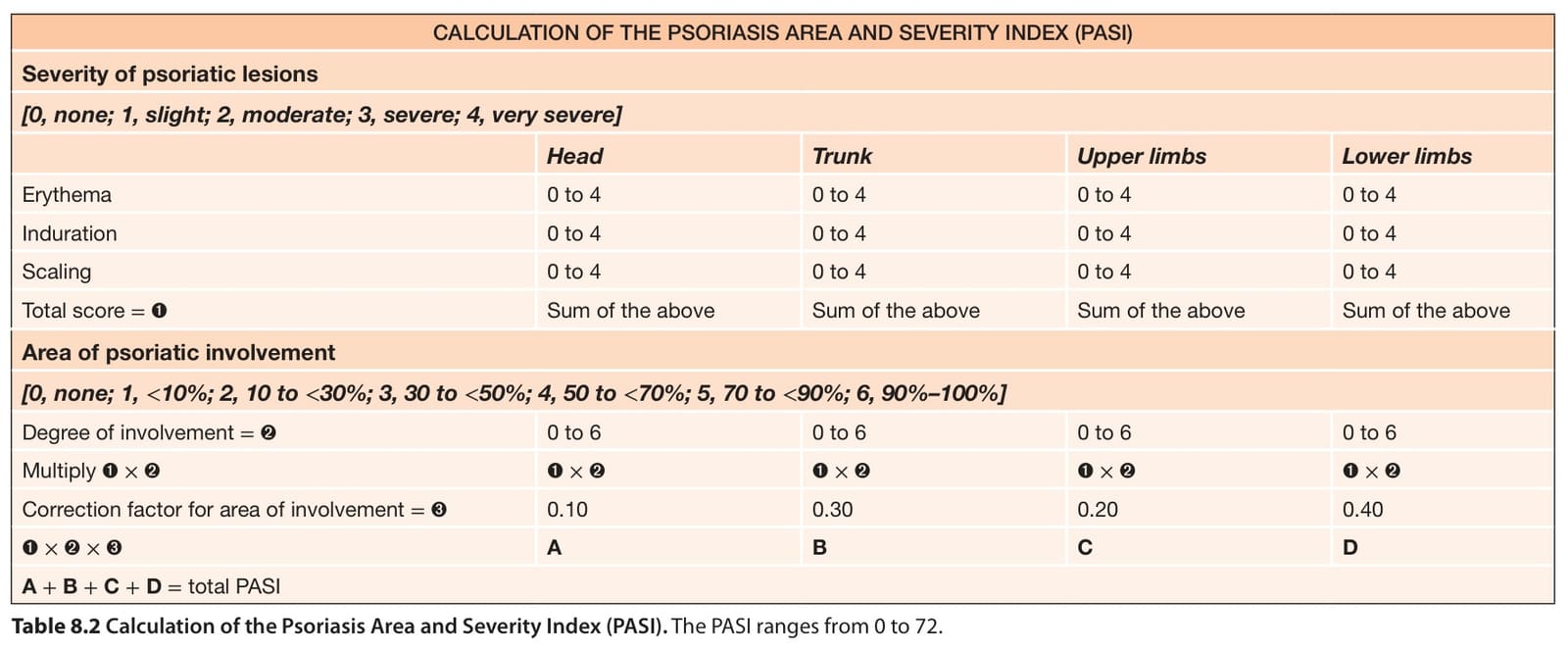
Table 8.2 Calculation of the Psoriasis Area and Severity Index (PASI). The PASI ranges from 0 to 72.
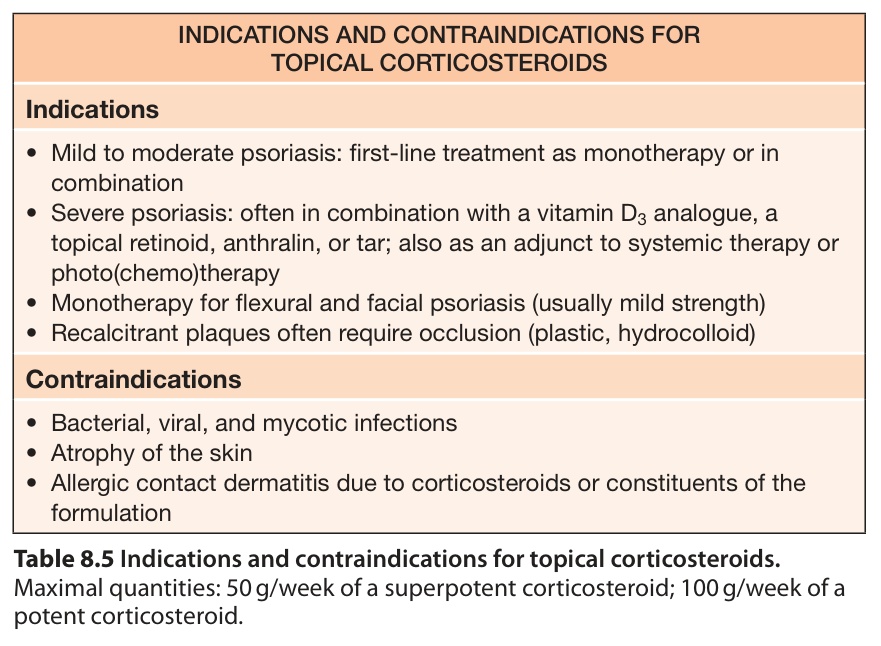
Table 8.5 Indications and contraindications for topical corticosteroids.
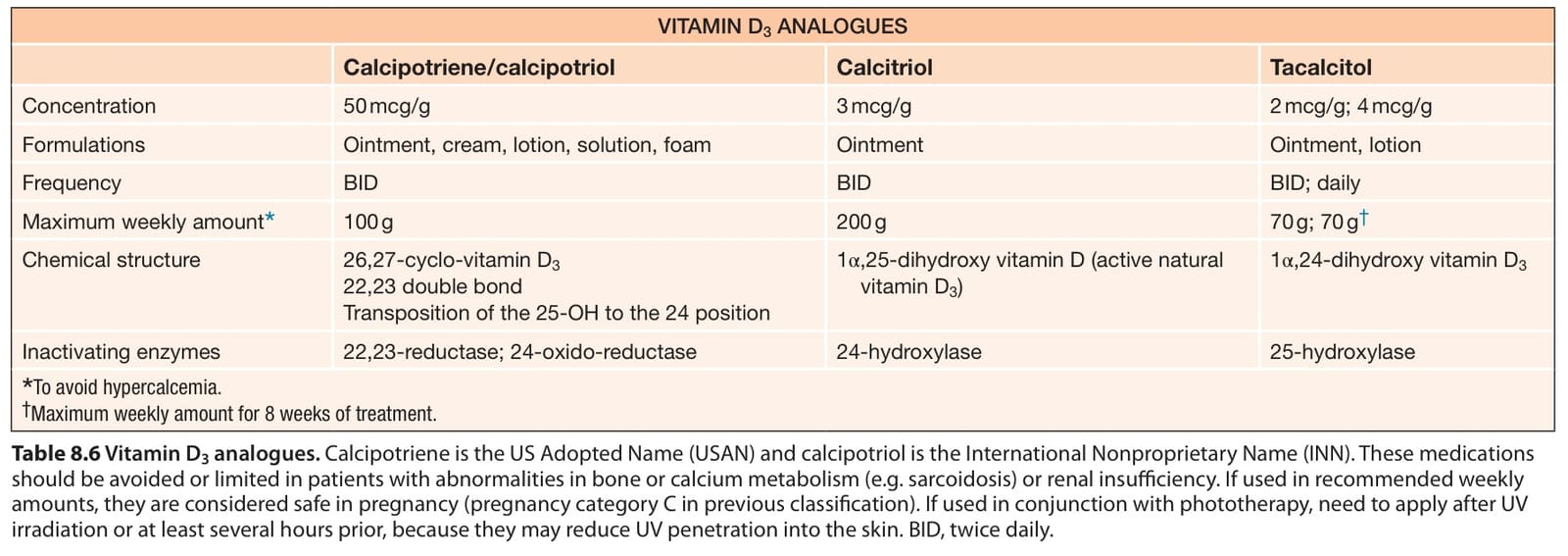
Table 8.6 Vitamin D analogues. Calcipotriene is the US Adopted Name (USAN) and calcipotriol is the International Nonproprietary Name (INN). These medications should be avoided or limited in patients with abnormalities in bone or calcium metabolism (e.g. sarcoidosis) or renal insufficiency. If used in recommended weekly amounts, they are considered safe in pregnancy (pregnancy category C in previous classification). If used in conjunction with phototherapy, need to apply after UV irradiation or at least several hours prior, because they may reduce UV penetration into the skin. BID, twice daily.
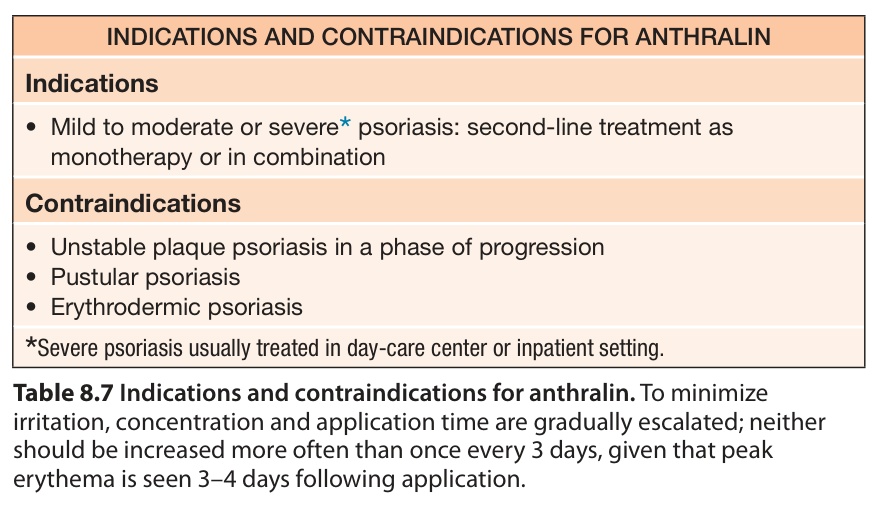
Table 8.7 Indications and contraindications for anthralin. To minimize irritation, concentration and application time are gradually escalated; neither should be increased more often than once every 3 days, given that peak erythema is seen 3–4 days following application.
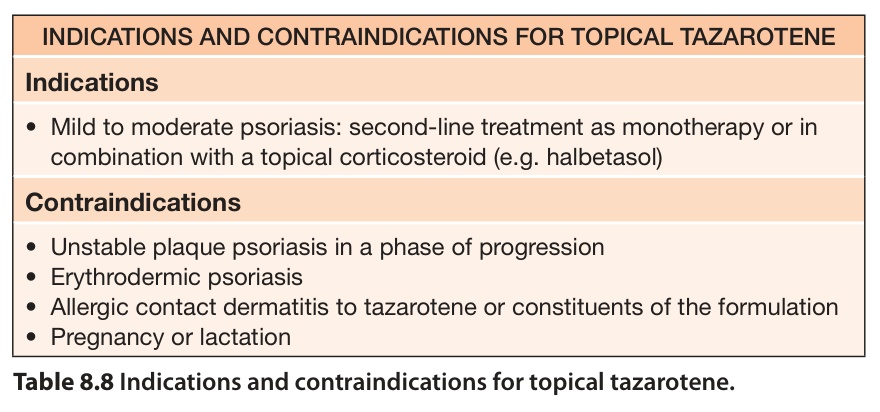
Table 8.8 Indications and contraindications for topical tazarotene.

Table 8.9 Indications and contraindications for photo(chemo)therapy for psoriasis. Some clinicians use UVA alone. PUVA, psoralen + ultraviolet A; SCC, squamous cell carcinoma; UVB, ultraviolet B.
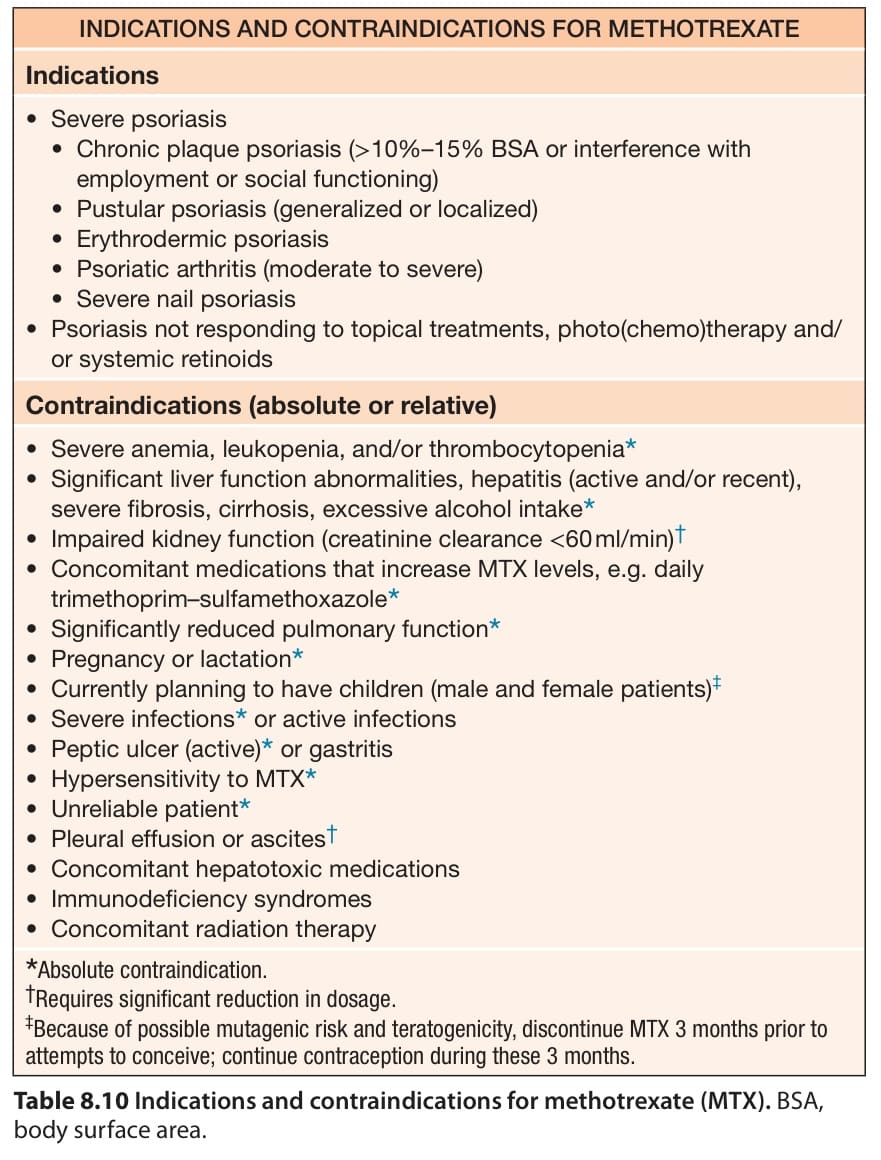
Table 8.10 Indications and contraindications for methotrexate (MTX). BSA, body surface area.
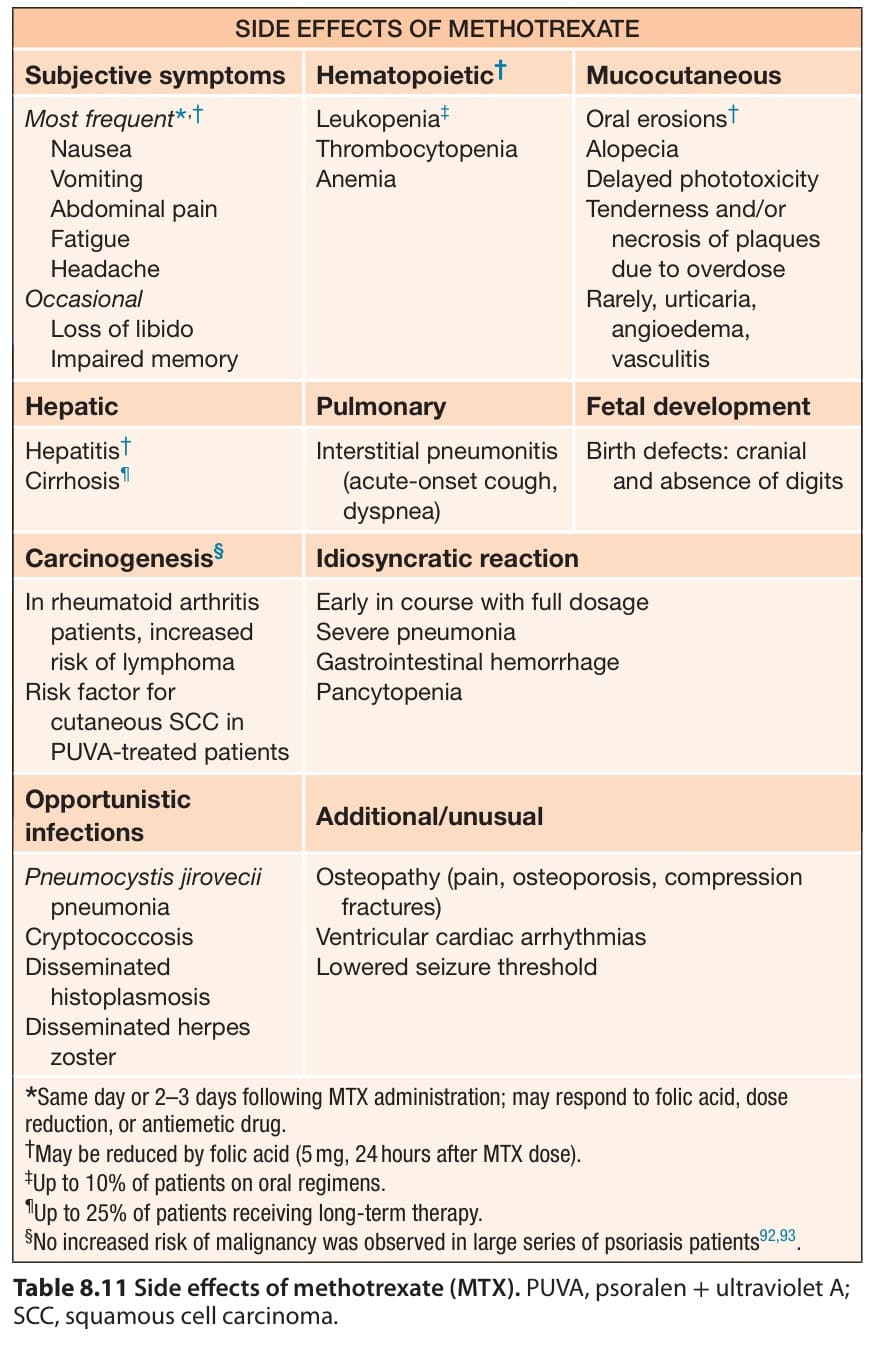
Table 8.11 Side effects of methotrexate (MTX). PUVA, psoralen + ultraviolet A; SCC, squamous cell carcinoma.
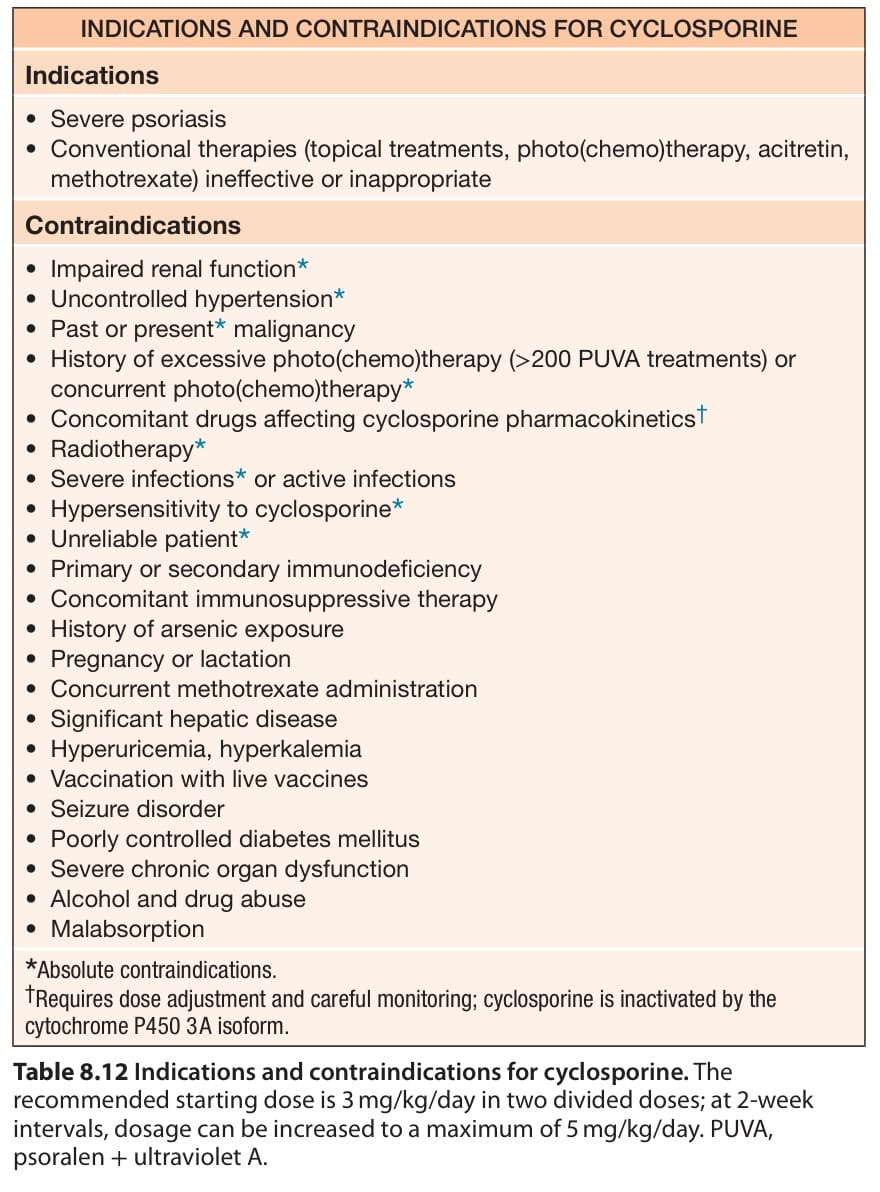
Table 8.12 Indications and contraindications for cyclosporine. The recommended starting dose is 3 mg/kg/day in two divided doses; at 2-week intervals, dosage can be increased to a maximum of 5 mg/kg/day. PUVA, psoralen + ultraviolet A.
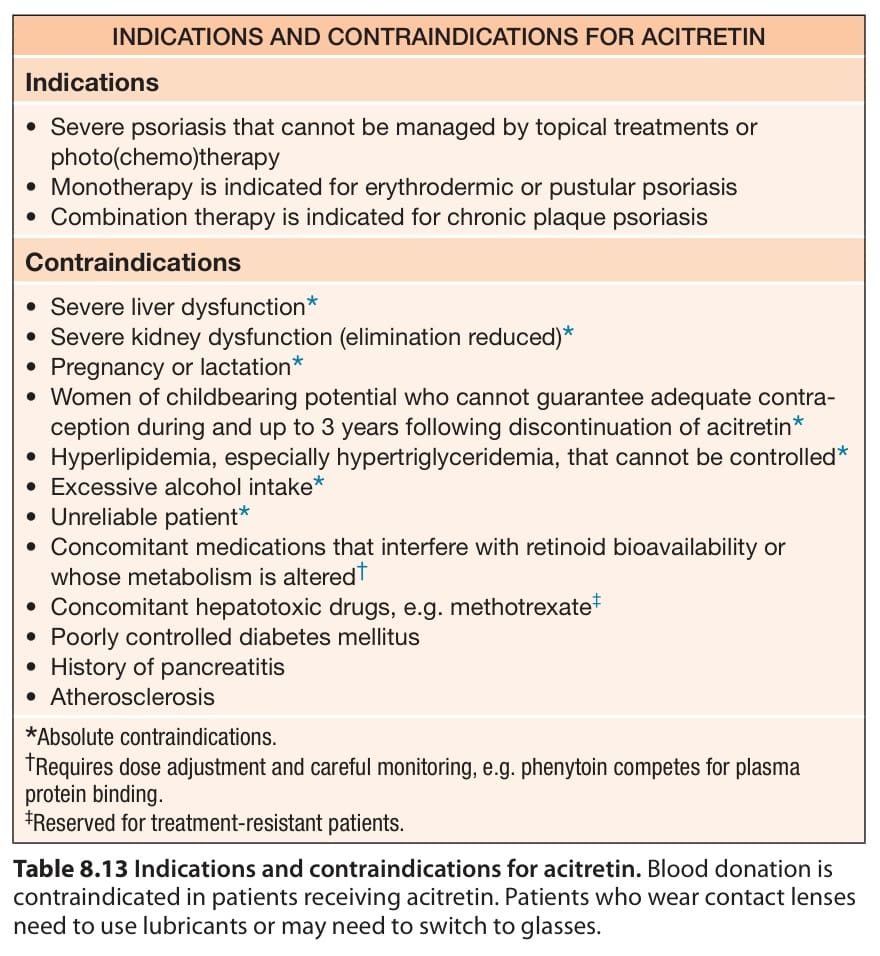
Table 8.13 Indications and contraindications for acitretin. Blood donation is contraindicated in patients receiving acitretin. Patients who wear contact lenses need to use lubricants or may need to switch to glasses.
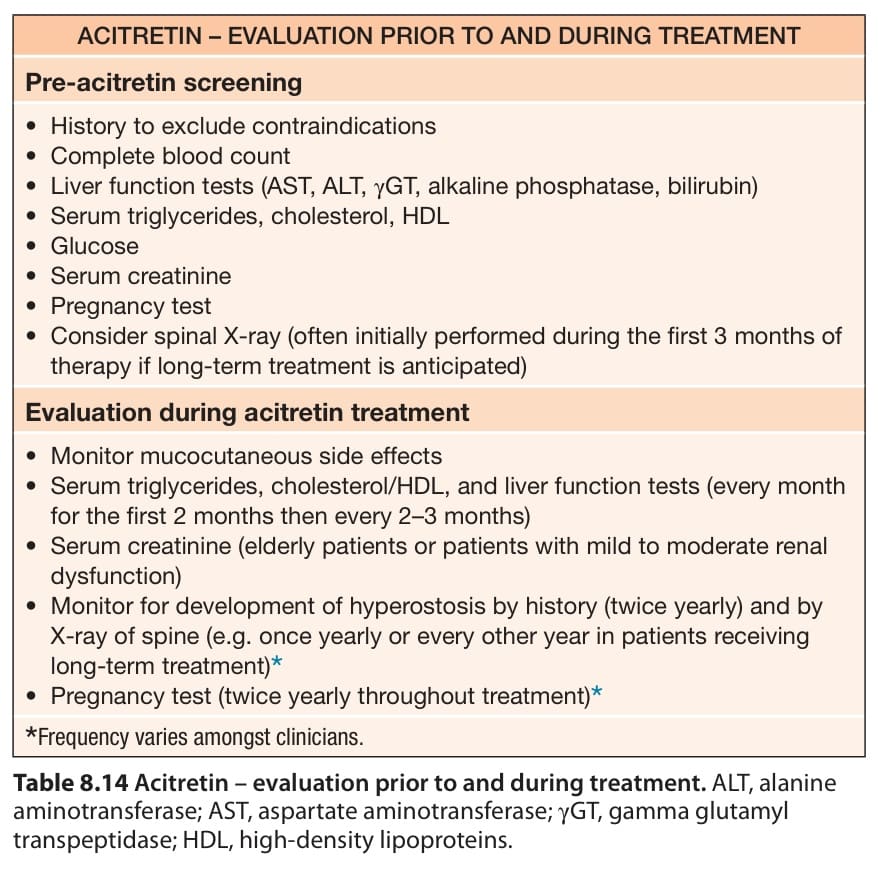
Table 8.14 Acitretin – evaluation prior to and during treatment. ALT, alanine aminotransferase; AST, aspartate aminotransferase; γGT, gamma glutamyl transpeptidase; HDL, high-density lipoproteins.
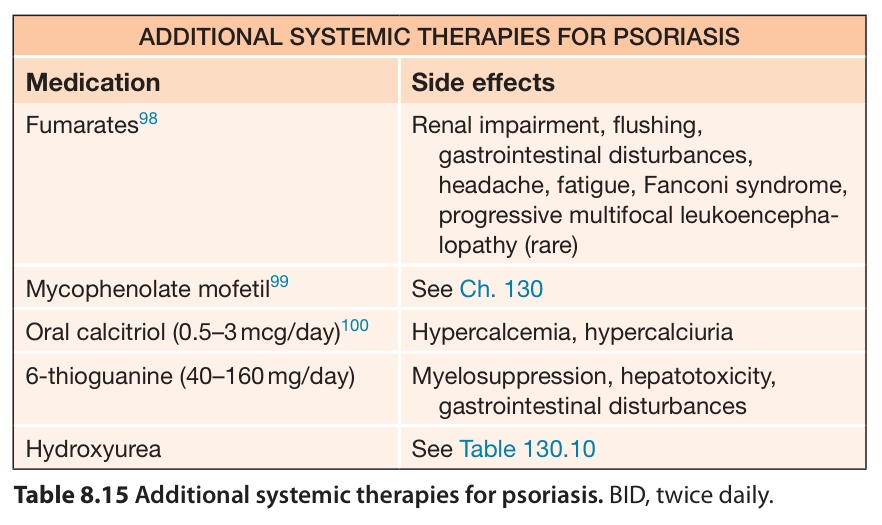
Table 8.15 Additional systemic therapies for psoriasis. BID, twice daily.
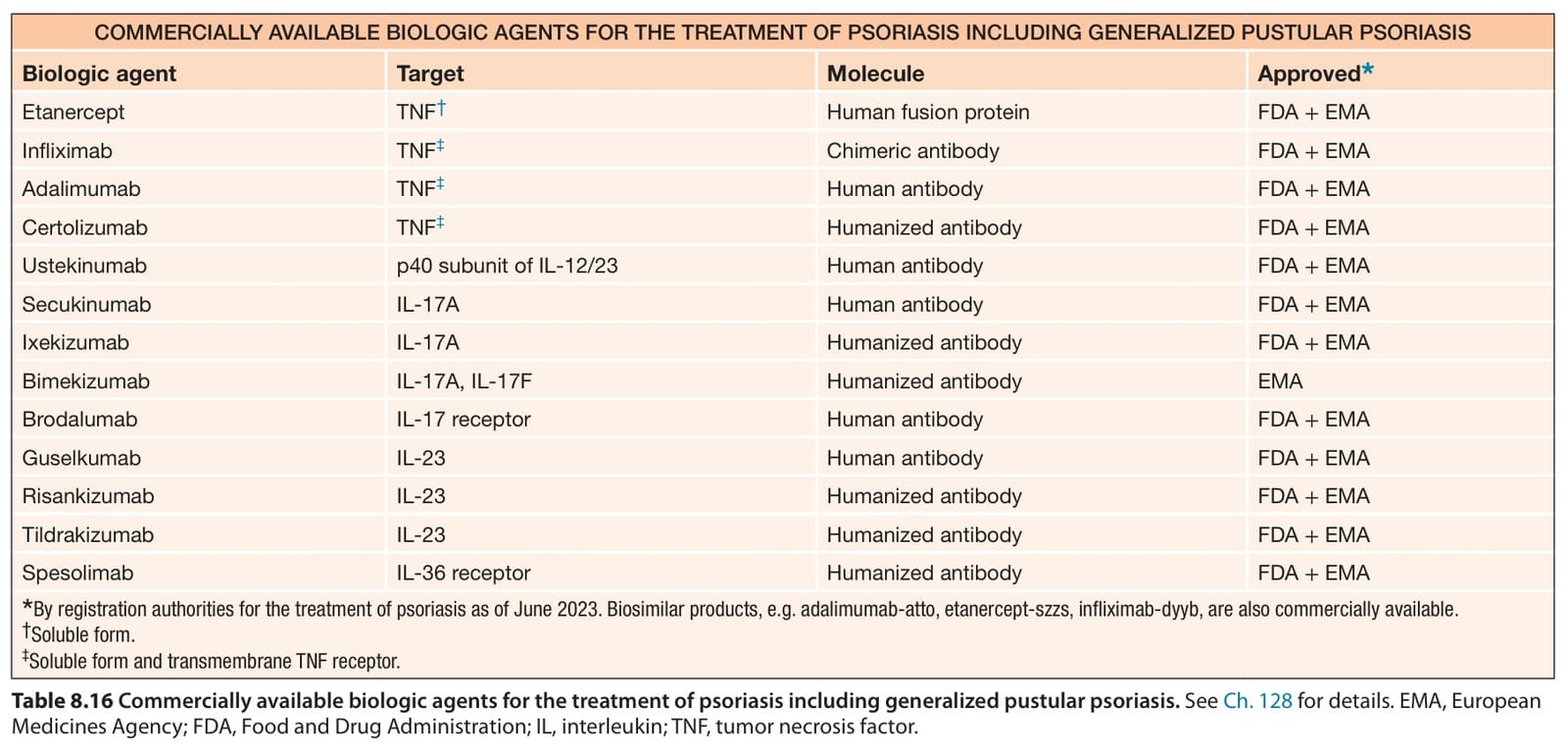
Table 8.16 Commercially available biologic agents for the treatment of psoriasis including generalized pustular psoriasis. See Ch. 128 for details. EMA, European Medicines Agency; FDA, Food and Drug Administration; IL, interleukin; TNF, tumor necrosis factor.
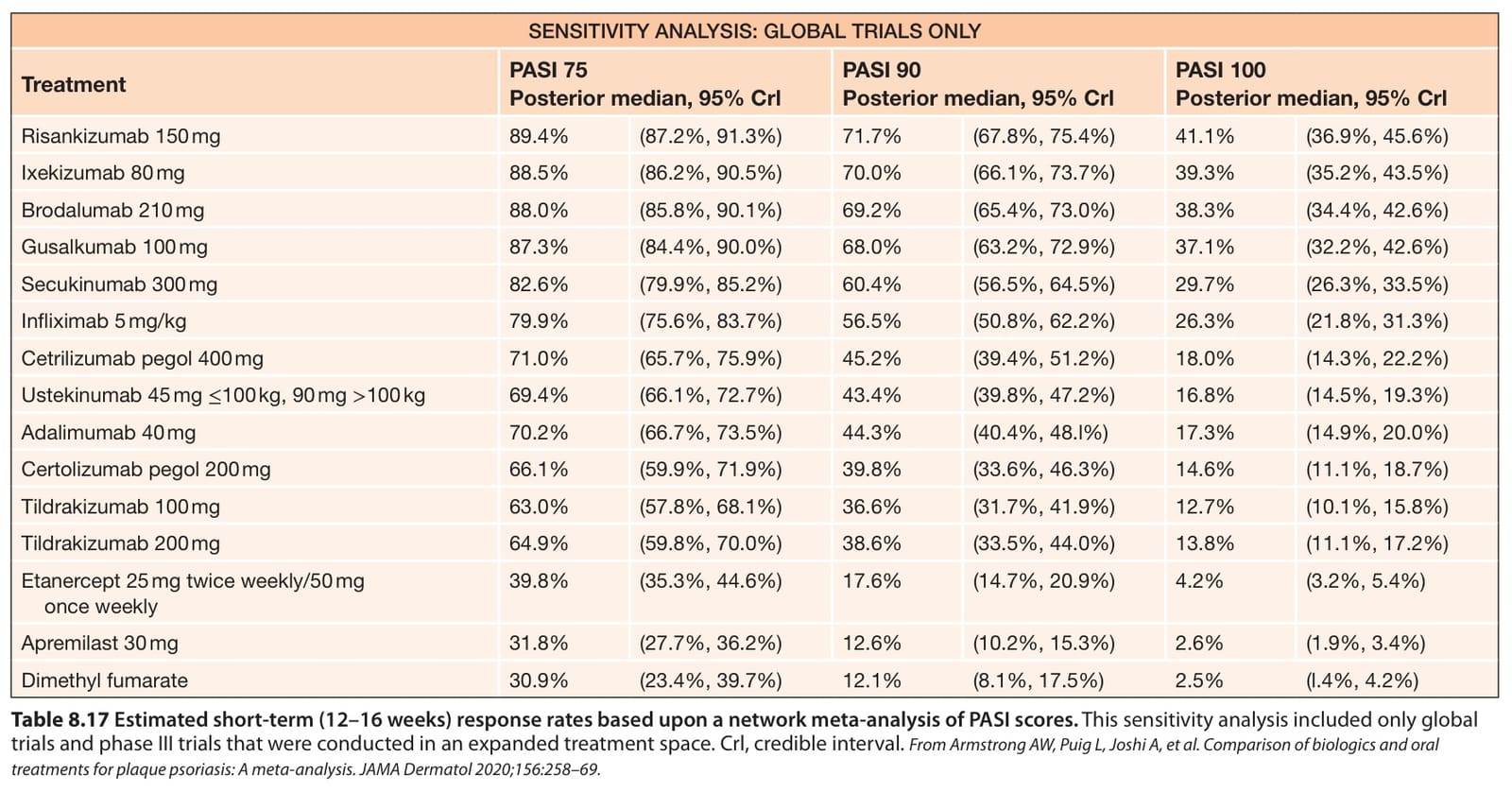
Table 8.17 Estimated short-term (12–16 weeks) response rates based upon a network meta-analysis of PASI scores. This sensitivity analysis included only global trials and phase III trials that were conducted in an expanded treatment space. Crl, credible interval. From Armstrong AW, Puig L, Joshi A, et al. Comparison of biologics and oral treatments for plaque psoriasis: A meta-analysis. JAMA Dermatol 2020;156:258–69.
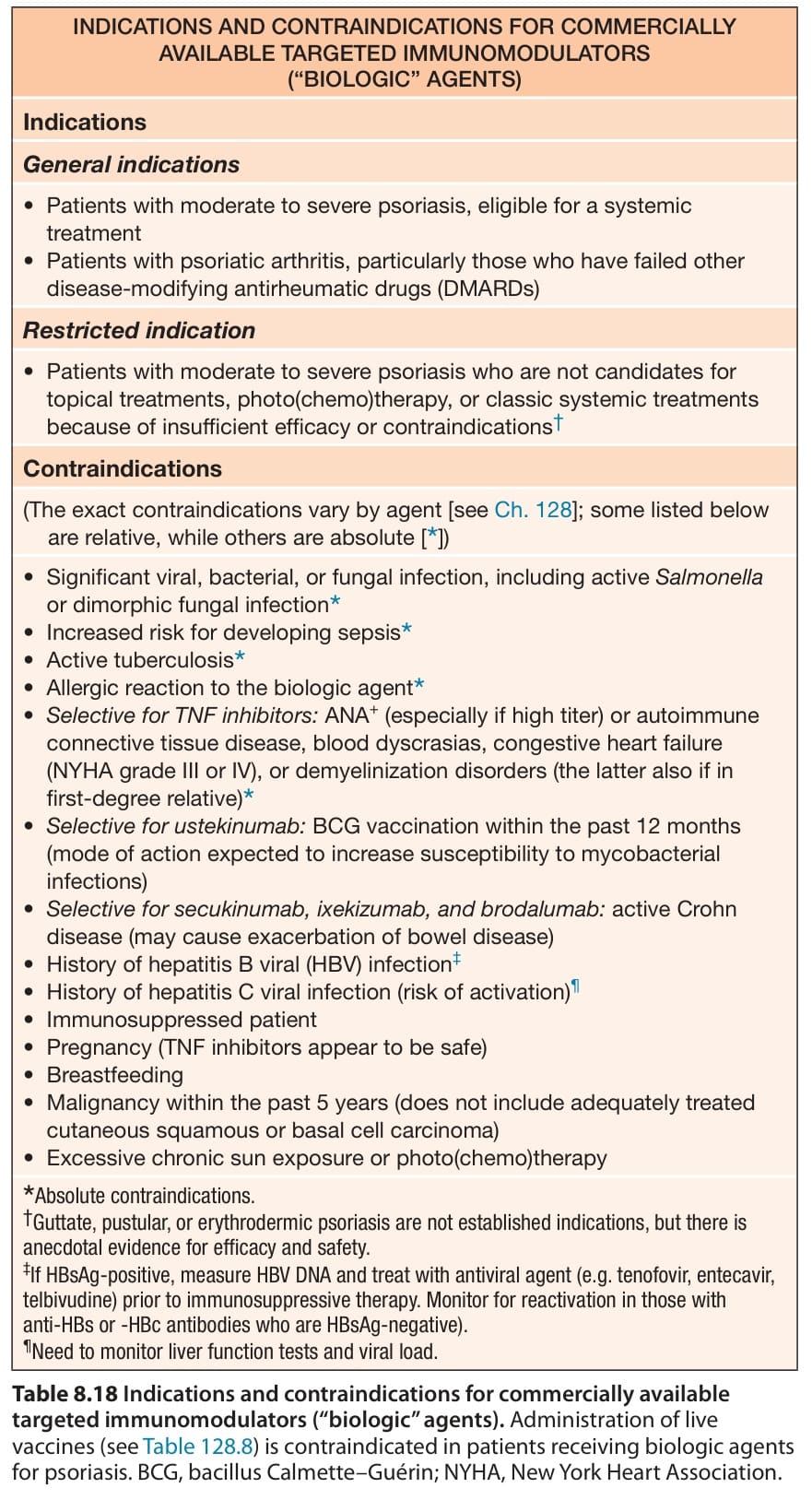
Table 8.18 Indications and contraindications for commercially available targeted immunomodulators (“biologic” agents). Administration of live vaccines (see Table 128.8) is contraindicated in patients receiving biologic agents for psoriasis. BCG, bacillus Calmette–Guérin; NYHA, New York Heart Association.
Table 8.19 Systemic treatment of psoriasis in the setting of comorbidities. Note (+) indicates preferred agents; (−) indicates agents that should be avoided; (+/−) indicates agents that can be used with caution or agents that are not preferred (e.g. there are not enough data, benefits of use outweigh the risks for an individual case). When there is a history of an internal malignancy and anti-IL-12/23, -23, -17, or -17R antibodies are available, they are preferred over anti-TNF agents. CSA, cyclosporine; DVT, deep venous thrombosis; IL, interleukin; JAK, Janus-associated kinase; MTX, methotrexate; PE, pulmonary embolus; R, receptor; SLE, systemic lupus erythematosus; TNF, tumor necrosis factor; TYK2, tyrosine kinase 2.
monitoring. More real-world evidence and age-based (sub)analyses in prospective cohort studies are needed given the rise in this patient population.
Additional figures, tables, Therapeutic options for psoriasis and relevant safety information for use during pregnancy, Management of psoriasis at specific sites, and Topical treatment and ultraviolet B phototherapy in the setting of comorbidities, and references available in our eBook (see inside front cover for access code).
Kerkhof PCM, eds. Textbook of Dermatology. Edinburgh: Churchill Livingstone; 1986:55–82.61. Reich K, Krüger K, Mössner R, Augustin M.