FLUSHING
Key features
Flushing is a physiologic response, but in an exaggerated form causes clinical symptoms
Common triggers (e. g. heat, emotion, exercise, some foods) will exacerbate flushing of any cause
Causes of excessive flushing include exogenous medications, menopause, neurologic disorders, and systemic diseases (e. g. carcinoid syndrome)
Introduction
Flushing is the term used to describe transient and episodic reddening of the skin, most commonly of the face, and less often the neck, ears, and upper chest. It is the visible sign of a generalized increase in cutaneous blood flow. The greater visibility and capacitance of the superficial cutaneous vasculature of the face and adjacent areas accounts for the limited distribution. In the evaluation of an affected patient, there are a number of causes to consider, including underlying systemic disorders (Table 106.2).
Pathogenesis
An increase in cutaneous blood flow occurs with relaxation of vascular smooth muscle. This may occur via the autonomic nervous system (usually leading to active vasodilation), endogenous vasoactive agents (such as histamine and serotonin), or exogenous agents (Table 106.3). Alcohol-induced flushing may result from the direct effect of alcohol as well as cutaneous vasodilation from elevated blood levels of acetaldehyde; the latter occurs in those with alcohol dehydrogenase deficiency (prevalent in East Asians) and in the “disulfiram reaction” induced by some medications. Flushing from fermented alcoholic drinks may be caused by vasoactive substances such as tyramine. Vasodilation
mediated by the autonomic nervous system is often accompanied by eccrine sweating due to a direct effect on both sweat glands and blood vessels (wet flush). Direct vasodilation by vasoactive agents is usually not associated with increased sweating (dry flush).
Clinical Features
Blushing is a common emotionally triggered form of flushing associated with embarrassment and anxiety and is considered an exaggerated physiologic response. Physiologic flushing also occurs as part of normal thermoregulation in response to heat or exercise. “Hot flashes” refer to flushing associated with menopause, which lasts for a few minutes and is usually associated with sweating.
Flushing of any cause may be exacerbated or triggered by a number of common factors such as heat, hot drinks, exercise, anxiety, food additives (e.g. sulfites), and alcohol. Affected patients often report a feeling of heat and burning of the skin during episodes and find the color change a social hindrance. Some patients become anxious that they will flush at inopportune times and this further exacerbates the problem. Repeated flushing may result in permanent “fixed” erythema and telangiectasias.
Carcinoid tumors that secrete vasoactive agents (e.g. serotonin) are associated with the carcinoid syndrome (Table 106.4). This syndrome includes flushing, which is often severe, and it may be precipitated by common triggers of flushing. The classic “carcinoid flush” occurs with ~10% of midgut tumors (small intestine, appendix, proximal colon), but only when there are associated liver metastases; it lasts minutes and consists of erythema and pallor as well as a cyanotic hue. Type III gastric carcinoid tumors are associated with a pruritic, patchy, bright red flush admixed with white patches and probably mediated by histamine. Bronchial tumors are associated with a prolonged (hours to days), intensely red to purple flush. Hindgut tumors (distal colon, rectum) are rarely, if ever, associated with the carcinoid syndrome and flushing, even with liver metastases.
An approach to the clinical assessment of flushing and relevant investigations are listed in Table 106.5.
Differential Diagnosis
Fixed erythema, and sometimes telangiectasias, of the face and neck are seen in fair-skinned individuals with photodamage as well as patients with seborrheic dermatitis and photosensitive autoimmune connective tissue diseases (e.g. dermatomyositis). Affected individuals may complain of the persistent redness and burning of the skin rather than actual flushing. Rosacea may be associated with pronounced flushing, but usually fixed erythema, papulopustules, edema, and/or telangiectasias are present to some degree.
Treatment
The clinician should consider and eliminate any suspected exogenous cause (see Table 106.3). Underlying systemic causes, although rare, should be considered (see Table 106.2). Triggers of flushing are likely to be clinically relevant in most patients and should be avoided where possible. Non-selective β-blockers (e.g. nadolol, propranolol) or clonidine may be effective in idiopathic flushing. Anxiolytics may be helpful, particularly if emotional symptoms or anxiety are triggers. Menopausal flushing may respond to hormone replacement therapy, clonidine, or selective serotonin reuptake inhibitors (SSRIs). In troublesome cases unresponsive to these measures, transthoracic endoscopic sympathectomy may be considered.
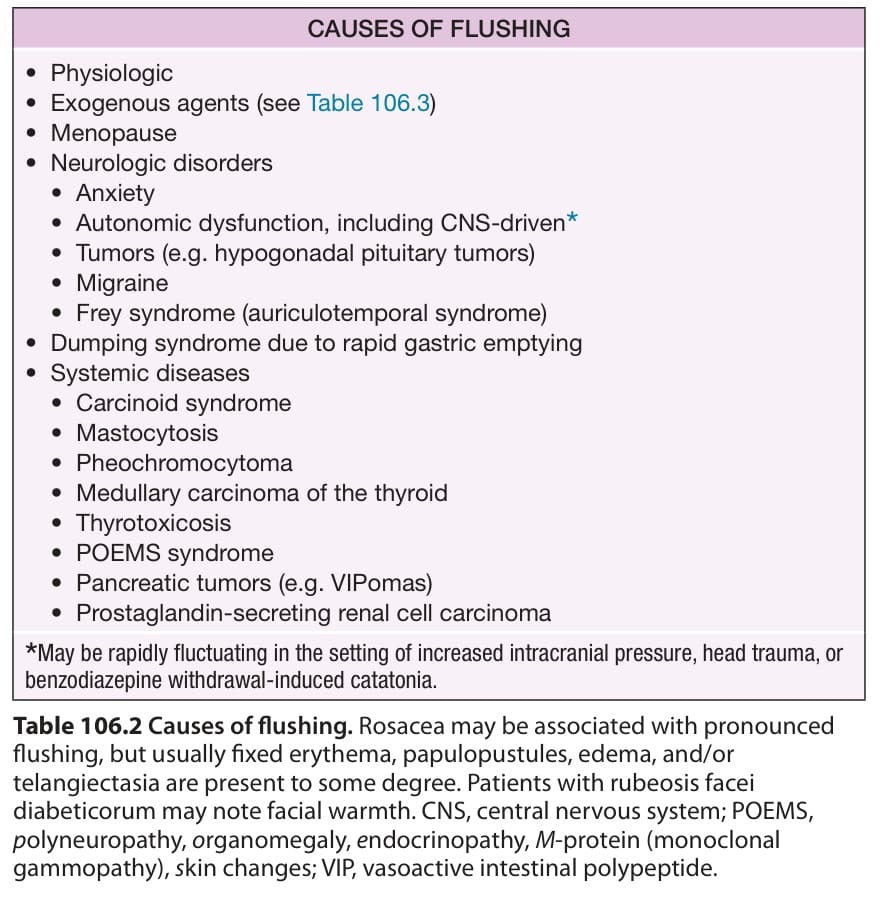
Table 106.2 Causes of flushing. Rosacea may be associated with pronounced flushing, but usually fixed erythema, papulopustules, edema, and/or telangiectasia are present to some degree. Patients with rubeosis facei diabeticorum may note facial warmth. CNS, central nervous system; POEMS, polyneuropathy, organomegaly, endocrinopathy, M-protein (monoclonal gammopathy), skin changes; VIP, vasoactive intestinal polypeptide.
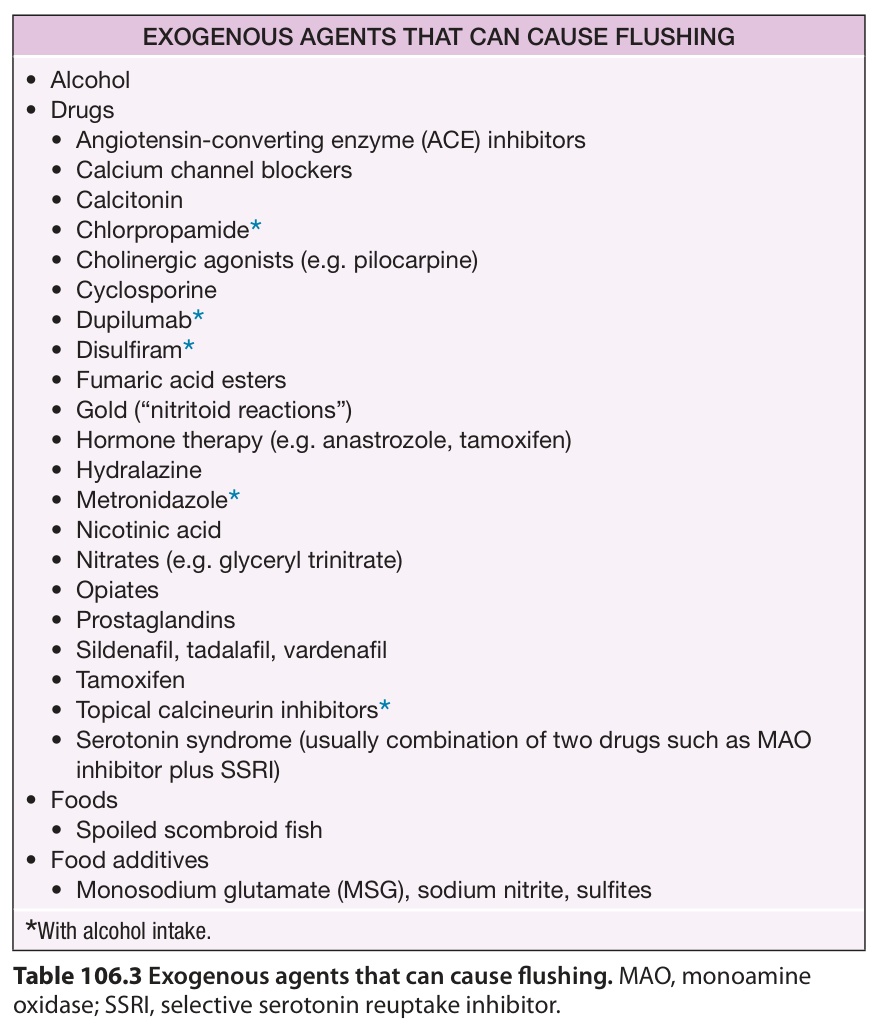
Table 106.3 Exogenous agents that can cause flushing. MAO, monoamine oxidase; SSRI, selective serotonin reuptake inhibitor.
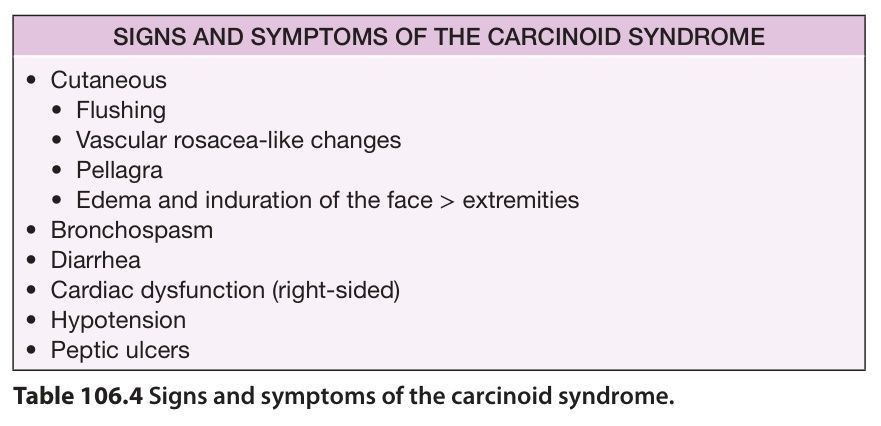
Table 106.4 Signs and symptoms of the carcinoid syndrome.
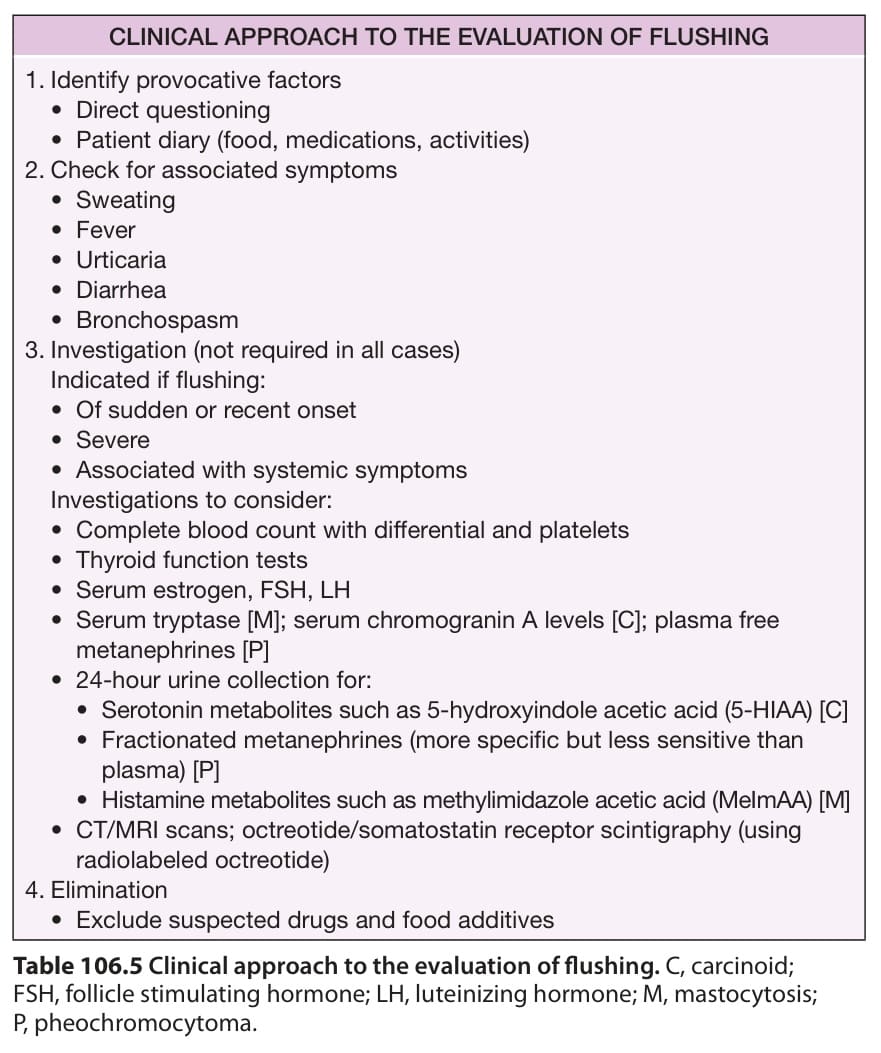
Table 106.5 Clinical approach to the evaluation of flushing. C, carcinoid; FSH, follicle stimulating hormone; LH, luteinizing hormone; M, mastocytosis; P, pheochromocytoma.