EPIDEMIOLOGY
No precise data exist regarding the prevalence or incidence of erythroderma as most reports are retrospective but an overall incidence of 1 per 100 000 has been proposed. Large series of patients have focused on male-to-female ratios, average age, and underlying diseases. Men are more commonly affected, with the male-to-female ratio ranging from approximately 2:1 to 4:1. An even higher ratio can be found in the subset of idiopathic erythroderma, also referred to as “red man syndrome” (not to be confused with the acute cutaneous reaction to rapid infusion of vancomycin). The average age at onset of erythroderma in these series was 52 years, with an average of 48 years in those including children, and 60 years in series excluding them.
Based upon several large series of patients, dermatitis (24%), psoriasis (20%), drug reactions (19%), and CTCL (8%; including Sézary syndrome and erythrodermic mycosis fungoides [MF]) represented the most common underlying causes of erythroderma. In a more recent prospective study of over 300 patients, CTCL was diagnosed in a higher proportion of patients (18%), but this could represent tertiary care referral bias or greater access to molecular diagnostics. When categories within the dermatitis group were examined, atopic dermatitis (9%) was the most common type, followed by contact dermatitis (6%), seborrheic dermatitis (4%), and chronic actinic dermatitis (3%). With regard to etiology, no specific geographic differences have been noted. In adults with erythroderma, overall relapse rates at one year range from 20% to 30%.
For adults, uncommon causes include pityriasis rubra pilaris, ichthyoses, bullous dermatoses (usually pemphigus foliaceus), graft-versus-host disease (GVHD), infestations (most often scabies), and autoimmune connective tissue diseases (acute lupus erythematosus, juvenile dermatomyositis). Table 10.1 lists additional unusual causes, from paraneoplastic (e.g. lymphoma, solid organ malignancies) to inflammatory (e.g. sarcoidosis) and neoplastic (e.g. hypereosinophilic syndrome). Despite multiple skin biopsies, an in-depth clinical investigation and a detailed medical history, the underlying cause of erythroderma is not found in at least 25% of patients. Unfortunately, cases of idiopathic erythroderma tend to be chronic and are more likely to recur after treatment.
Erythroderma in neonates and infants is rare and causes include inherited ichthyoses, dermatitides, psoriasis, immunodeficiencies (e.g. Omenn syndrome), and consequences of infection (e.g. staphylococcal scalded skin syndrome) (Table 10.2). In addition, the possibility of drug-induced erythroderma should always be considered.
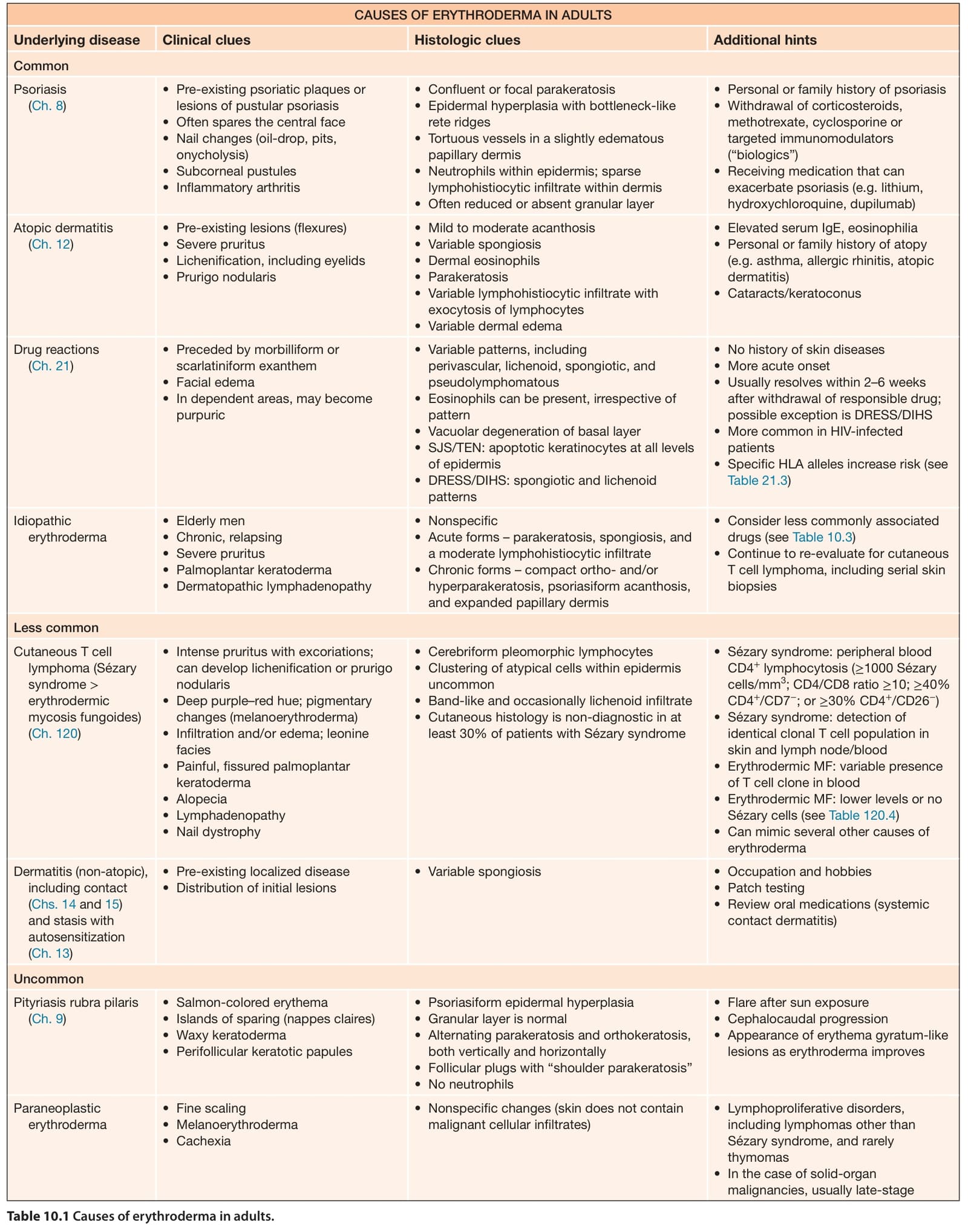
Table 10.1 Causes of erythroderma in adults.
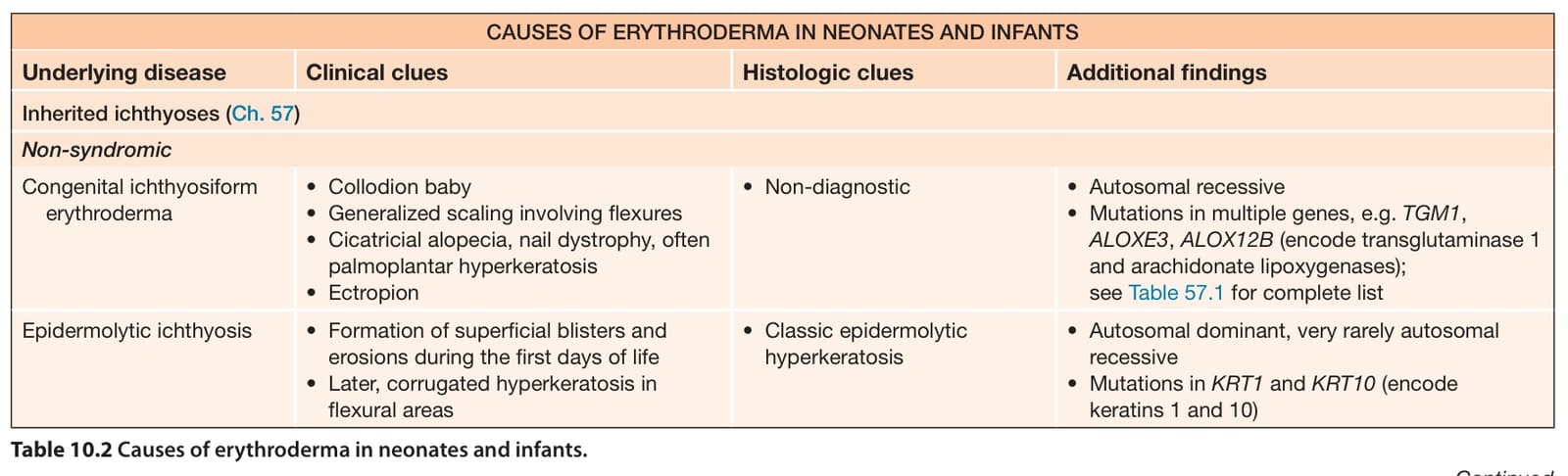
Table 10.2 Causes of erythroderma in neonates and infants.