TREATMENT
Erythroderma can represent a serious medical threat to the patient and therefore hospitalization may be required. Regardless of the underlying disease, the initial management consists of nutritional assessment, correction of fluid and electrolyte imbalances, prevention of hypothermia, and both prevention and treatment of secondary infections. Sedating oral antihistamines may ease severe pruritus. Systemic corticosteroids may be necessary in idiopathic erythroderma and drug reactions. With an initial prednisone dose of 1–2 mg/kg/day and a maintenance dose of 0.5 mg/kg/day or less, rapid clearing of the erythroderma can be achieved. Caution must be exercised upon tapering, as rebound may occur. Topical therapy includes open wet dressings and bland emollients or low-potency corticosteroid ointments. High-potency topical corticosteroids should be reserved for lichenified areas, and because of enhanced transcutaneous absorption via erythrodermic skin, chronic, extensive application should be avoided. Coal tar ointments and phototherapy may aggravate the condition.
In neonates and children with erythroderma, management of fluid and electrolyte balance is critical in order to prevent hypernatremic dehydration. Emollients, topical antibiotics and, depending upon the extent and severity of the secondary infections, systemic antibiotics are administered. Due to increased transcutaneous absorption, topical salicylic and lactic acid should be avoided.
Treatment of specific underlying diseases is outlined in the respective chapters (see Tables 10.1 and 10.2). In the case of psoriatic erythroderma, administration of methotrexate, acitretin, cyclosporine or targeted immunomodulators (“biologics”) is preferred over systemic corticosteroids, given the risk of a pustular flare when corticosteroids are tapered. For drug reactions, discontinuation of all non-essential drugs and all suspected drugs will usually lead to
improvement within 2–6 weeks (with the exception of some patients with DRESS/DIHS). However, systemic prednisone (1–2 mg/kg/day) or even the co-administration of IVIg may be useful in severe cases. After careful exclusion of any underlying cause, idiopathic erythroderma may be treated with low-potency topical corticosteroids and oral antihistamines. In refractory cases, cyclosporine has been used successfully, with an initial dosage of 5 mg/kg/day, and subsequent
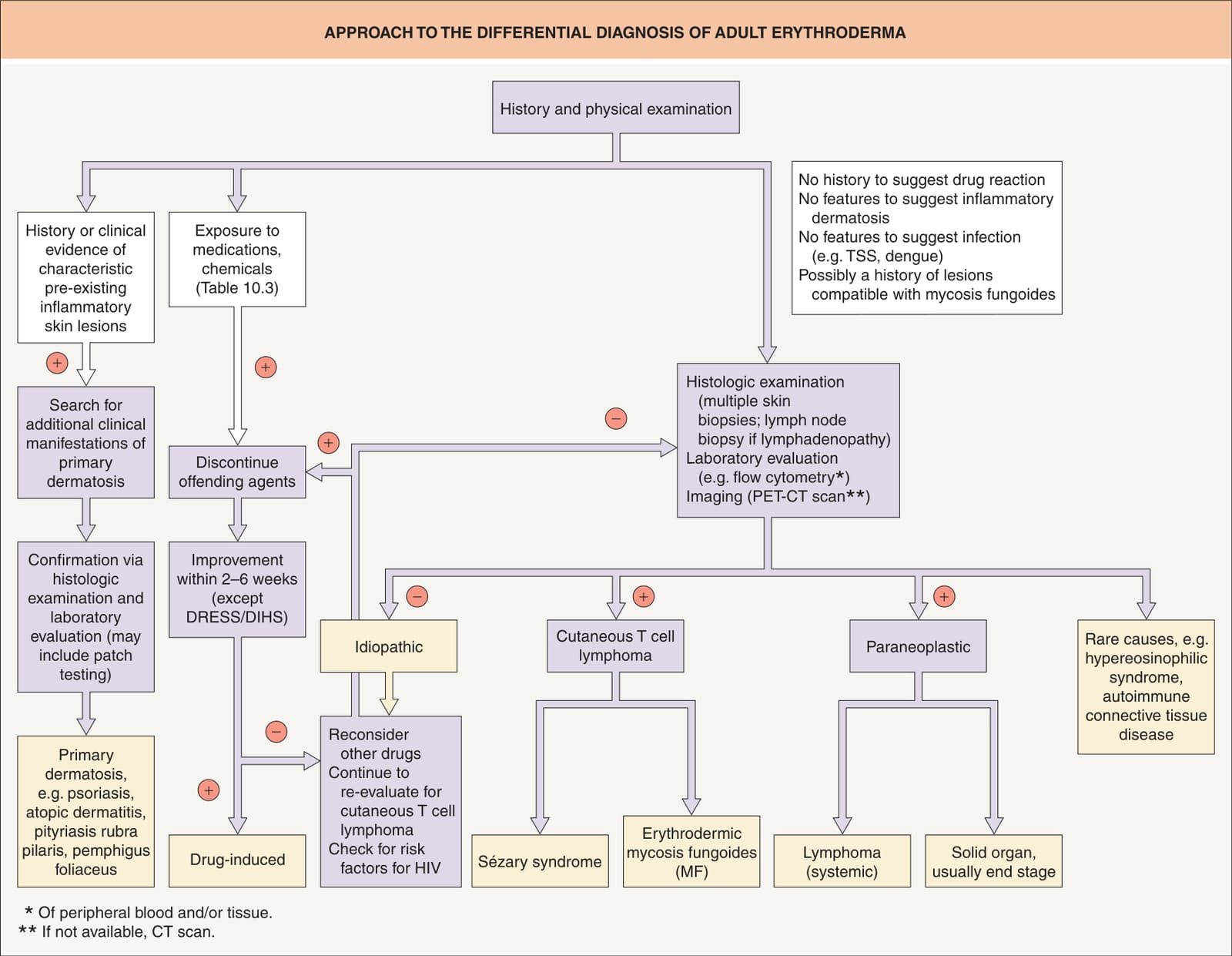
Fig. 10.10 Approach to the differential diagnosis of adult erythroderma. CT, computed tomography; DRESS/DIHS, drug reaction with eosinophilia and systemic symptoms/drug-induced hypersensitivity syndrome; PET, positron emission tomography; TSS, toxic shock syndrome.
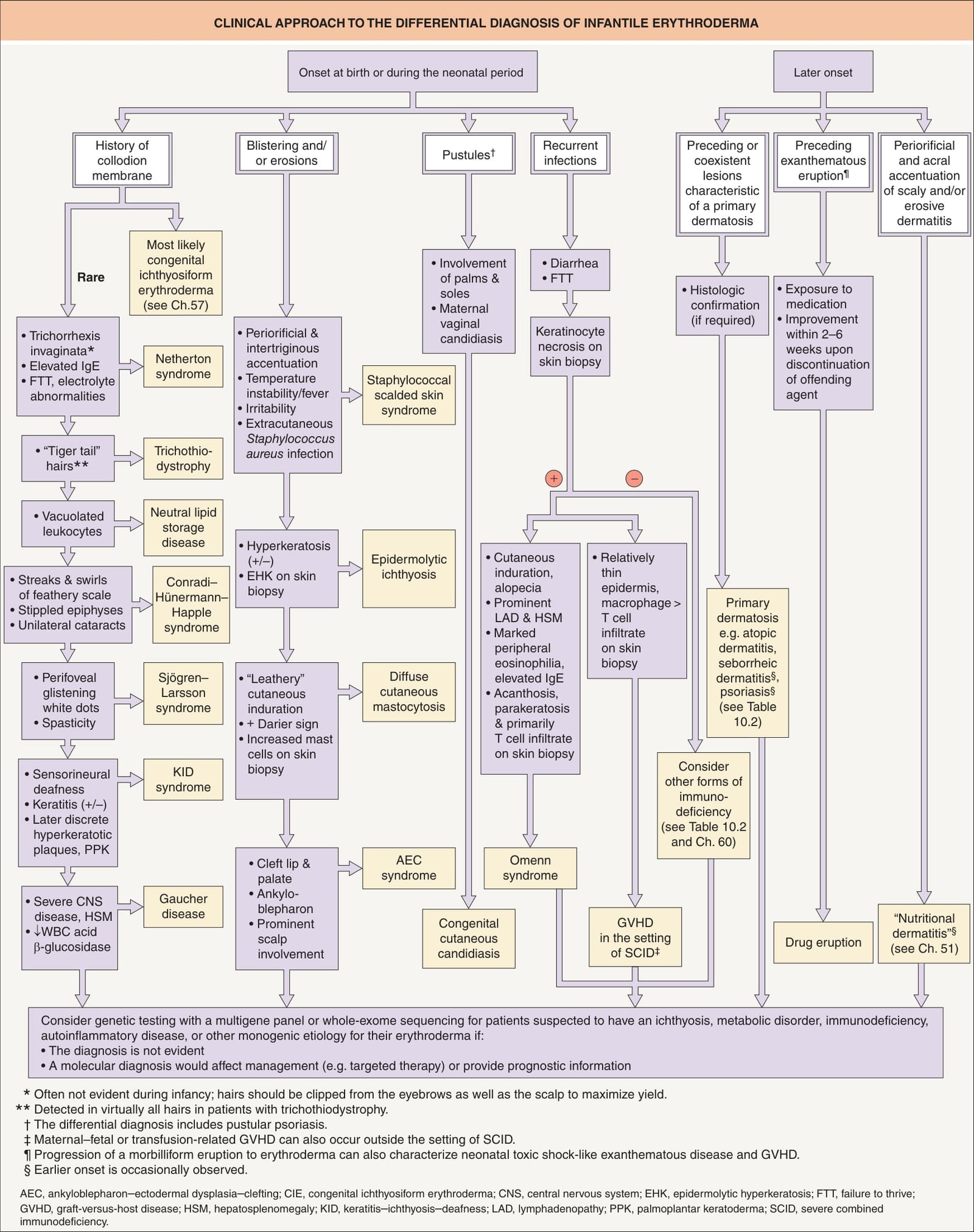
Fig. 10.11 Clinical approach to the differential diagnosis of infantile erythroderma.
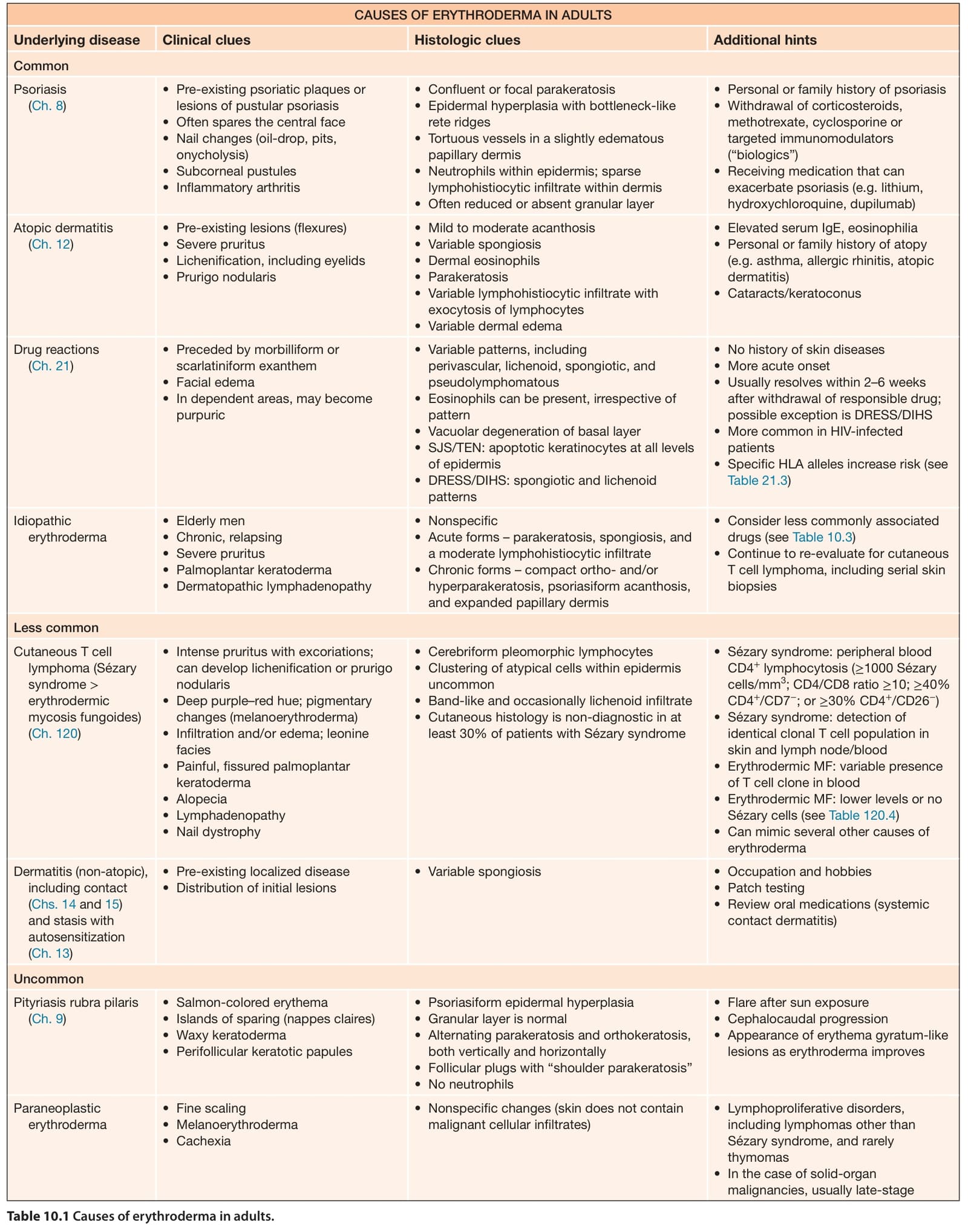
Table 10.1 Causes of erythroderma in adults.
reduction to 1–3 mg/kg/day. Additional steroid-sparing agents include methotrexate, azathioprine and mycophenolate mofetil, all of which have been used anecdotally, with dosages similar to those for recalcitrant atopic dermatitis.
the staging and classification of mycosis fungoides and Sézary syndrome: a proposal of the International Society