INDICATIONS (TABLE 126.3)
Topical Retinoids
The most important element in topical retinoid therapy is patient education. Local skin irritation can be expected, and noticeable beneficial effects often take weeks or months to appear. Administration of topical retinoids should be titrated depending on cutaneous irritation, which may mean decreasing the concentration or the frequency of application. It is generally wise to begin with a low-strength formulation and then increase the concentration as tolerance builds. Another tactic is to start by applying a given concentration every other day. Daytime moisturizers with sunscreen are important components of any topical retinoid regimen.
Acne
Topical retinoids, of which tretinoin is the prototype, are mainstays in the treatment of comedonal and inflammatory acne vulgaris. The primary mode of action in acne is thought to be the normalization of differentiation and proliferation of the follicular epithelium (see Ch. 36), which leads to the loosening and unseating of microcomedones, thereby preventing obstruction of the pilosebaceous unit. In addition, topical retinoids may have anti-inflammatory activity. The mechanism of action of topical isotretinoin (not available in the US) is similar to that of topical tretinoin because of intraepithelial isomerization of isotretinoin to tretinoin (see Fig. 126.2). In contrast to oral isotretinoin, topical isotretinoin fails to suppress sebum production; it is less irritating and probably also somewhat less effective than tretinoin. The topical synthetic retinoids adapalene, tazarotene, and trifarotene have comparable or (for adapalene) improved tolerability while maintaining efficacy similar to that of topical tretinoin.
Topical retinoids should be applied to the entire face or all acne-prone areas once a day as tolerated, with tretinoin applied in the evening to prevent inactivation by UV light. Application of these medications to dry skin may reduce skin irritation by minimizing dermal absorption. Patients should be advised that beneficial effects do not typically become evident for 6–8 weeks or longer. An apparent exacerbation may occur during the first month of therapy, representing the externalization of deeper-seated acne lesions as the follicular epithelium is loosening. With the exception of mild, primarily comedonal acne, topical retinoids are typically used concomitantly with benzoyl peroxide products and antibiotics (oral or topical) that target Cutibacterium acnes and inflammatory processes that contribute to acne (see Ch. 36).
Psoriasis
Topical application of tretinoin or isotretinoin has limited efficacy in psoriasis. Although topical tazarotene was shown to be effective in treating mild to moderate plaque-type psoriasis affecting ≤20% of the body surface area, irritation limits its use as monotherapy. A combination of tazarotene and a mid- to high-potency topical corticosteroid can improve efficacy and reduce the likelihood of both irritation and corticosteroid-induced atrophy.
Photoaging
Several controlled studies have demonstrated that topical retinoids, including tretinoin and tazarotene creams, can improve fine wrinkling and lighten uneven pigmentation. It generally takes 3–6 months of daily application to see significant clinical improvement. Cutaneous irritation is usually the limiting factor. Retinaldehyde was found to be as effective as tretinoin in treating photodamage in less extensive trials, and it had a better tolerance profile that may reflect more controlled delivery of retinoic acid to target cells. Seletinoid G, a fourth-generation polyaromatic retinoid with RAR-γ selectivity designed to produce less skin irritation, is under investigation as a treatment for photoaging.
Photoaging is the consequence of UVR-induced damage to the skin, which is characterized by decreased vitamin A content as well as lower expression of RXR-α and RAR-γ (the major retinoid receptors in keratinocytes) in the acute setting and then later by upregulation of AP1-driven matrix metalloproteinases (MMPs). Topical retinoids promote cellular differentiation and extracellular matrix synthesis, including an increase in hyaluronic acid via a CD44-mediated mechanism in addition to decreased MMP production. Histologic findings after repeated topical application of tretinoin include compaction of the stratum corneum, epidermal hyperplasia (acanthosis), correction of atypia (e.g. actinic keratoses), dispersion of melanin granules, increased dermal collagen synthesis, and angiogenesis. These findings explain reported observations of smoother skin, a rosy glow, decreased blotchy pigmentation, and diminished fine lines and wrinkles following topical retinoid treatment.
Other indications
Other FDA-approved indications for topical retinoids include alitretinoin 0.1% gel for cutaneous Kaposi sarcoma and bexarotene 1% gel for CTCL. There are also numerous “off-label” uses for topical retinoids (see Table 126.3).
Systemic Retinoids
Psoriasis
Several randomized, controlled, multicenter trials have been performed to ascertain the efficacy of acitretin in plaque-type and pustular psoriasis, with similar results to prior studies of etretinate. Guidelines for use of acitretin in psoriasis are summarized in Tables 8.13 and 8.14. The best results have been obtained in acral or generalized (von Zumbusch) pustular psoriasis, in which acitretin is considered to be a first-line therapy. The various forms of pustular psoriasis, as well as erythrodermic psoriasis, tend to clear relatively rapidly with acitretin monotherapy. Rebound does not usually occur after stopping treatment, and reintroduction produces a beneficial response.
Plaque-type psoriasis responds variably to acitretin. Although complete clearance of plaques is achieved in only about 30% of treated patients, substantial improvement is obtained in an additional 50%. The mean decrease in the Psoriasis Area and Severity Index (PASI) score is ~60%–70%, depending on the dosage and duration of treatment. Many of the plaques may remain, but they are thinner with less scale and erythema.
An initial worsening with increased erythema and/or extent of involvement of plaque-type psoriasis may occur within a few days of starting acitretin therapy at a dosage of 0.5–1 mg/kg per day (~25–70 mg/ day in adults). Utilization of a lower dose (10 mg/day) initially, followed by a progressive increase, helps to avoid this complication.
Total clearance of psoriatic plaques usually requires that oral retinoids be combined with other treatments such as topical corticosteroids, topical vitamin D derivatives, anthralin (dithranol), or photo(chemo) therapy (narrowband UVB or psoralen plus UVA [PUVA]). The “Re-PUVA” combination, in which retinoids are given for 14 days before starting PUVA, can produce an accelerated response rate and resolution of lesions that would not clear with a retinoid or PUVA alone (Fig. 126.3). The cumulative UVA exposure required to produce a remission is also significantly lower with Re-PUVA, reducing the risk of UVA-induced carcinogenesis. Oral retinoids can also be combined with bath PUVA. Lastly, the combination of acitretin with UVB phototherapy has been shown to be more effective than retinoid or UVB phototherapy alone in patients with psoriasis.
Isotretinoin is less effective than acitretin for psoriasis, although some efficacy has been shown in combination with PUVA. Isotretinoin is still occasionally used in women of childbearing age with psoriasis who need a systemic retinoid to avoid the long post-acitretin contraception period.
Acne
The introduction of oral isotretinoin was a key advance in acne therapy and it still remains the most effective medication. With the possible exception of hormonal acne, isotretinoin has been shown to induce long-term remissions and even “cure” acne. It is the only medication that affects, albeit not to the same degree or permanently, all the major etiologic factors implicated in acne: sebum production, comedogenesis, and colonization with C. acnes (Fig. 126.4; see Ch. 36). Among natural and synthetic retinoids studied in humans, only isotretinoin has been found to suppress sebum production (see above).
In the early 1980s, oral isotretinoin use was restricted to patients suffering from severe nodulocystic acne. With increasing experience, however, its use has been extended to patients with less severe disease who have responded unsatisfactorily to conventional therapies such as topical retinoids plus oral antibiotics. Patients with moderate acne that shows signs of scarring also represent candidates for oral isotretinoin therapy.
Before (A) and after (B) treatment with a combination of acitretin and PUVA.
Acne morbidity extends beyond the aesthetics of physical appearance. Psychosocial consequences of acne range from depression and anxiety to interpersonal and work-related difficulties. Quality-of-life studies have shown that isotretinoin treatment significantly improves sociability and self-esteem.
It was initially considered that optimal benefit would be achieved with an isotretinoin dose of 1 mg/kg per day. However, this can induce undesirable dose-dependent effects, and similar short-term therapeutic results have been obtained with doses below 0.5 mg/kg per day. In order to avoid the higher incidence of relapses associated with lower-dose isotretinoin, treatment can be continued for a longer period of time in order to reach a critical cumulative dose threshold. The cumulative dose was first recognized to be important in isotretinoin therapy for acne by Harms et al. in 1989; it refers to the total amount of oral isotretinoin taken by the patient over the entire course, divided by the body weight (mg/kg body weight). For example, a patient weighing 50 kg and receiving 25 mg/day of isotretinoin for 100 days would have received a cumulative dose of 50 mg/kg (25 mg × 100 = 2500 mg, divided by 50 kg = 50 mg/kg). Data from several studies indicated that post-therapy relapse is minimized by a treatment course amounting to a total of at least 120 mg/kg, with minimal further therapeutic gain beyond about 150 mg/kg. However, a 6-month course of low-dose isotretinoin (20 mg/day; mean cumulative dose = 70 mg/kg) was also found to be effective in the treatment of moderate acne, with a low incidence of severe side effects and a reduced cost compared with higher doses.
A lag period of 1–3 months may occur before the onset of the therapeutic effect. Approximately one-third of patients with acne require a second course of isotretinoin therapy, either for persistent disease or for relapse. A major predictive factor for resistance to isotretinoin treatment is closed comedonal and microcystic acne. Hyperandrogenemia due to ovarian or adrenal dysfunction should be excluded in women with a history of acne that is either refractory to isotretinoin or has relapsed following appropriate courses of isotretinoin.
A flare of disease during the first few weeks of treatment, sometimes with an acne fulminans-like presentation and subsequent evolution of acne cysts into lesions resembling pyogenic granulomas, is occasionally observed with isotretinoin treatment (see Fig. 36.17). The incidence of this side effect may be reduced by using lower doses of isotretinoin during the first 3–4 weeks of therapy. Because oral isotretinoin is a potent teratogen, prevention of pregnancy in female patients with childbearing potential is critical, with a need for continuous effective contraception from 1 month prior to initiating therapy until 1 month after the last dose (see below).
Isotretinoin has a more limited effect on hidradenitis suppurativa and dissecting cellulitis of the scalp, which can occur together with acne conglobata as components of the follicular occlusion tetrad. Some clinicians recommend oral isotretinoin during the weeks or months preceding surgery for hidradenitis suppurativa, and sometimes also during the postoperative period, while others avoid isotretinoin perioperatively because of reports of enhanced scarring (see below).
Cutaneous T cell lymphoma
Isotretinoin and acitretin are somewhat effective and are considered to be of equal potency in the treatment of mycosis fungoides (MF). Retinoids can be used in combination with PUVA, interferon, or systemic chemotherapy (see Ch. 120). Despite initial improvement of the various stages of MF, it is often impossible to maintain remissions with these retinoids as monotherapy.
Both oral and topical bexarotene can produce clinical responses in CTCL. Two multicenter clinical trials of oral bexarotene were conducted in patients with stage I–IIA (early) disease (n = 58) or stage IIB–IVB (advanced) disease (n = 94). Patients in the early-stage study randomly assigned to a low-dose arm of 6.5 mg/m per day had a 20% response rate, in contrast to 54% and 67% for patients receiving starting doses of 300 mg/m per day and 650 mg/m per day (then decreased to 500 mg/ m per day), respectively. However, dose-dependent toxicity was a significant problem. Response rates were ~50% for the patients with advanced CTCL, who all received doses of 300–650 mg/m per day.
Bexarotene is FDA-approved as oral therapy for CTCL that has been refractory to at least one systemic agent, and as a topical gel formulation for refractory early-stage CTCL. Given the high incidence of side effects, in particular hyperlipidemia (see below), a commonly recommended starting dose for oral bexarotene is 150 mg/m per day (Table 126.4). Combination therapies utilizing bexarotene together with PUVA, narrowband UVB, methotrexate, interferon-α, or denileukin diftitox have also been evaluated in clinical trials and case series.
Chronic hand eczema
In a randomized, double-blind, placebo-controlled, multicenter study, 1032 adults with severe chronic hand eczema were treated with 30 mg or 10 mg of oral alitretinoin versus placebo once daily for 12–24 weeks. Responses, defined as clear or almost clear hands, were achieved in 48%, 28%, and 17% of the patients in the three groups, respectively. Treatment was well tolerated, with dose-dependent adverse events including headache, mucocutaneous side effects, hyperlipidemia, and hypothyroidism. Improvement typically began to develop after ~4 weeks of treatment, and the median time to relapse, defined as recurrence of 75% of initial signs and symptoms, was 6 months in the absence of any further therapy. Oral alitretinoin (currently not available in the US) therefore represents a therapeutic option for adults with severe, recalcitrant chronic hand eczema, with the possibility of using intermittent courses to induce intermediate-term remissions.
Other “off-label” clinical uses
The multiple effects of retinoids explain their role in treating a broad spectrum of cutaneous diseases. Although many skin disorders respond to retinoids (see Table 126.3), benefit has been established in controlled studies for relatively few conditions.
Acitretin and isotretinoin can be of benefit in patients with non-syndromic autosomal recessive congenital ichthyoses (Fig. 126.5; see Ch. 57). Good results have also been observed in patients with X-linked recessive ichthyosis and ichthyosis vulgaris; however, these diseases tend to be less severe and do not usually require systemic retinoid therapy. Given the lifelong duration of heritable ichthyoses, intermittent retinoid courses are sometimes prescribed.
Severe forms of Darier disease are often treated with systemic retinoids. Therapy should be started with a low dose (e.g. acitretin 10 mg/day,
isotretinoin 20 mg/day) in order to prevent an initial exacerbation of the disease; 20 mg/day of acitretin is usually sufficient for significant improvement.
Treatment with an oral retinoid (acitretin, isotretinoin, or alitretinoin) can lead to clearance of pityriasis rubra pilaris (PRP) (Fig. 126.6; see Ch. 9). In extensive cases, concomitant use of methotrexate may be advantageous, but with attention to possible liver toxicity.
In severe or treatment-resistant rosacea, isotretinoin typically has a greater effect on inflammatory lesions than on vascular manifestations. A low daily dose (10 mg) is often sufficient, although higherdose acne vulgaris regimens are sometimes used for severe disease.
Acitretin has been shown to be effective in the treatment of premalignant skin lesions, including human papillomavirus-induced neoplasia and actinic keratoses. In patients with basal cell nevus syndrome and xeroderma pigmentosum as well as solid organ transplant recipients, it may reduce the development of keratinocyte carcinomas (see Ch. 108). A prospective, open, randomized crossover study demonstrated that acitretin (25 mg/day for 12 months) prevented the development of squamous cell carcinoma in renal transplant recipients.
Both isotretinoin and acitretin have been used successfully in patients with various forms of lupus erythematosus (LE), including hypertrophic LE. Recommended doses range from 0.2–1.0 mg/kg/day. Recurrence after completion of treatment is a limiting factor. Comparable therapeutic efficacy has been observed for acitretin and hydroxychloroquine in chronic and subacute cutaneous LE.
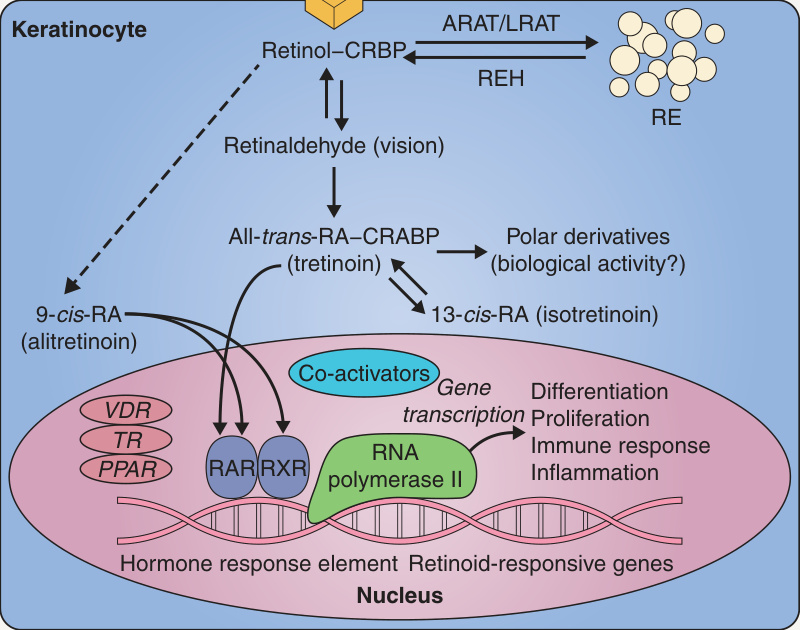
Fig. 126.2 Metabolism and mechanism of action of natural retinoids. ARAT, acyl-CoA:retinol acyl transferase; CRABP, cellular retinoic acid-binding protein; CRBP, cellular retinol-binding protein; LRAT, lecithin:retinol acyl transferase; PPAR, peroxisome proliferator-activated receptor; RA, retinoic acid; RAR, retinoic acid receptor; RBP, retinol-binding protein; RE, retinyl esters; REH, retinyl ester hydrolase; RXR, retinoid X receptor; STRA6, stimulated by retinoic acid 6; TR, thyroid receptor; VDR, vitamin D receptor.
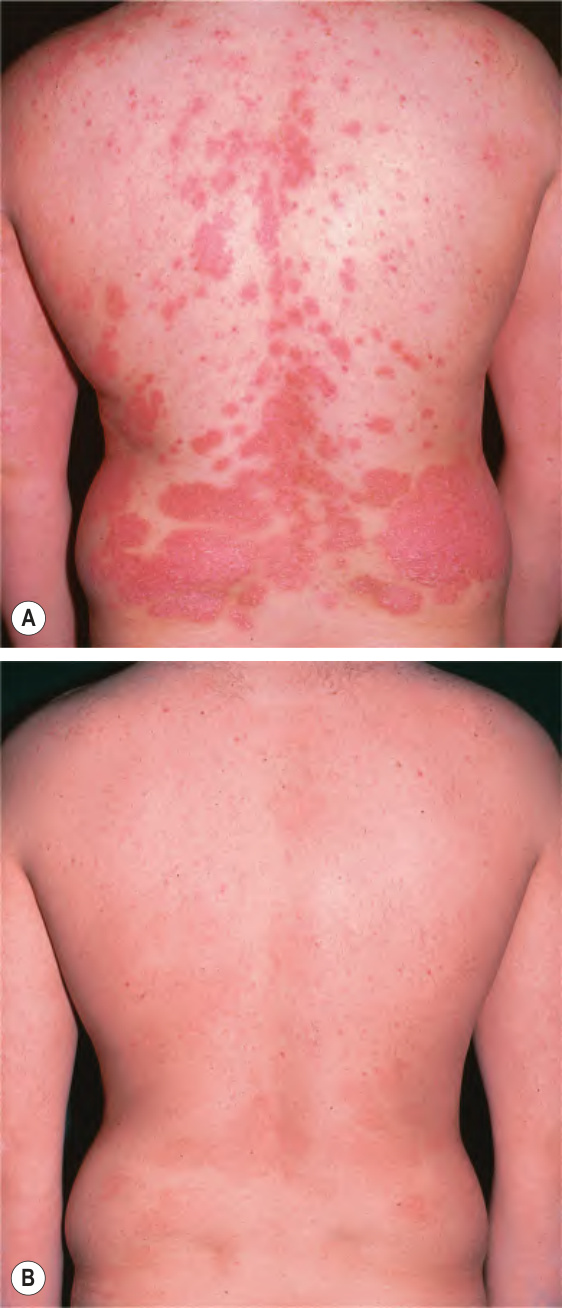
Fig. 126.3 Chronic plaque-type psoriasis.
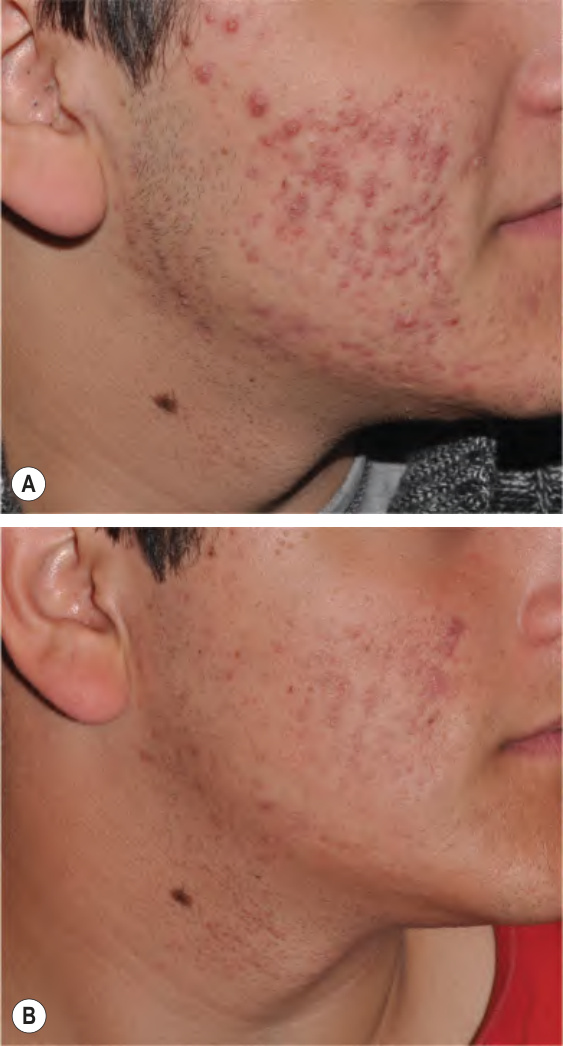
Fig. 126.4 Severe acne vulgaris. Before (A) and after (B) treatment with oral isotretinoin. Courtesy Ángela Hernández-Martín, MD.
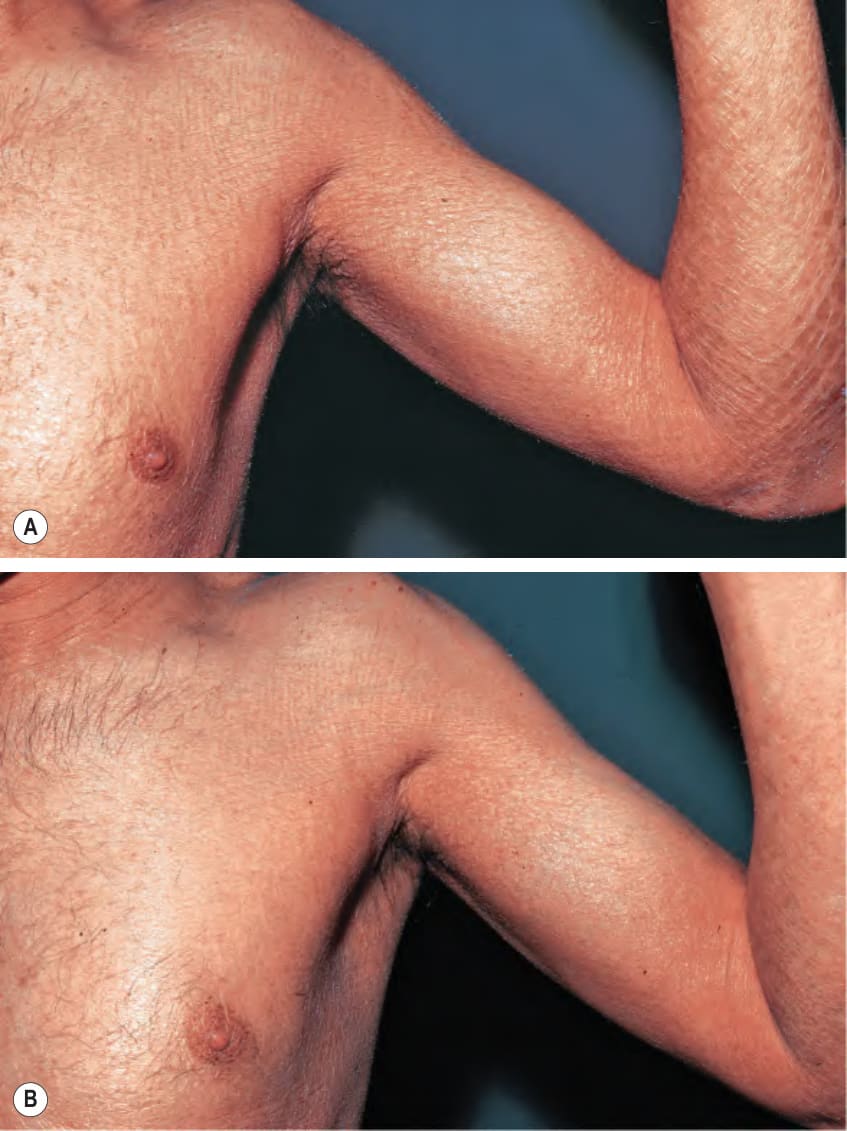
Fig. 126.5 Lamellar ichthyosis. Before (A) and after (B) treatment with acitretin.
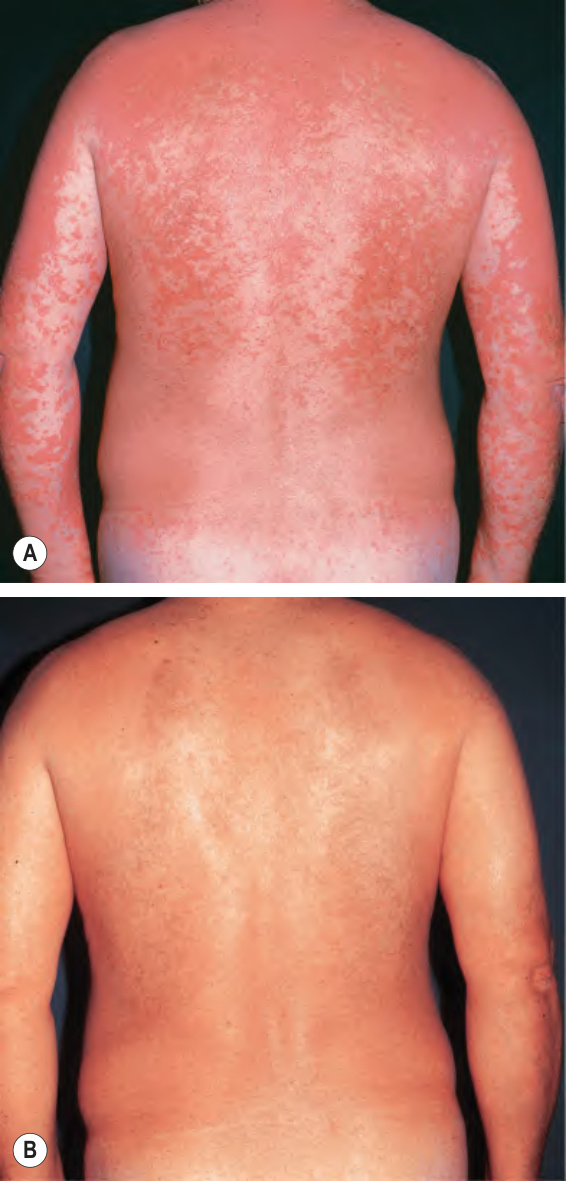
Fig. 126.6 Pityriasis rubra pilaris. Before (A) and after (B) treatment with acitretin.
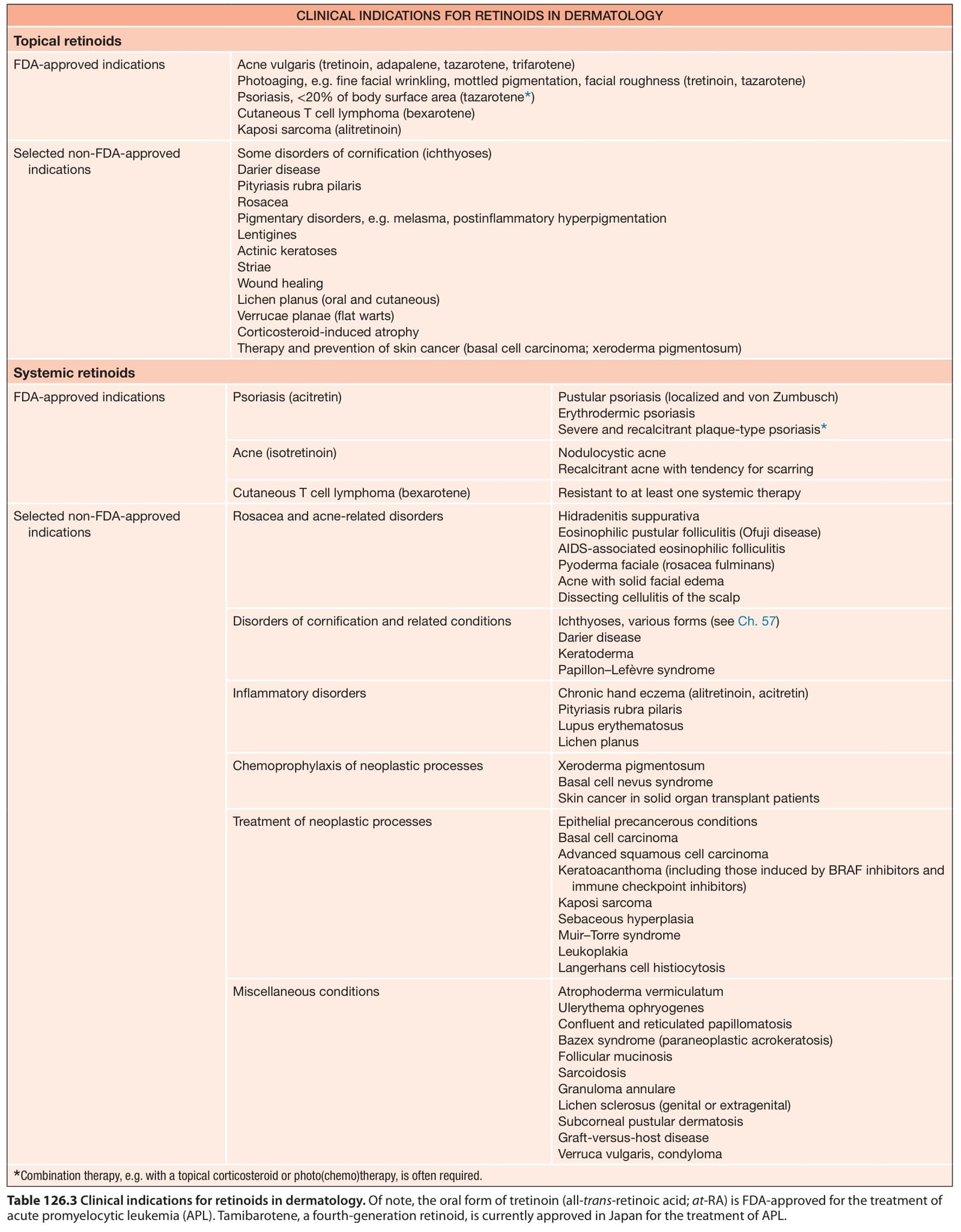
Table 126.3 Clinical indications for retinoids in dermatology. Of note, the oral form of tretinoin (all-trans-retinoic acid; at-RA) is FDA-approved for the treatment of acute promyelocytic leukemia (APL). Tamibarotene, a fourth-generation retinoid, is currently approved in Japan for the treatment of APL.
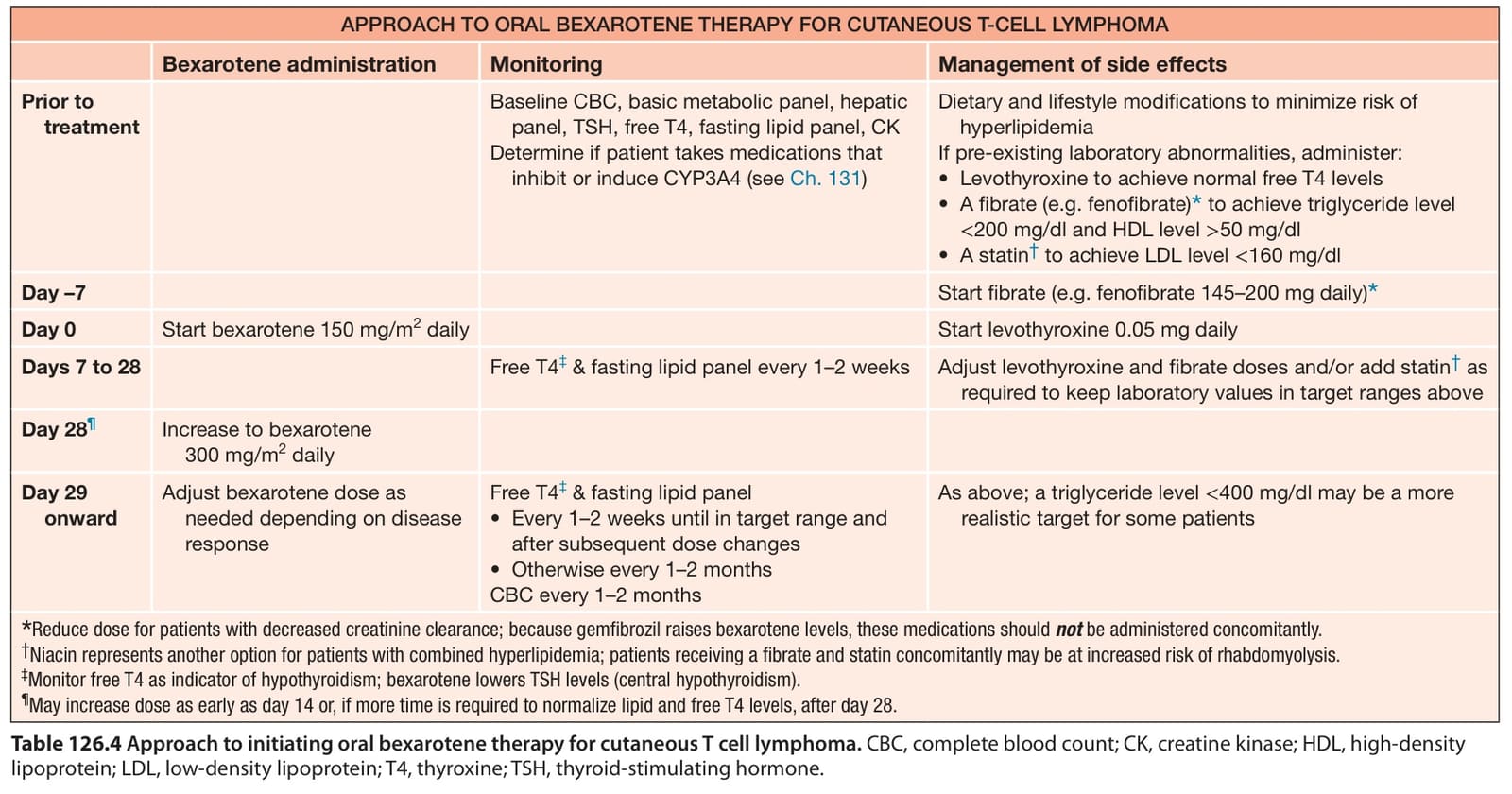
Table 126.4 Approach to initiating oral bexarotene therapy for cutaneous T cell lymphoma. CBC, complete blood count; CK, creatine kinase; HDL, high-density lipoprotein; LDL, low-density lipoprotein; T4, thyroxine; TSH, thyroid-stimulating hormone.