MAJOR SIDE EFFECTS
Topical Retinoids
By far the most common side effect of topical retinoids is skin irritation characterized by erythema and peeling (Table 126.6). “Retinoid dermatitis” typically occurs during the first month of treatment and tends
to recede thereafter. It usually responds to a temporary reduction in the frequency, amount, or duration (e.g. “short contact” therapy) of retinoid application and to the use of moisturizers. Desquamation and peeling correspond to the hyperproliferative response of the epidermis to tretinoin mediated by RARs, but the erythema does not seem to be receptor-mediated. The perioral area of the face is most sensitive to peeling, and retinoid use in this region can be limited or avoided.
Although no photoallergic or phototoxic reactions have been proven for topical retinoids, some patients note a decreased tolerance to UVR. Erythema tends to develop shortly after sun exposure and is often accompanied by a sensation of heat, raising the question of involvement of infrared irradiation. The potential for teratogenicity from use of topical retinoids is very low to non-existent. Systemic absorption of topically applied retinoids has been inconsequential in both animal and human studies, and there is no evidence that topical application of tretinoin during pregnancy causes congenital disorders. Temporary worsening of acne may occur within the first weeks of therapy. Uncommon side effects include transient hypo- or hyperpigmentation, koebnerization of psoriasis (especially with tazarotene), allergic contact dermatitis, and rarely ectropion. Of note, topical retinoids have been used to treat ectropion in patients with ichthyosis.
Systemic Retinoids
Teratogenicity is the most concerning adverse effect of oral retinoids (Table 126.7). The side-effect profile of systemic retinoids (Table 126.8) resembles the toxic effects of vitamin A or hypervitaminosis A syndrome. Acute retinoid toxicity can include mucocutaneous (most common) and laboratory abnormalities, while chronic retinoid toxicity may occasionally produce bony changes.
Teratogenicity
Systemic retinoids are potent teratogens, and fetal deformities are the major concern in treating fertile women with oral retinoids. So far, with regard to teratogenicity, no safe minimal dose during pregnancy has been established. The defects seen in retinoid embryopathy can include craniofacial (microtia/anotia, micrognathia), cardiovascular, thymic, and central nervous system (CNS; hydrocephalus, microcephaly)
abnormalities (see Table 126.7). These malformations may lead to spontaneous abortion, premature birth, or fetal death. The putative mechanism involves toxic effects on neural crest cells, particularly with exposure during the fourth week of gestation. No typical retinoid embryopathy malformations have been reported in pregnancies where only the male partner was taking acitretin or isotretinoin at the time of conception. Although it is often recommended that men who are actively trying to father children avoid systemic retinoid therapy due to
the presence of the drug in semen, only ~0.0001%–0.0005% of a typical oral dose would be delivered to a female partner (https://dailymed.nlm. nih.gov/).
In the US, physicians, patients (female or, to prevent sharing of medication, male), and pharmacies must register with a pregnancy risk reduction program (iPLEDGE™) in order for isotretinoin to be prescribed. The program requires female patients with childbearing potential to review an educational booklet, receive monthly counseling, take monthly comprehension and pregnancy tests (as well as two pregnancy tests prior to instituting therapy), and pledge to use two forms of effective contraception (or abstinence) continuously for 1 month before, during, and for 1 month after isotretinoin treatment. Patients taking systemic retinoids should not donate blood while on therapy and for 1 month or 3 years after the last dose of isotretinoin or acitretin, respectively.
Skin and mucous membrane adverse effects
Dose-dependent mucocutaneous toxicity is the most commonly observed side effect of oral retinoids, and it reflects decreased production of sebum, reduced stratum corneum thickness, and altered skin barrier function (Fig. 126.7). Dry lips or cheilitis is the earliest and the most frequent finding (Fig. 126.8). Dryness of the mouth, nasal mucosa (associated with fragility and epistaxis), and eyes (see below) are other potential manifestations.
Xerosis of the skin and associated pruritus, peeling (especially of the palms and soles), and fissuring (particularly of the fingertips) are frequent side effects. Exacerbations of atopic dermatitis may occur. Photosensitivity is occasionally observed, in particular with isotretinoin, and probably reflects a reduction in the thickness of the stratum corneum. Staphylococcus aureus colonization correlates with isotretinoin-induced reduction in sebum production and may lead to cutaneous infections. Diffuse hair loss due to telogen effluvium is a relatively common complaint, although objective alopecia tends
to occur only at high dosage levels. Effects on the nail apparatus can include thinning, fragility, and shedding of the nail plate as well as paronychia-like changes with periungual granulation tissue that can resemble pyogenic granulomas.
Mucocutaneous side-effect profiles vary among the systemic retinoids. Isotretinoin causes more mucosal dryness, and acitretin has been associated with higher incidences of alopecia and palmoplantar peeling, whereas bexarotene induces milder mucocutaneous and ocular side effects than other oral retinoids. Delayed wound healing and abnormal scarring during isotretinoin therapy have been described, and it has traditionally been suggested that elective procedures be postponed until 6–12 months after discontinuing isotretinoin when possible. However, recent systematic reviews and consensus recommendations do not support delaying most surgical and cosmetic procedures in patients currently receiving or who have recently completed isotretinoin therapy, with the exception of fully ablative laser treatments and mechanical dermabrasion. Medium-depth and deep chemical peels are also often delayed.
Common laboratory abnormalities
Hypertriglyceridemia is the most frequently observed systemic effect of retinoid therapy. Isotretinoin and etretinate/acitretin elevate triglycerides in 25%–50% and cholesterol in 20%–30% of treated patients, whereas bexarotene elevates triglycerides and cholesterol in ~80% and ~50% of patients, respectively. A concomitant increase in total and low-density lipoprotein (LDL) cholesterol is frequently observed. In cases of severe retinoid-induced hypertriglyceridemia, eruptive xanthomas and acute hemorrhagic pancreatitis may occur. A higher incidence of acute hemorrhagic pancreatitis has been encountered in patients taking bexarotene, as compared to first- or second-generation retinoids.
Baseline fasting serum lipid levels should be obtained before initiating bexarotene therapy and every 1–2 weeks during therapy until levels become stable (generally in 4–8 weeks). For other oral retinoids, monitoring of lipid levels (together with liver function tests) is typically performed monthly for the first 2 months and then at 3-month intervals if baseline lipid levels are normal, there are no increases in dosage, and risk factors (obesity, high alcohol intake, diabetes) are absent. Less frequent monitoring (e.g. at baseline and after 2 months of treatment if results are normal) has been recommended for low-risk adolescents and young adults receiving isotretinoin for acne or ichthyosis, with subsequent testing every 6–12 months for ichthyosis patients on long-term treatment. Discontinuation of therapy is suggested if fasting triglycerides reach 800 mg/dl (8 g/L). Less severe increases may be treated by dose reduction, withdrawing therapy until normalization of serum lipids occurs, and changes in diet or lifestyle. In some instances, lipidlowering agents may be indicated. Coadministration of bexarotene with a statin (e.g. atorvastatin) for hypercholesterolemia and/or fenofibrate for hypertriglyceridemia is recommended to treat retinoid-induced hyperlipidemia and to lower the risk of pancreatitis. Some authors recommend starting all patients on fenofibrate 7 days before initiating bexarotene treatment.
The effects of retinoid-induced hyperlipidemia during long-term therapy on the development of atherosclerotic cardiovascular disease is unknown. Retinoids are thought to cause hyperlipidemia by interfering with lipid clearance. Bexarotene increases the expression of apolipoprotein C-III, which prevents the uptake of lipids from very-low-density lipoproteins (VLDL) into cells.
Transient elevations in serum transaminases occur in ~20% of patients treated with acitretin and much less frequently in those receiving isotretinoin or bexarotene therapy. Circulating levels of alkaline phosphatase, lactic dehydrogenase, and bilirubin may also occasionally become elevated during retinoid therapy. Liver function test abnormalities are typically mild, usually developing between 2 and 8 weeks after starting therapy and then returning to normal within another 2–4 weeks despite continued therapy. Severe or persistent hepatotoxic reactions occur in <1% of patients. Acitretin therapy elicited no biopsy-proven hepatotoxicity in a 2-year prospective study, thus suggesting that periodic liver biopsy is not necessary. No studies have specifically evaluated the use of retinoids in patients with hepatic insufficiency. However, since retinoids are metabolized by hepatic cytochrome P450 isoenzymes
(e.g. CYP3A4) and undergo partial biliary elimination, significant hepatic insufficiency is likely to interfere with drug elimination. Transaminase elevations to greater than three times the upper limit of normal should prompt discontinuation of retinoid therapy. Other causes of hepatic dysfunction should be excluded.
Other systemic adverse effects
The most common ocular retinoid effects are dryness and irritation. Xerophthalmia due to decreased Meibomian gland secretions may prohibit the use of contact lenses and can lead to blepharoconjunctivitis, keratitis, or corneal opacities (especially with isotretinoin). Alterations in visual function, mainly nyctalopia (reduced night vision), excessive glare sensitivity, and changes in color perception, have also been reported. Competitive inhibition of ocular retinol dehydrogenase by retinoids, resulting in decreased rhodopsin formation, may be the cause of nyctalopia.
Bone pain can occur in retinoid-treated patients without objective evidence of any abnormalities and without sequelae. Several reports have also implicated therapy with oral retinoids, including etretinate and isotretinoin, in the formation of diffuse hyperostoses of the spine (diffuse idiopathic skeletal hyperostosis [DISH] syndrome-like changes) as well as calcification of tendons and ligaments, particularly in the ankles. These changes are thought to be related to the dose and duration of retinoid treatment, with specific findings including anterior spinal ligament calcification, osteophyte (“spur”) formation, extraspinal calcifications, and bony bridges, but not narrowing of the disk space. Of note, many of the bone changes observed are common in the general population (especially in adults) and not clinically significant. Prospective studies have shown that the likely potential effect of retinoids is to worsen pre-existing skeletal overgrowth rather than to induce de novo changes.
Osteoporosis has been observed with hypervitaminosis A and after long-term therapy with etretinate but not with acitretin or isotretinoin. Several investigations in patients receiving a standard isotretinoin course for acne (~1 mg/kg/day for 5–6 months), including an open-label trial in 217 adolescents and three controlled studies in adolescents (n = 21; n = 358) and young adults (n=36), showed no significant changes in bone mineral density. Likewise, a study of 30 adults found no association between acitretin therapy (median duration, 3.6 years) for chronic dermatoses and risk of osteopenia or osteoporosis. Although there are rare reports of premature epiphyseal closure in children treated with oral retinoids (e.g. >1 mg/kg/day for ≥4–6 years), this has not been observed in acne treatment studies. A baseline radiographic survey or bone density evaluation is not required prior to administering an oral retinoid, although monitoring high-risk patients who require prolonged high-dose therapy may be useful.
Although muscular pain and cramps can occur in patients taking acitretin, these symptoms are more common with higher doses of isotretinoin therapy, especially in individuals involved in vigorous physical activity. Occasionally, elevated creatine kinase levels may be observed. Increased muscle tone as well as axial muscle rigidity and myopathy have been reported in patients receiving etretinate and acitretin therapy, respectively.
Although individual signs of increased intracranial pressure, such as headache, nausea and vomiting, are occasionally observed in patients taking a systemic retinoid, the complete pseudotumor cerebri syndrome with papilledema and blurred vision is very rare. Concomitant use of other drugs associated with intracranial hypertension (e.g. tetracyclines) is considered a risk factor for developing pseudotumor cerebri and should therefore be avoided. Examination for papilledema should be performed immediately when a patient receiving retinoid therapy complains of a persistent headache, especially if it is accompanied by visual changes, nausea or vomiting, or when pseudotumor cerebri is otherwise suspected.
Although there have been anecdotal reports of depression, psychosis, and suicide attempts in acne patients taking isotretinoin, a causal link has not been established. Multiple prospective and population-based studies as well as case–control, prescription sequence symmetry, and meta-analyses have failed to find an increased risk of depression or suicidal behavior associated with isotretinoin therapy for acne. In contrast, several studies and meta-analyses actually noted a significant decrease in depressive symptoms in individuals treated with isotretinoin compared to baseline or a control group receiving other acne therapies, while one small case-crossover study showed a positive correlation between recent exposure to isotretinoin and diagnosis of depression in patients with acne. Acne patients should be informed of possible associations between isotretinoin and psychiatric issues prior to initiating this treatment and monitored for depressive symptoms or suicidal ideation during therapy.
Clinical and biochemical central hypothyroidism occurred in 40% of patients in CTCL trials with bexarotene and was rapidly and completely reversible with cessation of therapy. Dose-dependent decreases in serum thyroid-stimulating hormone (TSH) levels were also noted in clinical trials of alitretinoin. This effect is probably mediated via suppressed secretion of the β-subunit of TSH by the thyrotrope cells of the anterior pituitary, which express RXR-γ. Free T4 levels should be monitored before and during bexarotene and alitretinoin therapy and normalized with thyroid hormone replacement as necessary.
A high incidence (~30%) of dose-related leukopenia was reported in studies of bexarotene for CTCL, occurring as early as 2–4 weeks and characterized by a decrease in neutrophils rather than lymphocytes. Hematologic abnormalities are much less common with other retinoids, but monitoring the complete blood count in HIV-infected patients is warranted.
Uncommon nonspecific gastrointestinal complaints have been reported in association with retinoid therapy. Although there have been case reports of isotretinoin administration preceding the onset of inflammatory bowel disease (IBD) and one study showed an association between previous isotretinoin use and the development of ulcerative colitis, a cause-and-effect relationship has not been established. Several large population-based studies found that patients with IBD were no more likely to have used isotretinoin prior to diagnosis than matched controls, and a meta-analysis concluded that isotretinoin use does not increase the risk of IBD overall or ulcerative colitis specifically. Potential confounding effects of severe inflammatory acne itself and treatment with oral antibiotics may also contribute to an apparent association between isotretinoin and IBD.
Renal toxicity is not characteristic of retinoid therapy. Isotretinoin has been safely administered to patients with end-stage kidney disease who were undergoing hemodialysis. Renal function should be monitored in patients with a history of kidney disease.
Summary
Most adverse effects associated with retinoids are preventable or manageable through proper patient selection, diligent monitoring, and dose adjustments (or occasionally discontinuation of treatment) as indicated.
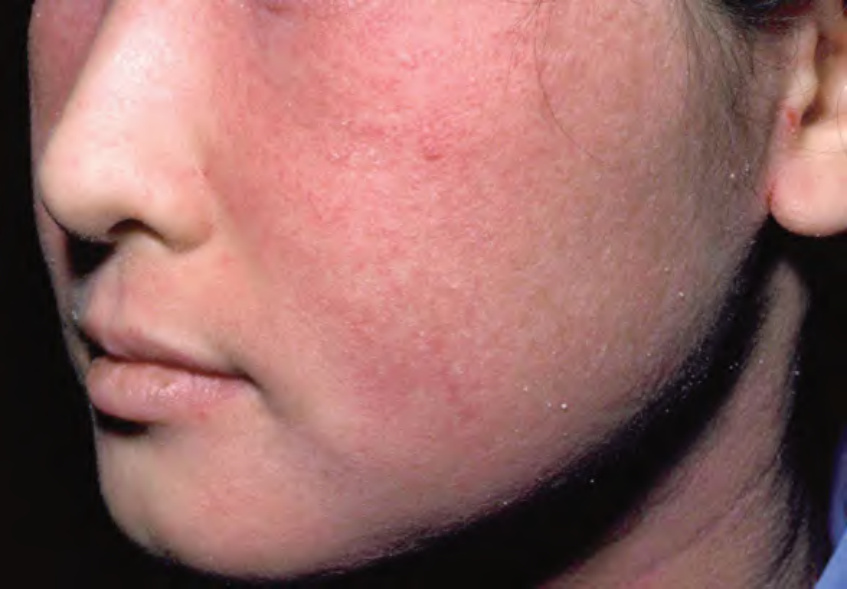
Fig. 126.7 Retinoid dermatitis. Xerosis, peeling, and erythema of the face in a patient treated with oral isotretinoin.
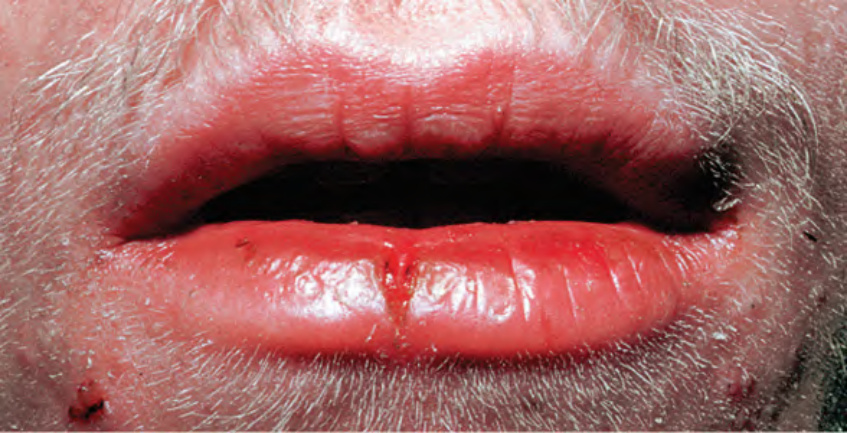
Fig. 126.8 Cheilitis in an isotretinoin-treated patient.
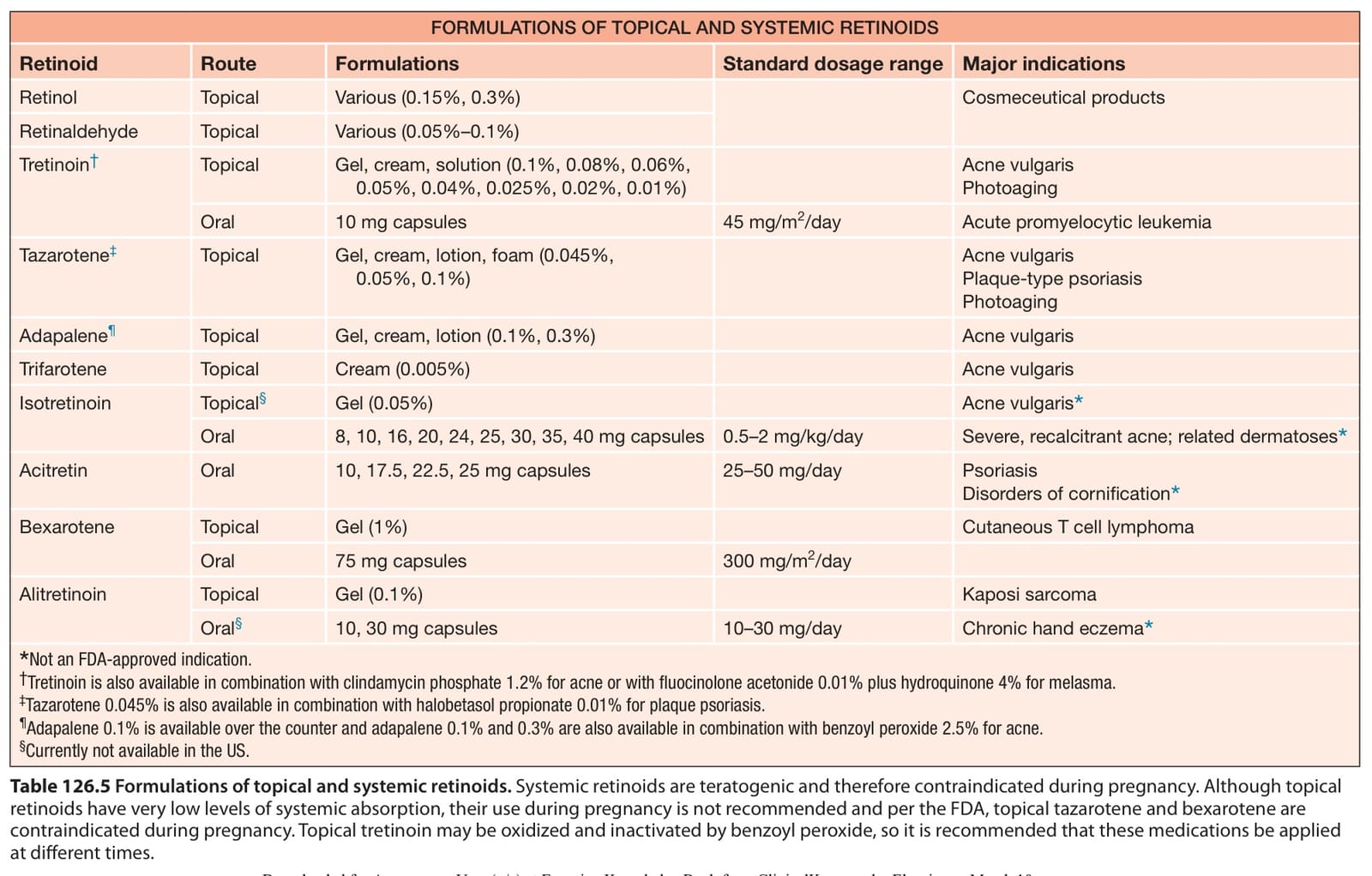
Table 126.5 Formulations of topical and systemic retinoids. Systemic retinoids are teratogenic and therefore contraindicated during pregnancy. Although topical retinoids have very low levels of systemic absorption, their use during pregnancy is not recommended and per the FDA, topical tazarotene and bexarotene are contraindicated during pregnancy. Topical tretinoin may be oxidized and inactivated by benzoyl peroxide, so it is recommended that these medications be applied at different times.
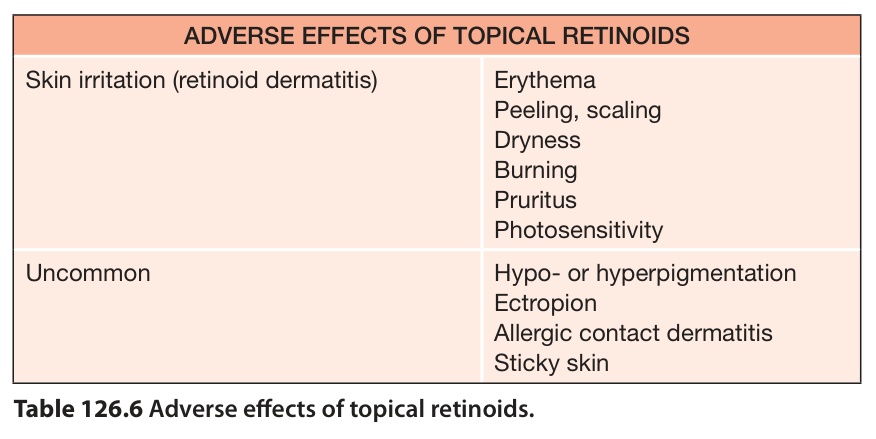
Table 126.6 Adverse effects of topical retinoids.
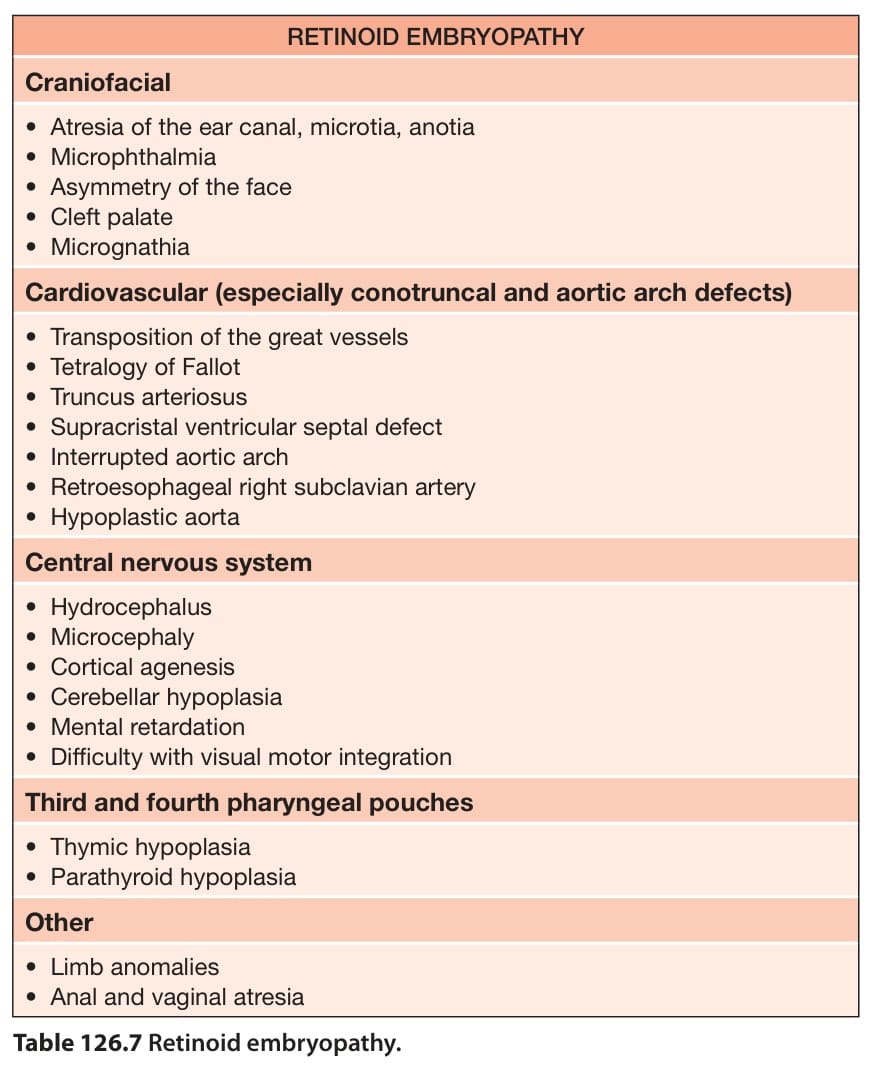
Table 126.7 Retinoid embryopathy.
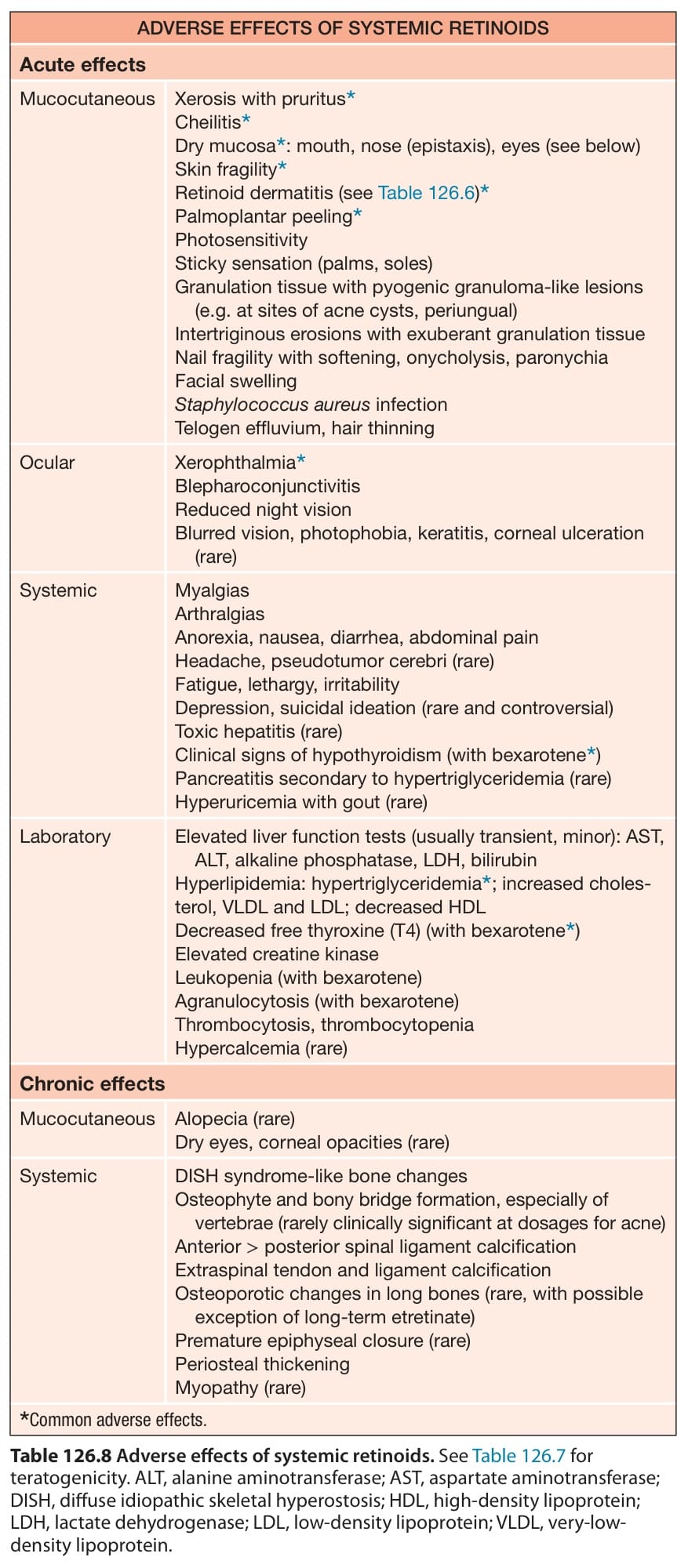
Table 126.8 Adverse effects of systemic retinoids. See Table 126.7 for teratogenicity. ALT, alanine aminotransferase; AST, aspartate aminotransferase; DISH, diffuse idiopathic skeletal hyperostosis; HDL, high-density lipoprotein; LDH, lactate dehydrogenase; LDL, low-density lipoprotein; VLDL, very-low-density lipoprotein.