TOPICAL ANTIBACTERIAL AGENTS
Introduction
Topical antibacterials are used to treat acne vulgaris, rosacea, and superficial bacterial infections and to prevent infection after surgery or injuries. Topical antibacterials are applied directly to the affected skin and thus deliver a high concentration of the medication locally with little chance of adverse systemic effects. However, their utility is limited to localized superficial conditions.
Topical Antibacterial Agents Used to Treat Acne Vulgaris and Rosacea
Table 127.2 lists topical antibiotics commonly used to treat inflammatory acne vulgaris and rosacea, with contributions from their anti-inflammatory as well as antibacterial effects.
Mechanisms of action
Azelaic acid is a dicarboxylic acid derivative with activity against Cutibacterium acnes (formerly Propionibacterium acnes) and Staphylococcus epidermidis. It is usually bacteriostatic but can be bactericidal in high concentrations. Its activity may be due to inhibition of
microbial cellular protein synthesis. Azelaic acid also has anticomedonal effects by normalizing keratinization. It thins the stratum corneum, decreases the number and size of keratohyalin granules, and reduces the amount and distribution of filaggrin in the epidermis. Azelaic acid has antiproliferative effects against hyperactive and abnormal melanocytes, but it rarely causes hypo- or depigmentation of normally pigmented skin (see Table 127.2).
Benzoyl peroxide is bacteriostatic against C. acnes. Once absorbed by the skin, it is converted to benzoic acid. Its effects are believed to be due to oxidation of bacterial proteins by reactive oxygen species, which are released when the drug is decomposed by cysteine in the skin. Daily use of 10% benzoyl peroxide for 2 weeks decreases free fatty acids by 50% and C. acnes by 98%, which is comparable to results obtained after use of topical antibiotics for 4 weeks. Benzoyl peroxide also has keratolytic and desquamative effects.
Clindamycin is a semisynthetic lincosamide antibiotic that inhibits protein synthesis by binding to the bacterial 50 S ribosomal subunit. It is active against Gram-positive cocci and anaerobes including staphylococci, streptococci, C. acnes, Corynebacterium spp., Clostridium spp., and Gardnerella vaginalis. Clindamycin may be either bacteriostatic or bactericidal, depending on the susceptibility of the infecting organism and the concentration achieved at the site of infection.
Erythromycin is a macrolide antibiotic that also inhibits protein synthesis by binding to the bacterial 50 S ribosomal subunit. It is active against Gram-positive cocci including group A β-hemolytic streptococci and Staphylococcus aureus, as well as some Gram-negative bacilli. Erythromycin has additional anti-inflammatory properties (see Macrolides below).
Tetracycline (topical formulation not available in the US; used to treat acne and superficial skin infections) and minocycline are tetracycline-class antibiotics that inhibit the bacterial 30 S ribosomal subunit and have anti-inflammatory as well as bacteriostatic effects (see Tetracyclines below). Minocycline’s lipophilicity allows it to achieve high concentrations in the sebaceous follicle, and C. acnes has a low propensity for developing minocycline resistance.
Sodium sulfacetamide is a sulfonamide whose bacteriostatic effects involve disruption of folic acid synthesis (see Fig. 127.6). It is active against several Gram-positive and Gram-negative organisms. Some topical preparations combine sodium sulfacetamide with sulfur, which acts as a keratolytic as well as antimicrobial agent (see Ch. 129).
Metronidazole is a nitroimidazole with antioxidant and anti-inflammatory as well as antimicrobial effects against anaerobic bacteria. DNA strand breaking is its presumed mechanism of action.
Dapsone is a sulfone drug whose antimicrobial effects include inhibition of dihydropteroate synthase and prevention of bacterial folic acid synthesis. It also has anti-inflammatory effects that target neutrophils, inhibiting their chemotaxis and decreasing myeloperoxidase activity.
Indications
Azelaic acid, benzoyl peroxide, clindamycin, erythromycin, minocycline, sodium sulfacetamide, and dapsone are used topically for mild to moderate inflammatory acne vulgaris and rosacea. Studies have shown that combining erythromycin or clindamycin with benzoyl peroxide is more effective for the treatment of acne than either of the former agents alone; clindamycin plus benzoyl peroxide is also more effective than benzoyl peroxide alone. These synergistic combinations may slow the development of antibiotic resistance, which is a significant issue with erythromycin, clindamycin, and tetracycline.
Azelaic acid may also be useful for melasma and other forms of hyperpigmentation. Topical clindamycin and erythromycin can treat super-ficial bacterial infections of the skin, whereas topical clindamycin and metronidazole are both indicated for bacterial vaginosis.
Dosages
Topical antibacterial agents are usually used once or twice a day (see Table 127.2). A small amount of medication is applied in a thin layer onto clean, dry skin. Benzoyl peroxide cleansing bars and washes are used one to three times a day. Benzoyl peroxide shave cream is used like other shaving creams, and the mask is applied in a thin layer once a week, left on for 15 to 25 minutes, and then rinsed off.
Contraindications
The chief contraindication for these medications is a history of hypersensitivity to any component of the formulation. Azelaic acid, sodium sulfacetamide, erythromycin, and clindamycin preparations may contain propylene glycol, which can be a sensitizer. Topical clindamycin should be used with caution in patients with a history of inflammatory bowel disease or antibiotic-associated colitis.
Major side effects
Adverse reactions to topical antibacterial agents used to treat acne vulgaris and rosacea are usually mild and transient. Stinging is especially common with alcohol-containing solutions and pledgets. Table 127.2 lists side effects of individual drugs.
Interactions
Simultaneous application of more than one topical medication can increase or decrease the effect of one or both of the medications. Benzoyl peroxide may increase irritant effects of other topical acne medications, and it can decrease the activity of tretinoin when applied together. A temporary yellow–orange staining of the skin and hair occasionally occurs with concomitant use of topical dapsone and benzoyl peroxide.
Pregnancy and lactation
Formal studies on the use of most topical antibacterial agents during pregnancy and breastfeeding are lacking, but significant exposure to the fetus or nursing infant is not expected. In general, topical antibiotics are considered safe during pregnancy and lactation.
Topical Antibacterial Agents Used to Treat Superficial Infections
Table 127.3 lists antibacterial agents commonly used to prevent and treat superficial skin infections.
Mechanisms of action
The mechanisms of action of the topical antibacterial agents used to treat superficial infections are listed in Table 127.3.
Mupirocin (pseudomonic acid A) is derived from Pseudomonas fluorescens. It is clinically active against staphylococci; groups A, B, C, and G streptococci; and some Gram-negative aerobic bacteria. It is usually bacteriostatic but may be bactericidal at high concentrations.
Retapamulin is in the pleuromutilin class, derived from fermentation of a mushroom, Clitopilus passeckerianus. It has activity against Streptococcus pyogenes and S. aureus.
Ozenoxacin is a quinolone antibiotic active against Gram-positive organisms including S. aureus and Str. pyogenes.
Neomycin and gentamicin are aminoglycoside antibiotics. Neomycin is bactericidal against Gram-positive and Gram-negative bacteria including S. aureus, Escherichia coli, Haemophilus influenzae, Proteus spp., and Serratia spp. It is generally not effective against Pseudomonas aeruginosa. Gentamicin is effective against sensitive strains of group A β-hemolytic and α-hemolytic streptococci, S. aureus (coagulase-positive, coagulase-negative, and some penicillinase-producing strains), and Gram-negative bacteria including P. aeruginosa, Aerobacter aerogenes, E. coli, Proteus vulgaris, and Klebsiella pneumoniae.
Bacitracin is a cyclic polypeptide antibiotic that has a thiazolidine ring and peptide side chains. Bacitracin is active against Gram-positive organisms such as staphylococci, streptococci, corynebacteria, and clostridia.
Polymyxin B is a cyclic lipopeptide antibiotic that is rapidly bactericidal for various Gram-negative organisms, including P. aeruginosa, E. coli, K. pneumoniae, Enterobacter aerogenes, H. influenzae, Proteus mirabilis, and Serratia marcescens. It is not active against Gram-positive organisms.
Indications
Mupirocin, retapamulin, ozenoxacin, gentamicin, neomycin, bacitracin, and combination products containing polymyxin B are utilized for the treatment and prevention of superficial bacterial skin infections. The intranasal preparation made with the calcium salt of mupirocin is indicated for the eradication of nasopharyngeal carriage of S. aureus. Studies implicating nasal staphylococci as a potential source for wound infections and bacteremia suggest that intranasal application of mupirocin may decrease the incidence of infections in susceptible individuals (e.g. those with recurrent staphylococcal infections). Decolonization of known S. aureus carriers with the use of mupirocin nasal ointment and chlorhexidine body wash for five days prior to Mohs micrographic surgery may reduce the risk of surgical site infection and be more effective than oral antibiotic prophylaxis on the day of surgery.
Mupirocin has been shown to be as effective as systemic antibiotics for localized impetigo due to Str. pyogenes or S. aureus in patients ≥2 months of age. Retapamulin and ozenoxacin are also indicated for the topical treatment of impetigo due to Str. pyogenes or S. aureus in patients ≥9 and ≥2 months of age, respectively. Although retapamulin is FDA-approved for infections with methicillin-sensitive S. aureus (MSSA) only, rates of retapamulin resistance in methicillin-resistant S. aureus (MRSA) isolates are low.
Dosages
Table 127.3 outlines the formulations and dosing for the antibacterial agents used for the treatment of superficial skin infections. Intranasal mupirocin is applied into the nares two to four times a day for 5 to 14 days.
Contraindications
As with all topical medications, the main contraindication is a history of hypersensitivity to any component of the formulation.
Major side effects
Potential side effects of mupirocin include burning, stinging, pain, and pruritus, as well as erythema, edema, increased exudate, allergic contact dermatitis, headache, and nausea. Use of nasal mupirocin is occasionally associated with headaches, rhinitis, respiratory tract congestion, pharyngitis, dysgeusia, burning, stinging, and cough. Use of mupirocin on extensive areas of skin with decreased barrier function has been reported to cause renal toxicity from systemic absorption of polyethylene glycol. Retapamulin can cause application site irritation and pruritus.
Side effects of neomycin include allergic contact dermatitis in 5% to 15% of patients, in particular when neomycin is applied to cutaneous ulcerations and/or areas of chronic stasis dermatitis. The most common symptoms are pruritus, erythema, and edema. In the setting of impaired renal function, there is an increased risk of side effects related to systemic absorption; caution should also be exercised if the medication is used over extensive areas. Irreversible ototoxicity and renal failure have been reported with the use of topical neomycin on open wounds. Neomycin may also cause mast cell degranulation and histamine release.
Possible side effects of gentamicin include erythema, pruritus, edema, and photosensitization. There is a risk of producing gentamicinresistant strains of Pseudomonas when this agent is applied to heavily colonized skin (e.g. leg ulcers).
Adverse effects of bacitracin include irritant and allergic contact dermatitis. Chronic stasis dermatitis predisposes to the latter. Anaphylaxis has been reported in patients with a history of multiple previous exposures when bacitracin was applied to open wounds.
There are few side effects from polymyxin B. Contact sensitization has been reported. Of note, some cross-reactivity exists between bacitracin and polymyxin B because they are both derived from Bacillus species.
Interactions
There are no known significant drug interactions with the topical antibiotics used for superficial skin infections.
Pregnancy and lactation
In general, topical antibiotics are considered safe during pregnancy and lactation. Neither topical nor nasal mupirocin has been specifically studied in pregnant women. However, mupirocin has not been shown to cause birth defects or other problems in animal studies and there is
very little systemic absorption of topically applied mupirocin, making it the topical antibiotic of choice during pregnancy.
Other Topical Antibacterial Agents
Fusidic acid is a fusidane antibiotic isolated from the fungus Fusidium coccineum. It is not approved in the US but is used in Europe and Canada for mild to moderately severe cutaneous infections, external eye infections, and eradication of nasopharyngeal carriage of S. aureus. It is available as a 2% cream, ointment, or impregnated gauze applied three times daily. It has a steroid-like structure but no steroid effects. Fusidic acid inhibits bacterial protein synthesis by interfering with elongation factor G. It is active against Gram-positive bacteria, especially S. aureus. This medication has a bacteriologic efficacy comparable to that of mupirocin or retapamulin for impetigo and may be more cost-effective. When combined with topical corticosteroids, it is useful in treating atopic dermatitis with superimposed staphylococcal infection; it is also effective for erythrasma. Fusidic acid has few adverse effects, although allergic contact dermatitis has been reported.
Iodoquinol is a halogenated oxyquinoline with antibacterial and antifungal activity. Its mechanism of action is unknown. Commercially available combination products containing 1% iodoquinol plus 1%–2% hydrocortisone are applied three to four times a day for superficial bacterial and fungal skin infections. Topical iodoquinol (1%) preparations have a high iodine content, and data on their safety during pregnancy is lacking. A related medication, topical clioquinol (iodochlorhydroxyquin), is used primarily for the treatment of superficial fungal infections (see below).
Mafenide acetate cream, a sulfonamide, is applied once or twice daily for thermal burns. It has antibacterial and antifungal activity. The most common side effect is burning; urticaria or facial edema can also occur. Rarely, mafenide acetate may cause bone marrow suppression or lead to hemolytic anemia in patients with G6PD deficiency. It should be used with caution in patients with renal or pulmonary disease due to its potential to cause metabolic acidosis. Furthermore, mafenide acetate may cause intense pain upon application and can be associated with Candida superinfection.
Silver sulfadiazine is a 1% cream applied once to twice daily for thermal burns. It interacts with bacterial cell walls and membranes, resulting in broad antimicrobial effects. Silver sulfadiazine may interfere with the activity of topical proteolytic enzymes. It is contraindicated in patients with a history of sulfonamide hypersensitivity and should be used with caution in patients with G6PD deficiency (due to risk of hemolysis), renal or hepatic impairment, and porphyria. Localized argyria due to deposits of silver in the dermis can also occur (Fig. 127.1).
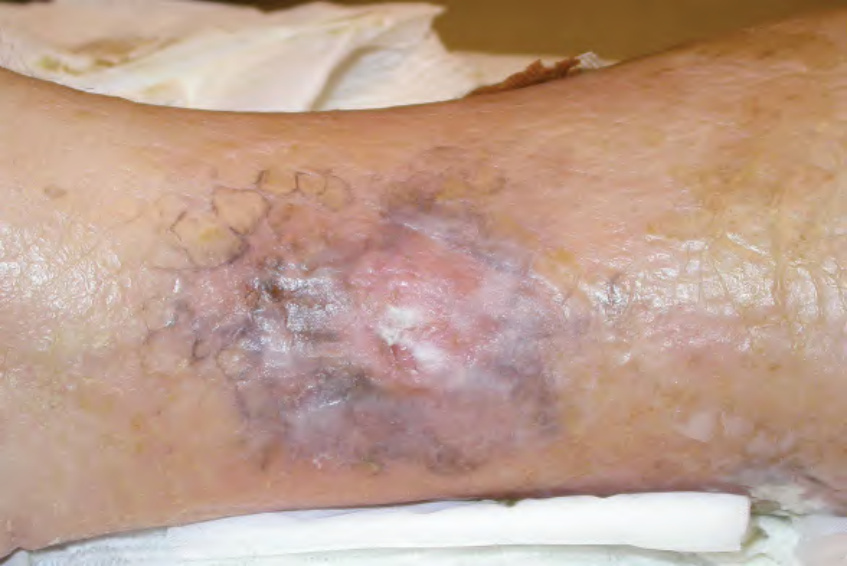
Fig. 127.1 Localized argyria. Gray discoloration due to application of silver sulfadiazine cream.
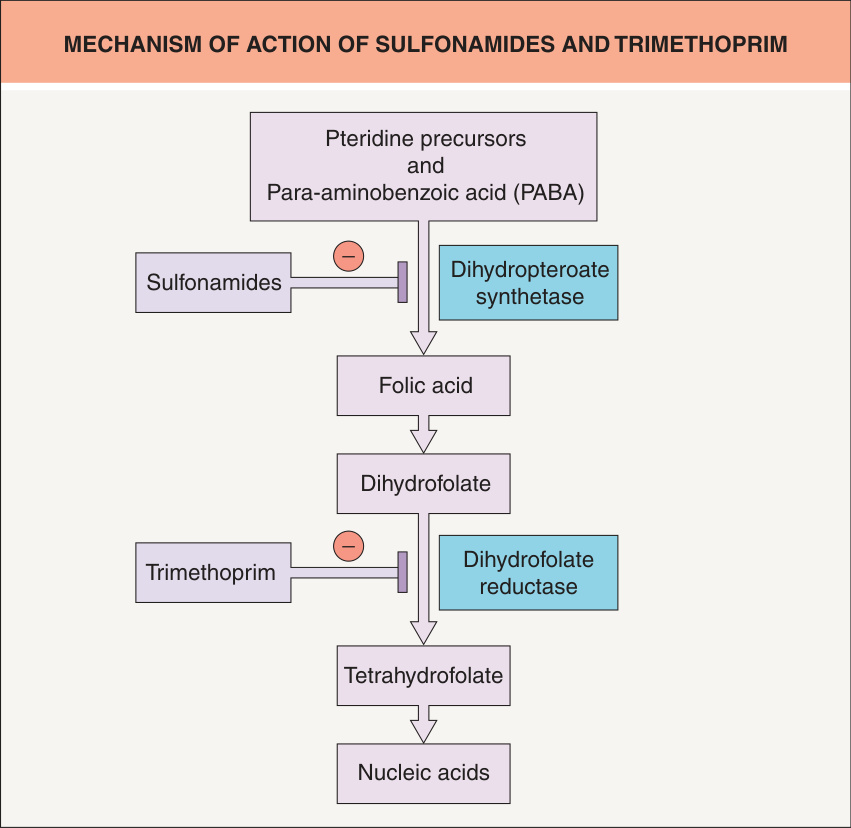
Fig. 127.6 Mechanism of action of sulfonamides and trimethoprim.
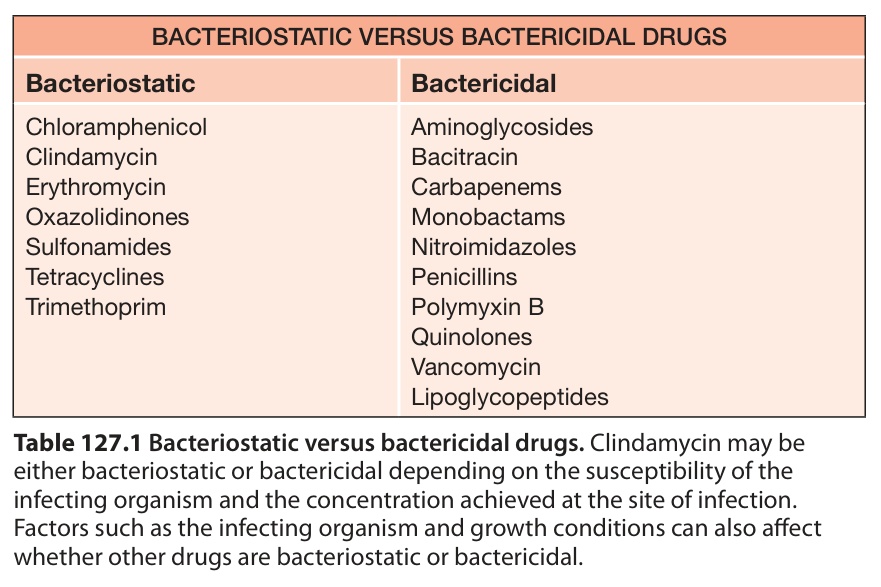
Table 127.1 Bacteriostatic versus bactericidal drugs. Clindamycin may be either bacteriostatic or bactericidal depending on the susceptibility of the infecting organism and the concentration achieved at the site of infection. Factors such as the infecting organism and growth conditions can also affect whether other drugs are bacteriostatic or bactericidal.
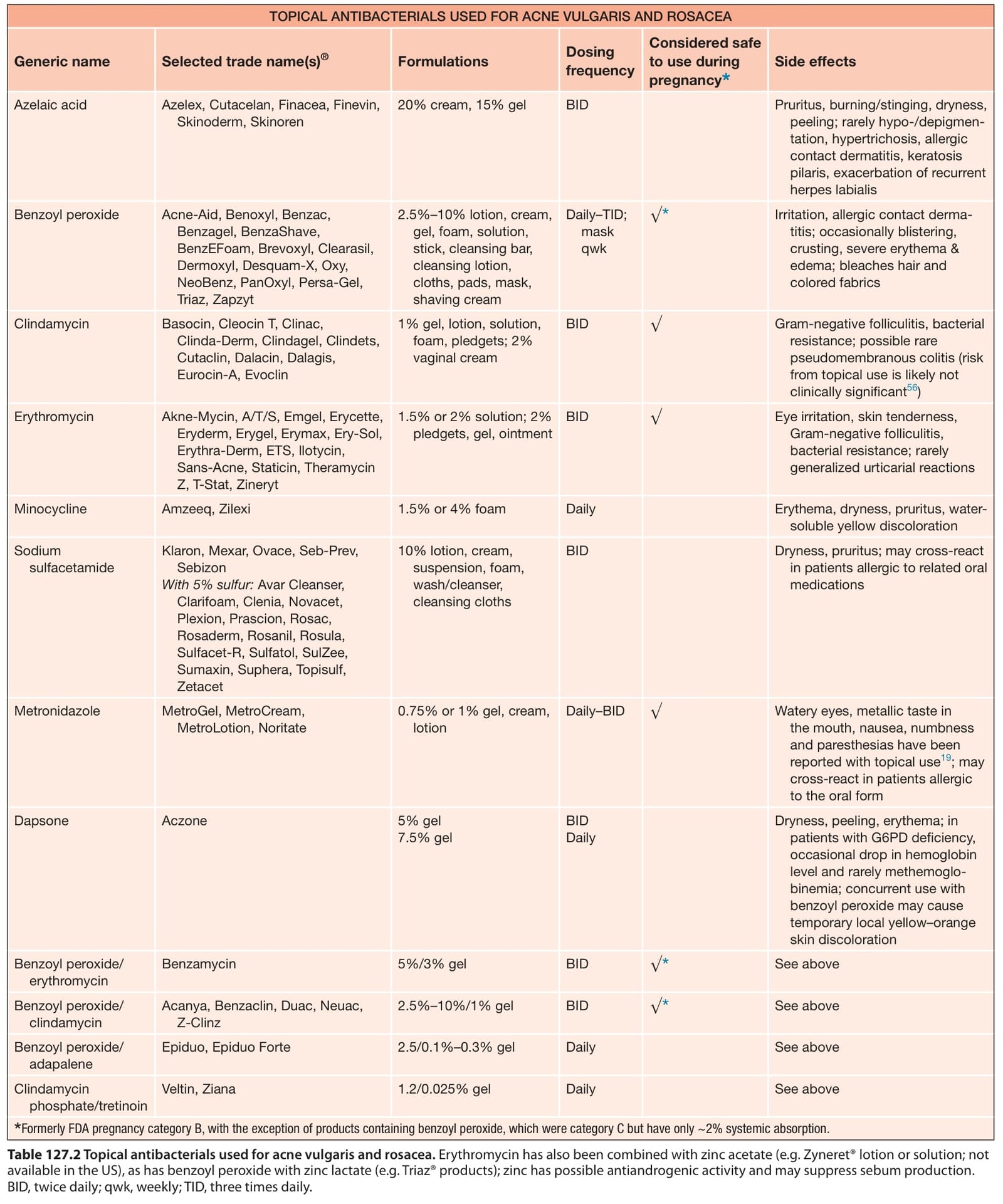
Table 127.2 Topical antibacterials used for acne vulgaris and rosacea. Erythromycin has also been combined with zinc acetate (e.g. Zyneret® lotion or solution; not available in the US), as has benzoyl peroxide with zinc lactate (e.g. Triaz® products); zinc has possible antiandrogenic activity and may suppress sebum production. BID, twice daily; qwk, weekly; TID, three times daily.
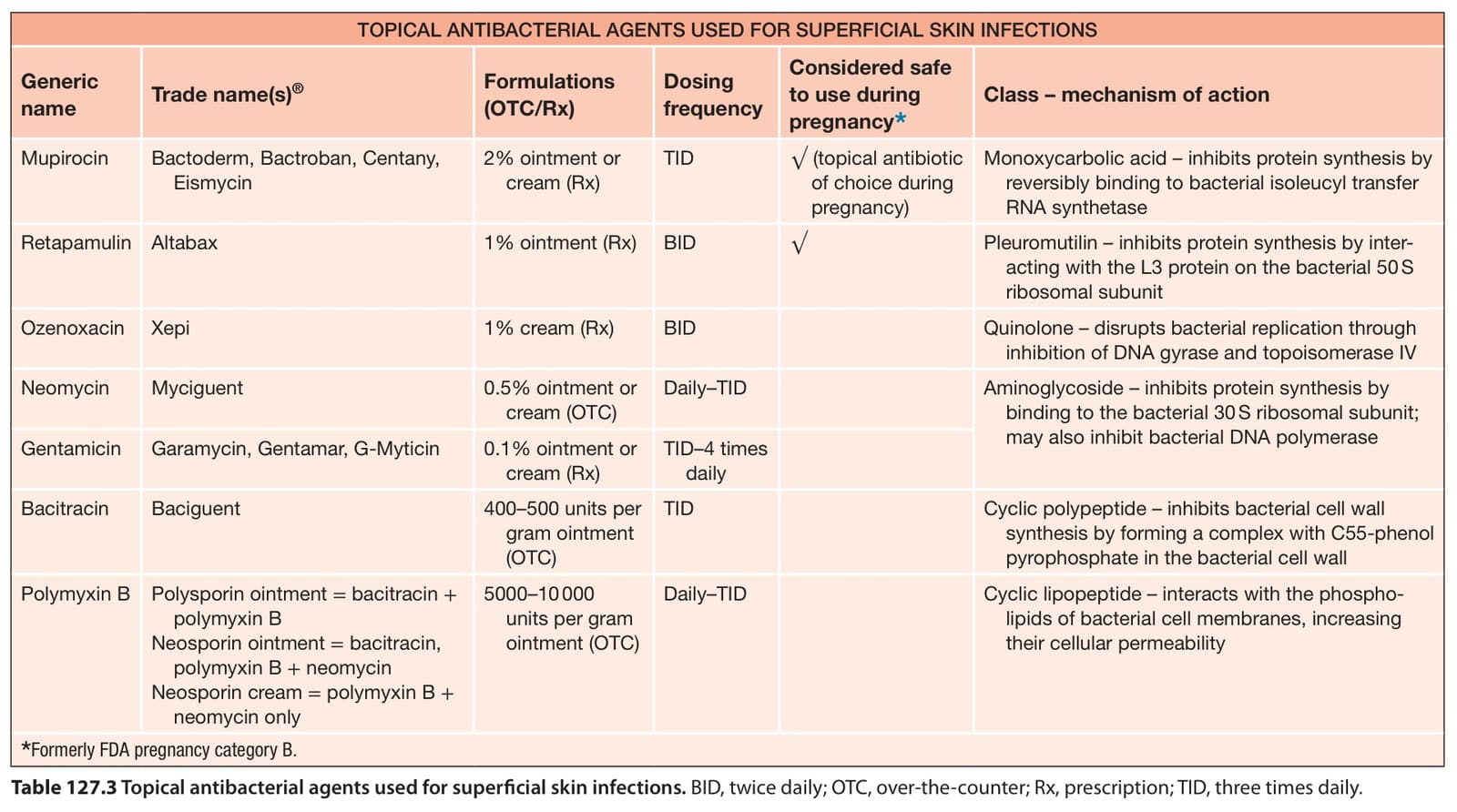
Table 127.3 Topical antibacterial agents used for superficial skin infections. BID, twice daily; OTC, over-the-counter; Rx, prescription; TID, three times daily.