SYSTEMIC ANTIBACTERIAL AGENTS
Systemic antibacterial agents have the potential to cause a wide range of adverse effects and to have significant interactions with other systemic medications. For example, rifampin may reduce the efficacy
of oral contraceptives. Bacteriostatic antibacterial agents can decrease the efficacy of bactericidal antibacterial agents, because the latter target actively dividing cells. In addition, use of systemic antibacterial agents can lead to the development of bacterial resistance. The mechanisms of action of the major classes of antibacterial drugs are listed in Table 127.4 and illustrated in Fig. 127.2. Systemic antibiotics may be used perioperatively by dermatologic surgeons to prevent surgical site infections in high-risk situations such as procedures involving the lower extremity or groin, wedge excisions on the lip or ear, skin flaps on the nose, and skin grafts. Antibiotic prophylaxis is also recommended in patients at high risk for infective endocarditis or hematogenous infection of a total joint replacement who have surgery involving the oral mucosa or infected skin (see Ch. 151).
Penicillins
Mechanism of action
Penicillins are β-lactam antibiotics that exert bactericidal effects by binding and inactivating penicillin-binding proteins in bacterial cell walls. They inhibit bacterial cell wall synthesis by blocking transpeptidase cross-linking of peptidoglycan chains (Fig. 127.3).
The natural penicillins (penicillin G and penicillin V) are active against Gram-positive and Gram-negative cocci, most Gram-positive bacilli, and spirochetes. Penicillinase-resistant penicillins (methicillin, nafcillin, and dicloxacillin), referred to as anti-staphylococcal penicillins, have greater efficacy against S. aureus. Aminopenicillins (ampicillin, amoxicillin) have an extended spectrum to include H. influenzae, E. coli, Salmonella and Shigella spp., and some other Gram-negative bacteria, but not Pseudomonas spp. Antipseudomonal penicillins (e.g. piperacillin, azlocillin) cover P. aeruginosa and depending upon the particular drug, B. fragilis and Klebsiella spp. However, in general, this group of penicillins has been replaced by cefepime and when anaerobe coverage is desired, the carbapenem meropenem. Addition of the β-lactamase inhibitors clavulanic acid, sulbactam, tazobactam, avibactam, and durlobactam extends the spectrum of penicillins to include staphylococci and other β-lactamase-producing bacteria (Fig. 127.4).
Indications
Penicillins are used for syphilis and streptococcal skin infections, such as erysipelas, as well as other cutaneous infections such as erysipeloid. Amoxicillin with clavulanic acid is the drug of choice for cat, dog, and human bites. It is useful also for acute paronychia. The penicillinaseresistant penicillins, e.g. dicloxacillin, are used for suspected MSSA
Simplified schematic of mechanisms of action of β-lactam antibiotics (penicillins, cephalosporins) and glycopeptides (e.g. vancomycin, dalbavancin) in interfering with enzymatic steps in bacterial cell wall (peptidoglycan) synthesis.
skin infections such as impetigo, folliculitis, and non-purulent cellulitis; however, sensitivity testing should be obtained when MRSA is a clinical concern (see Ch. 74). Amoxicillin may be used for Lyme disease when doxycycline is contraindicated.
Dosages
The pediatric and adult dosages of commonly used penicillins are listed in Table 127.5. Amoxicillin and amoxicillin with clavulanic acid should be taken with food. Other penicillins should be taken on an empty stomach.
Contraindications
Penicillins are contraindicated in patients with known immediate-type (IgE-mediated) hypersensitivity to any penicillin, such as a history of penicillin-associated urticaria, angioedema, or anaphylaxis. However, only 10%–20% of patients who report a history of allergy to penicillins have an allergy identified upon skin testing. Among patients allergic to penicillin, ~2%–15% are allergic to cephalosporins and <1% to carbapenems through cross-reactivity.
Skin testing for penicillin allergy utilizes: (1) the major allergen benzylpenicilloyl polylysine; (2) the minor allergens benzylpenicillin G, benzylpenicilloate, and penicilloyl propylamine; and (3) negative (saline) and positive (histamine) controls. Either epicutaneous (prick) or intradermal testing may be performed, usually by an allergist. Antihistamines should be avoided prior to testing. Patients who have had a life-threatening reaction to penicillin should be tested with 100-fold dilutions of the allergens before being tested with full-strength allergens in a monitored setting where treatment for anaphylaxis is available.
Patients who report a history of penicillin allergy but are skintest-negative to all major and minor allergenic determinants can use penicillin in a monitored setting. Skin-test-positive patients may be desensitized orally or intravenously in a hospital setting over ~4 hours. Rarely, serious IgE-mediated allergic reactions can occur. Blood tests can also be used to detect specific IgE directed against penicillin, but this method is less sensitive and informative than skin tests.
Major side effects
Drugs in the penicillin group cause hypersensitivity reactions characterized by urticaria, flushing, and pruritus in 5%–15% of patients. In severe cases, anaphylaxis, shock, and even death may occur. In addition, penicillins can cause morbilliform and other exanthematous eruptions
(Fig. 127.5A), which may be associated with fever and eosinophilia. Serum sickness-like reactions, Stevens–Johnson syndrome (SJS), toxic epidermal necrolysis (TEN), and pustular eruptions such as acute generalized exanthematous pustulosis (AGEP) develop less often. These drugs also occasionally lead to autoimmune phenomena, including hemolytic anemia or vasculitis. Of note, ampicillin and amoxicillin almost invariably cause a generalized morbilliform eruption in patients with infectious mononucleosis; this reaction is also more likely in patients with chronic lymphocytic leukemia and those taking concomitant allopurinol.
Penicillins can induce acute interstitial nephritis characterized by proteinuria, hematuria, renal casts, eosinophilia, eosinophiluria, fever, and declining renal function. Prolonged use of penicillins may lead to reversible neutropenia, anemia, agranulocytosis, and platelet dysfunction. Penicillins can cause diarrhea, pseudomembranous colitis, and hepatic dysfunction. Treatment with penicillins is associated with oral or vaginal overgrowth of Candida spp. in ~10% of patients.
Interactions
Because probenecid blocks the secretion of penicillins in the distal renal tubules, concomitant administration of these two drugs increases the serum levels and duration of action of the penicillins. When amoxicillin or ampicillin is used concomitantly with allopurinol, there is an increased risk of morbilliform drug eruption, and when tetracyclines are used together with penicillins, the bactericidal effect of penicillins is decreased.
Pregnancy and lactation
Penicillins are generally safe during pregnancy and in nursing mothers.
Cephalosporins
Mechanism of action
Like the penicillins, the cephalosporins are bactericidal β-lactam antibiotics that bind to penicillin-binding proteins and interfere with bacterial cell wall synthesis (Table 127.6). First-generation cephalosporins are very effective against Gram-positive organisms (staphylococci and streptococci) and less effective against Gram-negative organisms; however, they are active against E. coli, Klebsiella, and Proteus spp. Second-generation cephalosporins are equally effective against Gram-positive and Gram-negative bacteria. Their spectrum includes all of the organisms covered by first-generation cephalosporins plus Enterobacter spp., Neisseria gonorrhea, and H. influenzae. Third-generation cephalosporins are more effective against Gram-negative bacteria than Gram-positive bacteria. Fourth-generation cephalosporins have an extended spectrum against Gram-negative (including Enterobacter and Klebsiella spp.) and Gram-positive organisms, but have minimal resistance to β-lactamase. Fifth-generation cephalosporins (e.g. ceftaroline) have activity against S. aureus including MRSA, Str. pyogenes, Str. agalactiae, Str. pneumoniae, H. influenzae, E. coli, and Klebsiella. Cephamycins, β-lactam antibiotics very similar to cephalosporins, are resistant to β-lactamase and have a broad spectrum, including E. coli, Klebsiella, Proteus, Serratia, and Bacteroides spp.
Indications
Cephalosporins are useful in staphylococcal and streptococcal skin and soft tissue infections. A first-generation agent such as cephalexin or cefadroxil is the cephalosporin of choice in uncomplicated skin infections such as impetigo, staphylococcal folliculitis, erysipelas, cellulitis, and ecthyma. However, with the exception of fifth generation agents (e.g. ceftaroline), MRSA is resistant to cephalosporins.
Dosages
See Table 127.7 for dosages of the more commonly used cephalosporins.
im, intramuscularly; iv, intravenously; po, orally.
Contraindications
Cephalosporins are contraindicated in patients with a history of an immediate-type (IgE-mediated) hypersensitivity to this class of drugs. Approximately 10%–15% of adults and 2% of children allergic to penicillins have cross-reactivity to cephalosporins.
Sulfonamides inhibit the conversion of pteridine precursors and PABA to folic acid by dihydropteroate synthetase. Trimethoprim inhibits the conversion of dihydrofolate to tetrahydrofolate by dihydrofolate reductase. The end result of both actions is inhibition of bacterial nucleic acid synthesis.
Major side effects
Cutaneous reactions are similar to those seen with the penicillins, including morbilliform eruptions, urticaria, anaphylaxis, and AGEP. Cefaclor is associated with a significantly higher rate of serum sicknesslike reactions in children compared to other cephalosporins and other antibiotic classes (Fig. 127.5B). Cephalosporins may also lead to neutropenia, thrombocytopenia, and Coombs-positive hemolytic anemia, especially in the setting of renal insufficiency. They can cause diarrhea, nausea, and pseudomembranous colitis. Certain cephalosporins/cephamycins with a methylthiotetrazole side group (e.g. cefotetan, cefoperazone, cefamandole) can cause a disulfiram-like effect when alcohol is ingested concomitantly and have anti-vitamin K effects leading to an enhanced risk of bleeding.
Cephalosporins (particularly cefepime) can cause toxic-metabolic encephalopathy. It manifests as seizures, myoclonus, confusion and, less frequently, psychosis 1–10 days after medication initiation. Risk factors include elevated plasma drug levels, renal insufficiency, and pre-existing CNS impairment.
Interactions
Administration of oral cephalosporins together with aminoglycosides can increase the likelihood of nephrotoxicity. Probenecid may decrease renal clearance of cephalosporins. Antacids, didanosine, and proton pump inhibitors may decrease absorption of some oral cephalosporins (e.g. cefuroxime).
Pregnancy and lactation
Cephalosporins have not shown adverse effects during pregnancy or lactation and are considered compatible with breastfeeding.
Sulfonamides and Co-trimoxazole
Mechanism of action
Sulfamethoxazole, sulfasalazine, and sulfisoxazole are sulfonamides that compete with para-aminobenzoic acid (PABA) to be the substrate for dihydropteroate synthetase (Fig. 127.6). Dihydropteroate synthetase catalyzes the reaction that combines pteridine precursors with PABA to make folic acid. Thus, sulfonamides prevent the synthesis of bacterial folic acid, an essential cofactor for bacterial nucleic acid synthesis. They have a bacteriostatic effect against Gram-positive bacteria (especially S. aureus), Gram-negative bacteria, Chlamydia, and Nocardia spp.
Co-trimoxazole is a synergistic combination of sulfamethoxazole and trimethoprim. It blocks two consecutive steps in the biosynthesis of bacterial nucleic acids (see Fig. 127.6). The sulfonamide inhibits dihydropteroate synthetase and trimethoprim blocks the action of dihydrofolate reductase, which normally converts dihydrofolate to tetrahydrofolate (the active form of folic acid). This combination may be bactericidal or bacteriostatic depending on the drug concentration and the susceptibility of the infecting organism. It is active against most Gram-positive and Gram-negative organisms.
Indications
Co-trimoxazole is used for furuncles or purulent cellulitis suspected to be due to MRSA, inflammatory acne vulgaris recalcitrant to other antibacterial agents, and granuloma inguinale. Other indications for co-trimoxazole include respiratory tract, prostate, urinary tract, and gastrointestinal infections. It is utilized to treat Pneumocystis jirovecii pneumonia and as P. jirovecii prophylaxis in patients who are immunosuppressed due to systemic medications or HIV infections. Systemic sulfonamides are also used for Chlamydia conjunctivitis and Nocardia infections. Sulfasalazine is commonly prescribed for ulcerative colitis and psoriatic arthritis.
Dosages
One double-strength capsule of co-trimoxazole contains 160 mg of trimethoprim and 800 mg of sulfamethoxazole (Septra DS®, Bactrim DS®), and in adults this is given twice a day; for Pneumocystis prophylaxis, it is taken thrice weekly. In children, the dose is 8–12 mg/kg/day of trimethoprim and 40–60 mg/kg/day of sulfamethoxazole, divided into two doses. Oral sulfadiazine and sulfisoxazole are typically dosed at 2–4 g/ day in adults or 75–150 mg/kg/day in children, divided every 4–8 hours.
Contraindications
The sulfonamides and co-trimoxazole are contraindicated in patients with a history of hypersensitivity to this class of medications. Sulfonamides are contraindicated in the third trimester of pregnancy and in lactating patients (see below). They are also contraindicated in patients with porphyria. Sulfonamides can precipitate an acute attack of pseudoporphyria or true porphyria, possibly by increasing levels of porphyrins via hepatocellular damage, stimulating cytochrome P450 activity, or inhibiting other liver enzymes. Co-trimoxazole is contraindicated in patients with megaloblastic anemia, folate deficiency, or G6PD deficiency. It should be used cautiously in patients with impaired hepatic or renal function and in individuals with bone marrow suppression.
Major side effects
The sulfonamides and co-trimoxazole may cause fixed drug or morbilliform eruptions, urticaria, angioedema, photosensitivity, SJS, TEN, exfoliative erythroderma, and vasculitis. Additional uncommon cutaneous side effects include AGEP, Sweet syndrome, linear IgA bullous dermatosis, erythema nodosum, and radiation recall. In HIV-infected patients, these drugs are especially common causes of cutaneous eruptions. Non-cutaneous side effects include hemolytic anemia in the setting of G6PD deficiency, agranulocytosis, thrombocytopenia, eosinophilia, methemoglobinemia, nephrotoxicity, hepatotoxicity, neurotoxicity, and kernicterus in newborns. Co-trimoxazole may also cause nausea, vomiting, glossitis, and stomatitis, as well as dizziness and headaches. Trimethoprim (alone or in combination with sulfamethoxazole) can induce folate deficiency with megaloblastic anemia, leukopenia, and granulocytopenia. It can also cause thrombocytopenia. Administration of folinic acid, which does not impair antibacterial activity because it does not enter bacteria, can reverse the sequelae of folate deficiency.
Interactions
Sulfonamides decrease protein binding and renal clearance of methotrexate, and both agents (as well as the trimethoprim in co-trimoxazole) inhibit folic acid metabolism; these mechanisms can lead to potentially life-threatening methotrexate-induced myelosuppression and other toxicities such as mucositis. The sulfonamides and co-trimoxazole can potentiate the effects of oral hypoglycemics and the anticoagulant effect of warfarin. They should not be used in patients on methenamine for urinary tract infections. Monoamine oxidase (MAO) inhibitors and probenecid may increase sulfonamide adverse effects through altered hepatic metabolism and renal clearance, respectively.
Pregnancy and lactation
Co-trimoxazole should be avoided during pregnancy and lactation as well as for the first 2 months of life. The sulfonamides and co-trimoxazole may cause fetal harm due to their inhibition of folic acid during the first two trimesters; they also result in increased risk of kernicterus during the third trimester. Systemic sulfonamides are excreted in breast milk and may cause hepatic toxicity, anemia, and other adverse effects in nursing infants.
Macrolides
Mechanism of action
Macrolides are bacteriostatic and inhibit bacterial protein synthesis by binding to the 50 S ribosomal subunit. Erythromycin is effective against Gram-positive and Gram-negative cocci, most Gram-positive bacilli, and spirochetes. Clarithromycin has an expanded spectrum that includes H. influenzae and Moraxella catarrhalis. Azithromycin also covers H. influenzae. Clarithromycin and azithromycin are both effective against atypical mycobacteria, Treponema pallidum, and Borrelia burgdorferi; however, they are not first-line agents for infections with the latter two organisms.
Macrolides also have anti-inflammatory effects, including inhibiting production of proinflammatory cytokines (e.g. interleukin [IL]-8, tumor necrosis factor [TNF]), reducing expression of matrix metalloproteinases, and decreasing leukocyte migration and adhesion.
Indications
Macrolides are commonly used for staphylococcal and streptococcal skin infections in patients allergic to penicillins. However, there are regions where a significant percentage of S. aureus isolates are erythromycinresistant, and occasionally Str. pyogenes is resistant to erythromycin. Other dermatologic applications of erythromycin and azithromycin include inflammatory acne or rosacea, erythrasma, pitted keratolysis, bacillary angiomatosis, and cat scratch disease. These agents can also be used for the acute and chronic forms of pityriasis lichenoides. In addition, macrolides are indicated for several sexually transmitted diseases, including chancroid, lymphogranuloma venereum, chlamydia, and granuloma inguinale. Macrolides are employed for non-tuberculous mycobacterial infections and a variety of bacterial respiratory infections, including pharyngitis, mycoplasmal pneumonia, Legionnaires disease, diphtheria, and pertussis.
Dosages
Table 127.8 outlines the dosages for commonly prescribed macrolides. Erythromycin base should be taken on an empty stomach; other formulations should be taken with food.
Contraindications
Macrolides are contraindicated in patients with a history of hypersensitivity or hepatic impairment related to this drug class. These agents should be used with caution in those with QT prolongation, electrolyte abnormalities (e.g. hypokalemia, hypomagnesemia), hepatic dysfunction, or renal dysfunction.
Major side effects
The use of erythromycin may be limited by gastrointestinal side effects (e.g. nausea, vomiting, abdominal cramping), whereas azithromycin has improved gastrointestinal tolerance. Erythromycin estolate can cause intrahepatic cholestasis in adults, and this risk increases during pregnancy. Less common side effects include stomatitis, jaundice, transient deafness, and cardiac arrhythmias. Although hypersensitivity reactions to macrolides are uncommon, AGEP may occur. Urticaria, SJS, TEN, and vasculitis are unusual complications.
Interactions
Macrolides have numerous significant drug interactions. Due to CYP3A4 inhibition (see Ch. 131), macrolides (clarithromycin and erythromycin > azithromycin) increase the risk of torsades de pointes when used with grepafloxacin, sparfloxacin, terfenadine, astemizole, or cisapride; all of the latter drugs have been removed from the US
and most worldwide markets because of this cardiac risk. By the same mechanism, macrolides increase serum levels and potential toxicity of anticonvulsants, benzodiazepines, buspirone, corticosteroids, warfarin, HMG-CoA reductase inhibitors, colchicine, oral contraceptives, cyclosporine, tacrolimus, disopyramide, felodipine, and ergot alkaloids. Macrolides can increase serum levels of theophylline by inhibiting CYP1A2, leading to cardiac arrhythmias. Macrolides may also increase digoxin levels by altering gut flora, which metabolize digoxin.
Clarithromycin administered in conjunction with calcium channel blockers increases the risk of bradycardia and hypotension. Erythromycin used concomitantly with lovastatin has been reported to cause rhabdomyolysis. Macrolides may interfere with the effectiveness of chloramphenicol or clindamycin (see below), and antacids can decrease the absorption of azithromycin. Clarithromycin levels may be increased when this drug is administered with fluconazole, hexobarbital, alfentanil, disopyramide, or bromocriptine.
Pregnancy and lactation
Erythromycin (with the exception of erythromycin estolate) and azithromycin are generally considered safe during pregnancy, whereas clarithromycin is not recommended due to adverse fetal effects in animal studies. Erythromycin estolate is contraindicated in pregnancy due to the risk of maternal cholestatic hepatitis. This may represent a hypersensitivity reaction to the estolate component, and it can be accompanied by rash, fever, leukocytosis, and eosinophilia in addition to findings related to liver disease (e.g. nausea, vomiting, abdominal pain, jaundice, liver enzyme abnormalities). An increased risk of infantile hypertrophic pyloric stenosis has been described when: (1) mothers received oral macrolides during late pregnancy or while breastfeeding in the neonatal period; and (2) infants received macrolides during the first two weeks of life.
Tetracyclines
Mechanism of action
Tetracyclines (Table 127.9) inhibit bacterial protein synthesis by binding to the 30 S ribosomal subunit. They are mainly bacteriostatic but may be bactericidal at high concentrations. Tetracyclines are active against many bacteria, including MRSA, Rickettsia, Chlamydia, and Mycoplasma spp. However, they are not active against Proteus spp. or P. aeruginosa. Tetracyclines also have anti-inflammatory effects, such as inhibition of matrix metalloproteinase activity, leukocyte chemotaxis, and production of proinflammatory cytokines (e.g. TNF, IL-1β).
Indications
Tetracyclines are indicated for acne vulgaris, rosacea, and periorificial dermatitis. They are first-line treatments for rickettsial infections (e.g. Rocky Mountain spotted fever, rickettsialpox, typhus, Q fever, trench fever), Lyme disease, and ehrlichiosis. These agents are used in syphilis (in penicillin-allergic patients), granuloma inguinale, chlamydial infections (including lymphogranuloma venereum and psittacosis), actinomycosis, brucellosis, mycoplasmal pneumonia, and cholera. Tetracyclines are also useful for treating skin infections due to MRSA (e.g. furuncles, purulent cellulitis) as well as MSSA, Vibrio vulnificus, and Mycobacterium marinum. In addition, tetracyclines are employed for pityriasis lichenoides and in conjunction with nicotinamide for bullous pemphigoid.
Dosages
Doxycycline, minocycline, and sarecycline may be taken with or without food. To decrease the likelihood of esophagitis, the pills should not be “dry swallowed” and should be taken at least half an hour prior to bedtime. Table 127.9 lists the dosages of commonly prescribed tetracyclines.
Contraindications
Tetracyclines should not be administered for a duration >21 days in patients <8 years of age (to avoid tooth discoloration) or in pregnant women (see below). All tetracyclines except doxycycline and omadacycline should be dose-adjusted in patients with renal impairment (see Table 127.9). Sarecycline has not been studied in the setting of end-stage renal disease or severe hepatic impairment.
Major side effects
Common side effects of tetracyclines include gastrointestinal upset, vaginal candidiasis, and phototoxicity (especially doxycycline). Minocycline does not typically lead to overt phototoxicity but may cause diffuse “muddy brown” hyperpigmentation that is accentuated in sun-exposed areas, as well as bluish discoloration of scars (including those due to acne) and normal skin (in particular on the shins) (Fig. 127.7; see Table 67.5). Gray to blue–gray discoloration of the oral mucosa, sclerae, nails, and teeth (including occasional tooth discoloration in adults) can also occur, as can black pigmentation of the thyroid gland. Deposition of tetracyclines in the teeth and bones occurs in children, causing discoloration and hypoplasia of the teeth (deciduous and permanent) and occasionally temporarily stunting growth. Dizziness is another potential side effect of minocycline.
Tetracyclines (especially minocycline) can cause allergic reactions, including urticaria and a minocycline “hypersensitivity syndrome”
(drug reaction with eosinophilia and systemic symptoms [DRESS]; see Ch. 21) that often includes pneumonitis as well as hepatitis; these reactions may occur more frequently in Black patients. Tetracyclines have also been associated with serum sickness-like reactions, esophageal ulcerations, infectious enterocolitis, blood dyscrasias, idiopathic intracranial hypertension (risk of which may be increased when given together with a systemic retinoid), nephrotoxicity, nephrogenic diabetes insipidus, and hepatitis. Minocycline use has been linked to a variety of autoimmune conditions, including drug-induced lupus, polyarteritis nodosa, polyarthritis, antiphospholipid antibody syndrome, and autoimmune hepatitis. These autoimmune reactions often develop after a year or more of therapy, and affected individuals frequently have anti-neutrophil cytoplasmic antibodies (ANCA), usually with perinuclear staining and myeloperoxidase specificity, as well as anti-nuclear antibodies (ANA).
Additional adverse effects of omadacycline include infusion site reactions, hypertension, insomnia, and increased mortality compared to moxifloxacin (2% vs 1%) in patients treated for community-acquired bacterial pneumonia.
Interactions
Food decreases the absorption of tetracycline and omadacycline by about 50%. Patients should not eat or drink (other than water) for 2 hours before or 1 hour after taking tetracycline, or for 4 hours before and 2 hours (4 hours
for dairy products, antacids, and multivitamins) after taking omadacycline. Minocycline, doxycycline, and sarecycline may be taken with food to avoid gastrointestinal upset. Absorption of tetracyclines is impaired by polyvalent cations such as calcium, aluminum, magnesium, iron, zinc, and bismuth. Thus, absorption of tetracyclines can be inhibited by antacids, some laxatives, medications containing magnesium (e.g. quinapril), dietary supplements, and dairy products (the latter primarily for tetracycline and omadacycline). Antacids, H2 blockers, and proton pump inhibitors can also decrease tetracycline absorption by increasing stomach pH. Tetracyclines increase the serum levels and potential toxicity of digoxin, lithium and warfarin, and they can reduce insulin requirements. Barbiturates, phenytoin, and carbamazepine decrease the half-life of doxycycline. As noted above, bacteriostatic tetracyclines may interfere with the effectiveness of bactericidal penicillins, and coadministration of tetracyclines and oral retinoids may increase the risk of idiopathic intracranial hypertension.
Pregnancy and lactation
Systemic tetracyclines should not be used during pregnancy or lactation. These drugs cross the placenta and are excreted in breast milk, potentially leading to staining of the deciduous teeth, enamel hypoplasia, and impaired skeletal growth in developing fetuses and nursing infants.
Clindamycin
Mechanism of action
Clindamycin is a lincosamide that suppresses bacterial protein synthesis by binding to the bacterial 50 S ribosomal subunit. It is active against Gram-positive cocci, including S. aureus, Streptococcus pneumoniae, Str. pyogenes, Str. viridans, and anaerobic streptococci. It is not active against enterococci. Clindamycin is also active against anaerobes, including peptostreptococci, peptococci, Bacteroides spp., and fusobacteria.
Indications
Clindamycin may be used for anaerobic abscesses, chlamydial infections, and bacterial vaginosis. Clindamycin can be effective in skin infections caused by MRSA as well as MSSA or Str. pyogenes, including impetigo, cellulitis, folliculitis, furunculosis, and ecthyma. It may also be useful in necrotizing fasciitis and (considering its inhibition of protein production) toxin-mediated conditions such as staphylococcal scalded skin and toxic shock syndromes. Of note, staphylococci and β-hemolytic streptococci that are sensitive to clindamycin but resistant to erythromycin on initial susceptibility testing should be evaluated with the D (double-disk diffusion)-test for inducible clindamycin resistance. This occurs in bacteria that carry the erm gene which encodes erythromycin ribosomal methylase; when expression of this protein is induced (e.g. by erythromycin) or becomes constitutive (selected for during clindamycin therapy), it modifies the bacterial ribosome and results in resistance to both macrolides and lincosamides (see Ch. 74).
Dosages
Clindamycin is formulated for oral, intravenous, and intramuscular administration. It is typically dosed from 150–450 mg 3–4 times daily in adults, and 8–25 mg/kg/day divided into 3–4 doses in children.
Contraindications
Clindamycin is contraindicated in patients with hypersensitivity to the drug and in patients with colitis.
Major side effects
Clindamycin carries a relatively high risk of pseudomembranous colitis, with reported rates from 0.01% to 10%. It occasionally increases serum levels of liver enzymes. Clindamycin may also cause hypersensitivity reactions (especially in HIV-positive patients), transient neutropenia, thrombocytopenia, eosinophilia, and possibly neuromuscular blockade. SJS and TEN are rare side effects.
Interactions
Clindamycin binds at or near the sites of binding of erythromycin and chloramphenicol. These drugs should not be used concomitantly. It may potentiate the neuromuscular effect of botulinum toxin or neuromuscular blockers.
Pregnancy and lactation
There are no known adverse effects of systemic clindamycin on the developing fetus. In rat and mouse studies, oral and subcutaneous clindamycin have not been shown to cause birth defects. Although clindamycin is generally considered to be compatible with breastfeeding, it may modify the bowel flora of nursing infants and can potentially interfere with the interpretation of bacterial culture results obtained in a febrile nursing infant.
Quinolones
Mechanism of action
Quinolones are rapidly bactericidal by inhibiting two bacterial type II topoisomerases, DNA gyrase and topoisomerase IV. They are active against Gram-negative aerobes, staphylococci, and streptococci, but not against anaerobes.
Table 127.10 lists the drugs in this class.
Indications
Quinolones are indicated for sinusitis, acute exacerbations of chronic bronchitis, community acquired pneumonia, urinary tract infections, gastrointestinal infections, chlamydia, osteomyelitis, and some skin and soft tissue infections.
Second-generation quinolones (e.g. ciprofloxacin, ofloxacin, norfloxacin) have good coverage of Gram-negative rods and some Gram-positive coverage, and they are the most potent antipseudomonal quinolones. Third-generation quinolones (e.g. levofloxacin) are broad spectrum, with coverage of Gram-negative rods and greater Gram-positive cocci coverage, especially of Streptococcus spp. Fourth-generation quinolones (e.g. moxifloxacin, gemifloxacin) are very broad spectrum, with coverage of Gram-negative rods, Gram-positive cocci, anaerobes, and atypical bacteria. They have minimal antipseudomonal activity but cover Streptococcus spp. and S. aureus; however, quinolone resistance to the latter organism can develop rapidly. A newer quinolone, delafloxacin, has activity against MRSA and is approved for bacterial skin infections as well as community-acquired bacterial pneumonia.
Dosages
Ciprofloxacin and levofloxacin are dosed at 250 to 750 mg twice a day. Quinolone doses must be adjusted for renal impairment. Although quinolone use in pediatric patients is generally avoided unless there is no safe and effective alternative (see below), ciprofloxacin 20–40 mg/kg/day in two divided doses has been administered to children.
Contraindications
Quinolones are contraindicated in patients with QT prolongation or hypokalemia as well as in those with a history of hypersensitivity to this drug class. Quinolones are also avoided, if possible, during pregnancy and in patients under 18 years of age because of a potential risk of arthropathy and tendinopathy (see below).
Major side effects
In studies involving juvenile animals, quinolones have been shown to damage cartilage in weight-bearing joints. However, quinolones have been used to treat children with cystic fibrosis, and a systematic literature review found that joint changes (most often arthralgias or stiffness) were reversible and affected <1.5% (232/16 184) of pediatric patients treated with ciprofloxacin. Quinolones may cause gastrointestinal upset, changes in taste, abnormal liver function tests, phototoxicity, nephrotoxicity, headache, dizziness, lightheadedness, drowsiness and, rarely, increased intracranial pressure and seizures. Rupture of tendons, in particular the Achilles tendon, is occasionally observed. Exacerbation of myasthenia gravis has also been described, and gatifloxacin has been associated with dysglycemia.
Interactions
Cations (e.g. calcium, aluminum, magnesium, iron, and zinc salts), antacids, and sucralfate prevent absorption of quinolones. Quinolones increase serum levels and potential toxicities of caffeine, theophylline, and aminophylline due to CYP1A2 inhibition. They may also increase serum levels of warfarin. Use of quinolones in combination with cyclosporine may increase serum creatinine levels in renal transplant patients. Quinolones can also increase circulating levels of procainamide by decreasing its renal clearance.
Quinolones should be used with caution in patients who are taking antiarrhythmics, erythromycin, antipsychotics, tricyclic antidepressants, or other drugs that can cause QT prolongation or lower the seizure threshold. Quinolones may also increase seizure risk if administered with NSAIDs. Use of gatifloxacin, or to a lesser degree other quinolones, in combination with sulfonylureas increases the risk of hypoglycemia, especially in elderly patients.
Pregnancy and lactation
Quinolones should be avoided during pregnancy or nursing because of the arthropathy identified in animal studies.
Metronidazole
Mechanism of action
Metronidazole is an nitroimidazole. Its mechanism of action is thought to be due to DNA strand breaking.
Indications
In addition to its antiprotozoal actions, metronidazole has activity against anaerobic cocci (including Peptococcus and Peptostreptococcus spp.), anaerobic Gram-negative bacilli (including Bacteroides and Fusobacterium spp.), and anaerobic Gram-positive bacilli (including Clostridium spp.). It is indicated for trichomoniasis, amebiasis, and anaerobic bacterial infections. Metronidazole has been utilized for skin and soft tissue infections; oral and dental infections; intra-abdominal, pelvic and brain abscesses; anaerobic pulmonary infections; and osteomyelitis. It is used in combination with a broad-spectrum β-lactamase inhibitor–penicillin combination to treat Fournier gangrene. Metronidazole is also used to treat giardiasis, New World mucocutaneous leishmaniasis, and bacterial vaginosis. Another nitroimidazole, secnidazole, was recently approved for the treatment of bacterial vaginosis and trichomoniasis via a single oral dose (2 g) in patients ≥12 years of age.
Dosages
Metronidazole is available for oral and intravenous administration. For bacterial infections, it is given as 500 mg orally every 6 to 8 hours for 7 to 14 days. For bacterial vaginosis or trichomoniasis, a single 2 g dose is given or 500 mg may be taken twice a day for 7 days. The pediatric dose is 30 mg/kg/day in divided doses every 6 hours.
Contraindications
Metronidazole is contraindicated in patients with prior hypersensitivity to the drug. It should be used with caution in patients with impaired liver function.
Major side effects
Metronidazole can cause a morbilliform or pityriasis rosea-like eruption, pruritus, fever, gastrointestinal disturbances, a metallic taste, and xerostomia. Other potential adverse effects include thrombophlebitis, transient leukopenia, dark urine, and neurologic symptoms (e.g. headache, confusion, syncope, seizures, sensory neuropathy).
Interactions
Metronidazole increases circulating levels of cyclosporine, tacrolimus, and phenytoin; it may increase the anticoagulant effect of warfarin. Metronidazole can cause a disulfiram-like reaction when combined with ethanol or protease inhibitors, and administration of metronidazole with disulfiram may precipitate psychosis. Metronidazole may increase the risk of neuropathy due to reverse transcriptase inhibitors.
Pregnancy and lactation
Although metronidazole crosses the placenta, multiple cross-sectional and cohort studies in pregnant women have shown no teratogenicity or mutagenic effects on the developing human fetus. The CDC therefore no longer recommends that metronidazole be avoided during the first trimester of pregnancy. Metronidazole is secreted in breast milk, but reported series have not shown adverse effects in exposed nursing infants. Its use is thought to be compatible with breastfeeding, although some clinicians recommend deferring nursing for 24 hours following treatment with a single 2 g dose.
Other Antibacterial Agents Used in Gram-Positive Skin Infections
In addition to vancomycin, linezolid and tedizolid (oxazolidinones), quinupristin/dalfopristin (streptogramins), and tigecycline (a glycylcycline) can be used to treat serious streptococcal and staphylococcal skin infections, including MRSA (Table 127.11). These three latter antibiotic classes inhibit bacterial protein synthesis (see Table 127.4). Vancomycin, a cyclic glycopeptide, and related lipoglycopeptides (e.g. dalbavancin, oritavancin, telavancin) bind to peptidoglycan and thereby inhibit bacterial cell wall synthesis (see Fig. 127.3); in addition, oritavancin and telavancin disrupt bacterial membrane integrity. Daptomycin, a cyclic lipopeptide used for complicated skin infections, also kills bacteria by its effects on cell membranes, resulting in depolarization that inhibits protein and nucleic acid synthesis. Table 127.11 outlines the indications, dosages, and side effects of these antibacterial agents.
Dapsone
The oral form of dapsone, a sulfone drug that is used in combination therapy for leprosy and for the treatment of neutrophilic dermatoses, is discussed in Chapters 31 and 130.
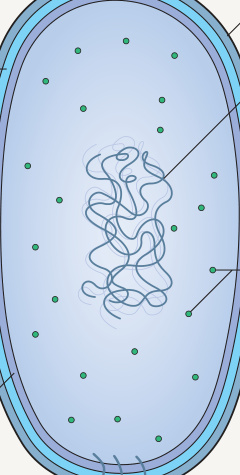
Fig. 127.2 Sites of action of antibacterial drugs. This figure illustrates a prototypical bacterial cell. Each class of antibacterial drug exerts its effect on a particular component of the cell.
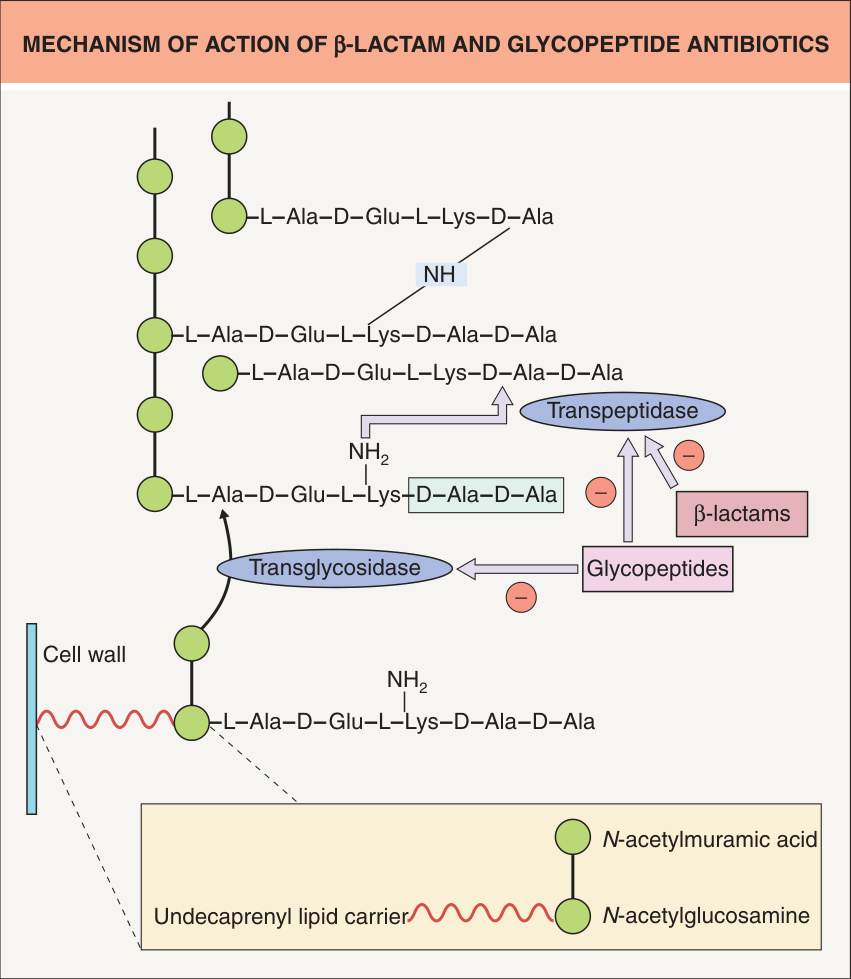
Fig. 127.3 Mechanism of action of β-lactam and glycopeptide antibiotics.
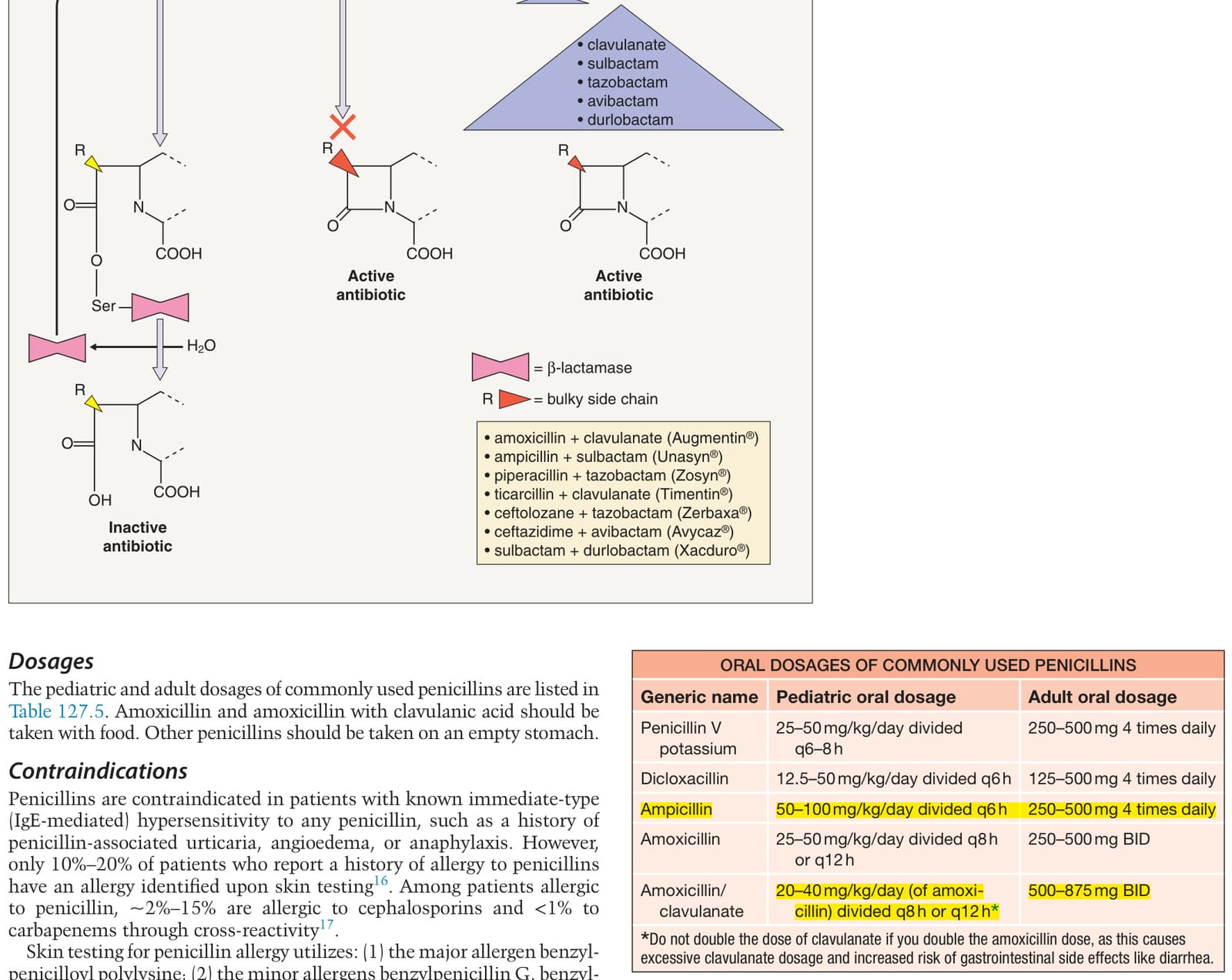
Fig. 127.4 Inhibition of β-lactamase by either a bulky side chain or β-lactamase inhibitor. Placement of a bulky side chain on the penicillin molecule (e.g. methicillin, nafcillin, dicloxacillin) can inhibit bacterial β-lactamase, as can the combination of a penicillin with a β-lactamase inhibitor (e.g. clavulanic acid, sulbactam, tazobactam). The latter group of drugs has no inherent antibacterial activity. Inhibition of β-lactamase allows the antibiotic to remain active and inhibit bacterial transpeptidase.

Fig. 127.5 Drug eruptions secondary to β-lactam antibiotics.A Morbilliform exanthem due to amoxicillin. B Serum sickness-like reaction presenting with coalescing annular erythematous plaques in an infant treated with cefaclor. Note the dusky centers of some lesions. A, Courtesy Julie V. Schaffer, MD.

Fig. 127.6 Mechanism of action of sulfonamides and trimethoprim.

Fig. 127.7 Minocycline pigmentation. Blue–gray discoloration of acne scars (A) and in previously normal skin, including a subtle solitary patch on the shin (B) as well as more extensive macules and patches (C, D). Involvement of the shins and arms may be misdiagnosed as ecchymoses.
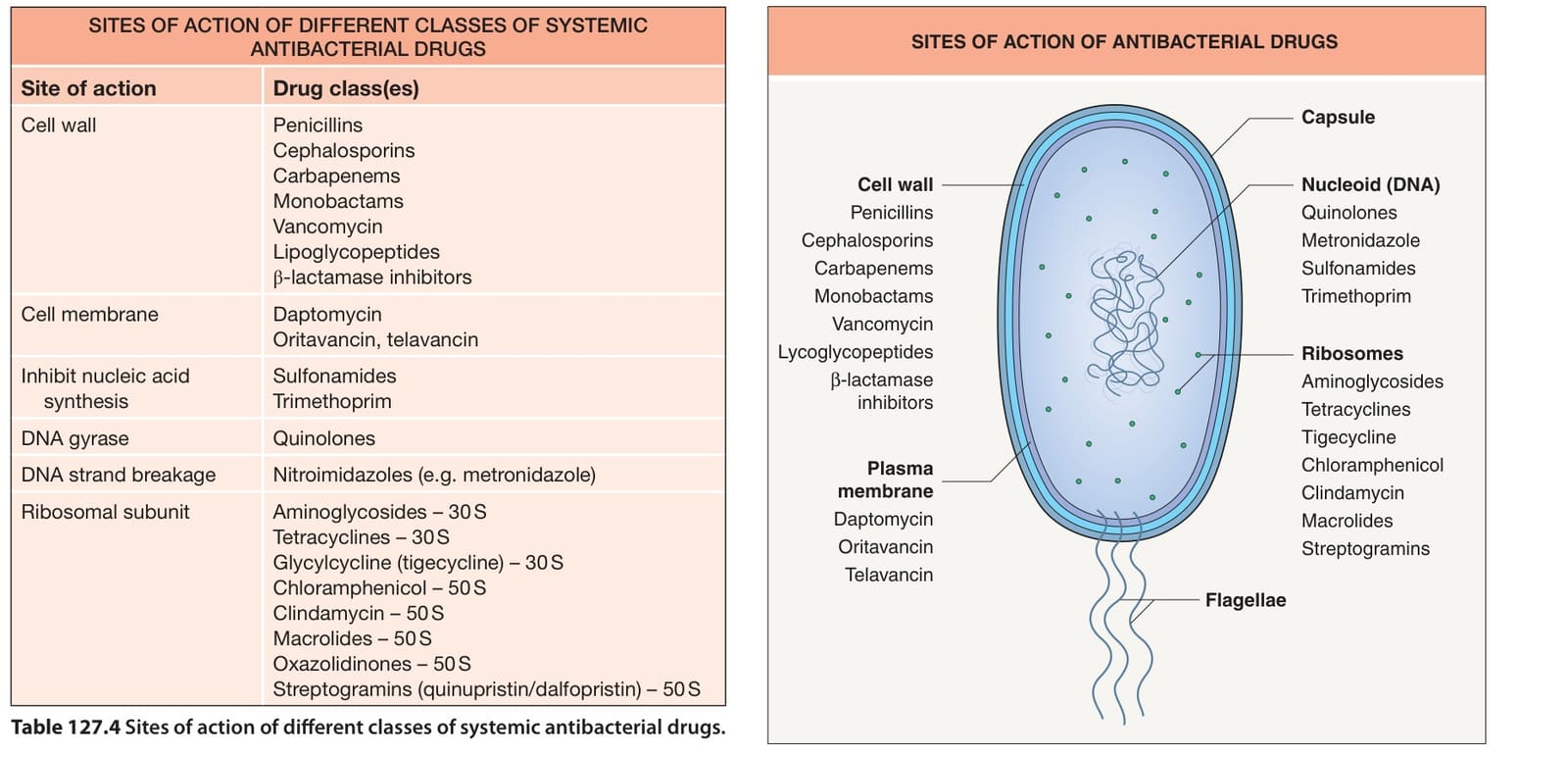
Table 127.4 Sites of action of different classes of systemic antibacterial drugs.
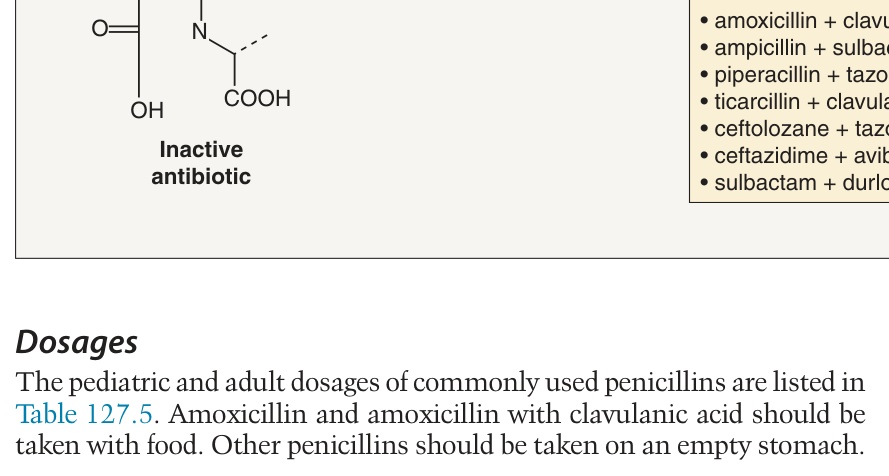
Table 127.5 Oral dosages of commonly used penicillins. BID, twice daily; h, hours; q, every.
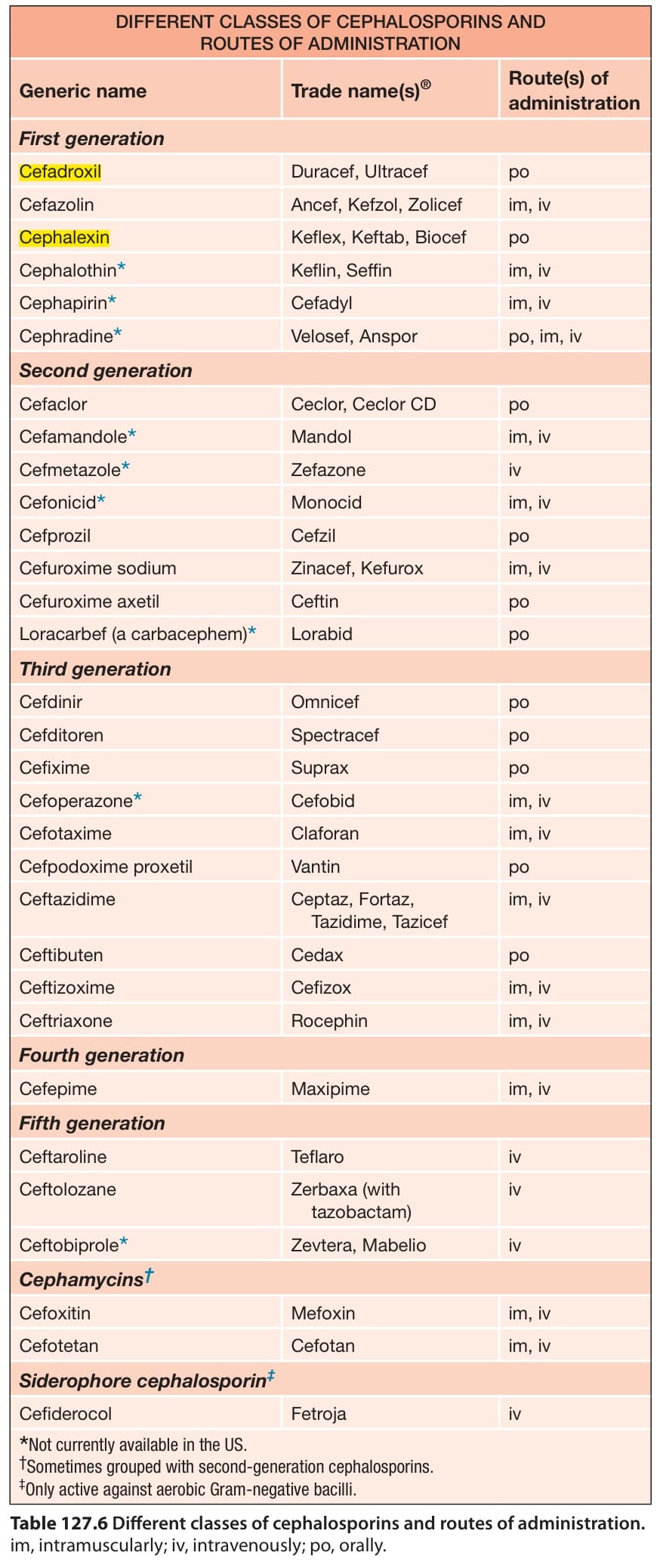
Table 127.6 Different classes of cephalosporins and routes of administration.
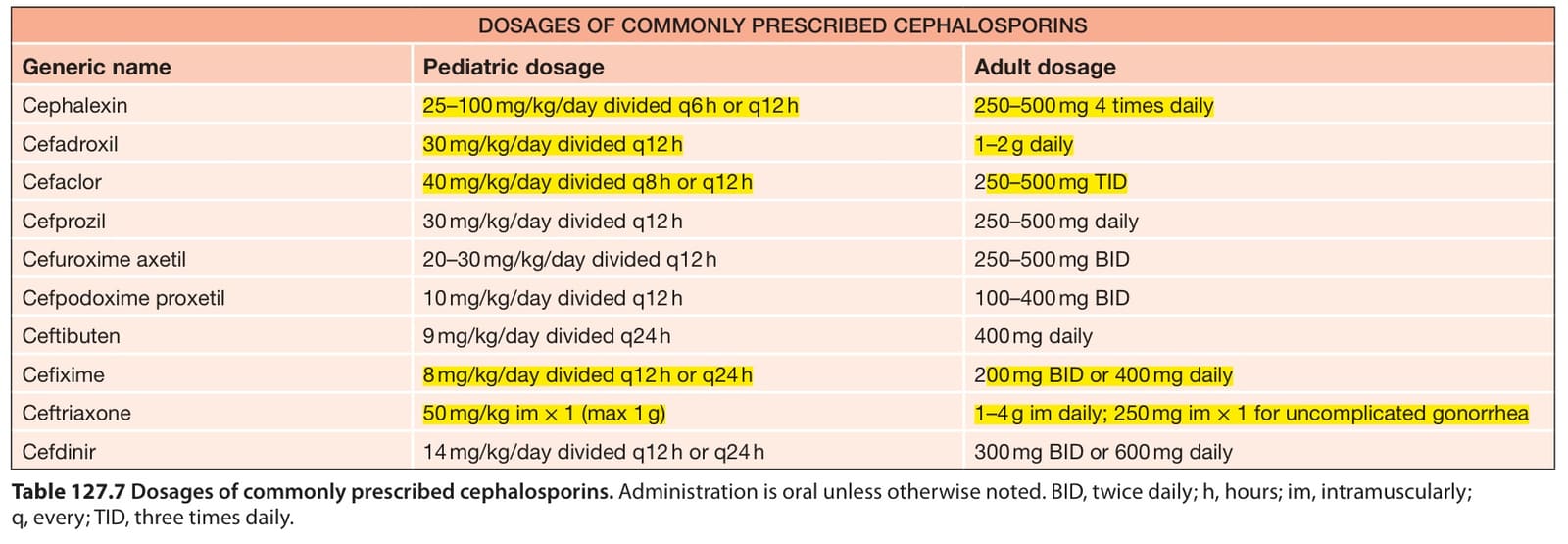
Table 127.7 Dosages of commonly prescribed cephalosporins. Administration is oral unless otherwise noted. BID, twice daily; h, hours; im, intramuscularly; q, every; TID, three times daily.
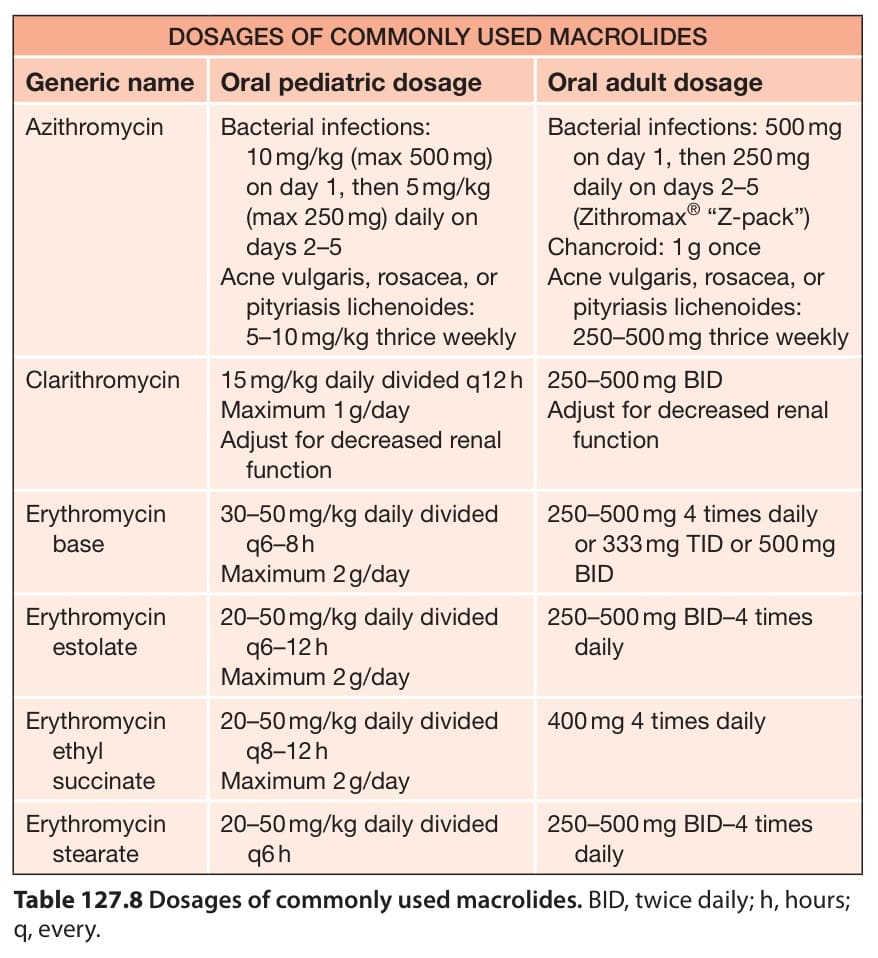
Table 127.8 Dosages of commonly used macrolides. BID, twice daily; h, hours; q, every.
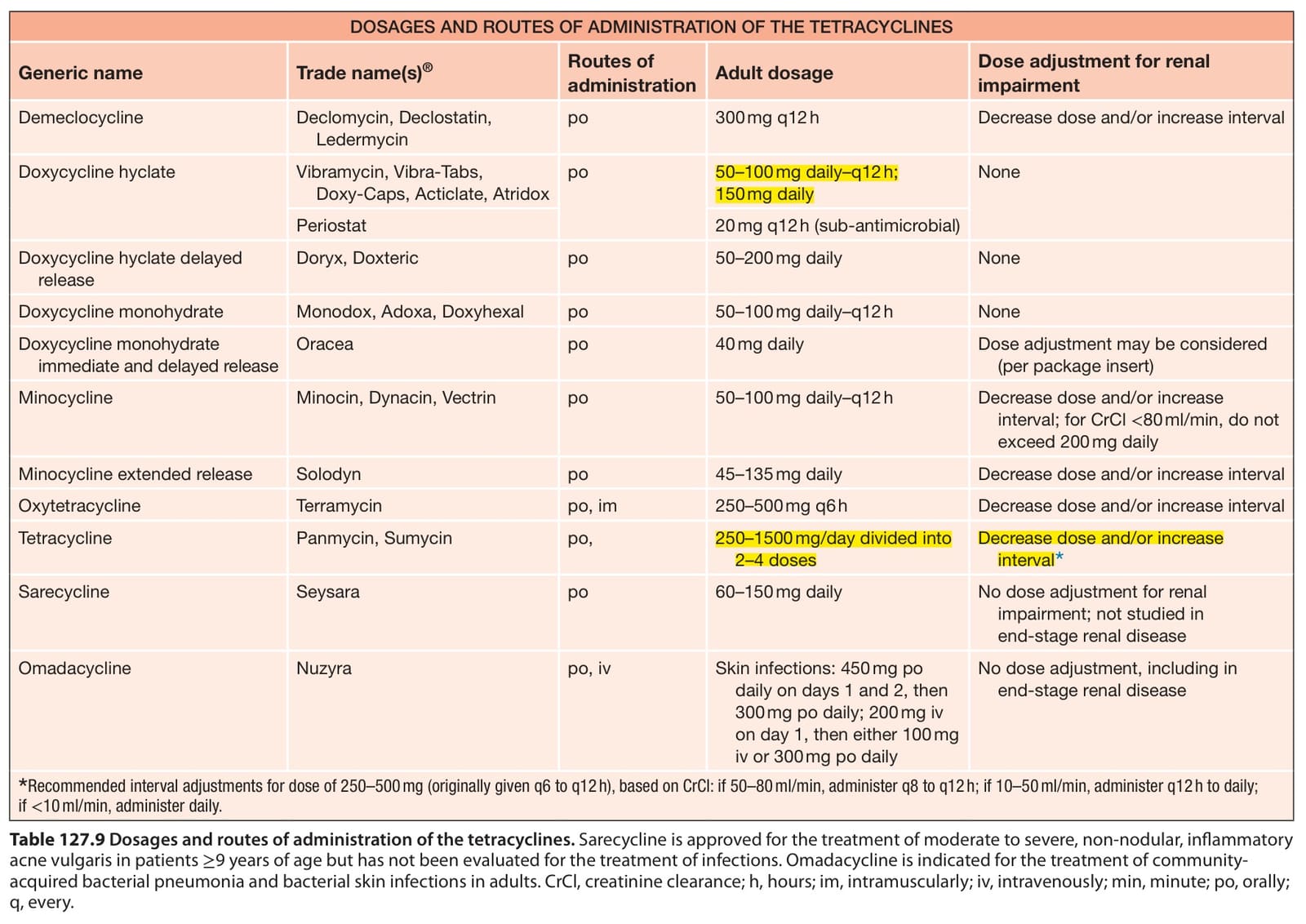
Table 127.9 Dosages and routes of administration of the tetracyclines. Sarecycline is approved for the treatment of moderate to severe, non-nodular, inflammatory acne vulgaris in patients ≥9 years of age but has not been evaluated for the treatment of infections. Omadacycline is indicated for the treatment of communityacquired bacterial pneumonia and bacterial skin infections in adults. CrCl, creatinine clearance; h, hours; im, intramuscularly; iv, intravenously; min, minute; po, orally; q, every.
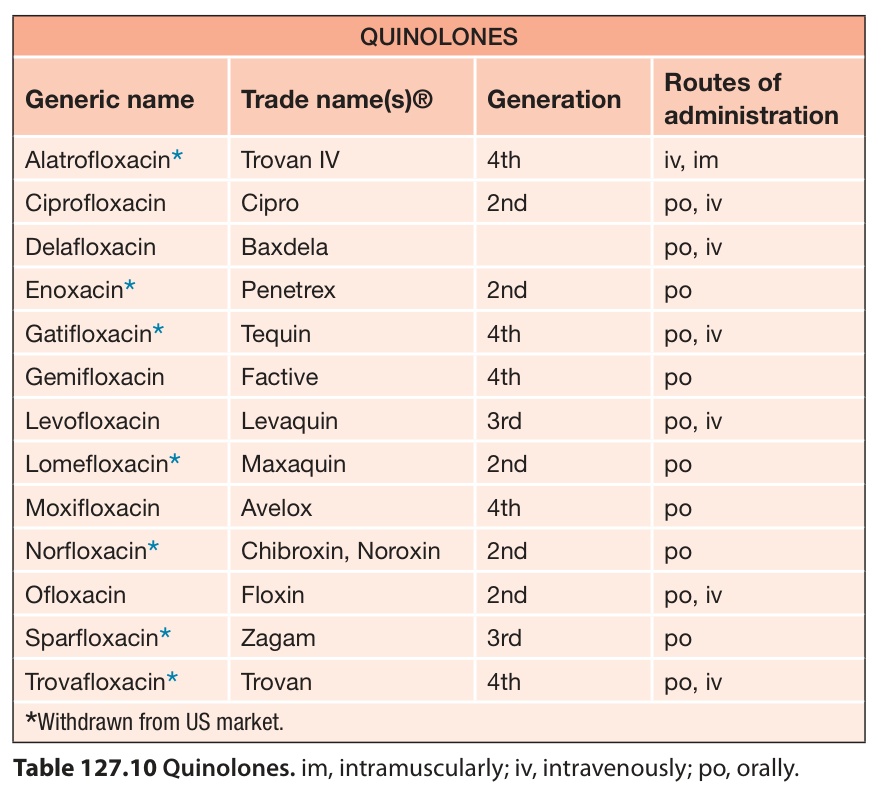
Table 127.10 Quinolones. im, intramuscularly; iv, intravenously; po, orally.
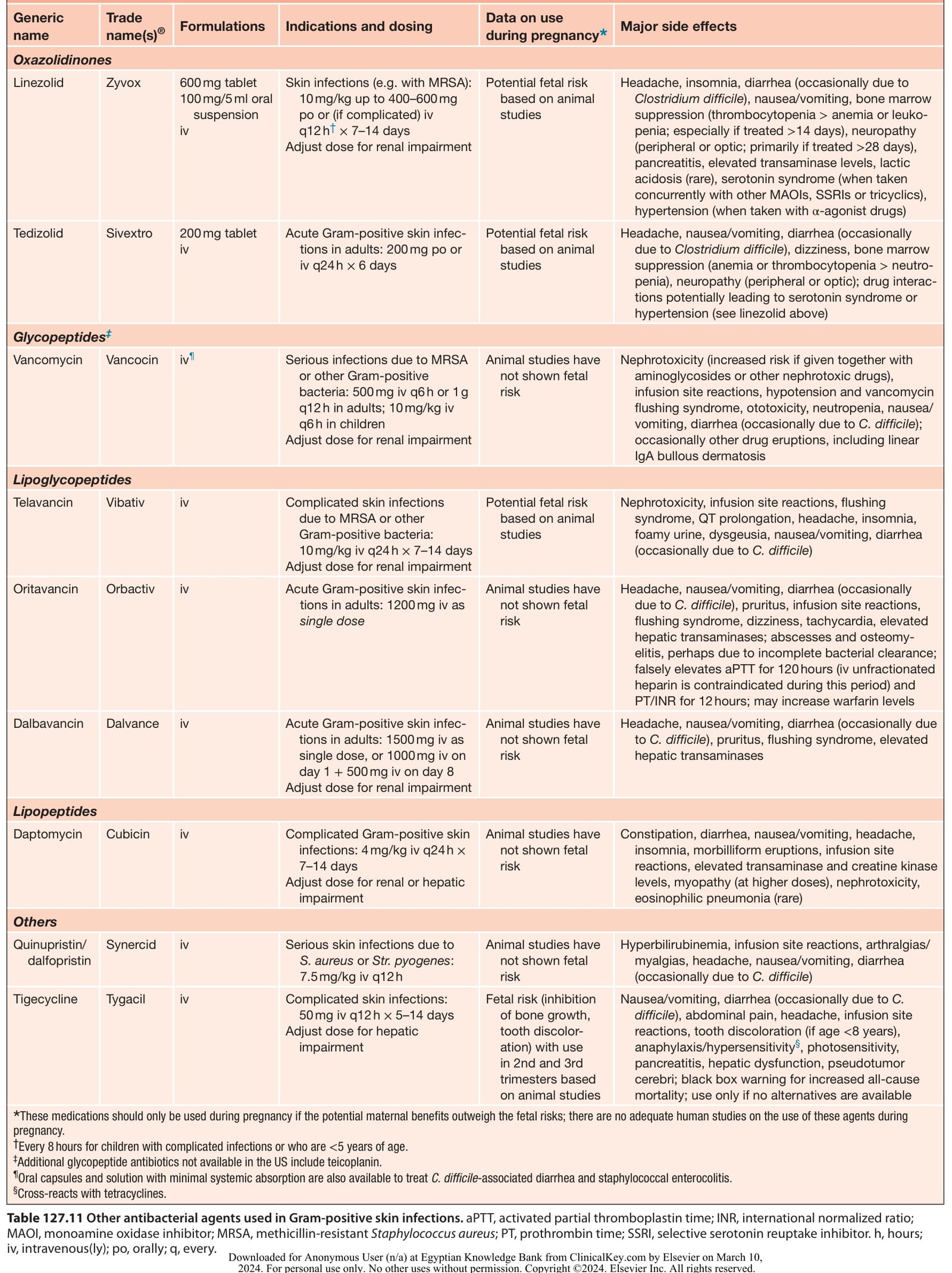
Table 127.11 Other antibacterial agents used in Gram-positive skin infections. aPTT, activated partial thromboplastin time; INR, international normalized ratio; MAOI, monoamine oxidase inhibitor; MRSA, methicillin-resistant Staphylococcus aureus; PT, prothrombin time; SSRI, selective serotonin reuptake inhibitor. h, hours; iv, intravenous(ly); po, orally; q, every.