ANTIFUNGAL AGENTS
Localized superficial dermatophytoses usually respond to topical antifungal agents (Table 127.12), which rarely have serious side effects. Several of these products are available without a prescription. Fungal infections of the hair and nails as well as systemic mycoses generally require systemic antifungal medications. In addition, fungal skin infections in patients who are immunocompromised, have extensive areas of involvement, or fail to respond to topical therapy may need systemic treatment.
Mechanisms of Action
The mechanisms of action of antifungal agents are outlined in Table 127.13 and illustrated in Figures 127.8 and 127.9. Most azoles
are fungistatic, although some are fungicidal at high concentrations. Allylamines, benzylamines, and ciclopirox olamine have both fungistatic and fungicidal effects. The polyene antifungal agents – nystatin and amphotericin B – are fungistatic at low concentrations and fungicidal at high concentrations. Amphotericin B is available in three lipid formulations (liposomal, lipid complex, and cholesteryl complex [colloidal dispersion]) that are less nephrotoxic but more expensive than the conventional form of this agent.
The aforementioned classes of antifungal agents all have anti-inflammatory effects. For example, naftifine inhibits chemotaxis and the production of reactive oxygen intermediates by neutrophils. Azoles inhibit neutrophil chemotaxis, calmodulin activity, synthesis of leuko trienes and prostaglandins, and histamine release from mast cells. Ketoconazole has anti-inflammatory activity comparable to that of hydrocortisone. Ciclopirox olamine is also anti-inflammatory due to its inhibition of prostaglandin and leukotriene synthesis.
Griseofulvin is fungistatic against Trichophyton, Microsporum, and Epidermophyton spp. It is not active against yeast (including Malassezia and Cryptococcus spp.), dimorphic fungi, or the fungi that cause chromomycosis.
Indications
Topical antifungal agents
Topical azoles are indicated for tinea corporis, tinea pedis, tinea cruris, tinea (pityriasis) versicolor, and mucocutaneous candidiasis. In addition, efinaconazole 10% solution has been approved for the topical treatment of onychomycosis due to Trichophyton rubrum and T. mentagrophytes, with a combined clinical and mycologic cure rate of 15%–20% after daily application for 48 weeks. Of the topical azoles, oxiconazole and sulconazole have relatively weak activity against Candida spp. Butoconazole, clotrimazole, econazole, miconazole, terconazole, and tioconazole are available in vaginal preparations to treat Candida vaginitis. Ketoconazole is additionally indicated for seborrheic dermatitis. Topical antifungal therapy for limited tinea versicolor may have equivalent or better efficacy than oral therapy, with fewer side effects.
Topical allylamines and benzylamines are indicated for tinea pedis, tinea cruris, and tinea corporis. In vitro, butenafine and terbinafine have been shown to be 10 to 100 times and 2 to 30 times more effective than azole antifungals against common dermatophytes, respectively. Clinical trials have shown that terbinafine, butenafine, and naftifine were superior to azole antifungals for tinea pedis, with significantly higher mycologic cure rates a month after stopping treatment and lower clinical relapse rates. Butenafine 1% cream applied daily for 2 weeks for tinea cruris resulted in a 62% combined clinical and mycologic cure rate 4 weeks after the end of treatment. Topical terbinafine and butenafine are also indicated for Candida infections, although they have relatively weak anti-Candida action compared to the topical azoles. In some geographic regions (e.g. India), isolates of Trichophyton with increasing resistance to terbinafine have been observed due to mutations in the gene that encodes squalene epoxidase.
Of the two topical polyenes, only nystatin is commonly used. It is indicated for mucocutaneous Candida infections. Polyenes are not effective against dermatophytes. Nystatin is not well absorbed when taken orally. However, this fact may be used to an advantage in treating anogenital candidiasis and candidal diaper dermatitis.
Ciclopirox olamine is active against dermatophytes, Malassezia spp., Candida, actinomycetes, molds, and Gram-positive and Gram-negative bacteria. It is indicated for tinea corporis, tinea pedis, tinea cruris, onychomycosis, tinea versicolor, mucocutaneous candidiasis, and seborrheic dermatitis. In vitro, it is less potent against dermatophytes than the allylamine and benzylamine antifungals, but more potent than azole antifungals. However, it is more effective than the azoles, allylamines, or benzylamines against Candida.
Tavaborole 5% solution is an oxaborole approved to treat toenail onychomycosis caused by T. rubrum and T. mentagrophytes. The combined clinical and mycologic cure rate is 6%–10% following daily application for 48 weeks.
Tolnaftate, undecylenic acid, and clioquinol are indicated for dermatophyte infections, but they are less efficacious than the aforementioned topical agents; tolnaftate is also effective for Malassezia infections.
Systemic antifungal agents
Indications for systemic antifungal agents are outlined in Table 127.14. Griseofulvin is classically the drug of choice for treating dermatophyte infections resistant to topical therapy in children. Mycologic cure rates are usually 80% to 95%. Terbinafine, itraconazole, and fluconazole are also effective in treating superficial dermatophyte infections of the skin, hair, and nails in adults and children. Terbinafine therapy for onychomycosis results in a mycologic cure rate of ~70% for the toenails and 80% for fingernails, but there are significant recurrence rates, especially for toenails. Itraconazole, used continuously or in a pulse regimen, produces similar mycologic cure rates. Terbinafine has been shown to have a higher combined clinical and mycologic cure rate than itraconazole (38% vs 23%, p= 0.004) after 12 weeks of continuous oral therapy for toenail onychomycosis. Fluconazole is generally the drug of choice for systemic candidiasis. However, fungemia due to azole-resistant Candida can occur. Because fluconazole is relatively hydrophilic compared to other systemic azole antifungal drugs, it is distributed to the cerebrospinal fluid and can be used to treat fungal meningitis. Oteseconazole is FDA approved for the treatment of recurrent vulvovaginal candidiasis in women who do not have reproductive potential. Ibrexafungerp is also approved for the treatment and prevention of recurrences of vulvovaginal candidiasis in women and post-menarchal girls.
Dosages
Topical antifungal agents
Topical antifungal agents are generally applied twice a day until resolution of clinical signs and symptoms, usually for 1 to 4 weeks. Occlusion is not required. Shampoos are typically used every 3 to 4 days and are left in place for 5 minutes before rinsing. Nystatin oral suspension is held in the mouth for as long as possible before swallowing or expectorating, repeated four times daily. There is essentially no systemic absorption. Nystatin pastilles are allowed to dissolve slowly in the mouth four to five times a day for up to 14 days. Ciclopirox olamine nail lacquer is applied daily for 1 week and then removed with alcohol; this cycle is repeated for 48 weeks. Efinaconazole and tavaborole solutions are also applied daily for 48 weeks but do not require periodic removal. Each of these drugs can have some efficacy when applied over cosmetic nail polish, with an increase to twice daily use recommended for ciclopirox olamine.
Systemic antifungal agents
A typical treatment course of oral terbinafine is 12 weeks for toenail onychomycosis, 6 weeks for fingernail onychomycosis, and 2 weeks for superficial tinea infections resistant to topical antifungal agents. For tinea capitis, terbinafine is given continuously for 3–6 weeks. Dosages for adults and children are shown in Table 127.15.
Due to potential toxicity, oral ketoconazole is no longer routinely utilized for fungal infections of the skin or nails, including candidiasis and dermatophyte infections. Its use should be restricted to treatment of endemic mycoses (e.g. blastomycosis, coccidioidomycosis) in patients who have failed or are intolerant of other therapies.
Itraconazole oral solution should be taken on an empty stomach, whereas the capsules should be taken with a full meal to enhance absorption. Pediatric dosing is 3 to 5 mg/kg daily. Doses over 200 mg should be divided into two doses per day. For tinea capitis in children, itraconazole may be given continuously for 2 to 4 weeks or as 1- to 3-week-long pulses with 3 weeks without drug in between each pulse. Adult oral dosages for various indications are outlined in Table 127.16. Treatment of oropharyngeal and esophageal candidiasis is for at least 3 weeks and should be continued for at least 2 weeks after symptoms resolve. Itraconazole solution is swished in the mouth, 10 mg at a time, for several seconds and then swallowed.
Table 127.17 outlines the oral dosing of fluconazole. Unlike itraconazole, fluconazole is not dependent on a low gastric pH for absorption.
Voriconazole is used to treat serious fungal infections in patients ≥2 years of age. The recommended dose for adults is 4 mg/kg intravenously every 12 hours (following two loading doses of 6 mg/kg 12 hours apart) or 200 mg orally every 12 hours. For children ages ≤11 years or those 12–14 years weighing <50 kg, the usual dose is 8 mg/kg intravenously every 12 hours (following two loading doses of 9 mg/kg 12 hours apart) or 8 mg/ kg (maximum 350 mg) orally every 12 hours. Dose adjustments should be made in patients with hepatic dysfunction, and oral administration is preferred in patients with renal impairment to avoid accumulation of the intravenous vehicle. In immunocompromised patients, such as recipients of hematopoietic stem cell transplants, the prophylactic regimen is typically the same oral dose used for treatment twice daily.
Posaconazole is available as 100 mg delayed-release (DR) tablets and a 40 mg/ml suspension, both taken with food and approved for patients ≥13 years of age. Intravenous administration is also approved for adults. For prophylaxis of invasive fungal infections in immunocompromised patients, the oral dosage is 200 mg three times daily of the suspension, or 300 mg twice daily on the first day and then 300 mg daily of the DR tablets. For oropharyngeal candidiasis, the oral suspension is given as
100 mg twice daily on the first day and then 100 mg daily for 13 days. In cases refractory to fluconazole or itraconazole, the dose is increased to 400 mg orally twice daily, and the duration of treatment varies according to the response. Because of fewer cutaneous side effects (see Table 127.19), posaconazole is often preferred over voriconazole, but its greater cost can limit access.
Isavuconazonium sulfate (prodrug of isavuconazole) is approved for treatment of invasive aspergillosis and mucormycosis in adults. It is available in 74.5 and 186 mg capsules as well as in a solution for intra-venous administration, both given as a loading dose of 372 mg (equivalent to 200 mg of isavuconazole) every 8 hours for 6 doses, followed by 372 mg once daily starting 12–24 hours after the last loading dose. Oteseconazole is available in 150 mg capsules and can be administered alone or in conjunction with initial fluconazole therapy for recurrent vulvovaginal candidiasis. In the oteseconazole-only regimen, 600 mg is
taken on day 1, then 450 mg on day 2, and then 150 mg weekly for 11 weeks beginning on day 14. Alternatively, fluconazole 150 mg can be given on days 1, 4, and 7, followed by oteseconazole 150 mg daily for 7 days and then weekly for 11 weeks beginning on day 28.
Ibrexafungerp is also available in 150 mg capsules. A 300 mg dose is administered twice, approximately 12 hours apart; this can be done once for treatment of vulvovaginal candidiasis and/or monthly for six months for prevention of recurrences.
Dosages for griseofulvin are shown in Table 127.18. In the US, increasing doses have been required for the treatment of tinea capitis due to Trichophyton tonsurans. The long duration of therapy required with griseofulvin is a disadvantage and contributes to non-compliance. Absorption of griseofulvin is improved when it is administered with fatty foods. Drug particle size reduction through micronization and ultra-micronization has also significantly enhanced oral absorption.
Dosing of intravenous amphotericin B varies depending upon the formulation of the medication (e.g. 0.75–1 mg/kg/day of conventional amphotericin B versus 3–5 mg/kg/day of lipid formulations). In adults, flucytosine is given at a dose of 150 mg/kg orally daily, divided into four doses. Taking the medicine over 15 minutes decreases associated nausea. Doses of both drugs should be adjusted in patients with renal insufficiency.
Caspofungin acetate is given by slow intravenous infusion over 1 hour. For treatment of Aspergillus infections, 70 mg is administered on day 1 and 50–70 mg daily thereafter. Caspofungin must not be mixed with solutions containing dextrose, and patients with moderate hepatic insufficiency should receive 35 mg daily after the 70 mg loading dose. This drug has not been adequately studied in children.
Micafungin is also only available in an intravenous form. For esophageal candidiasis, it is administered as 150 mg intravenously daily. In hematopoietic stem cell transplant patients, as prophylaxis for Candida infections, it may be given at a dose of 50 mg intravenously daily. Anidulafungin is available in an intravenous form for Candida infections as well. In candidemia, the dose is 100 mg intravenously daily after a loading dose of 200 mg; treatment should continue until 2 weeks after the most recent positive blood culture. For esophageal candidiasis, the dose is 50 mg daily after an initial loading dose of 100 mg.
Contraindications
Topical and systemic antifungals are contraindicated in patients with hypersensitivity to the agent or any of the formulation components. Because of the potential for severe hepatotoxicity and QT prolongation, use of ketoconazole should be restricted to systemic fungal infections in patients who have failed or are intolerant to other therapies. Systemic antifungals are contraindicated in patients who are taking other drugs that may cause potentially serious interactions (see below). Itraconazole is contraindicated in patients with left-sided heart disease, and its use for onychomycosis should be avoided in pregnant or lactating patients. Ketoconazole and itraconazole may not be absorbed in patients with achlorhydria. Fluconazole absorption, however, is not dependent on a low gastric pH. Griseofulvin is contraindicated in patients with acute intermittent porphyria, variegate porphyria, porphyria cutanea tarda, or liver failure; it should not be given to pregnant women (see below). Both oteseconazole and ibrexafungerp are contraindicated during pregnancy; the latter drug is also contraindicated in all women of reproductive
potential and during lactation (see below). All systemic antifungal agents should be used with caution in patients with liver or kidney disease. Flucytosine should be used with caution in patients with bone marrow suppression.
Major Side Effects
The most common side effect of topical antifungal drugs is local skin irritation, which may be more severe with occlusion. Clinical manifestations include burning, stinging, pruritus, erythema, edema, peeling, blistering, and allergic contact dermatitis. Clioquinol can cause discoloration of clothes, skin, hair, and nails.
Oral terbinafine may cause a morbilliform eruption and, less commonly, urticaria, pruritus, alopecia, or dermatitis. Additional cutaneous reactions include SJS, TEN, AGEP, flares of pustular or other forms of psoriasis, and subacute cutaneous lupus erythematosus. Non-cutaneous side effects of terbinafine include gastrointestinal disturbances, elevated liver enzymes, headaches, taste and visual disturbances, transient decreases in absolute lymphocyte count, and, rarely, neutropenia in immunosuppressed patients. This drug should be used with caution in patients with liver or kidney disease. It is recommended that liver enzyme tests be performed at baseline, although the utility of monitoring asymptomatic patients during therapy has been questioned. The side effects of the systemic azole antifungals are listed in Table 127.19. Side effects of ibrexafungerp include diarrhea, nausea/vomiting, abdominal pain, headache, and dizziness.
Griseofulvin infrequently causes adverse effects, most commonly headache and gastrointestinal disturbances. Less often, it leads to cutaneous side effects such as fixed drug eruptions, photosensitivity, petechiae, pruritus, exfoliative dermatitis, urticaria/angioedema, and serum sickness-like reactions. It can also precipitate or exacerbate lupus erythematosus or porphyria. Griseofulvin has occasionally been associated with enuresis, proteinuria, increased urinary frequency, arthralgias, fever, neurologic side effects (confusion, blurred vision, vertigo, depression, nightmares, insomnia, ataxia, paresthesias), syncope, epistaxis, estrogenlike effects, sore throat, hepatotoxicity, and leukopenia.
Amphotericin B commonly causes fever, chills, nausea, and vomiting. Less often, it causes anorexia, diarrhea, orthostatic hypotension, hypertension, tachycardia, dyspnea, headache and skin eruptions, including exanthems, exfoliative dermatitis, fixed drug eruptions, flushing, urticaria, and infusion site reactions. Amphotericin B can also produce hypokalemia, thrombocytopenia, and renal toxicity characterized by increased BUN and creatinine; unusual side effects include seizures, arrhythmias, agranulocytosis, liver failure, and anaphylaxis.
Flucytosine can cause neurologic side effects (headaches, fatigue, vertigo, ataxia, paresthesias, confusion, hallucinations), gastrointestinal disturbances (nausea, vomiting, abdominal pain, diarrhea), hypokalemia, and hypoglycemia. Serious potential side effects include cardiac and respiratory arrest, renal failure, cytopenias, gastrointestinal bleeding, and colitis.
Caspofungin acetate may cause headaches, nausea, vomiting, fever, phlebitis, flushing, facial swelling, urticaria, other rashes, pruritus, infusion reactions, and anaphylaxis. Laboratory abnormalities that have been observed include increased alkaline phosphatase, hypokalemia, eosinophilia, proteinuria, and hematuria. Micafungin may uncommonly cause anaphylaxis, liver or kidney dysfunction, thrombophlebitis, and hemolytic anemia. It can also result in headaches, nausea, rigors, leukopenia, rashes, and injection site reactions. Anidulafungin may cause liver toxicity, diarrhea, hypokalemia, and infusion reactions.
Interactions
Systemic terbinafine inhibits the cytochrome P450 isoform CYP2D6. As such, it may increase serum levels and toxic effects of other drugs metabolized by this pathway, including β-blockers, tricyclic antidepressants, selective serotonin reuptake inhibitors (SSRIs), MAO inhibitors, and type B and class IC antiarrhythmics. Terbinafine increases cyclosporine clearance by 15% and decreases caffeine clearance by 19%. It also decreases the efficacy of codeine. Terbinafine used with thioridazine may cause prolonged QT intervals and arrhythmias. Whereas cimetidine increases terbinafine levels, rifampin decreases terbinafine levels by doubling its rate of clearance.
Azole antifungal drugs exert their therapeutic effect by inhibiting cytochrome P450 enzymes (see Table 127.13 and Ch. 131). Cytochrome P450 enzymes play a major role in transforming lipophilic drugs to more easily excreted metabolites. Inhibition of this enzyme family is the cause of many of the azole antifungals’ drug–drug interactions. These interactions, which have resulted in black box warnings by the US FDA, are listed in Table 127.20.
Ibrexafungerp is a substrate of CYP3A. As a result, CYP3A inhibitors (e.g. azole antifungals) increase exposure and CYP3A inducers (e.g. rifampin, phenytoin) reduce exposure to ibrexafungerp.
Griseofulvin may decrease the levels and efficacy of warfarin and salicylates. Barbiturates may decrease griseofulvin efficacy by decreasing its absorption. Griseofulvin potentiates the effect of alcohol or may induce a disulfiram-like reaction. It also increases estrogen-metabolizing liver enzymes, which may make oral contraceptives less effective or cause menstrual irregularities.
Systemic corticosteroids, loop diuretics, and thiazide diuretics increase the risk of developing hypokalemia due to amphotericin B. Antipsychotics used concomitantly with amphotericin B may cause QT prolongation and cardiac arrhythmias. Nephrotoxic drugs such as
cisplatin, flucytosine, gentamicin, and vancomycin can compound the nephrotoxicity of amphotericin B. Amphotericin may increase digoxin levels. Cisplatin used in conjunction with flucytosine increases the risk for nephrotoxicity and bone marrow suppression.
Caspofungin acetate does not affect the cytochrome P450 system. It does decrease tacrolimus levels, and cyclosporine increases caspofungin levels. Phenytoin, rifampin, dexamethasone, carbamazepine, and several antiretroviral drugs (efavirenz, nelfinavir, nevirapine) can decrease caspofungin levels.
Pregnancy and Lactation
Topical antifungal agents
Topical imidazoles, nystatin, ciclopirox olamine, tolnaftate, and undecylenic acid have not been shown to cause adverse fetal effects when used during pregnancy. Although a small amount of ciclopirox olamine is absorbed through the skin, animal studies involving mice, rats, rabbits, and monkeys showed no harm to the fetus at doses 10 times higher than the topical human dose. In general, topical antifungals are thought to be compatible with breastfeeding. Topical oxiconazole is excreted in breast milk, but it is not known whether other topical imidazoles, nystatin, and ciclopirox olamine pass into breast milk.
Systemic antifungal agents
Systemic antifungal drugs should not be used to treat onychomycosis if the patient is pregnant or contemplating pregnancy. During pregnancy, they should be reserved for serious fungal infections and used only if the benefit outweighs the risk. Although animal studies of oral terbinafine have shown no adverse effects during pregnancy, there are no adequate studies in pregnant women. Orally administered terbinafine is secreted in breast milk and is not recommended for use in nursing mothers.
There are no adequate human studies of the effects of azole antifungals during pregnancy or nursing. The risk of fetal abnormalities is increased with exposure to fluconazole, ketoconazole, itraconazole, and voriconazole in the first trimester. Of note, a single 150 mg dose of fluconazole has not been associated with fetal malformations, but it may increase the risk of miscarriage. Itraconazole is excreted in human milk and should be avoided in lactating patients. Fluconazole is excreted in breast milk, but the level of exposure is substantially lower than doses given safely to neonates. Due to ocular abnormalities in exposed animal fetuses, oteseconazole is contraindicated in women of reproductive potential as well as during pregnancy and lactation.
Ibrexafungerp is also contraindicated during pregnancy due to fetal malformations in animal studies, and women of reproductive potential are advised to use effective contraception during treatment and for four days after the last dose. There are no human or animal data on the presence of ibrexafungerp in milk or its effects during nursing.
Griseofulvin has been associated with fetal abnormalities in rats and dogs. Rare cases of conjoined twins have been reported in women taking griseofulvin in the first trimester of pregnancy. Patients should avoid pregnancy during treatment with griseofulvin and for at least 1 month after its discontinuation.
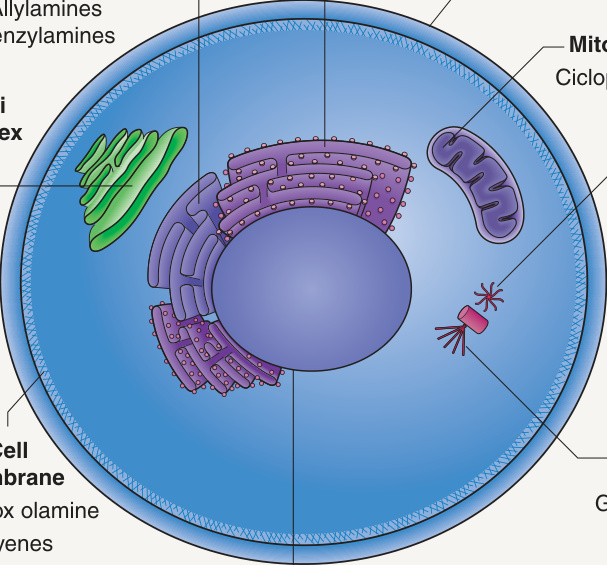
Fig. 127.8 Sites of action of antifungal drugs. Of note, ciclopirox olamine has more than one site of action. In addition, tavaborole inhibits a fungal aminoacyltRNA synthetase.
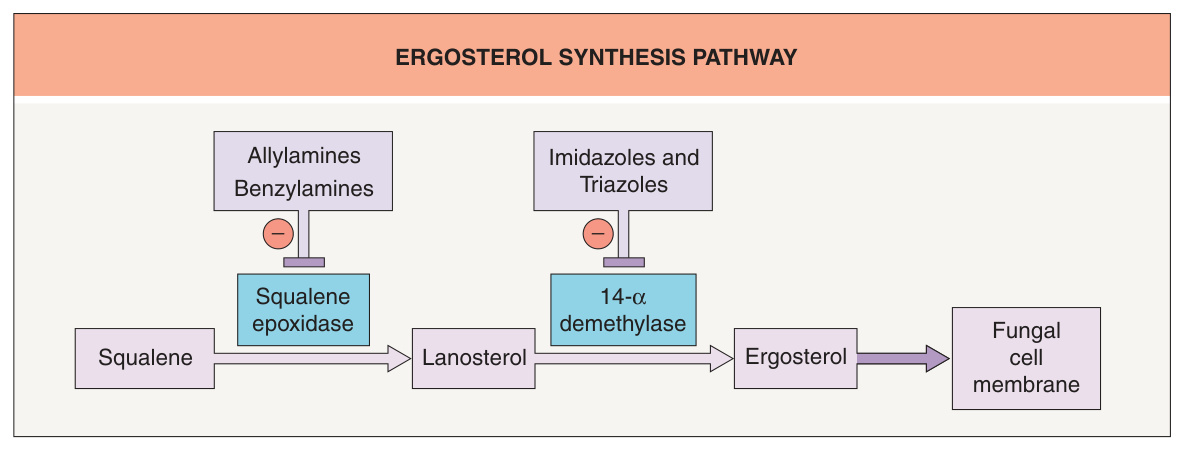
Fig. 127.9 Ergosterol synthesis pathway. Squalene is converted to lanosterol by squalene epoxidase. This enzyme is inhibited by the allylamine and benzylamine antifungals. 14-α demethylase converts lanosterol to ergosterol. Imidazole and triazole antifungals inhibit this conversion.
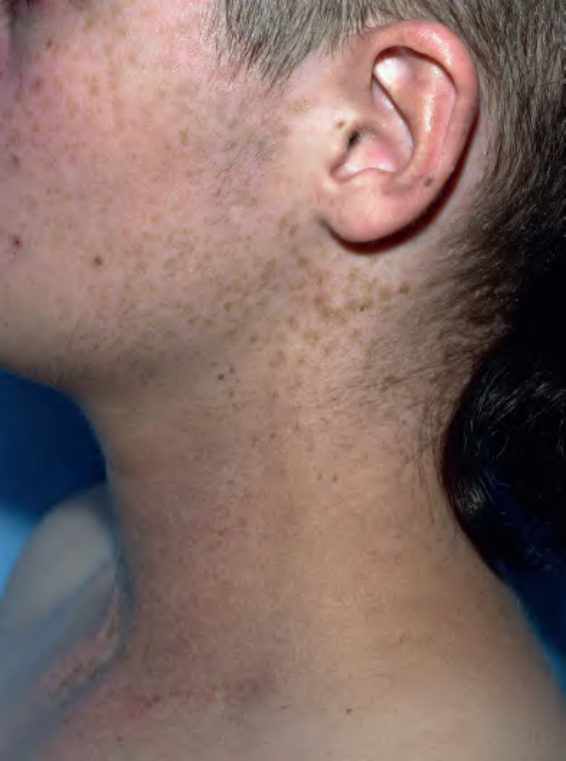
Fig. 127.10 Accelerated photoaging due to chronic voriconazole therapy. Note the solar lentigines in this young man with chronic granulomatous disease. Courtesy Edward Cowen, MD.
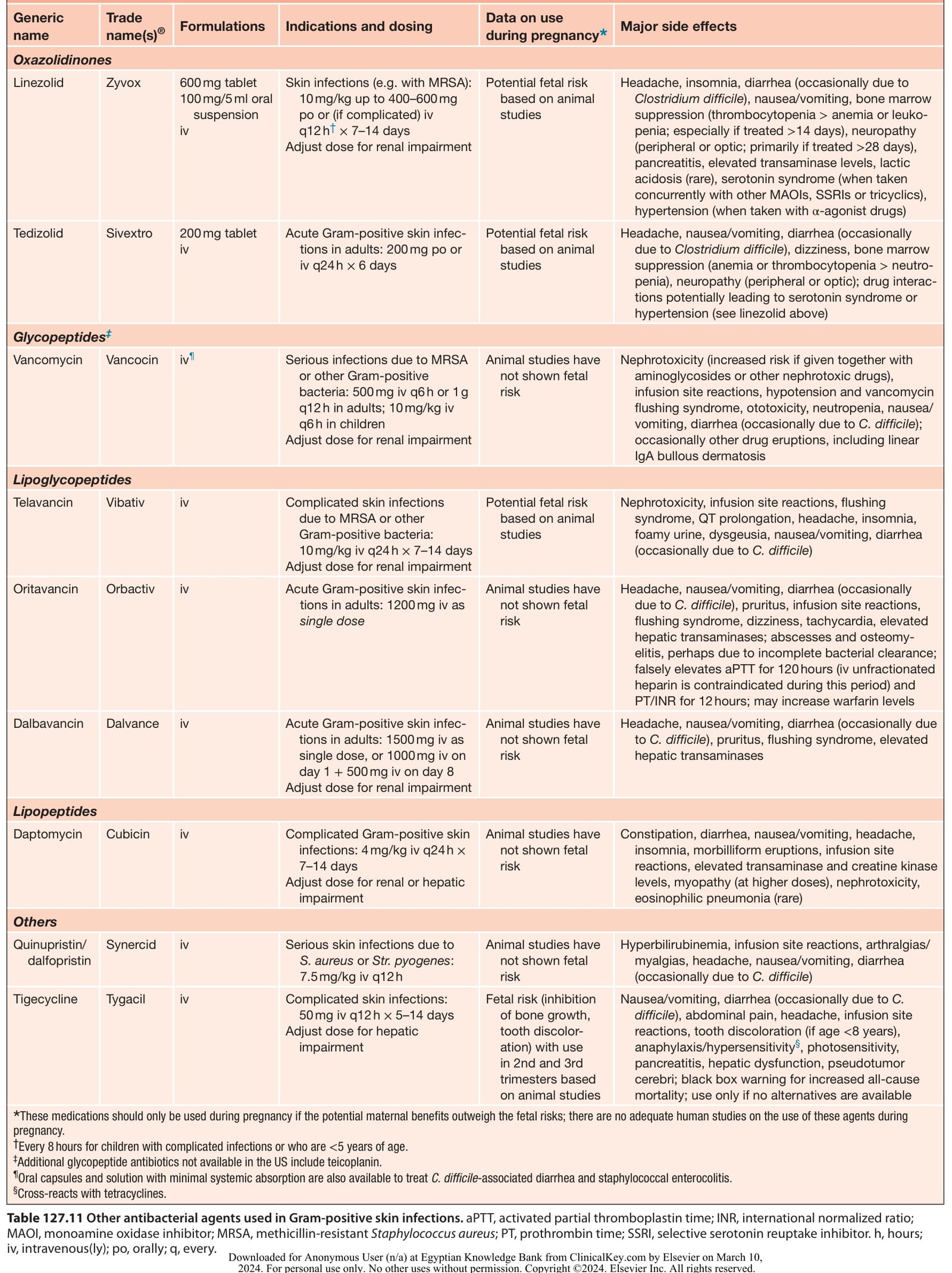
Table 127.11 Other antibacterial agents used in Gram-positive skin infections. aPTT, activated partial thromboplastin time; INR, international normalized ratio; MAOI, monoamine oxidase inhibitor; MRSA, methicillin-resistant Staphylococcus aureus; PT, prothrombin time; SSRI, selective serotonin reuptake inhibitor. h, hours; iv, intravenous(ly); po, orally; q, every.
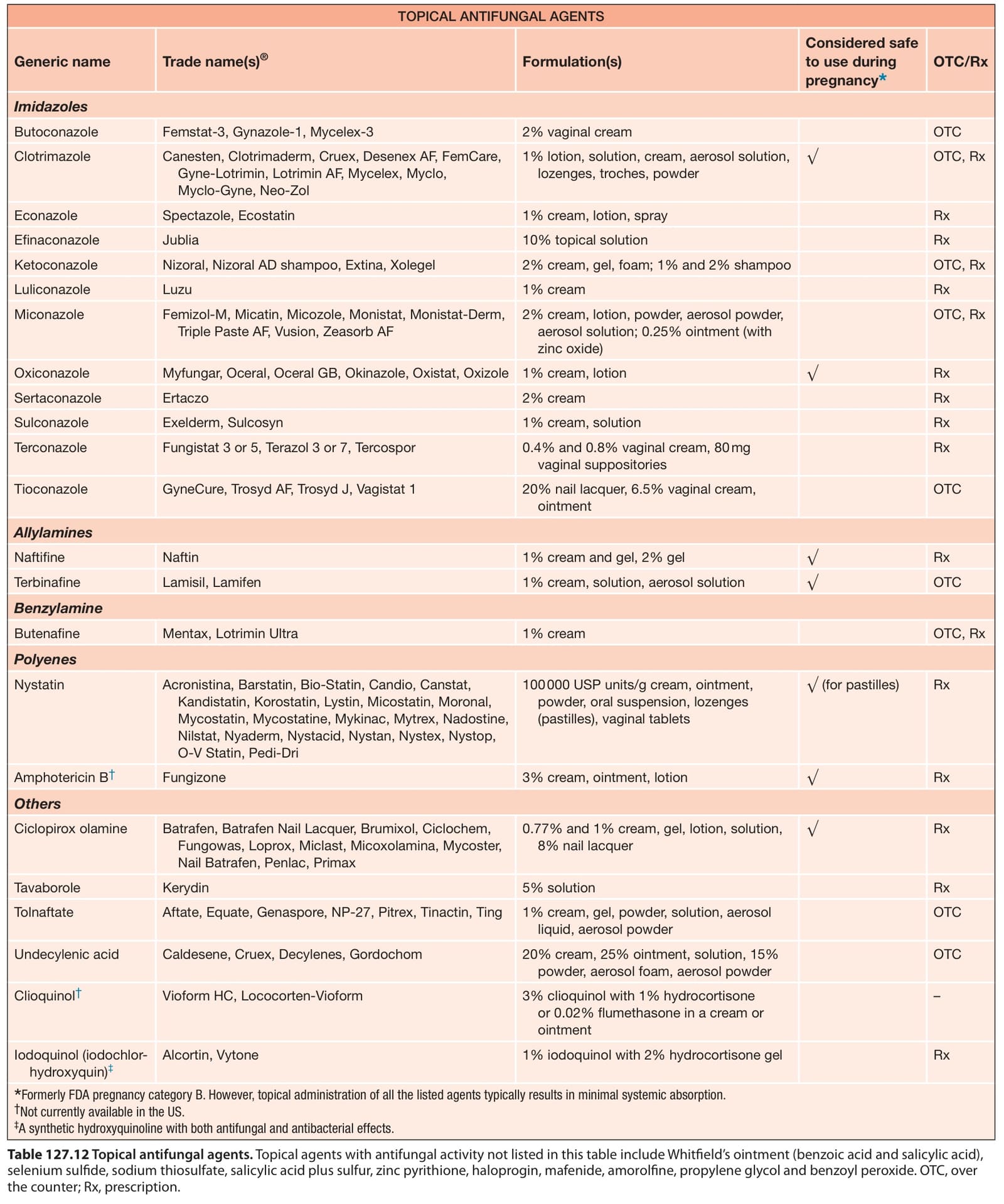
Table 127.12 Topical antifungal agents. Topical agents with antifungal activity not listed in this table include Whitfield’s ointment (benzoic acid and salicylic acid), selenium sulfide, sodium thiosulfate, salicylic acid plus sulfur, zinc pyrithione, haloprogin, mafenide, amorolfine, propylene glycol and benzoyl peroxide. OTC, over the counter; Rx, prescription.
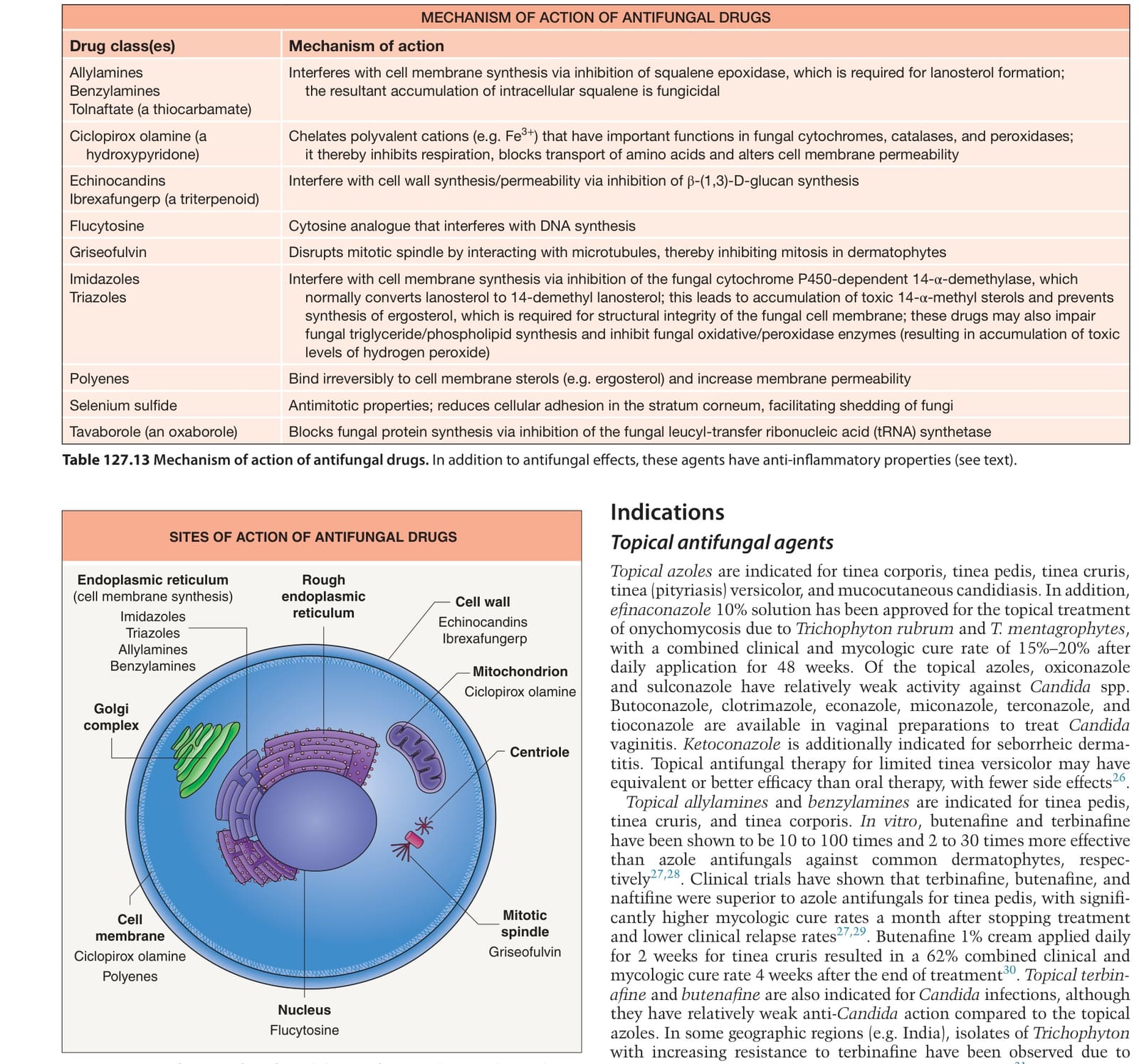
Table 127.13 Mechanism of action of antifungal drugs. In addition to antifungal effects, these agents have anti-inflammatory properties (see text).
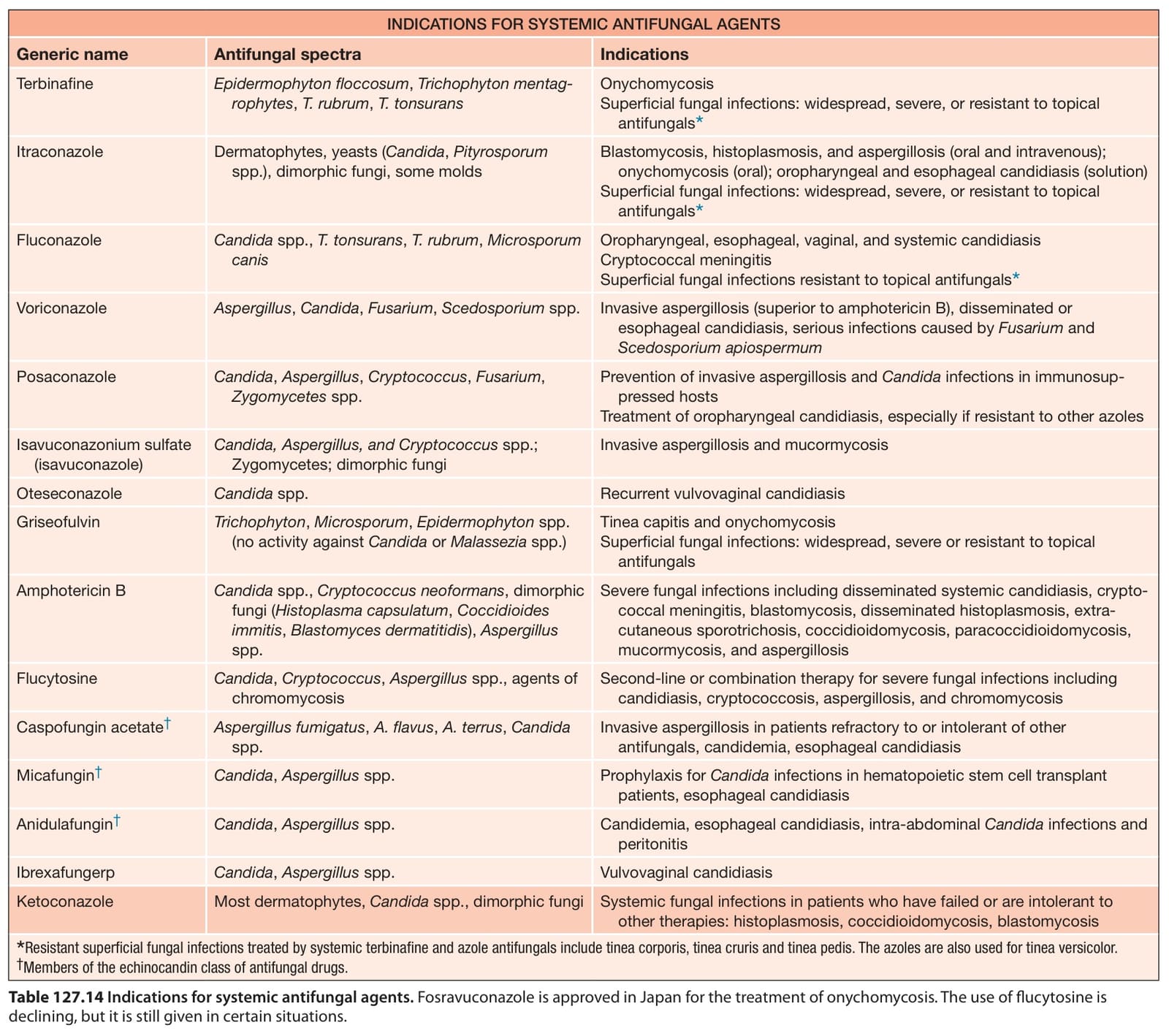
Table 127.14 Indications for systemic antifungal agents. Fosravuconazole is approved in Japan for the treatment of onychomycosis. The use of flucytosine is declining, but it is still given in certain situations.
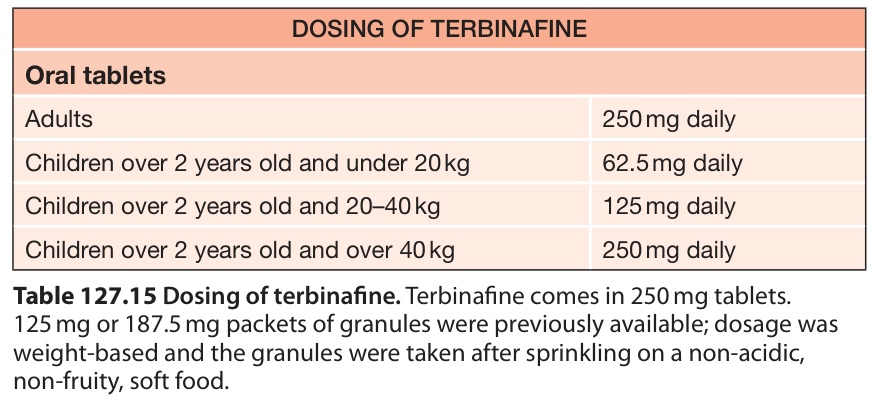
Table 127.15 Dosing of terbinafine. Terbinafine comes in 250 mg tablets. 125 mg or 187.5 mg packets of granules were previously available; dosage was weight-based and the granules were taken after sprinkling on a non-acidic, non-fruity, soft food.
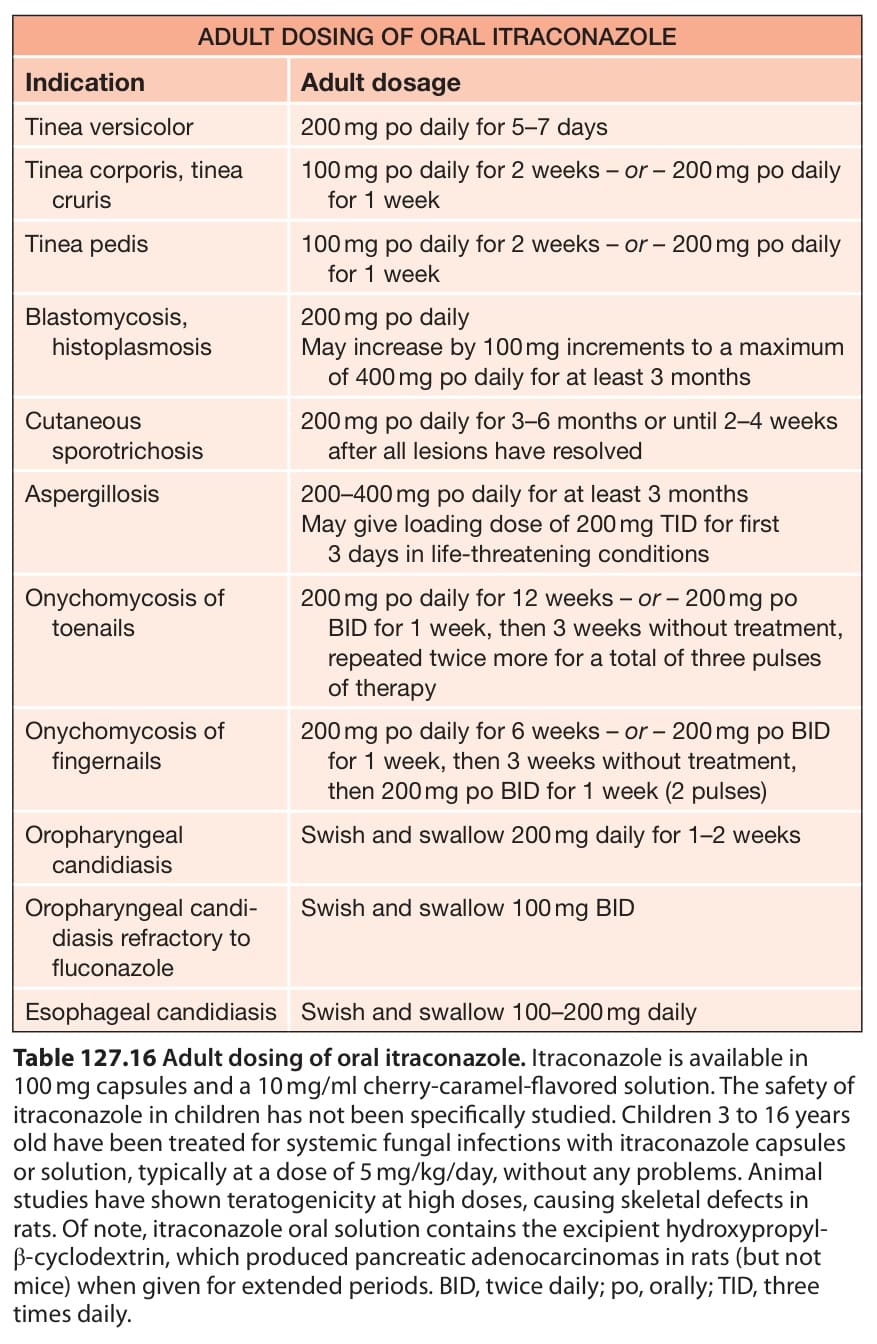
Table 127.16 Adult dosing of oral itraconazole. Itraconazole is available in 100 mg capsules and a 10 mg/ml cherry-caramel-flavored solution. The safety of itraconazole in children has not been specifically studied. Children 3 to 16 years old have been treated for systemic fungal infections with itraconazole capsules or solution, typically at a dose of 5 mg/kg/day, without any problems. Animal studies have shown teratogenicity at high doses, causing skeletal defects in rats. Of note, itraconazole oral solution contains the excipient hydroxypropyl- β-cyclodextrin, which produced pancreatic adenocarcinomas in rats (but not mice) when given for extended periods. BID, twice daily; po, orally; TID, three times daily.
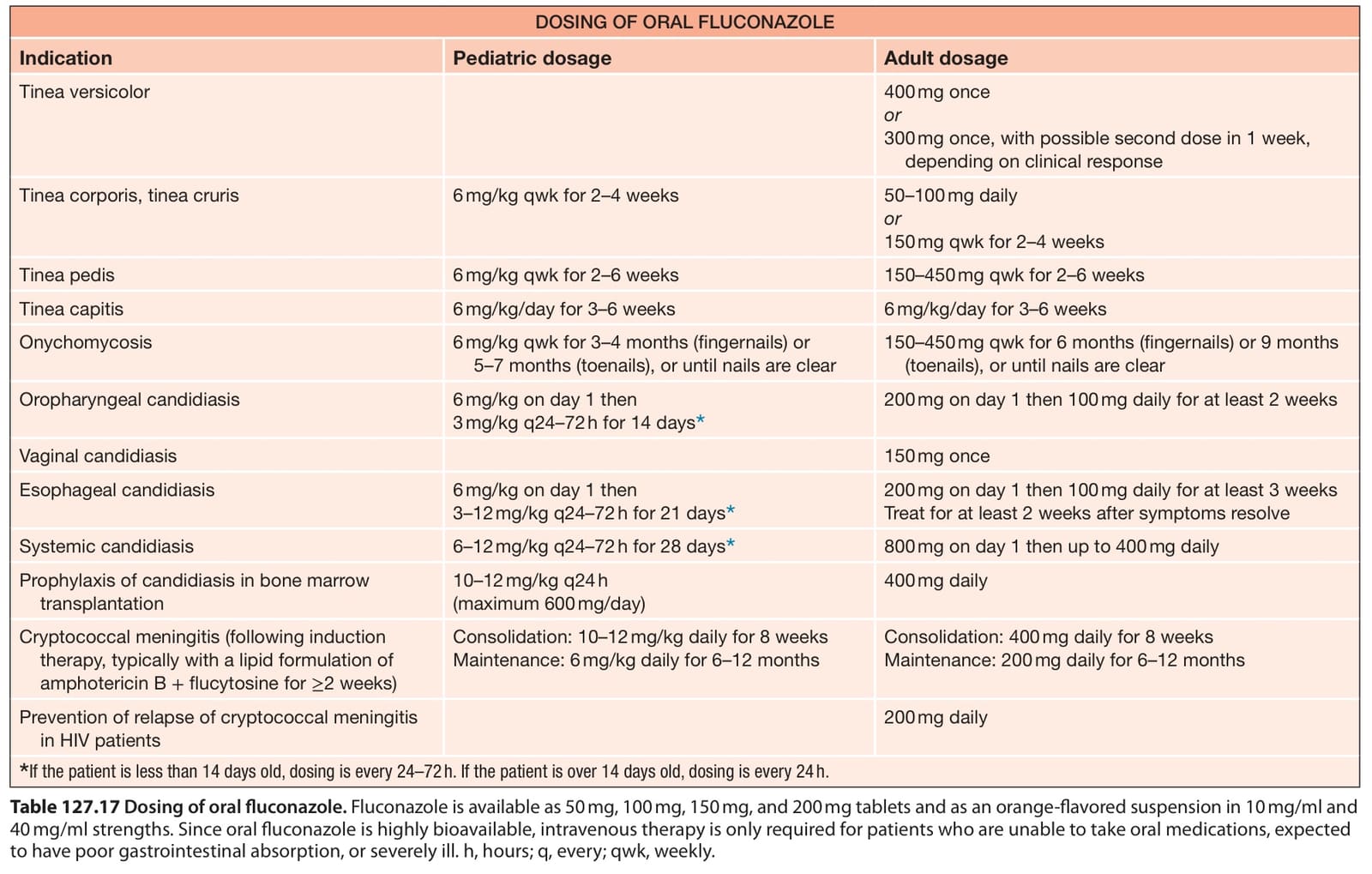
Table 127.17 Dosing of oral fluconazole. Fluconazole is available as 50 mg, 100 mg, 150 mg, and 200 mg tablets and as an orange-flavored suspension in 10 mg/ml and 40 mg/ml strengths. Since oral fluconazole is highly bioavailable, intravenous therapy is only required for patients who are unable to take oral medications, expected to have poor gastrointestinal absorption, or severely ill. h, hours; q, every; qwk, weekly.
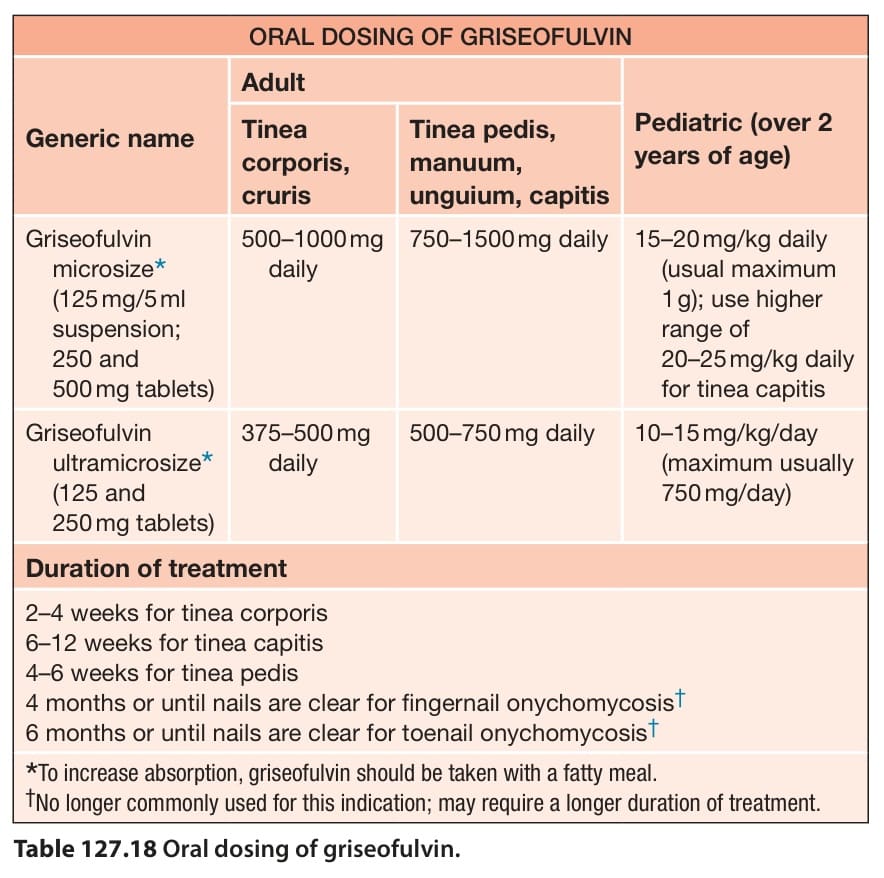
Table 127.18 Oral dosing of griseofulvin.
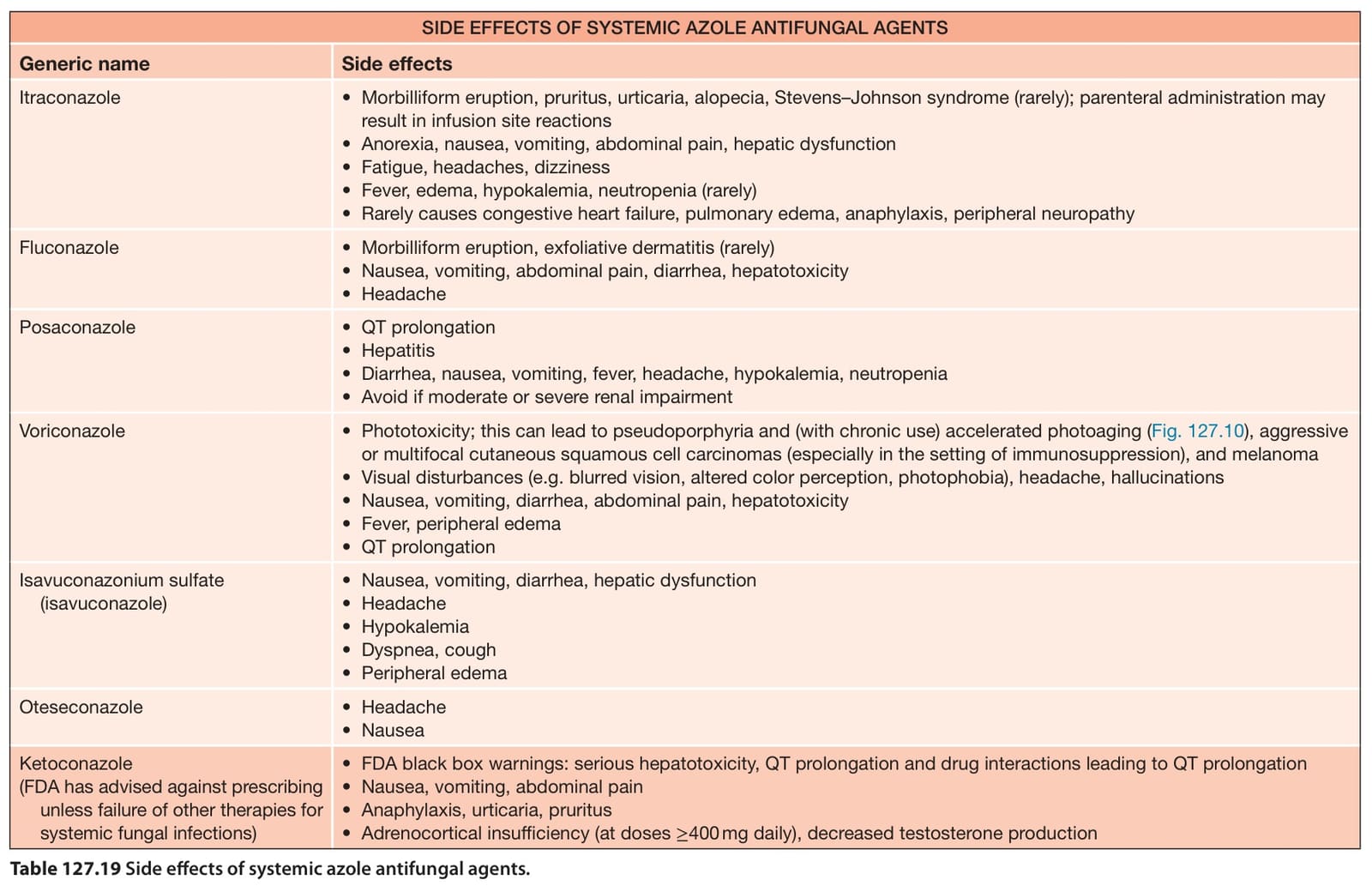
Table 127.19 Side effects of systemic azole antifungal agents.
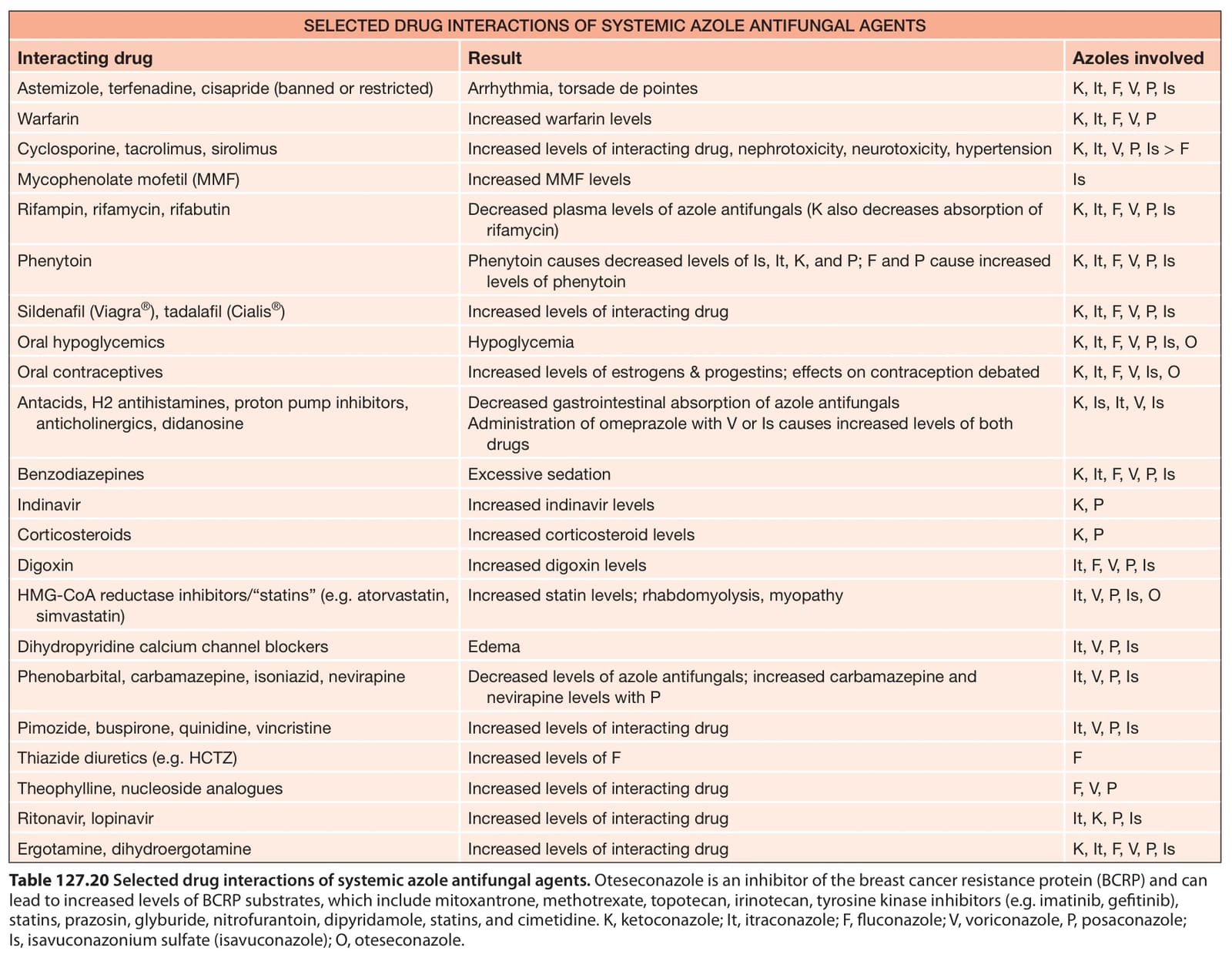
Table 127.20 Selected drug interactions of systemic azole antifungal agents. Oteseconazole is an inhibitor of the breast cancer resistance protein (BCRP) and can lead to increased levels of BCRP substrates, which include mitoxantrone, methotrexate, topotecan, irinotecan, tyrosine kinase inhibitors (e.g. imatinib, gefitinib), statins, prazosin, glyburide, nitrofurantoin, dipyridamole, statins, and cimetidine. K, ketoconazole; It, itraconazole; F, fluconazole; V, voriconazole, P, posaconazole; Is, isavuconazonium sulfate (isavuconazole); O, oteseconazole.
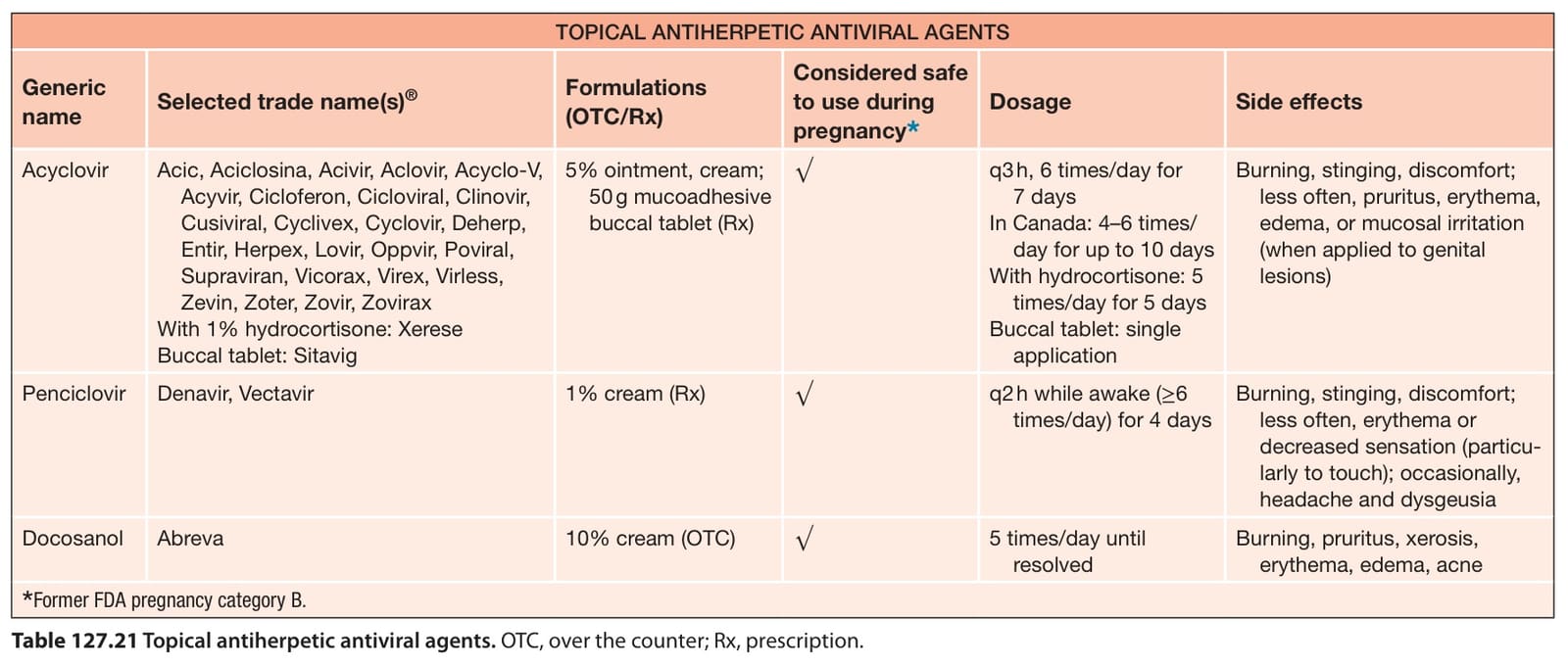
Table 127.21 Topical antiherpetic antiviral agents. OTC, over the counter; Rx, prescription.