TARGETED IMMUNE MODULATORS
Key features
Dermatologic indications for tumor necrosis factor (TNF) inhibitors such as etanercept, adalimumab, and infliximab include psoriasis and hidradenitis suppurativa
Several agents that block interleukin (IL)-12 and/or IL-23 signaling, which is important for the Th17 immune response, are approved for the treatment of psoriasis. Ustekinumab binds to the p40 subunit shared by these cytokines, whereas guselkumab, risankizumab, and tildrakizumab bind to the p19 subunit of IL-23
The IL-17 inhibitors secukinumab, ixekizumab, and brodalumab are approved for the treatment of psoriasis
The IL-36 receptor antagonist spesolimab is approved for the treatment of generalized pustular psoriasis
Agents that block IL-4 and/or IL-13 signaling are approved for the treatment of atopic dermatitis. Dupilumab binds to the IL-4 receptor α subunit shared by these cytokines, whereas tralokinumab and lebrikizumab bind to IL-13
The IL-1 antagonists anakinra, canakinumab, and rilonacept are used to treat several autoinflammatory diseases, including cryopyrin-associated periodic syndromes and deficiency of the IL-1 receptor antagonist (DIRA)
Rituximab blocks CD20 on B cells and is approved for the treatment of B cell lymphoma, pemphigus vulgaris, granulomatosis with polyangiitis, and microscopic polyangiitis
Omalizumab binds to the IgE receptor on mast cells and is approved for the treatment of chronic spontaneous urticaria
Oral Janus kinase (JAK) inhibitors are approved for the treatment of atopic dermatitis (upadacitinib and abrocitinib), alopecia areata (baricitinib and ritlecitinib), and graft-versus-host disease (ruxolitinib)
Introduction
Advances in molecular technology have enabled the development of drugs that target specific proteins involved in disease pathogenesis. This has resulted in effective therapies for a variety of immunemediated skin disorders, including psoriasis, atopic dermatitis, hidradenitis suppurativa, pemphigus vulgaris, urticaria, alopecia areata, and cutaneous B cell lymphoma as well as the cutaneous manifestations of
Adapted from Wolverton SE. Comprehensive Dermatologic Drug Therapy, 3rd edition. Philadelphia: WB Saunders, 2012
systemic conditions such as Crohn disease, sarcoidosis, and vasculitis. These drugs, which are referred to as “biologic” agents, work via mechanisms that include altering T cell activation and differentiation into Th1, Th2, or Th17 cells; blocking cytokines, their receptors, or their intracellular signaling mechanisms; and eliminating pathogenic B cells.
The nomenclature utilized for targeted immune modulators is summarized in Table 128.4. In general, antibodies and fusion proteins represent large molecules that require parenteral administration.
Tumor Necrosis Factor Inhibitors
The FDA has approved multiple tumor necrosis factor (TNF; previously known as TNF-α) inhibitors: etanercept (Enbrel®), etanerceptszzs (Erelzi™), etanercept-ykro (Eticovo™), infliximab (Remicade®), infliximab-abda (Renflexis®), infliximab-axxq (Avsola™), infliximabdyyb (Inflectra®), infliximab-qbtx (Ixifi™), adalimumab (Humira®), adalimumab-aacf (Idacio®), adalimumab-aaty (Yuflyma®),
adalimumab-adaz (Hyrimoz®), adalimumab-adbm (Cyltezo®), adalimumab-afzb (Abrilada®), adalimumab-aqvh (Yusimry™), adalimumabatto (Amjevita®), adalimumab-bwwd (Hadlima®), adalimumab-fkjp (Hulio™), golimumab (Simponi®), and certolizumab pegol (Cimzia®). A review of their mechanisms of action, major side effects, contraindications, and use in pregnancy is followed by a discussion of issues that relate specifically to individual drugs.
Mechanism of action
Infliximab, adalimumab, golimumab, and certolizumab pegol are monoclonal antibodies, while etanercept is a dimeric fusion protein composed of the extracellular portions of two p75 TNF receptors linked to the Fc portion of IgG1 (Fig. 128.4). Although all four monoclonal antibodies target human TNF, infliximab is chimeric (human–mouse) IgG1, adalimumab and golimumab are human recombinant IgG1, and certolizumab pegol is a humanized pegylated Fab fragment (see Table 128.4).
All of the TNF inhibitors bind to soluble TNF and block its ability to activate TNF receptors (Fig. 128.4). By interacting with membranebound TNF, the IgG1 monoclonal antibodies can also activate complement-dependent cytotoxicity and induce cellular apoptosis.
This capacity to destroy TNF-producing cells may explain the greater efficacy of these monoclonal antibodies compared to etanercept in the treatment of granulomatous conditions as well as the potentially higher risk of infections associated with their use. In addition to the anti-inflammatory effects of TNF inhibitors (see Fig. 8.1B), blocking TNF signaling may have an impact on the neuroendocrine system.
Contraindications
Each TNF inhibitor is contraindicated in patients with known hypersensitivity to that particular medication, and infliximab is contraindicated in those with an allergy to murine proteins. These agents should be avoided in patients with significant active infection, malignancy, congestive heart failure (especially if unstable), multiple sclerosis, or other demyelinating diseases (see Table 8.19).
Major side effects (Table 128.5)
Disseminated and/or opportunistic infections such as histoplasmosis, coccidioidomycosis, listeriosis, and Pneumocystis jirovecii pneumonia may occur in patients treated with TNF inhibitors. An increased risk of symptomatic mycobacterial infections (Fig. 128.5), including
reactivation of latent tuberculosis, has also been observed in patients treated with these agents. However, most of the studies evaluating the risk of infection associated with the use of TNF inhibitors have been in patients with rheumatoid arthritis or inflammatory bowel disease, who often concomitantly receive additional immunosuppressive agents such as prednisone and methotrexate. The actual risk of infections is likely lower in patients receiving a TNF inhibitor as monotherapy. For example, a meta-analysis of 20 randomized controlled trials (RCTs; total n=6810) of TNF inhibitor therapy for psoriasis or psoriatic arthritis over rather limited periods of 12–30 weeks found no association between the use of these agents and the risk of infection (overall or serious) when adjusted for different follow-up times in treatment and control groups.
Recommended monitoring for dermatologic patients receiving TNF inhibitors is outlined in Table 128.6. A purified protein derivative (PPD) skin test, IFN-γ release assay (e.g. QuantiFERON® TB Gold Plus, T-SPOT®.TB), and/or chest X-ray (e.g. if immunosuppression or history of tuberculosis) is required at baseline and is typically, especially if risk factors, repeated annually during therapy. Patients with untreated or inadequately treated latent tuberculosis should receive antituberculous therapy prior to treatment with a TNF inhibitor. Reactivation of hepatitis B virus has also been observed in patients who are chronic hepatitis B carriers (i.e. hepatitis B surface antigen positive) while receiving a TNF inhibitor, so patients should be evaluated for hepatitis B virus infection prior to therapy. TNF inhibitors do not generally appear to have an adverse effect on viral load or hepatitis activity in psoriasis patients with chronic hepatitis C virus infection.
The potential of TNF inhibitors to increase the risk of malignancy is controversial and may be dependent upon the disease being treated. TNF inhibitor therapy in patients with rheumatoid arthritis has been associated with an approximately threefold increase in the risk of lymphoma and malignancy in general; however, this patient group is known to have a heightened susceptibility to lymphoma and often receives additional immunosuppressive agents. Most studies have not demonstrated an increase in the risk of other internal malignancies in patients treated with TNF inhibitors. Keratinocyte carcinomas and melanoma may be more frequent in patients with rheumatoid arthritis who are treated with TNF inhibitors than those who do not receive
these agents. A meta-analysis of 20 RCTs (total n=6810) of TNF inhibitor therapy for psoriasis or psoriatic arthritis over rather limited periods of 12–30 weeks found no significant association with development of malignancy.
Adolescents and young adults with inflammatory bowel disease who receive infliximab and concomitant azathioprine or 6-mercaptopurine appear to have an increased risk of a rare, aggressive hepatosplenic T cell lymphoma. In an analysis of 48 malignancies in children and adolescents treated with TNF inhibitors that were reported to the FDA, it was noted that half were lymphomas, almost two-thirds were in patients taking infliximab, and 88% of the patients were concomitantly receiving another immunosuppressive agent. Although the incidence of malignancy was higher than the background rate in the general pediatric population, the potential role of other medications as well as the underlying disorders, primarily inflammatory bowel disease and juvenile idiopathic arthritis (JIA), precluded establishing a causal relationship with TNF inhibitor therapy.
Treatment with TNF inhibitors is associated with an increased likelihood of developing anti-nuclear and anti-dsDNA antibodies. Signs and symptoms of cutaneous and systemic lupus erythematosus (SLE) occasionally arise in patients receiving TNF inhibitors, but in general resolve upon cessation of treatment. Conversely, several small case series have reported marked improvement of subacute cutaneous lupus erythematosus by etanercept (Fig. 128.6). It is not necessary to evaluate patients for autoantibodies before or during therapy with TNF inhibitors. However, the development of anti-nuclear antibodies may be linked to loss of TNF inhibitor efficacy.
Although etanercept was originally utilized as a therapy for multiple sclerosis, new onset or exacerbation of multiple sclerosis or other demyelinating diseases represents a potential complication of TNF inhibitor treatment. In some patients, symptoms of multiple sclerosis have abated despite continued therapy. It seems reasonable to avoid using TNF inhibitors in patients with a history of multiple sclerosis or other demyelinating diseases.
There have been reports of congestive heart failure worsening or developing in patients receiving TNF inhibitors. As a result, it is recommended that therapy with TNF inhibitors be avoided in patients with unstable cardiac disease.
A variety of adverse skin reactions to TNF inhibitors have been described (Table 128.7). A new onset of psoriasis or a psoriasiform eruption occurs in ~5%–10% of patients with no previous history of psoriasis, often manifesting in adults as palmoplantar pustulosis (Fig. 128.7); in children, lesions tend to involve the scalp and ears. Patients can also develop eczematous eruptions, which presumably reflect a shift towards Th1-mediated inflammation. Cutaneous small vessel vasculitis and reactive granulomatous dermatitis (RGD) have also been reported in patients undergoing TNF inhibitor therapy, but a subset of
these patients have rheumatoid arthritis, which itself can be associated with vasculitis and RGD (see Ch. 93). Additional cutaneous reactions that have been described in patients receiving TNF inhibitors include lichenoid dermatitis and other granulomatous conditions.
Vaccination
Live vaccines are contraindicated in patients receiving TNF inhibitors (Table 128.8). The effectiveness of vaccines in patients receiving these agents is unknown, but an immune response to influenza and pneumococcal vaccines has been documented. It is recommended that patients (especially children) be brought up to date with all immunizations prior to initiating treatment with TNF inhibitors.
Use in pregnancy
In animal studies, TNF inhibitors have not shown evidence of harm to the fetus, but adequate studies in pregnant women have not been conducted. Because IgG antibodies cross the placenta, their administration during late pregnancy could potentially increase risk of infection in the infant. Of note, pegylated certolizumab represents an exception as it has minimal placental transfer. Although TNF inhibitors are present in human milk, systemic exposure in a breastfed infant is expected to be low due to minimal oral absorption.
Etanercept
Etanercept (Enbrel®) and its biosimilars are fusion proteins consisting of the extracellular domain of the TNF receptor fused with the Fc portion of human IgG1.
Etanercept has been approved for the treatment of moderate to severe plaque psoriasis in adults since 2004 and in children ages 4–17 years since 2016. Depending on the regimen (see below), ~30%–60% and ~15%–25% of patients achieve a 75% and 90% improvement in their Psoriasis Area and Severity Index (PASI) score, respectively. Other approved indications for etanercept include rheumatoid arthritis, psoriatic arthritis, and ankylosing spondylitis in adults as well as JIA in children ≥2 years of age.
Etanercept has been used to treat a variety of other mucocutaneous disorders, including toxic epidermal necrolysis, hidradenitis suppurativa, dermatomyositis, cutaneous lupus erythematosus, lichen planus, autoimmune bullous diseases (especially mucous membrane [cicatricial] pemphigoid), neutrophilic dermatoses (including pyoderma gangrenosum), multicentric reticulohistiocytosis, relapsing polychondritis, and GVHD. Although successful treatment of sarcoidosis has been described in case reports and small series, etanercept therapy failed to improve systemic manifestations of sarcoidosis in RCTs.
The approved dose for moderate to severe plaque psoriasis is 50 mg twice weekly for the first 3 months, followed by 50 mg weekly. Etanercept is available in 25 and 50 mg prefilled syringes, 50 mg autoinjectors, and 25 mg multiple-use vials. The recommended dose for pediatric psoriasis is 0.8 mg/kg (maximum 50 mg) weekly.
Side effects shared with other TNF inhibitors are discussed above and summarized in Tables 128.5 and 128.7. Injection site reactions are the most common side effect of etanercept (Fig. 128.8) but in general are mild to moderate and diminish in frequency after the first month of treatment. Erythema, pruritus, pain, and swelling have been described, and “recall” reactions at sites of previous injections have been reported. These reactions do not progress to anaphylaxis.
The concomitant use of etanercept and methotrexate is approved for the treatment of rheumatoid arthritis and psoriatic arthritis. Due to the potential for increased immunosuppression, combination of etanercept with other targeted immune modulators should generally be avoided. A study of anakinra plus etanercept for patients with rheumatoid arthritis found no increase in efficacy but a substantial increase in the frequency of infection. Etanercept has been used together with narrowband UVB without an increase in adverse events.
Infliximab
Infliximab and its biosimilars are chimeric human–mouse monoclonal IgG1 antibodies, and their target is human TNF.
Infliximab is approved for the treatment of adults with chronic severe plaque psoriasis. Compared with the other TNF inhibitors, its onset of action tends to be faster and a higher proportion of patients (~75%–85% and ~50%–65%) achieve a 75% and 90% reduction in the PASI score, respectively. Infliximab is also approved for the treatment of adults with psoriatic arthritis, Crohn disease (including associated fistulas),
ulcerative colitis, rheumatoid arthritis, and ankylosing spondylitis, as well as children ≥6 years of age with Crohn disease and ulcerative colitis. Infliximab appears to be useful for pyoderma gangrenosum, whether or not it is associated with inflammatory bowel disease. It has been effective as a treatment for sarcoidosis, granulomatous cheilitis, Behçet disease, various vasculitides, pityriasis rubra pilaris, reactive arthritis, subcorneal pustular dermatosis, hidradenitis suppurativa, GVHD, Sjögren syndrome, and multicentric reticulohistiocytosis.
In patients with plaque psoriasis, the typical infliximab regimen is 5 mg/kg administered by slow intravenous infusion at 0, 2, and 6 weeks, and then every 8 weeks. However, doses ranging from 3 to 10 mg/kg have been utilized, and the frequency of administration as well as the dose can be adjusted when the response is inadequate. For Crohn disease, rheumatoid arthritis, and psoriatic arthritis, it is approved for concomitant administration with methotrexate, azathioprine, or low-dose prednisone. Loss of efficacy over time may be related to the development of neutralizing anti-chimeric antibodies and has been associated with the presence of anti-nuclear antibodies; the concurrent administration of low-dose weekly methotrexate may help to prevent the formation of anti-chimeric antibodies.
Side effects shared with other TNF inhibitors are discussed above and summarized in Tables 128.5 and 128.7. Infusion-related reactions are the most commonly reported side effect of infliximab, occurring in ~15% of patients. The incidence of severe reactions, in particular anaphylaxis, is ~1%. Associated symptoms include fever, chills, pruritus, urticaria, chest pain, hypotension, hypertension, and shortness of breath. Infusion reaction risk has been linked to the presence of human anti-chimeric antibodies. Risk of reactions may be lessened by a slower infusion rate or concomitant use of methotrexate, azathioprine, or corticosteroids.
Infliximab should not be administered together with other targeted immune modulators due to the potential for additive immunosuppression; concomitant use with anakinra or abatacept has been associated with the development of severe infections.
Adalimumab
Adalimumab (Humira®) and its biosimilars are human recombinant IgG1 monoclonal antibodies with specificity for human TNF.
Adalimumab is approved for the treatment of moderate to severe plaque psoriasis in adults; ~65%–75% and ~40%–45% of patients achieve a 75% and 90% improvement in their PASI score, respectively. It is also approved for the treatment of moderate to severe hidradenitis suppurativa in patients ≥12 years of age, with ~40%–60% of these individuals achieving a 50% reduction in the abscess/inflammatory nodule count with no increase in the draining fistula count. Additional approved indications include psoriatic arthritis, rheumatoid arthritis, ankylosing spondylitis, uveitis, and Crohn disease in adults as well as JIA and Crohn disease in children ≥2 years and ≥6 years of age, respectively. There have also been reports of successful adalimumab therapy for pustular psoriasis, sarcoidosis, pyoderma gangrenosum, Behçet disease, other neutrophilic dermatoses, and dermatomyositis.
Adalimumab is supplied in 10–80 mg prefilled syringes as well as 40 and 80 mg autoinjectors; it is administered subcutaneously. For the treatment of psoriasis in adults, a loading dose of 80 mg is typically given, followed by 40 mg on day 8 and then 40 mg every other week. The approved regimen for hidradenitis suppurativa in adults and adolescents weighing ≥60 kg is a loading dose of 160 mg, 80 mg on day 15, and then either 40 mg weekly or 80 mg every other week starting on day 29. For adolescent HS patients weighing 30–59 kg, a loading dose of 80 mg is followed by 40 mg every other week starting on day 8. Loss of efficacy of adalimumab over time related to the production of anti-adalimumab antibodies can occur and may be prevented by the concurrent administration of low-dose weekly methotrexate; loss of efficacy has also been associated with the development of anti-nuclear antibodies.
The concomitant use of adalimumab and methotrexate is approved for the treatment of psoriatic arthritis, rheumatoid arthritis, and JIA.
Side effects shared with other TNF inhibitors, including risk of infection with mycobacteria (see Fig. 128.5) and fungi, are discussed above and summarized in Tables 128.5 and 128.7.
The concomitant administration of other targeted immune modulators with adalimumab may increase the risk of infection and should be avoided.
Golimumab
Golimumab (Simponi®, Simponi ARIA®) is a human recombinant IgG1 monoclonal antibody with specificity for human TNF. It is approved for the treatment of psoriatic arthritis, rheumatoid arthritis, ankylosing spondylitis, polyarticular JIA, and ulcerative colitis; it can be administered together with methotrexate. Golimumab may also be useful in the treatment of other conditions that respond to TNF inhibitors. For psoriatic arthritis, it is administered as a 50 mg subcutaneous injection (prefilled syringe or autoinjector) monthly in adults or via a 2 mg/kg intravenous infusion at weeks 0 and 4, and then every 8 weeks, in patients ≥2 years of age.
Certolizumab pegol
Certolizumab pegol (Cimzia®) is a pegylated Fab fragment of a humanized monoclonal antibody with specificity for human TNF. It is approved for the treatment of psoriasis in adults, with ~60%–75% and ~35%–50% of patients achieving a 75% and 90% improvement in their PASI score, respectively. Certolizumab is also approved for psoriatic arthritis, rheumatoid arthritis, and Crohn disease. It is supplied in a 200 mg prefilled syringe and administered subcutaneously. For psoriasis, 400 mg is given every 2 weeks, with an option of switching to a 200 mg dose after 4 weeks in patients weighing ≤90 kg.
Interleukin-12/23 and Interleukin-23 Inhibitors
Ustekinumab (Stelara®) is a monoclonal antibody that targets both IL-12 and IL-23. Monoclonal antibodies that target IL-23 alone include guselkumab (Tremfya®), risankizumab (Skyrizi®), tildrakizumab (Ilumya®), and mirikizumab (approved in Japan). A review of their mechanisms of action as well as shared contraindications, side effects, interactions, and use in pregnancy is followed by a discussion of issues that relate specifically to individual FDA-approved drugs.
Mechanism of action
Ustekinumab binds to the p40 subunit that is shared by the heterodimeric IL-12 and IL-23 cytokines, whereas guselkumab, risankizumab, tildrakizumab, and mirikizumab target the p19 subunit that is specific to IL-23 (Fig. 128.9D). IL-12 has a critical role in the development of Th1 cells and NK cell activation, whereas IL-23 is necessary for the generation of Th17 cells (see Fig. 4.9).
Contraindications
Ustekinumab and IL-23 inhibitors are contraindicated in patients with known hypersensitivity to these agents, and they should be avoided in patients with serious active infections or malignancies.
Side effects (see Table 128.5)
The most common adverse events in clinical trials of ustekinumab and IL-23 inhibitors were upper respiratory tract infections. Injection site reactions occurred in <5% of patients, and dermatophyte infections were observed in ~1% of patients treated with guselkumab or risankizumab. Hypersensitivity reactions have also been reported, including anaphylaxis, angioedema, and urticaria.
Assessment for tuberculosis is recommended at baseline and, depending on risk factors, repeated annually during therapy (see Table 128.6). Patients with untreated latent tuberculosis should receive antituberculous therapy prior to beginning treatment. In patients treated with IL-23 inhibitors, preservation of IL-12 activity and the resultant Th1 response is thought to result in less risk of infection with Mycobacterium spp. and other intracellular pathogens.
Interactions
Live vaccines should be avoided (see Table 128.8), and patients (especially children) should be brought up to date with immunizations prior to initiating treatment. Other targeted immune modulators should not be administered together with ustekinumab and IL-23 inhibitors. The concomitant administration of other immunosuppressive agents might increase the risk of infection.
Use in pregnancy
Animal reproduction studies have not shown adverse fetal effects, with the exception of increased fetal loss in pregnant monkeys who received high doses of risankizumab. There are no adequate studies in pregnant women. Safety during lactation is unknown.
Ustekinumab
Ustekinumab (Stelara®) is a human IgG1 monoclonal antibody that binds with high affinity and specificity to the p40 subunit shared by the heterodimeric IL-12 and IL-23 cytokines (see Fig. 128.9D).
Ustekinumab is approved for the treatment of moderate to severe plaque psoriasis and psoriatic arthritis in adults and children ≥6 years of age, with ~65%–80% and ~40%–55% of patients achieving a 75% and 90% improvement in their PASI scores, respectively. Ustekinumab is also approved for adults with Crohn disease and ulcerative colitis. In addition, there are reports of its benefit in the treatment of other dermatologic conditions, such as hidradenitis suppurativa and pyoderma gangrenosum.
For the treatment of psoriasis in adults and children weighing 60–100 kg, ustekinumab is administered as a subcutaneous injection of 45 mg, with the dose increased to 90 mg for patients weighing >100 kg; 0.75 mg/kg is administered to children weighing <60 kg. It is given at weeks 0 and 4, and then every 12 weeks. Ustekinumab is available as a 45 or 90 mg prefilled syringe, a 45 mg single-dose vial, and a solution for intravenous infusion in patients with Crohn disease. Measurement of serum levels of ustekinumab and anti-ustekinumab antibodies is commercially available and may be of utility in patients with a suboptimal therapeutic response.
Side effects shared with IL-23 inhibitors are discussed above. Ustekinumab is associated with a potential risk of severe and disseminated infections with mycobacteria and Salmonella, which also occur in patients with genetic deficiencies in the IL-12/IL-23 signaling pathway (see Fig. 60.2). An increase in candidal infections has been observed in patients with Crohn disease. A possible excess of major adverse cardiovascular events (MACEs) such as myocardial infarction or stroke was noted in patients who received anti-IL-12/23 therapy in individual clinical trials, but meta-analyses and a 5-year follow-up study did not find a significant increase in the risk of MACEs. Although the effects of IL-12/23 inhibitors on vascular inflammation and thrombosis, especially early in the course of therapy, remain to be determined, cardiovascular risk factors should be assessed prior to initiating treatment. Other potential severe side effects of ustekinumab are listed in Table 128.5. Retiform purpura progressing to cutaneous necrosis on the leg was reported in a patient treated with ustekinumab.
Guselkumab
Guselkumab (Tremfya®) is a human IgG1 monoclonal antibody that binds with high affinity and specificity to the p19 subunit of IL-23. It is approved for the treatment of adults with moderate to severe plaque psoriasis or psoriatic arthritis, with ~85% and ~65%–70% of psoriasis patients achieving a 75% and 90% improvement in their PASI score, respectively. Guselkumab is supplied in a 100 mg prefilled syringe or autoinjector that is administered subcutaneously at weeks 0 and 4, and then every 8 weeks.
Tildrakizumab
Tildrakizumab (Ilumya®) is a humanized IgG1 monoclonal antibody that specifically binds to the p19 subunit of IL-23. It is approved for the treatment of moderate to severe plaque psoriasis in adults, with ~65%
and ~40% of patients achieving a 75% and 90% improvement in their PASI score, respectively. Tildrakizumab is supplied in a 100 mg prefilled syringe that is administered subcutaneously at weeks 0 and 4, and then every 12 weeks.
Risankizumab
Risankizumab (Skyrizi®) is a humanized IgG1 monoclonal antibody that binds with high affinity and specificity to the p19 subunit of IL-23. It is approved for the treatment of moderate to severe psoriasis, psoriatic arthritis, and Crohn disease in adults. Approximately 90% and 75% of psoriasis patients achieve a 75% and 90% improvement in their
PASI score, respectively. Risankizumab is supplied in a 150 mg prefilled syringe or autoinjector that is administered subcutaneously at weeks 0 and 4, and then every 12 weeks.
Interleukin-17 Inhibitors
Currently, three IL-17 inhibitors are approved for the treatment of psoriasis: ixekizumab (Taltz®) and secukinumab (Cosentyx®), which target IL-17A, and brodalumab (Siliq™), which blocks the IL-17 receptor A (Fig. 128.9E). Bimekizumab (Bimzelx®), which targets both IL-17A and IL-17F, is approved in Europe, Canada, and Japan. A review of their shared contraindications, major side effects, interactions, and use in pregnancy is followed by a discussion of issues that relate specifically to individual drugs.
Contraindications
Each IL-17 inhibitor is contraindicated in patients with a known hypersensitivity to that particular agent or components of its formulation. These medications should be used with caution in patients with chronic/recurrent infections or inflammatory bowel disease, with Crohn disease representing a contraindication for brodalumab (see below). Administration of an IL-17 inhibitor should be avoided or discontinued in patients with a serious active infection.
Major side effects
The most common adverse events in clinical trials of IL-17 inhibitors were nasopharyngitis/upper respiratory tract infections and (for ixekizumab) injection-site reactions. Hypersensitivity reactions have also been reported, including anaphylaxis, angioedema, and urticaria. Mucocutaneous candidiasis, most often oral or vulvovaginal, develops in ~5% of patients; this reflects the important role of IL-17 in defense against Candida (see Fig. 60.2). These infections are typically mild or moderate and resolve with standard treatment. Neutropenia (<1500 cells/mm) occurs in ~1%–2% of patients, which is similar to the frequency in patients receiving etanercept. Assessment for tuberculosis is required at baseline and, depending on risk factors, repeated annually during therapy (see Table 128.6). Patients with untreated or inadequately treated latent tuberculosis should receive antituberculous therapy prior to beginning treatment.
In 0.1%–0.5% of patients receiving IL-17 inhibitors, a new onset or exacerbation of Crohn disease or ulcerative colitis has been reported. An increased risk of adverse cardiovascular events was not observed in clinical trials. Cutaneous reactions that have been described in patients receiving IL-17 inhibitors are listed in Table 128.7.
Interactions
Live vaccines should be avoided (see Table 128.8), and patients (especially children) should be brought up to date with immunizations prior to initiating treatment. To avert a potential increased risk of infection, other targeted immune modulators should not be coadministered with IL-17 inhibitors.
Use in pregnancy
There are no adequate studies on IL-17 inhibitor use in pregnant women, although human IgG is known to cross the placenta. No evidence of harm to the fetus was observed in pregnant monkeys receiving up to 19–30 times the maximum recommended human doses of ixekizumab, secukinumab, and brodalumab; however, there were a few deaths of newborn monkeys in the ixekizumab group. Safety during lactation is unknown.
Ixekizumab
Ixekizumab (Taltz®) is a humanized IgG4 monoclonal antibody that binds and inhibits IL-17A, resulting in neutralization of IL-17A homodimers and IL-17A/F heterodimers (see Fig. 128.9E). In its hinge region, there is substitution of proline for serine which prevents the formation of half-antibodies (half-mers) that can undergo Fab-arm exchange with endogenous human IgG4.
Ixekizumab is approved for the treatment of moderate to severe plaque psoriasis in patients ≥6 years of age, with ~90% and ~70%–75% of patients achieving a 75% and 90% improvement in their PASI score, respectively, within 12 weeks of beginning treatment. Ixekizumab is also indicated for the treatment of psoriatic arthritis and ankylosing spondylitis in adults.
Ixekizumab is administered as a subcutaneous injection (prefilled syringe or autoinjector), with a loading dose of 160 mg followed by 80 mg every 2 weeks for 12 weeks and then every 4 weeks. Pediatric dosing is based on body weight: 160 mg loading and then 80 mg every
4 weeks if >50 kg; 80 mg loading and then 40 mg every 4 weeks if 25–50 kg; and 40 mg loading and then 20 mg every 4 weeks if <25 kg. It is supplied in 80 mg prefilled syringes and autoinjectors; currently 20 and 40 mg doses must be prepared and administered by a healthcare professional.
Secukinumab
Secukinumab (Cosentyx®) is a human IgG1κ monoclonal antibody that binds with high affinity and selectivity to IL-17A (see Fig. 128.9E).
Secukinumab is approved for moderate to severe plaque psoriasis in patients ≥6 years of age. Approximately 75%–85% and 65%–75% of adults treated with the 300 mg and 150 mg doses, respectively, achieve a 75% improvement in their PASI score, with ~65% of those who received 300 mg reaching 90% improvement by week 12. Secukinumab is also approved for psoriatic arthritis in patients ≥2 years of age, enthesitisrelated arthritis in patients ≥4 years of age, and ankylosing spondylitis in adults.
Secukinumab is administered as a subcutaneous injection at weeks 0, 1, 2, 3, and 4; thereafter, it is given every 4 weeks. The standard dose for psoriasis in adults is 300 mg; doses of 150 mg and 75 mg are given to children weighing ≥50 kg (or selected adults weighing <90 kg) and <50 kg, respectively. It is available in prefilled syringes (75, 150, and 300 mg) and autoinjectors (150 and 300 mg).
Brodalumab
Brodalumab (Siliq™) is a human IgG2κ monoclonal antibody that selectively binds the IL-17 receptor A, inhibiting its interactions with IL-17A/F and IL-17E (also known as IL-25) (see Fig. 128.9E).
Brodalumab is approved for the treatment of moderate to severe plaque psoriasis in adults who have failed or become unresponsive to other systemic therapies. Approximately 80%–90% and 65%–75% of patients achieve a 75% and 90% reduction in their PASI score, respectively.
Brodalumab is available in prefilled syringes and administered as a 210 mg subcutaneous injection every 2 weeks.
Contraindications and major side effects shared with other IL-17 inhibitors are described above. Brodalumab is contraindicated in patients with Crohn disease. Suicidal ideation and completed suicides occurred during clinical trials of brodalumab. As a result, this medication is only available through a restricted Risk Evaluation and Mitigation Strategy (REMS) program, which requires provider and pharmacy certification as well as a patient–prescriber agreement form.
Spesolimab-sbzo
Spesolimab-sbzo (Spevigo®) is a humanized IgG1 monoclonal antibody that binds to the IL-36 receptor, preventing downstream proinflammatory signaling. It is approved for the treatment of generalized pustular psoriasis flares in adults. A single 900 mg intravenous infusion is administered, which leads to a lack of visible pustules after 1 week in >50% of patients; a repeat dose may be given 1 week later in patients without an inadequate response.
Contraindications
Spesolimab is contraindicated in patients with a history of hypersensitivity to this agent and should be avoided in patients with serious active infections.
Major side effects
The most common adverse reactions are asthenia and fatigue, nausea and vomiting, infection, headache, and pruritus. Hypersensitivity and infusion-related reactions have occurred, including drug hypersensitivity with eosinophilia and systemic symptoms (DRESS). Assessment for tuberculosis is recommended prior to initiating treatment (see Table 128.5).
Interactions
Live vaccines are contraindicated and the response to vaccines may be muted (see Table 128.8).
Use in pregnancy
There are no adequate studies of spesolimab in pregnant women, and animal reproduction studies have not shown harm to the fetus. Its safety during lactation is unknown.
Interleukin-4/13 Receptor and Interleukin-13 Inhibitors
Dupilumab (Dupixent®) is a monoclonal antibody that targets the receptor which binds both IL-4 and IL-13. Monoclonal antibodies that target IL-13 include tralokinumab (Adbry™) and lebrikizumab (currently under FDA review for atopic dermatitis). A review of the mechanisms of action as well as shared contraindications, side effects, interactions, and use in pregnancy of these agents is followed by a discussion of issues that relate specifically to individual FDA-approved drugs.
Mechanisms of action
Dupilumab is a human IgG4 monoclonal antibody that specifically binds to the IL-4Rα subunit of the heterodimeric IL-4 and IL-13 receptor (Fig. 128.9C). This blocks signaling by these cytokines and the resultant Th2-mediated inflammation. Tralokinumab (Adbry™) is a human IgG4 monoclonal antibody that binds to IL-13, blocking its interaction with the IL-13Rα1 subunit of the IL-4/-13 receptor as well as IL-13Rα2, a decoy receptor. Lebrikizumab is a humanized IgG4 monoclonal antibody that also binds to soluble IL-13 but blocks its interaction with the IL-4Rα subunit, preventing heterodimerization with IL-13Rα1.
Contraindications
These agents are contraindicated in patients with known sensitivity to the drug or components of its formulation. Administration should be avoided or discontinued in patients with a serious active helminth infection.
Major side effects
The most common side effects are injection site reactions and conjunctivitis (see Table 128.5), with each occurring in ~10% of patients. Conjunctivitis typically develops in the first weeks to months of treatment, and manifestations of ocular surface disease may also include dry eyes, blepharitis, keratitis, eyelid dermatitis, and palpebral edema (Fig. 128.10). Warm compresses, lubricant eye drops (i.e. artificial tears), and antihistamine/mast cell stabilizer eye drops (e.g. ketotifen) are often recommended for initial management; corticosteroid, cyclosporine, or lifitegrast eye drops and tacrolimus ointment represent additional treatment options.
Interactions
Live vaccines should be avoided (see Table 128.8), and patients (especially children) should be brought up to date with all immunizations prior to initiating treatment.
Use in pregnancy
There are no available data on use in pregnant women, although human IgG is known to cross the placenta. No evidence of fetal harm was observed in animal studies. Safety during lactation is unknown.
Dupilumab
Dupilumab is approved for the treatment of patients ≥6 months of age with moderate to severe atopic dermatitis that is not adequately controlled with topical therapy. It is also approved for prurigo nodularis in adults. Approximately 40%–50% of adolescents and adults treated with dupilumab alone and ~60%–70% of children or adults treated with dupilumab plus topical corticosteroids achieve a 75% improvement in
their Eczema Area and Severity Index (EASI) score. Non-dermatologic indications for dupilumab include asthma in patients ≥6 years of age, eosinophilic esophagitis in patients ≥12 years of age, and chronic rhinosinusitis with nasal polyposis in adults.
Administration via subcutaneous injection depends on age and weight: a 600 mg loading dose and then 300 mg every 2 weeks in adults and children weighing ≥60 kg; a 400 mg loading dose and then 200 mg every 2 weeks in children weighing 30–59 kg; a 600 mg loading dose and then 300 mg every 4 weeks in children ≥6 years of age weighing 15–29 kg; 300 mg every 4 weeks in children ≤5 years of age weighing 15–29 kg; and 200 mg every 4 weeks in children ≤5 years of age weighing 5–14 kg. It is available in prefilled syringes (100, 200, and 300 mg) and autoinjectors (200 and 300 mg).
In addition to the side effects noted above, facial ± neck erythema or dermatitis may develop in association with dupilumab therapy, with potential contributing factors including rosacea/demodicosis, allergic contact dermatitis, and Malassezia-related dermatitis. Depending on the suspected etiology, treatment options include topical corticosteroids, topical calcineurin inhibitors, and topical or oral (e.g. itraconazole) antifungal agents. Dupilumab-associated psoriasis/psoriasiform eruptions, lichen planus/lichenoid eruptions, and eosinophilic granulomatosis with polyangiitis have also been reported.
Tralokinumab
Tralokinumab (Adbry™) is approved for the treatment of adults with moderate to severe atopic dermatitis that is not adequately controlled with topical therapy. Monotherapy and combination therapy with topical corticosteroids result in ~30% and 55% of patients achieving a 75% improvement in their EASI score, respectively. A loading dose of 600 mg is followed by 300 mg every 2 weeks; a decrease in frequency to every 4 weeks may be considered in patients with clear or almost clear skin after 16 weeks of treatment. It is supplied in a 150 mg prefilled syringe.
Interleukin-1 Inhibitors
Currently, there are three approved IL-1 antagonists: anakinra, canakinumab, and rilonacept. Dermatologic uses of these medications include treatment of cryopyrin-associated periodic syndrome (CAPS) and the pustular eruptions and bone lesions (e.g. osteomyelitis) of the autosomal recessive deficiency of the IL-1 receptor antagonist (DIRA) (see Tables 45.2 & 45.7). CAPS represents a spectrum of autosomal dominant disorders featuring urticarial lesions and variable extracutaneous manifestations associated with gain-of-function mutations in the gene that encodes cryopyrin, a protein that functions in an “inflammasome” complex that releases IL-1β (see Fig. 4.2). A review of these agents’ shared contraindications, major side effects, and interactions is followed by a discussion of issues that relate specifically to individual drugs.
Contraindications
Each IL-1 antagonist is contraindicated in patients with a known hypersensitivity to that particular agent or components of its formulation. Administration should not be initiated in patients with active infections, and discontinuation should be considered if a serious infection develops.
Major side effects
Adverse effects include an increased risk of serious infections, flu-like symptoms, and injection site reactions (see Table 128.5). Assessment for tuberculosis is required at baseline and typically repeated annually during therapy. Patients with untreated latent tuberculosis should receive antituberculous therapy prior to beginning treatment.
Interactions
Other immunosuppressive agents, particularly TNF inhibitors, should not be coadministered with IL-1 antagonists. Live vaccines should also be avoided (see Table 128.8), and it is unknown whether vaccines have a full effect.
Anakinra
Anakinra (Kineret®) is a recombinant, non-glycosylated human IL-1 receptor antagonist. The drug binds to IL-1 type 1 receptors and thereby acts as a competitive inhibitor of IL-1, downregulating its inflammatory effects (see Fig. 45.13).
Anakinra is approved for the treatment of rheumatoid arthritis in adults as well as CAPS, in particular NOMID, in both children and adults (see Table 45.2). In addition, anakinra has been reported to aid in the control of DIRA (see above and Table 45.7), generalized pustular psoriasis/deficiency of the IL-36 receptor antagonist (DITRA), SAPHO syndrome, Schnitzler syndrome, hidradenitis suppurativa, pyoderma gangrenosum, and pyogenic arthritis–pyoderma gangrenosum–acne (PAPA) syndrome.
Anakinra is administered via daily subcutaneous injection at a dose of 100 mg in adults with rheumatoid arthritis and a starting dose of 1–2 mg/ kg in children with NOMID, followed by titration to a maximum dose of 8 mg/kg daily as needed to control active inflammation. It is available in 100 mg graduated prefilled syringes.
In addition to the shared contraindications for IL-1 antagonists noted above, anakinra should be used with caution in patients with renal impairment; every other day administration is recommended for NOMID patients with a creatinine clearance <30 mL/min.
In addition to infections, neutropenia and thrombocytopenia represent potentially serious reactions. Complete blood counts should be performed monthly for 3 months and then quarterly (see Table 128.6). Injection site reactions are usually mild and tend to abate with continued therapy.
In animal studies, anakinra has not shown evidence of harm to the fetus. Adequate studies in pregnant women have not been conducted, and its safety during lactation is unknown.
Canakinumab
Canakinumab (Ilaris®) is a human IgG1κ monoclonal antibody that binds and neutralizes IL-1β (see Fig. 45.13).
Canakinumab is approved for the treatment of the following conditions: CAPS in patients ≥4 years of age (see above and Table 45.2); TNF receptor-associated periodic syndrome (TRAPS), hyperimmunoglobulinemia D syndrome (HIDS), and familial Mediterranean fever (FMF) in adult and pediatric patients (see Table 45.2); and systemic JIA in patients ≥2 years of age. Canakinumab has also been successfully used to treat DIRA, generalized pustular psoriasis, Schnitzler syndrome, hidradenitis suppurativa, pyoderma gangrenosum, and PAPA syndrome.
Canakinumab is given every 4–8 weeks as a subcutaneous injection of 150–300 mg in patients who weigh >40 kg and 2–4 mg/kg in patients who weigh 15–40 kg. In general, the doses are lower and the drug is administered less frequently in patients with CAPS as compared to those with TRAPS, HIDS, or FMF. It is available in 150 mg single-dose vials.
Canakinumab has been associated with delayed skeletal development in animal reproduction studies. Adequate studies in pregnant women have not been conducted, and it should be used with caution in nursing women.
Rilonacept
Rilonacept (Arcalyst®) is a dimeric fusion protein composed of the extracellular portion of the IL-1 receptor and the Fc portion of IgG1. It blocks IL-1β signaling by acting as a soluble decoy receptor, preventing inter-action of IL-1β with cell surface receptors (see Fig. 45.13). Rilonacept has less affinity for IL-1α and the IL-1 receptor antagonist.
Rilonacept is approved for the treatment of CAPS in patients ≥12 years of age. It has also been reported to be of benefit in patients with Schnitzler syndrome.
Rilonacept is administered via subcutaneous injection, with a loading dose of 320 mg in adults or 4.4 mg/kg in pediatric patients, followed by weekly injections of 160 mg or 2.2 mg/kg.
Rilonacept has been associated with minor skeletal anomalies in animal reproduction studies. Adequate studies in pregnant women have not been conducted, and it should be used with caution in nursing women.
Rituximab
Rituximab (Rituxan®) and its biosimilars are chimeric monoclonal antibodies directed against the CD20 antigen present on the surface of mature B cells.
Mechanism of action
Rituximab binds to CD20 on the surface of mature B cells and causes apoptosis of these cells (see Fig. 128.9B). It targets and selectively depletes CD20+ B cells without affecting stem cells or existing plasma cells. Possible mechanisms of cell lysis include complement-dependent cytotoxicity and antibody-dependent cell-mediated cytotoxicity. In patients with pemphigus vulgaris, downregulation of desmoglein- 3-specific CD4+ T cells as well as depletion of B cells and decreased anti-desmoglein-3 antibody levels has been observed.
Indications
Rituximab is approved for the treatment of the following disorders: pemphigus vulgaris, B cell non-Hodgkin lymphoma (NHL), chronic lymphocytic leukemia, and rheumatoid arthritis in adults; granulomatosis with polyangiitis and microscopic polyangiitis in patients ≥2 years of age; and mature B cell NHL and mature B cell acute leukemia in children ≥6 months of age. It has been successfully used to treat primary cutaneous B cell lymphoma. In addition to its approved indications, rituximab has demonstrated efficacy in other autoimmune bullous dermatoses (e.g. bullous pemphigoid, mucous membrane pemphigoid, paraneoplastic pemphigus), SLE, cutaneous lupus erythematosus, dermatomyositis, chronic GVHD, cryoglobulinemic vasculitis, and other forms of cutaneous small vessel vasculitis.
Dosages
The dosing regimen for pemphigus vulgaris is 1 g administered intra-venously at weeks 0 and 2, followed by 500 mg at 12 months and then every 6 months. For lymphomas, rituximab 375 mg/m is given intra-venously weekly for 48 weeks. Rituximab is approved for concomitant use with methotrexate in patients with rheumatoid arthritis, and with chemotherapy in patients with B cell lymphoma. Efficacy may be reduced in patients who develop anti-rituximab antibodies.
Contraindications
Rituximab is contraindicated in patients allergic to the drug or its components, hepatitis B carriers, and patients with cardiac arrhythmias, angina pectoris, a high tumor burden, or active infection.
Major side effects (see Table 128.5)
In clinical trials, the most common adverse events were infusion reactions and infections, with no significant change in average immunoglobulin levels. Deaths within 24 hours of rituximab infusion have been attributed to reaction-related sequelae including hypoxia, acute respiratory distress syndrome, myocardial infarction, ventricular fibrillation, and cardiogenic shock. Approximately 80% of these deaths occurred in association with the first infusion. Acute kidney failure requiring dialysis has occurred in the setting of tumor lysis syndrome following treatment with rituximab, with instances of fatal outcome. Severe mucocutaneous reactions, including Stevens–Johnson syndrome/toxic epidermal necrolysis, have occasionally been noted in patients given rituximab. Rarely patients have developed paraneoplastic pemphigus during treatment, but it is not clear whether this phenomenon is drugrelated or disease-related.
Hypogammaglobulinemia and late-onset neutropenia (≥4 weeks after infusion) develop in ~1%–30% of patients, with incidence related to factors such as age and the underlying disease (more frequent with hematologic disorders than pemphigus). Progressive multifocal leukoencephalopathy and hepatitis B virus activation potentially leading to fulminant hepatitis have also been reported.
Interactions
Live vaccines are contraindicated and the response to vaccines may be muted, as recently witnessed with COVID mRNA vaccines (see Table 128.8). Combination with other targeted immune modulators, particularly natalizumab, may increase the risk of infection. Combination with cisplatin increases the risk of nephrotoxicity.
Use in pregnancy
There are no adequate studies of rituximab in pregnant women, and its safety during lactation is unknown. B cell lymphopenia can occur in infants exposed to rituximab in utero.
Omalizumab
Omalizumab (Xolair®) is a recombinant humanized monoclonal antibody that targets IgE.
Mechanism of action
Omalizumab is a humanized IgG1 monoclonal antibody that selectively binds to and decreases serum levels of free human IgE. It also downregulates the number of high-affinity IgE receptors on mast cells, basophils, and dendritic cells. These two mechanisms limit the release of inflammatory mediators and, via its effects on dendritic cells, decrease antigen presentation to T cells.
Indications
Omalizumab is approved for the treatment of patients ≥12 years of age with chronic spontaneous urticaria (CSU), patients ≥6 years of age with asthma, and adults with chronic rhinosinusitis with nasal polyps. In addition, it has variable utility in the treatment of atopic dermatitis, eosinophilic granulomatosis with polyangiitis, bullous pemphigoid, and mastocytosis.
Dosages
Omalizumab is administered as a subcutaneous injection of 150 or 300 mg every 4 weeks for CSU, with dosing independent of serum IgE level or body weight. Patients with asthma receive 75–375 mg every 2–4 weeks, with dosing determined by the baseline serum total IgE level and body weight.
Contraindications
There are no contraindications other than previous hypersensitivity to omalizumab.
Major side effects (see Table 128.5)
The most common serious adverse event is anaphylaxis, which occurs in 0.1%–0.2% of asthma patients and has rarely been reported in CSU patients. A possible increased overall risk of malignancy was noted in clinical trials in asthma patients – 0.5% with omalizumab vs 0.2% with placebo; however, subsequent larger longitudinal studies failed to demonstrate an increased risk of malignancy. Injection site reactions occur in 10%–15% of patients.
Interactions
No specific interactions with other medications have been noted.
Use in pregnancy
Omalizumab has not shown evidence of fetal harm in animal studies, and adequate studies in pregnant women have not been conducted. It is excreted into the breast milk of monkeys, and caution is advised when administering it to nursing women.
Janus Kinase (JAK) Inhibitors
Oral Janus kinase (JAK) inhibitors include abrocitinib (Cibinqo™), baricitinib (Olumiant®), deucravacitinib (Sotyktu™), ritlecitinib (Litfulo™), ruxolitinib (Jakafi®), tofacitinib (Xeljanz®), and upadacitinib (Rinvoq®). These agents are currently approved for the treatment of dermatologic disorders including atopic dermatitis, psoriasis, alopecia areata, and graft-versus-host disease. Other skin conditions for which successful oral JAK inhibitor therapy has been reported include dermatomyositis, STAT1-related chronic mucocutaneous candidiasis, and interferonopathies (see Table 45.7). A review of the mechanism of action, contraindications, side effects, and use in pregnancy of JAK inhibitors is followed by a discussion of indications, dosing, and interactions of individual FDA-approved drugs. Topical JAK inhibitors such as ruxolitinib 1.5% cream (Opzelura™), which is approved for the treatment of atopic dermatitis and vitiligo, are discussed in Chapter 129.
Mechanism of action
There are four known JAK enzymes: JAK1, JAK2, JAK3, and tyrosine kinase 2 (TYK2). These tyrosine kinases are expressed primarily in hematopoietic cells and play a key role in the transduction of cytokinemediated signals, with the latter leading to activated transcription of inflammatory proteins (Fig. 128.11). Examples of JAK-dependent cytokines include: IFN-γ – JAK1/2; IL-2, IL-4 – JAK1/3; IFN-α/β – JAK1/ TYK2; and IL-12/23 – JAK2/TYK2. These cytokines are implicated in the pathogenesis of inflammatory and autoimmune skin diseases such as atopic dermatitis, psoriasis, alopecia areata, and vitiligo.
Contraindications
Use of JAK inhibitors should be avoided in patients with a serious active infection, thrombotic disorders, severe hepatic impairment, lymphopenia (<500 cells/mm), neutropenia (<1000 cells/mm), anemia (hemoglobin <8–9 g/dL), or (especially with abrocitinib and ruxolitinib) thrombocytopenia (<50 000 cells/mm). Caution is advised in patients at increased risk of gastrointestinal perforation, especially when considering treatment with baricitinib, tofacitinib, or upadacitinib.
Major side effects
Serious bacterial, mycobacterial, invasive fungal, viral (e.g. human papillomavirus, herpes zoster, herpes simplex virus; Fig. 128.12), and other opportunistic infections have occurred in patients receiving JAK inhibitors. Assessment for tuberculosis at baseline and monitoring during therapy is required. Patients with untreated latent tuberculosis should receive antituberculous therapy before beginning treatment.
Neutropenia, lymphopenia, anemia, thrombocytopenia (primarily for abrocitinib and ruxolitinib), hyperlipidemia, and elevated liver enzyme levels have been observed in patients treated with JAK inhibitors. Monitoring of the complete blood count (CBC), liver enzyme levels, and lipid profile at baseline, in 1–2 months, and every 3 months thereafter during therapy is recommended (see Table 128.6).
Different combinations of receptorassociated JAKs and STAT (signal transducer and activator of transcription) proteins transduce cytokine signals. Upon phosphorylation by JAKs, the STATs dimerize, translocate to the nucleus, and activate target genes. IL, interleukin; IFN, interferon.
Additional adverse effects of JAK inhibitors include acne, thrombosis, major cardiovascular events, and gastrointestinal perforation (primarily for baricitinib, tofacitinib, and upadacitinib). Although an RCT found a higher rate of malignancies in rheumatoid arthritis patients treated with tofacitinib as compared to those who received TNF inhibitors, meta-analyses have not shown an increased risk of malignancy after a mean follow-up time of ~300 person-months when tofacitinib was compared to placebo or other therapies in patients with RA. Keratinocyte and Merkel cell carcinomas have occurred in patients treated with JAK inhibitors. Progressive multifocal leukoencephalopathy (PML) has been observed in patients treated with ruxolitinib for myelofibrosis. Consultation with an oncologist should be considered when planning JAK inhibitor therapy in patients with a recent history of malignancy.
Interactions
Oral JAK inhibitors should not be administered to patients receiving other targeted immune modulators or immunosuppressive agents such as cyclosporine due to an increased risk of infection. Live vaccines are contraindicated and the response to vaccines may be impaired. It is recommended that patients be brought up to date with all immunizations prior to initiating treatment with a JAK inhibitor.
Use in pregnancy
High doses of JAK inhibitors have been associated with reduced fetal body weight, increased fetal mortality, and skeletal malformations in animal reproduction studies. Adequate studies in pregnant women have not been conducted, and use in nursing mothers is not recommended.
Abrocitinib
The Janus kinase 1 (JAK1)-selective inhibitor abrocitinib (Cibinqo™) is approved for the treatment of refractory, moderate to severe atopic dermatitis in patients ≥12 years of age, with ~40%–60% (higher response rates with higher doses) of patients achieving a 75% improvement in the EASI score. The initial dose of abrocitinib for atopic dermatitis is 100 mg daily, which can be increased to 200 mg daily if an adequate response is not achieved after 12 weeks of treatment. Coadministration of abrocitinib with antiplatelet drugs (with the exception of low-dose aspirin) can increase the risk of bleeding and is contraindicated during the first 3 months of treatment. Coadministration with P-glycoprotein substrates (e.g. digoxin) can also increase plasma concentrations of the latter.
Baricitinib
The JAK1/2 inhibitor baricitinib (Olumiant®) is approved for the treatment of adults with severe alopecia areata (≥50% scalp hair loss), with ~15%–25% and ~30%–40% of patients who received a daily dose of 2 or 4 mg, respectively, for 36 weeks achieving ≥80% scalp coverage. Baricitinib is also approved for adults with rheumatoid arthritis. The usual baricitinib starting dose for patients with alopecia areata is 2 mg daily, with 4 mg daily recommended for those who fail to respond to this dose or have nearly complete/complete hair loss; the dose can be decreased to 2 mg daily when an adequate response is achieved. Inhibitors of organic anion transporter 3 (OAT3; e.g. probenecid) can increase the blood levels of baricitinib.
Deucravacitinib
Deucravacitinib (Sotyktu™) is a TYK2 inhibitor approved for adults with moderate to severe plaque psoriasis, with ~50%–60% and ~30%–40% of patients achieving a 75% and 90% improvement in their PASI score, respectively. The dose is 6 mg daily. Increased serum creatine phosphokinase levels were noted in ~3% of patients in clinical trials.
Ritlecitinib
The JAK3 and TEC kinase inhibitor ritlecinib (Litfulo™) is approved for the treatment of severe alopecia areata in individuals ≥12 years of age, with ~25% of patients who received a daily dose of 50 mg for 24 weeks achieving ≥80% scalp coverage94a. Treatment should not be initiated in patients with a platelet count <100 000/mm or absolute lymphocyte count <500/mm.
Ruxolitinib
The JAK1/2 inhibitor ruxolitinib (Jakafi®) is approved for patients ≥12 years of age with acute or chronic graft-versus-host disease (GVHD) as well as adults with polycythemia vera and myelofibrosis. The starting doses of ruxolitinib for acute and chronic GVHD are 5 and 10 mg twice daily, respectively. In a study of 12 adults with moderate to severe alopecia areata, 75% had >50% improvement in their Severity of Alopecia Tool (SALT) score after treatment with ruxolitinib 20 mg twice daily for 3–6 months, but hair loss recurred upon its discontinuation. Fluconazole and strong inhibitors of CYP3A4 (e.g. itraconazole) increase blood levels of ruxolitinib and so avoidance or dose modification of these inhibitors is required.
Tofacitinib
The JAK1/3 inhibitor tofacitinib (Xeljanz®) is FDA-approved for children ≥2 years of age with polyarticular idiopathic arthritis as well as adults with rheumatoid arthritis, psoriatic arthritis, ankylosing spondylitis, and ulcerative colitis. In an open-label study of 66 adults with severe alopecia areata treated with tofacitinib 5 mg twice daily for 3 months, 32% had >50% improvement in their SALT score; however, drug cessation led to disease relapse in a median of 8 weeks. Fluconazole and strong inhibitors of CYP3A4 (e.g. itraconazole) increase blood levels of tofacitinib and require dose modifications.
Upadacitinib
The JAK1-selective inhibitor upadacitinib (Rinvoq®) is approved for the treatment of refractory, moderate to severe atopic dermatitis in patients ≥12 years of age, with ~65%–75% of patients achieving a 75% improvement in the EASI score. Upadacitinib is also approved for adults with psoriatic arthritis, rheumatoid arthritis, ankylosing spondylitis, ulcerative colitis, and Crohn disease. The initial dose of upadacitinib for atopic dermatitis is 15 mg daily, which can be increased to 30 mg daily in patients who do not have an adequate response. Strong inhibitors of CYP3A4 (e.g. itraconazole) increase blood levels of upadacitinib and require dose modifications.
Targeted Immune Modulators Under Investigation and Other Targeted Therapies
Development of targeted immune modulators for use in dermatology continues. Table 128.9 is a partial listing of the drugs that are currently under investigation for dermatologic disorders. Additional drugs that are being developed for non-cutaneous inflammatory diseases might be effective for skin disorders (Table 128.10).
INTRAVENOUS IMMUNE GLOBULIN (IVIg)
Key features
IVIg is useful for inflammatory disorders, including some cutaneous diseases
Doses for inflammatory disorders are empiric, but have generally been 2 g/kg/month for chronic diseases, and 3 g/kg total for acute conditions
There are only a few skin disorders for which there is a high level of evidence indicating effectiveness of IVIg
IVIg is a sterile solution of globulins extracted from pooled plasma donated by 100 000–200 000 individuals per production cycle. Processing results in a product that is predominantly IgG, having eliminated all but trace amounts of IgA and other soluble immunologically active particles. It has a half-life of 3 to 5 weeks.
IL, interleukin; JAK, Janus kinase.
IVIg is used in the treatment of immunodeficiency syndromes, hypogammaglobulinemia (e.g. due to myeloma), inflammatory disorders, and infectious diseases. It is occasionally administered as prophylaxis to susceptible individuals exposed to particular infectious agents, such as nonimmune, immunocompromised patients exposed to varicella–zoster virus. Clinical studies, most of which were uncontrolled, and anecdotal reports suggest that IVIg is useful for some cutaneous conditions (Table 128.11), but randomized clinical trials, barring those for dermatomyositis, are lacking.
Mechanism of Action
The immunomodulatory effects of IVIg may be exerted through one or more of the following mechanisms: (1) functional blockade of Fc receptors; (2) inhibition of complement-mediated damage; (3) alteration of cytokine and cytokine antagonist profiles; (4) reduction of circulating antibodies via anti-idiotype antibodies; and (5) neutralization of toxins that trigger autoantibody production. In toxic epidermal necrolysis, IVIg is believed to block Fas (CD95)-mediated keratinocyte death by inhibiting Fas–Fas ligand interactions (see Ch. 20).
Indications
IVIg is approved for treatment of primary and secondary immuno deficiency diseases. Table 128.11 lists dermatologic disorders for which IVIg represents a therapeutic option.
Dosages
At least nine different preparations of IVIg are available in the US. The products differ in their sugar content, sodium content, osmolarity, pH, and IgA levels (Table 128.12). The doses recommended vary depending upon the disease state being treated (see Table 128.11).
Contraindications
Preparations containing IgA are contraindicated in patients with a history of hypersensitivity to IVIg, the presence of anti-IgA antibodies, or a profound IgA deficiency; the latter may be associated with the development of anti-IgA antibodies and a risk of anaphylaxis.
Major Side Effects
Major toxicity includes the potential for anaphylaxis, aseptic meningitis, thromboembolic events, hyperviscosity syndromes, dyshidrotic eczema (pompholyx; Fig. 128.13), cardiac collapse, and pulmonary edema. These risks vary with the preparation selected and the patient being treated. For example, renal failure represents a potential complication of sucrose-containing products, which can lead to “osmotic nephrosis”. Pretreatment with acetaminophen and diphenhydramine may lessen infusion reactions, and decreasing the rapidity of the infusion lessens
Courtesy Jean L. Bolognia, MD.
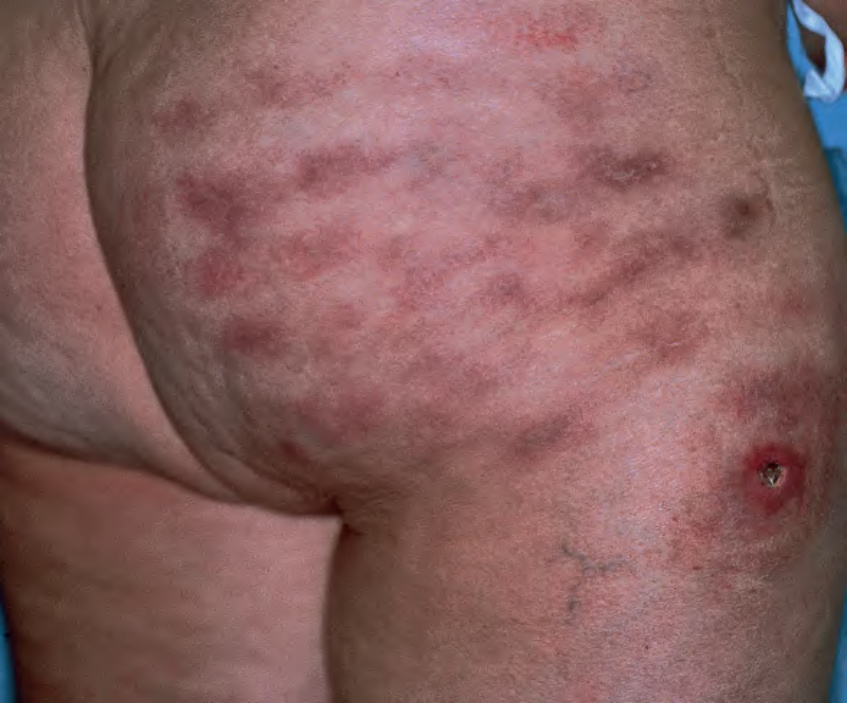
Fig. 128.1 Postinflammatory hyperpigmentation and ulceration at sites of interferon-β-1b injection in a woman with multiple sclerosis.Courtesy Jean L. Bolognia, MD.
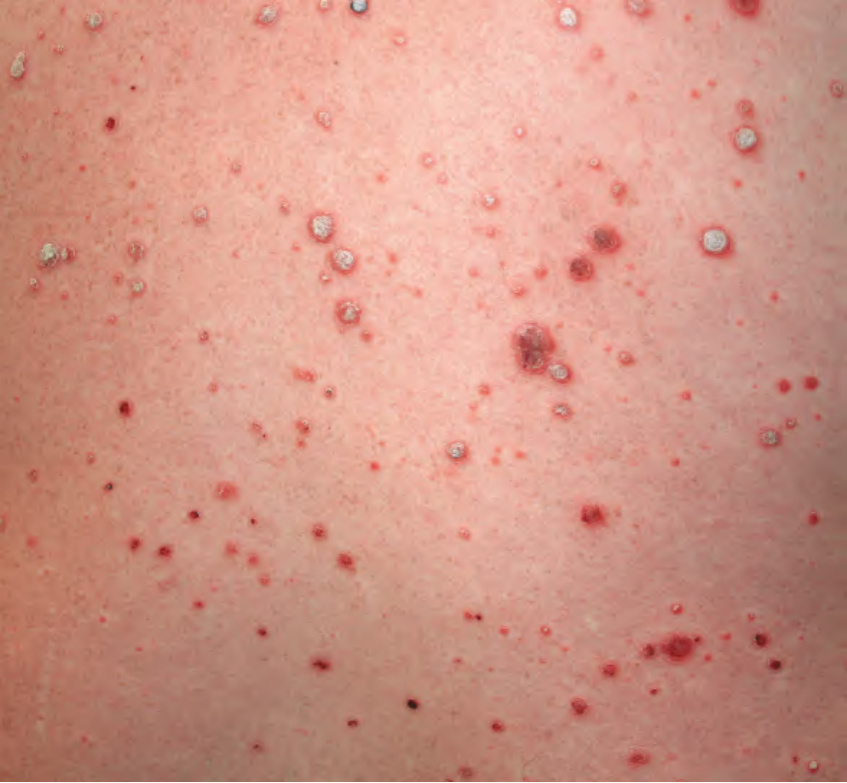
Fig. 128.2 Interferon-induced flare of psoriasis.
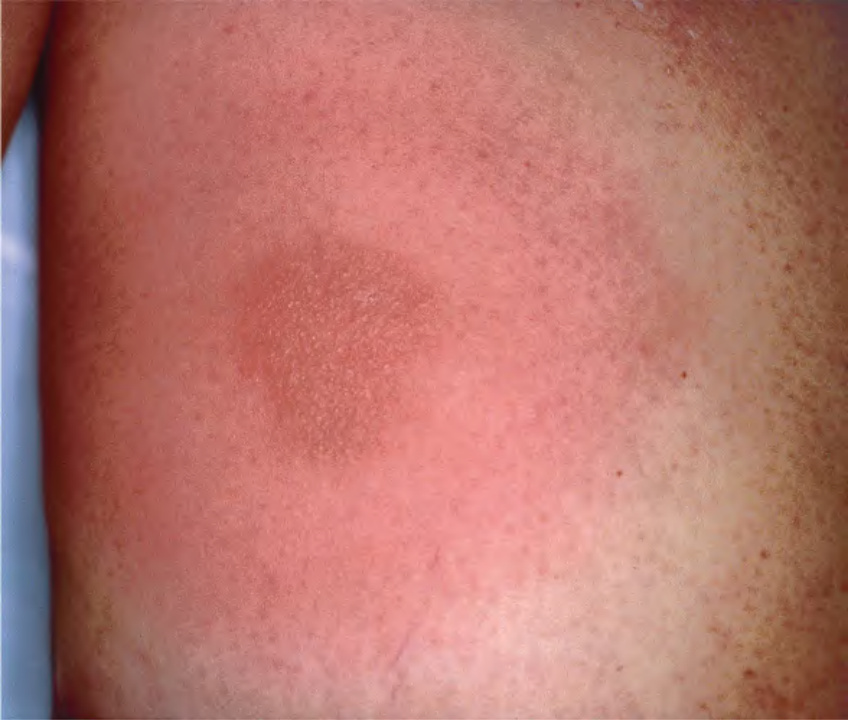
Fig. 128.3 Erythematous edematous plaque at the site of GM-CSF injection.
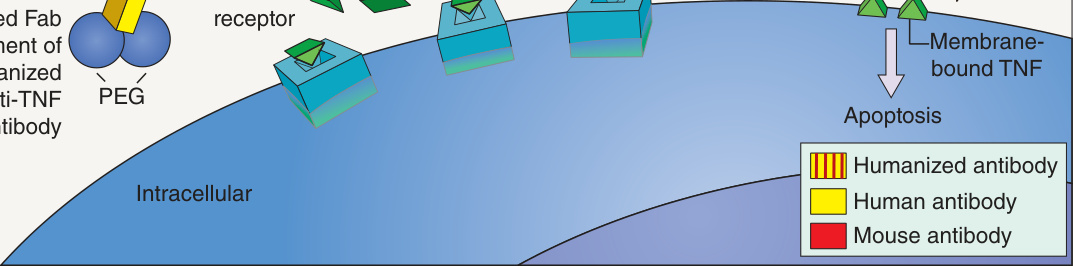
Fig. 128.4 Mechanism of action of the tumor necrosis factor (TNF) inhibitors.
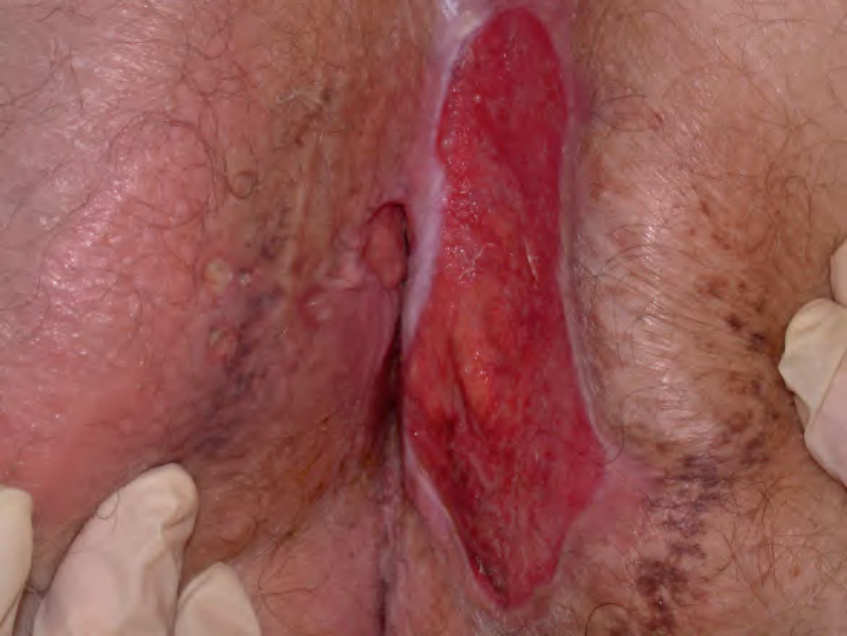
Fig. 128.5 Atypical mycobacterial infection complicating adalimumab therapy. This patient was being treated for Crohn disease.
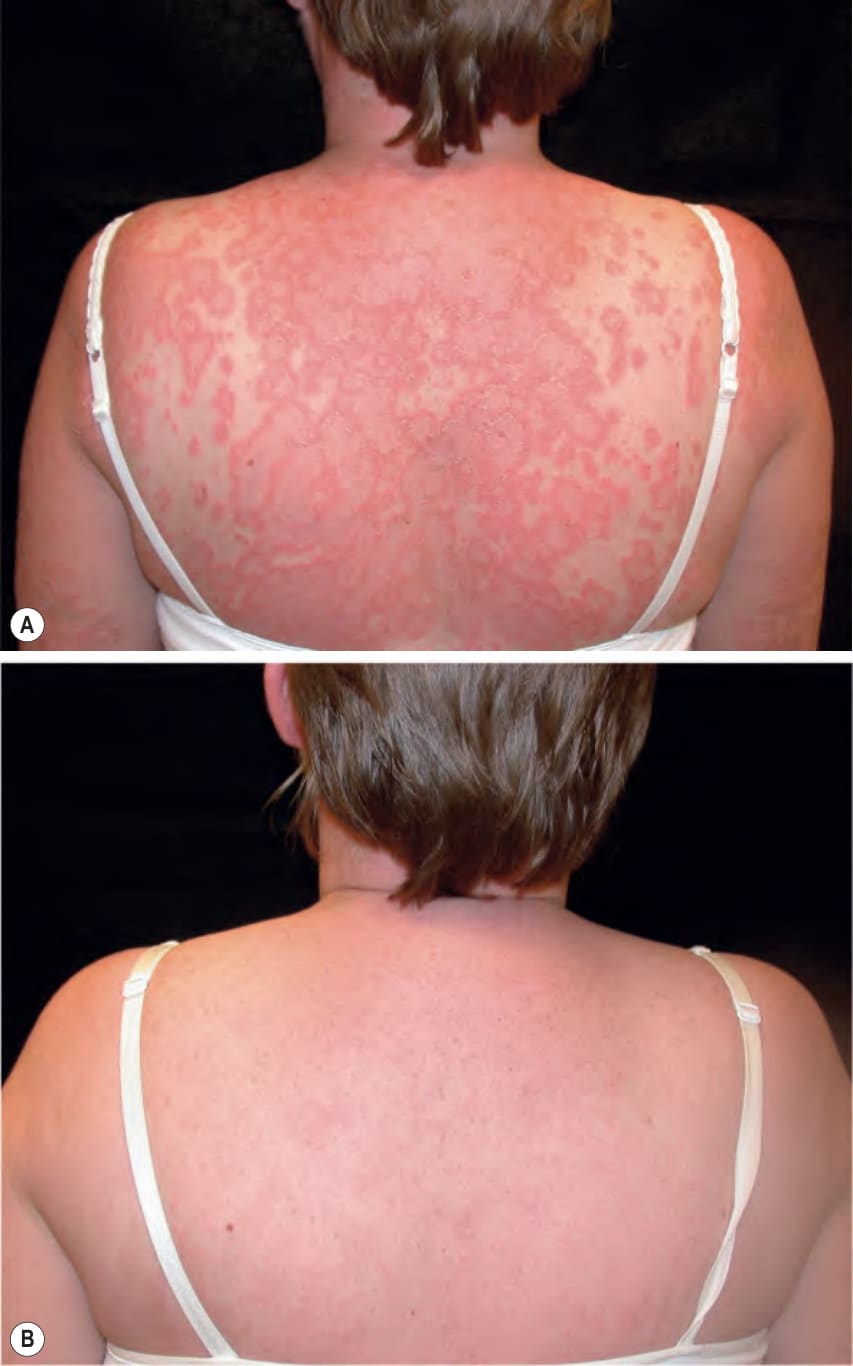
Fig. 128.6 Excellent clinical response to etanercept. Subacute cutaneous lupus erythematosus, before (A) and after (B) administration of etanercept.
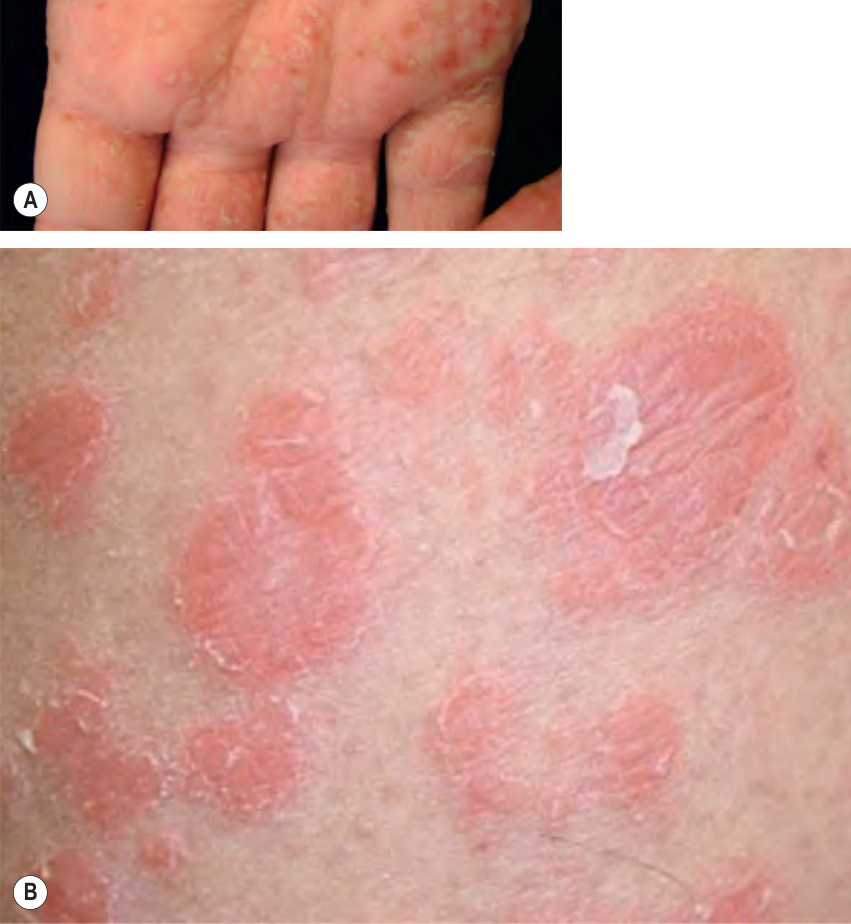
Fig. 128.7 Psoriasiform reactions to tumor necrosis factor inhib- itors.A Palmoplantar pustulosis that developed as a complication of infliximab. B Eruption of plaque psoriasis in a patient receiving infliximab therapy. The patient had received infliximab for GVHD of the gastrointestinal tract.

Fig. 128.8 Etanercept injection site reaction. Similar reactions occur with nearly all subcutaneously injected biologic therapies.
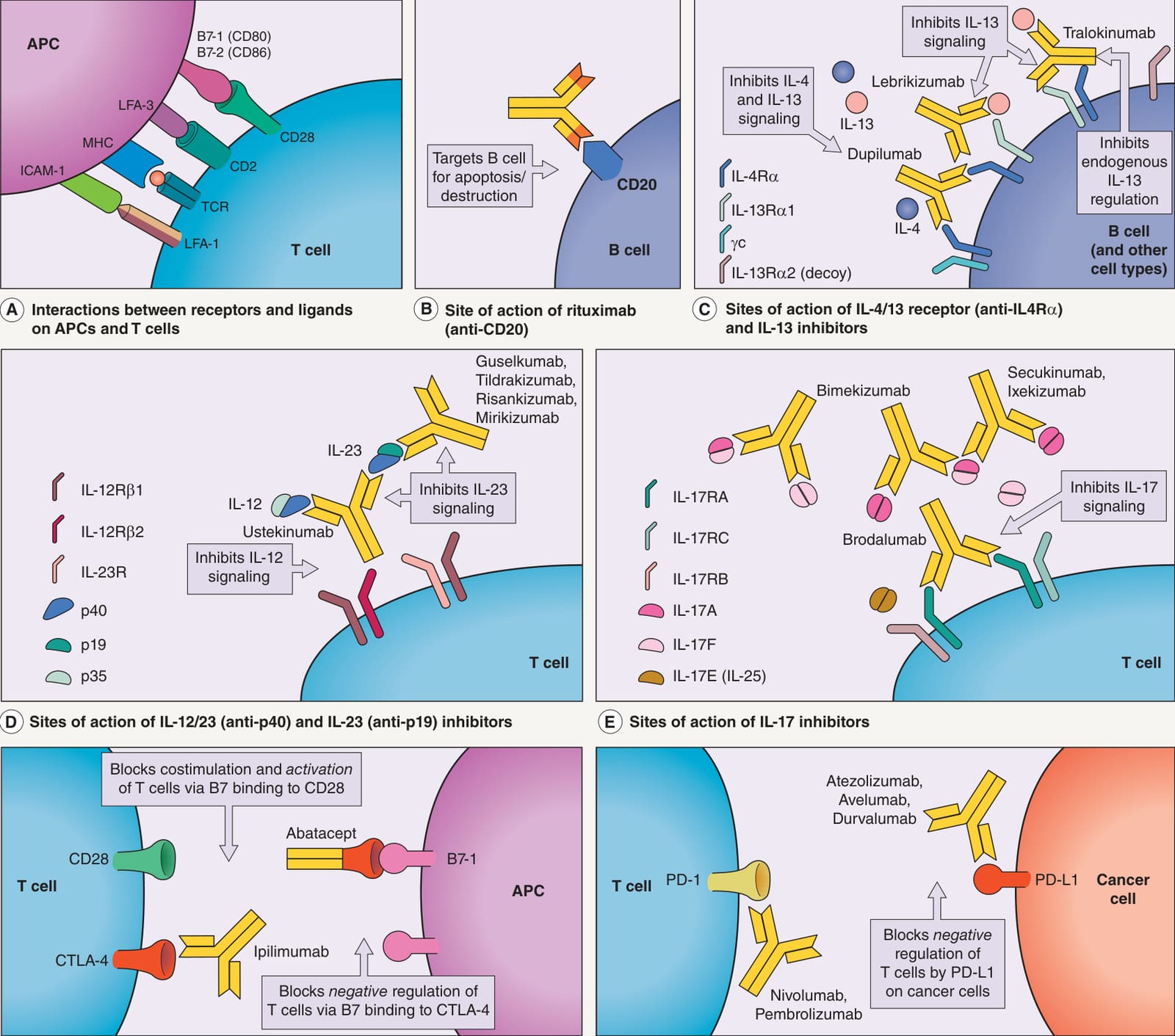
Fig. 128.9 Sites of action of targeted immune modulators.A Activation of T cells requires two signals. The first occurs when the major histocompatibility complex antigen interacts with the T cell receptor (TCR). A second costimulatory signal is required for T cell activation to occur. B Site of action of rituximab. C Sites of action of IL-4/13 receptor (anti-IL4Rα) and IL-13 inhibitors. D Sites of action of IL-12/23 (anti-p40) and IL-23 (anti-p19) inhibitors. E Sites of action of IL-17 inhibitors. F Sites of action of abatacept and ipilimumab. G Sites of action of programmed cell death protein 1 (PD-1) and PD-ligand 1 (PD-L1) inhibitors. APC, antigen-presenting cell; CTLA-4, cytotoxic T lymphocyte antigen 4; ICAM, intercellular adhesion molecule; IL, interleukin; LFA, lymphocyte function antigen; MHC, major histocompatibility complex; R, receptor.
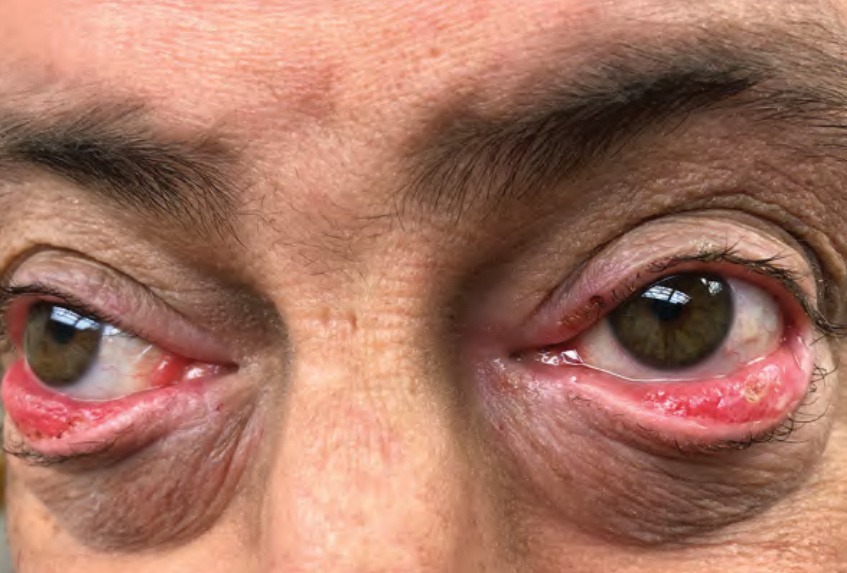
Fig. 128.10 Conjunctivitis and ectropion requiring surgical repair associated with dupilumab therapy for atopic dermatitis. The patient’s facial and eyelid dermatitis flared on dupilumab. Of note, the conjunctivitis and ectropion recurred after rechallenge with dupilumab. Courtesy Jonathan S. Leventhal, MD.
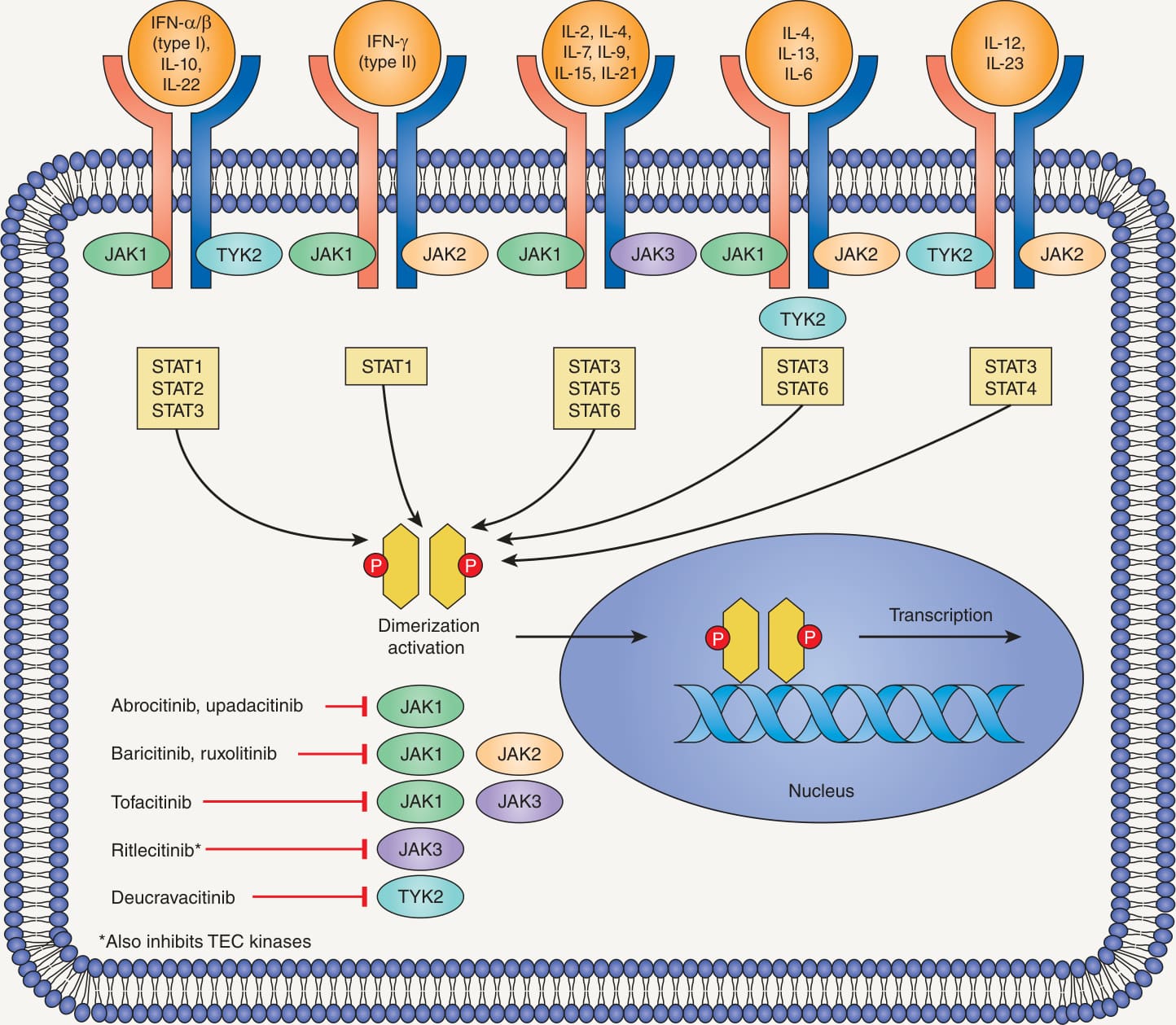
Fig. 128.11 Mechanism of action of Janus kinase (JAK) inhibitors.

Fig. 128.12 Eczema herpe- ticum. Vesicular facial eruption in patient on oral ruxolitinib for chronic graft-versus-host disease. Note the central delling. Courtesy Edward Cowen, MD.
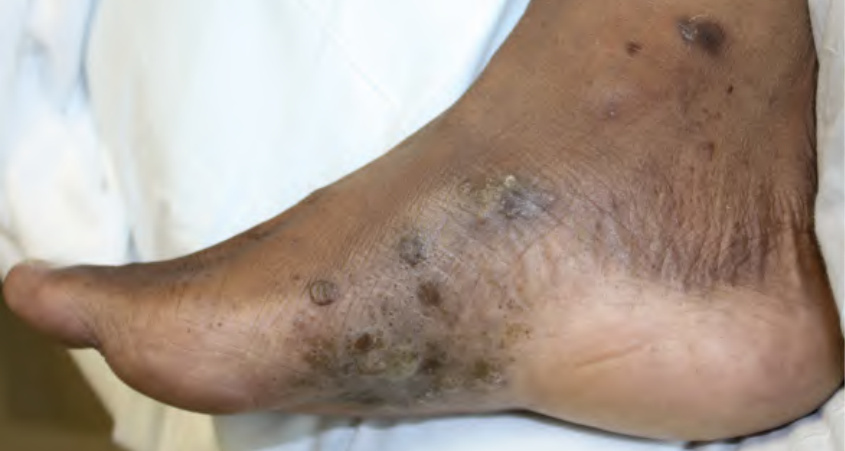
Fig. 128.13 New-onset dyshidrotic eczema in an adult receiving monthly IVIg.
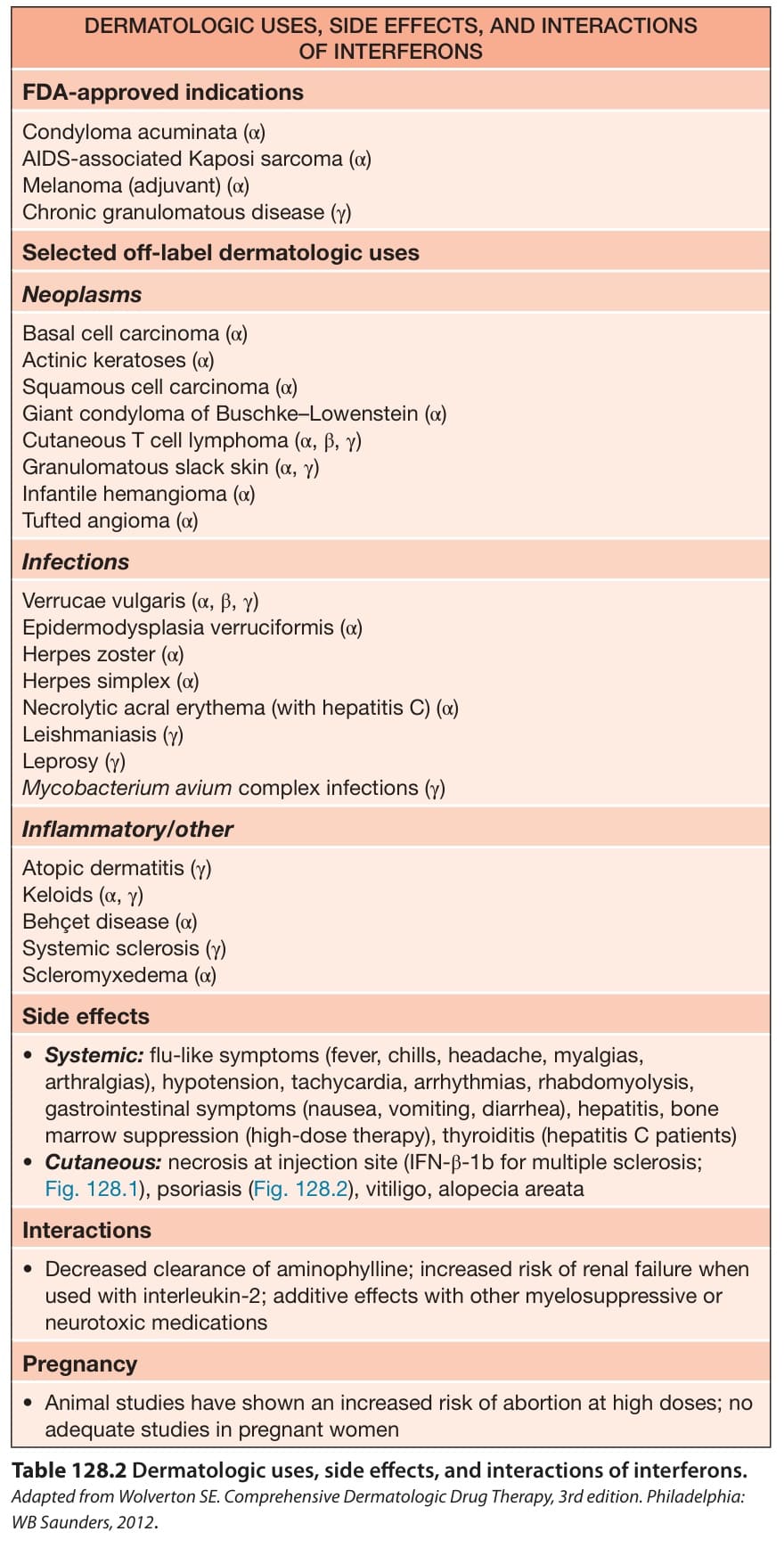
Table 128.2 Dermatologic uses, side effects, and interactions of interferons.

Table 128.3 Granulocyte–macrophage and granulocyte colony stimulating factors (GM-CSF & G-CSF). LDH, lactate dehydrogenase; WHIM, warts, hypogammaglobulinemia, infections, and myelokathexis.
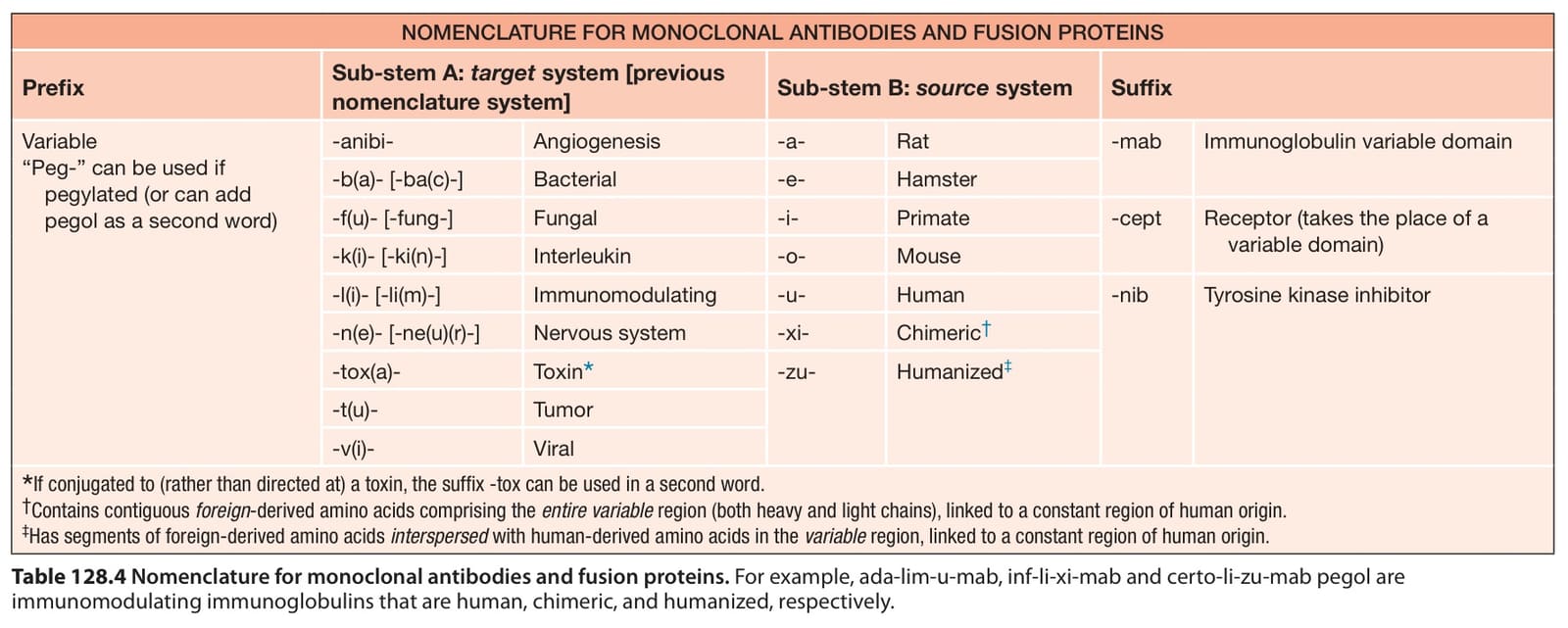
Table 128.4 Nomenclature for monoclonal antibodies and fusion proteins. For example, ada-lim-u-mab, inf-li-xi-mab and certo-li-zu-mab pegol are immunomodulating immunoglobulins that are human, chimeric, and humanized, respectively.
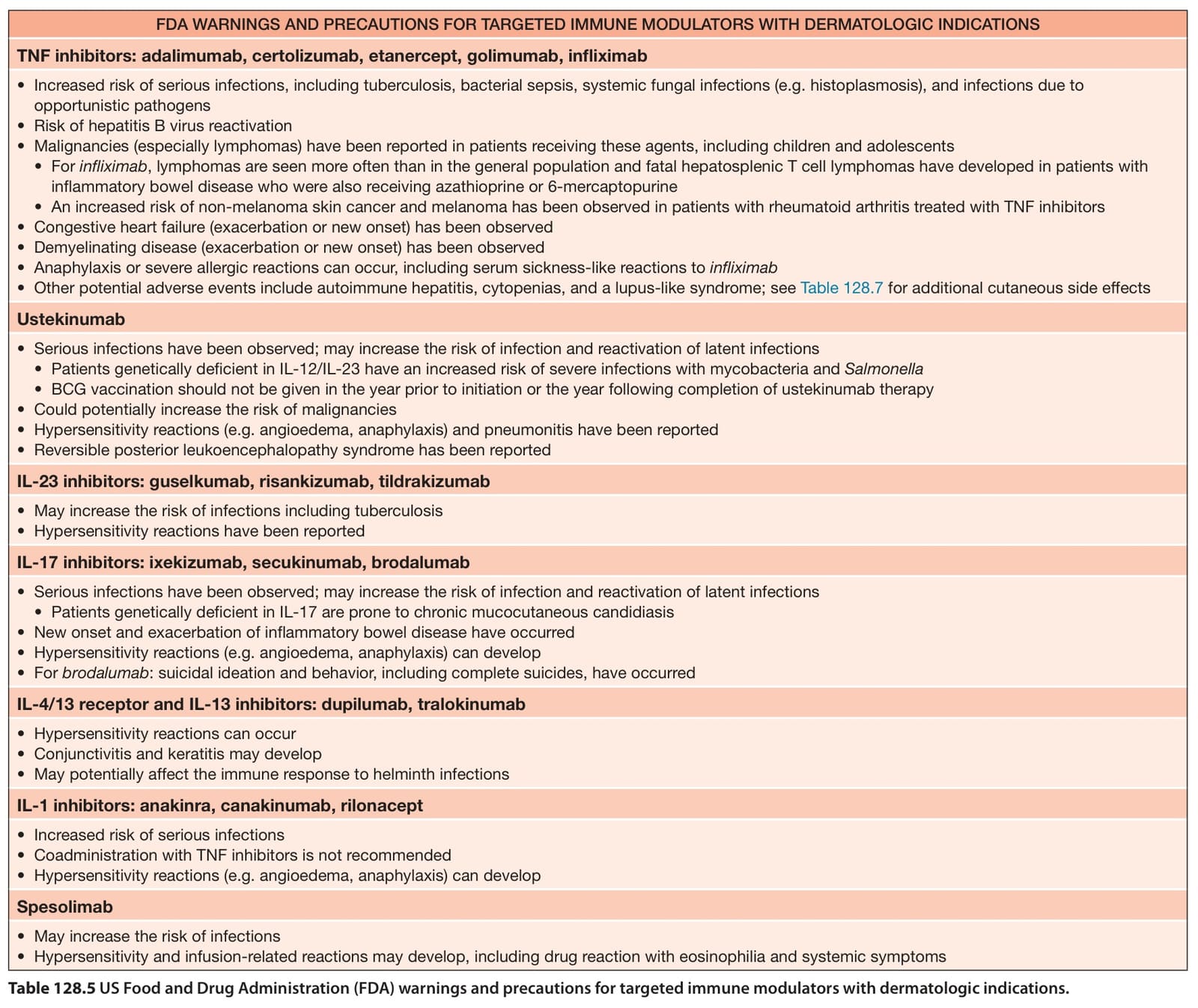
Table 128.5 US Food and Drug Administration (FDA) warnings and precautions for targeted immune modulators with dermatologic indications.
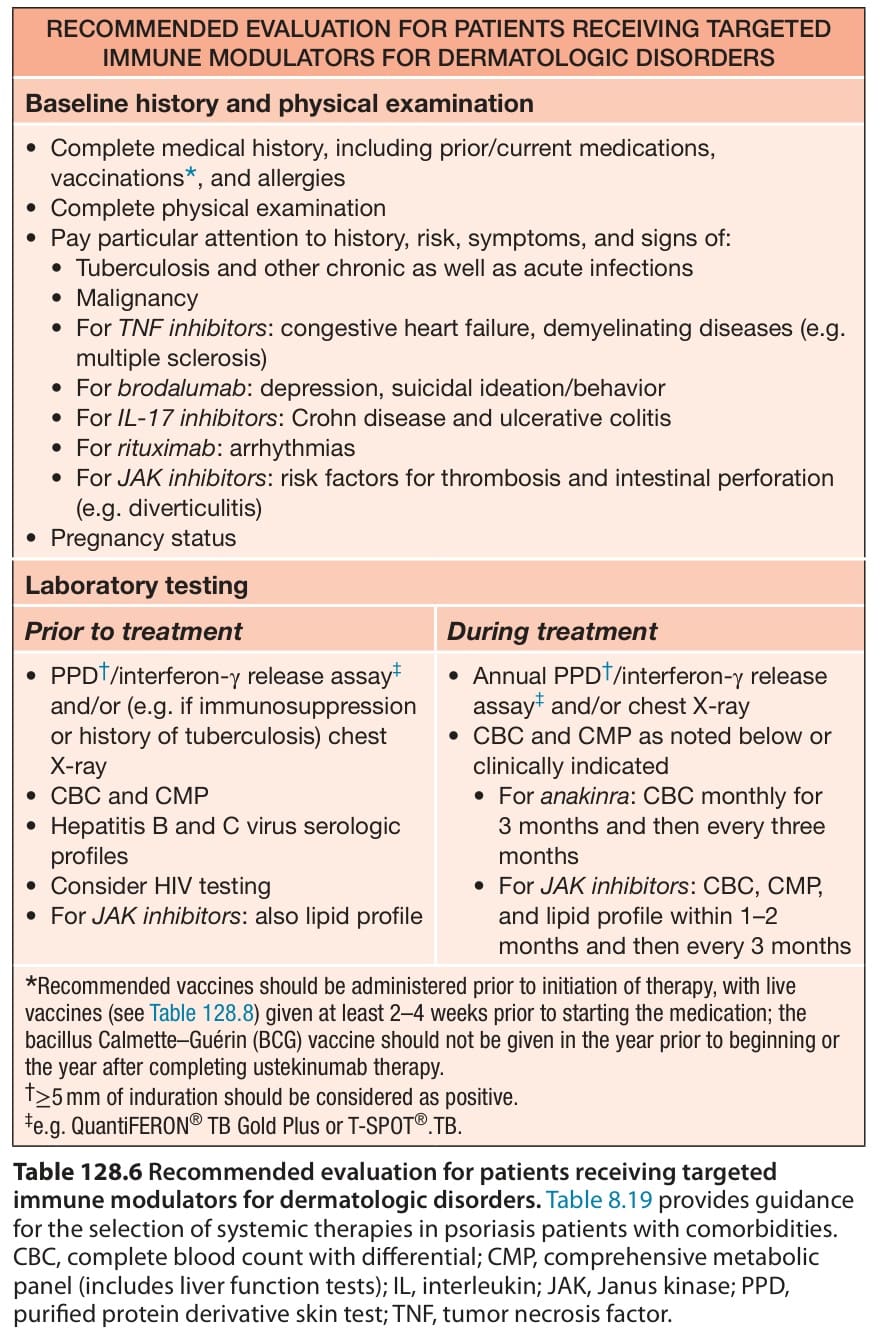
Table 128.6 Recommended evaluation for patients receiving targeted immune modulators for dermatologic disorders.Table 8.19 provides guidance for the selection of systemic therapies in psoriasis patients with comorbidities. CBC, complete blood count with differential; CMP, comprehensive metabolic panel (includes liver function tests); IL, interleukin; JAK, Janus kinase; PPD, purified protein derivative skin test; TNF, tumor necrosis factor.
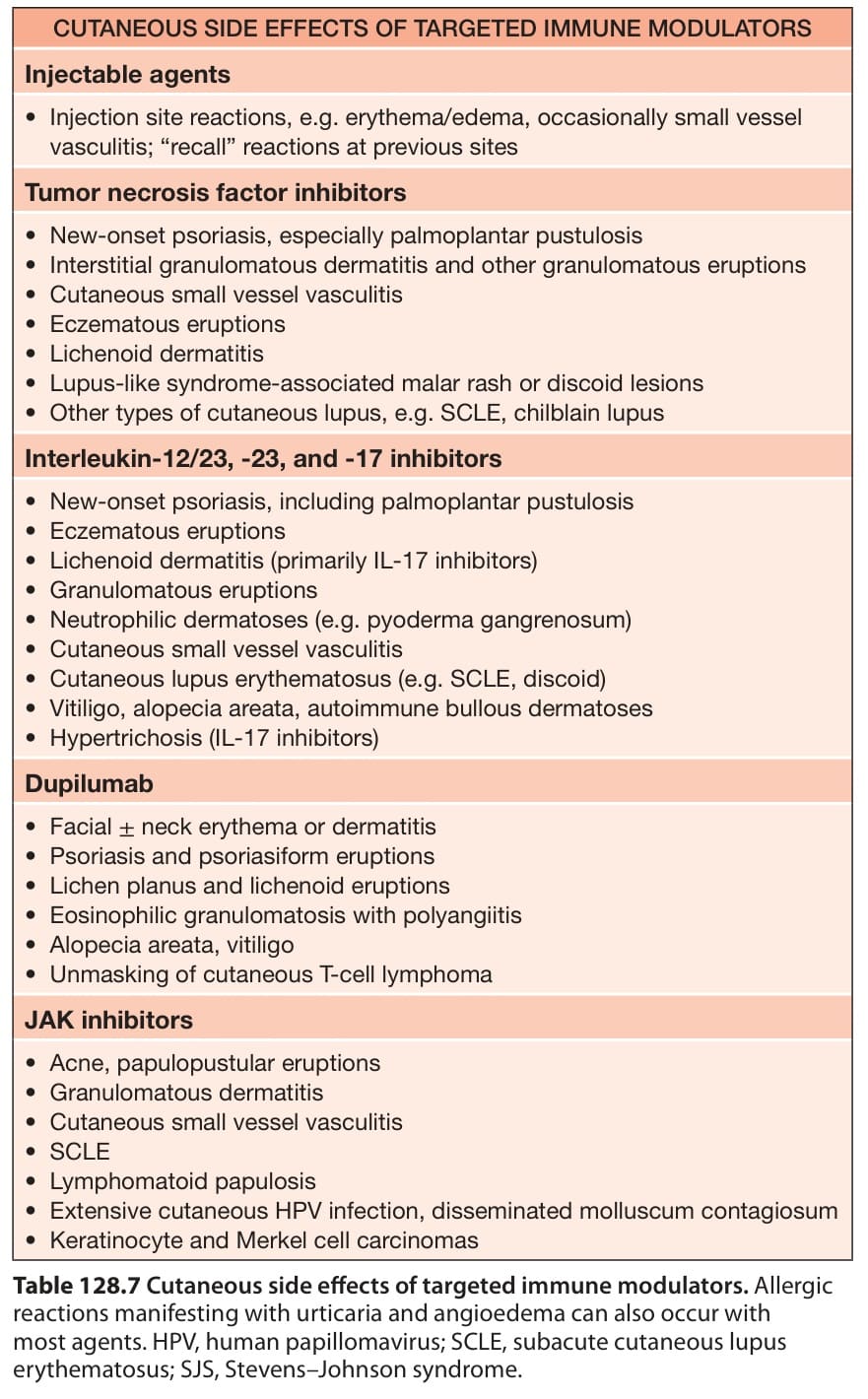
Table 128.7 Cutaneous side effects of targeted immune modulators. Allergic reactions manifesting with urticaria and angioedema can also occur with most agents. HPV, human papillomavirus; SCLE, subacute cutaneous lupus erythematosus; SJS, Stevens–Johnson syndrome.
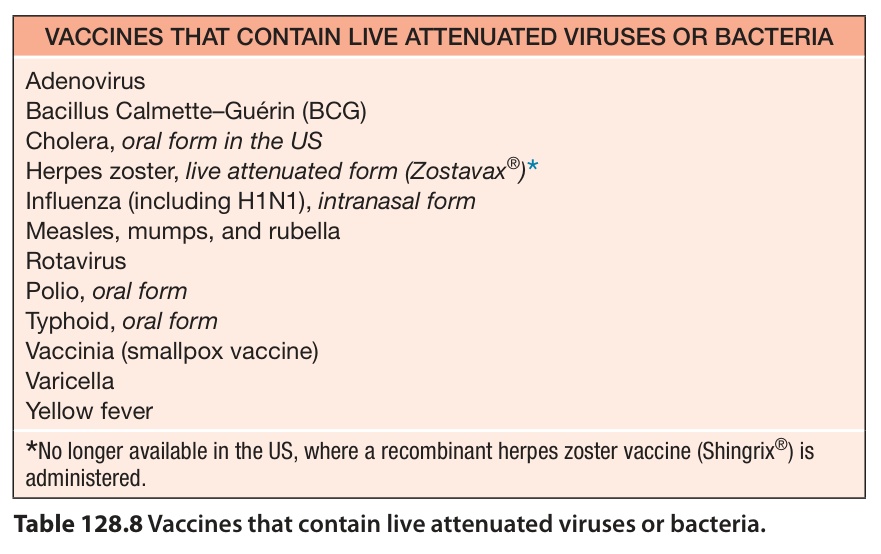
Table 128.8 Vaccines that contain live attenuated viruses or bacteria.
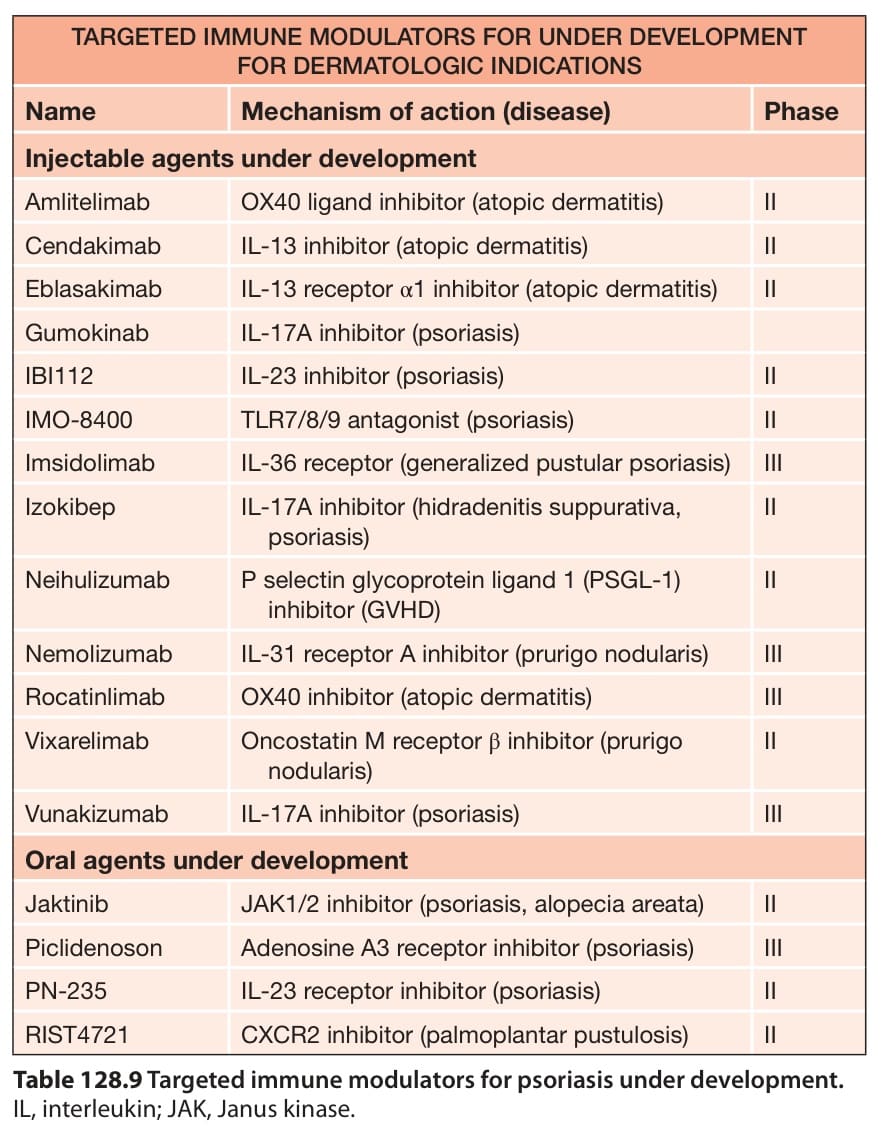
Table 128.9 Targeted immune modulators for psoriasis under development.
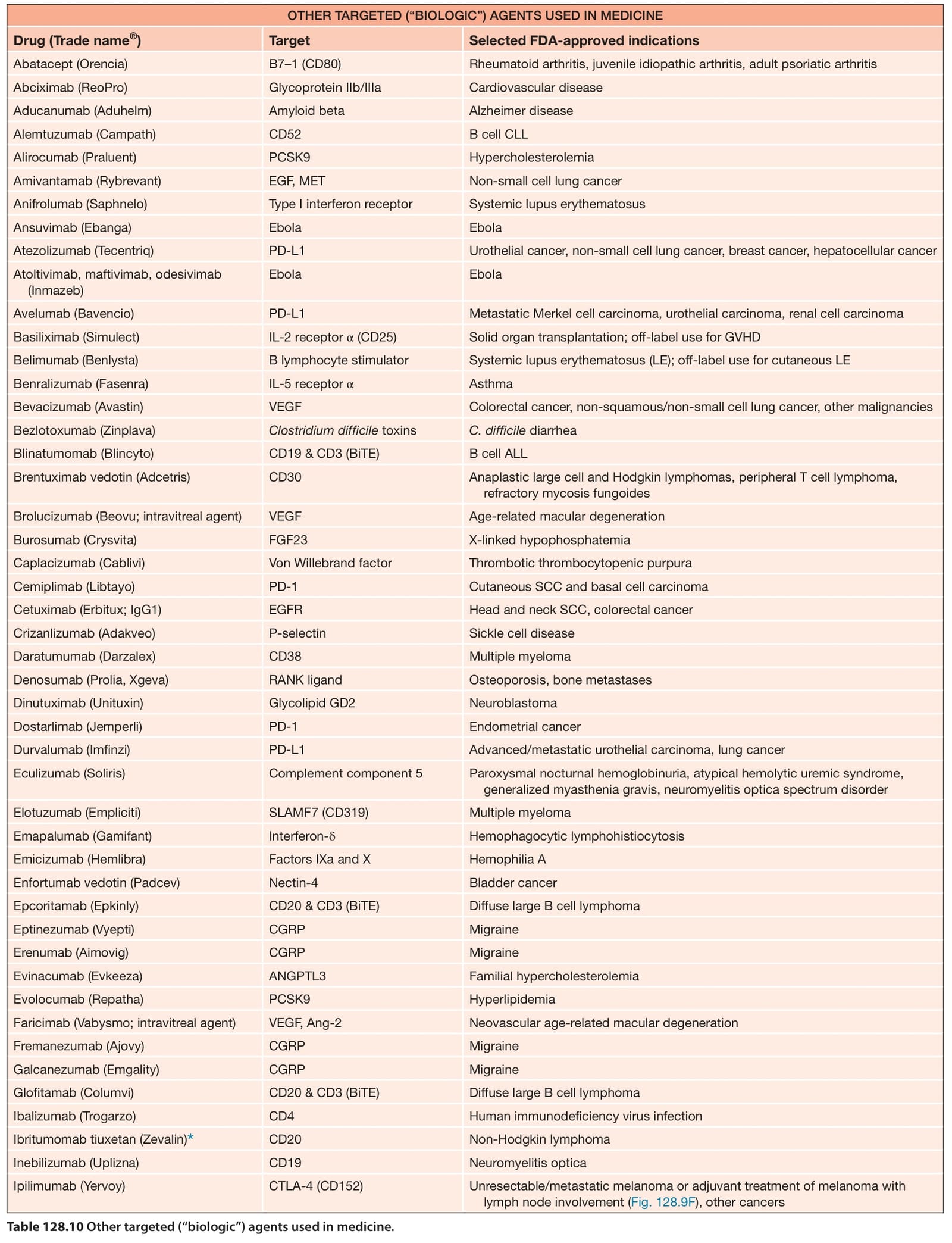
Table 128.10 Other targeted (“biologic”) agents used in medicine.
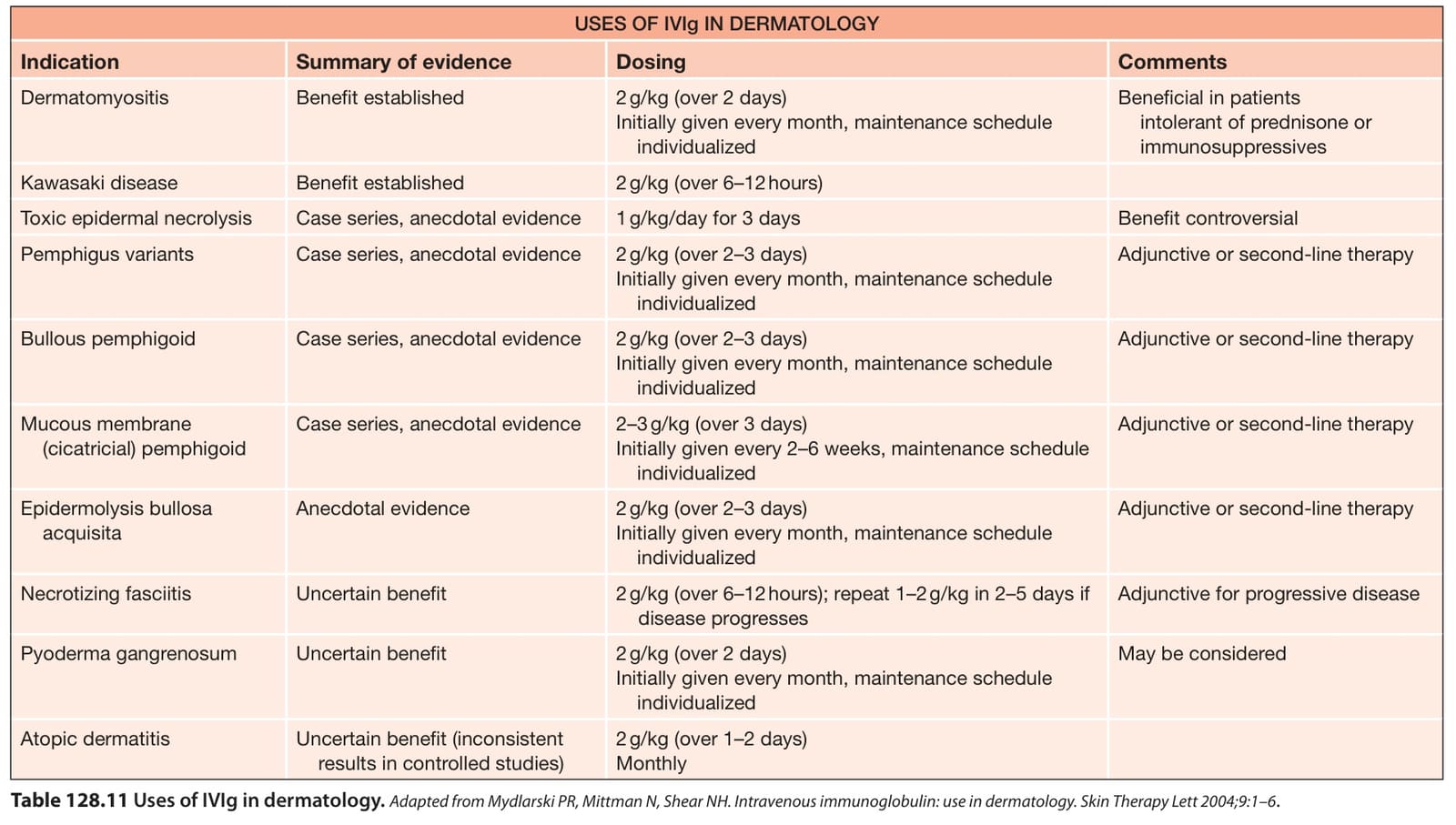
Table 128.11 Uses of IVIg in dermatology.Adapted from Mydlarski PR, Mittman N, Shear NH. Intravenous immunoglobulin: use in dermatology. Skin Therapy Lett 2004;9:1–6
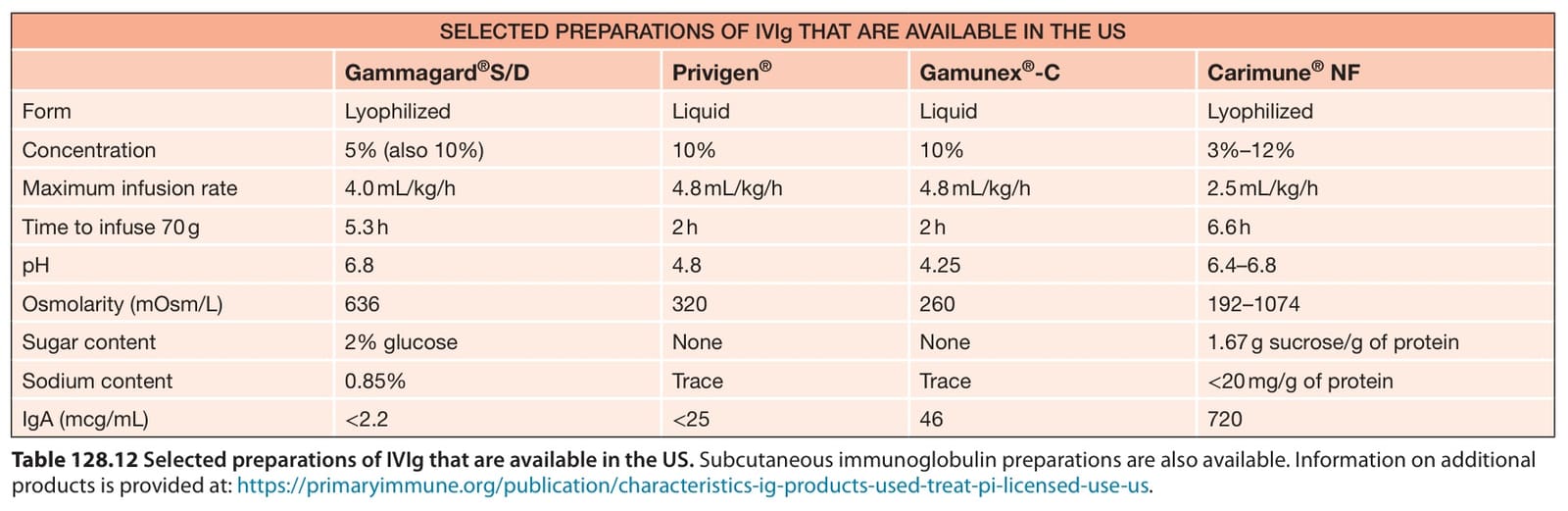
Table 128.12 Selected preparations of IVIg that are available in the US. Subcutaneous immunoglobulin preparations are also available. Information on additional products is provided at: https://primaryimmune. org/publication/characteristics-ig-products-used-treat-pi-licensed-use-us
the risk of thromboembolic events, aseptic meningitis, and renal or cardiovascular events.
Individuals receiving IVIg may have a suboptimal response to vaccination with live viruses.
There does not appear to be an excessive risk in pregnancy or lactation associated with the use of IVIg.
Additional tables on Mechanisms of action for interferons, Interpretation of hepatitis B and C serologic test results, and Examples of biosimilars of monoclonal antibodies used in dermatology, available in our eBook (see inside front cover for access code).