CHEMOTHERAPEUTIC AGENTS
5-Fluorouracil
Mechanism of action
5-Fluorouracil (5-FU) is a pyrimidine analogue that interferes with DNA synthesis by irreversibly inhibiting thymidylate synthetase, which prevents cellular proliferation and results in cell death, preferentially affecting rapidly dividing cells. It is also incorporated into DNA and RNA, leading to DNA breakage and decreased protein synthesis, and it disrupts the exosome complex that degrades RNA.
Indications and dosages
Topical 5-FU is used primarily to treat AKs, especially when there are numerous lesions, and sites of severe actinic damage without clinically evident AK lesions. In a randomized controlled trial, a ≥75% reduction in the number of AKs in a 25–100 cm2 area on the head 12 months after completing therapy was achieved by a higher proportion of patients treated with 5-FU 5% cream (75%) than those who received imiquimod 5% cream (54%), methyl aminolevulinate photodynamic therapy (38%), or ingenol mebutate 0.015% gel (29%). 5-FU is less effective for hypertrophic AKs, owing to decreased percutaneous absorption through the thickened stratum corneum. Additional dermatologic applications of topical 5-FU include treatment of actinic cheilitis, SCC in situ (Bowen disease), superficial BCC, cutaneous and genital warts, porokeratoses, nail psoriasis, and extramammary Paget disease; in addition, intralesional 5-FU may be of benefit for keloids. Topical 5-FU can also improve the appearance of photoaged skin via epidermal injury and subsequent dermal remodeling, similar to that seen following laser therapy.
5-FU is available as a cream (0.5%, 1%, and 5%) and solution (2% and 5%). Regimens vary depending on the concentration and vehicle as well as the indication and anatomic location. For example, duration of treatment is usually longer on the extremities than on the face. 5-FU is typically applied once or twice daily for 2 to 6 weeks. Pretreatment with a topical retinoid for 2 weeks can increase efficacy on the extremities and trunk. Application of topical calcipotriene (calcipotriol) 0.005% ointment together with 5-FU 5% cream (e.g. both twice daily for 4 days) induces thymic stromal lymphopoietin (TSLP) production and optimizes CD4+ T cell-mediated immunity, resulting in a synergistic effect against AKs. An office-based technique utilized for severely photodamaged extremities is weekly application of 5-FU (~10–20 g/extremity) that is then occluded by a zinc oxide-impregnated wrap.
Side effects
During treatment of AKs and photodamage, the skin progresses through stages of erythema (sometimes painful and associated with edema), crusted erosions, and re-epithelialization. The principal side effects are related to this localized inflammatory response (Fig. 129.9), which is occasionally followed by residual pigmentary changes. A mid-potency topical corticosteroid can be applied for symptomatic relief once peak inflammation has been attained. Systemic adverse events are rare, and systemic levels of 5-FU after topical application are very low.
Contraindications and use in pregnancy
Use of 5-FU is contraindicated in patients with a history of hypersensitivity to this agent and those with dihydropyrimidine dehydrogenase deficiency. 5-FU is potentially teratogenic (formerly pregnancy category X), and its use during pregnancy and lactation is contraindicated.
Mechlorethamine Hydrochloride
Introduction, dosages, and indications
Mechlorethamine hydrochloride (HCl), a form of nitrogen mustard, was introduced in 1959 and is used to treat limited or generalized patch/plaque-stage mycosis fungoides (MF). Concentrations ranging from 10 to 40 mg/dl (0.01%–0.04% w/w) can be compounded in an ointment or (less often) aqueous solution. Mechlorethamine 0.016% w/w gel is FDA-approved for stage 1 A/1B MF. Topical mechlorethamine is typically applied daily to affected areas until clearance is achieved, which typically takes 10–12 months with an ointment, 1–4 months with a solution, and 6–12 months with the gel. Less often the entire body is treated, excluding the genitalia and applying sparingly to the skin folds.
Older studies suggested that treatment with mechlorethamine ointment or solution could result in a complete response (CR) rate of ~35%–75% in patients with patch/plaque-stage MF. However, in a more recent 12-month randomized trial, the CR rate was 14% for 0.02% gel and 12% for an Aquaphor®-based 0.02% ointment; response rates rose to 59% and 48%, respectively, when partial responses were included.
Mechanism of action
Mechlorethamine is an alkylating agent (i.e. donates alkyl groups to DNA), with cytotoxicity that preferentially affects rapidly dividing cells. Immunostimulatory effects have also been postulated to have a role in treatment of patients with MF.
Side effects
Irritant and/or allergic contact dermatitis occurs in at least half of patients and may result in interruption of treatment. However, irritant reactions may improve with continued use, and patients can be desensitized if necessary. Other potential side effects include pruritus, xerosis, bacterial skin infections, vesiculation, ulceration, hyperpigmentation, urticaria, anaphylaxis, and (with prolonged use) development of SCC.
Use in pregnancy
Mechlorethamine can cause adverse fetal effects, and its use during pregnancy or lactation is contraindicated.
Carmustine
Introduction, dosages, and indications
Topical nitrosoureas have been utilized in the treatment of MF since 1972, but their use is declining. Carmustine (1,3-bis [2-chloroethyl]- 1-nitrosourea; BCNU) currently represents a second- or third-line
A Inflammation with erythema and crusting at sites of actinic keratoses on the forehead. B More severe inflammatory response with diffuse erythema and crusting in a patient treated for actinic keratoses. C Inflammation of actinic keratoses and areas of photodamage. D Large red–purple patches at sites of application on the upper chest in a patient with severe photodamage. D, Courtesy Jean L. Bolognia, MD.
therapeutic option for MF, due to the potential for hematologic complications secondary to systemic absorption. It is available as an aqueous solution and ointment. Carmustine is applied once or twice daily until clearance of the treated areas occurs, which typically requires 1–4 months with the aqueous solution and 6–12 months with the ointment. A complete response is achieved in 85% of patients with limited patch/ plaque-type disease (T1) and ~50% of those with generalized patch/ plaque-type disease (T2).
Mechanism of action
Carmustine is a nitrosourea alkylating agent that produces alkylation and subsequent cross-linking of DNA, thereby disrupting DNA synthesis and resulting in cytotoxicity that preferentially affects dividing cells.
Side effects
Erythema, tenderness, bullae, and persistent telangiectasias can develop at application sites. Allergic contact dermatitis occurs less frequently than with mechlorethamine. However, higher levels of systemic absorption (5%–30% of the administered dose) can lead to side effects such as mild to moderate myelosuppression.
Use in pregnancy
Carmustine can cause adverse fetal effects, and its use during pregnancy or lactation is contraindicated.
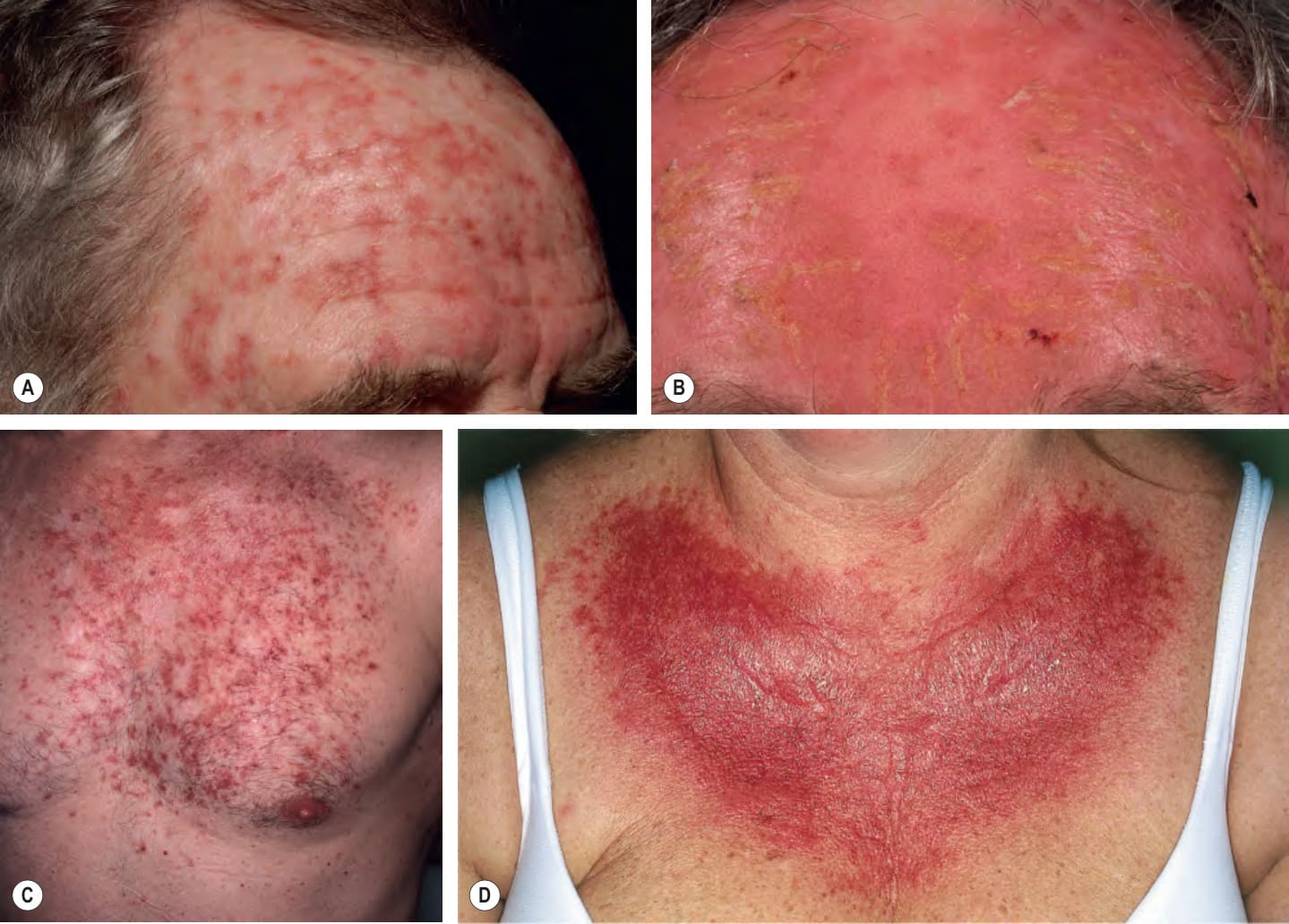
Fig. 129.9 Reactions to topical 5-fluorouracil.