MISCELLANEOUS AGENTS
Topical Sirolimus (Rapamycin)
Introduction, dosages, and indications
Sirolimus (rapamycin) is a mammalian (mechanistic) target of rapamycin (mTOR) inhibitor with antiproliferative and immunomodulatory effects. Uses of systemic sirolimus include rejection prophylaxis and probable reduction of cutaneous SCC risk in solid organ transplant recipients; prophylaxis and treatment of GVHD; and treatment of lymphangio leiomyomatosis and other tumors associated with tuberous sclerosis complex (TSC; see Ch. 61), Kaposi sarcoma, kaposiform hemangioendothelioma, and lymphatic malformations. Topical sirolimus has been utilized to treat angiofibromas, other TSC-related skin lesions, superficial lymphatic malformations, port-wine birthmarks (together
with pulsed dye laser therapy), psoriasis, epidermal and sebaceous nevi, acanthosis nigricans, and confluent and reticulated papillomatosis (CARP). Sirolimus 0.2% gel is FDA-approved for the treatment of facial angiofibromas in patients ≥6 years of age with TSC. Application of sirolimus 0.1%–1% ointment, gel, cream, or solution (e.g. Rapamune® 1 mg/ml [0.1%]) once or twice daily to the facial angiofibromas of TSC usually leads to flattening and reduced erythema within 3 months, with better results in children than adults.
Mechanism of action
Sirolimus binds to the FK506 binding protein FKBP12, forming a complex that inhibits mTOR (see Fig. 61.12). This leads to reduced proliferation and protein synthesis of T lymphocytes and other immune cells as well as decreased vascular endothelial growth factor (VEGF) production.
Side effects
Local skin irritation is more common with a gel or solution formulation than with an ointment. Little to no systemic absorption has been observed with topical therapy.
Use in pregnancy
Animal reproduction studies with oral sirolimus have demonstrated adverse fetal effects. There are no adequate studies in pregnant women.
Diclofenac Sodium
Diclofenac sodium 3% in a gel vehicle containing hyaluronic acid is FDA-approved for treatment of AKs. This NSAID inhibits cyclooxygenase (COX)-2 and (to a lesser degree) COX-1. Its mechanism of action against AKs is thought to involve induction of apoptosis, alteration of cellular proliferation, and inhibition of angiogenesis. Twice-daily application for 60–90 days results in AK clearance rates of up to 30%–50%, with potential side effects including irritant, allergic, and photoallergic contact dermatitis. Animal reproduction studies have failed to demonstrate fetal risk, and there are no adequate studies in pregnant women.
Ingenol Mebutate
Ingenol mebutate, a diterpene ester from the Euphorbia peplus plant, was FDA-approved as a topical treatment for AKs. However, this medication has been withdrawn from the market in the US and Europe due to its association with an increased risk of keratinocyte carcinoma. Application of ingenol mebutate 0.015% or 0.05% gel to areas with AKs on the face/scalp or trunk/extremities, respectively, once daily for 2–3 consecutive days led to a clearance rate of ~40%. This agent induces cell death in proliferating keratinocytes via disruption of the plasma membrane and mitochondria; it also triggers an inflammatory response that eradicates residual tumor cells. Erythema, scaling, and crusting develop in most patients; less frequently, swelling, vesiculation, ulceration, and dyspigmentation occur. Animal reproduction studies have demonstrated adverse fetal effects, and there are no adequate studies in pregnant women.
Tar
Introduction and indications
Topical tar has served as a skin-directed therapy for >2000 years, since the Greek physician Dioscorides applied “asphalt” to manage several cutaneous diseases. Among the various types of tar (e.g. wood, bituminous [shale], petroleum, coal), coal tar is most often used as a dermatologic treatment. Currently, tar is utilized primarily in the management of psoriasis and several forms of dermatitis (e.g. seborrheic, nummular, atopic, hand), most commonly in conjunction with other therapeutic modalities. The classic Goeckerman regimen employs topical tar in combination with UVB radiation for the treatment of psoriasis.
Dosages
Coal tar in concentrations of 0.5% to 10% is available and can be compounded in a broad range of vehicles, including ointment, lotion, gel, foam, solution, oil, shampoo, and soap. Liquor carbonis detergens is a distillate of crude coal tar that is typically used in concentrations of 3%–10%.
Mechanism of action
Coal tar is thought to suppress DNA synthesis, which may lead to normalization of epidermal differentiation in conditions such as psoriasis. It appears to have anti-inflammatory, antimicrobial, and antipruritic effects. In animal studies, tar has been found to decrease sebum secretion. Coal tar (but not other forms of tar) has a photosensitizing effect in the 330–550 nm range of the UVA and visible light spectra.
Side effects
The unpleasant odor, messiness, and staining potential of topical tar limit its use. Acneiform eruptions, folliculitis, and irritant contact dermatitis (including pustules within plaques of psoriasis) may occur at application sites, and “tar smarts” can develop following exposure to UVA radiation. Ever since Sir Percivall Pott described an increased risk of scrotal cancer in chimney sweepers in 1775, tar has been implicated as a potential carcinogen. However, the evidence that topical tar formulations used in the treatment of skin disease result in an increased risk of skin cancer is inconclusive.
Use in pregnancy
Animal reproduction studies have shown adverse fetal effects, and there are no adequate studies in pregnant women. Use in the first trimester is not recommended.
Anthralin
Introduction, dosages, and indications
Anthralin, the synthetic form of the chrysarobin found in the bark of the South American araroba tree, has been used to treat dermatologic conditions for >80 years. It is available in 0.5% and 1% creams. Although no longer commonly used for psoriasis, short-contact anthralin therapy, with gradual increases in the application time ± concentration, continues to be employed to treat alopecia areata via induction of an irritant effect (Table 129.9).
Mechanism of action
Anthralin induces a brisk inflammatory response at sites of application, which may result from generation of extracellular oxygen free radicals. Inhibition of mitochondrial respiration and cell growth are thought to reduce keratinocyte proliferation and lead to antipsoriatic effects.
Side effects
Use of anthralin is limited by irritation at application sites (depending on the concentration and contact time) and staining of skin, clothing,
Use in pregnancy
There are no adequate studies in animals or pregnant women.
Podophyllin and Podophyllotoxin
Introduction, dosages, and indications
Podophyllin resin is a crude extract from the May apple plant (Podophyllum peltatum or Podophyllum emodi) that has been employed for decades to treat condylomata acuminata. However, the concentration of its most active ingredient is not standardized in the 10%–25% solutions that are applied in the physician’s office weekly and washed off 1 to 4 hours later. In contrast, podophyllotoxin is available in a stable and standardized 0.5% solution and gel as well as a 0.15% cream. These compounds lack the mutagens that are found in podophyllin and can be applied by the patient, usually twice daily for three consecutive days each week for 4–6 weeks. Reported clearance rates for condylomata acuminata range from 30%–60% with podophyllin and from 45%–75% with podophyllotoxin.
Mechanism of action
Podophyllin and podophyllotoxin act by arresting mitosis through reversible binding to tubulin.
Side effects
Common adverse effects associated with both podophyllin and podophyllotoxin include burning, erythema, and skin breakdown at application sites. The extent of irritation may be reduced by application of petrolatum to unaffected surrounding skin. Because of its percutaneous absorption, application of large amounts of podophyllin can result in systemic toxicity (see Table 129.5).
Use in pregnancy
Use of podophyllin during pregnancy is contraindicated due to its teratogenic effects. However, a study of pregnant women treated with podophyllotoxin did not show an increased risk of adverse fetal outcomes.
Cantharidin
Introduction, dosages, and indications
Cantharidin is a vesicant derived from “blister beetles” in the Coleoptera order and Meloidae family. It has been used since the 1950s to treat warts and molluscum contagiosum (MC). Although cantharidin met the safety requirements outlined by the Food, Drug, and Cosmetic Act of 1938, it lost its FDA approval in 1962 when its manufacturers failed to submit required efficacy data. A 0.7% concentration of cantharidin is available in a film-forming solution. VP-102, a drug-delivery device containing cantharidin 0.7% plus gentian violet, was FDA approved for the in-office treatment of MC in 2023. This formulation, was shown in randomized controlled studies to result in complete MC clearance in ~50% of patients treated at 3-week intervals for 12 weeks. Another formulation that is primarily used for warts combines 1% cantharidin with 2% podophyllin and 30% salicylic acid.
A thin film of cantharidin is typically applied to lesions in the office. Occlusion may be used after drying, especially for treatment of warts. The residual film is washed off thoroughly with soap and water or rubbing alcohol by the patient (or a parent) 2 to 6 hours after application, or in 24 hours for VP-102. Blisters typically form over the next 12–24 hours, followed by superficial erosions; healing of treated areas (with temporary residual erythema) occurs over a period of 4–7 days. Benefits of cantharidin use include painless application (particularly advantageous in young children) and a lack of scarring.
Mechanism of action
Cantharidin acts via release of neutral serine proteases that cause desmosomal plaque degeneration, leading to detachment of desmosomes from tonofilaments; resultant acantholysis is intraepidermal and therefore non-scarring.
Side effects
The blisters and erosions that form after cantharidin treatment can be painful or pruritic, and postinflammatory hypopigmentation may take several months to resolve. Use of cantharidin to treat warts occasionally results in a “doughnut wart” due to clearance in the center but not at the periphery of the lesion. Cantharidin poisoning has been described following ingestion, with sequelae including blistering and erosions in the mouth and gastrointestinal tract as well as dysuria, hematuria, and renal failure. Standard in-office application of cantharidin, however, does not generally cause systemic effects.
Sulfur
Introduction
Sulfur, a yellow non-metallic element, has been employed as a treatment for seborrheic dermatitis, rosacea, acne, tinea versicolor, and scabies. Sulfur is typically used in concentrations of 2%–10%, often in combination with a second agent, e.g. 2% sulfur plus 2% salicylic acid in shampoos (for seborrheic dermatitis) or 5% sulfur plus 10% sodium sulfacetamide in a cream, suspension, or gel (for rosacea, acne, and seborrheic dermatitis; see Ch. 127). Application of 5%–10% sulfur ointment to the entire body for 2–3 consecutive nights represents a classic scabies treatment; however, it is inferior to topical permethrin therapy.
Mechanism of action
Sulfur has antibacterial, antifungal, and keratolytic properties.
Side effects
An offensive odor similar to that of rotten eggs limits the use of sulfur in the absence of masking fragrances. Side effects are generally mild and include dryness and pruritus.
Contraindications
Topical sulfur is contraindicated in patients with a sensitivity to sulfur.
Use in pregnancy
Topical sulfur (5%–10%) has been used to treat scabies in young infants and pregnant or lactating women, but safety data are lacking.
Azelaic Acid
Introduction and indications
Azelaic acid, a naturally occurring dicarboxylic acid, is used in the treatment of rosacea, acne, melasma, and postinflammatory hyperpigmentation.
Mechanism of action
Azelaic acid inhibits the production of free radical oxygen by neutrophils. This reduces oxidative tissue injury at sites of inflammation and decreases melanin production. Studies have also demonstrated selective cytotoxic and antiproliferative effects on hyperactive and abnormally proliferating melanocytes, with little effect on normal melanocytes. It may act as a competitive inhibitor of tyrosinase, further explaining its skin-lightening effects. In addition, azelaic acid has antimicrobial activity against Cutibacterium (formerly Propionibacterium) acnes and Staphylococcus epidermidis as well as moderate anticomedogenic properties via modification of epidermal keratinization.
Dosages
Azelaic acid, which is applied twice daily, is available by prescription in a 20% cream and 15% gel as well as in 10%–14% over-the-counter formulations.
Side effects
Azelaic acid may cause mild to moderate irritant contact dermatitis (e.g. dryness, peeling, erythema), which often subsides after 2 to 4 weeks of treatment.
Use in pregnancy
Azelaic acid is considered safe to use during pregnancy.
Topical Immunotherapy
A sample protocol for topical immunotherapy with squaric acid dibutyl ester (SADBE) for cutaneous warts is outlined in Table 129.10, and use of SADBE or diphencyprone for alopecia areata is discussed in Chapter 69.
The Old and the New
Topical agents of historical interest are presented in Table 129.11. Many newer barrier-repair creams and moisturizers have purported benefit in
These agents are FDA-approved as “medical devices” and available by prescription. Over-the-counter barrier-repair moisturizers containing ceramides or “pseudoceramides” and filaggrin breakdown products are also available.
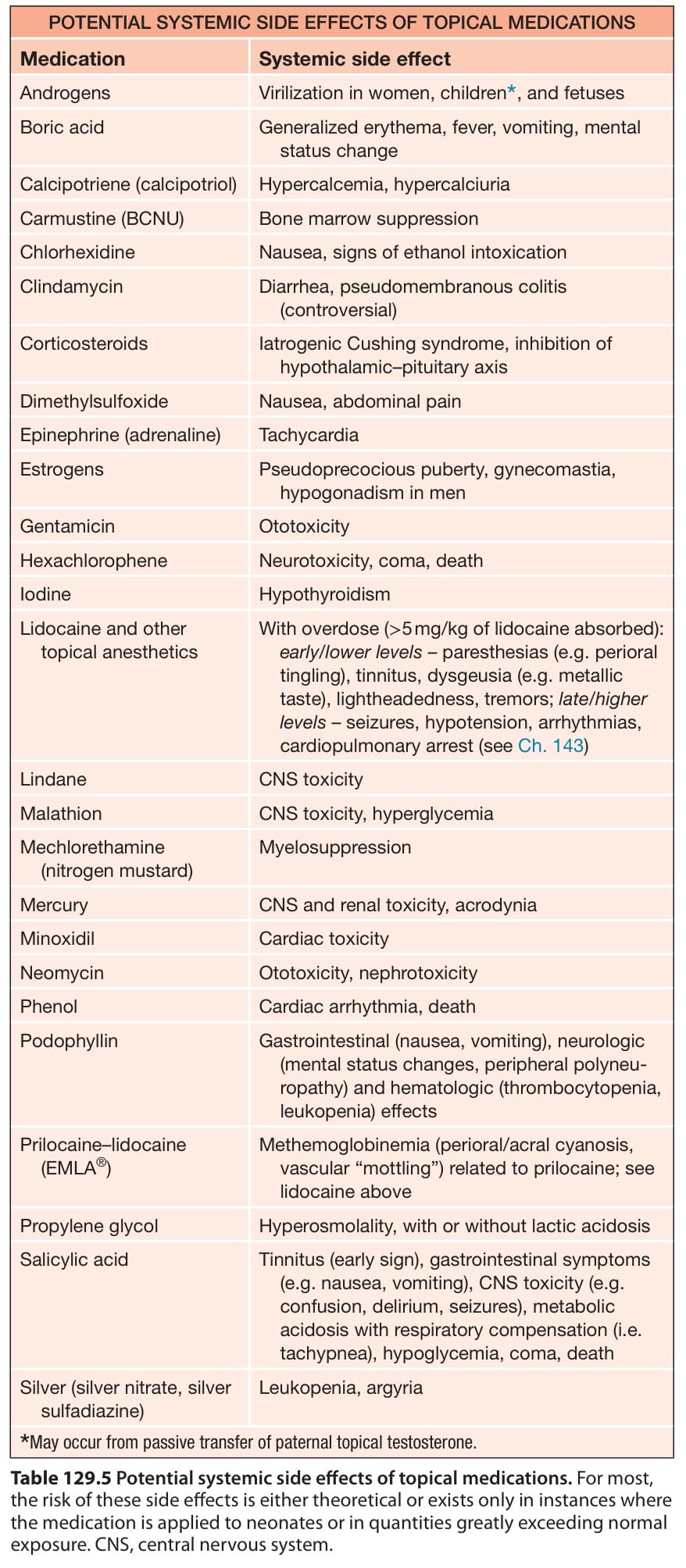
Table 129.5 Potential systemic side effects of topical medications. For most, the risk of these side effects is either theoretical or exists only in instances where the medication is applied to neonates or in quantities greatly exceeding normal exposure. CNS, central nervous system.
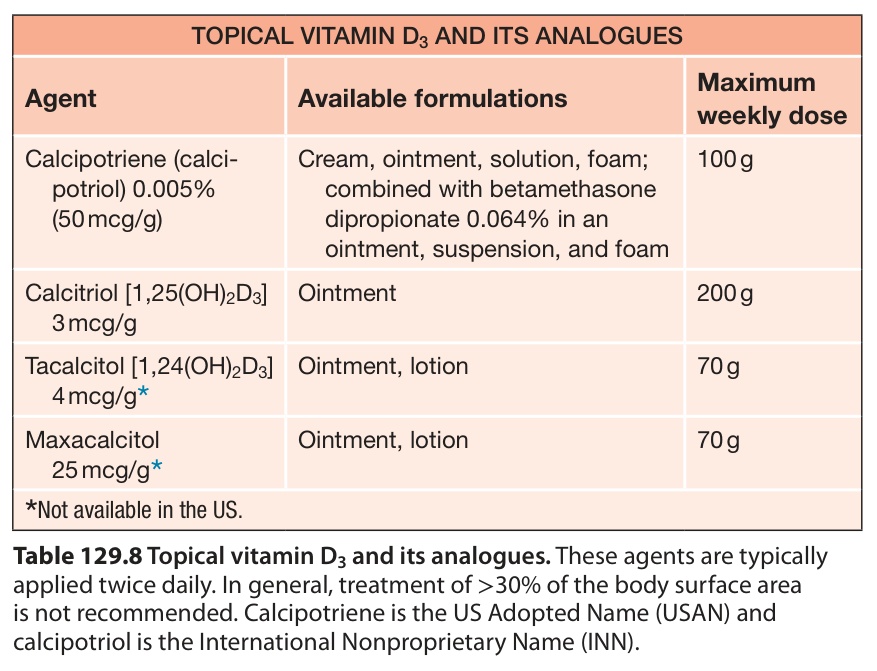
Table 129.8 Topical vitamin D and its analogues. These agents are typically applied twice daily. In general, treatment of >30% of the body surface area is not recommended. Calcipotriene is the US Adopted Name (USAN) and calcipotriol is the International Nonproprietary Name (INN).
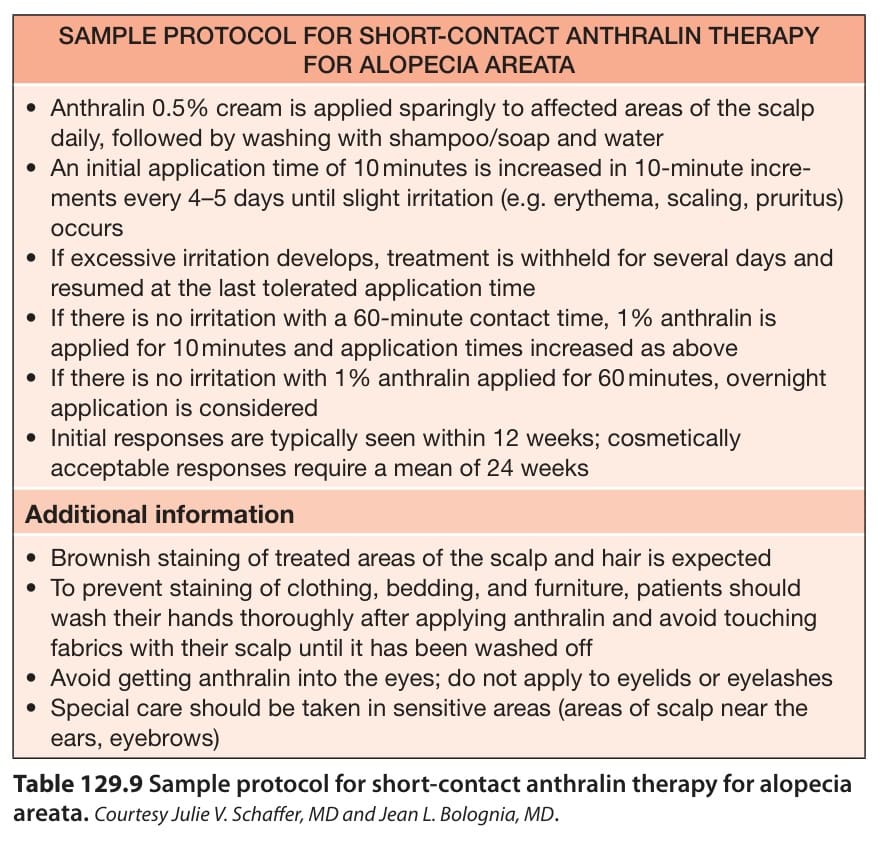
Table 129.9 Sample protocol for short-contact anthralin therapy for alopecia areata.Courtesy Julie V. Schaffer, MD and Jean L. Bolognia, MD and household items (e.g. bed sheets, furniture). Staining and irritation can be ameliorated by application of triethanolamine 10% cream to treatment sites after removal of the anthralin-containing product.
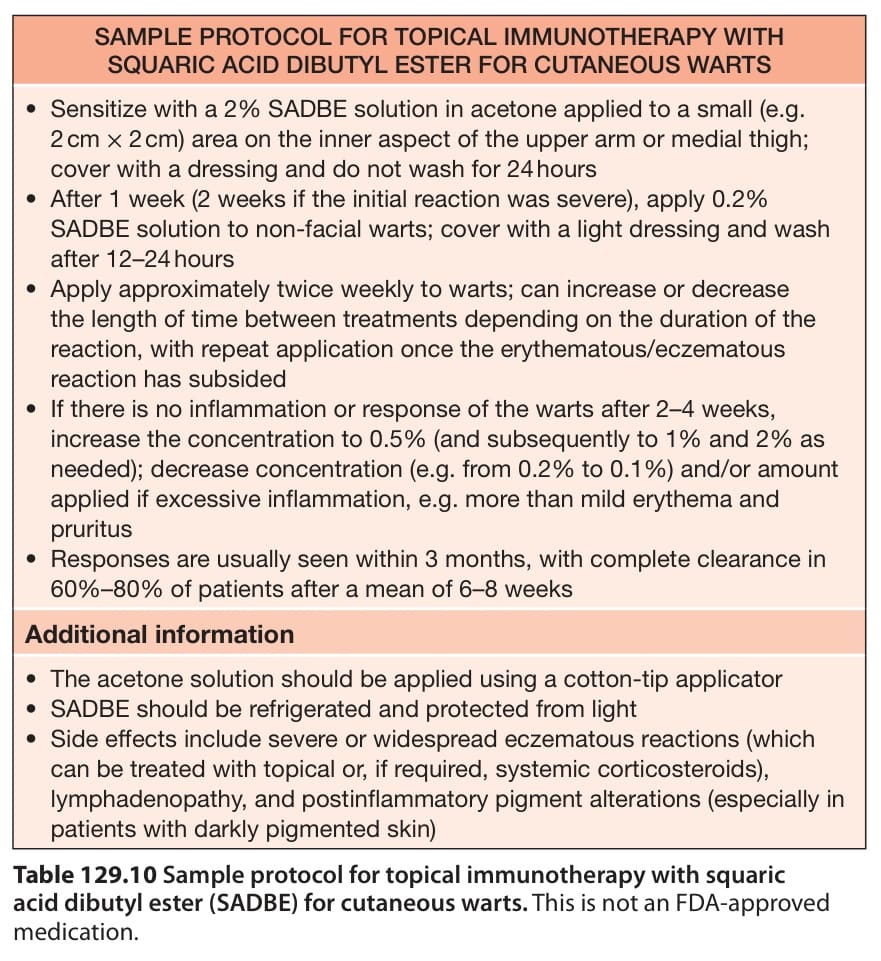
Table 129.10 Sample protocol for topical immunotherapy with squaric acid dibutyl ester (SADBE) for cutaneous warts. This is not an FDA-approved medication.
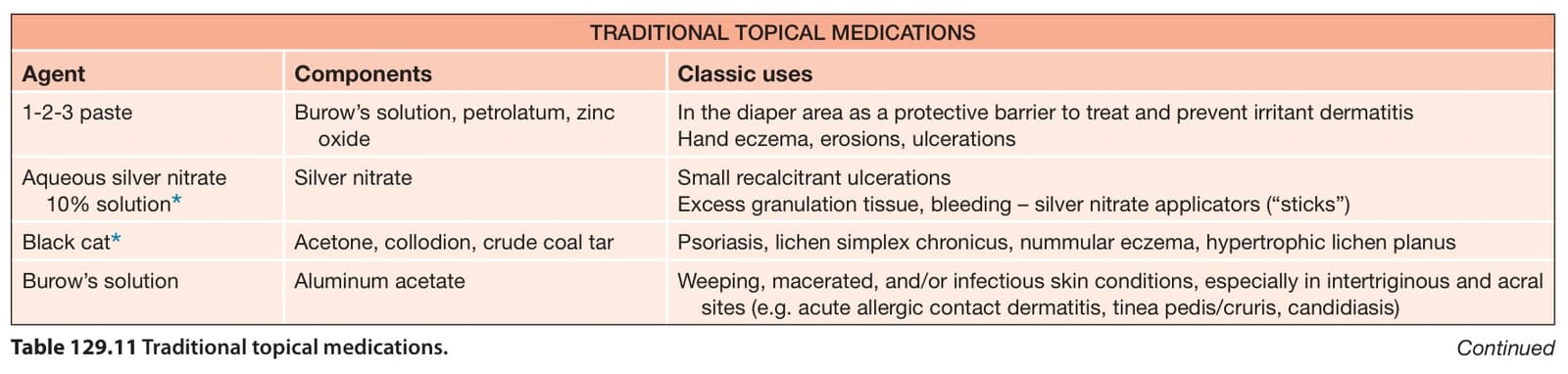
Table 129.11 Traditional topical medications. Continued
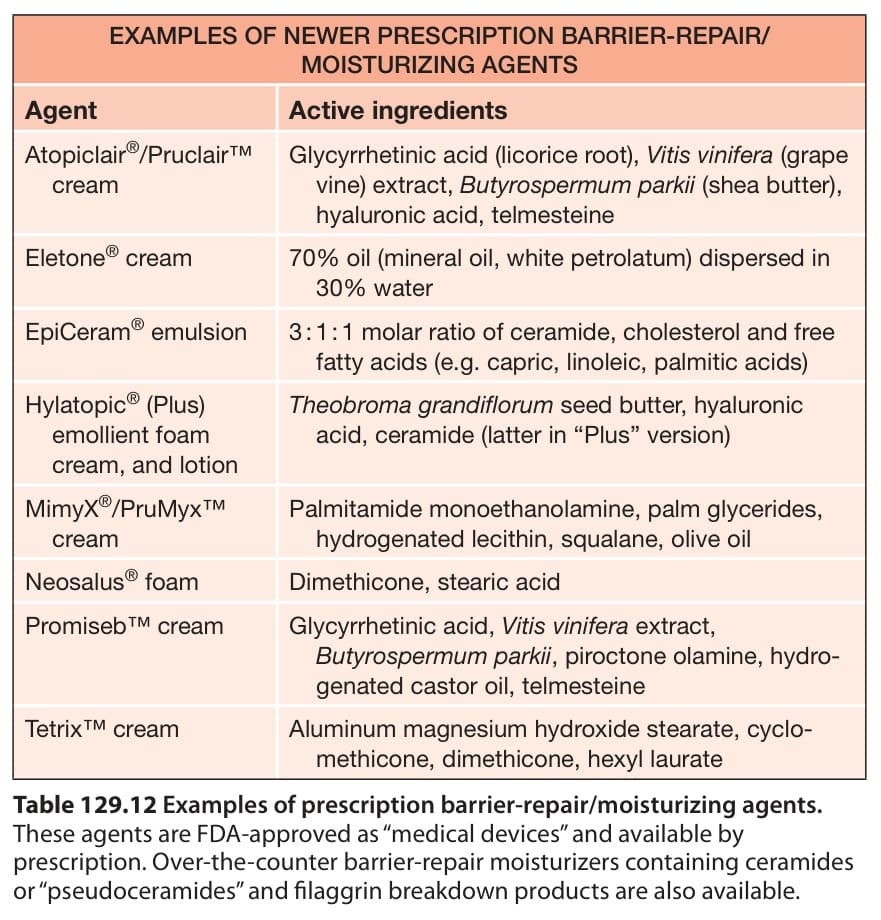
Table 129.12 Examples of prescription barrier-repair/moisturizing agents.
the management of various dermatoses, such as atopic dermatitis and irritant contact dermatitis; examples of these agents and their active ingredients are listed in Table 129.12.
Additional figures and table available in our eBook (see inside front cover for access code).
Table 129.12 Examples of prescription barrier-repair/moisturizing agents.