METHOTREXATE
The effectiveness of the folic acid analogue methotrexate (MTX) in psoriasis was noted in the early 1950s, but remained without FDA approval until the 1960s. MTX is not difficult to use and oral administration achieves reliable blood levels unaffected by food intake. MTX is widely distributed throughout the body but penetrates the blood–brain barrier poorly.
Within 1 hour of ingestion, distribution and active cellular uptake is complete. Plasma MTX is 50% protein-bound, and irreversibly bound to dihydrofolate reductase, the enzyme it inhibits. By 4 hours, the kidneys have excreted the plasma portion of the drug. Over the next 10–27 hours, the drug is slowly released from body tissues.
Mechanism of Action
Dihydrofolate reductase (DHFR) converts dihydrofolate to tetrahydrofolate (fully reduced folic acid; see Fig. 127.6), which is a necessary cofactor in the synthesis of thymidylate and purine nucleotides, which, in turn, are required for DNA/RNA synthesis. MTX competitively inhibits DHFR, although this inhibition can be at least partially reduced by concomitant folic acid administration. MTX also exerts partially reversible inhibition downstream on thymidylate synthetase, inhibiting cell division during the S phase.
Although originally believed to suppress keratinocyte proliferation, it is more likely that MTX inhibits DNA synthesis in immunologically active cells. MTX decreases inflammation through other mechanisms as well. For example, by inhibiting aminoimidocarboxyamido-ribonucleotide
transformylase, MTX increases local tissue concentrations of the potent anti-inflammatory mediator adenosine. By inhibiting methionine synthase, MTX reduces production of the proinflammatory mediator S-adenyl methionine.
Dosages
MTX is administered as a once-weekly dose of up to 30 mg for dermatologic and rheumatologic diseases. Oncologists may prescribe 20–40 mg/ m every 1 to 4 weeks with folinic acid rescue. Historically, MTX was administered in three doses over 24 hours (8 a.m. and 8 p.m. day 1, and 8 a.m. day 2). There were theoretical advantages for the divided dosing regimen from a cell cycle kinetics standpoint. However, since the clinical result is the same, a single dose, which is easier and less confusing (for the patient and the pharmacist), is currently recommended. The patient should be admonished to adhere to the dosing schedule religiously, as more frequent dosing is much more likely to produce major hematologic complications and potentially an increased risk of liver fibrosis. Because absorption of oral MTX in doses >15 mg may be impaired, the weekly dose can be split into two administrations in patients requiring higher doses. Parenteral administration (intramuscular or subcutaneous) is available for patients who cannot tolerate oral MTX and has also been advocated by some clinicians for use in erythrodermic patients who may have decreased gastrointestinal absorption or when compliance is an issue. Also, in addition to a lower incidence of gastrointestinal side effects, subcutaneous MTX may be more efficacious. Use of intralesional MTX is reviewed in Chapter 108.
Available in 2.5 mg tablets, therapy may begin with a test dose of 2.5–5 mg followed one week later by a CBC with platelet count and hepatic profile. This test dose may be considered in higher risk patients (e.g. reduced renal function, hyperlipidemia, potential drug–drug inter-actions). In low-risk patients, treatment may be started at 10 to 15 mg weekly and gradually increased by 2.5 to 5 mg every 2–4 weeks until satisfactory results are obtained with minimal toxicity. For parenteral administration, both prefilled syringes (7.5, 10, 15, 20, 25 mg) and a 2 ml vial (25 mg/ml) are available. Laboratory monitoring – CBC with platelet count and hepatic profile – can be done 1–3 weeks after initiation and following each dose escalation (see Table 130.3). Once disease control has been attained for at least 1–2 months, the MTX can be tapered by 2.5 mg every 1–2 weeks to the lowest dose that still maintains disease control. The usual weekly dose for psoriasis is 10–15 mg, although doses up to 25 mg per week are not uncommonly used, except in patients with renal insufficiency.
Adapted from reference 33.
Major Side Effects
The most important side effects of MTX include pancytopenia and hepatotoxicity (see Table 130.5). Pancytopenia typically develops early, compared to hepatic fibrosis and cirrhosis, which may take years to develop and are related to higher cumulative doses. Risk factors for hepatotoxicity are well established (Table 130.12). Before prescribing MTX, references discussing this issue in detail should be reviewed and consultation with a hepatologist considered for patients with risk factors.
While the gold standard for detection of hepatic fibrosis remains liver biopsy, this invasive procedure harbors risks and is no longer routinely performed prior to initiating MTX (see Table 130.3). Both a panel of serum biomarkers and imaging studies can be performed to assess liver fibrosis (Table 130.13). Screening algorithms for assessing methotrexate hepatotoxicity have also been developed (Fig. 130.7) and take into account whether patients have risk factors for hepatotoxicity (see Table 130.12).
Photosensitivity may occur with MTX and patients should take appropriate sun precautions (see Ch. 21). Gastrointestinal intolerance is often abated with concomitant folic acid therapy (1–5 mg orally daily, based on symptoms). Other MTX-induced side effects include accelerated rheumatoid (cutaneous) nodulosis and reversible lymphoproliferative disorders. When used in very high doses, MTX may cause reversible oligospermia.
Drug Indications
MTX has FDA approval for use in psoriasis; however, it is used primarily for those individuals with severe, debilitating, or recalcitrant disease. Other disorders that respond to MTX include dermatomyositis and lymphomatoid papulosis. Of note, pityriasis rubra pilaris commonly requires up to twice the typical psoriasis dose, whereas PLEVA often responds to small MTX doses (2.5–5 mg/week). Methotrexate can also be used as a “steroid-sparing” agent, and in the elderly, monotherapy with weekly MTX is an option for the treatment of bullous pemphigoid.
Contraindications
Absolute contraindications to MTX are pregnancy and lactation. Relative contraindications include significant liver disease, elevated liver enzymes, and excessive alcohol intake. The presence of active infection or immunodeficiency, and the desire for imminent pregnancy are relative contraindications to MTX therapy. Caution is indicated and significant dose reduction necessary if used in patients with decreased renal function. In the elderly, serum creatinine levels may be deceptively low and not reflect true renal function.
Use in Pregnancy and Lactation
MTX is an abortifacient and teratogen and should not be used during pregnancy. The American Academy of Pediatrics considers MTX to be contraindicated in breastfeeding owing to concerns of immune suppression, growth retardation, and carcinogenesis. Both female and male patients should discontinue MTX for at least three months before attempting to conceive.
Drug Interactions
Drugs that elevate MTX blood levels include NSAIDs, salicylates, sulfonamides, chloramphenicol, phenothiazines, phenytoin, and tetracyclines. Dipyridamole and probenecid increase intracellular accumulation of MTX. Trimethoprim, sulfonamides, and dapsone also inhibit the folate metabolic pathway (see Ch. 127) and markedly increase the risk for pancytopenia with concomitant use. However, the combination of MTX with reduced doses of trimethoprim–sulfamethoxazole used for Pneumocystis jirovecii pneumonia (PCP) prophylaxis was reported to be well tolerated. Systemic retinoids and alcohol may cause synergistic liver damage in combination with MTX.
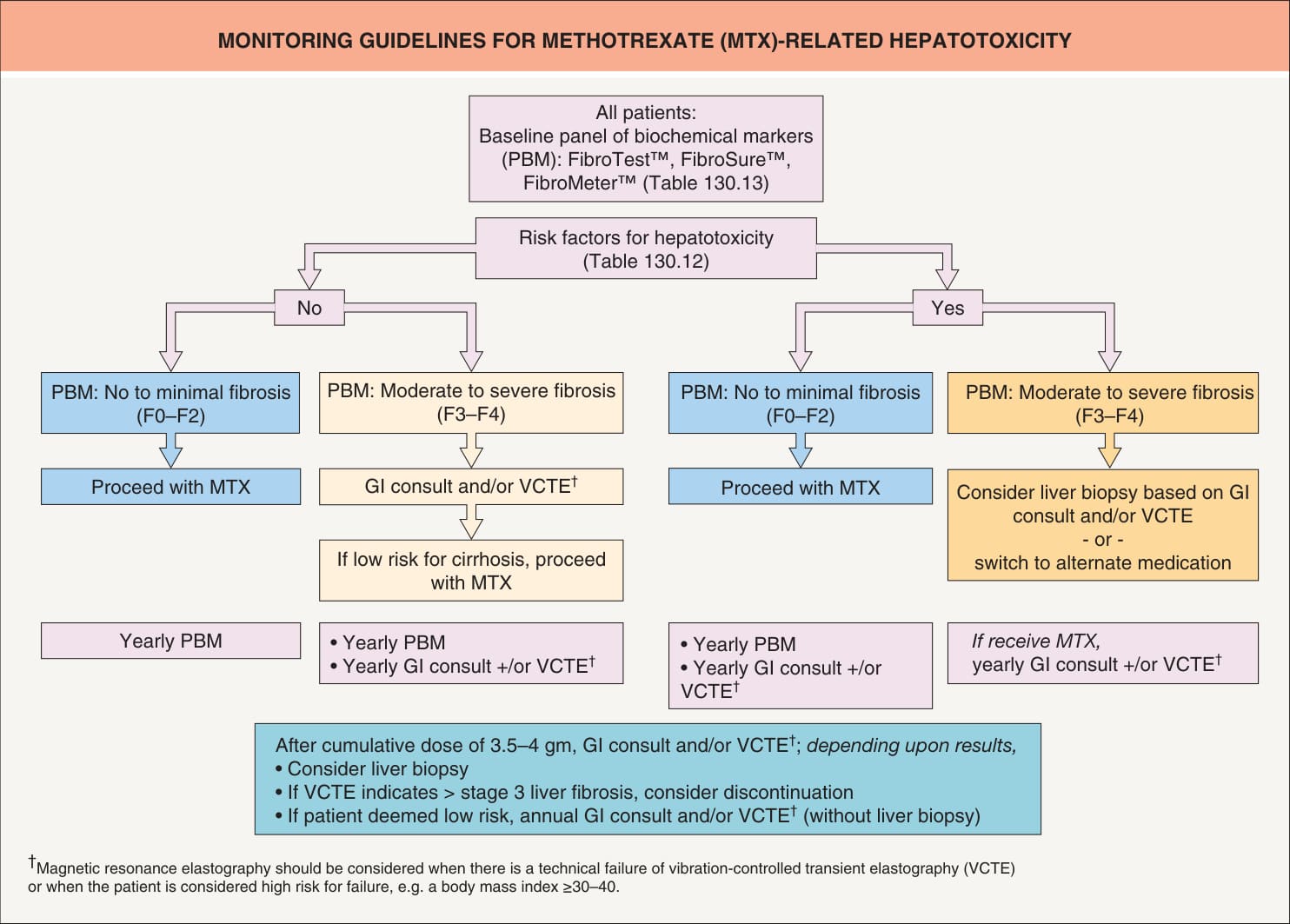
Fig. 130.7 Monitoring guidelines for methotrexate-related hepatotoxicity. GI, gastroenterology; VCTE, vibration-controlled transient elastography. Adapted from Menter A, Gelfand JM, Connor C, et al. Joint American Academy of Dermatology-National Psoriasis Foundation guidelines of care for the management of psoriasis with systemic nonbiologic therapies. J Am Acad Dermatol 2020;82:1445–86.

Table 130.3 Monitoring guidelines for systemic medications, as recommended by the authors.
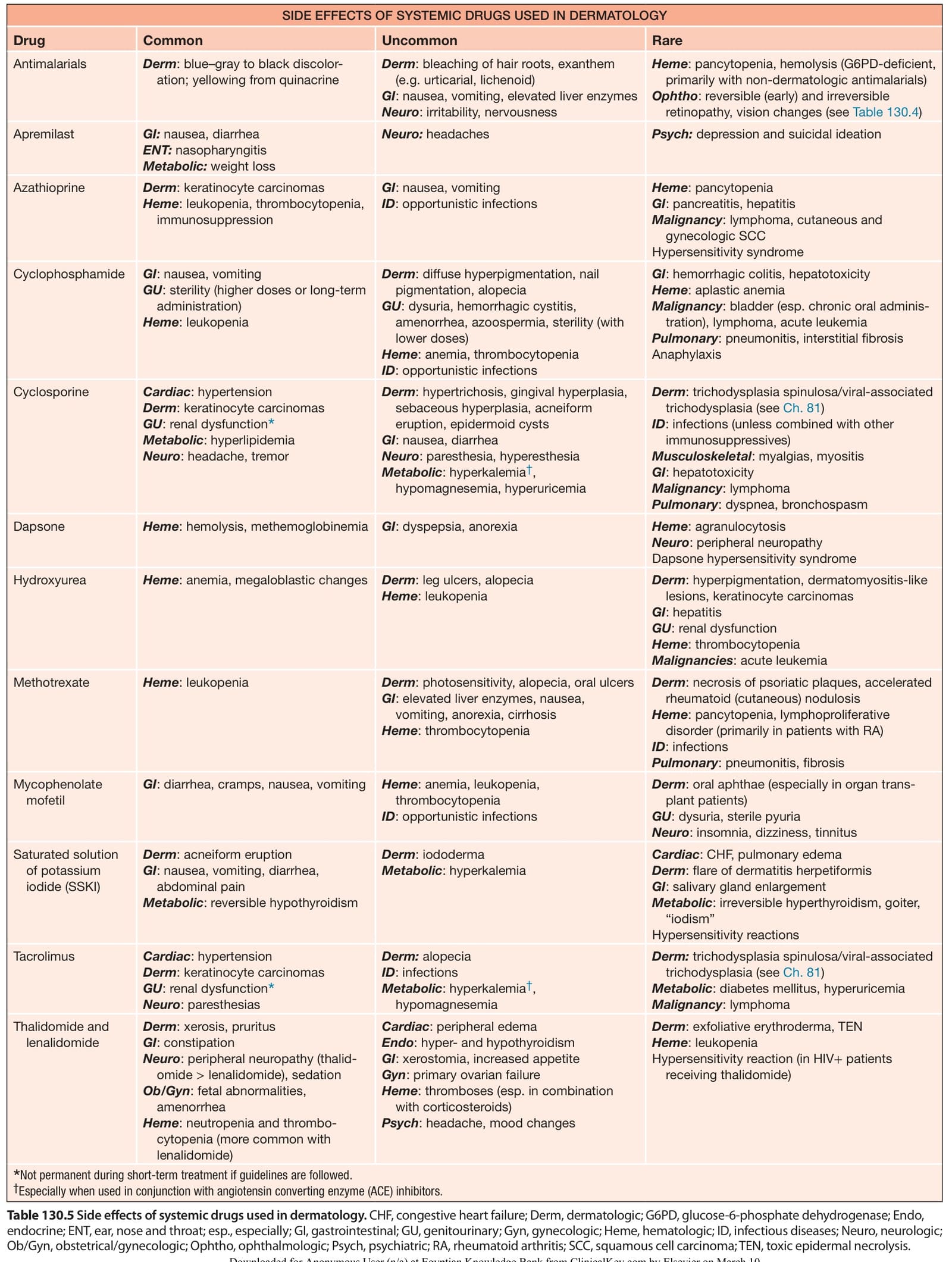
Table 130.5 Side effects of systemic drugs used in dermatology. CHF, congestive heart failure; Derm, dermatologic; G6PD, glucose-6-phosphate dehydrogenase; Endo, endocrine; ENT, ear, nose and throat; esp., especially; GI, gastrointestinal; GU, genitourinary; Gyn, gynecologic; Heme, hematologic; ID, infectious diseases; Neuro, neurologic; Ob/Gyn, obstetrical/gynecologic; Ophtho, ophthalmologic; Psych, psychiatric; RA, rheumatoid arthritis; SCC, squamous cell carcinoma; TEN, toxic epidermal necrolysis.
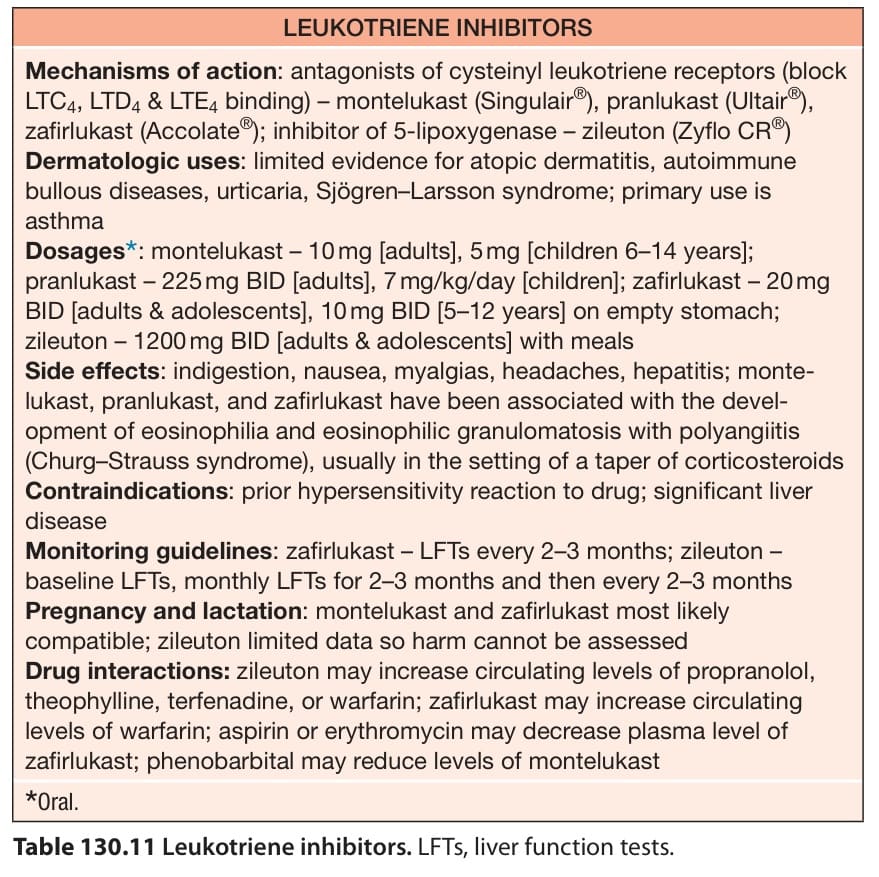
Table 130.11 Leukotriene inhibitors. LFTs, liver function tests.
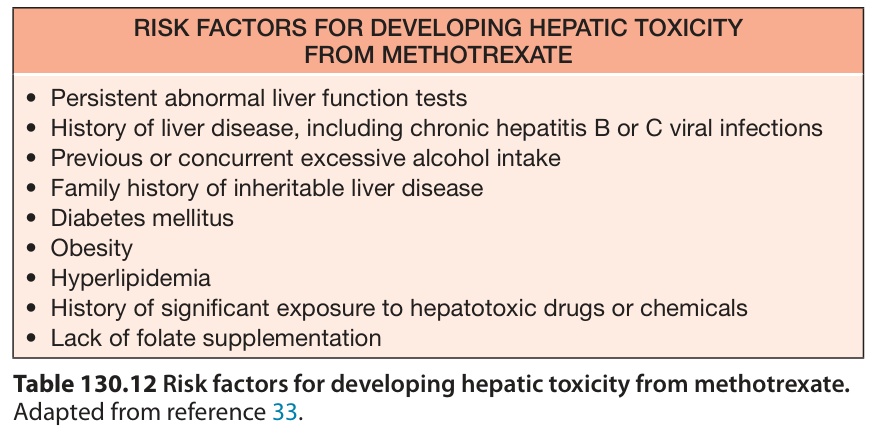
Table 130.12 Risk factors for developing hepatic toxicity from methotrexate.
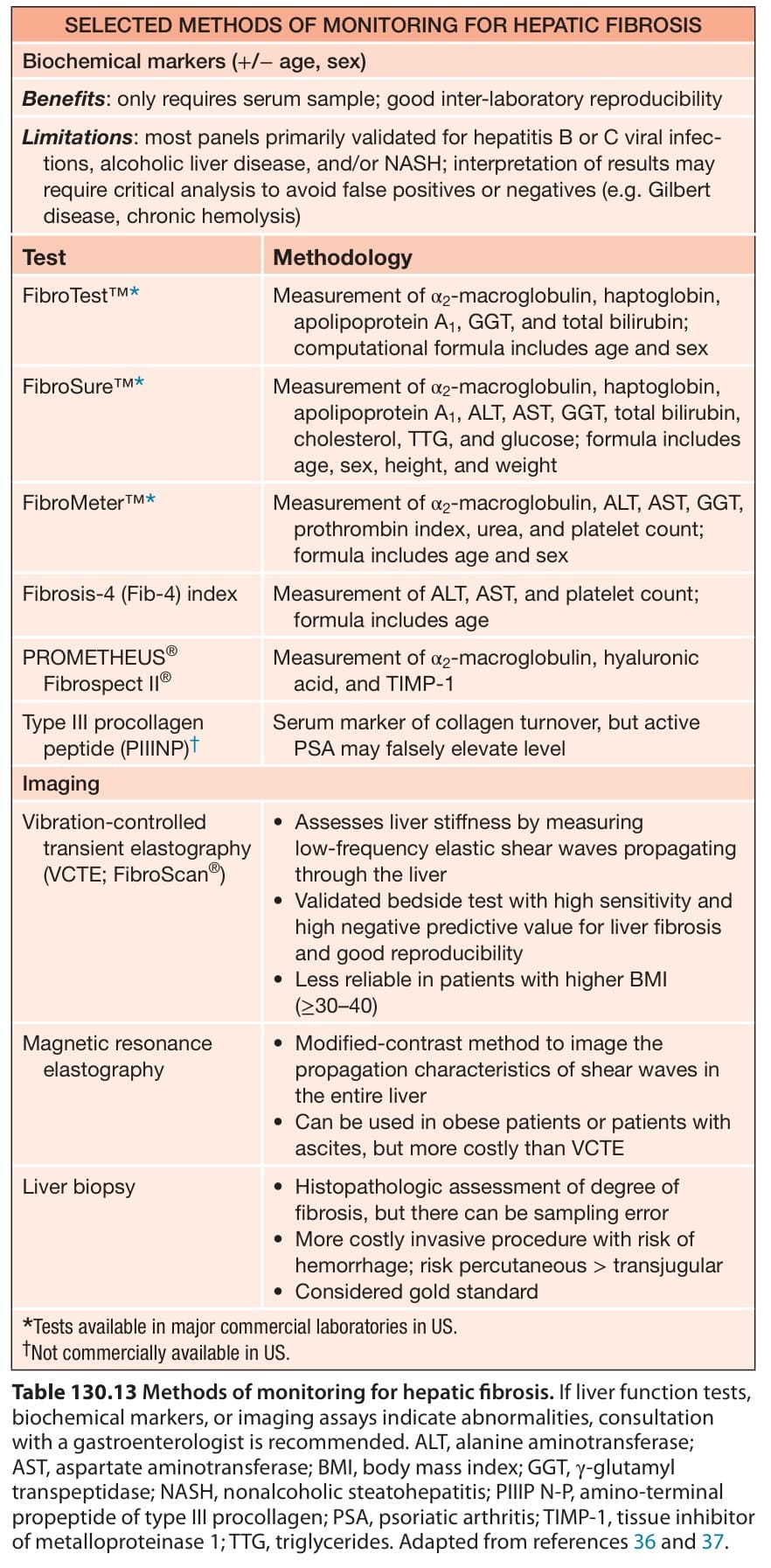
Table 130.13 Methods of monitoring for hepatic fibrosis. If liver function tests, biochemical markers, or imaging assays indicate abnormalities, consultation with a gastroenterologist is recommended. ALT, alanine aminotransferase; AST, aspartate aminotransferase; BMI, body mass index; GGT, γ-glutamyl transpeptidase; NASH, nonalcoholic steatohepatitis; PIIIP N-P, amino-terminal propeptide of type III procollagen; PSA, psoriatic arthritis; TIMP-1, tissue inhibitor of metalloproteinase 1; TTG, triglycerides. Adapted from references 36 and 37.