ABSORPTION
Interactions that alter the absorption of drugs often lead to dramatic changes in plasma drug concentrations. Drug interactions within the GI tract can result in decreased absorption. This reduces the bioavailability or the amount of drug available to the systemic circulation and results in subtherapeutic serum concentrations. The under-lying mechanisms of most drug interactions that alter GI absorption involve: (1) the formation of drug complexes that reduce absorption; (2) alterations in gastric pH; and/or (3) changes in GI motility that alter transit time.
Common drugs that form complexes with other drugs include antacids, sucralfate, and bile acid sequestrants (e.g. cholestyramine, colestipol, colesevelam) (Table 131.2). A significant interaction occurs between multivalent cations – such as calcium (e.g. within milk products), aluminum, iron, and magnesium – and tetracyclines or
fluoroquinolone antibiotics. For example, there is an 85% reduction in the absorption of ciprofloxacin when ingested 5–10 minutes after a dose of an aluminum hydroxide/magnesium hydroxide antacid. These interactions can be easily avoided by administering the fluoroquinolone at least 2 hours before or 6 hours after the antacid or multivalent cations. Alendronate, as well as other bisphosphonates prescribed for the prevention and treatment of osteoporosis, form complexes with cations and several other drugs, thereby further decreasing their already low oral absorption. However, once weekly dosing reduces the opportunity for bisphosphonate-related interactions. When mycophenolate mofetil and iron preparations were administered concomitantly, a significant decrease in mycophenolate mofetil absorption was observed (Fig. 131.1).
Drugs that increase gastric pH, such as proton pump inhibitors, antacids and H antihistamines, may reduce the absorption of drugs such as encapsulated itraconazole and posaconazole, which are best absorbed in an acidic environment. Although itraconazole is best absorbed when the gastric pH is low, its administration with food is more important for achieving high plasma concentrations. Of note, the absorption of fluconazole is unaffected by variations in gastric pH. Similarly, the coadministration of drugs that can increase gastric pH (see above) with atazanavir and raltegravir is not recommended. Drugs that affect GI motility, such as anticholinergic agents, may decrease the rate of absorption but not the extent of absorption. An overall reduction in drug absorption has more clinical significance.
Some drugs may interfere with the enterohepatic recirculation of a substrate drug. When the substrate is excreted into the GI tract, a second drug can bind to it and prevent its reabsorption back into
the systemic circulation. The bound substrate drug is excreted in the feces, thereby effectively shortening its half-life. An example of this is the concurrent administration of warfarin and bile acid sequestrants (e.g. cholestyramine, colestipol, colesevelam) in which the half-life of warfarin is shortened.
P-glycoprotein (PGP)
Membrane-bound transport systems may also determine drug disposition. These transporters are found in multiple tissues and actively pump drug molecules either out of cells (efflux) or into cells (uptake). PGP is an ATP-dependent plasma membrane glycoprotein belonging to the superfamily of ATP-binding cassette transporters that functions primarily as an efflux pump (Fig. 131.2). Other transporters include the organic anion and organic cation transporters. In humans, the multidrug resistance (MDR) genes, including MDR1, encode membrane glycoproteins that function as drug transporters and hence affect both drug absorption and elimination.
High levels of PGP are found in superficial columnar epithelial cells of the small intestine, the apical surface of epithelial cells in the proximal tubules of the kidney, and in the biliary canalicular membrane of hepatocytes. PGP is also detected in high concentrations in the endothelial cells of the capillaries of the blood–brain barrier, testes, uterus and placenta. An understanding of the physiologic regulation of these transporter proteins is key to designing strategies for improving the therapeutic efficacy of drugs that serve as their substrates (Table 131.3).
These membrane-bound transport systems seem to have developed as a mechanism for protecting the body from harmful substances. It appears that PGP acts as a pump whereby the efflux of drugs from the cell membrane or cytoplasm is powered by the energy from ATP hydrolysis. For example, the aminoglycoside antibiotics amikacin and tobramycin are not effectively delivered orally, perhaps because of active efflux from the brush border cells of the small intestine by the PGP pump. The most remarkable property of PGP is its ability to transport a diverse array of compounds that do not appear to share obvious structural characteristics. The range of substrates, inhibitors, and inducers of PGP is vast and expanding (Tables 131.3 & 131.4). Examples of inducers of PGP include dexamethasone, doxorubicin, phenobarbital, rifampin, trazodone, and St. John’s wort.
Because PGP blocks absorption in the gut, these glycoproteins should be considered part of the “first-pass effect”. In fact, PGP can “set up” or act as “gatekeepers” for later cytochrome P450 actions. Although the inhibition and induction of intestinal CYP3A enzymes from metabolic processes result in direct changes in drug absorption, the inhibition and induction of PGP primarily affect the rate of drug absorption. If one drug is a substrate of both PGP and CYP3A4 (which are found in close proximity in the intestinal wall), and a second drug is added that is an inhibitor of both PGP and CYP3A4 (e.g. erythromycin, ketoconazole), then a greater amount of the first drug will be absorbed. Because CYP3A4 is inhibited, higher levels of unmetabolized drug will enter the blood. The effect of PGP blockade is to “open the gates” so that the later actions of CYP3A4 inhibition will be increased.
PGP is an important component of the blood–brain barrier and an active PGP will prevent drugs from entering the brain. It has been suggested that the reason newer antihistamines do not cause sedation
is that PGP activity acts as a barrier to CNS penetration. This would suggest that PGP inhibitors (see Table 131.4) could interact with and allow increased cerebral concentrations of these antihistamines, with an attendant increase in sedation.
Evidence also suggests that intestinal PGP plays a significant role in the first-pass elimination of cyclosporine, probably by being a ratelimiting step in absorption. Intestinal CYP3A4 is thought to play a lesser role. However, the overlap of tissue distribution and substrate specificity of CYP3A4 and PGP in the intestinal wall makes it difficult to define the precise mechanisms of some drug interactions and to predict the plasma concentrations of certain drug combinations. Moreover, the involvement of CYP3A4 and PGP in drug interactions is not always complementary.
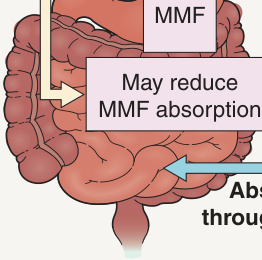
Fig. 131.1 Mycophenolate metabolism. Mycophenolate is hydrolyzed to mycophenolic acid (MPA). Following glucuronidation in the liver, inactive MPA glucuronide (MPAG) is excreted into the gut via bile acid secretion. In the gut, bacteria remove the glucuronide chain to produce MPA, the active molecule, which is then reabsorbed through the gut wall. Cyclosporine impairs MPA enterohepatic recirculation by inhibiting biliary excretion of MPAG (thereby decreasing MPA levels), whereas tacrolimus may inhibit UDP-glucuronyl transferase (thereby increasing MPA levels).
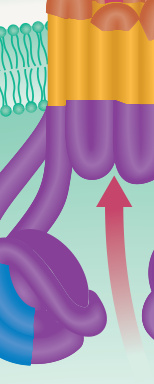
Fig. 131.2 P-glycoprotein. This is an ATP-dependent plasma membrane glycoprotein that functions as a drug transporter and hence affects both drug absorption and elimination. Courtesy Ian Worpole.
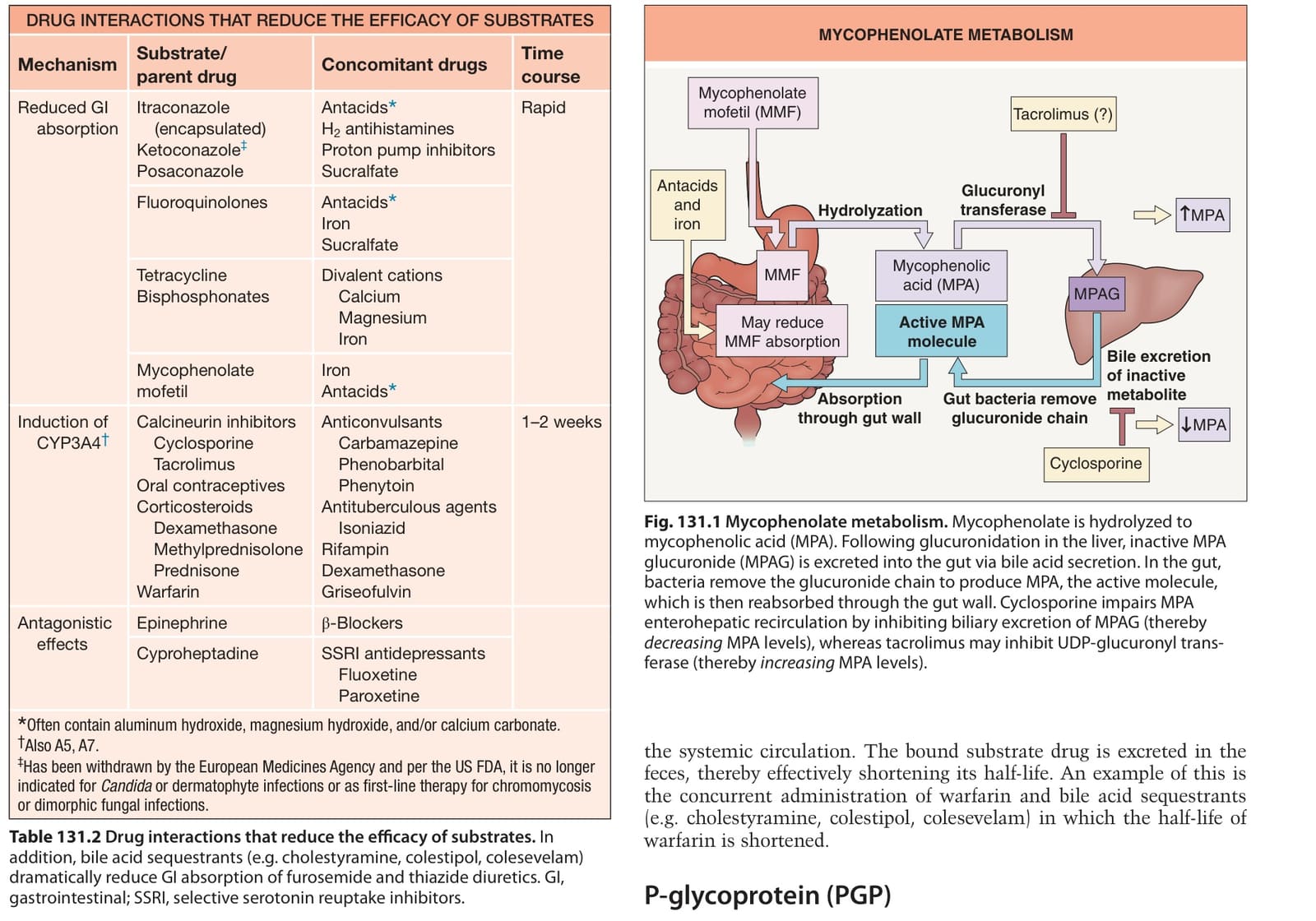
Table 131.2 Drug interactions that reduce the efficacy of substrates. In addition, bile acid sequestrants (e.g. cholestyramine, colestipol, colesevelam) dramatically reduce GI absorption of furosemide and thiazide diuretics. GI, gastrointestinal; SSRI, selective serotonin reuptake inhibitors.
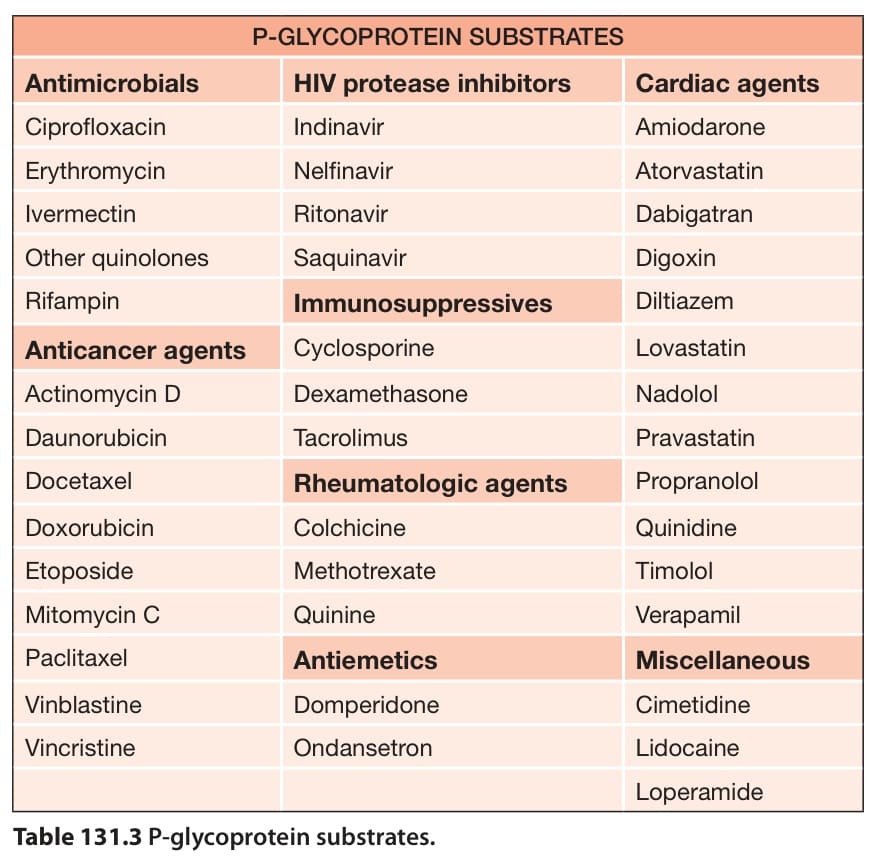
Table 131.3 P-glycoprotein substrates.
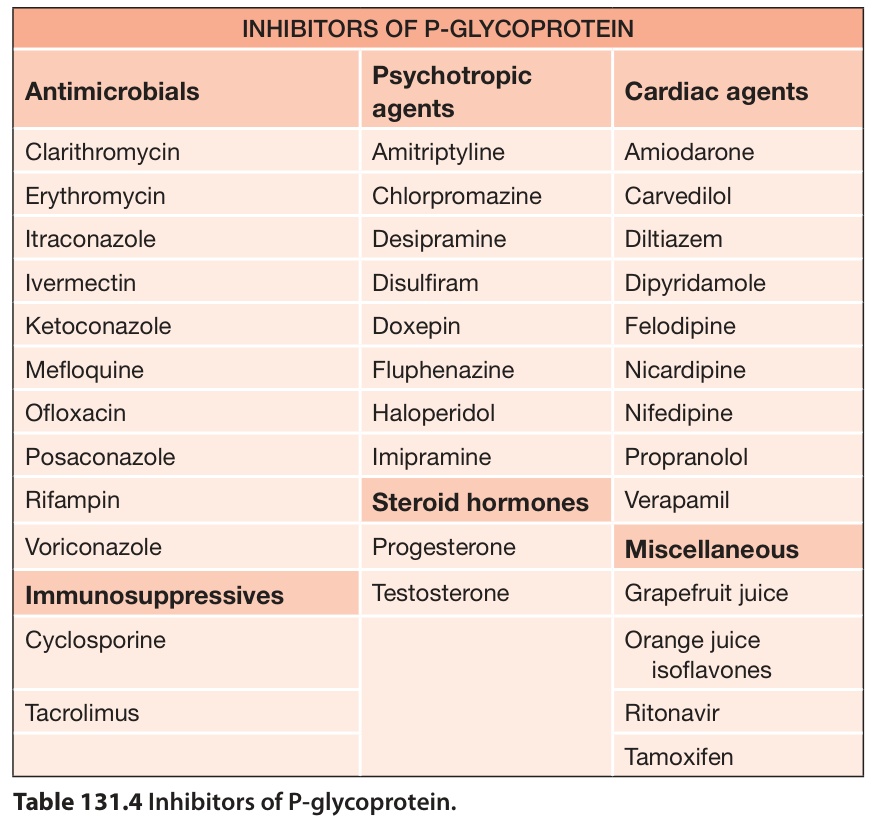
Table 131.4 Inhibitors of P-glycoprotein.