MIND–BODY MEDICINE
Mind–body medicine encompasses a wide range of therapeutic modalities that emphasize the complex interactions involving the brain, the body, and behavior and the ways in which emotional, mental, social,
Adapted from Trattner A, David M, Lazarov A. Occupational contact dermatitis due to essential oils. Contact Dermatitis 2008;58:282–4 and Bleasel N, Tate B, Rademaker M. Allergic contact dermatitis following exposure to essential oils. Australas J Dermatol 2002;43:211–3.
spiritual, experiential, and behavioral factors can affect health. Mind– body practices include meditation, hypnosis, yoga, tai chi, qi gong, biofeedback, and cognitive behavioral therapies (see Table 133.1).
Because multiple skin disorders have significant psychological or behavioral components, stress and emotion can have a substantial impact on the skin. Acne, rosacea, alopecia areata, atopic dermatitis, seborrheic dermatitis, dyshidrotic eczema, psoriasis, herpes simplex viral infections, and pruritus are among the dermatologic diseases that have been linked to emotional triggers and stress (Table 133.6). Psychotropic drugs (e.g. antidepressants, antipsychotics, anxiolytics, sedatives) are often used to treat psychocutaneous disorders such as dermatitis artefacta, trichotillomania, and acne excoriée (see Ch. 7), and they are occasionally used when there is a significant psychological component to other chronic skin diseases. In the same way that these pharmacologic interventions may be helpful, there may be a role for mind–body modalities to help modulate the underlying stress response associated with these conditions.
Mindfulness and meditation are two of the most popular mind–body practices. While there are many different approaches to meditation, the specific type of mindfulness practice or meditation appears not to matter – it is the consistency of the practice that provides the benefit. Meditation has been shown to be helpful in treating acne, eczema, urticaria, hyperhidrosis, and psoriasis.
Webster’s Dictionary defines biofeedback as: “the technique of making unconscious or involuntary bodily processes (such as heartbeats or brain waves) perceptible to the senses…in order to manipulate them by conscious mental control”. During a biofeedback session, sensors are attached to the participant in order to detect immediate changes in physiologic functions such as heart rate, breathing, and brain activity. It has been found to have some effectiveness in treating rosacea, eczema, acne, psoriasis, and urticaria. Biofeedback can be particularly helpful for people who are data-driven and respond well to immediate feedback.
Hypnosis has been used successfully for atopic dermatitis, alopecia areata, acne excoriée, herpes simplex viral infections, neurodermatitis, pruritus, verrucae, and psoriasis. Mind–body modalities have also been shown to be useful preoperatively and during dermatologic procedures (e.g. cutaneous surgery). Slower breathing, biofeedback, guided imagery, hypnosis, and music can help calm and balance the patient’s autonomic nervous system.
Mind–body medicine remains an active area of research. The hypothalamic–pituitary–adrenal (HPA) axis and autonomic nervous system (ANS) affect immunity and endocrine function via their regulation of glucocorticoid and catecholamine production, respectively. Therefore, psychological and behavioral interventions that affect the activity of the HPA axis and ANS have the potential to positively impact or treat disease. The skin itself produces enough hormones, neurotransmitters, neuropeptides, and functional receptors to form complete cutaneous neuroendocrine axes. These include cutaneous equivalents of: (1) the HPA axis; (2) the cholinergic system; (3) the catecholaminergic system; (4) the serotoninergic/melatoninergic system; (5) steroidogenic pathways; and (6) the pituitary–thyroid axis. These local neuroendocrine systems are used by the skin to preserve homeostasis.
Mind–body modalities have minimal side effects because neither physical nor chemical agents are used. However, they could trigger negative reactions in individuals with mental health disorders such as post-traumatic stress disorder (PTSD), schizophrenia, paranoia, or anxiety. Those who are at risk should work with experienced practitioners.
Adapted with permission from Panconesi E, Gallassi F, Sarti MG, Bellini MA. Biofeedback, cognitive-behavioral methods, hypnosis: ‘alternative psychotherapy’? Clin Dermatol 1998;15:709–10.
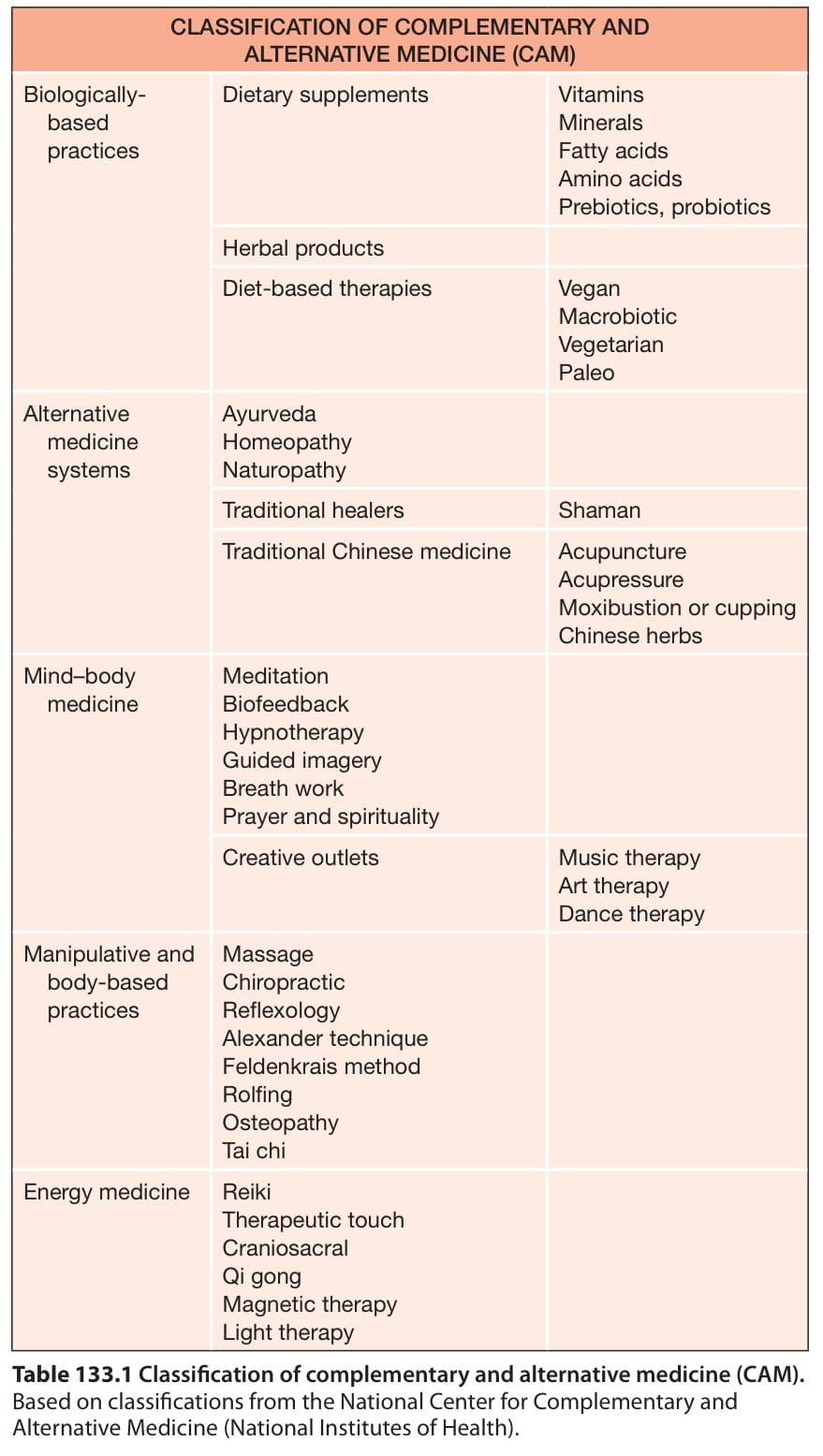
Table 133.1 Classification of complementary and alternative medicine (CAM).
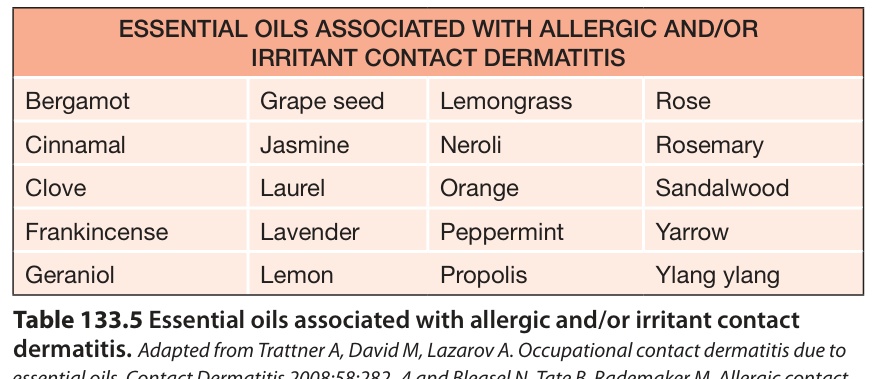
Table 133.5 Essential oils associated with allergic and/or irritant contact dermatitis.
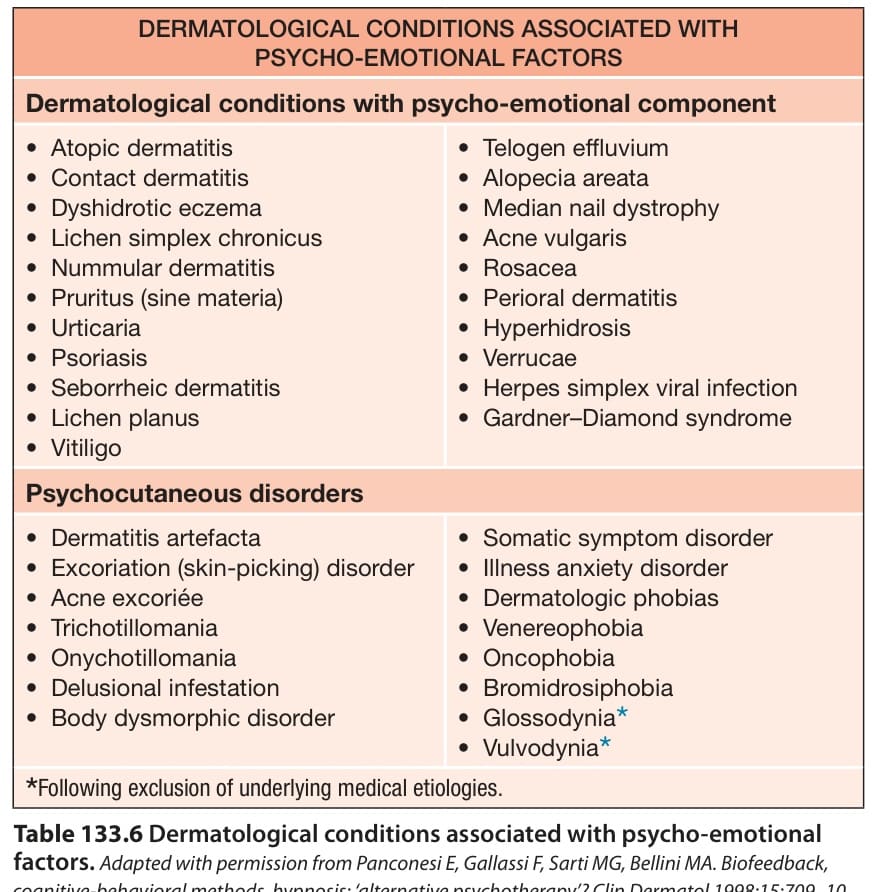
Table 133.6 Dermatological conditions associated with psycho-emotional factors.