PHOTOTHERAPY WITH UVA1
The UVA spectrum (320–400 nm) has been arbitrarily subdivided into two parts: UVA1 (340–400 nm) and UVA2 (320–340 nm) (see Fig. 134.1). The main reason for this subdivision was the observation that UVA2 resembled UVB in its ability to induce erythema, immunomodulation, and photocarcinogenesis. Because of its longer wavelength, UVA1 radiation penetrates more deeply into the skin than UVA2 (see Ch. 86), and thus it affects not only epidermal structures, but also mid and deep dermal components, especially blood vessels. Since the skin is a large organ, exposure of circulating immune cells to UVA1 irradiation may have significant systemic ramifications. In particular, its ability to induce T lymphocyte apoptosis is likely to be relevant in the treatment of atopic dermatitis. UVA1 irradiation may also reduce the number of Langerhans cells and mast cells in the dermis in atopic dermatitis and cutaneous mastocytosis. In addition, it has been shown that increased collagenase expression in treated lesions of localized scleroderma (morphea) accompanies improvement with UVA1 irradiation. Perhaps the efficacy of UVA1 in localized scleroderma, and in other sclerosing conditions, is in part due to this action.
UVA1 phototherapy has been investigated as a safer alternative to PUVA for treating chronic conditions. Its major disadvantages are the higher fluences (e.g. 30–130 J/cm per session) and therefore exposure times that are required as well as the higher costs for the lamps. To date, most of the UVA1 studies have been performed in Europe, where efficient sources of UVA1 radiation are more widely available (Fig. 134.7).
UVA1 can have a therapeutic effect on atopic dermatitis (Fig. 134.8). It seems to be more effective than UVA/UVB therapy, at least for severe exacerbations of atopic dermatitis. If used as a monotherapy, medium and high daily doses are better than low doses. When UVA1 and NB-UVB were compared for the treatment of atopic dermatitis, they seemed to be equally effective. However, as noted previously, there is currently no consensus as to the preferred type of UV phototherapy for atopic dermatitis.
UVA1 therapy has been reported to be beneficial in several other dermatoses, in particular sclerosing dermatoses, acute GVHD, and chronic sclerodermoid GVHD. UVA1 has also been used to treat urticaria pigmentosa and MF. However, its efficacy, especially for the latter indication, requires confirmation in larger patient series.
Side Effects of Phototherapy with UVA1
The adverse effects of UVA1 are less severe than those of UVB and UVA2, although the high fluences usually induce marked tanning, especially
in more darkly pigmented individuals. Until more is known about UVA1 therapy, its use (especially with high doses such as 130 J/cm) should be limited to treating diseases with periods of severe, acute exacerbations, and in general, one treatment cycle should not exceed 15–20 successively administered exposures and should not be repeated more than once a year. A European prospective longitudinal study has been initiated to monitor patients treated with UVA1 phototherapy for the development of skin cancer and photoaging. An increased expression of TP53 and a slight increase in Bcl-2 protein expression in keratinocytes were found in human skin after UVA1 irradiation (even with suberythemogenic doses), suggesting that UVA1 may cause DNA damage. In addition, UVA1 induced pro-mutagenic cyclobutane pyrimidine dimers and oxidative DNA damage (at both the genomic and nucleotide resolution level) in normal human skin fibroblasts. Of note, in the years since the widespread use of UVA1 phototherapy in Europe began in 1992, no serious negative side effects in humans have been reported.
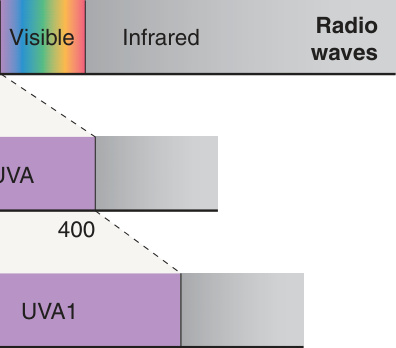
Fig. 134.1 Electromagnetic spectrum with expanded UV region.
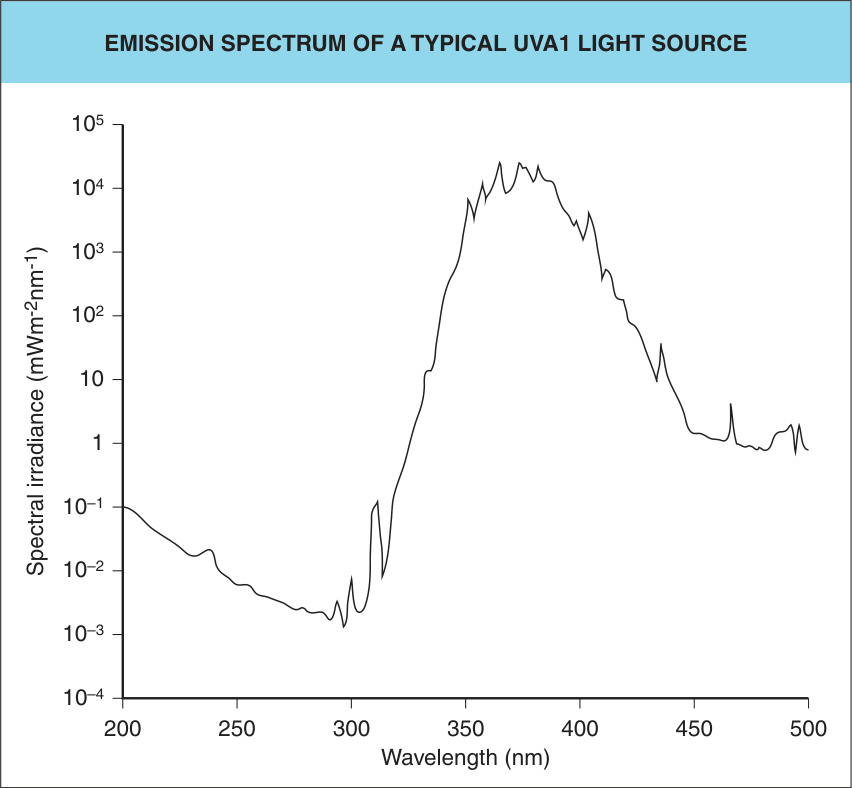
Fig. 134.7 Emission spectrum of a typical UVA1 light source (filtered metal halide lamp).
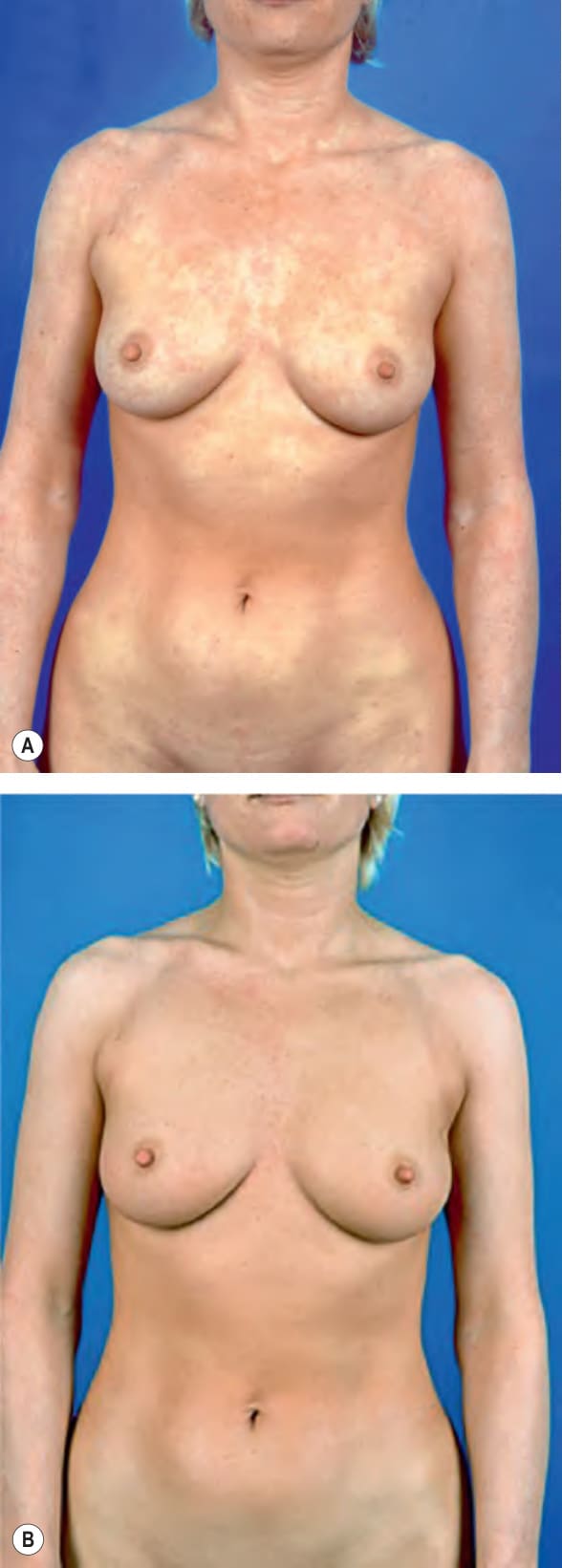
Fig. 134.8 UVA1 phototherapy of atopic dermatitis (splitbody comparison).