INTRODUCTION
Restoration of skin integrity and homeostasis following injury is a fundamental process that ensures survival. The primary goal of the wound healing response is to promptly re-establish a functional skin barrier. Ideally, the wound healing response would lead to complete regeneration of skin tissue and its adnexal structures, with complete restoration of original skin function and morphology. Unfortunately, precise replication of the latter is often not the final result of wound repair and the quality of newly formed skin tissue varies considerably. Beyond age, a multitude of local and systemic factors impact the outcome of the wound healing response (Table 141.1).
Regeneration Versus Repair
In children and adults, the cutaneous wound healing response characteristically replaces damaged tissue with fibrosis, leading to scar formation. In addition, adnexal structures (e.g. hair follicles, sweat and sebaceous glands), as well as the components and architecture of the dermal extracellular matrix, may fail to regenerate. This can result in a loss of normal skin function and impaired morphology. Because this type of wound healing is not ideal, it is referred to as a reparative process. In contrast, during embryogenesis injured fetal skin can heal completely without fibrosis, a process that resembles regeneration.
The underlying mechanisms that determine whether tissue regeneration versus tissue repair will occur remain a mystery. It is not clear whether the loss of regenerative capacity after birth is due to systemic factors or an intrinsic incapability of cells to form competent stem cells. New insights will hopefully come from experimental studies in model organisms (e.g. amphibians, fish) that retain throughout their adult life the capability to regenerate tissues after injury as well as from studies of wound repair in fetal skin. In the future, these insights may lead to methods for transforming repair into regeneration and may provide novel therapies that allow wound healing with minimal scarring.
Effect of Immune Response on Wound Healing
The immune system, including both innate and adaptive immune responses, plays a critical role in wound healing. By influencing multiple repair mechanisms (e.g. angiogenesis, fibroplasia, connective tissue deposition, epithelialization), inflammation has an impact on all stages of the repair response and ultimately on the extent of scarring (Fig. 141.1). In several models, there appears to be an inverse correlation between the appropriateness of the inflammatory immune response and the ability to undergo regeneration, with inappropriate immune reactions leading to tissue damage and impairment of tissue repair. However, this paradigm has recently been challenged by studies in which inflammatory signals were found to be crucial for promoting timely repair and inducing fundamental processes involved in regeneration. Interestingly, these findings emerged from well-established models within the field of tissue regeneration (e.g. heart regeneration in mice) and not immunology.
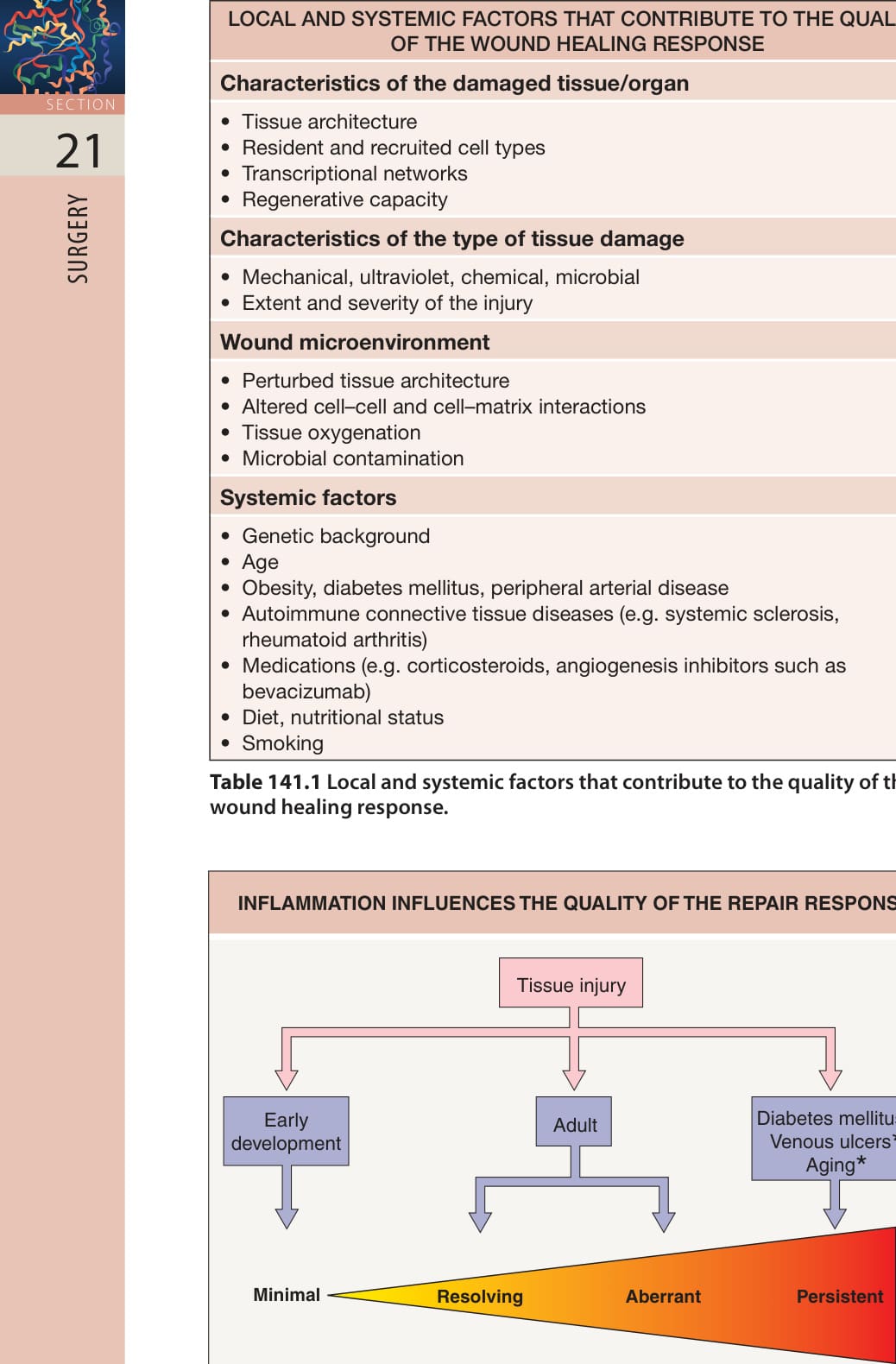
Fig. 141.1 Inflammation influences the quality of the repair response.
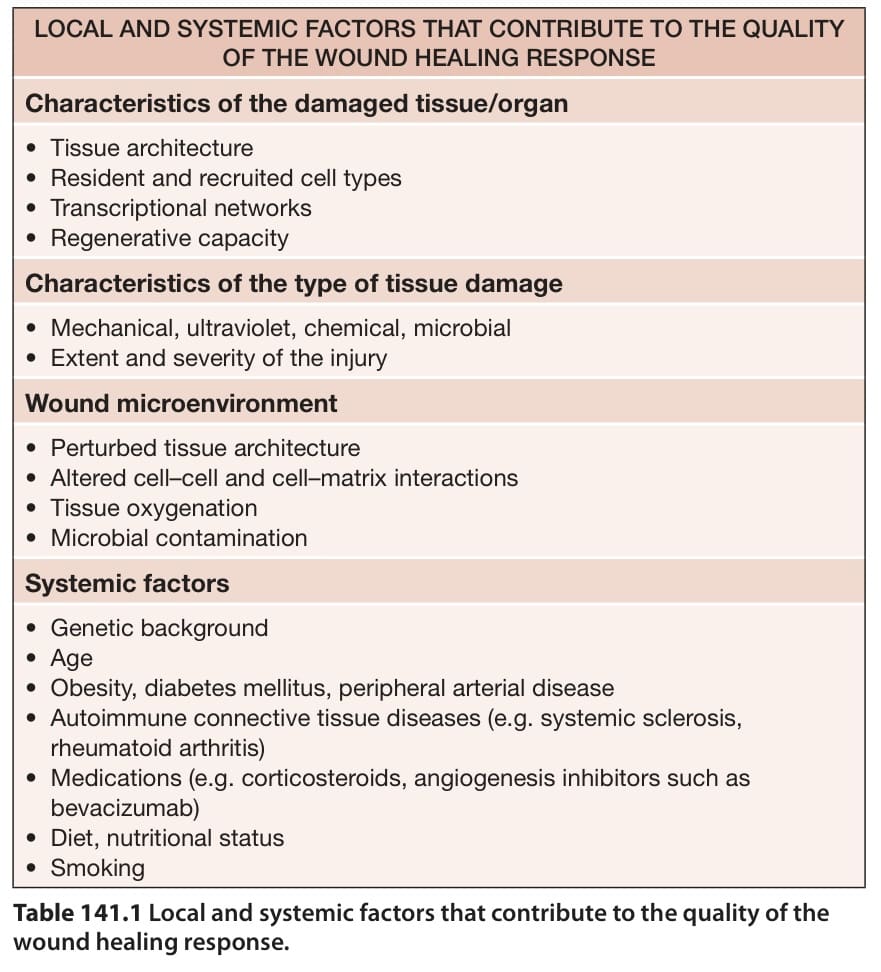
Table 141.1 Local and systemic factors that contribute to the quality of the wound healing response.