MOIST HEALING ENVIRONMENT
Providing a moist wound environment is an important principle of wound healing. There are several mechanisms by which moisture assists the healing process, the most basic of which is reduced tissue desiccation and prevention of crust formation. Studies by Winter demonstrated that uncovered, air-dried wounds re-epithelialized at a slower rate (see below). This slower rate has been attributed to the requirement of the regenerating epidermis to migrate below an overlying crust and other dry fibrous tissue to a region of moisture where live cells survive. It is only in such an environment that epidermal cells can move toward bridging the defect of the wound; therefore, the thicker the crust, the deeper the migration that is required. While scarring is associated with deep wounds and the loss of adnexal structures, improved cosmetic outcome has been observed following the use of occlusive dressings.
By reducing moisture transmission, moisture-retentive dressings optimize healing via several possible mechanisms. These include providing a moist environment (Fig. 145.1), increasing the availability of growth factors and matrix materials, and maintaining an electrical gradient within the wound, which also promotes healing.
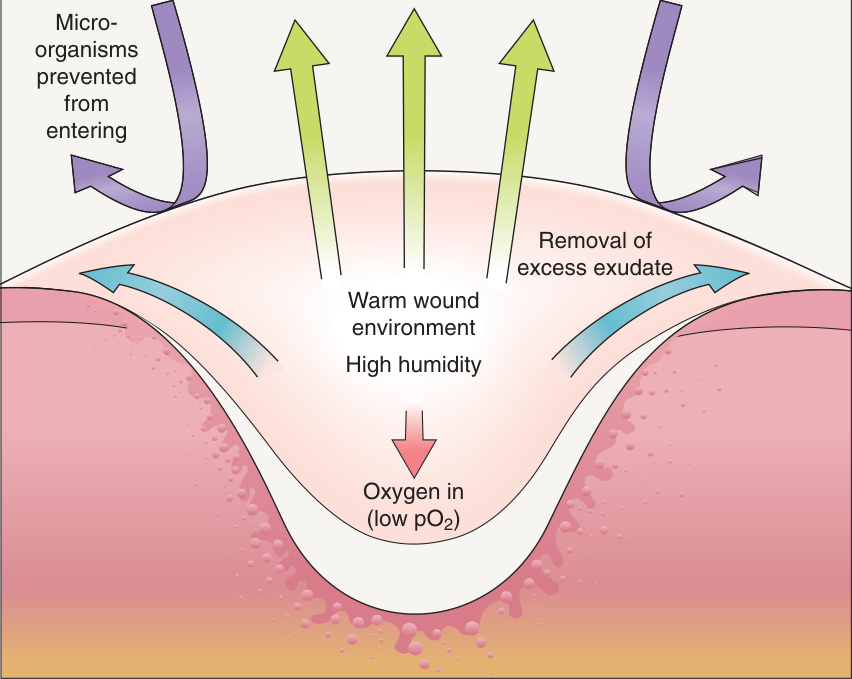
Fig. 145.1 Characteristics of the ideal wound dressing.Courtesy Gregg M. Menaker, MD.