MOISTURE-RETENTIVE DRESSINGS
Moisture-retentive dressings, traditionally called passive dressings, are distinct from active dressings, with the former commonly divided into six major groups: films, foams, hydrogels, alginates/gelling fibers, hydrocolloids, and the most recent addition, superabsorbent dressings (Fig. 145.4; Table 145.4). In choosing the most appropriate dressing for a particular wound, it is important to strike a moisture balance, i.e. not too dry and not too wet.
Films
Polymer films are thin, self-adhesive, transparent sheets of polyurethane or other synthetic semipermeable material (Fig. 145.5). These dressings are gas permeable, allowing for the exchange of oxygen, carbon dioxide and water vapor, but impermeable to larger molecule efflux, due to their pore size. Therefore, bacteria, proteins and wound fluid are prevented from moving across the dressing. Its permeability to water vapor allows for the release of insensible water and sweat from the skin. This provides the potential advantage of preventing maceration of the wound and surrounding skin. The semi-occlusive nature of this dressing allows for passage of oxygen to the wound, which had been considered to be an important feature when these dressings were initially introduced. Since then, evidence has indicated that low pO levels (similar to those that actually exist under the dressings) facilitate healing.
Advantages/disadvantages
The advantages of this type of dressing include translucency, thereby allowing direct visualization of the wound without removal of the dressing; permeability to water vapor; and tendency to reduce postoperative pain. They enhance re-epithelialization of graft donor sites, with a reported increase in healing rates of 25%–45%. One disadvantage of film dressings is that they are difficult to place properly, requiring uniform tension on the film to prevent wrinkling and its adherence to itself (similar to what is experienced with Saran™ Plastic Wrap). As the film usually only adheres to intact skin, a 1–2 cm application margin is recommended. In addition, due to shearing forces, it is best to avoid using films on thin or fragile skin.
Films may adhere to the wound as drying progresses, thereby risking disruption or stripping of the newly formed epithelium that is not yet tightly bound to the underlying dermal layer. It is also possible to traumatize newly grafted skin tissue during dressing changes. For these reasons, it is advisable to allow the film dressing to remain in place until it spontaneously falls off, which occurs after 1–2 weeks. Any wrinkling of the film during placement can create a conduit for bacterial penetration and leakage of wound exudate. It is therefore recommended that for exudative wounds the film have a complete 2–3 cm adhesion margin to prevent this leakage.
Another disadvantage of film dressings is that they are non-absorbent; therefore, wound fluid can accumulate under the dressing layer, especially with highly exudative wounds. This is often the case during the first 7–10 days after the creation of a wound, with the adherent properties of film dressings making frequent changing undesirable.
Foams
Polymer foams are semi-occlusive, bilaminate, and polyurethaneor silicone-based dressings. They consist of a hydrophilic foam with a hydrophobic backing, which can prevent leakage, provide a barrier against bacterial penetration, and provide the moist environment afforded by films, but with the addition of some absorbency (Fig. 145.6). The inner layer is composed of an absorbent, gas-permeable polyurethane foam mesh, which lies adjacent to the wound. The outer layer is a semipermeable, non-absorbent membrane composed of polyurethane, polyester, silicone or Gore-Tex®, surrounded by a polyoxyethylene glycol foam. This layer protects against outside bacterial contamination to some extent and against the drying out of the underlying layers.
Foam dressings are typically non-adherent, thereby requiring secondary dressing layers to ensure secure placement with a good seal. The quality of the seal is important to prevent leakage, desiccation, and problems with adherence. There are, however, some foams available with an adhesive surface and/or border, usually surrounding a central absorptive core. Ideally, once a foam dressing has absorbed some amount of exudate, it should be able to retain that fluid, even if exposed to pressure. Some brands are described as having such a quality.
Advantages/disadvantages
Although absorbent, there is usually a limit to the amount of wound exudate this type of dressing can absorb. Therefore, it should be changed every 1–3 days. The permeability of foams to both gas and water vapor makes them suitable for mild to moderately exudative wounds, although some brands may accommodate highly exudative wounds.
Silicone-based rubber foams, known as silastic foams, are composed of a silicone mixture to which a stannous octoate catalyst has been added. This type molds and contours to the shape of the wound and therefore can be used for packing cavities or deep ulcers such as pilonidal sinuses. The additional advantages are absorbency, non-adherence, increased comfort for the patient, a tendency to be less expensive, and dressing changes that do not generally require skilled nursing care.
The disadvantages of foam dressings are the inability to use them with dry wounds, their opacity, which prevents visual monitoring of the wound, and the need for frequent changing, perhaps as often as every day. Infrequent changing could risk incorporation of the dressing
material into the wound itself. There is also the possibility of an undesirable drying effect of the wound if drainage is insufficient to maintain a moist environment.
Hydrogels
As their name implies, hydrogels are composed primarily of water – up to 96% of the content. This dressing type consists of a cross-linked hydrophilic polymer network composed of polyvinyl alcohol, polyacrylamide, polyethylene oxide or polyvinyl pyrrolidone; it is produced as sheets, amorphous gels (pre-mixed or dry), or as impregnated dressings (Fig. 145.7). Hydrogels are semitransparent (allowing visual inspection of the wound), have a high absorptive capacity (between 100% and 200% of their volume), and are able to maintain a moist wound environment. The absorptive action is delayed in its onset and increases slowly as it provides for continuous, long-term absorption. Hydrogels are described as semi-adherent or completely non-adherent, depending upon the type, and therefore require a secondary dressing to hold them in place. The latter is necessary, as hydrogels provide a poor bacterial barrier and selectively permit Gram-negative organisms to proliferate.
In general, the sheet form of a hydrogel dressing is constructed by sandwiching the hydrophilic polymer between two removable thin sheets of polyethylene film, with some types containing a supportive inner gel mesh. For application to the wound, the film on the contact side is removed, leaving the outer film in place. With this mode of application, the dressing is semipermeable to gases (including oxygen) and water vapor. If the outer film is also removed, then the dressing becomes permeable to fluid as well; as a result, exudate can pass to a secondary gauze dressing. The polymer sheets can be removed easily without trauma to the wound bed.
The amorphous type of hydrogel is composed of a cornstarch-derived, polymerized compound that forms a gel upon hydration at the time of its use. It is available commercially in a powdered or pre-mixed form, is applied wet to the wound defect, requires a secondary outer dressing, and requires water application to the surface for removal.
Advantages/disadvantages
One significant advantage of hydrogel dressings is a reduction in postoperative pain and inflammation. Another is that hydrogels have been shown to accelerate the rate of wound healing when compared to gauze
dressings and non-adherent dressings such as Telfa™. For example, the rate of re-epithelialization of split-thickness porcine wounds was 25%–45% faster with hydrogels, and 100% of the hydrogel-treated wounds healed by postoperative day 4 compared with 32% of open-air (control) wounds. Hydrogels have also been credited with faster healing rates in studies of dermabrasion and hair transplant donor and recipient sites, when compared to standard non-adherent dressings.
Hydrogels are not recommended for infected wounds. In addition, the semi- or non-adherent nature of hydrogels often results in more frequent dressing changes than is needed with other occlusive dressings.
Alginates
Highly absorbent alginate dressings are composed of a natural, complex polysaccharide derived from various types of algae or kelp (seaweed). An extraction process produces a sodium salt form of alginic acid and, during a second step, sodium ions are exchanged for calcium, zinc, and magnesium. The end result is an alginate fiber; non-woven mats or twists of this fiber are then made into a dressing (Fig. 145.8). Upon application of the dressing, a reverse ion exchange occurs between the calcium within the alginate fibers and the sodium from blood or the wound exudate. This results in the formation of a soluble sodium alginate gel that fills and completely covers the wound in a non-adherent
manner, providing a moist wound healing environment. The extent and rate of gel formation depends on the amount of wound exudate. Alginate dressing materials also have hemostatic properties, believed to be the result of the release of free calcium by the fibers during the ion exchange. This release of calcium augments the clotting cascade, producing the hemostatic advantage.
Because alginate gel dressings are highly absorbent, they can remain in place at the wound site for several days at a time, thereby minimizing dressing changes. To secure an alginate dressing, a secondary dressing is required. A dressing change is indicated when the dressing has been in place for several days or when exudate soaks through to the secondary dressing. Removal of the dressing in a dried state can re-injure the wound.
Advantages/disadvantages
Alginate dressings are soluble and can be removed by saline irrigation, permitting less painful dressing changes. They have been shown to encourage wound healing and are metabolized by the body, should residual material remain at the wound. Despite concerns about the potential toxicity of alginates, they have been used for over 50 years without any commonly reported complications. However, removal of the secondary outer dressing is necessary to visually inspect the wound and to monitor for desiccation.
A Hydrogel sheet. B Premixed amorphous hydrogel.
Gelling Fibers (Hydrofibers)
Highly absorptive hydrofibers are another category of dressings with similarities to alginates. They are composed of carboxymethyl cellulose fibers that interact with wound fluid, turn into a gel, and aid in autolytic debridement. Gelling fibers are up to three times more absorbent than alginates. An additional advantage over alginates is their vertical uptake of wound fluid, thereby decreasing the risk of peri-wound maceration.
Hydrocolloids
Colloid is a Greek term for a two-phase system comprised of a uniform dispersion of one phase of matter (unfilterable small particles) into another phase of matter or matrix. Mutually attractive charges exist between the particles, which contributes to the diffusible properties of colloids. Colloids are characterized by the strength of attraction of
This example is DuoDERM®.
the particles to the continuous medium and to the proportion of water within that medium. This property accounts for the absorptive and expansive capacity of colloid gels, which function as a semipermeable membrane. Gel swelling occurs because the particle concentration of the gel is usually higher than that of the surrounding medium, thereby drawing water from the surroundings into the gel.
Hydrocolloid dressings were first employed as ostomy products and are now available in multiple forms. The most commonly used hydrocolloid dressings (e.g. DuoDERM®) are available as sheets with an inner adhesive layer consisting of a hydrophilic colloid base that is a mixture of pectin, karaya, guar or carboxymethyl cellulose plus an adhesive containing polyisobutylene, styrene isoprene, or ethylene vinyl acetate (Fig. 145.9). The outer layer is composed of a thin semipermeable material such as polyurethane. A gel is formed in the presence of wound exudate, and as a unit, the dressing is semipermeable to water vapor and gases.
Another type of hydrocolloid dressing is a synthetic, non-adherent, high-density plastic woven polymer (e.g. N-Terface®). Fluid is able to flow through this matrix to be absorbed by an overlying dressing without adherence to the new epithelial surface.
Advantages/disadvantages
When in sheet form, these dressings can be cut and conformed to the shape of the wound. They are waterproof and adhere directly; as a result, they do not require a secondary dressing. In addition, these dressings have a cushioning or pressure-relieving effect (especially at bony sites), which increases as the dressing absorbs exudate. The resulting colloidal gel that forms prevents the dressing from adhering to the wound base. Accumulation of the exudate itself in a moist, semipermeable environment becomes a source of phagocytic cells and endogenous enzymes. This feature, along with the gel, results in autolytic debridement that can be washed away with saline irrigation of the wound bed. Because hydrocolloids are impermeable to water, oxygen, and carbon dioxide, they are popular “waterproof” dressings.
Due to their semipermeable outer barrier, hydrocolloids have also been shown to stimulate angiogenesis and increase the rate of healing by as much as 40% when compared to open-air controls. A comparison of hydrocolloids versus wet-to-dry saline gauze dressings in the treatment of decubitus ulcers found that hydrocolloids do not require as many dressing changes as traditional wound dressings. Although the cost of individual hydrocolloid dressings was greater than gauze dressings and the healing rates were the same, the savings were in the cost of nursing time. In addition, the dressing changes tend to be simple and painless for the patient.
Disadvantages of hydrocolloids include maceration of the skin surrounding the wound, a potential for irritant or allergic contact dermatitis (e.g. to adhesives), and the risk of forming excessive granulation tissue. Similar to alginate dressings, the end product of hydrocolloids is a thick, yellow–brown, often foul-smelling gel resembling purulent discharge. The patient needs to be educated regarding the distinction.
Superabsorbent Dressings
This expanding category of dressings is characterized by enhanced absorption, with exudate pulled up and often laterally into the construct of the dressing. By using a larger interface surface, more viscous drainage can be absorbed. Superabsorbent dressings contain particles composed of three-dimensional networks of polyacrylic acid polymers that are crosslinked by covalent bonds and swell upon contact with aqueous solutions. As water enters the dressing, the carboxylic acid groups of the polymer ionize and are electrostatically repelled from each other; this results in significant space for water and each particle can absorb hundreds of times its own weight in fluid. Superabsorbent dressings are indicated for exudative wounds and can also aid healing by trapping bacteria and proteolytic enzymes. If overlying pressure is placed (e.g. compression), it is important to remember that these dressings swell over time and this can increase pressure on the wound, potentially inhibiting healing.
Contact Layers
Contact layers are single-layer constructs that are applied directly to the wound surface. They are non-absorbent, non-adherent, woven polyethylene mesh dressings impregnated with different materials such as petrolatum, hydrocolloid, and silicone. These contact layers serve as primary dressings and are covered by a secondary dressing. Wound exudate can flow through them while they protect the wound bed from the trauma of dressing changes. Contact layers are commonly used to secure and protect advanced tissue products (see below) and may stay in place for up to two weeks while the secondary dressings are changed more frequently.
Composite Dressings
The designs of occlusive dressings are constantly changing with the goal of improved and simplified care for a greater range of wounds. Several newer types of composite dressings, which combine two or more types of semi-occlusive dressings into one product, are commercially available. They have three components: (1) a semi- or non-adherent layer that contacts the wound (like a hydrogel, hydrocolloid, foam or alginate; Fig. 145.10); (2) an absorptive layer; and (3) an outer layer (like a film with an adhesive border). This maximizes the efficiency and comfort of the dressing by expanding absorbency as well as lessening the chance of maceration. Other features include the lack of need for secondary retention dressings and better waterproof coverings, which enable the patient to shower or bathe.
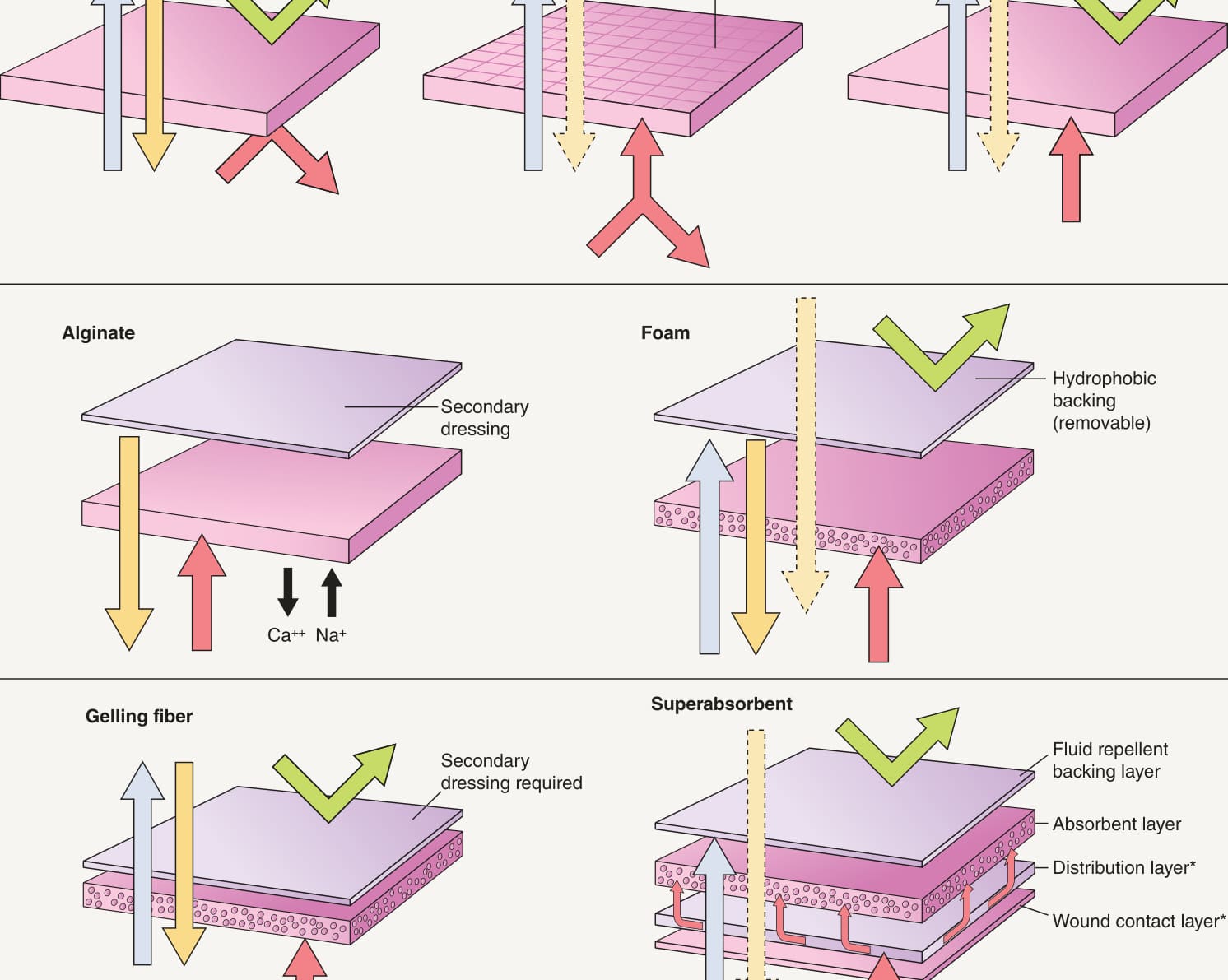
Fig. 145.4 Occlusive dressings and their properties. The six major dressings are polymer films, polymer foams, hydrogels, alginates/gelling fibers, hydrocolloids, and superabsorbents. Courtesy Gregg M. Menaker, MD.
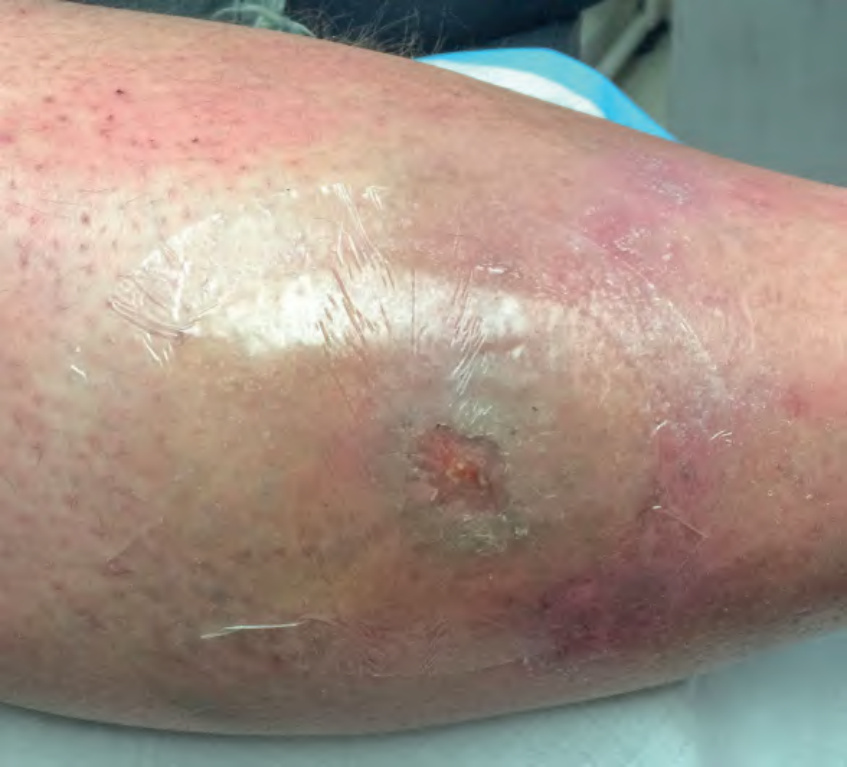
Fig. 145.5 A transparent film dressing is used to occlude a dry wound. This example is Tegaderm™.
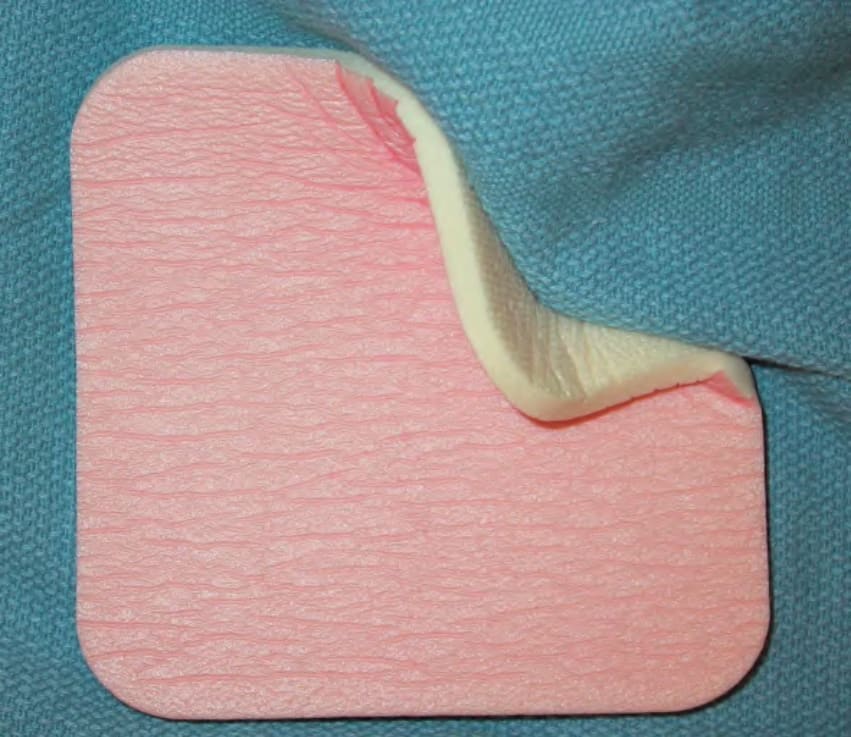
Fig. 145.6 Polymer foam dressing. It consists of hydrophilic foam with a hydrophobic backing (pink).
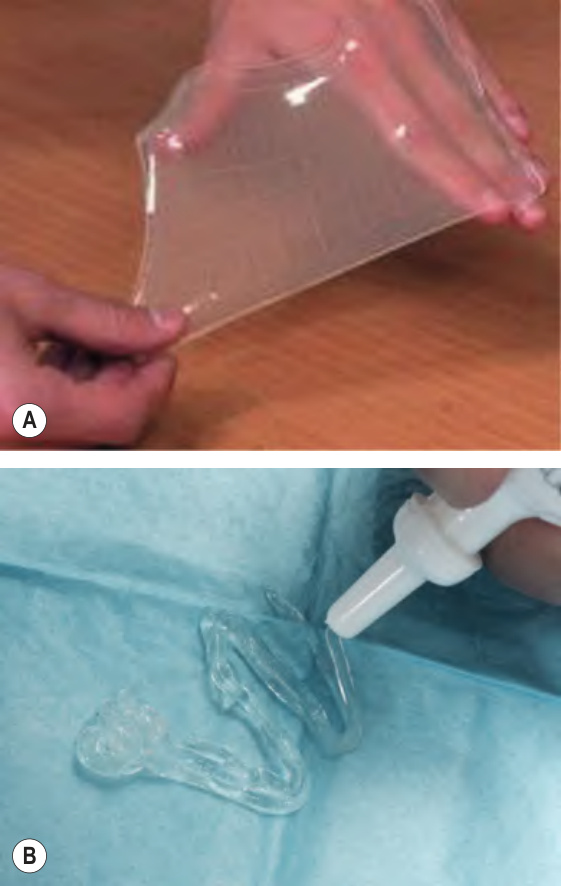
Fig. 145.7 Hydrogels.
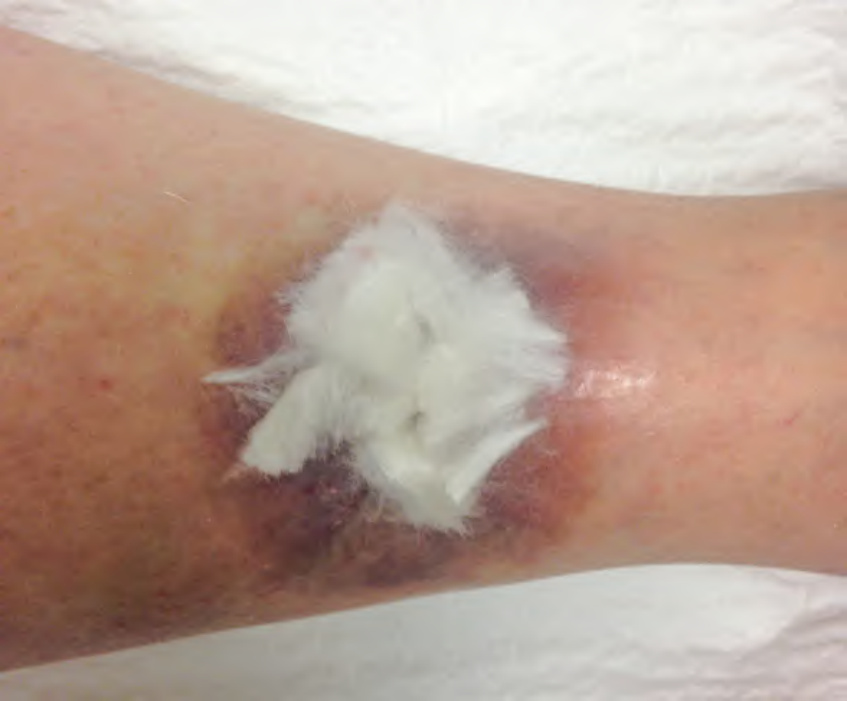
Fig. 145.8 Collagen–alginate complex dressing. Alginate dressings have hemostatic effects and can be used post-debridement.
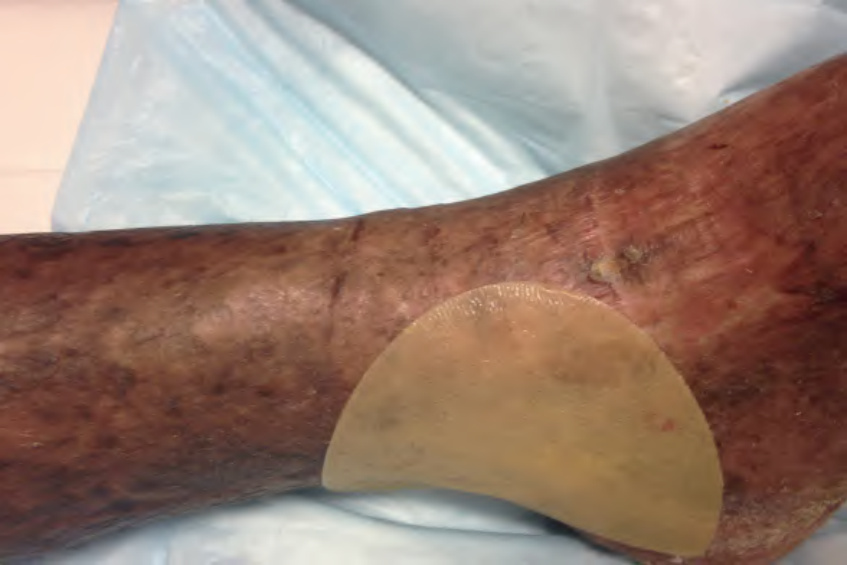
Fig. 145.9 Hydrocolloid dressing placed over a healing wound on the ankle.
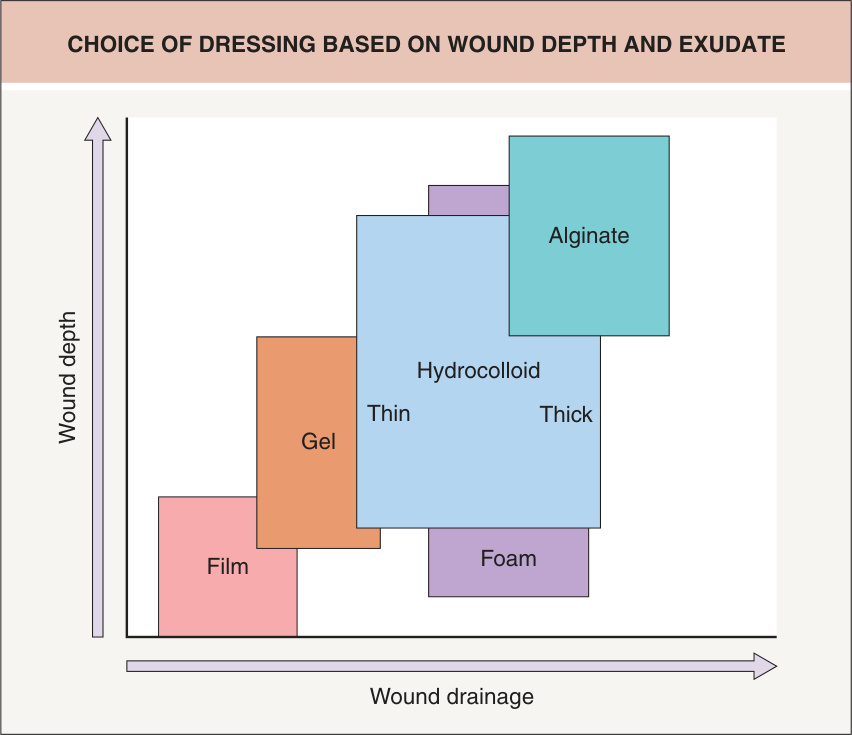
Fig. 145.10 Choice of dressing based on wound depth and exudate.Courtesy Gregg M. Menaker, MD.
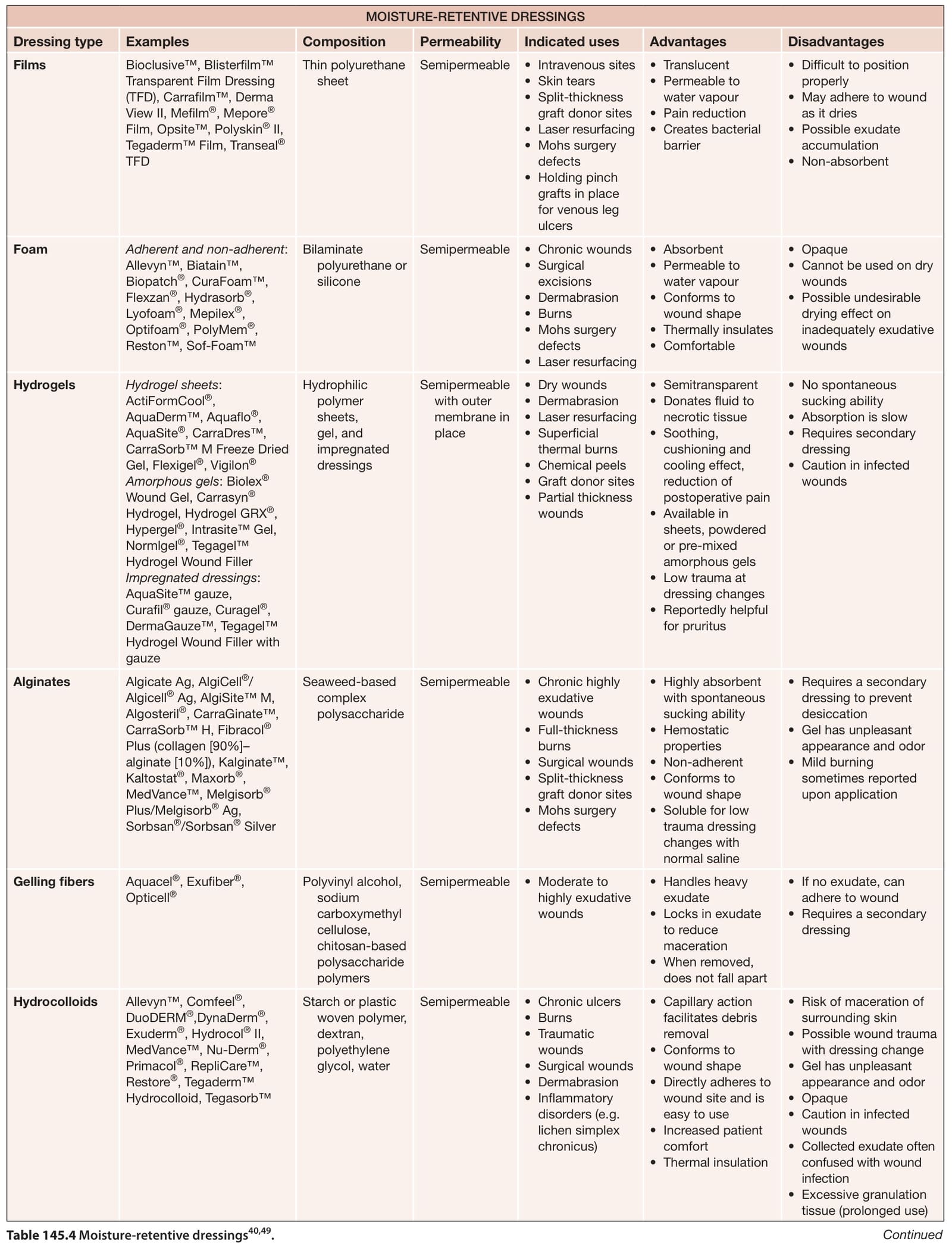
Table 145.4 Moisture-retentive dressings. Continued