INDICATIONS/CONTRAINDICATIONS
A biopsy is indicated when the clinical diagnosis of a cutaneous disorder is unclear or must be substantiated before a course of treatment is undertaken. Inflammatory disorders are often biopsied to assist in the differentiation of multiple processes that may have a similar clinical appearance. Infectious processes are biopsied to detect the causative organism in tissue sections and/or to obtain tissue for culture. Lesions suspicious for malignancy are biopsied in order to develop a surgical plan appropriate for the tumor type. Biopsies of normal skin may also be performed to assist in the diagnosis of systemic diseases or to obtain tissue for genetic studies (Table 146.10). Skin biopsies may even be performed prenatally.
Most patients can safely undergo a skin biopsy, so contraindications are not absolute. A skin biopsy may save the patient from a more invasive procedure if the disease process can be determined via histologic examination of the skin. Patients who are immunosuppressed because of medications (e.g. prednisone, chemotherapy, tacrolimus) or under-lying diseases (e.g. HIV infection, lymphoma, leukemia) often require biopsies because of the complicated interplay between the underlying disorders and the side effects of therapy (e.g. infections, drug reactions).
In addition, there are no cutaneous or mucosal sites where a biopsy is contraindicated. Diagnostically, it is more useful to biopsy a lesion from the hand or the face that provides accurate information than it is to biopsy a late-stage, nonspecific lesion on the arm. Biopsies can be done on the legs of patients with diabetes mellitus as well as the digits of patients with vascular compromise, although greater attention to postoperative
Tissue can also be used (as comparison) to confirm mosaicism and to assist in diagnosing inherited disorders (e.g. muscular dystrophies, sarcoglycanopathies).
care is often necessary. For patients with coagulation or platelet disorders (due to either underlying diseases or medications), it may be preferable to biopsy a site that can be compressed to produce hemostasis. For example, if an arm or leg were biopsied, postoperative bleeding can be controlled by pressure applied by an elastic circumferential bandage.
In certain anatomic sites, it may be necessary to exercise caution to avoid injuring a vital structure (see Chs. 142 & 151). The temporal nerve lies in a superficial location, just beneath thin dermis and subcutaneous fat, midway between the eyebrow and the temporal hairline. The spinal accessory nerve also courses superficially at the posterior edge of the sternocleidomastoid muscle, approximately one-third of the distance between the mastoid process and the inferior attachments of the muscle. Severing these nerves leads to motor dysfunction; thus, these sites are best biopsied in a superficial manner. The temporal and thyroid arteries are also relatively superficial; cutting them leads to temporary difficulty with hemostasis but without long-term adverse effect.
Some lesions require special consideration before performing a biopsy. A mass that is pulsatile may indicate large arterial vessel involvement, a situation requiring additional clinical evaluation prior to biopsy and special surgical arrangements in case of bleeding. A post-traumatic cephalic mass or cystic midline lesion may need preoperative radiologic examination to identify any possible connection to the intracranial
or intraspinal space. Excision of a benign lesion, e.g. epidermoid inclusion cyst, on the upper trunk or shoulders of a patient who tends to form keloids must be carefully discussed, weighing the possibility of keloid formation against how bothersome the lesion is. Hypertrophic scars, on the other hand, are common and resolve with time and/or pressure as well as corticosteroid injections, and need not interfere with the performance of a biopsy.
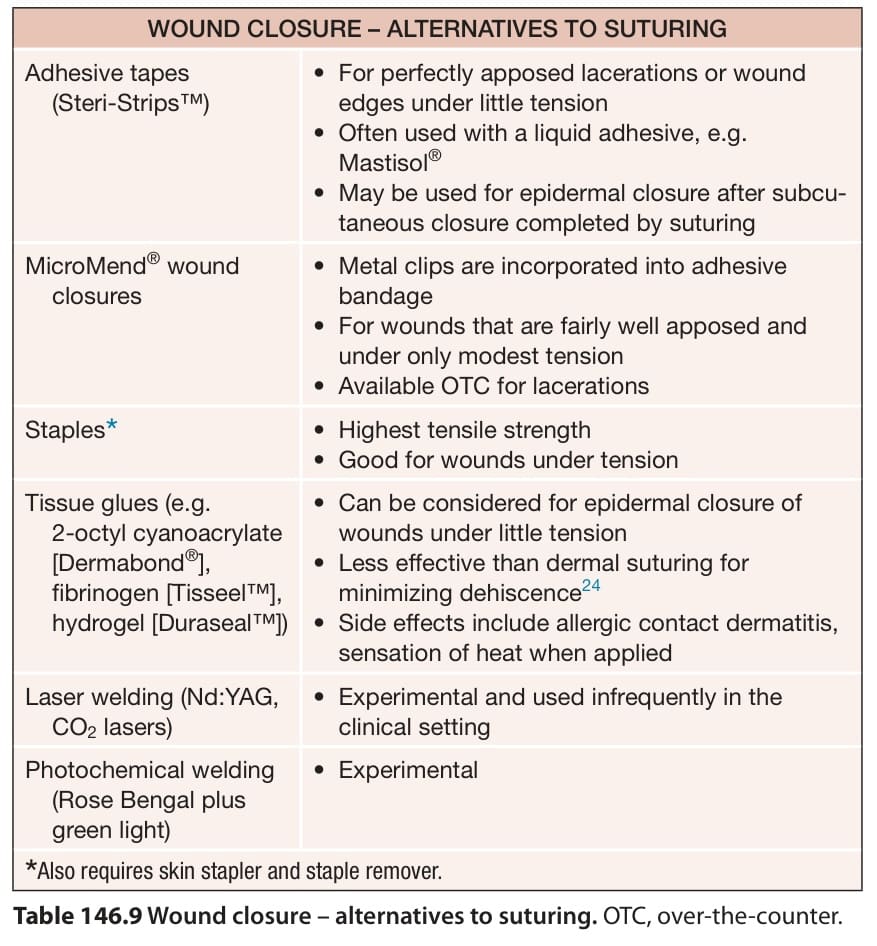
Table 146.9 Wound closure – alternatives to suturing. OTC, over-the-counter.
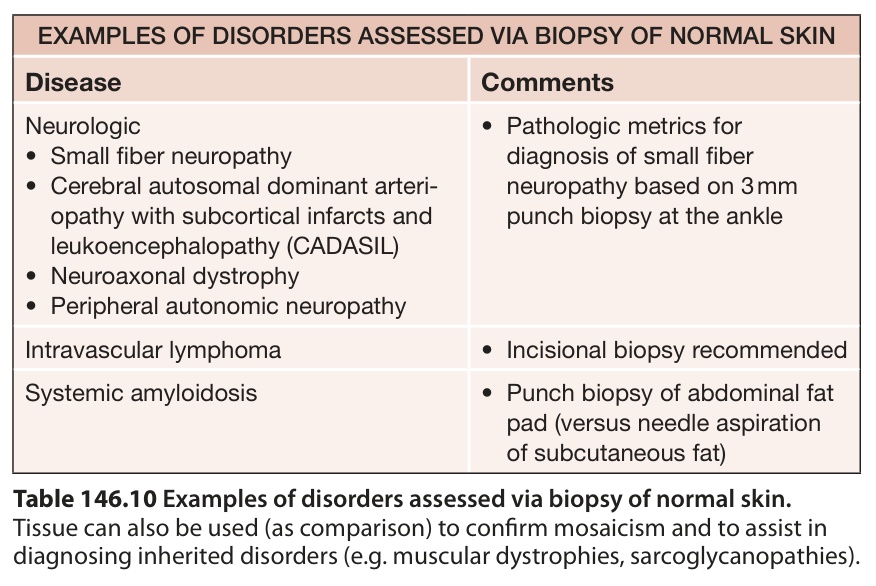
Table 146.10 Examples of disorders assessed via biopsy of normal skin.
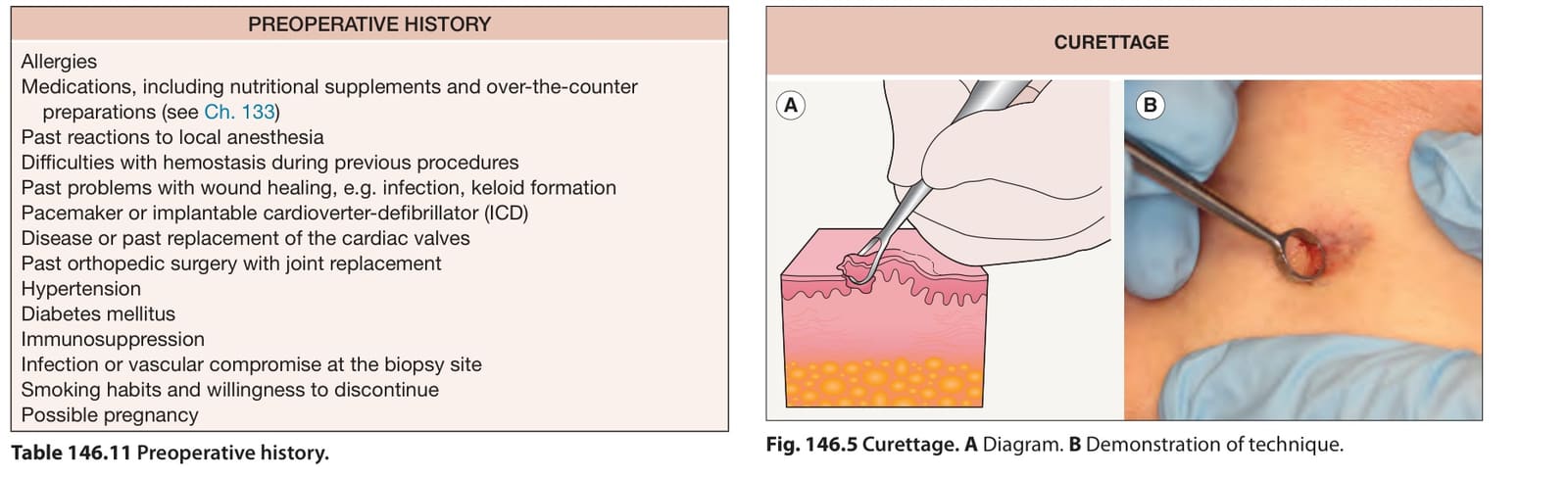
Table 146.11 Preoperative history.