ALLERGENS
The top 10 allergens, as identified by the North American Contact Dermatitis Group (NACDG) in 2017–2018 were nickel sulfate, methyl isothiazolinone (MI), methylchloroisothiazolinone/MI, fragrance mix I, hydroperoxides of linalool, formaldehyde, benzisothiazolinone, Myroxylon pereirae (balsam of Peru), cobalt chloride, and p-phenylene diamine (Table 14.6). For patients with active dermatitis awaiting
Dermatitis Group. aq, aqueous; pet, petrolatum.
patch testing, avoidance of common allergens such as these can be a useful temporizing measure. Table 14.7 provides a list of additional important allergens (and the frequently identified routes of exposure). Of note, ACD in children is becoming increasingly recognized, and the most common allergens, as identified by the NACDG in this age group, are outlined in Table 14.8. The modern era has brought us new products and new exposures to allergens, e.g. isobornyl acrylate in glucose sensors, alkyl glucosides in leave-on and rinse-off personal care products, and cyanoacrylates in surgical glues. Additional examples are outlined in Table 14.9, including exposure to the preservative MI (see Fig. 14.9D). MI has served as a substitute for older preservatives such as parabens; the latter were eliminated from many products due to concerns regarding non-cutaneous side effects, but as a reflection of the low allergenicity of parabens they were designated the 2019 (non) allergen of the year by the ACDS.
The following section will briefly discuss pertinent information regarding several key allergens.
Nickel
Nickel ranks as the most common allergen tested by the NACDG, with up to 20% of patch test clinic patients reacting to it. In patch test clinics worldwide, nickel is the most common allergen, but it is often not relevant to the dermatitis in question. However, upon questioning, past relevance may be discovered (e.g. previous mid-abdomen dermatitis). Nickel is a strong silver-colored metal that is commonly used in jewelry, buckles, and snaps, as well as other metal-containing objects (Fig. 14.16).
It has been proposed that the high rate of nickel sensitivity, which in some patch test clinics approaches 30%–40%, can be attributed in large part to ear piercing. Studies have shown that the metal posts used in ear piercing release varying amounts of nickel, allowing for direct exposure to an injured cutaneous surface. Traditionally, the prevalence of nickel sensitivity has been higher in women; however, with newer trends toward piercing multiple body sites by both men and women, a sex difference may become less apparent. In Europe, there has been a significant reduction in nickel allergy as a result of legislation limiting nickel release from items in contact with the skin.
Clinically, nickel dermatitis most commonly occurs at sites of contact with earrings, necklaces, and the backs of watches (see Fig. 14.9A, Fig. 14.16A). Dermatitis of the mid-abdomen caused by a belt buckle or snap is common (see Fig. 14.16C) and eyelid dermatitis from metal eyelash curlers or eyeglasses can also be seen. Facial dermatitis due to ACD to nickel and chromate within cellular phones has been described as has a generalized eruption caused by nickel from an iPad.
Concomitant reactions to nickel and cobalt have been reported and may be due to the frequency with which the two metals are used in combination. Of note, sweating can increase the amount of metal leached from a product. A useful test to determine whether a particular item contains nickel is the dimethylglyoxime test (see Appendix), which identifies objects that release nickel using a pink color indicator (see Fig. 14.16D).
Individuals with nickel allergy should avoid costume jewelry. They can usually wear jewelry made of stainless steel, platinum or gold, but not white gold. Some clinicians advocate coating nickel-containing surfaces such as snaps on jeans with clear nail polish (e.g. Beauty Secrets Hardener) to prevent leaching by sweat onto the skin. However, the nail polish can rub off and should be reapplied if it is effective.
Methylisothiazolinone (MI)
By 2014, patch test clinics around the world were reporting that MI was becoming their most common allergen. MI was previously used in combination with methylchloroisothiazolinone (MCI) in a ratio of 3 : 1 in rinse-off products, and its concentration was <3.75 ppm. In 2005, however, regulatory changes allowed its concentration to increase to 100 ppm, and this was followed by the current epidemic. While there is increasing recognition that use of sanitary wet wipes can lead to ACD of the anogenital region and hands (see Fig. 14.8B), it should be noted that MI has also been found in make-up removal wipes (see Fig. 14.6B), sorbolene lotions, liquid soaps, shampoos, deodorants, and a number of other personal care items (see Fig. 14.9D). Paints containing MI have been associated with occupational ACD as well as airborne ACD.
Fragrance Mix
Fragrances are ubiquitous in our environment. They are used to provide a pleasant odor and have been used extensively for centuries. According to the NACDG, fragrances are a common allergen, with a rate of up to 12%.
The detection of a fragrance allergy was made easier with the introduction of a fragrance mix in the 1970s. Prior to that, fragrance allergy was identified primarily through testing with balsam of Peru, which detected only about 50% of those affected. The current fragrance mix I contains eight different fragrance components (at 1% each; Table 14.10).
Fragrance mix I is the most useful tool for detecting fragrance allergy. However, the composition of fragrance-containing products continually changes. Therefore, by including additional allergens such as those in fragrance mix II (see Table 14.10), the detection rate of fragrance allergy can be increased. It is estimated that ~25% of patients allergic to fragrance would be missed if fragrance mix II were not used.
In product formulations, fragrances can be used to provide a pleasant odor. However, they can also be used to mask an unpleasant odor – a so-called masking fragrance. This often occurs in products labeled “unscented”. Patients who are identified as being allergic to fragrance must be instructed to read all labels and to avoid any product that lists a fragrance, is labeled “unscented”, or has an obvious scent (see Fig. 14.15). They should be instructed to look instead for “fragrance-free” products. Unfortunately, there are several fragrance ingredients that have other purposes, i.e. they act as a preservative or emollient. These covert fragrances, e.g. balsam of Peru, benzylaldehyde, benzyl alcohol, bisabolol, can be used in a product and the product may still be labeled fragrance-free as long as the potentially allergenic ingredient has been identified as being used for a purpose other than fragrance. Obviously, this causes significant problems for the individual with fragrance allergy who is trying to avoid fragrances. Label reading may not always be enough unless the patient is educated about some of these practices. Complete disclosure on labels of all ingredients regardless of intended function would be helpful, but this is not yet part of industry practice in the US; by contrast, in Europe 26 fragrances must be included in the product label. For the individual allergic to fragrances, repeat open application testing is very helpful in screening for an allergy to new or old products.
Hydroperoxides of Linalool and Limonene
Recently, the discovery that the hydroperoxides of linalool and limonene are more sensitizing than their parent chemicals has led to increased
recognition of the importance of these allergens in many fragranced products, and relatively high levels of relevant reactions have been reported (see Table 14.6). However, patch testing with these fragrances is also associated with a number of doubtful and irritant reactions.
Myroxylon pereirae
Myroxylon pereirae (balsam of Peru) is a naturally occurring fragrance and one of the more common allergens identified by the NACDG (see Table 14.6); however clinical relevance is often lacking. Because it is infrequently found in topical pharmaceuticals or fragrances, positive reactions usually relate to previous exposure to fragrances, with allergy to balsam of Peru most commonly observed in those with fragrance allergy.
Patients with a positive reaction to balsam of Peru should be counseled to avoid fragrances. Some patients suspected with clinical features of systemic contact dermatitis may benefit from a restrictive diet avoiding balsams, cinnamon, cloves, and vanilla.
Formaldehyde
Formaldehyde is ubiquitous. It is a colorless gas that can be found in the workplace as well as in cosmetics, medications, nail hardeners, textiles, paints, cigarette smoke, paper, and formaldehyde resins (e.g. plastic bottles). Formaldehyde can cause several different types of reactions, including ICD, ACD, contact urticaria, and mucous membrane irritation, especially of the conjunctiva and respiratory tract. Formaldehyde is present in the air, as it is released in cigarette smoke, automobile exhaust, and even hair-straightening products.
Today, formaldehyde is rarely used in personal care products or cosmetics. However, allergy to formaldehyde is commonly seen in association with other formaldehyde-releasing preservatives, such as quaternium-15, imidazolidinyl urea, diazolidinyl urea, DMDM hydantoin, 2-bromo-2-nitropropane-1,3-diol, and tris(hydroxymethyl) nitromethane, and therefore formaldehyde-sensitive individuals should generally avoid these substances.
Textile dermatitis can be caused by formaldehyde resins, because the latter are used as a finish on “wash-and-wear” or wrinkle-resistant clothes. Of the various textiles, 100% polyester is believed to have the least amount of formaldehyde. A study of many fabrics showed that
some free formaldehyde was present in all of those tested. Washing clothes, especially those that are “permanent press” or “drip dry”, several times prior to wearing will decrease the amount of formaldehyde present but will not eliminate it.
As formaldehyde is so widespread, avoidance is often difficult. Clinical relevance can sometimes be difficult to determine.
Quaternium-15
Quaternium-15 is a quaternium compound that is used as a preservative. It is an effective biocide against Pseudomonas aeruginosa and P. cepacia, as well as other bacteria and fungi. Although quaternium-15 is used in several industries, the incidence of associated occupational contact dermatitis is very low. Quaternium-15 more typically plays a role as an allergen in personal care products such as shampoos, moisturizers, conditioners, and soaps. In the past, quaternium-15 and formaldehyde were reported to be the most common cosmetic preservatives to cause ACD in the US, but they have been overtaken by MI. The allergenicity of quaternium-15 can be due to its release of formaldehyde. Studies have shown that up to 80% of those reacting to quaternium-15 are also formaldehyde-sensitive. Allergy to quaternium-15 is often relevant to the patient’s dermatitis.
In addition to coexisting with formaldehyde sensitivity, allergy to quaternium-15 can be seen in association with other formaldehydereleasing preservatives, such as imidazolidinyl urea, diazolidinyl urea, 2-bromo-2-nitropropane-1,3-diol, DMDM hydantoin, and tris(hydro xymethyl)nitromethane. Avoidance of quaternium-15 is possible through careful label reading. If the individual allergic to quaternium-15 is not allergic to the other formaldehyde-releasing preservatives mentioned above, they need only avoid quaternium-15. Obviously, avoidance of the other formaldehyde-releasing preservatives may be necessary depending on the patch test results. Quaternium-15, formaldehyde, diazolidinyl urea, and imidazolidinyl urea are present in T.R.U.E. TEST®. However, other formaldehydereleasing preservatives may be missed if expanded patch testing beyond the T.R.U.E. TEST® is not performed (see Table 14.3). As a group, the quaternium amino compounds are infrequent sensitizers and the other quaternium compounds can be safely used in those allergic to quaternium-15.
p-Phenylenediamine
Paraphenylenediamine (PPD) is the most commonly used permanent hair colorant and it is recognized as a common cause of ACD. Once fully oxidized, the disperse dye is no longer allergenic, but in reality the chemical is not always fully oxidized. Since 1998, PPD has been found in some temporary tattoos in concentrations higher than those present in hair color products. As a result, PPD has resurfaced as an allergen in a new population (Fig. 14.17). When ACD is due to PPD in permanent hair colorants, it involves primarily the forehead, neck and scalp.
Benzisothiazolinone
Isothiazolinone derivatives have potent bactericidal, fungicidal, and algicidal properties and are primarily used in non-personal care products such as household detergents and water-based paints. Of the isothiazolinone derivatives, sensitization potential is greatest for MCI > MI followed by benzisothiazolinone > octylisothiazolinone.
Cobalt
Cobalt is a metal that is often used in conjunction with other metals in order to add hardness and strength. It is frequently combined with nickel, chromium, molybdenum, and tungsten. This may be the explanation for the frequent finding of sensitization to cobalt in patients
who are also allergic to either nickel or chromium. Specifically, ~80% of individuals with a cobalt sensitivity have a co-sensitivity to nickel (more common in women) or chromate (more common in men).
Exposure to cobalt is typically through a metal, most often in jewelry, snaps, buttons, or tools. However, cobalt is also found in cosmetics, hair dyes, orthopedic implants, ceramics, and enamel as well as in cement, paints, and resins. Exposure can come from hobbies such as pottery making and occupations such as bricklaying.
When patch testing to cobalt, one may see a particular reaction, described as “poral”, that appears as erythematous to violaceous dots. This is not an allergic reaction but is believed to result from the allergen residing within the acrosyringia. A cobalt spot test has recently been released, based on disodium-1-nitroso-2-naphthol-3,6-disulfonate.
Chromium
Allergic contact dermatitis to chromium occurs from two main sources, leather tanned with chromate and cement. European legislation mandating the addition of ferrous sulphate to cement has reduced the amount of hexavalent chromium in cement to less than 2 parts per million, with a dramatic decline in the number of cases of allergic contact dermatitis. Trivalent chromium is less soluble and has a low degree of skin permeation. Allergic contact dermatitis to chromium in cement has a notoriously bad prognosis.
Topical Antibiotics
Neomycin is an aminoglycoside that is prescribed as a topical rather than an oral medication because it has poor gastrointestinal absorption. It is the most commonly used topical antibiotic and is the most common sensitizer among the topical antibiotics. Neomycin is found in many over-the-counter (OTC) preparations, including antibacterial ointments, hemorrhoid creams, and otic and ophthalmic preparations (see Table 14.2). It is frequently used in conjunction with other antibacterial agents, such as bacitracin and polymyxin B (e.g. Neosporin®), as well as with topical corticosteroids.
Bacitracin is a topical antibiotic with activity against Gram-positive bacteria and spirochetes. It is also used in topical antibacterial creams or ointments as well as in otic and ophthalmic preparations. As noted previously, bacitracin is frequently combined with neomycin, and although the two antibacterial agents are chemically unrelated, they often show co-reactivity. This is believed to be due to sensitization to both, given how commonly they are combined in OTC products (e.g. Neosporin®). Another common combination is bacitracin plus polymyxin B (Polysporin®). In addition to ACD, bacitracin rarely causes anaphylaxis and/or contact urticaria.
Thimerosal
Thiosalicylic acid and ethylmercuric chloride are the two components that are combined to form thimerosal – sodium ethylmercurithiosalicylate – a preservative that is used in a few products. It is believed that the most likely cause of sensitization to thimerosal comes from its use as a preservative in vaccines. Reports of sensitivity to ethylmercuric chloride and thiosalicylic acid have been published and both compounds have been found to be capable of inducing a delayed hypersensitivity reaction.
Many positive reactions to thimerosal are found on patch testing. Clinical relevance may be found in patients who use otic or ophthalmic drops, but in general relevance is low. Currently, thimerosal is in neither the NACDG 70 Series nor the European Baseline Series (see Table 14.3), but is still present in the T.R.U.E. TEST®.
Gold
Worldwide rates of positive gold reactions vary, and with routine testing they range from 0.8% to 10%. In one NACDG series, 90% of goldallergic patients were women, and there appeared to be a higher rate of nickel (33.5%) and cobalt allergies (18%) in patients with gold allergy than in the general population (14% and 9%, respectively). Similar findings have been reported in other studies.
When relevant, the most common clinical presentation is that of a hand, facial, or eyelid dermatitis. One of the difficulties with gold patch testing is that the relevance of positive reactions is usually difficult to determine. Gold sodium thiosulfate is currently not included in the NACDG 70 Series or the European Baseline Series.
Corticosteroids
Corticosteroids are administered in many different forms: topical, intralesional, oral, intramuscular, intravenous, inhalational, and intra-articular. They are anti-inflammatory agents and have been shown to cause ACD in 0.2%–6% of patients. Corticosteroids have been reclassified into three groups based on patch test results and molecular modeling, with group 1 corticosteroids producing the most allergic reactions (Table 14.11). It is suspected that ACD to these agents may be underdiagnosed, either because of insufficient testing to the allergens or perhaps owing to incomplete testing, as a later reading is often necessary because of the anti-inflammatory nature of these compounds. Clinical scenarios that should raise the question of a possible allergy to topical corticosteroids include chronic dermatitis, failure to clear with topical corticosteroids, and exacerbation of dermatitis after use of topical corticosteroids.
The combination of tixocortol-21-pivalate and budesonide provides reasonable screening for corticosteroid allergy (see Table 14.11), with ~75% of corticosteroid allergic reactions detected with these allergens in one large study. Positive patch test reactions to corticosteroids are often unexpected in routine testing, but are usually relevant. They are often seen with other positive reactions. Fig. 14.18 may help direct the clinician in approaching the patient suspected of having an ACD to topical corticosteroids.
In addition to the anti-inflammatory nature of corticosteroids complicating patch test interpretation, an edge effect has also been observed. During the first reading, there may be erythema only at the rim of the test chamber, with a clear center that may later become involved. This is believed to be due to the anti-inflammatory effect of corticosteroids. In the center, the corticosteroid may be concentrated, inhibiting a reaction, but be less concentrated at the rim, where a reaction may occur more readily.
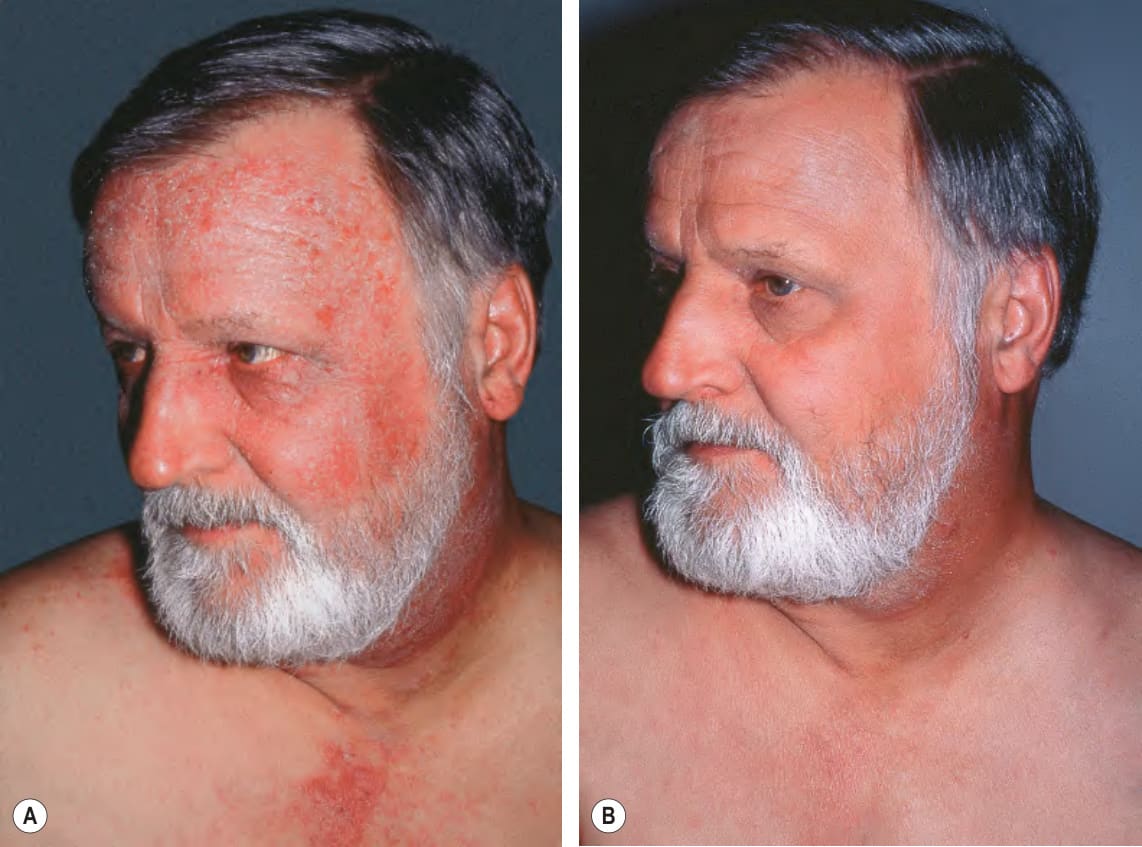
Fig. 14.15 Allergic contact dermatitis to fragrance found in cologne.A Patient at the time of diagnosis. B Patient after avoidance of fragrances and his cologne.
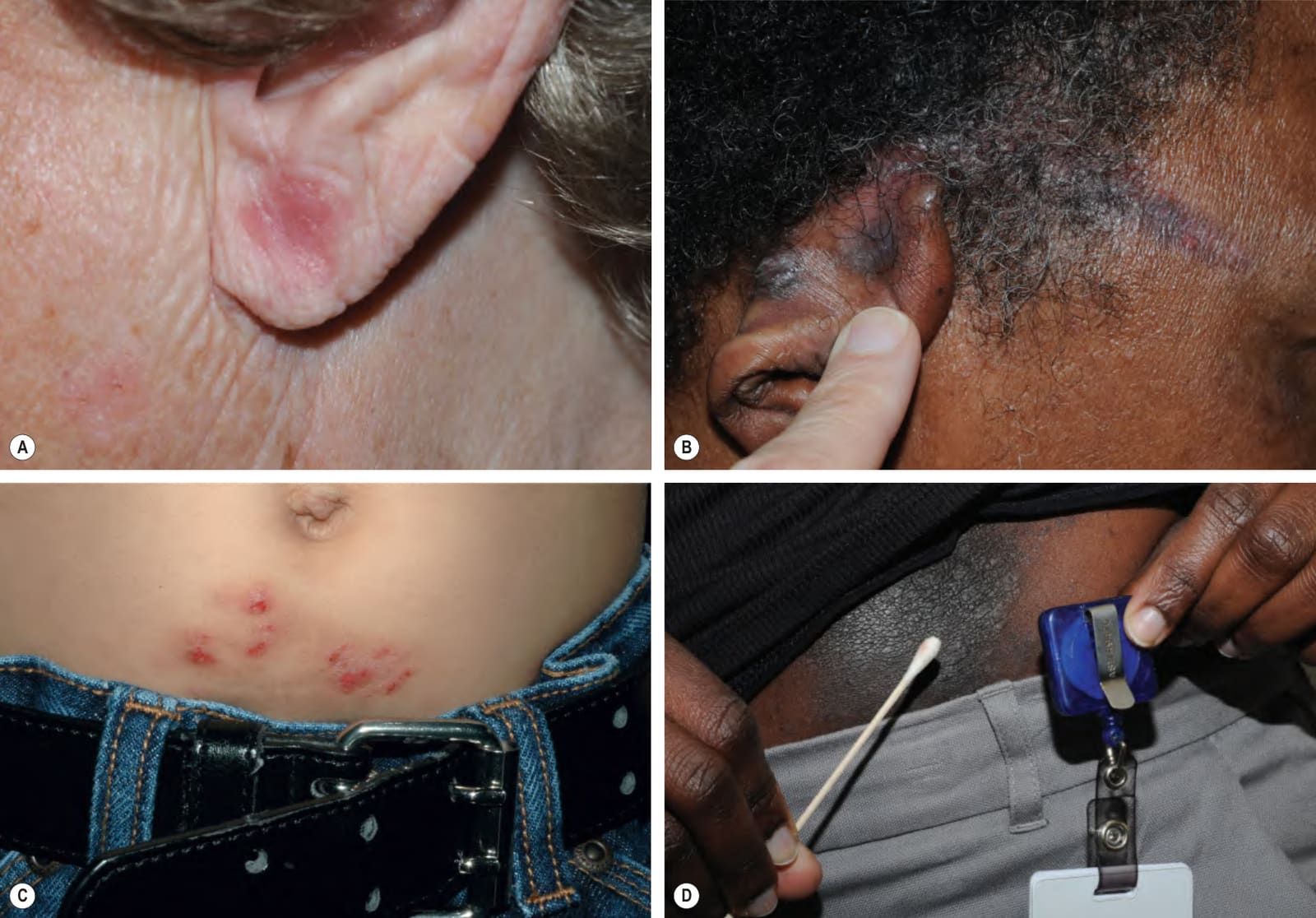
Fig. 14.16 Allergic contact dermatitis to nickel.A On the earlobe at the site of a clip-on earring. B At sites of contact with nickel-containing eyeglass frames; note the erosions and linear configuration on the temple. C Excoriated pink plaques due to nickel within the belt buckle. D A positive dimethylglyoxime test in which the pink color indicates the presence of nickel, in this case in a metal clip on a badge. C, Courtesy Julie V. Schaffer, MD.
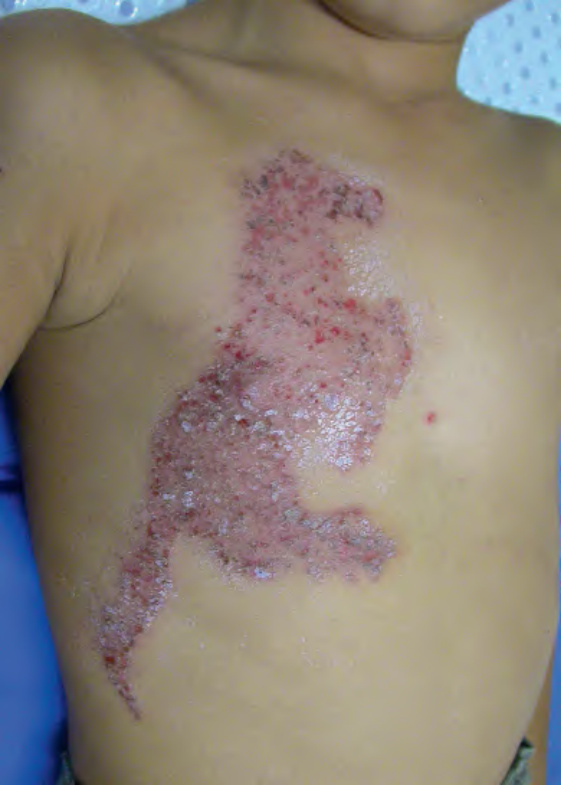
Fig. 14.17 Allergic contact dermatitis to p-phenylenediamine in a temporary tattoo.
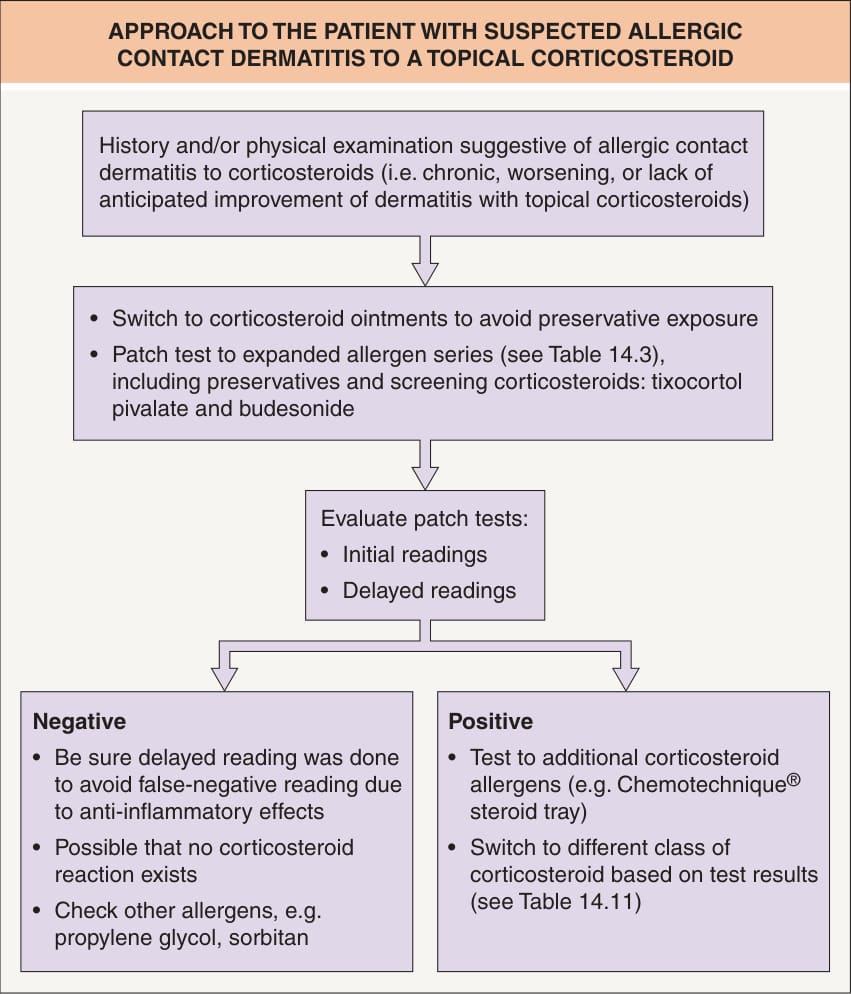
Fig. 14.18 Approach to the patient with suspected allergic contact dermatitis to a topical corticosteroid.
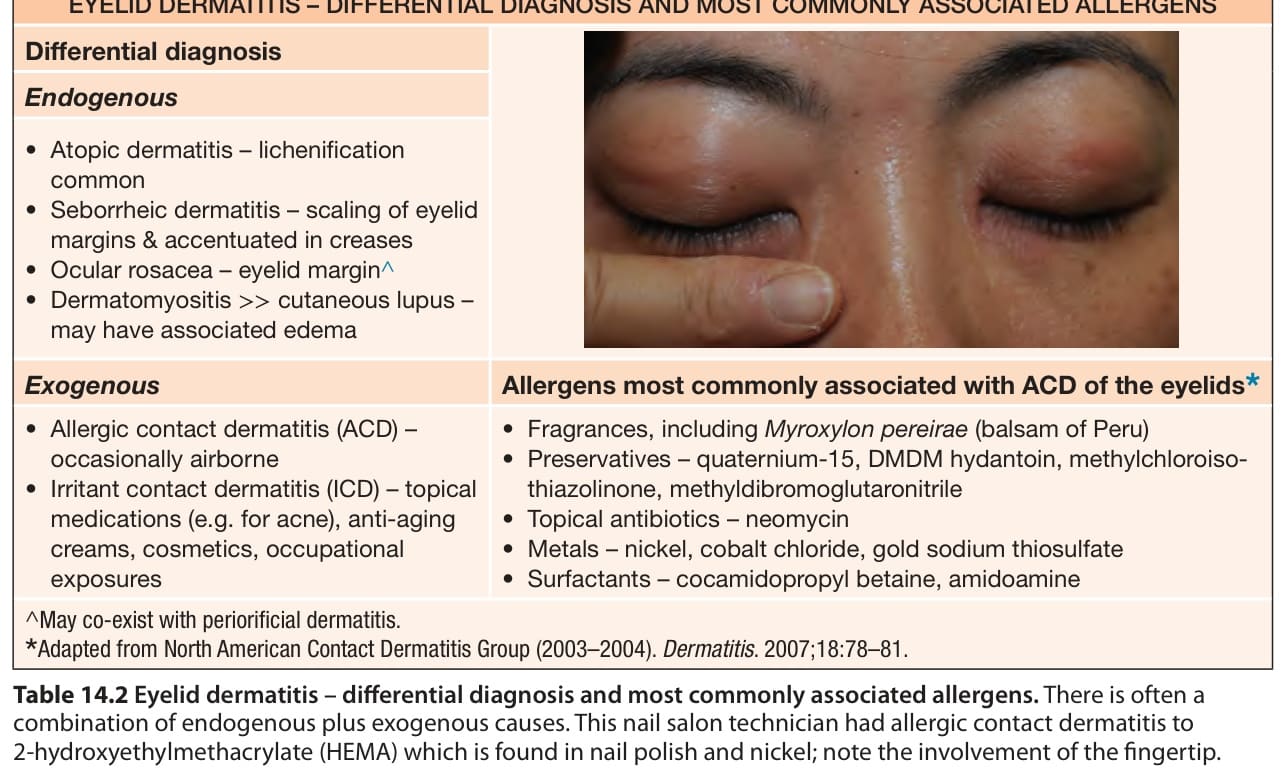
Table 14.2 Eyelid dermatitis – differential diagnosis and most commonly associated allergens. There is often a combination of endogenous plus exogenous causes. This nail salon technician had allergic contact dermatitis to 2-hydroxyethylmethacrylate (HEMA) which is found in nail polish and nickel; note the involvement of the fingertip.
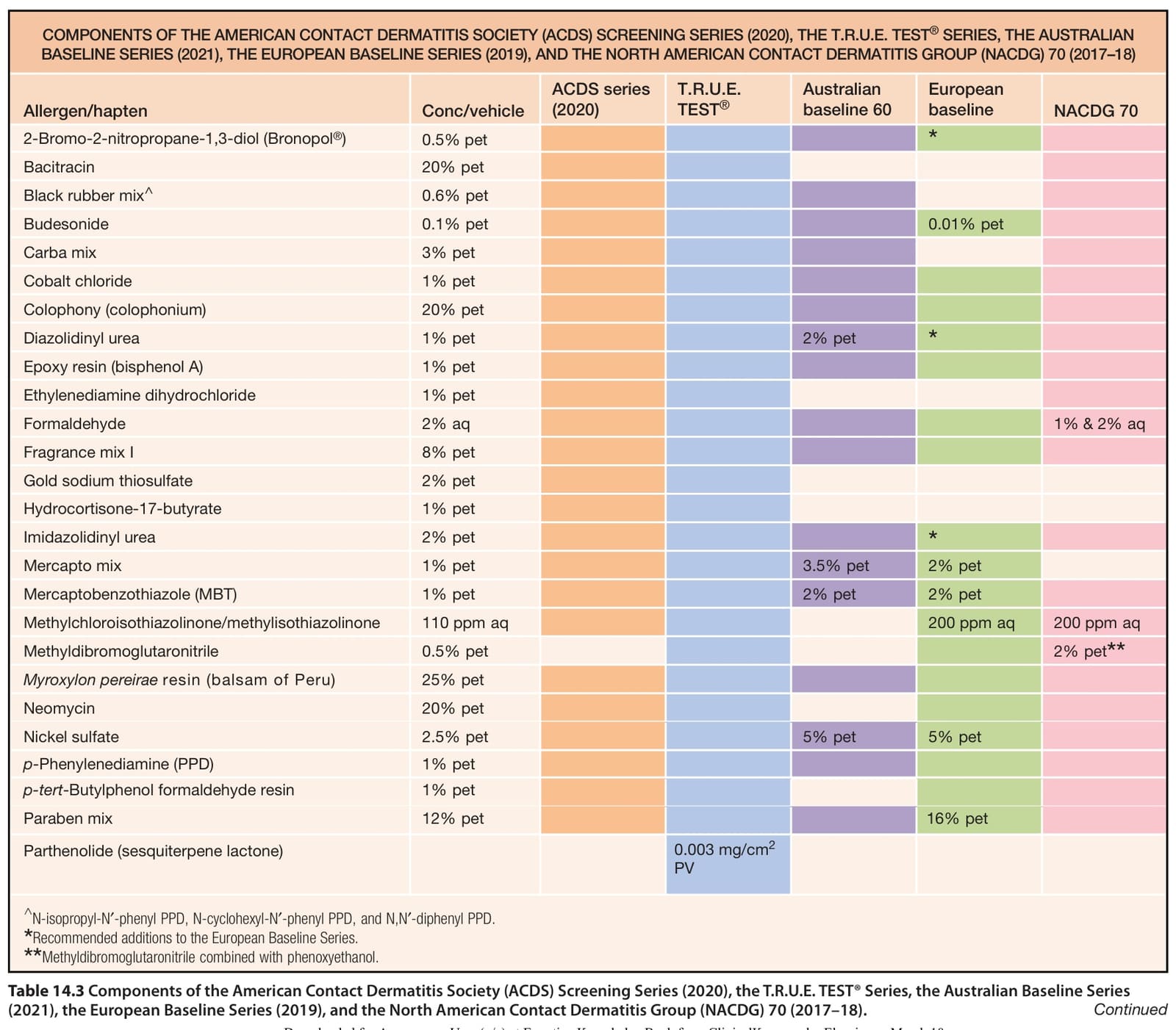
Table 14.3 Components of the American Contact Dermatitis Society (ACDS) Screening Series (2020), the T.R.U.E. TEST® Series, the Australian Baseline Series (2021), the European Baseline Series (2019), and the North American Contact Dermatitis Group (NACDG) 70 (2017–18). Continued
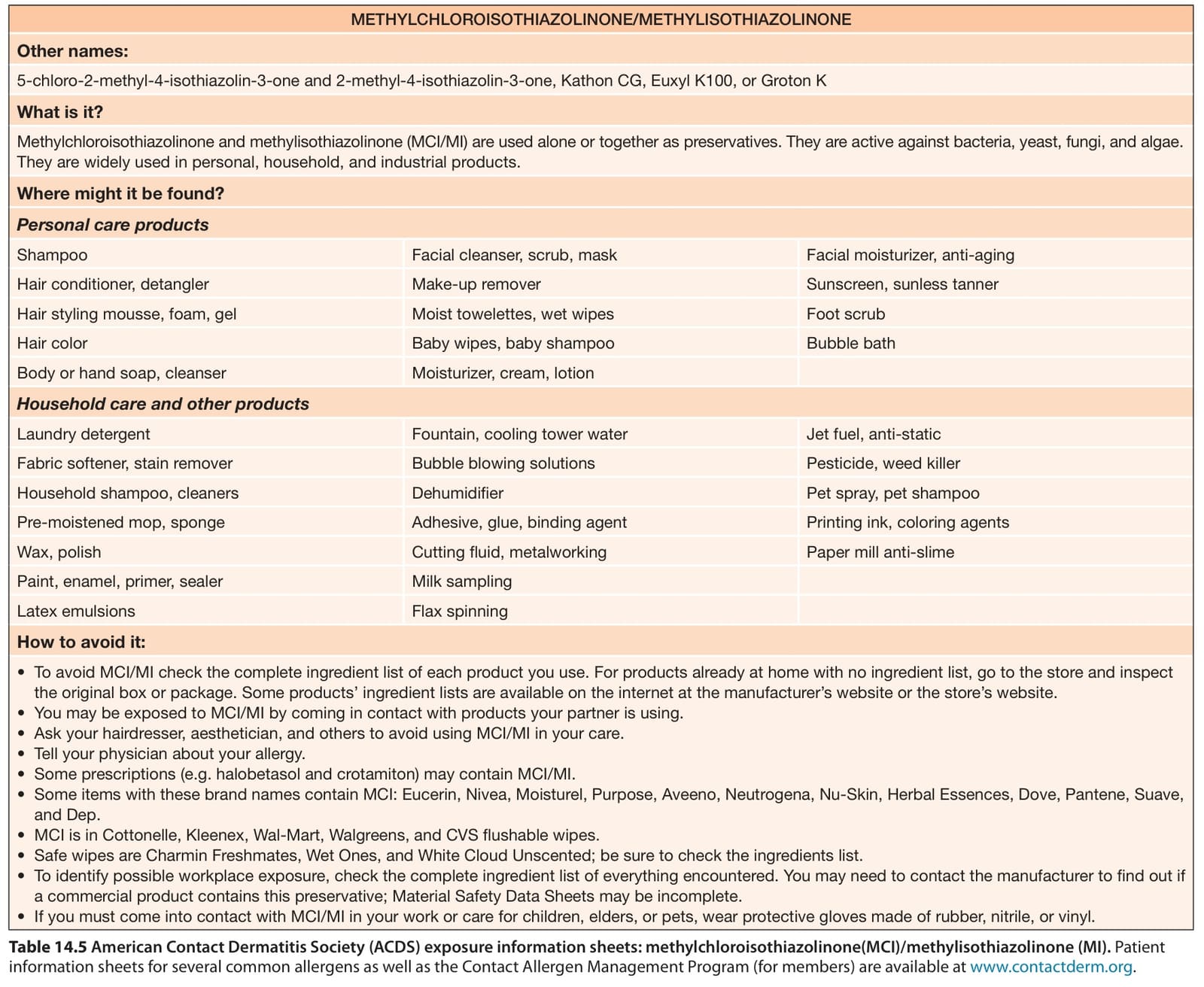
Table 14.5 American Contact Dermatitis Society (ACDS) exposure information sheets: methylchloroisothiazolinone(MCI)/methylisothiazolinone (MI). Patient information sheets for several common allergens as well as the Contact Allergen Management Program (for members) are available at www.contactderm.org.
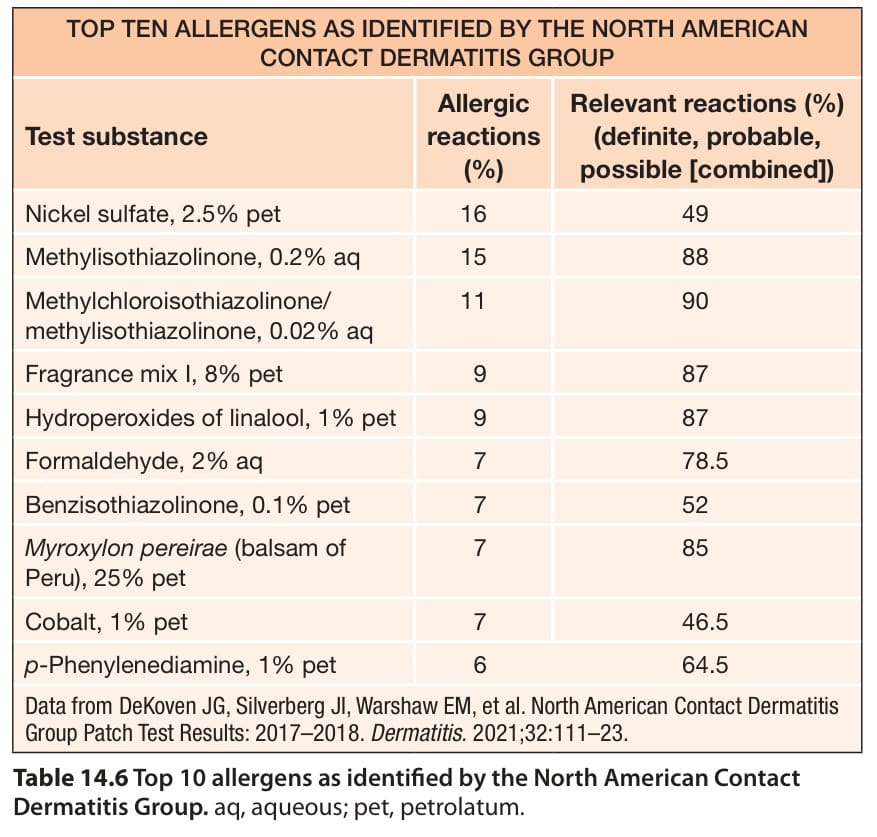
Table 14.6 Top 10 allergens as identified by the North American Contact
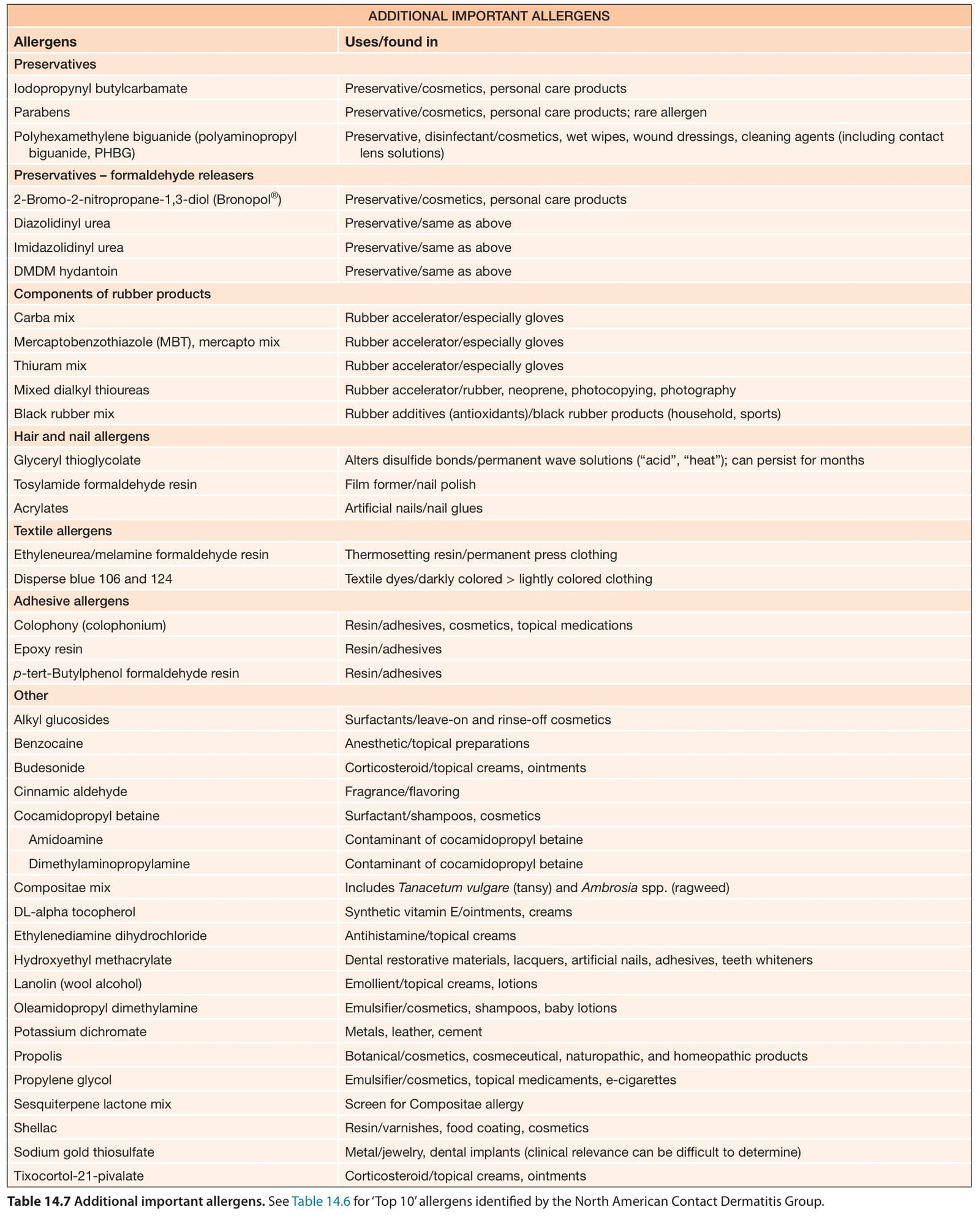
Table 14.7 Additional important allergens. See Table 14.6 for ‘Top 10’ allergens identified by the North American Contact Dermatitis Group.
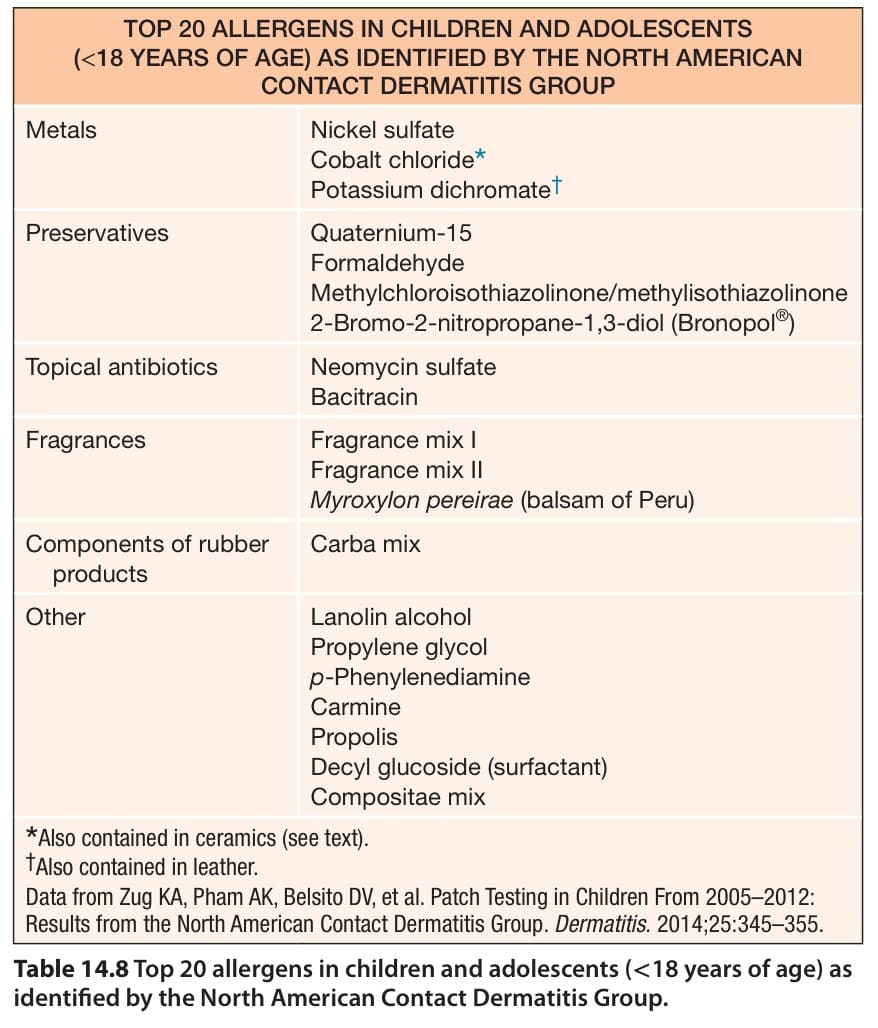
Table 14.8 Top 20 allergens in children and adolescents (<18 years of age) as identified by the North American Contact Dermatitis Group.
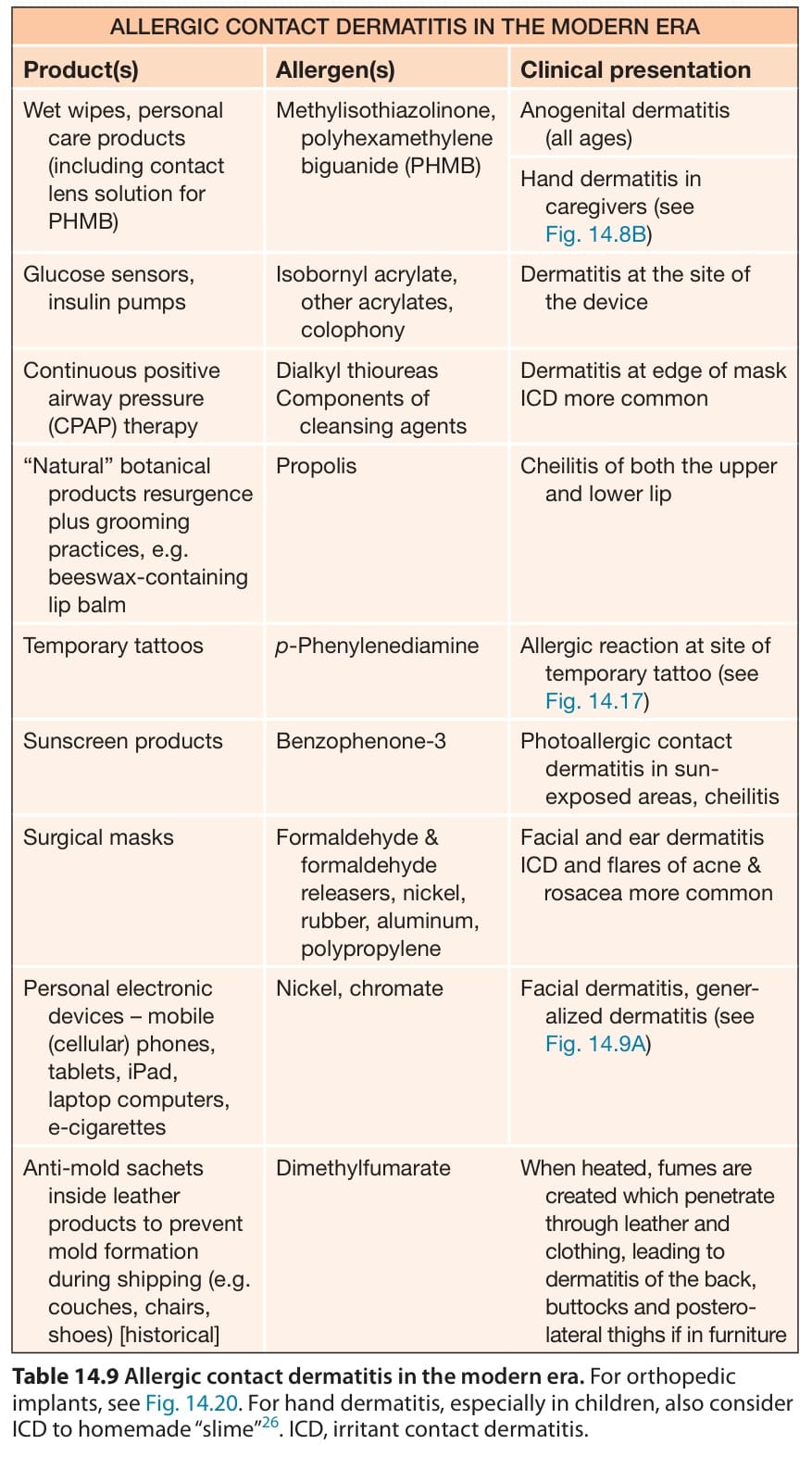
Table 14.9 Allergic contact dermatitis in the modern era. For orthopedic implants, see Fig. 14.20. For hand dermatitis, especially in children, also consider ICD to homemade “slime”. ICD, irritant contact dermatitis.
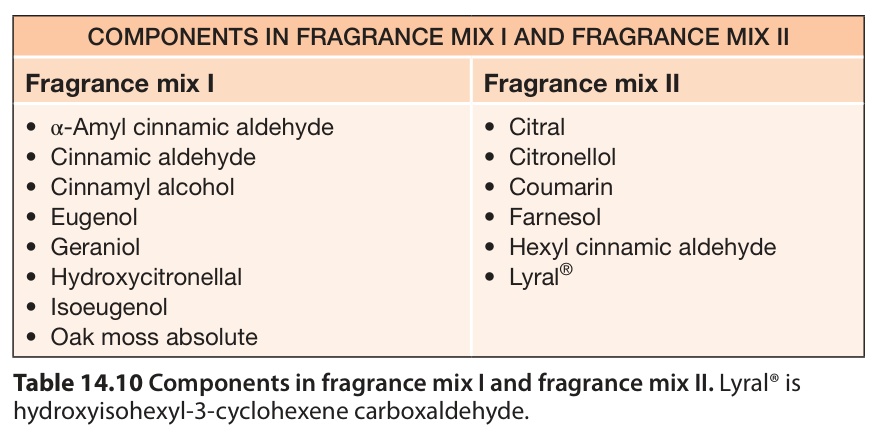
Table 14.10 Components in fragrance mix I and fragrance mix II. Lyral® is hydroxyisohexyl-3-cyclohexene carboxaldehyde.
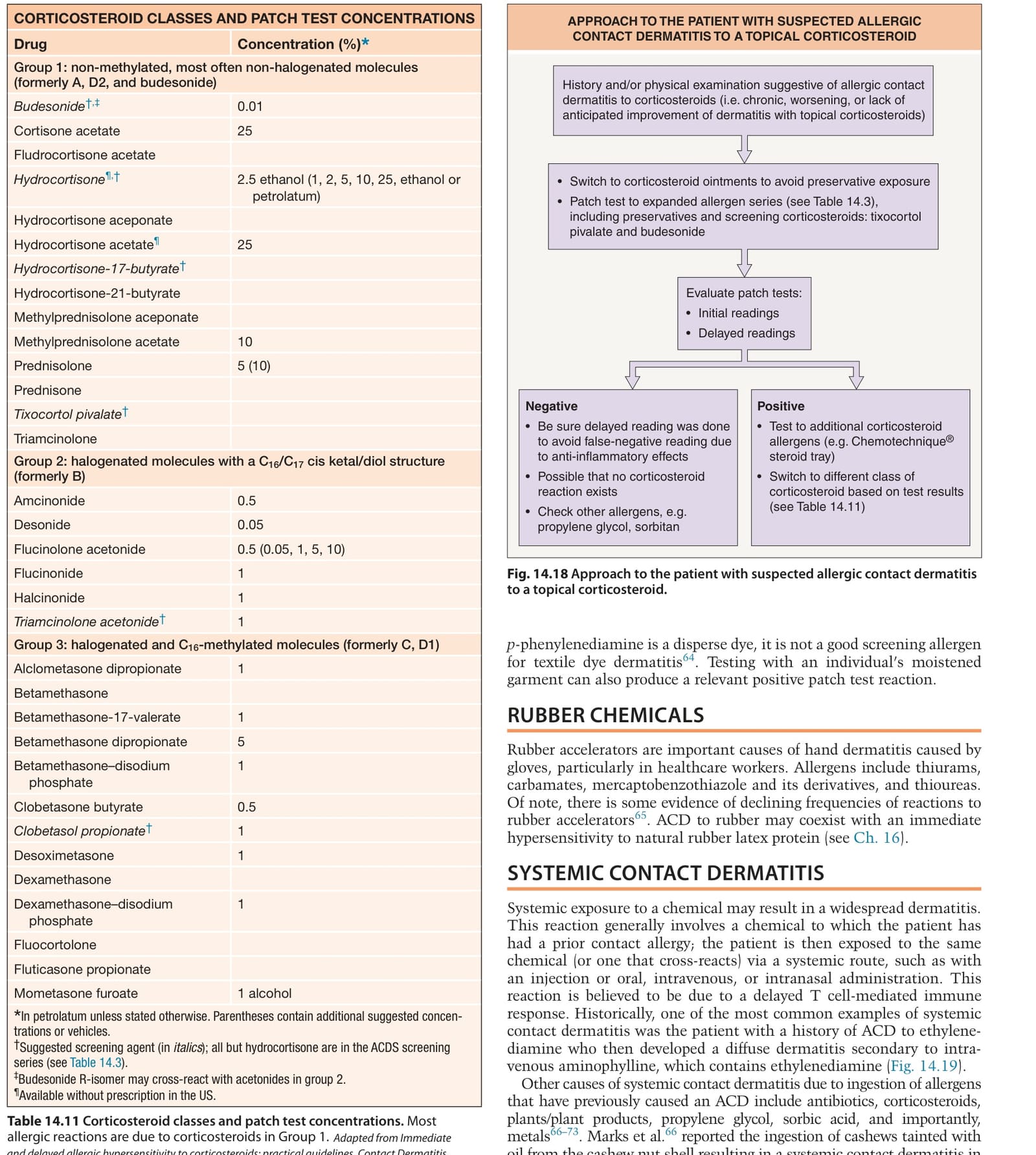
Table 14.11 Corticosteroid classes and patch test concentrations. Most allergic reactions are due to corticosteroids in Group 1.