SYSTEMIC CONTACT DERMATITIS
Systemic exposure to a chemical may result in a widespread dermatitis. This reaction generally involves a chemical to which the patient has had a prior contact allergy; the patient is then exposed to the same chemical (or one that cross-reacts) via a systemic route, such as with an injection or oral, intravenous, or intranasal administration. This reaction is believed to be due to a delayed T cell-mediated immune response. Historically, one of the most common examples of systemic contact dermatitis was the patient with a history of ACD to ethylenediamine who then developed a diffuse dermatitis secondary to intra-venous aminophylline, which contains ethylenediamine (Fig. 14.19).
Other causes of systemic contact dermatitis due to ingestion of allergens that have previously caused an ACD include antibiotics, corticosteroids, plants/plant products, propylene glycol, sorbic acid, and importantly, metals. Marks et al. reported the ingestion of cashews tainted with oil from the cashew nut shell resulting in a systemic contact dermatitis in patients with a prior history of poison ivy dermatitis. In addition, ingestion of a pesto sauce made with cashew nuts resulted in systemic contact dermatitis in the form of the “baboon syndrome” (symmetric, sharply demarcated erythema of the gluteal or inguinal area plus other intertriginous or flexural sites). Ingestion of both cashews and mangoes has been shown to cause reactions in patients sensitive to poison ivy and poison oak, as they are all members of the Anacardiaceae family (see Ch. 17).
In the proper clinical setting, patch tests demonstrating a sensitivity to balsam of Peru or fragrance mixture can support the diagnosis of a systemic contact dermatitis due to balsam-related foods or spices. A diet avoiding such foods or spices may result in an improvement of the dermatitis.
The ingestion of metals can also cause systemic contact dermatitis, and nickel is the metal most commonly implicated. However, the use of low-nickel diets to treat dermatitis in patients with positive patch tests to nickel is controversial, although there is increasing interest.
The possibility of systemic contact dermatitis to metals in orthopedic implants has also been suggested, along with proposed screening recommendations (Fig. 14.20). Nonetheless, for several reasons, including the likelihood that immune reaction pathways are different for implants compared to the skin, the role of lymphocyte transformation testing remains unclear, and patch testing may neither predict future problems nor aid in the decision to remove an existing implant, this remains a topic of debate. Lastly, Fowler reported a patient with systemic contact dermatitis following ingestion of chromium picolinate, a nutritional supplement. Patch testing was positive to potassium dichromate, and upon discontinuation of the chromium picolinate, the dermatitis subsided.
Examples of other cutaneous allergens and their common sources of systemic exposure are listed in Table 14.12. An extensive chapter on this subject is in Fisher’s Contact Dermatitis textbook and the reader is referred there for additional information.
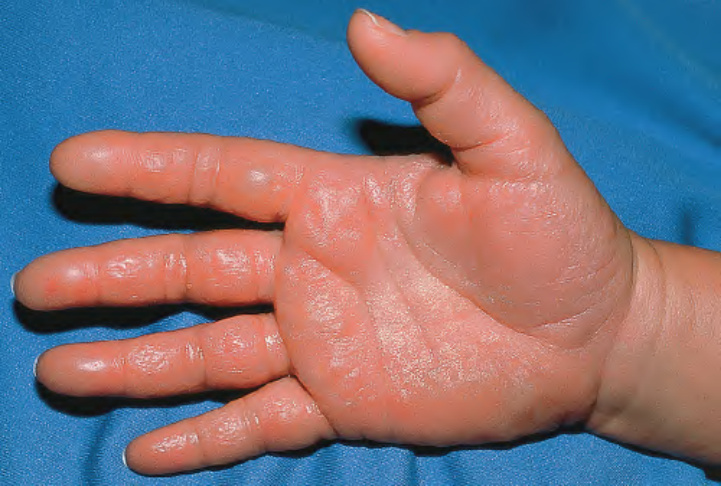
Fig. 14.19 Systemic contact dermatitis. This patient, who was previously sensitized to ethylenediamine, received intravenous aminophylline.
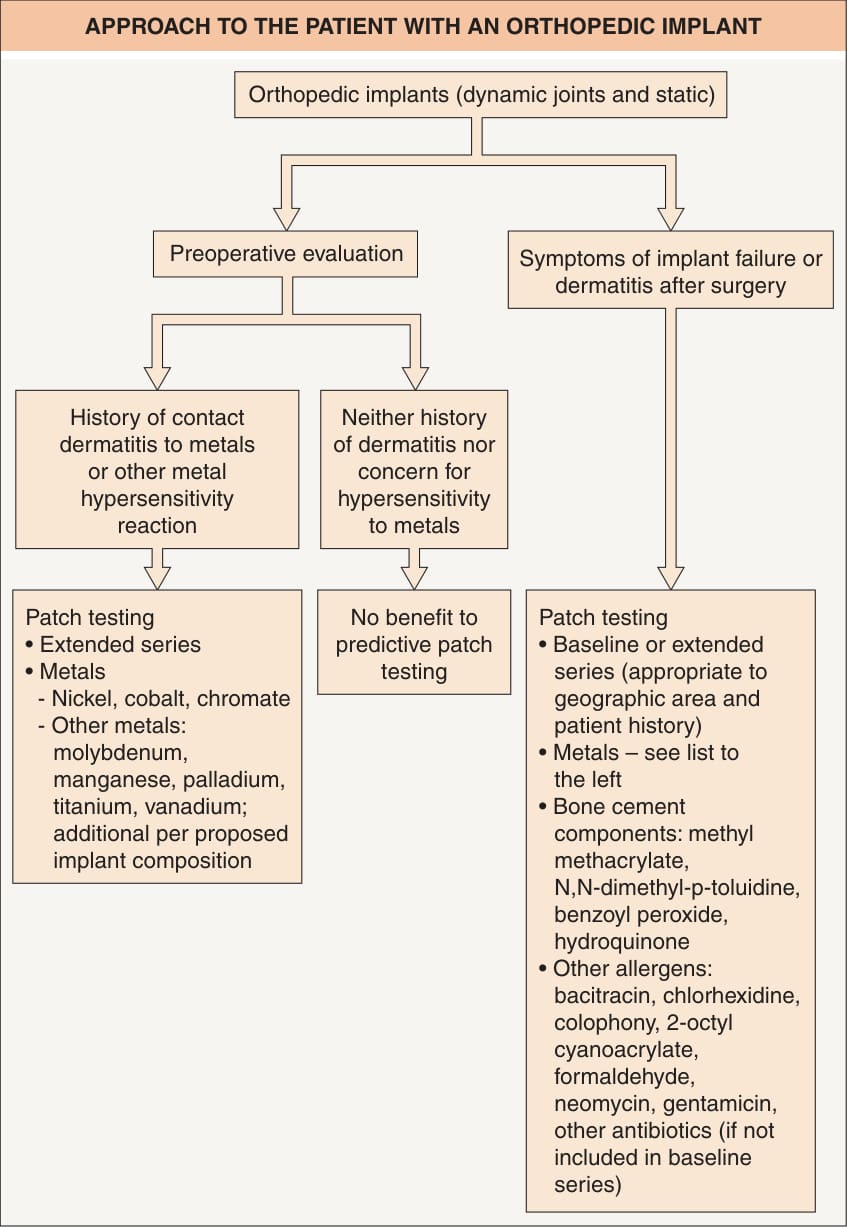
Fig. 14.20 Approach to the patient with an orthopedic implant.Adapted from Schalock PC, Menné T, Johansen JD, et al. Contact Dermatitis. 2011;66:4–19.
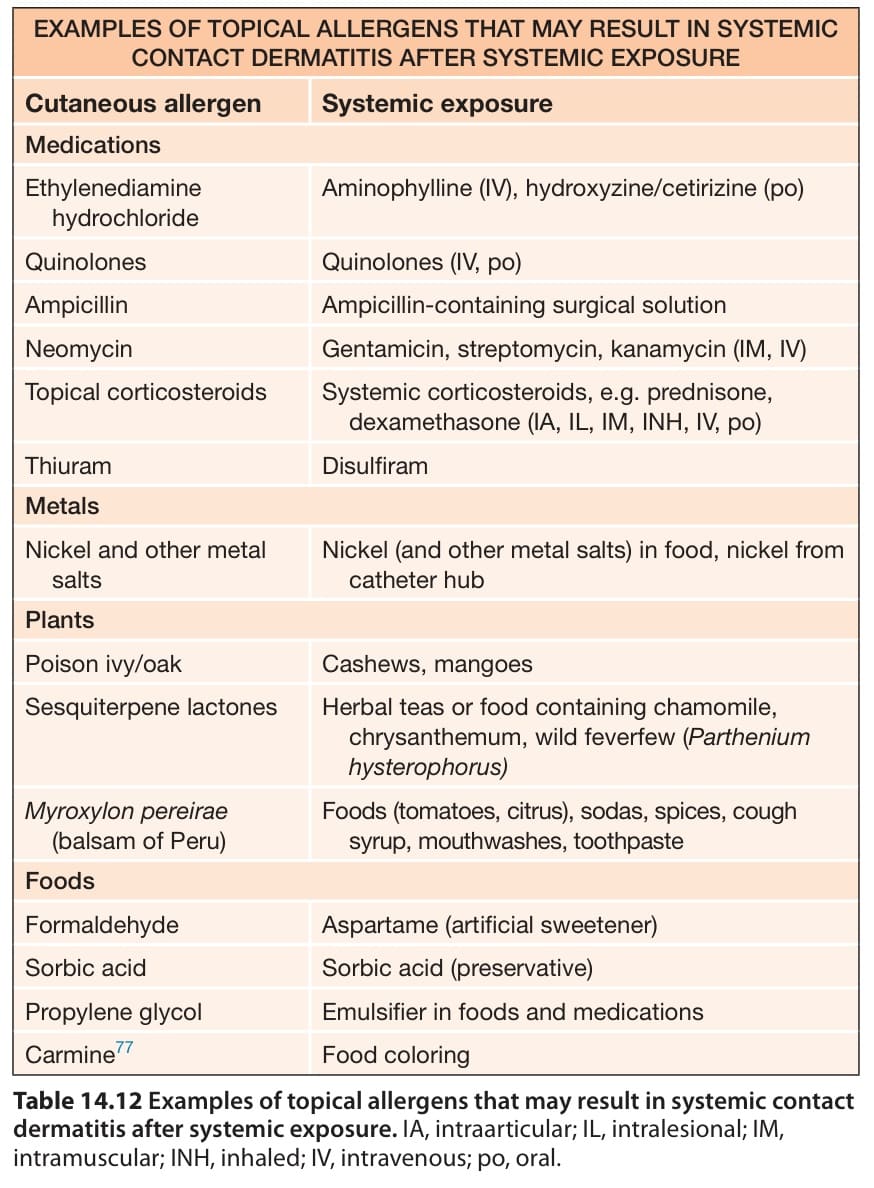
Table 14.12 Examples of topical allergens that may result in systemic contact dermatitis after systemic exposure. IA, intraarticular; IL, intralesional; IM, intramuscular; INH, inhaled; IV, intravenous; po, oral.