INTRODUCTION
Surgical complications are deviations from the original planned outcome, usually resulting from multiple interrelated events (Fig. 151.1). Although complications in dermatologic surgery are uncommon, potential complications can often be avoided or minimized with careful planning and meticulous technique.
Complications vary widely, from impacting cosmetic appearance to life-threatening. Life-threatening emergencies in cutaneous surgery are rare, but the surgeon must be prepared to deal with problems such as cardiac arrhythmias and anaphylaxis. Proper, well-maintained resuscitation equipment must be readily available, and staff should maintain Basic Life Support (BLS) training, including the use of an automated external defibrillator (AED). Physicians in offices where extensive cutaneous surgery is performed should also have Advanced Cardiac Life Support (ACLS) training.
A thorough preoperative assessment, including history and directed physical examination, can identify pre-existing conditions that may impact healing. Informed consent obtained at this time, and again just prior to the procedure, ensures that the patient has realistic expectations. This education minimizes future misunderstandings regarding known risks of the procedure.
Prevention of an unsatisfactory outcome starts during the planning stage and continues with good intraoperative surgical technique and postoperative care. Anticipation of avoidable complications and management of unavoidable ones optimizes results. Throughout the process, it is essential to involve patients in their care.
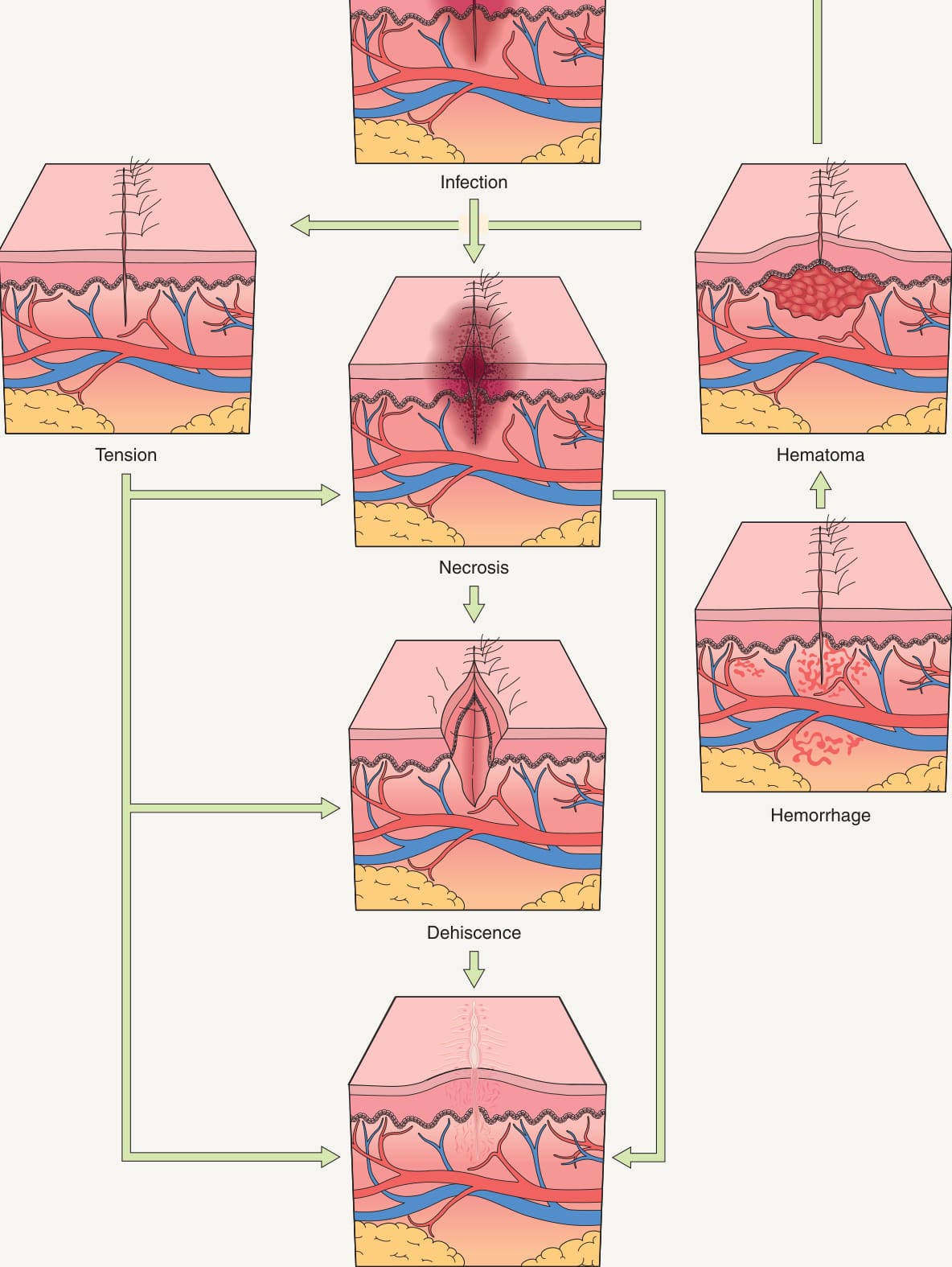
Fig. 151.1 Interrelated surgical complications.