DISCUSSION
Skin Care Products
The three basic categories of skin care products are cleansers, moisturizers, and astringents. Cleansers are designed to remove sebum, desquamating corneocytes, bacteria, fungi and environmental dirt from the face and body, while leaving the intercellular lipid barrier intact. Astringents represent a subset of cleansers designed to supplement the failure of the cleanser to perform its intended function. Moisturizers are designed to minimize the barrier damage induced by cleansing. Thus, these three skin care products work together to balance the hygiene needs of the skin with the important task of preserving barrier function.
Cleansers
The development of soaps designed to cleanse the skin has been the single most important advance in decreasing disease worldwide. Even though soap is ubiquitous in the developed world, one of the main goals of global health organizations is to introduce the concept of cleansing with soap to regions of the world where contagious diseases run rampant. In basic chemical terms, soap is a fatty acid salt resulting from a reaction between a fat and an alkali. The soap solubilizes sebum and environmental dirt, such that it can be rinsed away with water. The mechanics of rubbing soap over the skin with the hand or a bathing implement results in the physical removal of desquamating scales, bacteria and fungi from the skin surface. In high-income countries, where bathing has become a daily ritual, excessive use of soap has resulted in dermatologic conditions such as xerotic eczema. This has led to the development of cleansers with skin conditioning benefits that are chemically not true soaps, and they are referred to as detergents.
Cleansers, whether formulated as bars or liquids, can be divided into three basic types: soaps, syndets and combars (Table 153.1). True soaps are composed of long-chain fatty acid alkali salts with a pH between 9 and 10. This alkaline pH raises the pH of the skin following cleansing, resulting in stratum corneum barrier disruption and the resultant feeling of tightness following bathing. Alkalinization of the skin disrupts the natural acid mantle, which may be significant in dermatitic skin. Recognition of the need to preserve skin pH at 5.4 led to the development of synthetic detergents, known as syndets, such as sodium cocoyl isethionate. Syndet cleansers, also known as beauty cleansers, contain less than 10% soap and are designed with a pH of 5.5–7.0 so as to minimize cutaneous alkalinization. The third type of cleanser, known as a combar, is composed of an alkaline soap to which surfaceactive agents with a pH of 9–10 have been added. Combars are milder cleansers than true soaps but induce more thorough cleansing than syndets. For example, true soap is a good cleansing choice for excessively oily or dirty skin, while a combar is a good cleanser for normal skin with a moderate amount of environmental dirt. Syndets would be the least damaging to the cutaneous barrier in persons with xerosis or any form of dermatitis.
The many brands of cleansers currently on the market fall into one of the three aforementioned groups, yet there must be something unique, for marketing purposes, about each cleanser. The unique aspects of each cleanser are created through the addition of specialty
additives (Table 153.2). Common cleanser additives include various fragrances as well as foaming agents designed to alter the aesthetics of the lather, but the most dermatologically relevant additives are antibacterial agents. The most widely used antibacterial in both bar and liquid cleansers is benzalkonium chloride, a quaternary ammonium compound that disrupts the cellular membrane of microbes. It is bacteriostatic against Gram-positive and some Gram-negative bacteria in addition to being fungistatic. However, benzalkonium chloride is not active against nonenveloped viruses, and some species of Staphylococcus aureus contain a gene that leads to resistance to quaternary ammonium compounds.
Another important dermatologic need with regard to skin cleansing is minimization of skin barrier dysfunction. Unfortunately, surfactants cannot distinguish unwanted sebum and oil-soluble dirt from intercellular lipids. Thus, increases in transepidermal water loss are typically noted in direct proportion to the cleansing ability of the cleanser. An attempt to provide cleansing and barrier restoration in the same product has led to the development of body washes. Since body washes are liquids, incorporating both hydrophilic and lipophilic ingredients emulsified into a single phase, it is possible to cleanse and moisturize simultaneously while allowing for rinsing away of the surfactants. Body washes must be used with a puff to introduce both water and air into the cleanser emulsion in sufficient quantity to allow cleansing and moisturization to occur. The syndet detergents, primarily ammonium laureth sulfate, solubilize oil-soluble dirt into the rinse water for removal during the cleansing phase when the body wash concentration is high and the water concentration low, while occlusive moisturizing substances (e.g. petrolatum) and emollients (e.g. soybean oil) are left behind to retard transepidermal water loss and improve skin smoothness during the rinse phase when the body wash concentration is low and the water concentration is high.
Other cleanser variants for persons with dry, dermatitic skin include lipid-free, non-foaming cleansers and cold creams. These products are excellent at removing cosmetics and low levels of environmental dirt. Lipid-free cleansers are non-foaming, soap-free liquid products applied to dry or moistened skin, rubbed to produce minimal lather, and rinsed or wiped away. They possess low surfactant capabilities, and they can only remove bacteria through mechanical means, yet they are important in persons with barrier disruption. The classic cleanser for dry, dermatitic skin is cold cream, which combines the effect of a lipid solvent, such as wax or mineral oil, with detergent action from borax. However, not all formulations of cold creams contain borax (sodium borate).
Occasionally, a dermatologic need arises for specialty cleansers designed to offer a skin benefit beyond pure removal of sebum and environmental dirt. For example, it may be desirable to induce corneocyte disadhesion in older patients requiring an exfoliant cleanser. This can be accomplished through the addition of chemical exfoliants, such as salicylic or glycolic acid, to the cleanser formulations discussed previously. Exfoliant cleansers containing benzoyl peroxide or salicylic acid are sometimes used as an adjunct in topical acne treatment. Exfoliation can also be induced mechanically through the incorporation of fine abrasive particles (such as aluminum oxide, hydrated silica grains, ground fruit pits, or sodium tetraborate decahydrate granules) in a liquid syndet cleanser to remove skin scale. Lastly, mechanical exfoliation can be encouraged by using specially woven face cloths, designed to remove skin scale without inducing epidermal damage.
The development of novel detergents and cleansing specialty additives has created a confusing plethora of consumer products, yet the goal remains the same: to allow adequate skin hygiene without barrier damage. Our next concern is the discussion of moisturizers, designed to replace skin sebum and natural moisturizing factors in instances where the stratum corneum barrier has been damaged from exuberant cleansing.
Moisturizers
The term “moisturizer” is somewhat misleading to the consumer, who assumes that the cream or lotion puts moisture or water back into the skin. Moisturizers do not put water back into the skin externally, nor do they get incorporated into the intracellular lipids. Moisturizers simply attempt to retard transepidermal water loss and create an optimal environment for restoration of the stratum corneum barrier. The optimal water content for the stratum corneum is between 10% and 30%, depending on the measurement technique employed, and moisturizers can function to raise the cutaneous water content through occlusion or humectancy via a variety of active agents (Table 153.3).
Occlusive moisturizers prevent evaporative water loss to the environment by placing an oily substance on the skin surface through which water cannot penetrate, thus replenishing the stratum corneum moisture by water movement from the lower viable epidermal and dermal layers. There are many different classes of chemicals that can function as occlusive moisturizers, for example, hydrocarbon oils and waxes (petrolatum, mineral oil, paraffin, squalene), silicones (cyclomethicone, dimethicone), vegetable oils (castor oil, corn oil, grape seed oil, soybean oil), animal oils (mink oil, emu oil), fatty acids (lanolin acid, stearic acid), fatty alcohols (lanolin alcohol, cetyl alcohol), polyhydric alcohols (propylene glycol), wax esters (lanolin, beeswax, stearyl stearate), vegetable waxes (carnauba wax, candelilla wax), phospholipids (lecithin), and sterols (cholesterol, ceramides).
The most effective occlusive moisturizer is petrolatum, since it reduces transepidermal water loss by 99%. Total occlusion of the stratum corneum is undesirable, since transepidermal water loss is the cellular signal that initiates barrier repair and the resulting synthesis of intercellular lipids. Complete cessation of transepidermal water loss results in no barrier repair, allowing water loss to return to its pretreatment level once complete occlusion has been removed. Petrolatum allows barrier repair while permeating throughout the inter-stices of the stratum corneum.
Another technique for rehydrating the stratum corneum is the use of humectants. Humectants are substances that attract moisture; they include glycerin, honey, sodium lactate, urea, propylene glycol, sorbitol, pyrrolidone carboxylic acid, gelatin, hyaluronic acid, and some vitamins and proteins. The body utilizes hyaluronic acid and other glycosaminoglycans in the dermis as biologic humectants
to prevent desiccation of the skin. Humectants can only hydrate the skin from the environment when the ambient humidity exceeds 70%. Consequently, rehydration of the stratum corneum generally occurs by water that is attracted from the deeper epidermal and dermal tissues. Most moisturizers combine both occlusive and humectant moisturizing ingredients, since water drawn by a humectant to a damaged stratum corneum barrier will be lost to the atmosphere unless trapped by an occlusive. Humectants also help to improve the smoothness of xerotic skin by inducing corneocyte swelling and minimizing voids between the desquamating corneocytes.
In summary, remoisturization of the skin must occur in four steps:
●initiation of barrier repair (see Ch. 124)
●alteration of surface cutaneous moisture partition coefficient
●onset of dermal–epidermal moisture diffusion
●synthesis of intercellular lipids. Moisturizers attempt to increase stratum corneum water content through the principles of occlusion and humectancy. The discovery of aquaporin-3 channels in the skin and their modulation by glycerin and urea has increased research into osmotic cell balance as another mechanism for moisturization.
Astringents
Occasionally, patients use skin care products that either correct the deficiencies of the cleanser or supplement the effects of the moisturizer. These products are known as astringents or toners (see Table 153.1). They are used after cleansing but before moisturizing, and they are left on the face following use. Astringents are usually liquids wiped over the face with a cotton ball. Originally, astringents were intended to remove soap scum left behind on the face from the use of lye-based soaps and hard water. If left behind, this soap scum could cause irritant contact dermatitis. The original astringents were fragranced isopropyl alcohol or propylene glycol solutions designed to remove oil-soluble residue. The development of synthetic detergents and treated water has made this original intent obsolete, yet astringents remain popular.
Currently, astringents are used to remove the oily residue left behind after cleansing of the face with lipid-free cleansers or cleansing creams, discussed previously. Oily complexion astringents are formulated to remove any remaining sebum from the face following synthetic detergent cleansing or to deliver keratolytics, such as salicylic acid, glycolic acid or witch hazel. Some astringents designed for dry skin contain a humectant liquid moisturizer, such as propylene glycol or glycerin, and skin soothing agents, such as allantoin, guaiazulene or quaternium-19.
A complete cosmetic-counter facial treatment routine involves a cleanser followed by an astringent and then a moisturizer. Once the skin has been prepared in this manner, colored cosmetics are applied.
Colored Facial Cosmetics
Colored facial cosmetics are intended to adorn the eyes, lips, and cheeks with color for the purposes of creating a fashionable appearance, highlighting certain desirable features, and camouflaging facial flaws. Colored cosmetics are of importance to the dermatologist for their role in maintaining skin health, inducing dermatitis, and camouflaging surgical defects.
Facial foundations
Facial foundations are the first cosmetic applied to the face following the use of a moisturizer and are basically pigmented moisturizers worn for 8 hours or longer before removal. Consequently, this class of colored facial cosmetics has the greatest impact on the integrity of the skin. Facial foundations are available for every complexion type and skin color, fulfilling the needs listed in Table 153.4.
There are four basic facial foundation formulations: oil-based, waterbased, oil-free, and water-free or anhydrous forms. Oil-based products are designed for dry skin, while water-based products can be adapted for all skin types. Oil-free formulations are used in oily skin foundations, while anhydrous forms are extremely long-wearing and used for camouflage or theatrical purposes.
Oil-based foundations are water-in-oil emulsions containing pigments suspended in oil (e.g. mineral oil) or lanolin alcohol. Vegetable oils (grape seed, coconut, sesame, safflower) and synthetic esters (isopropyl myristate, octyl palmitate, isopropyl palmitate) may also be incorporated. The water evaporates from the foundation following application, leaving the pigment in oil on the face. This creates a moist skin feeling, especially desirable in dry complected patients. Because the color is fully developed within the oily phase of the formulation, oil-based foundations do not shift color as they mix with sebum. These foundations are easy to apply, since the pigment can continue to be spread over the face for up to 5 minutes, prior to setting.
Water-based facial foundations are oil-in-water emulsions containing a small amount of oil, in which the pigment is emulsified, and a relatively large quantity of water. The primary emulsifier is usually a soap, such as triethanolamine, or a non-ionic surfactant. The secondary emulsifier, present in a smaller quantity, is usually glyceryl stearate or propylene glycol stearate. These popular foundations are appropriate for minimally dry to normal skin. Since the pigment is already developed in oil, this foundation type is also not subject to color drift. The amount of time the product can be moved over the face, known in the industry as playtime, is shorter than with oil-based foundations.
Oil-free facial foundations contain no animal, vegetable, or mineral oils. They contain other oily substances, such as dimethicone or cyclomethicone. These foundations are usually designed for oily complected individuals, since they leave the skin with a dry feeling. Dimethicone is non-comedogenic, non-acnegenic and hypoallergenic, accounting for the tremendous popularity of this type of facial foundation formulation. Both water-based and oil-free foundations are usually packaged in a bottle.
Water-free, or anhydrous, foundations are waterproof. Vegetable oil, mineral oil, lanolin alcohol and synthetic esters form the oil phase, which may be mixed with waxes to form a cream. High concentrations of pigment can be incorporated into the formulation, yielding an opaque facial foundation. The coloring agents are based on titanium dioxide
with iron oxides, occasionally in combination with ultramarine blue. Titanium dioxide acts both as a facial concealing agent and sunscreen. These products can be dipped from a jar, squeezed from a tube, wiped from a compact, or stroked from a stick. Water-free foundations are well suited for use in people who require facial camouflaging. They can be combined with a high-coverage powder foundation to increase the opacity of the cosmetic.
Facial foundations must be evenly applied to create the optimal cosmetic appearance and achieve the secondary benefit of sun protection. The iron oxide pigment and other covering agents, e.g. titanium dioxide, zinc oxide and kaolin, are physical particulates that block both UVA and UVB radiation (see Ch. 132). A facial foundation without any added organic sunscreen ingredients, such as ecamsule, octyl methoxycinnamate, oxybenzone or avobenzone, usually has a sun(burn) protection factor (SPF) of at least 4. Facial foundations that have greater coverage in order to camouflage underlying pigmentation defects usually possess an SPF of at least 8. The inclusion of additional sunscreen agents to a facial foundation can raise its SPF to 15. Thus, facial foundation is an excellent, cosmetically elegant facial photoprotectant.
An even, cosmetically acceptable application of facial foundation begins with a proper color match to the skin at the jawline and application with the fingertips. A dab of foundation should be placed on the forehead, nose, cheeks, and chin, and then blended with a light circular motion until it is evenly spread over the entire face, including the lips. Finally, a puff or sponge should be used, stroking in a downward direction, to remove any streaks and to flatten vellus facial hair. Special care should be taken to rub the foundation into the hairline, over the tragus, and beneath the chin. Foundation should also be blended around the eyes, and it may even be applied to the entire upper eyelid if desired. The foundation should be allowed to set or dry until it can no longer be removed with light touch. If additional coverage is desired, a second layer of foundation can be applied.
The most common adverse dermatologic effect related to the use of facial foundation is a condition patients describe as “breakouts”. Patients typically note small follicular papules 48 hours after using a new facial foundation. The appearance resembles that of acne; however, the 48-hour time course is inconsistent with a diagnosis of acne. This condition may represent a follicular irritant contact dermatitis, since facial foundations tend to migrate to the follicular ostia as they mix with eccrine secretions and sebum, which break down the cosmetic film (Fig. 153.1). This observation may explain why facial foundations that have been found on clinical testing to be non-comedogenic and non-acnegenic cause acneiform eruptions in individuals with self-diagnosed sensitive skin. Overall, however, facial foundations are an infrequent cause of dermatologic problems.
Powders
One of the ways of preventing migration of facial foundation, improving its sun protective capabilities, and increasing oil absorption is to apply powder over the foundation. Facial powders contain predominantly talc (hydrated magnesium silicate) and increased amounts of covering pigments. The covering pigments used in face powder are listed in order of increasing opaqueness in Table 153.5. It is generally accepted that the optimum opacity is achieved with a particle size of 0.25 mcg. Black dermographism from earrings and rings can result when face powders contain ingredients, e.g. zinc oxide, that are harder than platinum, silver or gold.
Facial powders usually also contain magnesium carbonate and/or kaolin (hydrated aluminum silicate) to absorb oil and perspiration. Full-coverage face powders with increased pigments and light-reflective particles are usually packaged as a cake in a compact and applied to the face with a puff, loose in a jar and dusted over the face with a brush, or stroked over the face from an automatic brush dispenser. These face powders with increased pigments can be used as a facial foundation and are known as mineral make-ups. They are recommended for persons with sensitive skin and rosacea as they contain no liquids, fewer preservatives, and fewer ingredients. As a result, there is decreased potential for allergic and irritant contact dermatitis. Specially pigmented powders are used to redden the cheeks, known as blushes, and to color the eyelids, known as eye shadows.
Facial blushes are typically powders designed to simulate rosy cheeks, occasionally an unwanted finding in rosacea patients. Blushes have the same basic formulation as face powders, except for the presence of different surface characteristics that can vary from a matte dull finish to a frosted shine or metallic glow, depending on current fashion trends. Some of the rough-edged particles designed to produce light reflection can cause irritation in people with sensitive skin. Powder blush can be used to absorb facial oil and blend the facial erythema of rosacea across the cheeks, as well as to add color to a sallow face by dusting on the central chin, cheeks, nasal tip, and forehead.
Eye shadows are similar to powder blushes in formulation and surface characteristics, except that the color variation is broader, but limited in the US by the Food and Drug Administration (FDA) to the purified natural colors or inorganic pigments listed in Table 153.6. Eye shadow can be used to camouflage misshapen eyes, provide sun protection to the upper eyelid, and minimize the appearance of unwanted periorbital pigmentation. Eye shadows are a common concern to dermatologists, since they may be responsible for eyelid dermatitis. They may contain the same light-reflective particles as blushes and cause pruritus of the eyelids due to irritant contact dermatitis until discontinued (Fig. 153.2).
In one series, the North American Contact Dermatitis Group determined that 12% of cosmetic reactions occurred on the eyelid, but only 4% could be linked to eye make-up use. When allergic contact dermatitis is due to eye shadows, the most common culprits are the red pigments used in pinkish eye shadows. Unfortunately, it can be difficult to determine the etiology of allergic contact eyelid dermatitis with routine patch testing, since many substances can be transferred to
the eye area by the hands, complicating the dermatologic evaluation. However, eye shadows are a rare cause of eye infections, since the dry powder cake does not support bacterial growth.
Mascaras
Mascaras are eyelash cosmetics, as opposed to eye shadows which are eyelid cosmetics. Mascaras are designed to color, camouflage, elongate and thicken the eyelashes, which frame the eyes. They must be carefully formulated to allow easy and even application without smudging, irritancy or toxicity. Some of the coloring agents employed include iron oxide to produce black, ultramarine blue to create navy, and umber, burnt sienna, or synthetic brown oxide to create brown.
Most modern mascaras are formulated as liquids, then stored in a tube with a multitufted applicator brush or comb. The applicator is inserted into the tube between uses, providing numerous opportunities to inoculate bacteria into the cosmetic. The most dangerous bacterial infection is a corneal infection due to Pseudomonas aeruginosa, which can permanently diminish visual acuity. Staphylococcus epidermidis, S. aureus and fungal organisms may also proliferate in contaminated mascaras. Infections are more common if the globe is traumatized by the infected mascara wand. Even though mascaras contain antibacterials, it is still wise to discard all mascara tubes after three months and not allow multiple persons to use the same mascara tube.
There are several mascara formulations that are less likely to support bacterial and fungal growth (Table 153.7). Mascaras are available as water- or solvent-based and as a water/solvent hybrid. Water-based mascaras are easily removed with water and less likely to cause eye area irritation, but the presence of water provides a welcome medium for bacterial growth. Solvent-based mascaras are manufactured without water, must be removed with a special cleanser, and are more irritating; however, they are less likely to support bacterial growth and are therefore the formulation of choice for individuals who are carriers of Staphylococcus or Streptococcus spp. The water/solvent hybrid mascaras are an attempt to provide a water-resistant cosmetic with the
benefits of both. Recent analyses of waterproof mascaras, as well as long-lasting lipsticks, have found high levels of fluorine, suggesting the presence of per and polyfluoroalkyl substances (PFAS).
Another dermatologic side effect of the use of mascara is conjunctival pigmentation, resulting from the washing of mascara into the conjunctival sac by lacrimal fluid. This colored particulate matter can be observed on the inferior tarsal (palpebral) conjunctiva. Histologically, the pigment is seen within macrophages and extracellularly in association with a variable lymphocytic infiltrate. Electron microscopy suggests that ferritin, carbon, and iron oxides are present within the tissues. Unfortunately, there is no treatment for the condition, which is usually asymptomatic.
Specialty mascaras are available for curling and elongating the eyelashes. These mascaras contain pigmented polymers that polymerize on the eyelash as they dry. The polymer then shrinks, curling the eyelash and placing a thin, long-wearing, pigmented film around the hair which thickens and elongates the lash. In addition, a prescription cosmeceutical containing bimatoprost 0.03% (Latisse®; originally indicated for the treatment of glaucoma) is available to elongate eyelashes via prostaglandin modulation (see Ch. 129). Side effects include iris and eyelid pigmentation, which may be permanent.
Lipsticks
Lipstick is a lip cosmetic designed to frame the teeth. Traditional lipsticks are mixtures of waxes, oils and pigments in various concentrations to yield the characteristics of the final product. For example, a lipstick designed to remain on the lips for a prolonged period of time is composed of high wax, low oil, and high pigment concentrations, whereas a product designed for a smooth creamy feel on the lips is composed of low wax and high oil concentrations. The waxes commonly incorporated into lipstick formulations are white beeswax, candelilla wax, carnauba wax, ozokerite wax, lanolin wax, ceresin wax and other synthetic waxes. Usually, lipsticks contain a combination of these waxes carefully selected and blended to achieve the desired melting point. Oils for pigment dispersion are then selected, such as castor oil, white mineral oil, lanolin oil, hydrogenated vegetable oils or oleyl alcohol, to form a film suitable for application to the lips.
Newer lipstick formulations contain long-wearing polymers that create a waterproof film over the lips that remains in place indefinitely until worn away with speech or eating. These long-wearing lip products can cause cheilitis, due to their non-moisturizing formulations. In addition, lip products are marketed that claim to plump the lips. These products contain irritants, such as capsaicin, that create a mild irritant contact dermatitis resulting in short-lived lip edema.
Certain common lipstick ingredients can cause problems in the sensitized patient. Castor oil, found in almost all lipsticks due to its excellent ability to dissolve bromo acid dyes, can cause allergic contact dermatitis. Even the bromo acid dyes, such as eosin (D & C Red No. 21), found in indelible lipsticks can cause allergic contact dermatitis. Other lipstick ingredients reported to cause allergic contact dermatitis include: waxes (e.g. propolis), preservatives (e.g. propyl gallate, benzoic acid), sunscreens (e.g. oxybenzone, benzophenone-3), colors (e.g. lithol rubine BCA [Pigment Red 57-1]), fragrances (e.g. peppermint oil), vitamin E, and ricinoleic acid.
Facial cosmetics for camouflaging
All of the colored cosmetics previously discussed are used in combination for facial camouflaging purposes in order to minimize facial defects while accentuating attractive facial features. Camouflage cosmetics are used by paramedical aestheticians, dermatologists, plastic surgeons, and cosmetic consultants. Their successful use requires a well-formulated, quality product applied with the skill of a stage make-up technician and the artistic abilities of a painter. Facial defects requiring camouflaging are defects of pigmentation and/or contour.
Pigmentation defects represent abnormalities limited to the color of the skin, whereas contour defects are defined as areas where the facial skin is hypertrophic or atrophic, with textural changes due to the absence of appendageal structures. Table 153.8 lists examples of pigmentary abnormalities frequently encountered by dermatologists that arise from inflammatory disorders, systemic diseases, or extrinsic effects (e.g. sun exposure). Pigmentation defects or discolorations can be camouflaged either by applying an opaque cosmetic that allows none of the abnormal underlying skin tones to be appreciated or by applying foundations of complementary colors. For example, red discoloration can be camouflaged by applying a green foundation, since green is the complementary color to red. The blending of red skin with green foundation yields a brown tone, which can be readily covered by a more conventional facial foundation. Furthermore, yellow skin tones can be blended with a complementary-colored purple foundation to also yield brown tones.
The camouflaging of facial contour abnormalities is based on the principle that dark colors make protuberances appear to recede while light colors make surface depressions appear shallower. Creating an even-appearing surface on a scarred face is achieved through artistic shading. Powdered blush-type products are best suited for this purpose. Areas of the face that need to be lightened should be brushed with a light pink or peach pearled blush or buffer. Areas of the face that need to be darkened should be brushed with a deep plum or bronze matte-finish blush or highlighter.
Hair Care Products
Some of the material discussed previously is applicable to hair care products, since shampoos can be likened to skin cleansers, while conditioners are analogous to skin moisturizers.
Hair shampoos
Shampoos are simply designed to cleanse the hair; however, this is a complicated task considering that the average woman has 4–8 m2 of hair surface area to clean. Shampoos are intended to remove sebum, sweat components, desquamated stratum corneum, styling products, and environmental dirt from the hair and scalp. They contain detergents, foaming agents, conditioners, thickeners, opacifiers, softeners, sequestering agents, fragrances, preservatives, and specialty additives. Synthetic detergents remove sebum and dirt; however, excessive removal of sebum leaves the hair dull, susceptible to static electricity, and difficult to comb, creating the need for hair conditioners.
Shampoo detergents can be chemically classified as anionics, cationics, non-ionics, amphoterics, and natural surfactants (Table 153.9). The basic difference between bar soap and shampoo is the addition of a higher concentration of sequestering agents to chelate magnesium and calcium ions, preventing the formation of other salts or insoluble soaps known as soap scum. Without sequestering agents, shampoos would leave the hair dull and contribute to scalp pruritus. There are many different types of shampoo, designed to meet various hair cleansing needs (Table 153.10). Nowadays, a number of shampoos claim to be sulfate-free, meaning the requisite cleansing detergent is not sodium lauryl sulfate or sodium laureth sulfate.
A more recent development is dry shampoo, which consists of a powder that is dusted on the scalp while avoiding the hair, and then is brushed out. The powder absorbs oil and is removed without water contact. The advantage of dry shampoos is the prolongation of the effect of artificial hair coloring agents that occurs when water contact is avoided.
Hair conditioners
The need for hair conditioners arises from the inability of shampoos to remove just enough sebum to leave the hair clean, without removing too much sebum and thus creating dry, unmanageable, dull hair. Conditioners are also required because permanent waving, permanent coloring, and other chemical hair treatments damage the cuticle, making the hair harsh, brittle, and difficult to disentangle (Table 153.11; Fig. 153.3). Hair conditioners are designed to reverse this hair damage by
improving sheen, decreasing brittleness, decreasing porosity, increasing strength, and repairing degradation in hair proteins.
Hair conditioners improve manageability by decreasing static electricity. Following combing or brushing, the hair shafts become negatively charged, causing the hairs to repel one another. Conditioners deposit positively charged ions on the hair shaft, neutralizing the electrical charge. They also improve manageability by reducing hair shaft combing friction by as much as 50%, leading to enhanced disentangling. Conditioners also smooth the cuticular scale to increase hair shine (Fig. 153.4). Maximum hair shine is produced by large-diameter, elliptical hair shafts with a sizable medulla and intact, overlapping cuticular scales. Hair that lacks shine is missing its cuticle (Fig. 153.5).
Special hair conditioner formulations attempt to repair split-ends by temporarily reapproximating the frayed remnants of remaining medulla and cortex. This is accomplished by including hydrolyzed animal proteins that can minimally penetrate the hair shaft, enhancing hair tensile strength by 5% until the hair is next shampooed. There are several types of conditioners formulated for a variety of needs (Table 153.12). Leave-in conditioners are specially designed for Afro-textured hair in order to maintain hair water content despite the unavoidable loss that occurs following hair straightening.
Safety issues
Hair care products are generally safe, especially since they are rinsed from the hair and skin by water. However, patients can develop allergic contact dermatitis, in particular to paraphenylenediamine (PPD) which is contained in permanent hair dyes. The dermatitis more commonly affects the face and neck rather than the scalp alone. Gradual coloring with metallic dyes and temporary coloring can be used in patients who are allergic to PPD, but they need to be warned of possible cross-reactions to chemically related topical and systemic medications (see Table 153.11).
In addition to applying chemical relaxers to “permanently” straighten curly or kinky hair, a semi-permanent technique, known by several names including Brazilian hair straightening, keratin blowout and Brazilian keratin treatment, can be utilized, with straightening effects lasting for 10–16 weeks. A keratin- and formaldehyde-containing solution is applied to the hair followed by the use of a heated straightening iron. The health concern is the release of toxic levels of formaldehyde gas. In solution, formaldehyde can be in equilibrium with methylene glycol and it has multiple chemical names; therefore hair products labeled as “formaldehyde-free” but containing methylene glycol, formalin, methanal, methyl aldehyde, methylene oxide, oxomethane, oxymethylene, oxymethyline, formic aldehyde or formol are still an issue. In contrast, Japanese hair straightening (also known as thermal reconditioning) utilizes ammonium thioglycolate in combination with a heated straightening iron and is permanent (see Table 153.11).
Nail Care Products
There are a variety of nail care products (Table 153.13). The focus of this section is on nail polish and the use of nail sculptures while nail changes associated with a manicure or a pedicure are outlined in Table 71.11.
Nail polish
Nail polish is a cosmetic designed to temporarily place a pigmented layer over the natural nail plate. It consists of pigments suspended in a volatile solvent to which film-forming agents have been added. Nitrocellulose is the most commonly employed primary film-forming agent in nail lacquer. It produces a shiny, tough film that adheres well to the nail plate. The film is somewhat oxygen-permeable, thus allowing gas exchange between the atmosphere and the nail plate, which is required to maintain nail strength. It also decreases nail water vapor loss from 1.6 to 0.4 mg/cm/h, preventing nail plate dehydration.
A resin, such as tosylamide formaldehyde (also referred to as toluene sulfonamide–formaldehyde resin), must be added to the nitrocellulose to decrease hardness, but some individuals are sensitive to this substance, which is found on the standard dermatology patch test tray. This resin has been eliminated in hypoallergenic nail enamels, which instead contain a polyester resin or cellulose acetate butyrate, but allergic contact dermatitis is still possible and the enamel is less durable.
A professional nail enamel application requires three layers of polish: a base coat, a pigmented nail enamel, and a top coat. The base coat ensures good adhesion to the nail plate and prevents polish chipping. The second layer is the actual pigmented nail enamel, while the third layer or top coat provides gloss and resistance to chipping. A newer professional nail enamel application technique is known as nail shellac. Nail shellacs utilize either an ultraviolet light-cured pigmented polymer, identical to that used in nail sculptures (discussed below), or an LED-cured polymer to create a thin, hard pigmented film over the natural nail plate.
Problems associated with nail enamels include nail plate discoloration and allergic contact dermatitis. Nail staining is most commonly seen following the use of deep red nail polishes containing D & C Reds No. 6, 7, 34, or 5 Lake. The nail plate will be stained yellow after 7 days of continuous nail polish wear and will fade without treatment in approximately 14 days, once the enamel has been removed (Fig. 153.6). Allergic contact dermatitis is seen in persons sensitive to tosylamide formaldehyde, who may develop proximal nail fold erythema and edema, fingertip tenderness and swelling, and/ or eyelid dermatitis. In one series, the North American Contact
Dermatitis Group determined that 4% of positive patch tests were due to tosylamide formaldehyde resin allergy.
Nail sculptures (artificial nails)
Nail polish is designed to color the nail plate. It may make the nail somewhat stronger due to the presence of the resin layer, but it cannot elongate fingernails. Since long fingernails are considered attractive by some women, this has led to the development of an industry dedicated to the application of nail prostheses. These nail prostheses, known as nail sculptures, are applied over the natural fingernails and toenails (Table 153.14).
Nail sculptures are formed by mixing liquid ethyl or isobutyl methacrylate monomers with powdered polymethyl methacrylate polymer. This mixture polymerizes in the presence of a benzoyl peroxide accelerator and a formable acrylic is produced, which hardens in 7–9 minutes. Usually, hydroquinone, monomethyl ether of hydroquinone, or pyrogallol is added to slow down polymerization.
Many patients are not aware that the finished nail sculptures require more care than natural fingernails. With continued wear of the sculpture, the acrylic loosens from the natural nail, especially around the edges. These loose edges must be clipped and new acrylic applied approximately every 3 weeks to prevent infection and onycholysis. However, damage to the natural nail plate is inevitable with the use of nail sculptures (Fig. 153.7). After 2 to 4 months of wear, the natural nail plate becomes yellowed, dry, thin, and bendable. This is due to interference with the nail’s normal vapor exchange, nail plate trauma during the removal process, and damage to the underlying nail bed. For this reason, it is not advisable to wear sculptured nails for more than 3 months consecutively, allowing 1 month between applications (Fig. 153.8). Oftentimes nail sculptures are adorned with nail polishes to create special visual effects (Table 153.15).
Allergic contact dermatitis is an important dermatologic issue, since isobutyl, ethyl, and tetrahydrofurfuryl methacrylate are strong sensitizers. However, the polymerized, cured acrylic is not sensitizing, only the liquid monomer. Therefore, a careful operator who avoids skin contact with the uncured acrylic can avoid sensitizing the patient. Patch testing should be performed in suspected sensitized individuals with methyl methacrylate (2% in petrolatum) and ethyl acrylate (0.1% in petrolatum) as a screen and then, if additional analysis is required, the meth(acrylate) series for artificial nails, including 2-hydroxyethyl methacrylate (2-HEMA), 2-hydroxypropyl methacrylate (2-HPMA), and triethyleneglycol diacrylate (TREGDA). Patch tests consisting of monomers should be avoided as this may lead to sensitization.
Hydroxy Acid Cosmeceuticals
The discussion so far has focused on products intended to function purely in a cosmetic realm, yet there are cosmeceuticals in the current marketplace known as hydroxy acids. These hydroxy acids address the scaliness and roughness of aged skin that is not due to an inherently lower stratum corneum water content. The roughness associated with mature skin may be due to abnormal desquamation associated with a possible failure in intercellular communication. This observation has led to the enormous popularity of α- and β-hydroxy acids.
Alpha-hydroxy acids
This group of organic carboxylic acids is distinguished by a substituted hydroxy group covalently bonded to the α-carbon of a carboxylic acid. The linear, aliphatic nature of the α-hydroxy acid (AHA) structure accounts for its water-soluble or hydrophilic properties (Fig. 153.9). The three subcategories of AHA consist of: (1) monocarboxylic acids – glycolic (2-hydroxyethanoic acid), lactic (2-hydroxy-propanoic acid), and mandelic acid (2-hydroxy-2-phenylethanoic acid); (2) dicarboxylic acids – malic (2-hydroxy-1,4-butanedioic acid) and tartaric acid (2,3-dihydroxy-1,4-butanedioic acid); and (3) tricarboxylic acids – citric acid (2-hydroxy-1,2,3-propanetricarboxylic acid). The intricacies of the formulation are more important than the nature of the AHA, since the exfoliative effect is similar.
AHAs induce immediate epidermal effects through corneocyte disadhesion, which is thought to require disruption of ionic bonding. The corneocyte disadhesion occurs initially in the stratum corneum at the level of the stratum granulosum; once the cutaneous barrier has been disrupted, this is followed by dermal penetration.
The epidermal effects of AHAs are a thinned stratum corneum with acanthosis and decreased melanogenesis. The dermal effects of AHAs are delayed and include increased synthesis of glycosaminoglycans, prevention of topical corticosteroid atrophy, and increased dermal thickness, possibly due to enhanced production of collagen via fibroblast proliferation, in a dose-dependent manner.
Disruption of corneocyte adhesion is ultimately valuable in a large variety of dermatologic conditions (Table 153.16). For example, AHAs can be incorporated into an acne treatment regimen, given their ability to induce epidermolysis and dislodge comedones; however, AHAs cannot enter the milieu of the pore. Monthly glycolic acid peels have
been shown to be of benefit in the treatment of rosacea. Sloughing of corneocytes and smoothing of seborrheic keratoses, verrucae and calluses have also been reported. Glycolic acid preparations, either formulated as topicals or short-contact peels, appear to be appropriate for both lightly and darkly pigmented skin. Lastly, AHAs have been purported to function as anti-inflammatory agents and antioxidants by alleviating the erythema associated with cutaneous ultraviolet light exposure. Glycolic acid appears to confer an SPF of ~2.4 to the skin.
Beta-hydroxy acid
A similar, but chemically different, member of the hydroxy acid family is salicylic acid (ortho-hydrobenzoic acid), the only so-called β-hydroxy acid (BHA). Salicylic acid is an organic aromatic carboxylic acid with a hydroxy group in the beta position (Fig. 153.10).
Salicylic acid is unique among the hydroxy acids, since it can enter the milieu of the sebaceous unit, inducing exfoliation in the oily areas of the face. For this reason, it has been used for years as a comedolytic in over-the-counter (OTC) preparations designed to improve comedonal acne. Salicylic acid is approved for the treatment of acne as an OTC drug, monographed by the FDA at a level of 2% or less. It is also an excellent keratolytic, inducing exfoliation of calluses, corns and warts. Salicylic acid is incorporated into many shampoos designed to remove undesquamated corneocytes from the scalp of patients with seborrheic dermatitis and psoriasis.
Salicylic acid is thought to function through solubilization of inter-cellular cement, thereby reducing corneocyte adhesion. It appears to eliminate the stratum corneum layer by layer from the outermost level downward. This is in contrast to the α-hydroxy acids, which appear
Adapted from refs 113–117.
to diminish cellular cohesion between the corneocytes at the lowest levels of the stratum corneum. This difference is probably due in part to the water-soluble characteristics of the α-hydroxy acids, which readily penetrate into the stratum corneum, and the oil-soluble characteristics of salicylic acid, which remains on the stratum corneum.
Topical application of salicylic acid can also take the form of short-contact cutaneous peels. Salicylic acid can be used alone in concentrations of 10%–50% or combined with the α-hydroxy acid lactic acid in Jessner’s solution (see Table 154.4). Salicylic acid will remain in solution at concentrations of ≤20% in 95% ethyl alcohol; however, at concentrations of 30% and above, it precipitates, necessitating shaking of the solution prior to use. In contrast to glycolic acid peels, salicylic acid is a self-neutralizing peel that ends with the formation of white salicylic acid crystals on the skin. The crystals are easily rinsed from the skin surface with water, but they remain in the follicular ostia, providing a prolonged keratolytic effect.
Additional Cosmeceuticals
As a group, cosmeceuticals can offer other skin benefits in addition to those previously described for the hydroxy acids (Table 153.17; Fig. 153.11).
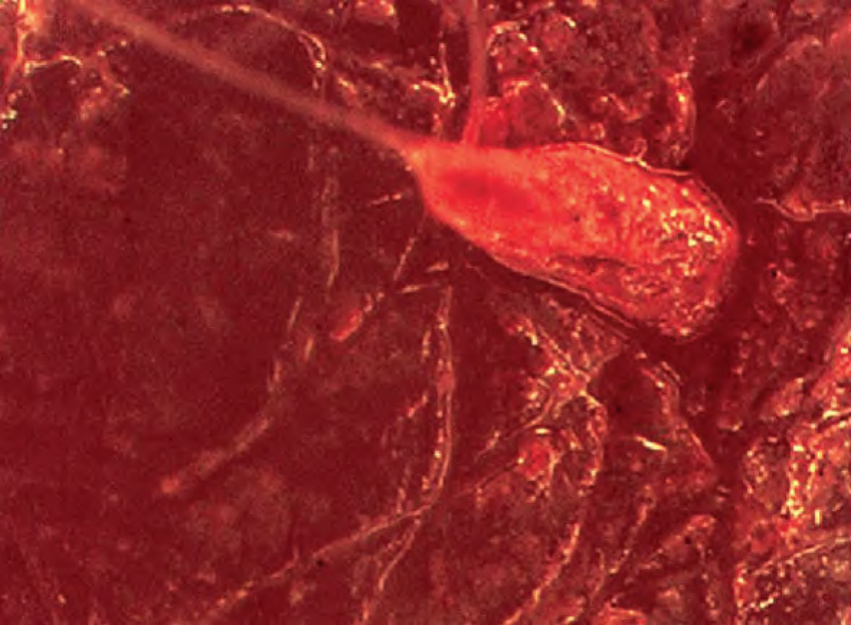
Fig. 153.1 Migration of iron oxide particles in facial foundation to follicular ostia. As seen by video microscopy (400×), this migration tends to occur as sebum and eccrine secretions mix with the cosmetic film.
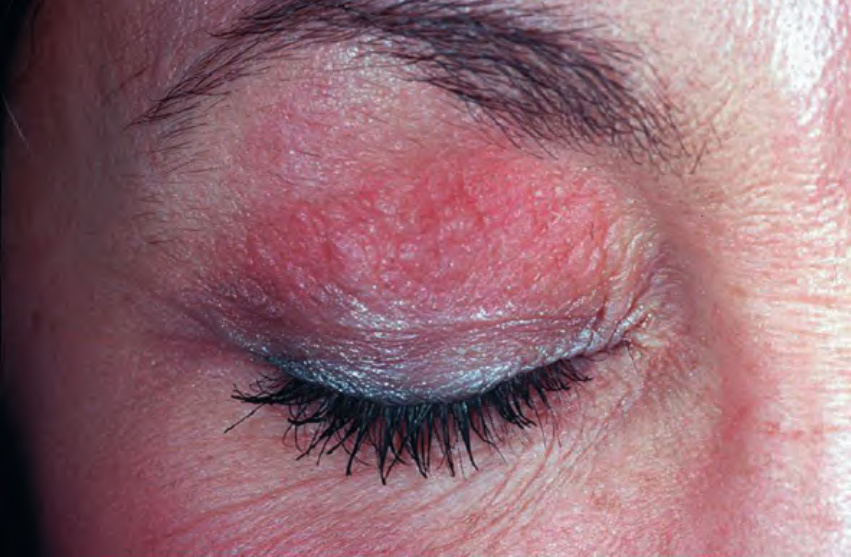
Fig. 153.2 Upper eyelid dermatitis. Upper eyelid dermatitis may be exacerbated by the use of heavily pigmented, light-reflective eye shadows.
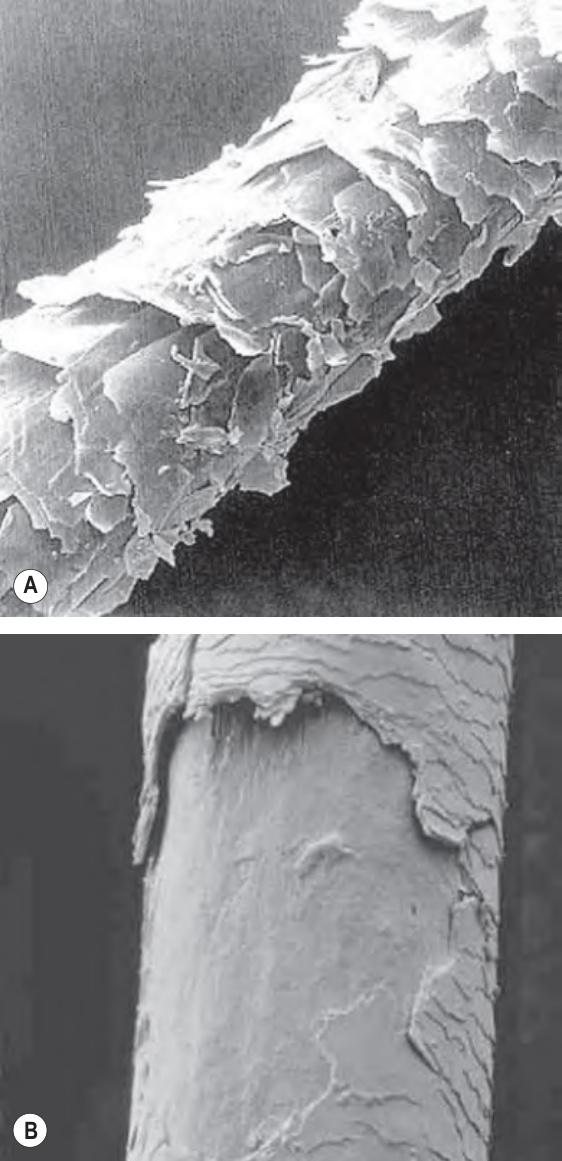
Fig. 153.3 Electron photomicrographs of chemically damaged hair shafts. A Loose cuticle, compared to the tightly overlapping cuticle of normal hairs (see Fig. 153.5). B Missing cuticle with exposed cortex.
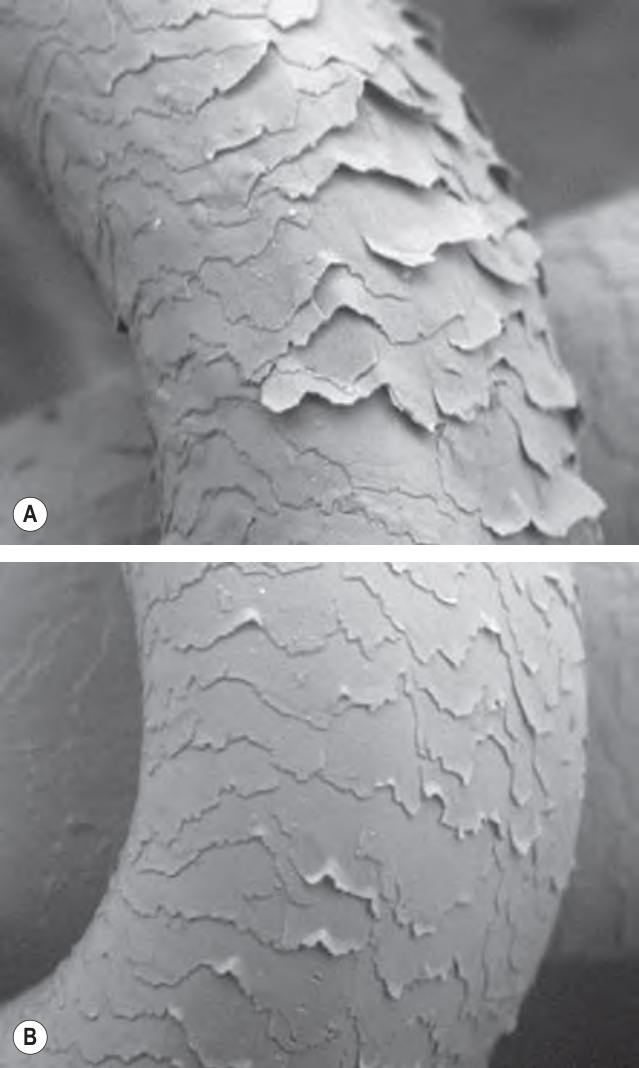
Fig. 153.4 Electron photomicrographs demonstrating the effect of hair condi- tioners. A Unconditioned hair shaft with uplifted cuticle. B Conditioned hair shaft with tightly adherent cuticle.
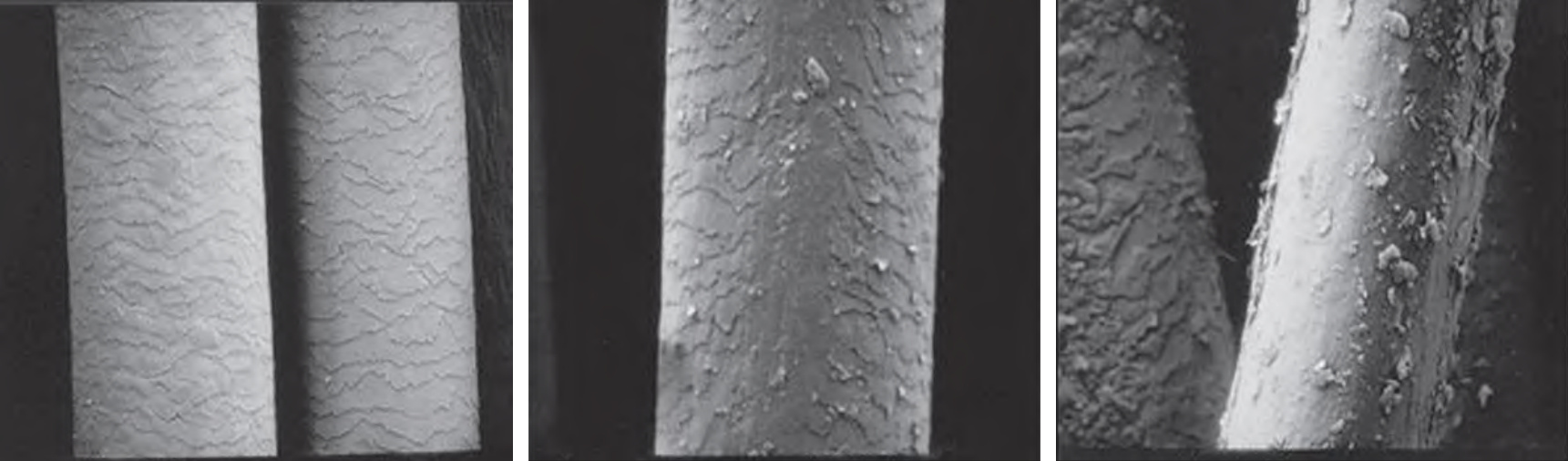
Fig. 153.5 Electron photomicrographs demonstrating the progressive removal of the hair cuticle as a result of scratching. The most common cause of cuticle removal is scratching and this leads to dull fragile hair. Note that the normal hairs have a tightly overlapping cuticle.
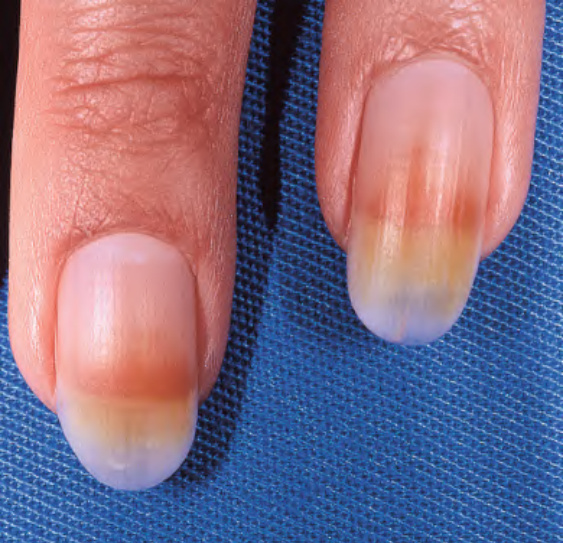
Fig. 153.6 Yellow nail staining due to wearing deeply pigmented red and orange nail polishes. This type of staining is common and reversible.
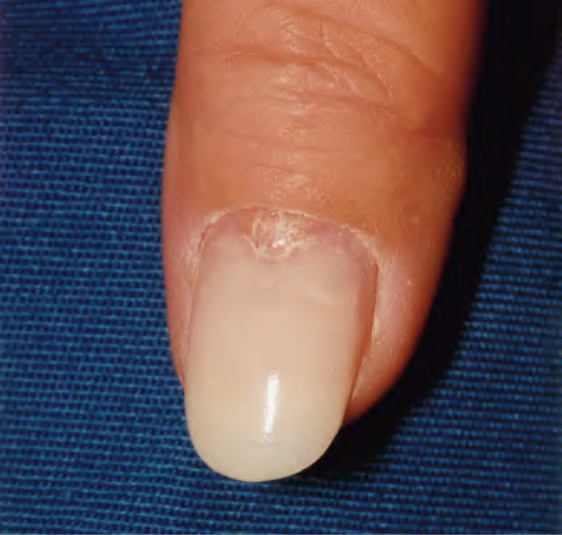
Fig. 153.7 Onychodystrophy of the central nail due to wearing a nail prosthesis. The nail prosthesis grows out with the nail plate and new polymer must be applied to the proximal nail fold. The polymer has damaged the cells of the central nail matrix.
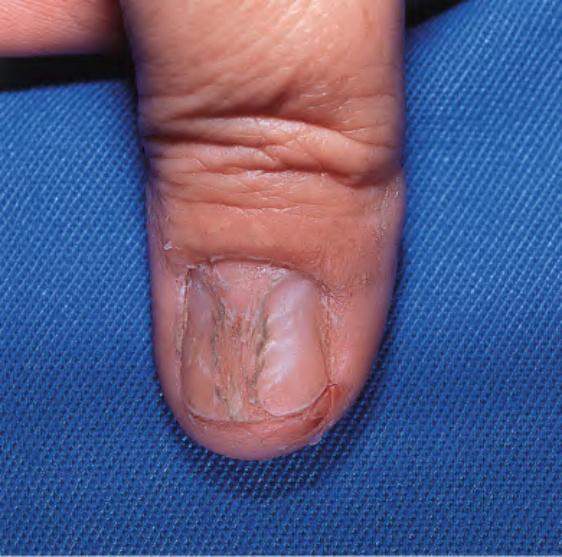
Fig. 153.8 Continuous use of a nail prosthesis can result in dramatic nail plate damage.
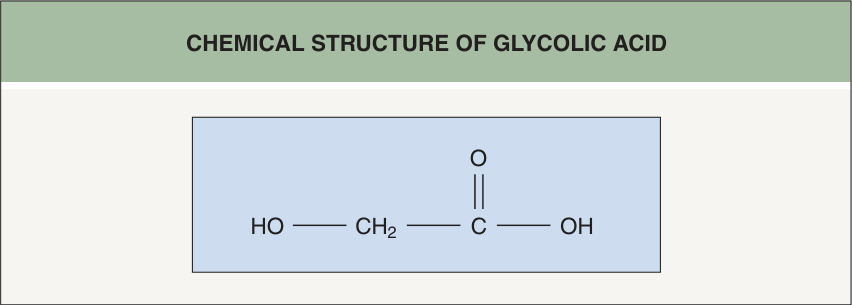
Fig. 153.9 The chemical structure of glycolic acid, accounting for its hydrophilic properties.
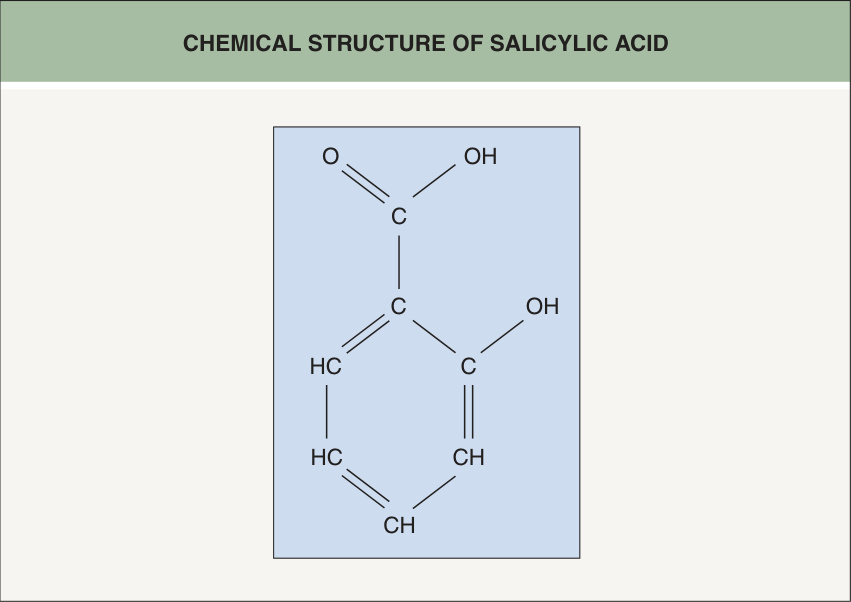
Fig. 153.10 The chemical structure of salicylic acid, accounting for its lipophilic properties.
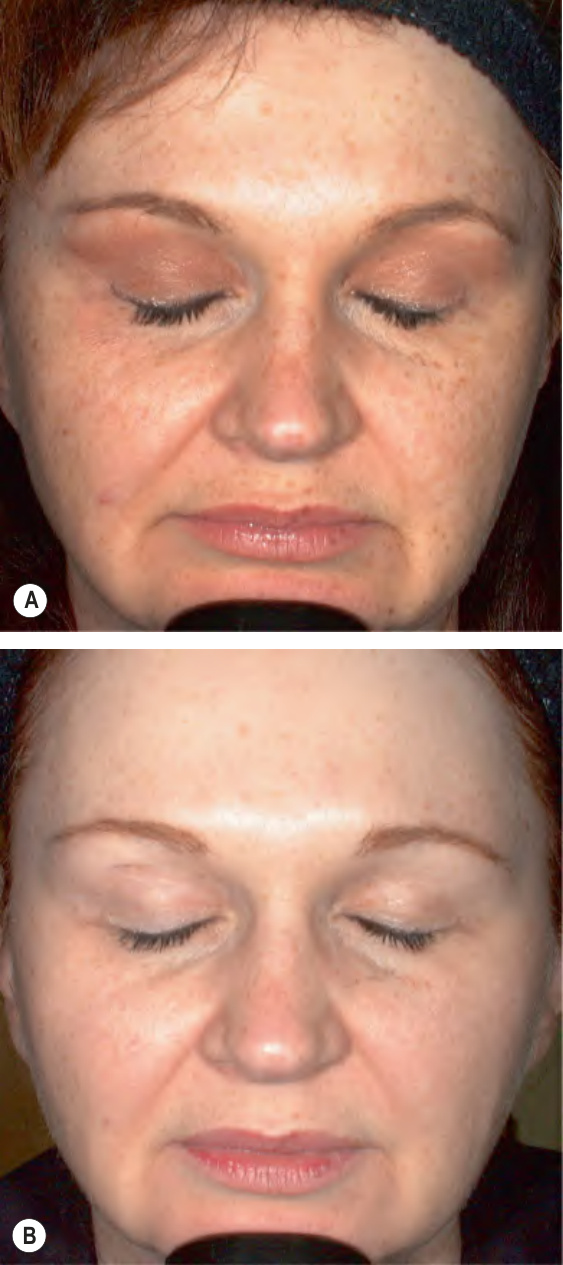
Fig. 153.11 Lightening of facial lentigines.
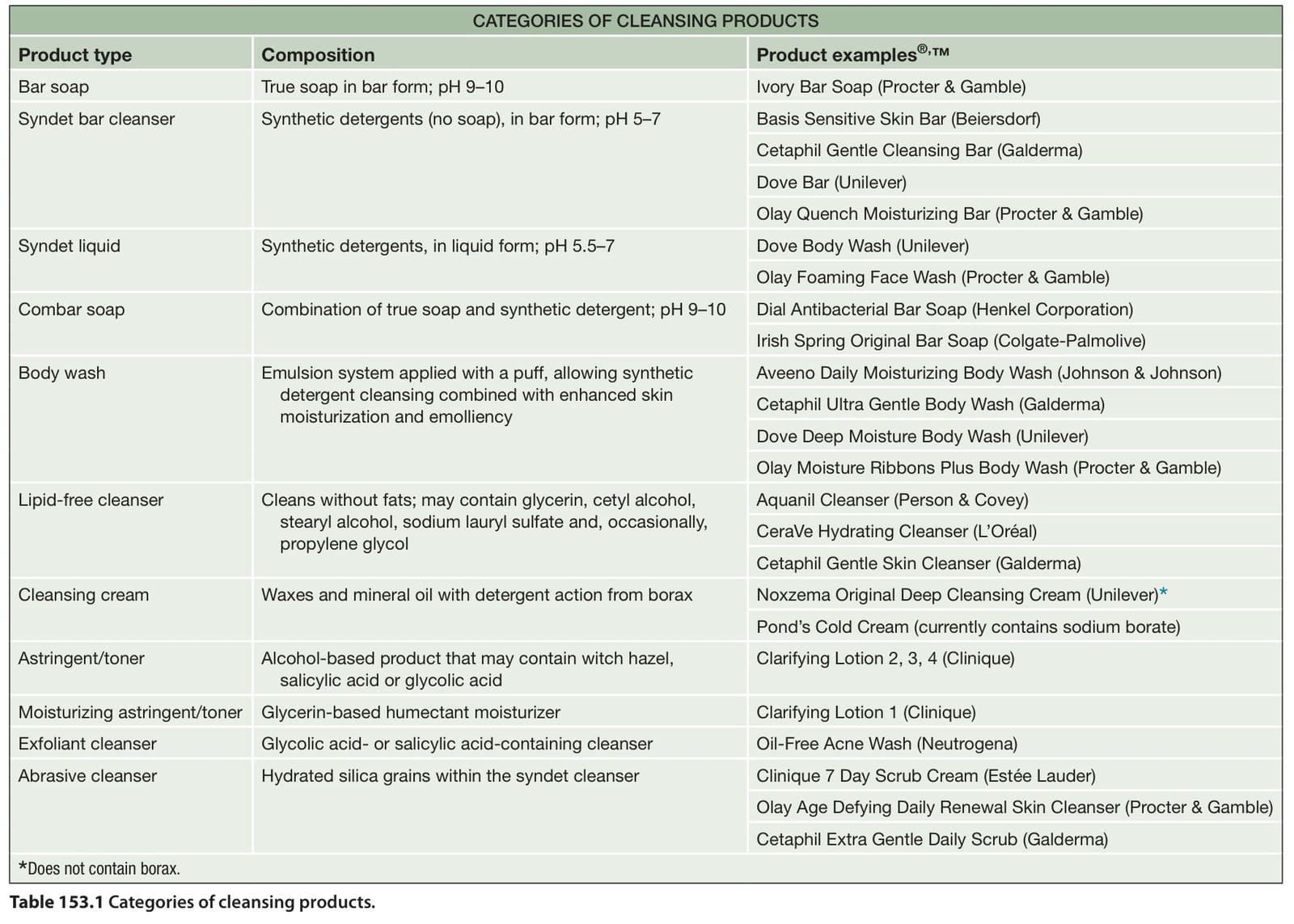
Table 153.1 Categories of cleansing products.
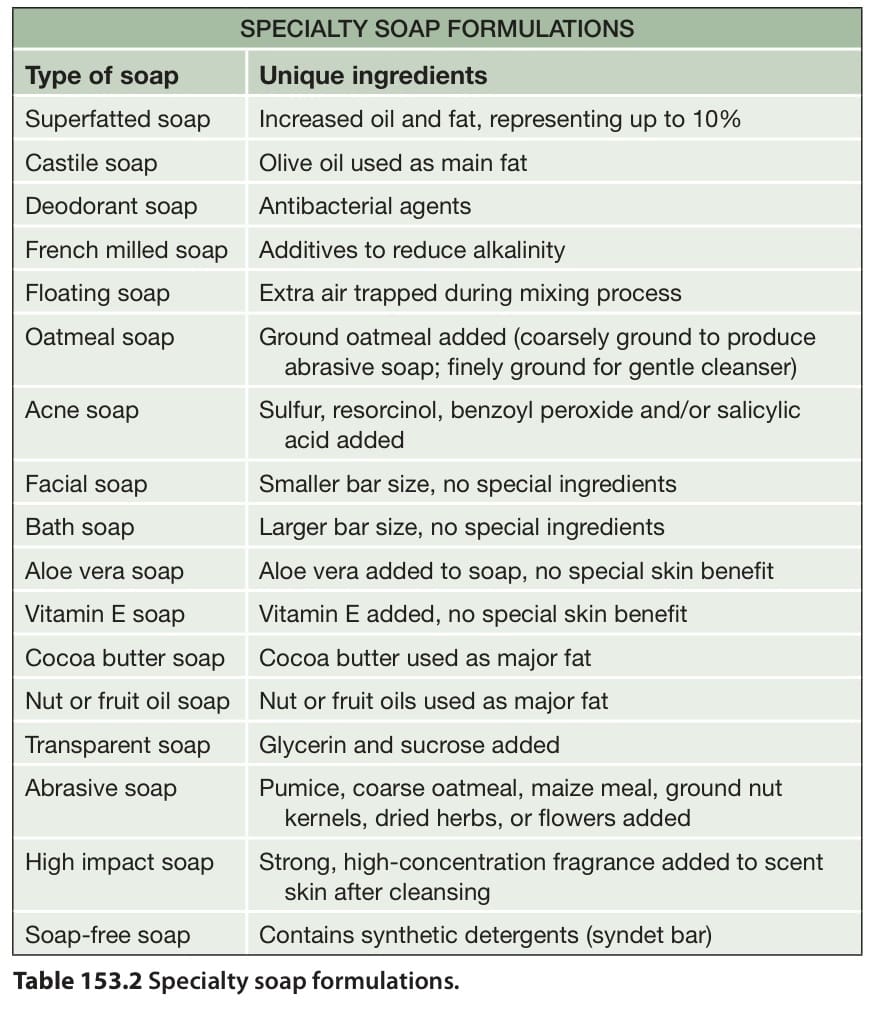
Table 153.2 Specialty soap formulations.
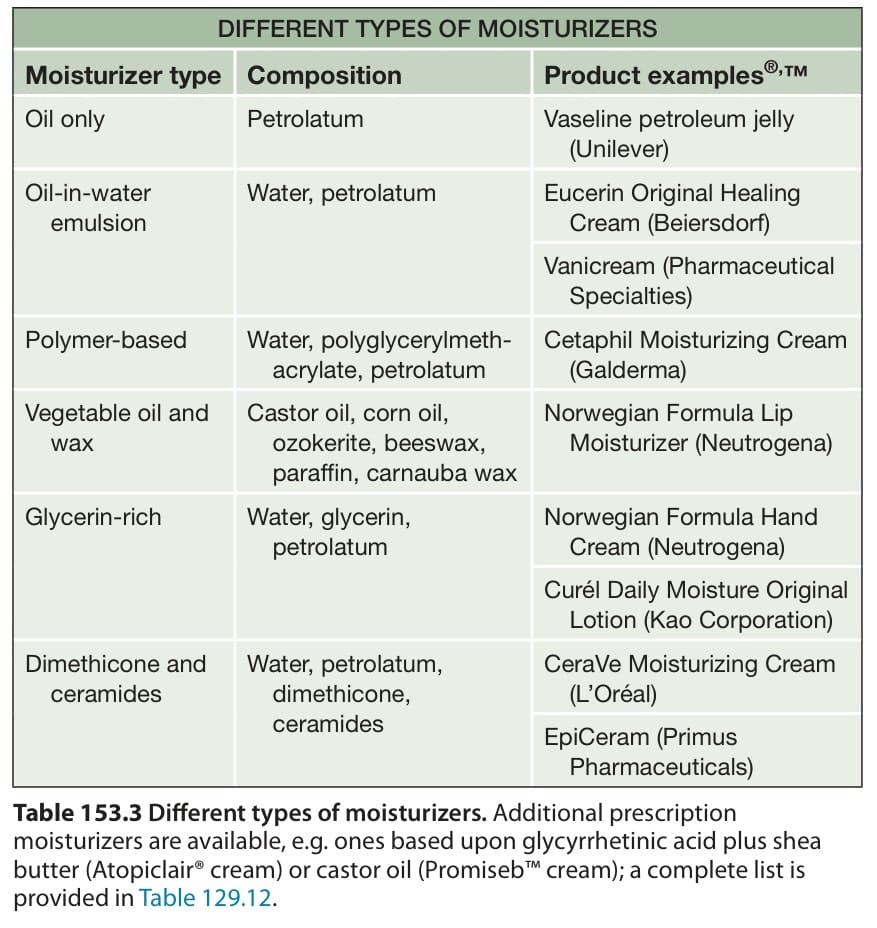
Table 153.3 Different types of moisturizers. Additional prescription moisturizers are available, e.g. ones based upon glycyrrhetinic acid plus shea butter (Atopiclair® cream) or castor oil (Promiseb™ cream); a complete list is provided in Table 129.12.
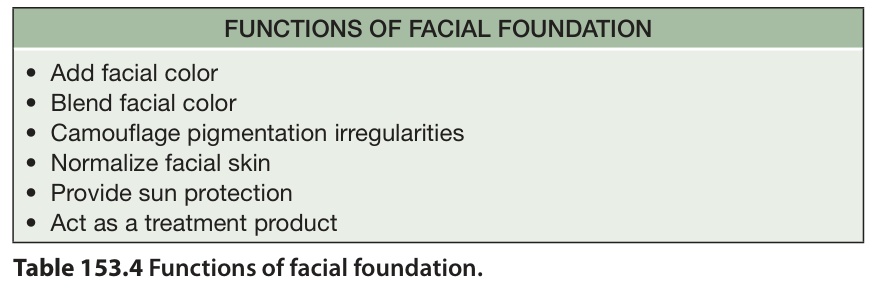
Table 153.4 Functions of facial foundation.
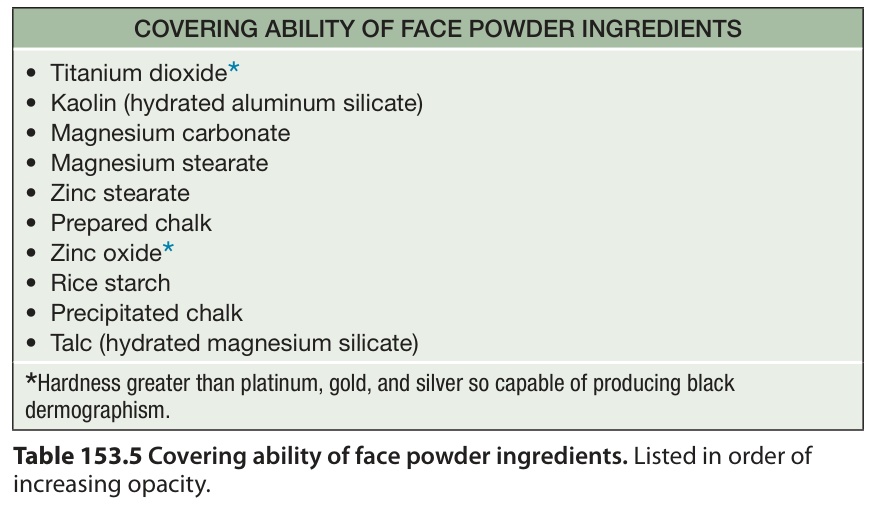
Table 153.5 Covering ability of face powder ingredients. Listed in order of increasing opacity.
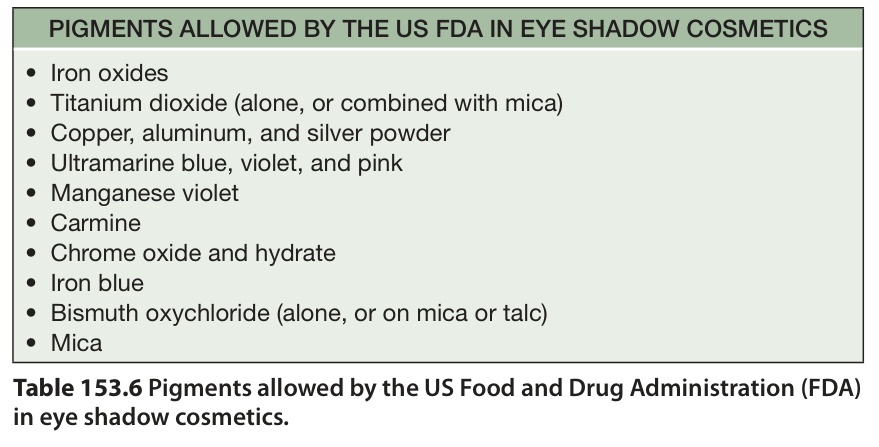
Table 153.6 Pigments allowed by the US Food and Drug Administration (FDA) in eye shadow cosmetics.
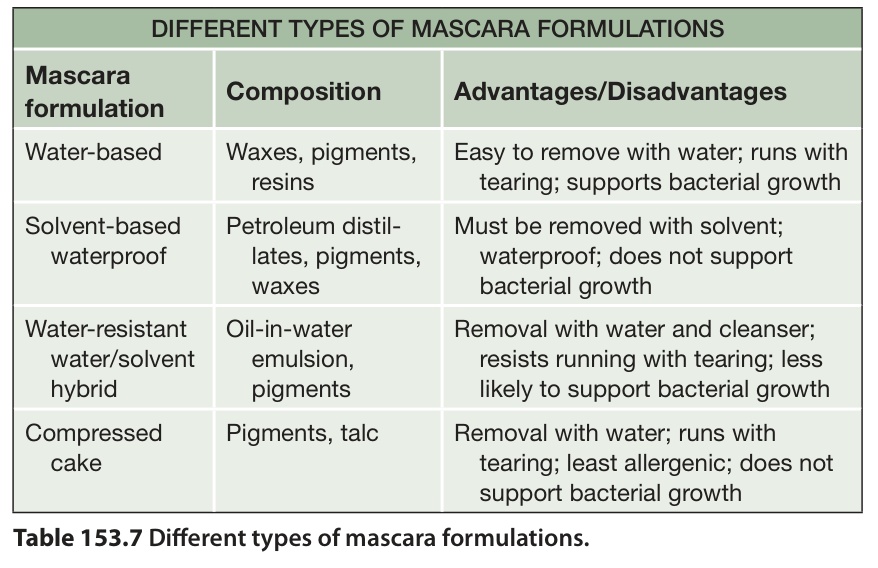
Table 153.7 Different types of mascara formulations.
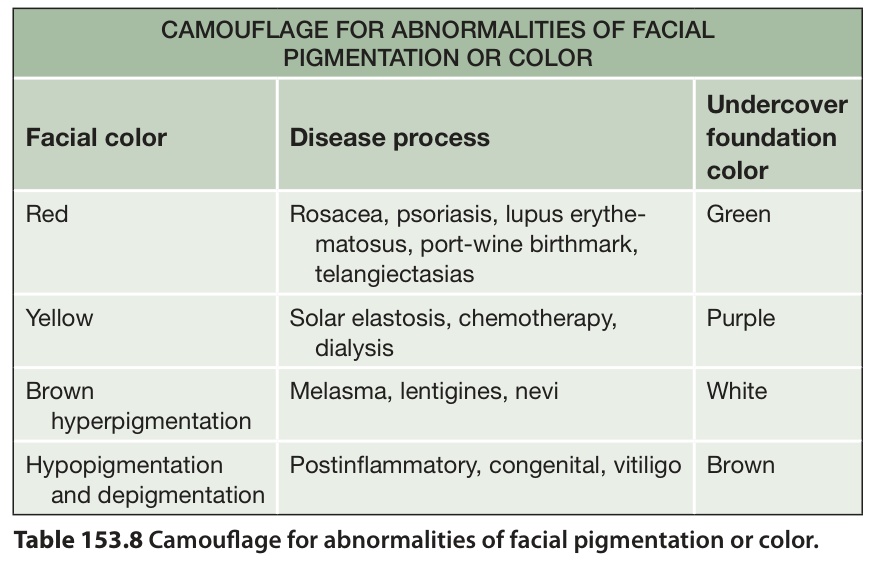
Table 153.8 Camouflage for abnormalities of facial pigmentation or color.
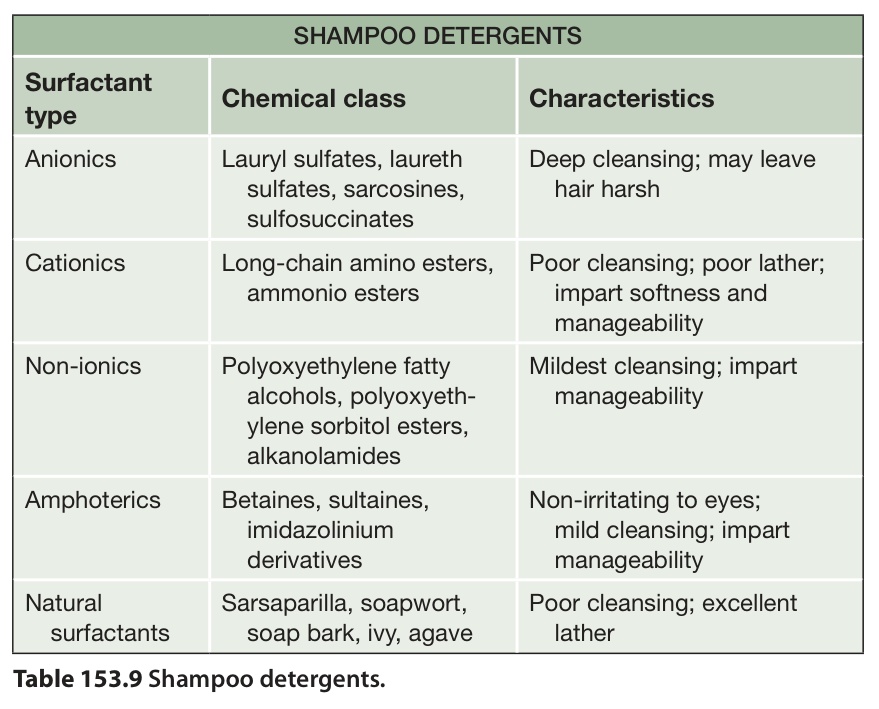
Table 153.9 Shampoo detergents.
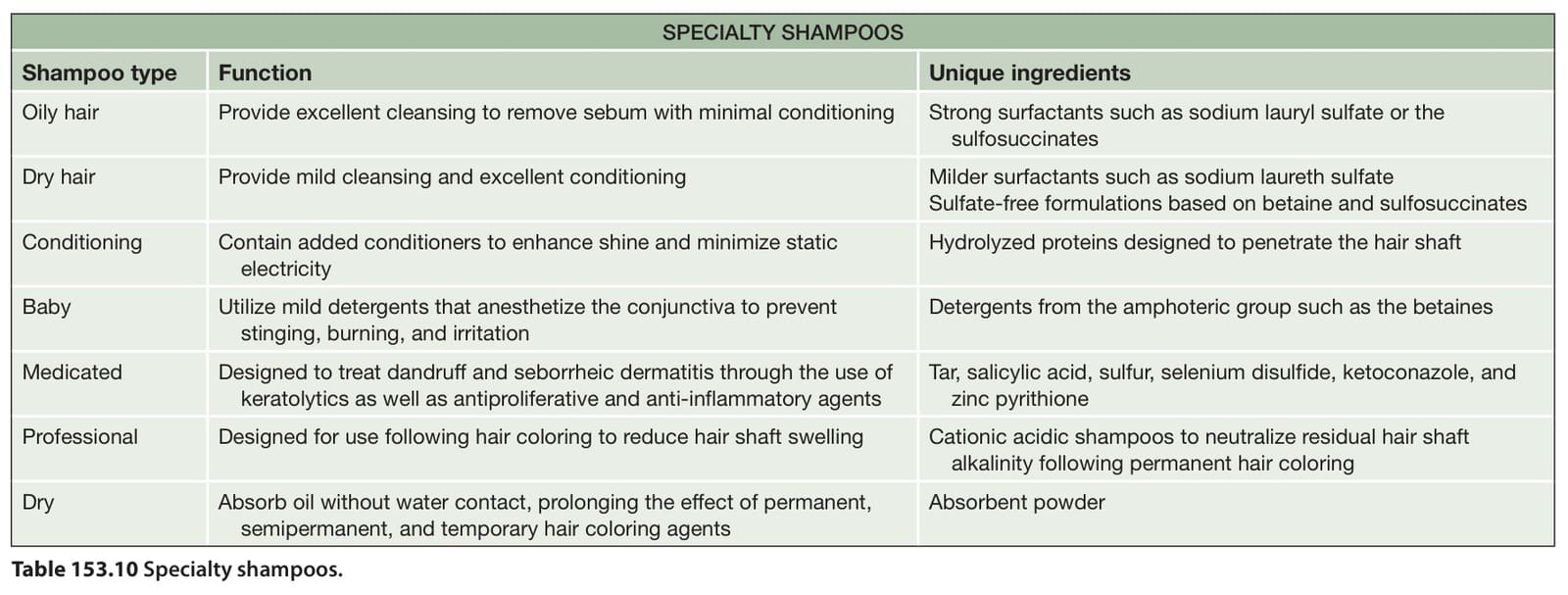
Table 153.10 Specialty shampoos.

Table 153.11 Chemical hair treatments: coloring, permanent waving, and relaxing. See the text for a description of Brazilian and Japanese hair straightening techniques. FD&C, Federal Food, Drug and Cosmetic Act; HO, hydrogen peroxide.
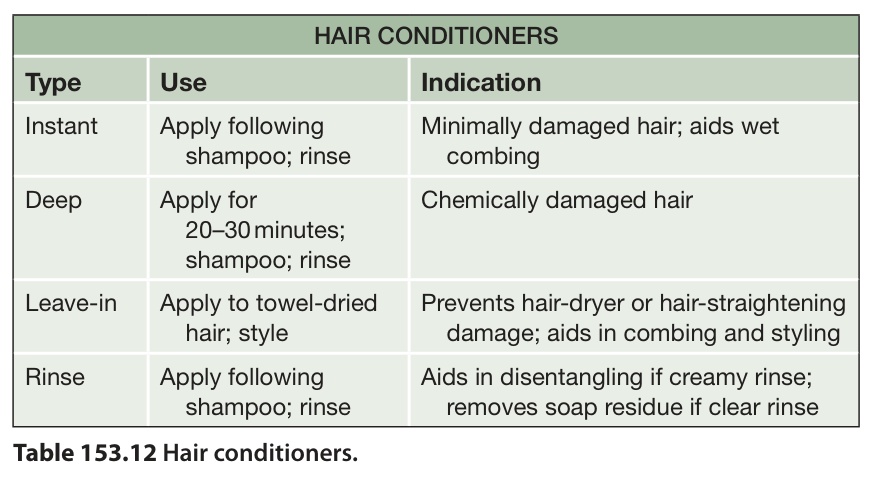
Table 153.12 Hair conditioners.
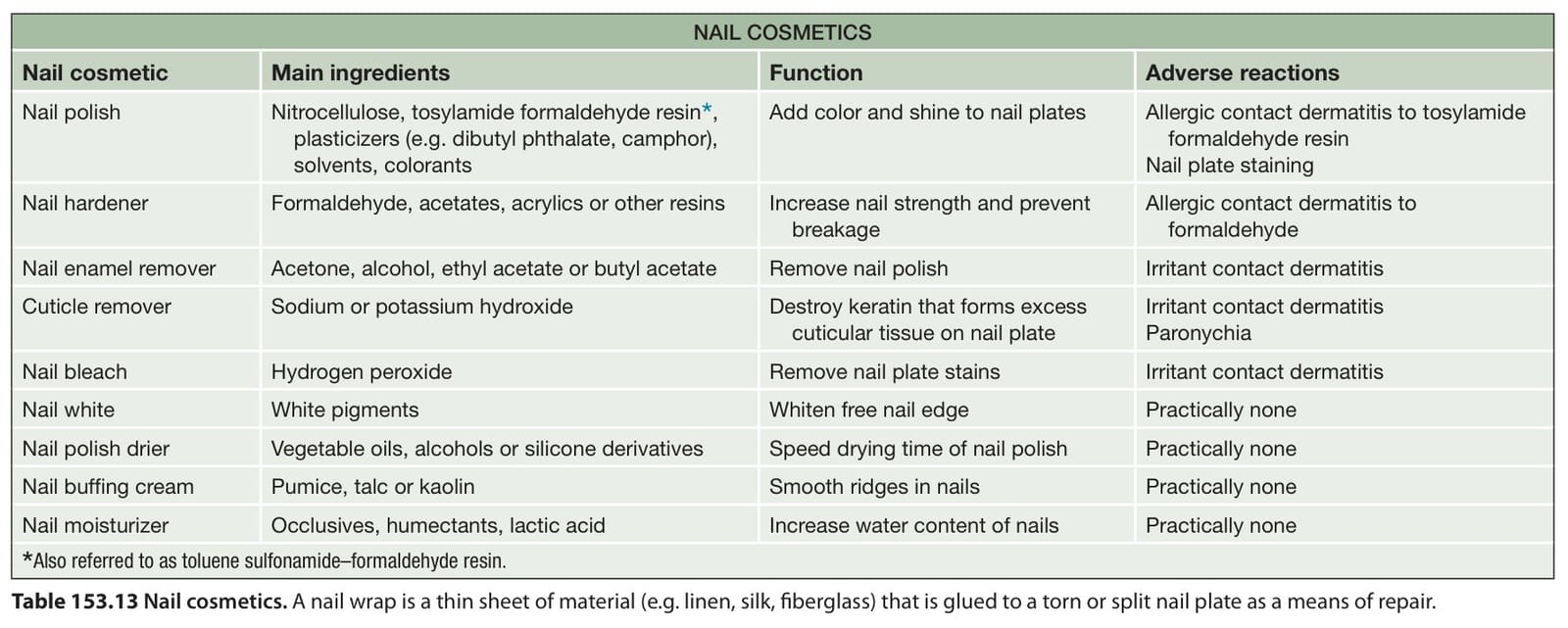
Table 153.13 Nail cosmetics. A nail wrap is a thin sheet of material (e.g. linen, silk, fiberglass) that is glued to a torn or split nail plate as a means of repair.
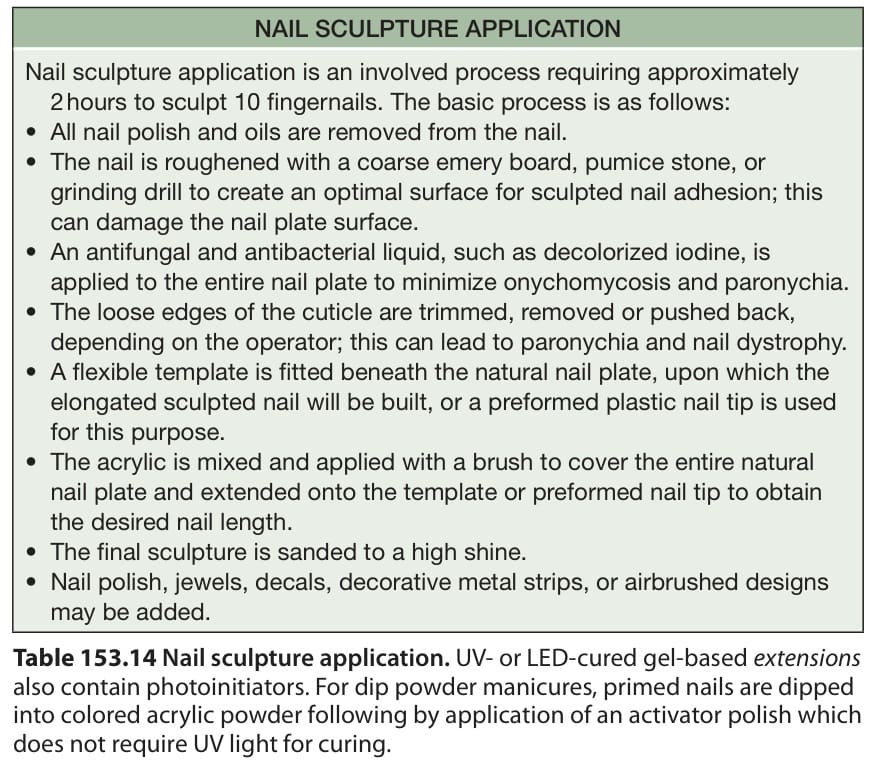
Table 153.14 Nail sculpture application. UV- or LED-cured gel-based extensions also contain photoinitiators. For dip powder manicures, primed nails are dipped into colored acrylic powder following by application of an activator polish which does not require UV light for curing.
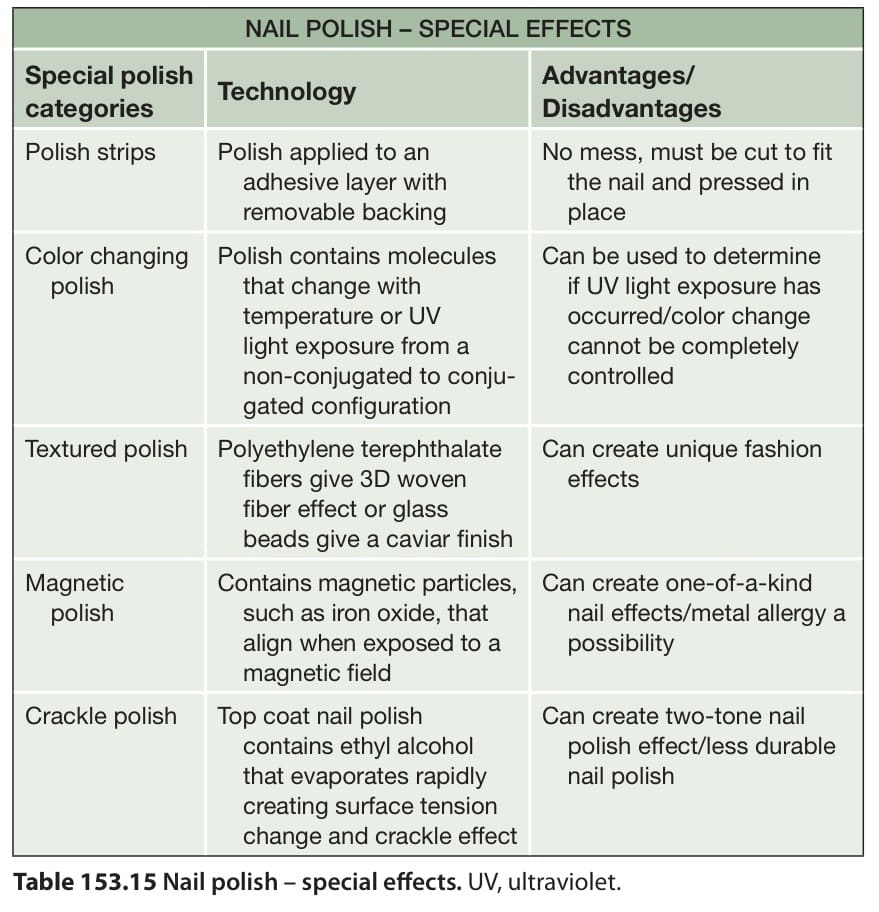
Table 153.15 Nail polish – special effects. UV, ultraviolet.
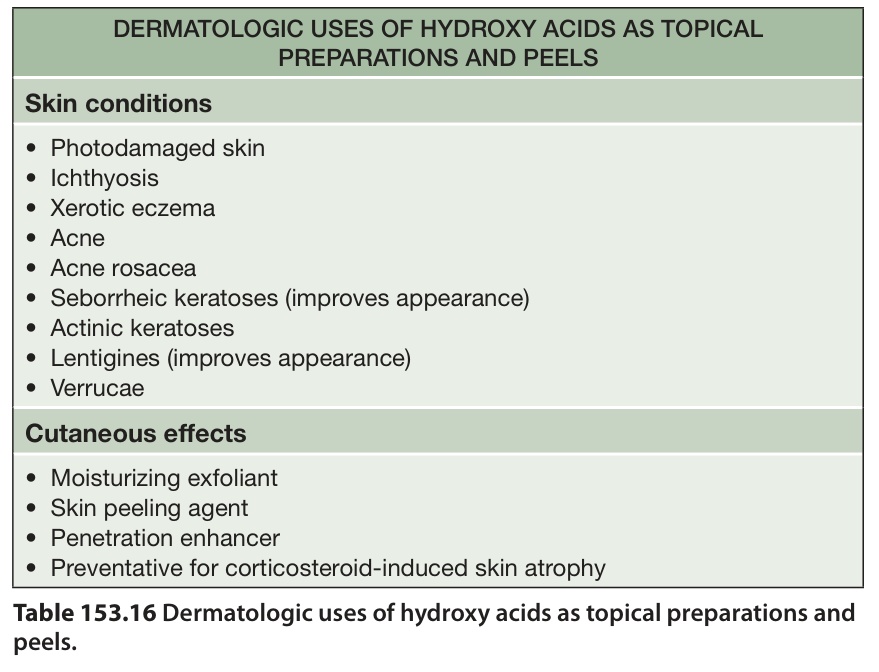
Table 153.16 Dermatologic uses of hydroxy acids as topical preparations and peels.

Table 153.17 Popular ingredients in cosmeceutical formulations. These are in addition to the hydroxy acids. NF-κB, nuclear factor kappa-light-chain-enhancer of activated B cells.