IMMUNOLOGIC CONTACT URTICARIA
Key features
Atopy and frequent contact with fresh fruits and vegetables are risk factors
May present as urticaria, pruritus, burning, or chronic dermatitis
Oral allergy syndrome is mucosal contact urticaria caused by antigens similar to allergenic pollen
Protein contact dermatitis represents an eczematous eruption arising from repeated urticarial reactions
Plant-induced urticarial reactions are divided into immune and non-immune (toxin-mediated [see next section]). Several cutaneous reaction patterns besides wheals are possible, e.g. erythema, dermatitis.
Epidemiology
Immunologic contact urticaria is rather uncommon. Approximately 95% of cases are work-related – long-time food handlers with under-lying dermatitis are at greatest risk. However, fully half of patients with “protein contact dermatitis”, a type IV eczematous eruption arising from repeated type I urticaria reactions, are not atopic.
Examples of reported urticants include common vegetables (e.g. celery, onions, potatoes, lettuce), fruits (e.g. tomatoes, bananas, lemons), herbs (e.g. parsley, dill) and nuts, as well as algae, lichens, shrubs, trees, and grasses.
Pathogenesis (see Ch. 18)
IgE-mediated release of vasoactive mediators from mast cells leads to local urticaria and, rarely, a “contact urticaria syndrome” that includes local wheals plus systemic symptoms involving the nose, throat, lungs, gastrointestinal tract, or cardiovascular system. The main cause seems to be histamine release, but prostaglandins, kinins, and leukotrienes probably augment the inflammatory response.
Clinical Features
Within 30 minutes of contact with certain fresh foods, affected individuals experience pruritus, erythema, urticarial swelling, and even dyshidrotic-like vesicles. Sometimes, individuals only develop burning or tingling without objective findings. Theoretically, any plant can cause contact urticaria, especially with repeated exposures on the wet, macerated skin of food handlers. Cooking, processing, deep-freezing, or crushing fruits and vegetables generally reduces their allergenicity.
Some individuals become cross-sensitized to pollen and similar allergens in fruits or vegetables. Upon eating a cross-reacting food, they experience sudden, IgE-mediated, oral cavity itching, stinging, and pain. Edema of the lips, tongue, palate, and pharynx typically ensue as the “oral allergy syndrome” (OAS) progresses. Gastrointestinal symptoms and anaphylaxis are possible if enough allergens are ingested. For example, 70% of European patients with immediate hypersensitivity to birch pollen develop OAS while eating apples, pears, cherries, peaches, plums, apricots, almonds, celery, carrots, potatoes, kiwis, hazelnuts, or mangoes. Pollen-associated foods are often, but not always, edible when heated.
The term “protein contact dermatitis” describes a chronic dermatitis in which patch tests are typically negative but prick tests to large protein allergens are positive. Patients develop a chronic dermatitis – frequently on the hands and fingertips – that urticates within minutes of contact with the offending allergen (Fig. 17.1).
Differential Diagnosis and Pathology
See Toxin-Mediated (Non-immunologic) Contact Urticaria and Chs. 16 & 18.
Treatment
Prevention is the preferred form of “treatment”. Parenterally administered epinephrine (adrenaline) is required for anaphylactic reactions.
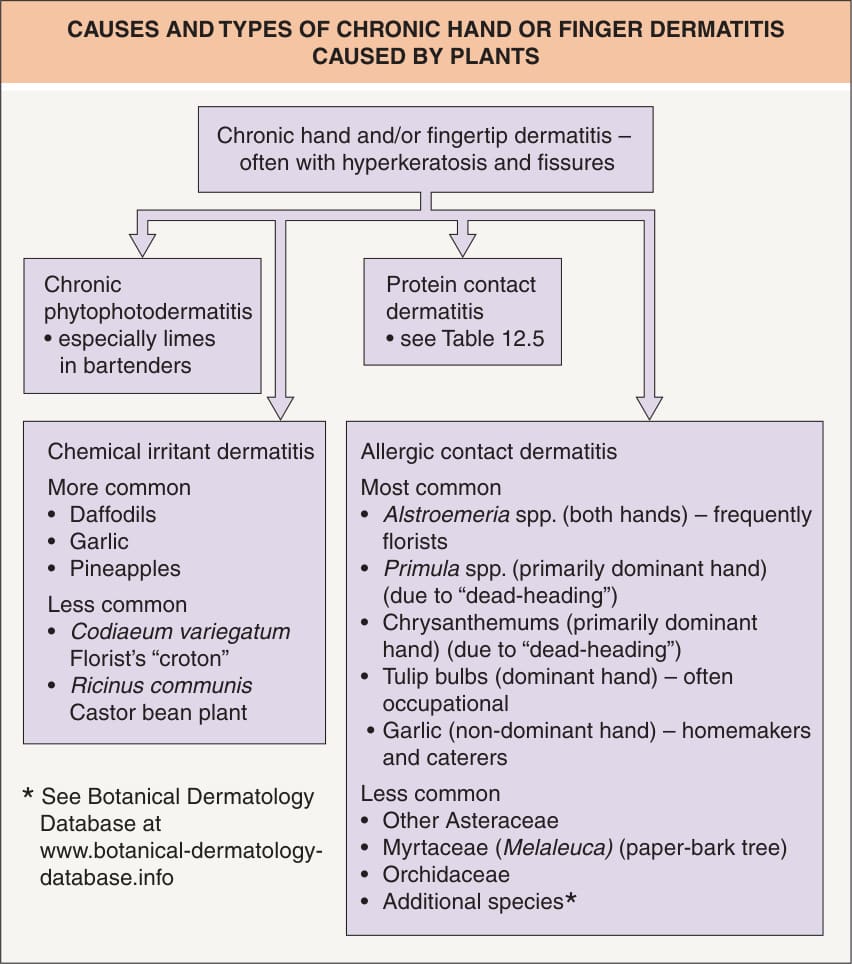
Fig. 17.1 Causes and types of chronic hand or finger dermatitis caused by plants.

Table 17.3 Most common relevant botanical allergens and proposed botanical screening tray. This list may help to narrow down a potential botanical allergy in a patient who brings specimens into your office to examine. Note this screening tray does not include urushiol. See Appendix in Chapter 14 for commercial sources of patch tests.