TREATMENT
Patients should be given advice and information on common precipitants, treatments, and prognosis. Antipruritic lotions and the avoidance of aggravating factors, including NSAIDs, may be sufficient for some, but many will need additional interventions, including systemic medications. These can be stratified into first-, second-, and thirdline therapies (Fig. 18.20). The management of urticarial vasculitis is discussed in Chapter 24 and treatment of C1 inh deficiency is considered separately because its pathogenesis and therapeutic inter-ventions differ. Patients must understand that although systemic corticosteroids may completely eliminate their lesions, recurrences often occur with tapering of the dosage and long-term use is unacceptable. In addition, H1 antihistamines and other drug combinations can nearly always control symptoms and significantly improve quality of life.
Acute, Chronic Spontaneous, and Inducible Urticarias
First-line therapies
H1 antihistamines are the mainstay of management for most patients with urticaria, although not all patients will respond and only about 40% of those attending tertiary care clinics will clear or almost clear at licensed doses. Antihistamines reduce pruritus, flatten wheals, shorten wheal duration, and reduce wheal numbers, even though they may not clear urticaria completely. It is worth discussing the relative benefit with patients who feel that “they haven’t worked”.
Antihistamines should be taken on a daily basis, the frequency depending on their half-life. In other words, they should not be taken only when the patient is symptomatic. As a general rule, antihistamines
are safe and have few significant adverse effects. They can be grouped into first-generation (classic, sedating) antihistamines, second-generation (new generation, non- or minimally sedating) antihistamines and their derivatives, and the H2 antagonists (Table 18.5). The EAACI/GALEN/EDF/WAO consensus guidelines on chronic urticaria strongly recommend against using sedating H1 antihistamines as monotherapy.
Classic antihistamines are problematic because sedation and anticholinergic side effects are often dose-limiting. However, in combination with a daytime non-sedating antihistamine, they can be taken at night if sleep is disturbed by urticaria, but the following day they may interfere with skilled tasks (e.g. operating machinery and driving) or reduce the ability to concentrate at work or school.
Second-generation antihistamines are usually well tolerated, with the majority of patients requiring only once-daily oral dosing (see Table 18.5). For chronic urticaria, there is probably little distinction between the second-generation antihistamines when they are taken at the licensed dosages. A consensus paper has recommended increasing the daily dose of second-generation H1 antihistamines up to fourfold for difficult urticaria. It is possible that their additional anti-allergic and anti-inflammatory properties may be clinically beneficial at these higher doses, but direct evidence for this is lacking and they do represent unlicensed dosages.
Fexofenadine is licensed for urticaria at 180 mg daily. It is the active metabolite of terfenadine but does not appear to have the potential for ventricular arrhythmias as of its parent drug. Desloratadine (an active metabolite of loratadine) and levocetirizine (the active enantiomer of cetirizine) probably offer no clinical advantage over their parent drugs at equivalent doses.
Clinically important drug interactions are infrequent, but coadministration of mizolastine with systemic erythromycin and ketoconazole is contraindicated because of concern about possible cardiac arrhythmias. Caution is also recommended with regard to other hepatic cytochrome P450 3A4 inhibitors (e.g. cimetidine) or substrates (e.g. cyclosporine; see Ch. 131), which may be used for urticaria in special circumstances.
The addition of H2 antagonists to conventional H1 antihistamines may be helpful in some patients with chronic urticaria, although clinical trial evidence for combining H1 antihistamines and H2 antagonists is poor and not all authorities recommend this therapeutic approach. H2 antagonists have no effect on histamine-induced pruritus and should not be used as monotherapy. Nizatidine and famotidine have similar properties to ranitidine (currently unavailable) but have not been evaluated in clinical trials for chronic urticaria. They are preferable to cimetidine, which may interfere with hepatic metabolism of other drugs and is weakly anti-androgenic.
No H1 antihistamine can be advertised as being safe during pregnancy, but recent urticaria guidelines suggest loratadine and cetirizine (previously FDA category B drugs) as preferred medications, especially in the second and third trimesters. Both drugs are also compatible with breastfeeding, but hydroxyzine is contraindicated because of reports of seizures in breastfed infants (see Ch. 27). Because of its lengthy prescription record, chlorphenamine has also been used, but it should be avoided close to parturition and during breastfeeding due to potential sedative effects in the child.
Second-line therapies (targeted interventions)
Second-line therapies may be considered when urticaria does not respond well to antihistamines, but high-quality evidence to support their use is lacking. They should usually be prescribed as additive therapies (to antihistamines) rather than as alternatives. The choice of second-line drugs should be guided by specific indications, summarized in Table 18.6. Here, the management of urticaria can be influenced considerably by a full clinical assessment and the experience of the clinician. It is unusual for children to need second-line therapies, except the occasional use of prednisolone for very severe acute exacerbations of chronic urticaria. Second-line drugs should be used with considerable care in pregnancy, and only after the risks have been carefully considered against the likely benefits. Non-drug interventions include diets (e.g. salicylate-free), phototherapy, and cold desensitization.
Prednisone or prednisolone is effective for nearly all presentations of chronic urticaria, but often needs to be used at reasonably high doses (e.g. 30–50 mg daily in adults) to achieve good initial control of severe disease. It should be considered primarily for the short-term management of “crisis” urticaria and serious angioedema of the throat as a rescue medication, when, often, a single dose or several daily doses will be sufficient to re-establish control with regular full-dose antihistamines. Regular treatment with oral corticosteroids should be avoided because of the usually prolonged duration of chronic urticaria and because of their predictable long-term side effects (e.g. hypertension, weight gain, glucose intolerance, osteoporosis). Rebound is also a common problem and the long-term course of the urticaria is often not altered.
Epinephrine (adrenaline) by subcutaneous or intramuscular injection is the treatment of choice for anaphylactic shock or severe anaphylactoid reactions, whether due to an allergy, pseudoallergy, or inducible urticaria. Epinephrine may also be necessary for angioedema of the oropharynx in severe acute allergic urticaria and idiopathic angioedema, but it is rarely required for chronic urticaria and is not effective for HAE. Directing epinephrine mist from an aerosol inhaler onto mucosal angioedema may be helpful for minor episodes, but it is usually better to administer the drug intramuscularly or subcutaneously, if it is required. Side effects of epinephrine include tachycardia, anxiety, and headache. It should be used with caution in patients with hypertension, ischemic heart disease,
cerebrovascular disease, and diabetes mellitus. Coadministration of epinephrine with tricyclic antidepressants (including doxepin) and β-blockers should be avoided. For reassurance, patients who are prone to severe acute allergic urticaria and idiopathic angioedema may carry a self-administered epinephrine pen and they need to be aware of side effects, drug interactions, and potential rebound phenomenon.
Doxepin is a tricyclic antidepressant with very potent H1 antihistaminic and H2 antagonistic properties. Although it has significant sedative and anticholinergic properties, it may be valuable, especially when dosed at night in adult patients with chronic urticaria. Monitoring of serum drug levels can prove helpful as clinical studies have frequently observed subtherapeutic levels (therapeutic range for doxepin plus N-desmethyldoxepin = 150–250 ng/mL).
Montelukast, a leukotriene receptor antagonist (see Table 130.11), may be beneficial for aspirin-sensitive chronic urticaria due to the likely involvement of leukotrienes in its pathogenesis. There have been anecdotal reports of responses in refractory chronic urticaria associated with delayed pressure urticaria, but clinical experience to date has been less encouraging. It may be useful in combination with H1 antihistamines for CSU patients with angioedema. Side effects are uncommon, but urticaria, angioedema, and anaphylaxis have been reported when it has been given for other indications.
Dapsone has been shown in two randomized clinical trials as well as a larger retrospective medical record review to be an effective and well-tolerated second-line therapy for patients with refractory CSU, including the idiopathic and autoimmune subtypes. Its precise mechanism of action in treating CSU is unknown but is thought to be related to its inhibition of prostaglandin and leukotriene activity, disruption of neutrophil adhesion molecules, suppression of neutrophil recruitment and activation, and interference with the release or functioning of neutrophil lysosomal enzymes (see Ch. 130). Dapsone can also be considered in DPU patients who are sensitive to NSAIDs.
Sulfasalazine may be helpful for chronic urticaria when delayed pressure urticaria (DPU) symptoms predominate, providing it is tolerated. Otherwise, these patients often require systemic corticosteroids. The drug should be avoided in patients with aspirin sensitivity and as with dapsone, glucose-6-phosphate dehydrogenase (G6PD) deficiency. For both medications, a complete blood count should be monitored every 2 weeks for the first 2 months and then regularly thereafter, along with hepatic enzymes. Side effects are reviewed in Chapters 31 and 130.
Colchicine may be beneficial for chronic urticaria when predominantly neutrophilic infiltrates are seen histologically (“neutrophilic urticaria”) and it is also used for urticarial vasculitis. Potential side effects are outlined in Table 130.9. Patients receiving colchicine should avoid P-glycoprotein or strong CYP3A4 inhibitors.
Anabolic steroids, such as danazol and oxandrolone, may be useful for severe cholinergic urticaria, especially in male patients, but virilizing side effects and long-term concern regarding liver toxicity are disadvantages.
Miscellaneous drug therapies described for chronic urticaria include tranexamic acid, heparin, and warfarin, but convincing evidence for their use is lacking and there are no specific situations where they appear to be better than other treatments.
Exclusion of food additives and natural salicylates from the diet has been advocated in a number of reports. The high success rates in some series may have been due in part to the natural history of remission in chronic urticaria, as <20% of patients responding to low-pseudoallergen diets flare after double-blind, placebo-controlled challenge with individual additives. Diets nevertheless remain popular with CSU patients and are worth considering when antihistamines have failed and second-line drugs are inappropriate. There is general agreement that food allergy as a cause of adult chronic urticaria is exceptional, and that investigation for relevant immediate hypersensitivity reactions should not be under-taken without a strong lead from the history.
Induction of tolerance by repeated, frequent, graduated exposures to the precipitating physical factor can be helpful for cold urticaria, solar urticaria, and heat contact urticaria. The schedule is time consuming, not all patients can be rendered tolerant, and repeated daily exposures may be necessary to maintain tolerance.
Ultraviolet therapy and photochemotherapy (PUVA) have been used for chronic urticaria, but the reported results have been inconclusive. A retrospective survey suggested that narrowband UVB (NB-UVB) phototherapy might be effective. There is limited evidence that PUVA and NB-UVB are helpful for highly symptomatic dermographism at doses usually administered for psoriasis.
Autohemotherapy with whole blood or serum has been used in ASST-positive patients but strong evidence for this intervention is lacking.
Third-line therapies
Omalizumab (humanized anti-IgE monoclonal antibody) has been shown to be effective for chronic spontaneous/idiopathic urticaria in large phase III studies, as well as for associated angioedema and H1 antihistamine-refractory CSU. The most common dosage in adults is 300 mg monthly via subcutaneous injection. High baseline IgE levels appear to be a marker for early response and early relapse. In retrospective studies, patients with inducible urticarias also had a high rate of complete response of symptoms. After six months of therapy, omalizumab is usually discontinued, while remaining on H1 antihistamines. Recurrences do occur and longer courses may be required.
Cyclosporine (3–4 mg/kg/day for 4–8 weeks) clears or substantially benefits approximately two-thirds of patients with chronic autoimmune urticaria refractory to antihistamines. However, only 25% of responders remained clear or almost clear 4–5 months after discontinuing therapy. As a result, the risk of maintaining the “impossible to wean” patient on long-term cyclosporine is potentially considerable.
Other immunosuppressive therapies, including methotrexate, mycophenolate mofetil, and azathioprine, may be effective in some patients with severe CSU, if cyclosporine fails. For example, methotrexate has been beneficial in corticosteroid-dependent chronic urticaria patients with and without evidence of functional autoantibodies. Plasmapheresis was used successfully in some patients with chronic autoimmune urticaria in a small, open, proof-of-concept study, but it is not recommended as monotherapy because of its expense and an early relapse of the urticaria. IVIg infusions (total of 2 g/kg over 5 days) were beneficial in the majority of chronic autoimmune urticaria patients in another small open study, with remissions in some lasting at least three years; expense and potential side effects are concerns. Potential future therapies include other anti-IgE antibodies, Bruton tyrosine kinase inhibitors, anti-KIT monoclonal antibody, and eosinophil inhibitors.
C1 Esterase Inhibitor (C1 inh) Deficiency
The treatment of C1 inh deficiency differs from that of other types of angioedema. Intravenous C1 inh concentrate or recombinant C1 inh, subcutaneous icatibant (a specific bradykinin B receptor antagonist), or subcutaneous ecallantide (a kallikrein inhibitor) should be given in an emergency, as this may prove to be life-saving (see Fig. 18.6). Fresh frozen plasma may be given as an alternative to C1 inh concentrate if the latter is unavailable. Antihistamines, corticosteroids, and epinephrine are not effective in patients with C1 inh deficiency. To treat an acute life-threatening attack, patients with the acquired form of C1 inh deficiency often require much higher doses of C1 inh concentrate than the 20 units/kg recommended for HAE.
C1 inh concentrate may also be given intravenously for short-term prophylaxis 1 hour before elective surgery, especially when intubation or tooth extraction is necessary. For minor surgical procedures, oral tranexamic acid (1 g four times daily in adults or 500 mg four times daily in children) for 48 hours before and after the procedure, or an increase in established maintenance doses of tranexamic acid or danazol, can be effective prophylaxis.
Longer-term prophylaxis may be necessary for patients with symptomatic recurrent angioedema or abdominal colic due to bowel edema. Subcutaneous or intravenous C1 inh (every 3–4 days), the subcutaneous kallikrein inhibitor lanadelumab (every 2 weeks), and the oral kallikrein inhibitor berotralstat (150 mg daily) are therapeutic options. As a result, the use of anabolic steroids (see above) and tranexamic acid have declined. The latter is an inhibitor of the activation of plasminogen to plasmin and is contraindicated if there is a history of thrombosis; with chronic administration, regular eye examinations and liver function tests are recommended. Because HAE may be induced or exacerbated by estrogens in oral contraceptive pills or hormone replacement therapy, they should be avoided if possible.
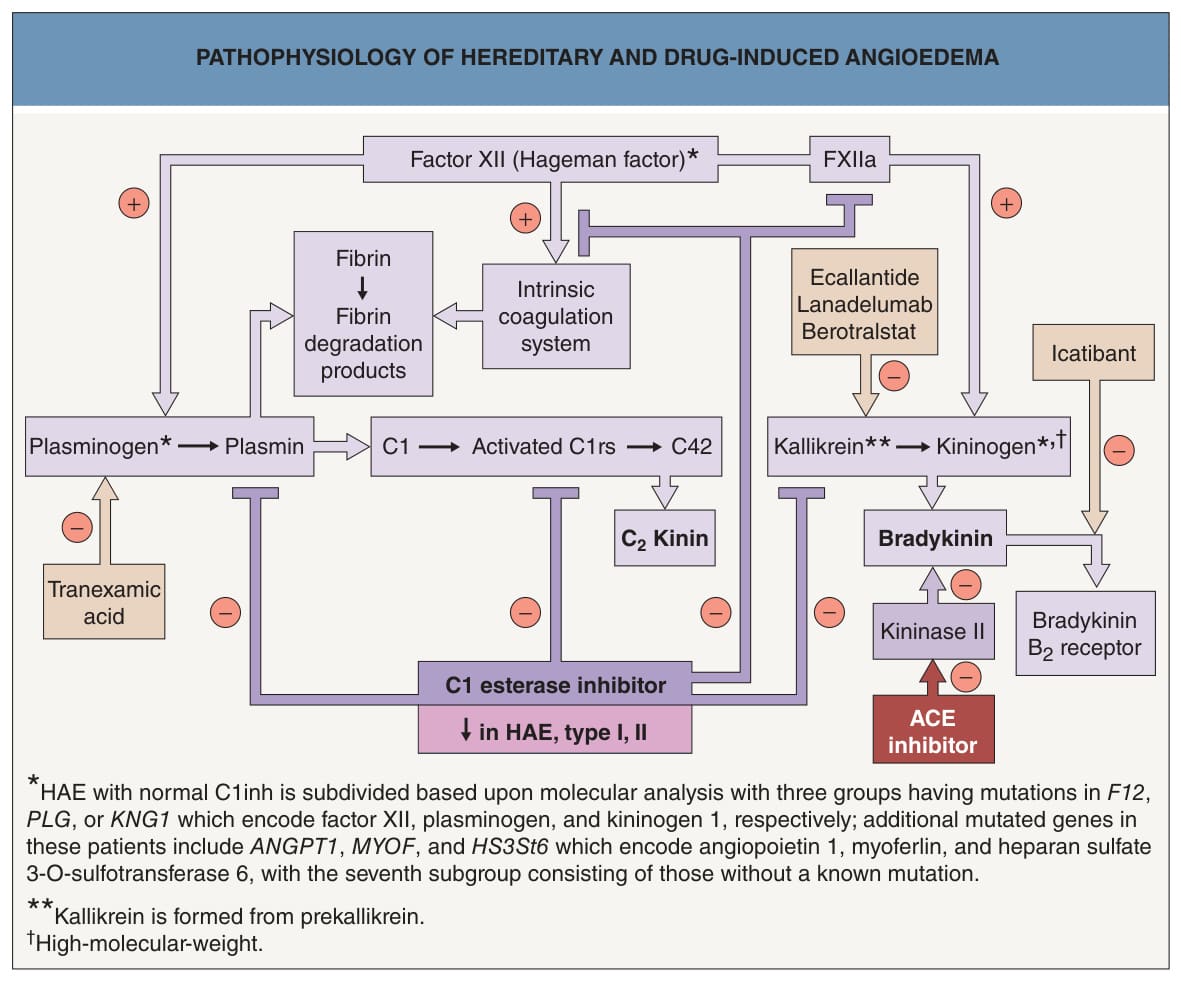
Fig. 18.6 Pathophysiology of hereditary and drug- induced angioedema. Angiotensin-converting enzyme (ACE) inhibitor-induced urticaria is believed to result from the inhibition of endogenous kininase and a subsequent increase in bradykinin. Intravenous C1 inh concentrate (derived from human plasma) or recombinant C1 inh (derived from milk of transgenic rabbits), subcutaneous icatibant (a decapeptide that is a specific bradykinin B receptor antagonist), and subcutaneous ecallantide (a 60-amino acid recombinant kallikrein inhibitor) are options for the emergency treatment of hereditary angioedema (HAE). Subcutaneous or intravenous C1 inh (every 3–4 days), subcutaneous plasma kallikrein inhibitor lanadelumab (every 2 weeks), and oral kallikrein inhibitor berotralstat (150 mg daily) are options for prevention of attacks. ACE, angiotensin-converting enzyme; HAE, hereditary angioedema; inh, inhibitor.
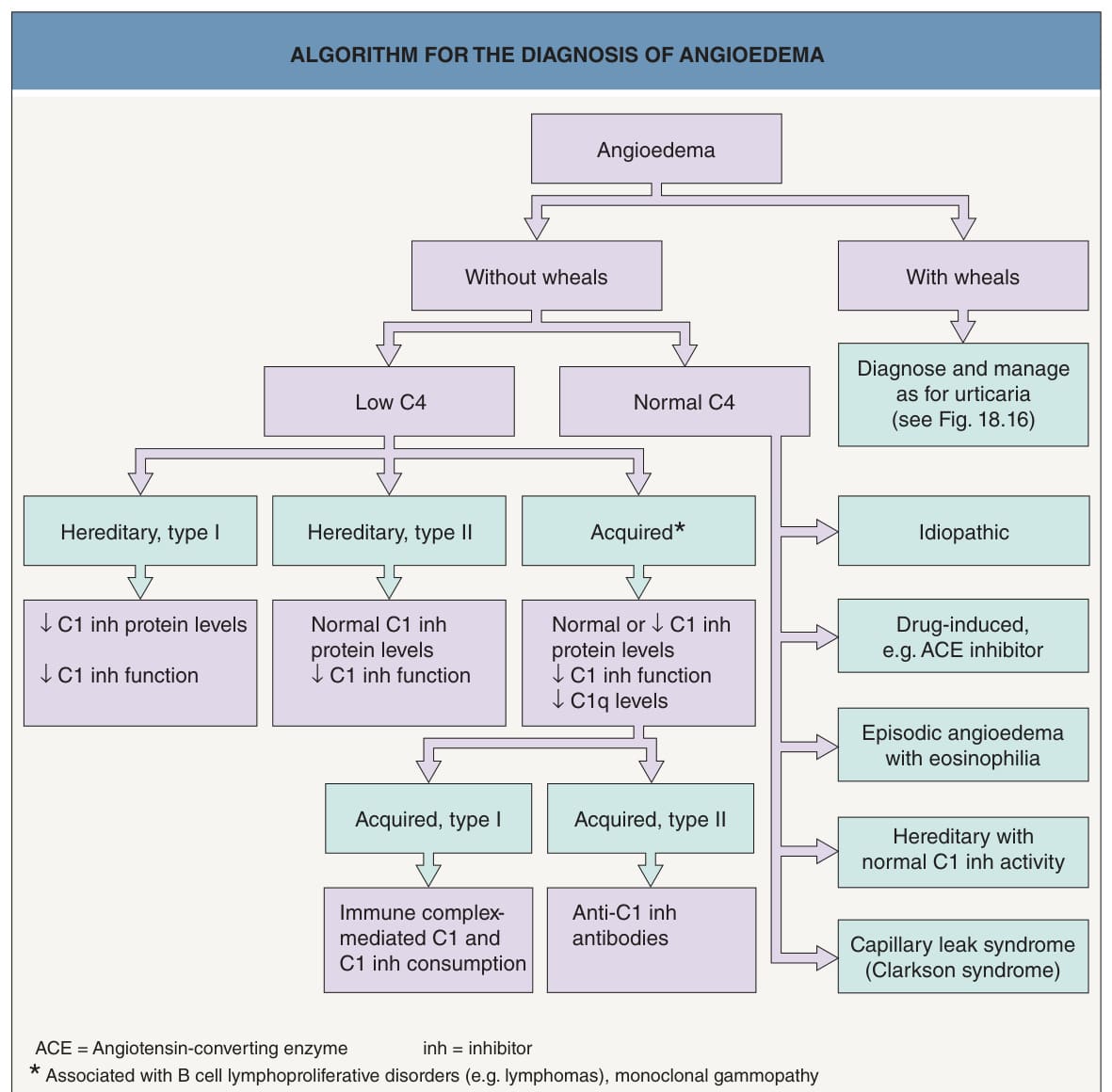
Fig. 18.19 Algorithm for the diagnosis of angio- edema. Episodic angioedema with hypereosinophilia, along with weight gain and fever, is known as Gleich syndrome. There are currently 7 subgroups of HAE with normal C1 inh activity (nC1-INH-HAE, previously referred to as type III HAE); the six subgroups that have a known underlying genetic mutation are termed HAE3 to HAE8 (see Fig. 18.6), while the seventh subgroup includes those whose genetic basis is unknown.
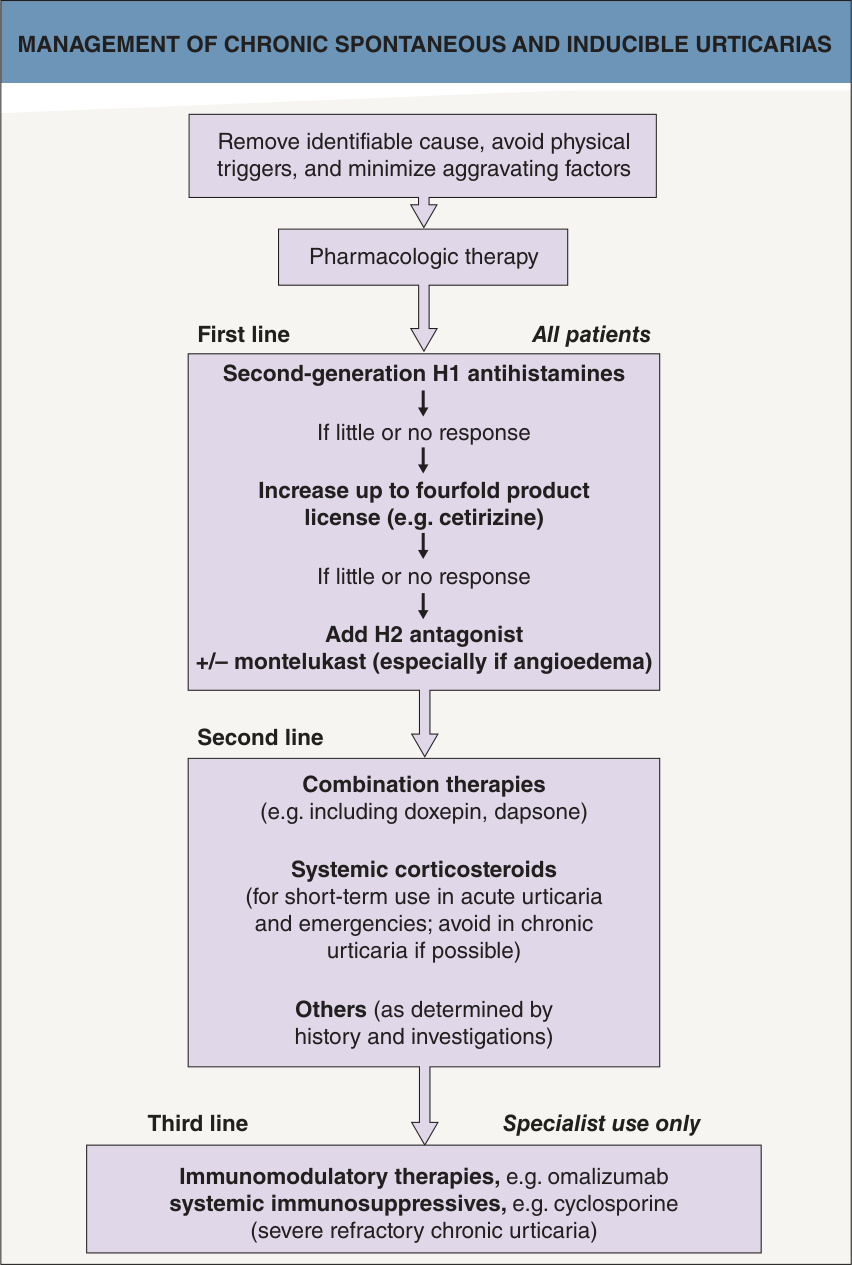
Fig. 18.20 Management of chronic spontaneous and inducible urticarias.
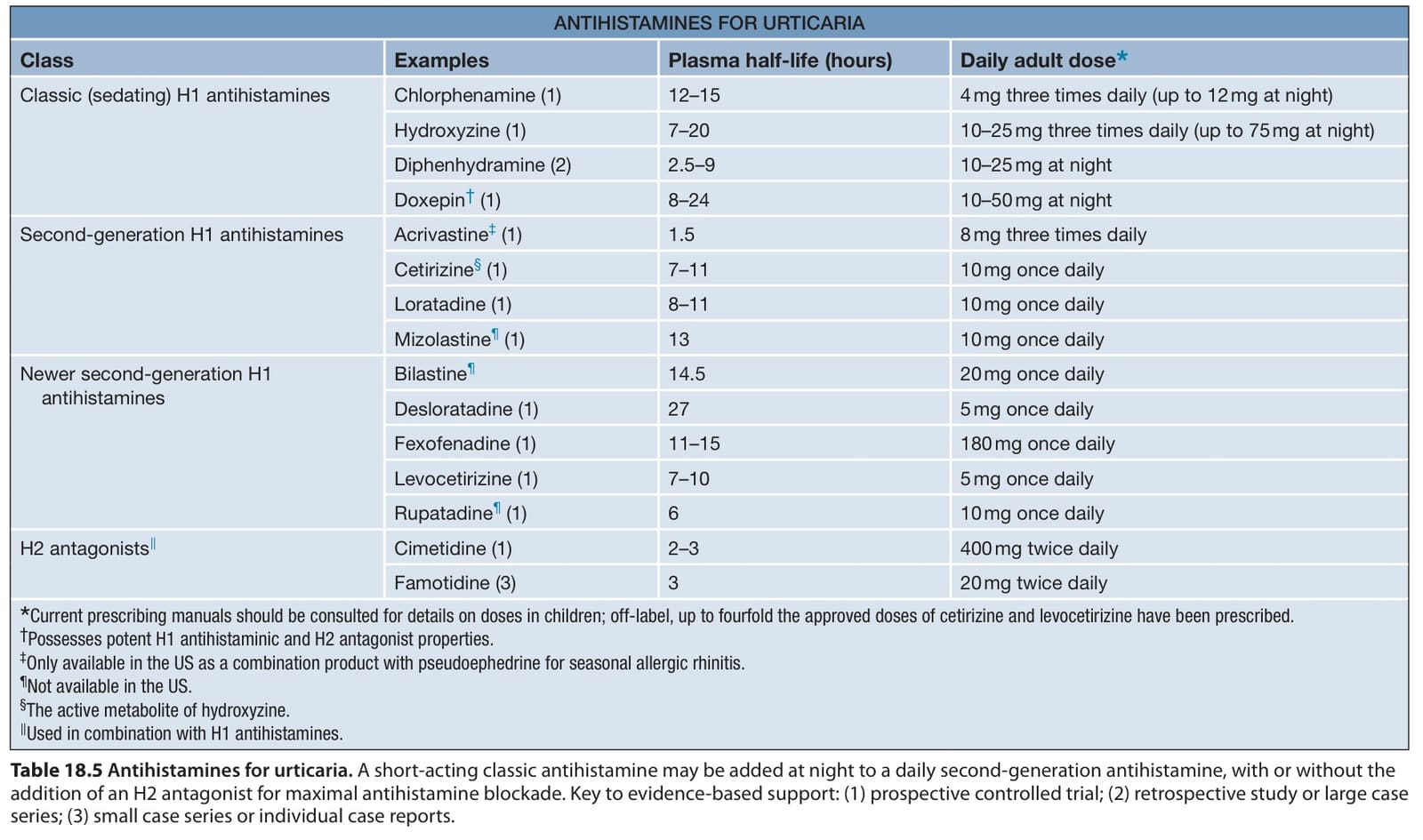
Table 18.5 Antihistamines for urticaria. A short-acting classic antihistamine may be added at night to a daily second-generation antihistamine, with or without the addition of an H2 antagonist for maximal antihistamine blockade. Key to evidence-based support: (1) prospective controlled trial; (2) retrospective study or large case series; (3) small case series or individual case reports.
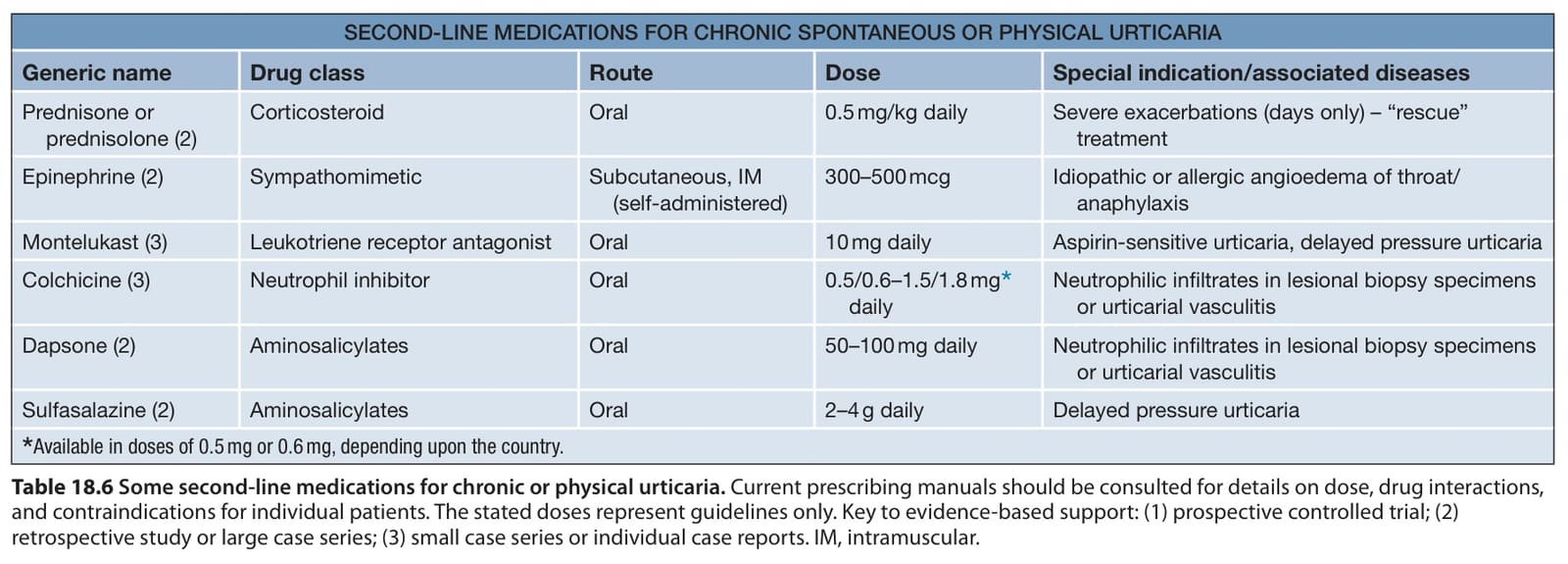
Table 18.6 Some second-line medications for chronic or physical urticaria. Current prescribing manuals should be consulted for details on dose, drug interactions, and contraindications for individual patients. The stated doses represent guidelines only. Key to evidence-based support: (1) prospective controlled trial; (2) retrospective study or large case series; (3) small case series or individual case reports. IM, intramuscular.