TREATMENT
A thorough history and physical examination are key to developing an appropriate and maximally effective treatment plan (Table 36.3). The physician should review with the patient all prescription and over-the-counter medications used for acne or other conditions, noting the response to acne treatments. A review of cosmetics, sunscreens, cleansers, and moisturizers is also helpful. In female patients, a menstrual and oral contraceptive history is important in determining hormonal influences on acne. Some patients may report an improvement following sun exposure while others experience an exacerbation.
On physical examination, lesional morphology should be assessed, including the presence of comedones, inflammatory lesions, nodules, and cysts. Secondary changes such as scarring and postinflammatory pigmentary changes are also important clinical findings. The patient’s skin color and type can influence the chosen formulation of a topical medication. For example, patients with oily skin tend to prefer the more drying gels and lotions, whereas those with drier skin types may prefer creams.
Table 36.4 provides an overview of the approach to acne therapy. Lack of adherence to the recommended acne treatment plan is a frequent
reason for therapeutic failure. Some strategies to help improve outcomes are listed in Table 36.5.
Topical Treatments
Topical retinoids
The anti-acne activity of topical retinoids involves normalization of follicular keratinization and corneocyte cohesion, which aids in the expulsion of existing comedones and prevents the formation of new ones.
Topical retinoids also have significant anti-inflammatory properties and therefore may be used as monotherapy for acne with both comedonal and mild inflammatory components. In addition, concurrent use of a topical retinoid can enhance the efficacy of benzoyl peroxide and topical antibiotics by increasing the penetration of the latter medications into the sebaceous follicle. Topical retinoids used for acne include tretinoin, adapalene, tazarotene, and trifarotene (see Ch. 126); topical products that combine tretinoin with clindamycin or benzoyl peroxide and adapalene with benzoyl peroxide are also available.
The most common side effect of topical retinoids is local irritation resulting in erythema, dryness, peeling, and scaling. This tends to peak after 2–4 weeks of treatment and improves with continued usage; transient application of a low-potency topical corticosteroid may be of benefit for patients with significant irritation. Delivery systems have been developed to permit a greater concentration of retinoid while decreasing irritancy, primarily through controlled slow release, e.g. tretinoin impregnated into inert microspheres or incorporated within a polyolprepolymer. An acne flare may occur during the initial month of treatment with a topical retinoid, but resolves spontaneously with continued usage. Although not true photosensitizers, if a retinoid causes skin peeling or irritation, this may increase the user’s susceptibility to sunburn. Appropriate use of sunscreens should therefore be advised.
Tretinoin (all-trans-retinoic acid), a naturally occurring metabolite of retinol, was the first topical comedolytic agent used for the treatment of acne. To decrease the potential for irritation, treatment is often started with a lower-concentration cream formulation of tretinoin and the strength later increased (see Table 126.5). Alternate-night to every-third-night application may be necessary initially, with increased frequency as tolerated. Because the standard generic tretinoin formulation is photolabile, night-time application is recommended to prevent early degradation; it is also inactivated by concomitant application of benzoyl peroxide, so the two medications should not be used at the same time. However, specialized microsphere formulations of tretinoin are not photolabile and can be applied together with benzoyl peroxide without degradation.
Although epidemiologic studies have not shown an increased risk of birth defects in infants of mothers using topical tretinoin during the first trimester, sporadic case reports of birth defects have been published. Because of this and the fact that systemic retinoids are known teratogens, the use of topical tretinoin in pregnancy is discouraged. That said, dietary intake of vitamin A has been shown to have a greater influence on serum retinoid levels than facial application of tretinoin.
The third-generation synthetic retinoid adapalene is an aromatic naphthoic acid derivative (see Fig. 126.1). In the skin, it primarily binds the retinoic acid receptor γ (RARγ), whereas tretinoin binds to both RARα and RARγ. Unlike tretinoin, adapalene is light-stable and resistant to oxidation by benzoyl peroxide. Table 126.5 outlines the currently available formulations.
Tazarotene is a synthetic acetylenic retinoid that, once applied, is converted into its active metabolite, tazarotenic acid. Like adapalene, this metabolite selectively binds RARγ but not RARα or RXR (see
Ch. 126). Both daily overnight application of tazarotene and short contact therapy regimens have been shown to be effective in the treatment of comedonal and inflammatory acne. Per the FDA, topical tazarotene is contraindicated during pregnancy (formerly FDA category X), so contraceptive counseling should be provided to women of childbearing age who are prescribed this medication. Like adapalene, it is light-stable and can be applied together with benzoyl peroxide.
Trifarotene is a fourth-generation topical retinoid that is selective for RARγ. A 0.005% cream formulation was recently approved for the treatment of moderate acne on the face and back in patients ≥9 years of age.
Antimicrobial agents
Benzoyl peroxide is a potent bactericidal agent that reduces C. acnes within the follicle. It also has mild comedolytic properties and is particularly effective when used in combination with other therapies. In contrast to topical antibiotics, microbial resistance to benzoyl peroxide has not been reported. Many preparations for all skin types are available in both over-the-counter and prescription formulations. These include bar soaps, washes, gels, lotions, creams, foams, and pads in concentrations ranging from 2.5% to 10% as well as products that combine benzoyl peroxide with clindamycin, erythromycin, adapalene, or tretinoin. Benzoyl peroxide’s bactericidal properties are not concentration dependent, although irritation is more common with higher strengths. As benzoyl peroxide is a bleaching agent, whitening of clothing and bedding can occur. Development of allergic contact dermatitis to benzoyl peroxide and its metabolite benzoic acid is also possible, and this should be suspected in patients who develop marked erythema or vesiculation with its use.
Topical antibiotics are widely used for the treatment of acne and are available alone as well as in combination with benzoyl peroxide or a retinoid. Topical formulations of clindamycin, erythromycin, and minocycline utilized for acne include creams, gels, foams, solutions, and pledgets (see Ch. 127). Of note, C. acnes commonly develops resistance to clindamycin and erythromycin, with rates of >50% in some countries; as a result, topical antibiotic monotherapy for acne is not generally recommended.
Azelaic acid is a naturally occurring dicarboxylic acid with both prescription (15%–20%) and over-the-counter (10%) formulations (see Table 127.2). By inhibiting the growth of C. acnes, azelaic acid reduces inflammatory acne. It also reverses altered follicular keratinization and thus demonstrates some comedolytic properties. In a randomized controlled study, azelaic acid 15% gel had non-inferior efficacy and greater tolerability than adapalene 0.1% gel in maintenance therapy for inflammatory acne in women. In addition, azelaic acid can help to lighten postinflammatory hyperpigmentation.
Sodium sulfacetamide is a well-tolerated topical antibiotic that is thought to restrict the growth of C. acnes through competitive inhibition of the condensation of para-aminobenzoic acid with pteridine precursors (see Ch. 127). It is formulated as a lotion, suspension, foam, and cleanser, either alone or in combination with 5% sulfur. Tinted formulations are also available. When used together with benzoyl peroxide, sodium sulfacetamide can cause an orange discoloration of fabrics.
Topical dapsone 5% and 7.5% gels are FDA-approved for the treatment of acne vulgaris in patients ≥12 and ≥9 years of age, respectively. In two randomized controlled trials (RCTs) (total n = 4340), 30% of patients ≥9 years of age with moderate acne treated with dapsone 7.5% gel once daily were clear to almost clear at week 12, compared to 21% for placebo (p<.001). Of note, a temporary yellow–orange staining of the skin and hair occasionally occurs with concomitant application of topical dapsone and benzoyl peroxide. Methemoglobinemia has been reported in cases of misuse or ingestion.
Clascoterone 1% cream is a topical androgen receptor inhibitor that was recently approved for treatment of acne in patients ≥12 years of age. However, in two RCTs (total n = 1440) in patients ≥9 years of age with moderate to severe acne, 18%–20% of patients treated with clascoterone 1% cream twice daily were clear or almost clear after 12 weeks versus 6%–9% with the vehicle control (p<.001).
Other topical medications
Salicylic acid is a widely used comedolytic agent (see Ch. 153 and Table 129.7). Salicylic acid is available over the counter in concentrations of up to 2% in numerous delivery formulations, including gels,
creams, lotions, foams, solutions, and washes. Side effects of topical salicylic acid include erythema and scaling.
Niacinamide (nicotinamide) is a common ingredient in over-thecounter acne products. It can decrease sebum and increase ceramide production in the skin. Although data on its efficacy for acne are limited, comparative studies have found nicotinamide 2% gel to be non-inferior to clindamycin 1% gel in the treatment of moderate acne.
Systemic Therapies
Antibiotics
First-line therapy for moderate to severe inflammatory acne includes use of oral tetracyclines, primarily doxycycline, minocycline, or sarecycline. Details regarding the mechanism of action, recommended dosages, and side effects of these antibiotics are reviewed in Chapter 127. Resistance of C. acnes to all the antibiotics used for acne has been documented and patterns vary significantly worldwide. Acne management guidelines recommend that courses of oral antibiotics be limited to 3 to 4 months and not be administered as monotherapy. In multiple clinical trials, combination of an oral antibiotic with a topical retinoid ± benzoyl peroxide resulted in greater improvement of acne than the antibiotic alone, and continuing these topicals after completion of the antibiotic course was found to be beneficial.
Tetracyclines suppress the growth of C. acnes, thereby reducing bacteria-mediated inflammation, and they have intrinsic anti-inflammatory properties via downregulation of proinflammatory cytokines (e.g. TNF, IL-1, IL-6). Doxycycline and minocycline are deemed equally effective in the treatment of the inflammatory component of moderate to severe acne. Subantimicrobial doses of doxycycline (20 mg twice daily or 40 mg daily) have similar efficacy but fewer adverse effects than doxycycline 100 mg daily. While doxycycline-related phototoxicity and gastrointestinal upset can be problematic, minocycline is associated with a higher incidence of serious adverse events, including a minocycline-induced hypersensitivity syndrome (see Ch. 21) and autoimmune reactions (hepatitis, lupus erythematosus-like syndrome, and cutaneous polyarteritis nodosa). As a result, some international guidelines recommend doxycycline over minocycline as the first-line oral antibiotic for acne. Sarecycline has a narrower antimicrobial spectrum than other tetracycline derivatives and is approved for treatment of acne in patients ≥9 years of age.
Oral macrolide antibiotics, erythromycin and azithromycin, can be used for acne in patients who are unable to tolerate tetracyclines, pregnant, or <8 years of age. Although controlled studies have found that azithromycin has efficacy comparable to that of doxycycline, the high risk of bacterial resistance limits utilization of macrolides for acne. Trimethoprim-sulfamethoxazole may also be of benefit for acne, but its use is discouraged due to the greater risk of severe adverse reactions.
Hormonal therapy
Hormonal therapy can be an effective acne treatment for female patients, irrespective of their serum androgen levels. Combined oral contraceptive pills, which contain an estrogen (usually ethinyl estradiol) plus a progestin (variable), block both ovarian and adrenal production of androgens. A meta-analysis found that oral contraceptives, which are especially helpful for inflammatory acne, are equivalent to oral antibiotics in reducing the number of acne lesions after 6 months of therapy. Most progestins have intrinsic androgenic activity, which is decreased in second-generation (e.g. ethynodiol diacetate, norethindrone, levonorgestrel) agents and even lower in third-generation agents (e.g. desogestrel, norgestimate, gestodene). Fourth-generation progestins (e.g. drospirenone, dienogest) and cyproterone acetate actually have antiandrogenic properties.
Three oral contraceptives are currently FDA-approved for the treatment of acne, although others also have evidence of efficacy (Table 36.6). Side effects from oral contraceptives include nausea, vomiting, abnormal menses, weight gain, and breast tenderness. Agents containing drospirenone have antimineralocorticoid properties (equivalent to ~25 mg of spironolactone) and can lead to elevations in serum potassium levels, but this is generally not clinically significant. While monitoring of serum potassium levels is not necessary in otherwise healthy individuals, it is recommended in patients with renal disease or those taking an angiotensin-converting enzyme (ACE) inhibitor, angiotensin-II receptor antagonist, potassium-sparing diuretic, potassium supplementation, heparin, aldosterone antagonist, or NSAID.
Rare but more serious complications from oral contraceptives include hypertension and thromboembolism (e.g. deep venous thrombosis, pulmonary embolism). The increase in risk of venous thromboembolism ranges from 2- to 4-fold with levonorgestrel or norethindrone to 3.5- to 7-fold with desogestrel, drospirenone, and cyproterone acetate; risk of thrombosis is greatest early on during treatment. Overall the risk is highest for women over the age of 35 years, smokers, and those with other prothrombotic risk factors such as hereditary thrombophilia.
The antiandrogen cyproterone acetate is currently marketed in Europe and Canada but is not available in the US. Its anti-acne effects are mediated primarily through androgen receptor blockade. The standard contraceptive formulation combines cyproterone acetate (2 mg) with ethinyl estradiol (35 or 50 mcg). This preparation is widely used in Europe as the treatment of choice for sexually active women
with hormonally responsive acne. Formulations of cyproterone acetate alone are also available. Approximately 75%–90% of patients treated with either the standard contraceptive formulation or higher doses of 50–100 mg daily (with or without ethinyl estradiol 50 mcg) show substantial improvement. The most frequent side effects are breast tenderness, headache, nausea, and irregular menses; hepatotoxicity and thromboembolism represent uncommon complications.
Spironolactone functions as an androgen receptor blocker and, in doses of 50–100 mg twice daily, has been shown to reduce sebum production and improve acne110,110a. In two retrospective studies, 66% of women (261/395) and 23% of female adolescents (18/80) treated with spironolactone achieved ≥90% improvement in their acne. Spironolactone side effects are dose-related and include irregular menstrual periods, breast tenderness, headache, and fatigue. These potential sequelae can be minimized if therapy is initiated at a low dose (25–50 mg/day). Hyperkalemia is rare and monitoring of potassium levels is not required in young healthy patients. Although breast tumors have been reported in rodents given spironolactone, this drug has not been directly linked to the development of cancer in humans. Because it is an antiandrogen, there is a risk of feminization of a male fetus if a pregnant woman takes this medication. As with other hormonal therapies, a clinical response may take 3–6 months. Effective maintenance doses range from 25 to 200 mg/day, and long-term use appears to be well-tolerated.
Flutamide, a nonsteroidal androgen receptor blocker approved by the FDA for the treatment of prostate cancer, may be of benefit for acne in women at doses of 62.5–500 mg/day. However, severe dose-related hepatotoxicity limits its use.
Isotretinoin
Since 1971, oral isotretinoin (13-cis-retinoic acid) has been available in Europe for the treatment of acne. In the US, it was FDA-approved in 1982 for patients with severe, nodulocystic acne refractory to treatment including oral antibiotics. Over time, other clinical forms of acne have also been shown to benefit greatly from the use of isotretinoin. These include significant acne that is resistant to therapy (including oral antibiotics), relapses quickly, and/or results in scarring, as well as Gram-negative folliculitis, pyoderma faciale, and acne
A Impetigo in a patient treated with isotretinoin. Multiple serous crusts are evident. B Pyogenic granuloma-like healing on the chest of an adolescent boy on his third month of isotretinoin therapy. This is more likely to occur when isotretinoin therapy is started at a full dose rather than a lower initial dose, especially in teenage boys.
fulminans. The mechanism of action of isotretinoin, as well as dosing regimens, side effects and monitoring protocols, are discussed in detail in Chapter 126.
Isotretinoin is a highly effective acne therapy, with ≥95% of patients achieving a good clinical response after 20 weeks of treatment. Standard isotretinoin dosing for acne is 0.5–1 mg/kg/day taken with a fatty meal to increase gastrointestinal absorption. One formulation, lidose–isotretinoin, can be taken without food. Patients occasionally experience an initial acne flare, usually during the first month of treatment, with risk factors including macrocomedones and a higher starting dose. Severe, isotretinoin-induced acne fulminans is a rare complication occurring more frequently in younger adolescent boys (Fig. 36.17; see above). Starting with a lower dose (≤0.5 mg/kg/day) during the first month of treatment reduces isotretinoin-induced flaring and allows the patient to adjust to dose-dependent side effects.
Reaching a cumulative isotretinoin dose of 120–150 mg/kg (e.g. 1 mg/kg/day × 4–5 months after an initial month of 0.5 mg/kg/day) has been shown to reduce the risk of acne relapse. However, a 6-month course of lower-dose isotretinoin (e.g. 0.25–0.4 mg/kg/day [40–70 mg/kg cumulative]) can be effective in the treatment of moderate acne, with fewer side effects. Some authors recommend treatment until 1–3 months after clearance of acne is achieved124a. Patients with PCOS and women with less severe acne are less likely to respond to isotretinoin, while male sex, young age, short treatment duration, and low cumulative dose are associated with acne recurrence after isotretinoin therapy. Maintenance with a topical retinoid ± benzoyl peroxide following completion of isotretinoin therapy may reduce the recurrence rate127a. Associated scarring and sinus tracts do not respond to isotretinoin but may improve with surgical modalities.
The most common adverse effects of isotretinoin involve the skin and mucous membranes and are dose-dependent. These include cheilitis, dryness of the oral and nasal mucosa, generalized xerosis, and skin fragility. Other cutaneous side effects such as excessive granulation tissue, paronychia, and cutaneous infections (in particular with Staphylococcus aureus) can also occur (see Fig. 36.17).
Teratogenicity is a serious potential complication (see Table 126.7), and female patients of childbearing potential must have at least one (two in the US) negative pregnancy test(s) before starting treatment and practice effective contraception for 1 month prior to, during, and for 1 month after completing therapy. In the US, prescription of isotretinoin requires physicians and patients to register with a pregnancy risk management program (iPLEDGE™), which mandates monthly office visits for all patients that include counseling not to share the medication as well as monthly pregnancy testing for patients with childbearing potential.
Isotretinoin therapy increases serum triglyceride and/or cholesterol levels in ~20%–50% of patients; however, severe elevations that require dose modification are rare and typically develop within the first two months of therapy. Elevated serum creatine kinase levels and rhabdomyolysis have been reported in patients on isotretinoin and are more common in athletes. Other potential side effects involve the musculoskeletal system (myalgias, low back pain), eyes, liver (occasional mild elevation in transaminases), and central nervous system (see Table 126.8 and Ch. 126). To date, no firmly established causal association with depression or suicide attempts has been demonstrated. Meta-analyses have not shown an association between isotretinoin treatment and increased risk of depression; instead, acne therapy led to a decreased prevalence of depression. Current data do not support an association between isotretinoin and inflammatory bowel disease.
Surgical Treatment
Comedo extraction can improve the cosmetic appearance of acne and may aid in therapeutic responsiveness to topical comedolytic agents. The keratinous contents of open comedones can be expressed using a comedo extractor. The Schamberg, Unna, and Saalfield types of comedo expressers are most commonly used. Nicking the surface of a closed comedo with an 18-gauge needle or a #11 blade allows easier expression. Extraction is especially beneficial for deep, inspissated, and persistent comedones. This procedure should be used in conjunction with a topical
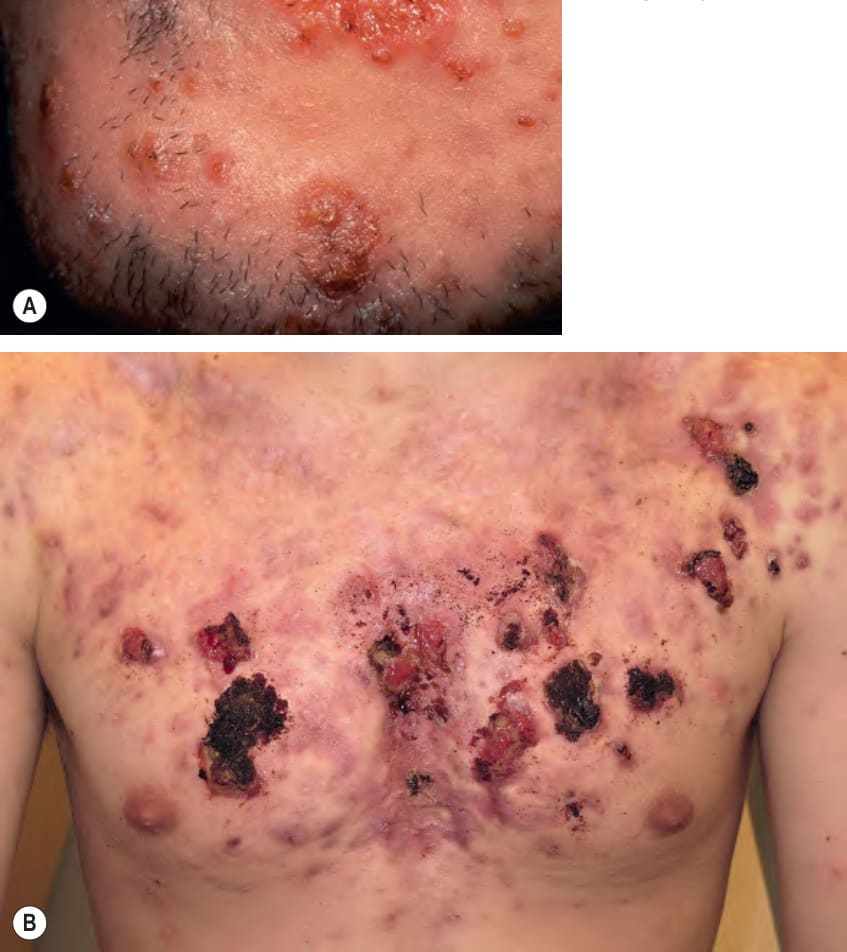
Fig. 36.17 Cutaneous complications of isotretinoin therapy.
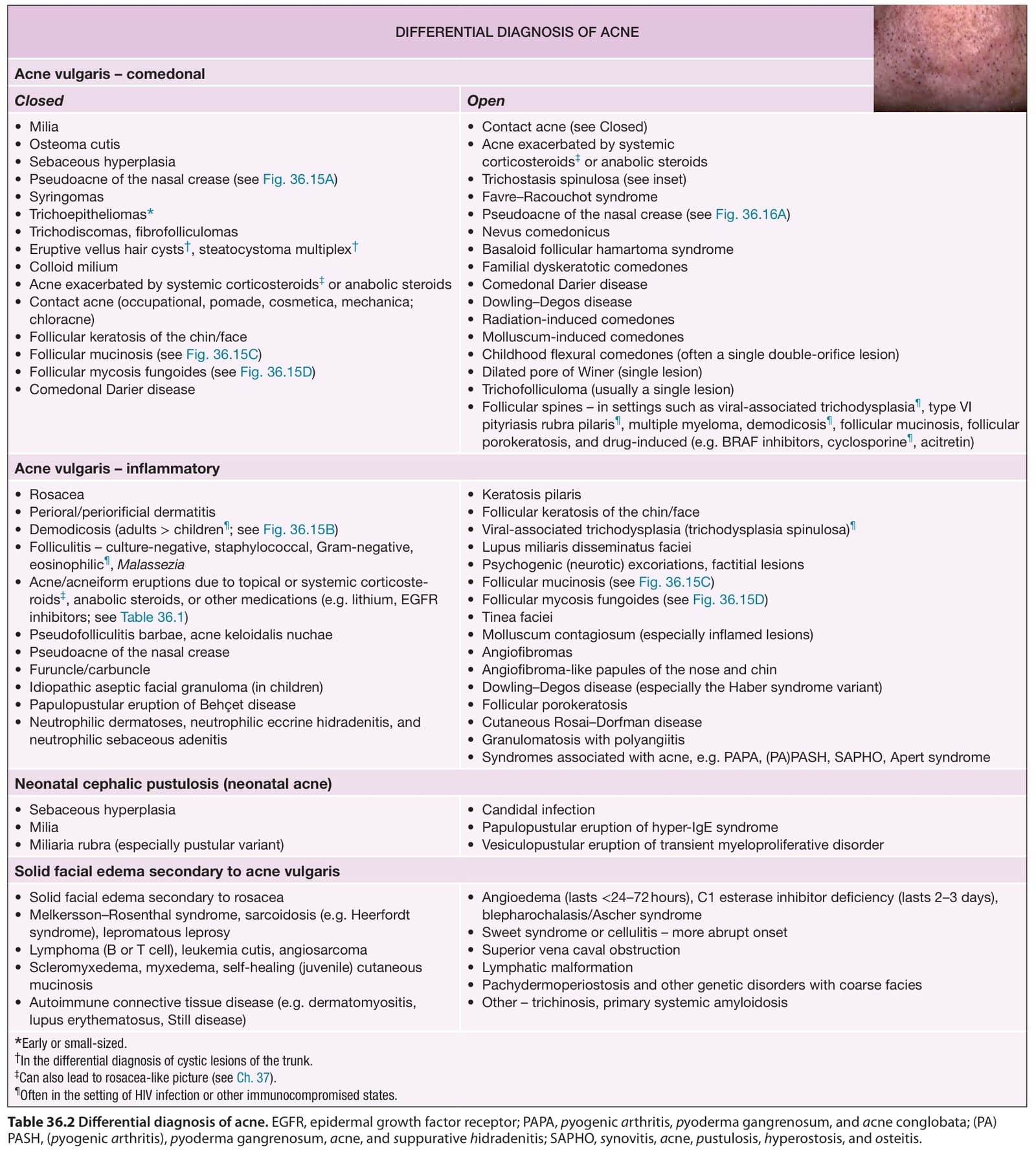
Table 36.2 Differential diagnosis of acne. EGFR, epidermal growth factor receptor; PAPA, pyogenic arthritis, pyoderma gangrenosum, and acne conglobata; (PA) PASH, (pyogenic arthritis), pyoderma gangrenosum, acne, and suppurative hidradenitis; SAPHO, synovitis, acne, pustulosis, hyperostosis, and osteitis.
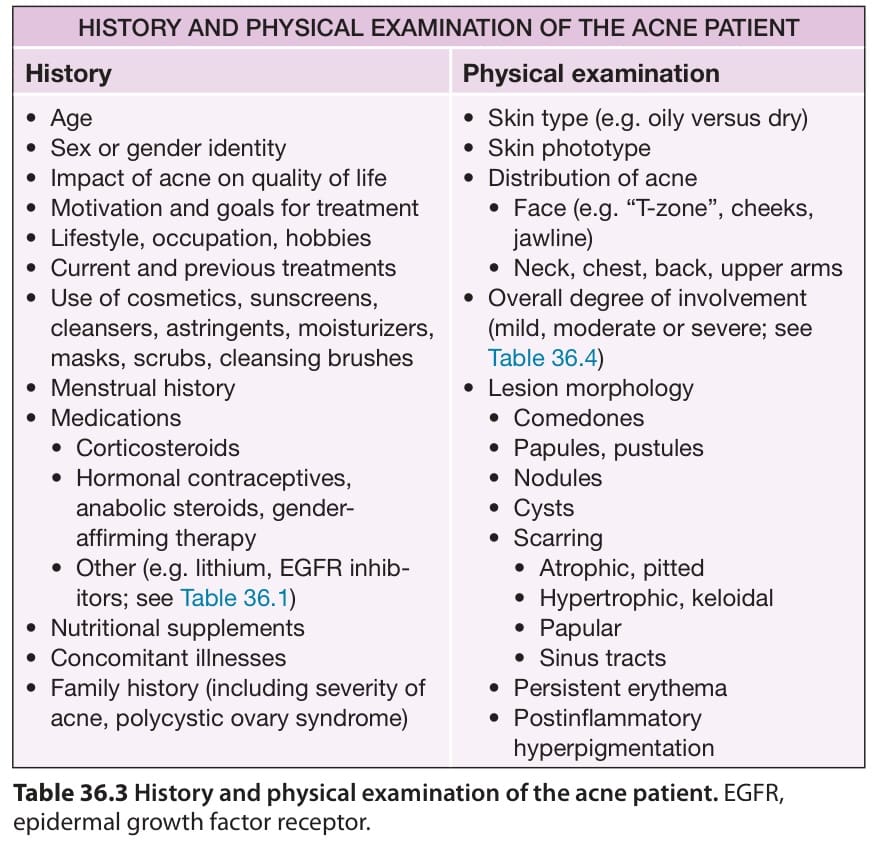
Table 36.3 History and physical examination of the acne patient. EGFR, epidermal growth factor receptor.
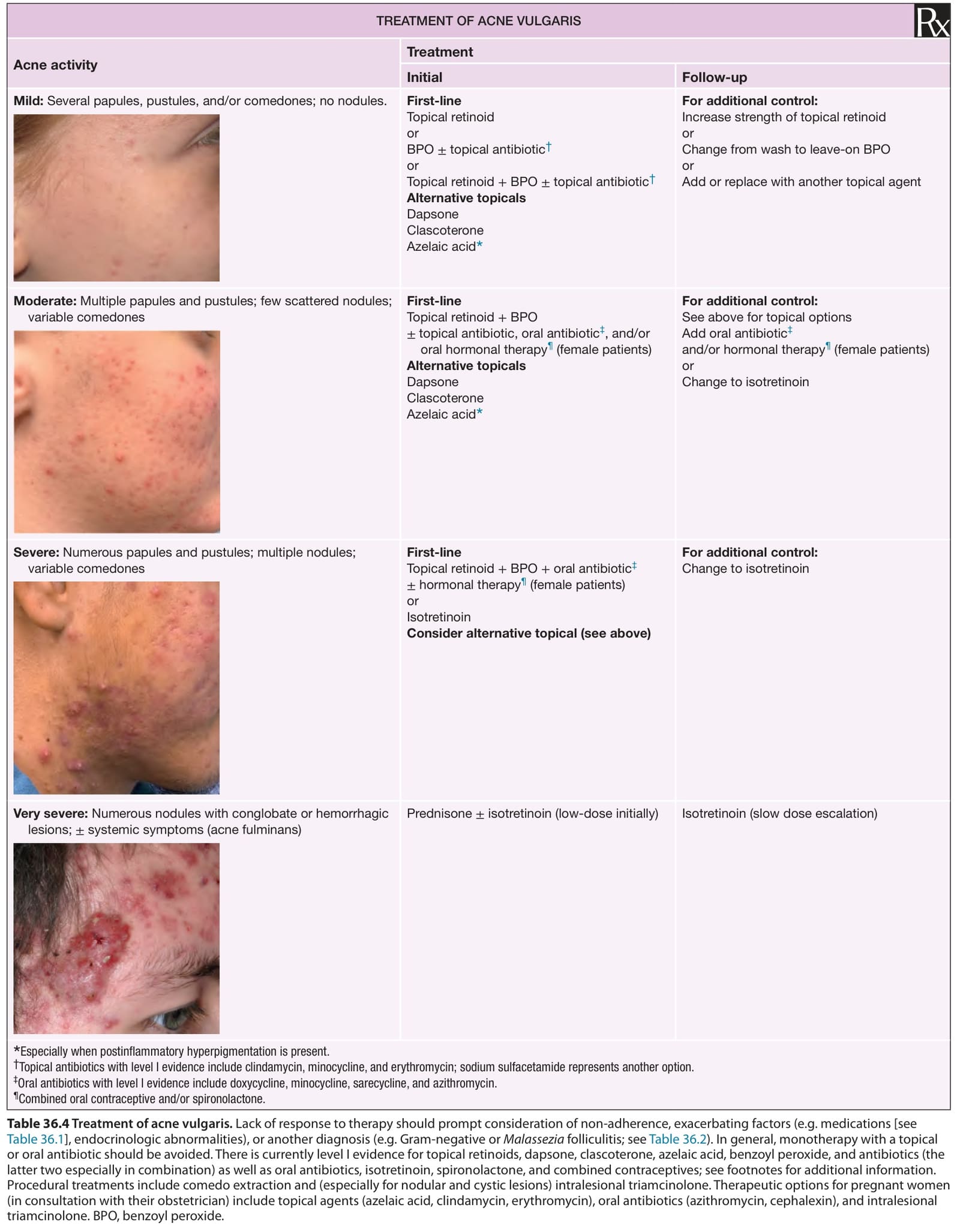
Table 36.4 Treatment of acne vulgaris. Lack of response to therapy should prompt consideration of non-adherence, exacerbating factors (e.g. medications [see Table 36.1], endocrinologic abnormalities), or another diagnosis (e.g. Gram-negative or Malassezia folliculitis; see Table 36.2). In general, monotherapy with a topical or oral antibiotic should be avoided. There is currently level I evidence for topical retinoids, dapsone, clascoterone, azelaic acid, benzoyl peroxide, and antibiotics (the latter two especially in combination) as well as oral antibiotics, isotretinoin, spironolactone, and combined contraceptives; see footnotes for additional information. Procedural treatments include comedo extraction and (especially for nodular and cystic lesions) intralesional triamcinolone. Therapeutic options for pregnant women (in consultation with their obstetrician) include topical agents (azelaic acid, clindamycin, erythromycin), oral antibiotics (azithromycin, cephalexin), and intralesional triamcinolone. BPO, benzoyl peroxide.
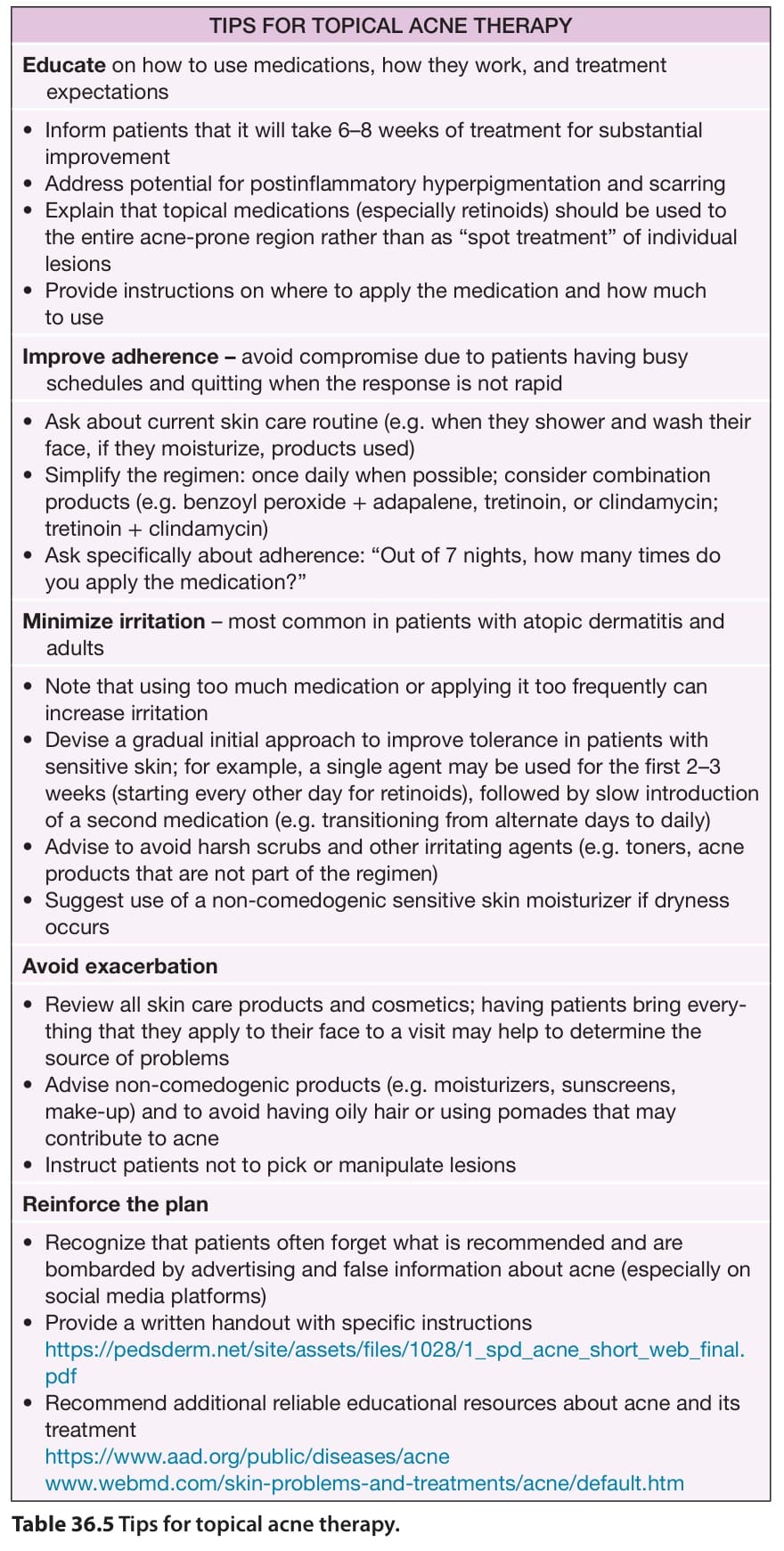
Table 36.5 Tips for topical acne therapy.
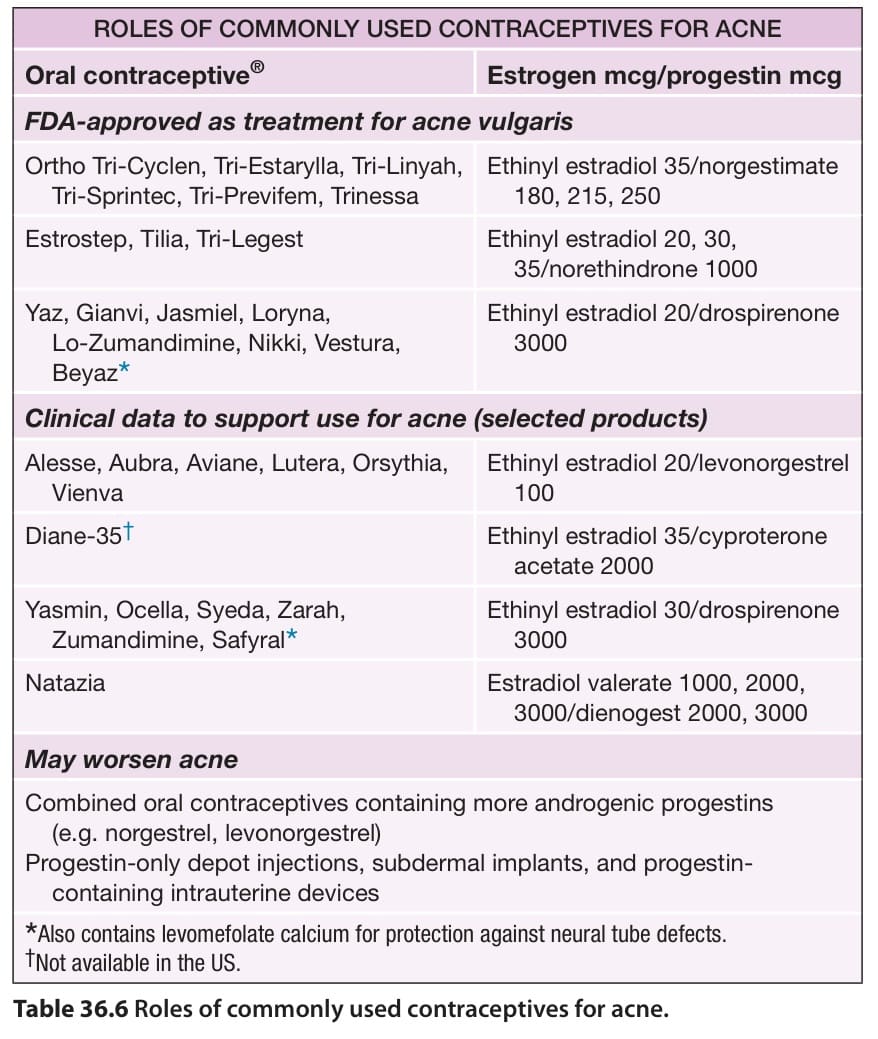
Table 36.6 Roles of commonly used contraceptives for acne.
retinoid or other comedolytic treatment for maximum benefit. Comedo extraction should not be performed on inflamed comedones or pustules because of the risk of scarring. Light electrocautery and electrofulguration (see Ch. 140) have also been reported as effective treatments for deep comedones. In selected patients, cryotherapy represents another surgical option for the treatment of comedonal acne (see Ch. 138).
Photodynamic therapy utilizing topical 5-aminolevulinic acid together with various light sources (e.g. blue, red, intense pulsed) or lasers (e.g. pulsed dye, 635 nm red diode) as well as methyl aminolevulinate plus red light have been successfully used to treat acne (see Ch. 135). In addition, blue or intense pulsed light alone and lasers such as the pulsed dye, the 1320 nm neodymium:YAG, and especially the 1450 nm diode may be of therapeutic benefit for inflammatory acne (see Ch. 137).
Intralesional injection of corticosteroid (triamcinolone acetonide 2 to 5 mg/ml, ~0.1 ml per lesion) can quickly improve the appearance and tenderness of deep, inflamed nodules and cysts. Larger cysts may require incision and drainage prior to injection. The risks of corticosteroid injections include hypopigmentation (particularly in darkly pigmented skin), atrophy, telangiectasias, and yellow–white dermal deposits of the medication.
Low-concentration chemical peels are also beneficial for the reduction of comedones. Common peeling agents include α-hydroxy acids (including glycolic acid), salicylic acid, and trichloroacetic acid. These lipid-soluble comedolytic agents act by decreasing corneocyte cohesion at the follicular opening and assist in comedo plug extrusion. Such agents are generally well tolerated by most skin colors and types, and they can be used by the patient at home or in the dermatologist’s office. Higher-concentration glycolic acid peels (20%–70%, depending on the patient’s skin type) and the less predictable phenol peel may also be performed in the office setting (see Ch. 154). Risks of chemical peels include irritation, pigmentary alteration, and scarring.
One of the most distressing consequences of acne vulgaris is scarring. Surgical treatments should be aimed at the type of scarring present. Laser resurfacing (fractionated as well as traditional), dermabrasion, and deeper chemical peels seek to reduce the variability of the skin surface and smooth out depressed scars that improve when the skin is stretched. For discrete depressed scars, soft tissue augmentation can be temporarily beneficial. Filler substances used include poly-L-lactic acid, calcium hydroxylapatite, and autologous fat (see Ch. 158). Surgical subcision is also used for management of acne scars and punch grafting is an option for patients with “ice-pick” scarring. For larger hypertrophic scars, aggregated pitted scars, and sinus tracts, full-thickness surgical excision may result in improved scar placement and a better cosmetic appearance.