INTRODUCTION
The porphyrias are metabolic disorders, each arising from a predominantly hereditary deficiency of one of the eight enzymes of the porphyrin– heme biosynthetic pathway (Fig. 49.1). Traditionally, these disorders are subdivided into erythropoietic and hepatic forms, according to the major site of expression of the enzyme deficiency. From a dermatologist’s perspective, the porphyrias can be classified into cutaneous and non-cutaneous forms (Table 49.1), whereas from a general clinician’s point of view, it is more appropriate to classify the porphyrias into acute and non-acute forms, thereby emphasizing the presence or absence of potentially life-threatening acute neurologic attacks (Table 49.2). Therefore, we will adhere to the latter classification throughout this chapter.
The porphyrias are of particular dermatologic interest because most forms have characteristic cutaneous manifestations that often allow a presumptive diagnosis. Laboratory tests are then used to confirm the suspected diagnosis. The genetic defects underlying the porphyrias have been well characterized (Table 49.3), facilitating molecular diagnosis and genetic counseling for affected families.
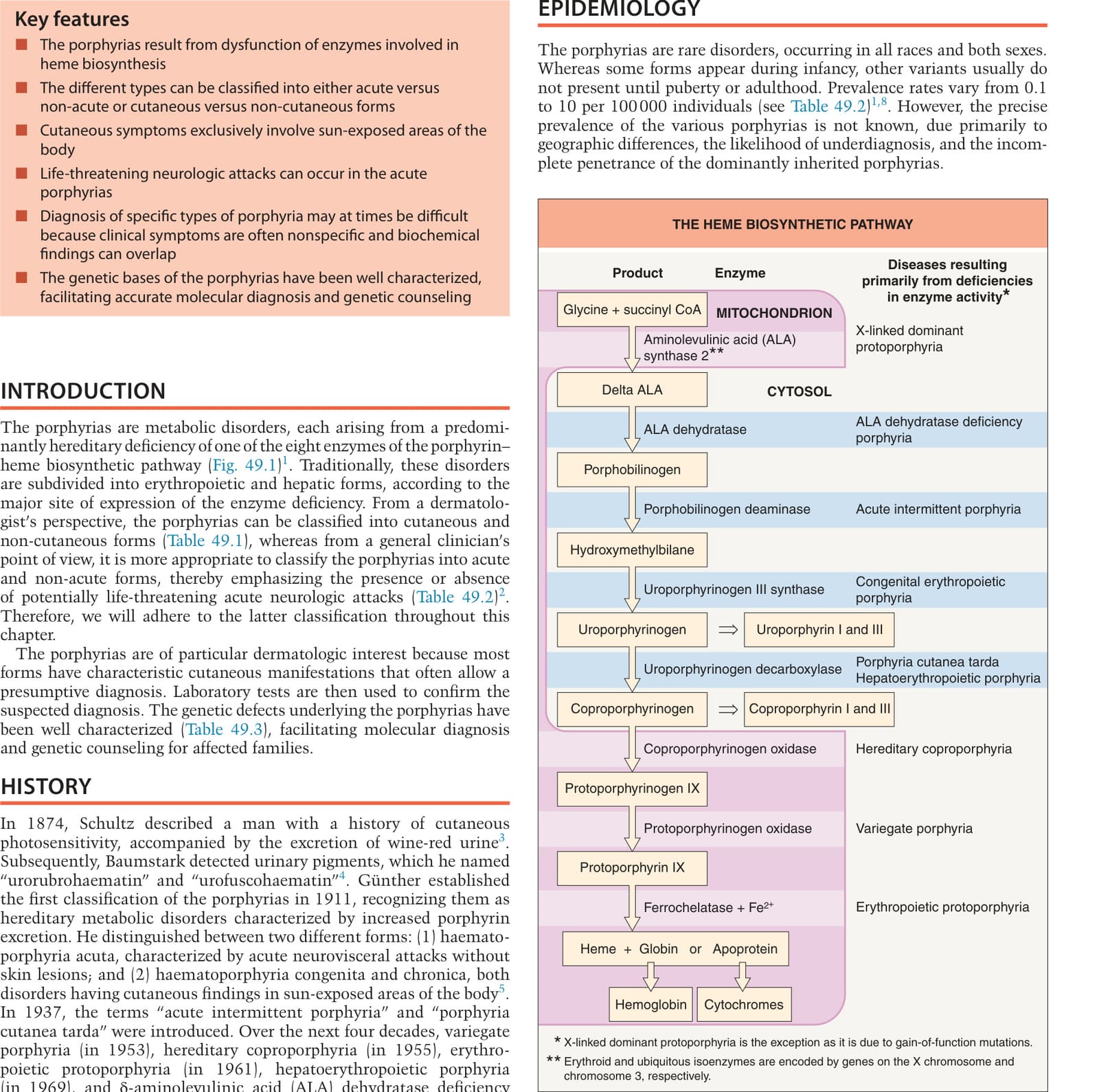
Fig. 49.1 The heme biosynthetic pathway. ALA, aminolevulinic acid, also referred to as δ-aminolevulinic acid or 5-aminolevulinic acid.
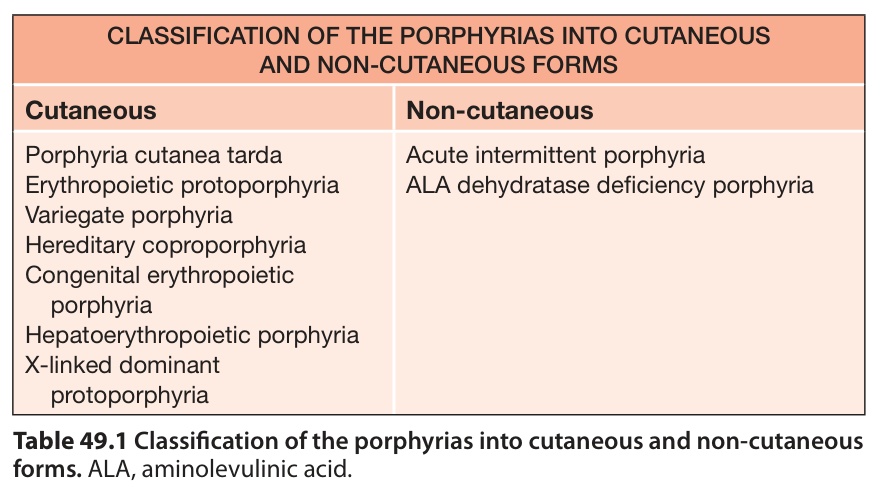
Table 49.1 Classification of the porphyrias into cutaneous and non-cutaneous forms. ALA, aminolevulinic acid.
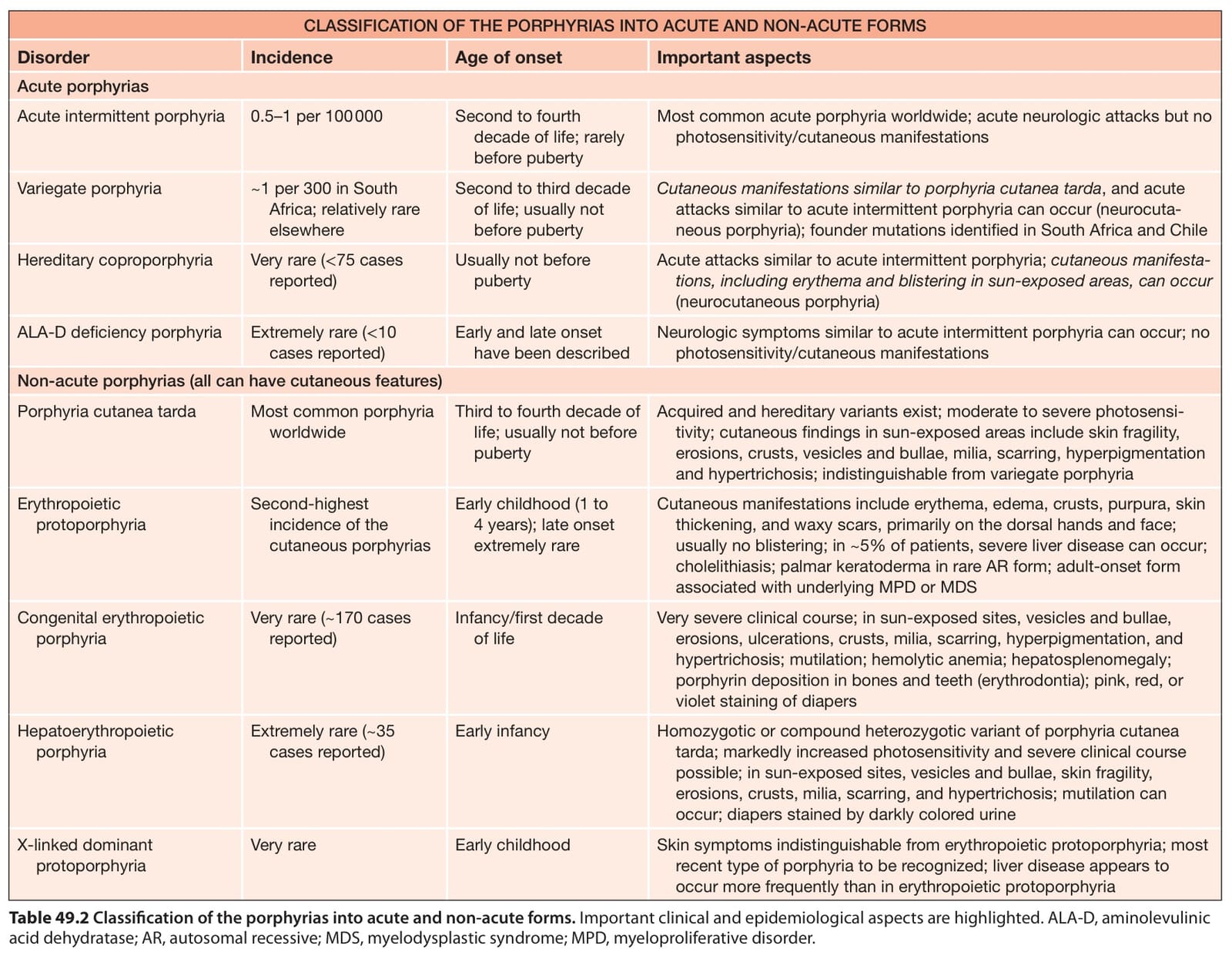
Table 49.2 Classification of the porphyrias into acute and non-acute forms. Important clinical and epidemiological aspects are highlighted. ALA-D, aminolevulinic acid dehydratase; AR, autosomal recessive; MDS, myelodysplastic syndrome; MPD, myeloproliferative disorder.
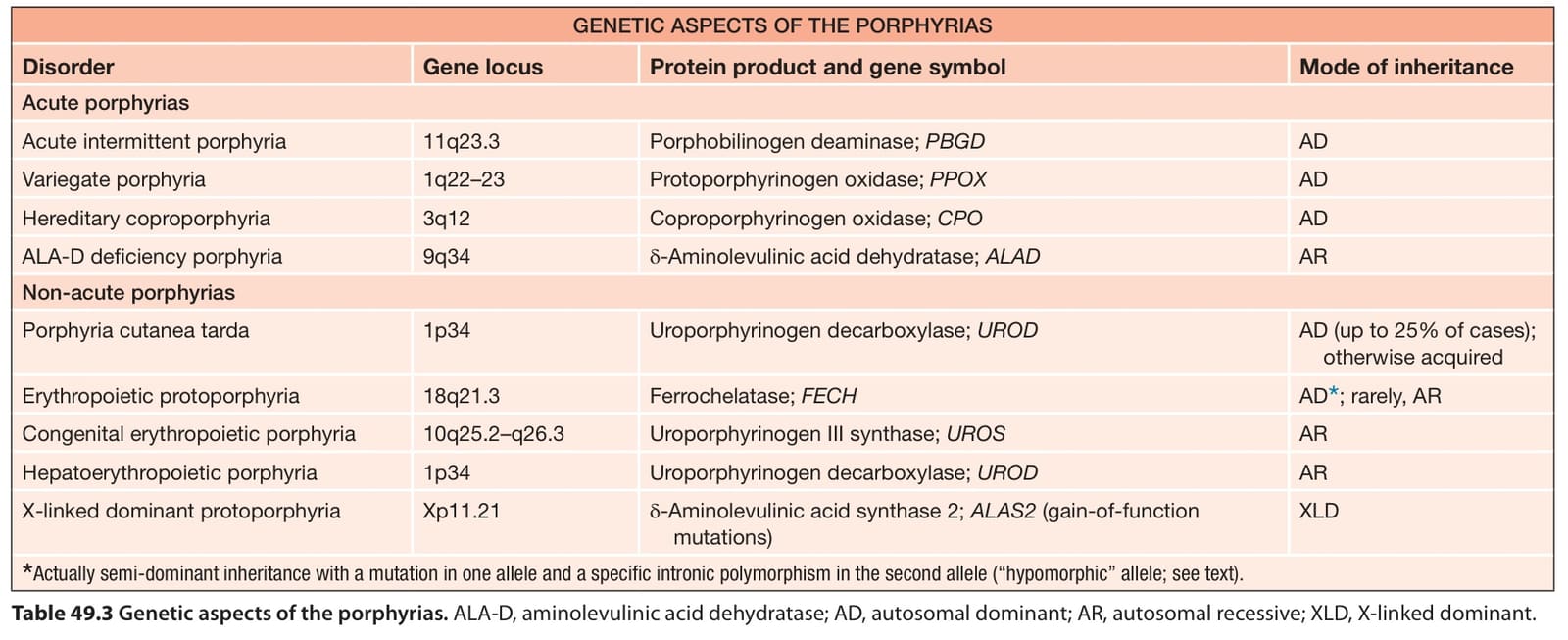
Table 49.3 Genetic aspects of the porphyrias. ALA-D, aminolevulinic acid dehydratase; AD, autosomal dominant; AR, autosomal recessive; XLD, X-linked dominant.