EPIDEMIOLOGY AND PATHOGENESIS
In low-income countries, malnutrition stems primarily from inadequate ingestion of all macronutrients as well as many micronutrients (Fig. 51.1). The World Health Organization (WHO) has estimated that worldwide, ~45% of deaths in children <5 years of age are due directly or indirectly to the multisystem ramifications of undernutrition. In industrialized regions of the world, malnutrition is directly linked to the per capita gross national product; if a country has a per capita income that is less than US$300 per year, endemic malnutrition is likely, especially in infants and young children.
At the same time, a global epidemic of obesity has emerged within industrialized countries, with increasing rates of death due to cardiovascular disease and diabetes mellitus. Excessive consumption of foods high in calories but low in nutrients can lead to obese patients who lack essential vitamins and minerals. This is supported by a study in which 57% of morbidly obese patients undergoing preoperative assessment for bariatric surgery were found to have a deficiency in at least one micronutrient.
Restrictive diets, including those based upon real or perceived need (e.g. food allergies, weight loss, health benefit), psychiatric illness (e.g. anorexia nervosa) or mental impairment (e.g. substance use disorder), also disrupt the intake of appropriate nutrients and can result in malnutrition.
In addition to a diet inadequate in the quantity and/or quality of macroand micronutrients (i.e. primary causes), there are medical conditions that can lead to a functional malnutrition, i.e. secondary causes. The latter include an increase in metabolic requirements (e.g. severe infections, prolonged hospitalization) and/or a decrease in the transport and utilization of nutrients (e.g. intestinal malabsorption, bariatric surgery, medications). Malnutrition is also seen in individuals with late-stage internal malignancies and advanced AIDS as well as following allogeneic hematopoietic stem cell transplantation as a result of conditioning and/ or gastrointestinal graft-versus-host disease (Table 51.1).
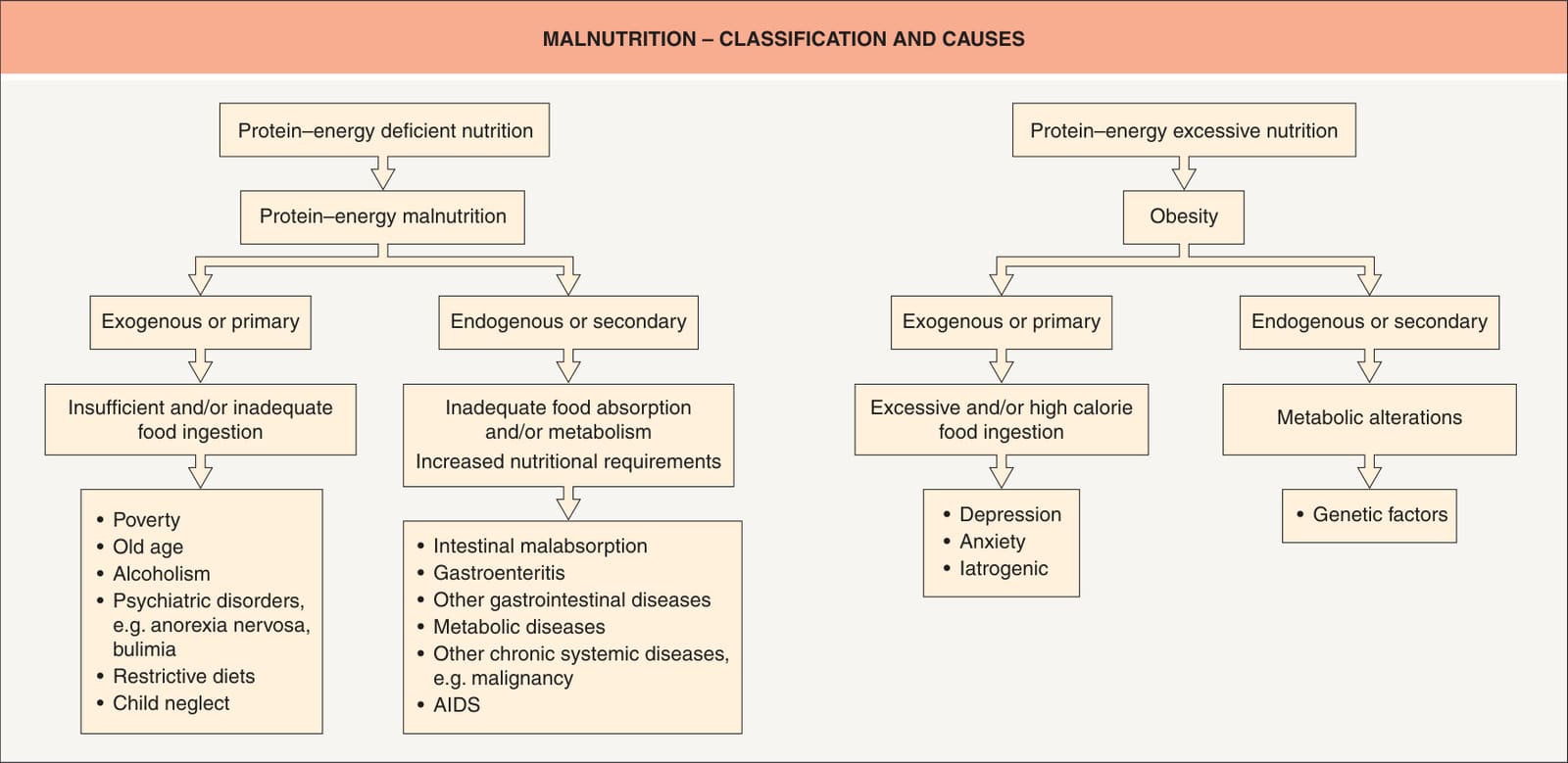
Fig. 51.1 Malnutrition – classification and causes.Courtesy Ramón Ruiz-Maldonado, MD.
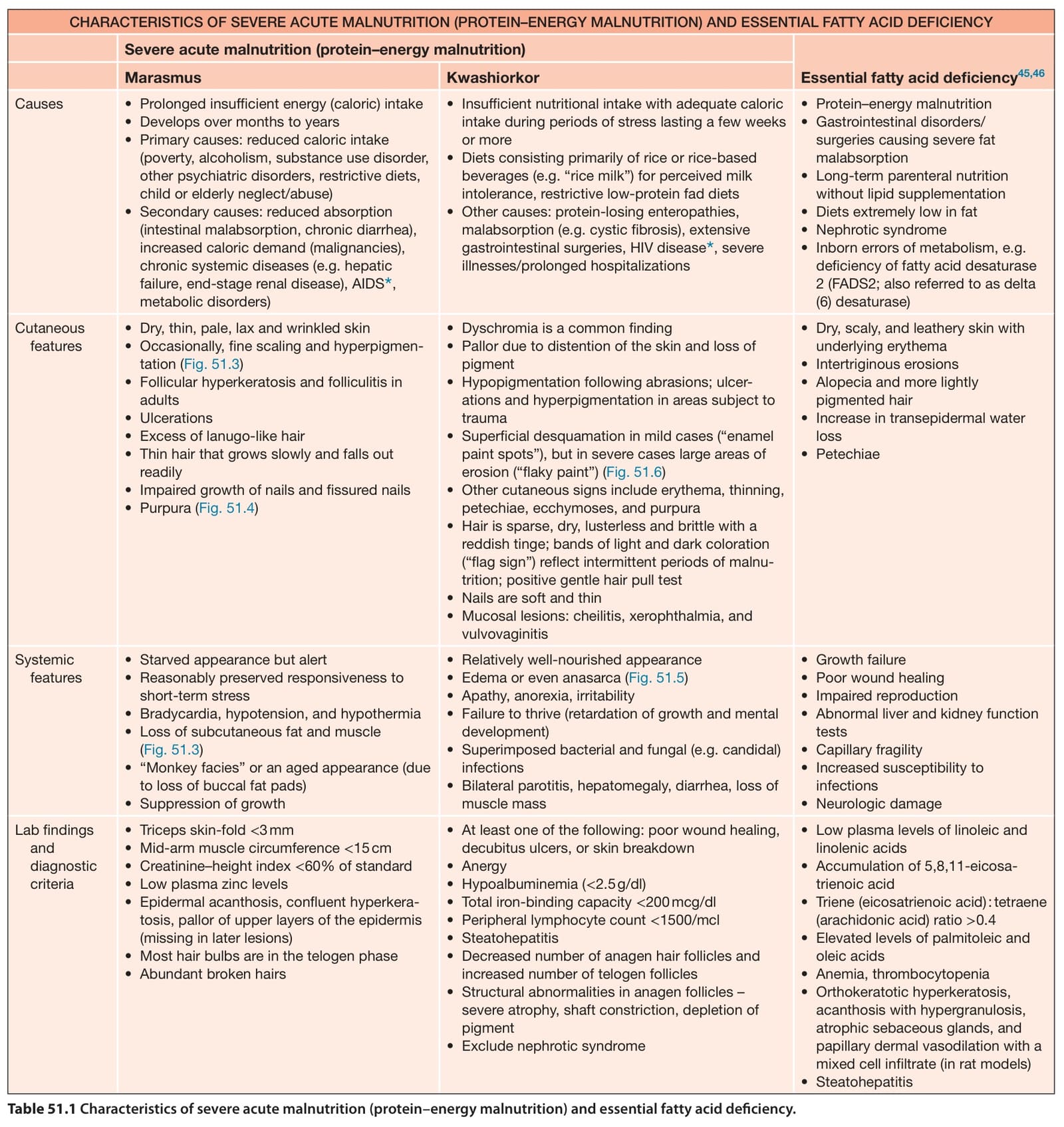
Table 51.1 Characteristics of severe acute malnutrition (protein–energy malnutrition) and essential fatty acid deficiency.