DIFFERENTIAL DIAGNOSIS
The primary differential diagnosis of aGVHD is morbilliform drug eruption, viral exanthem, and engraftment syndrome (Table 52.5). If there is prominent acral involvement, particularly involvement of the palms and soles, toxic erythema of chemotherapy should be considered, especially if there is flexural involvement and in men, scrotal burning and erythema. The possibility of a viral exanthem is more likely in children and is favored if conjunctivitis, rhinorrhea, or cough are present. Engraftment syndrome often presents with fever and fluid overload, including pulmonary edema, at the time of neutrophil engraftment (see Table 52.5).
Because of its clinical variability, the differential diagnosis of cGVHD is much broader, and includes lichenoid drug eruptions, autoimmune connective tissue diseases (lupus, dermatomyositis, morphea, systemic sclerosis), and papulosquamous disorders. Reports of transient acantholytic dermatosis and voriconazole-associated photosensitivity misdiagnosed as cGVHD emphasize the value of biopsy confirmation when non-diagnostic clinical features are encountered.
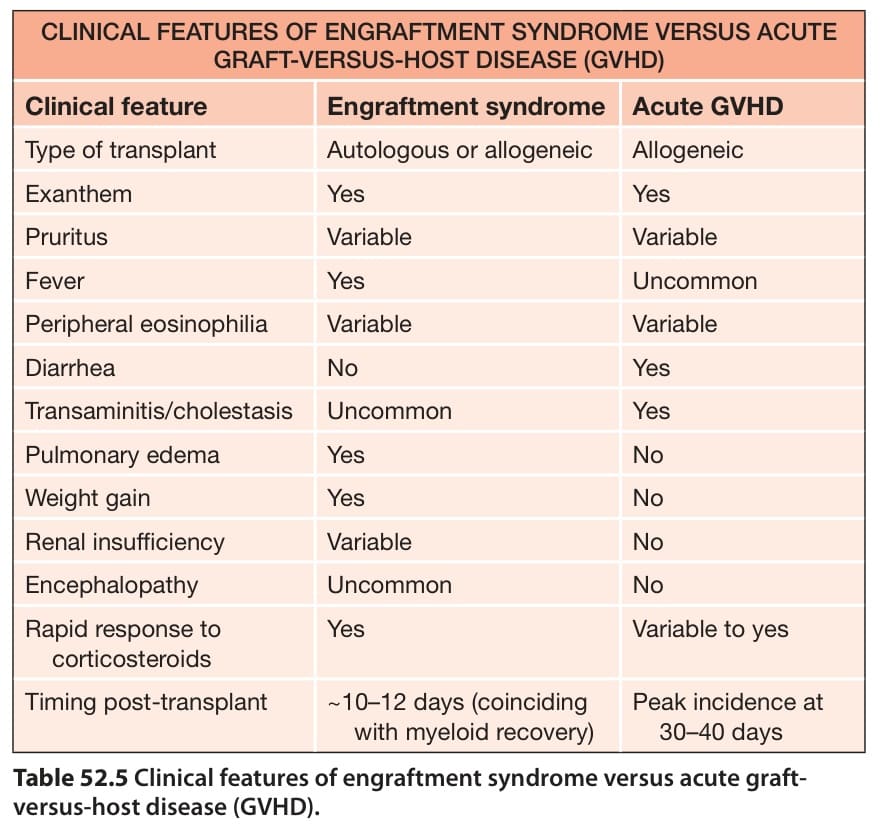
Table 52.5 Clinical features of engraftment syndrome versus acute graftversus-host disease (GVHD).