REVERTANT MOSAICISM
Revertant mosaicism is a means of “natural gene therapy” in which a spontaneous secondary genetic phenomenon leads to rescue of a diseasecausing mutation, allowing a mosaic clone of heterozygous cells to regain wild-type (“normal”) function. It has been described most often in patients with EB (see Ch. 32), potentially explaining the tendency of some forms of this condition to improve with age. A growth advantage and selective pressures (e.g. blistering) may help to increase the number of revertant cells over time. Revertant mosaicism via mitotic recombination accounts for the numerous small “islands” of normal skin in a
A Severe acanthosis nigricans in a patient with the Crouzon craniosynostosis syndrome. B Systematized epidermal nevus in a young boy who had developmental delay. These conditions can be caused by germline and mosaic FGFR3 mutations, respectively. A, Courtesy Seth J. Orlow, MD, PhD.
background of ichthyosiform erythroderma that characterize ichthyosis en confetti. Affected individuals have specific frameshift mutations in KRT10 or KRT1, which produce mutant proteins with an arginine-rich C-terminus that redirects them to the nucleolus; this mislocalization may have a role in promoting the reversion.
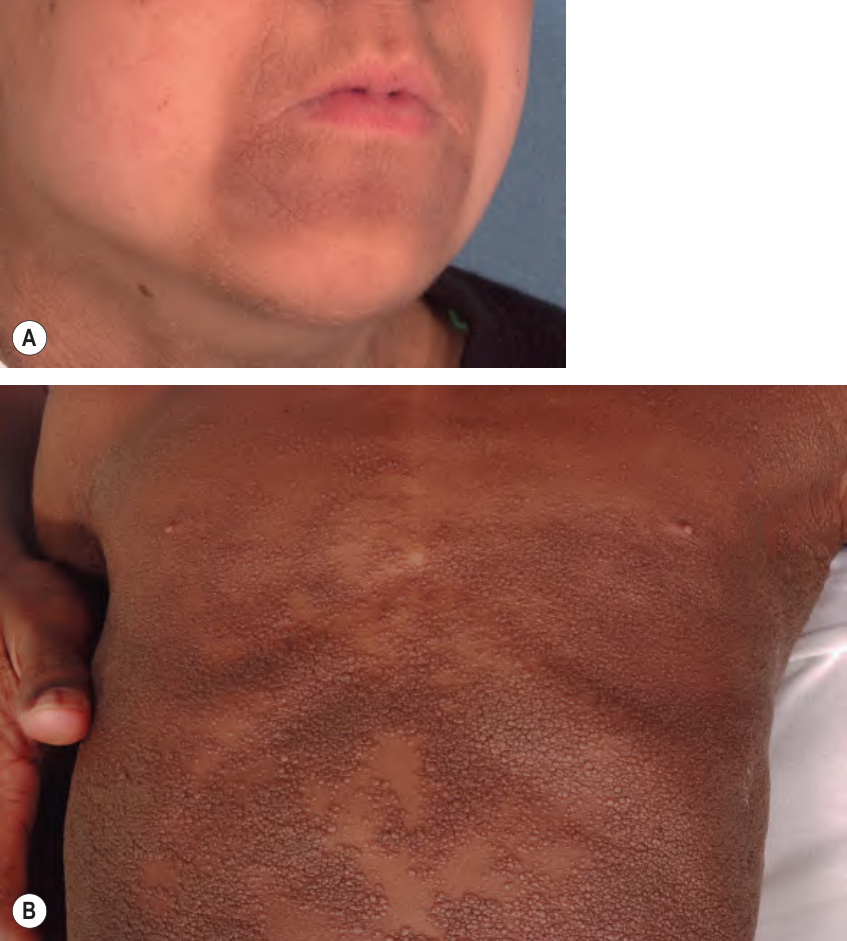
Fig. 55.8 Skin disease due to fibroblast growth factor receptor 3 (FGFR3) defects.
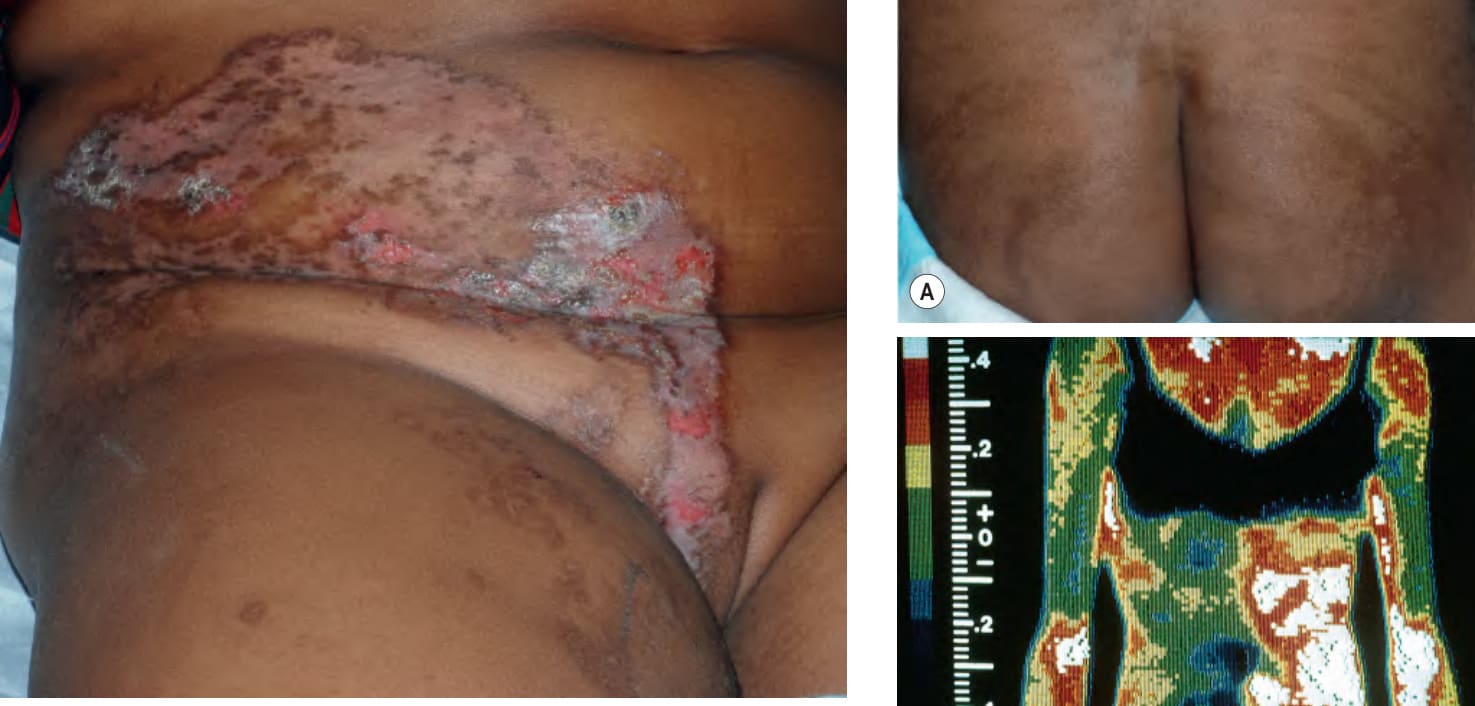
Fig. 55.9 Type 2 segmental Hailey–Hailey disease. This 7-year-old girl had a history of recurrent blistering on the right abdomen, groin, and thigh since infancy.