PHENYLKETONURIA
Key features
Autosomal recessive disorder due to a deficiency of phenylalanine hydroxylase
Pigmentary dilution of the skin, eyes, and hair
Atopic-like dermatitis and sclerodermatous skin changes
Progressive developmental delay with severe intellectual disability if not treated
Phenylketonuria (PKU) is one of the most common inborn errors of metabolism, occurring worldwide with an incidence of ~1 in 10 000 births. It is an autosomal recessive disorder resulting from a deficiency of the enzyme phenylalanine hydroxylase that is responsible for conversion of phenylalanine to tyrosine. As a result of this enzyme deficiency, phenylalanine levels rise in blood and tissues of the untreated patient on a phenylalanine-containing diet, and high levels of this amino acid are extremely toxic to the CNS. Progressive developmental delay ultimately leads to severe intellectual disability and may be accompanied by seizures, behavioral problems, and psychiatric symptoms.
In patients with PKU, a relative deficiency of tyrosine and/or competitive inhibition of tyrosinase by excess L-phenylalanine leads to diminished melanin production and resultant diffuse pigmentary dilution. The classic patient is described as blond and blue-eyed, although pigmentation varies depending on the family and ethnic background. Sweat with a musty or “mousy” odor can represent a clue to the diagnosis. Nonspecific dermatitis occurs with increased frequency, and early-onset atopic dermatitis affects up to half of patients with PKU. Progressive scleroderma-like skin changes that favor the proximal extremities may also be observed, often with an onset in the first year of life (Fig. 63.11). This is in contrast to the acral predilection and older age of onset in systemic sclerosis.
Newborn screening for PKU is routinely performed in many countries, and the diagnosis is established by plasma amino acid analysis. Identification of affected infants at birth with early institution of a phenylalanine-restricted diet and careful control of blood phenylalanine levels prevents the development of skin changes and intellectual disability, although subtle neurocognitive consequences may be observed. Unfortunately, untreated patients are still encountered among children from low-income countries, and despite recommendations that dietary therapy be continued for life, some adolescents and adults do not adhere to the dietary restrictions, which may result in recurrent dermatologic manifestations. Dietary therapy involves not only restriction of phenylalanine, but also special medical foods containing phenylalanine-free protein substitutes. Close monitoring by an experienced nutritionist is vital. Enzyme substitution therapy with pegvaliase, a PEGylated recombinant phenylalanine ammonia lyase administered by subcutaneous injection, has been FDA-approved for adults with uncontrolled elevation of blood phenylalanine levels.
Acknowledgment
The author wishes to thank Barbara K. Burton for her valuable contribution to this chapter in the previous editions.
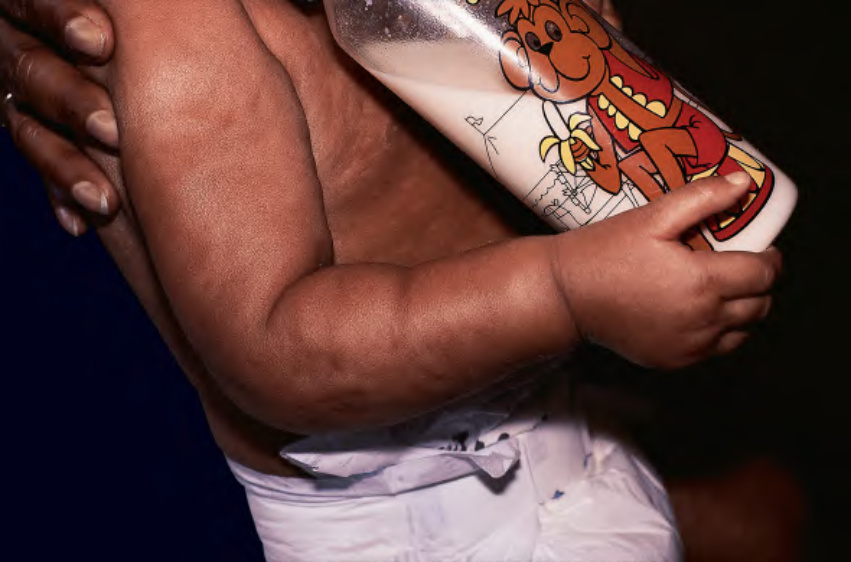
Fig. 63.11 Phenylketonuria (PKU). Infant with PKU and sclerodermoid skin changes. Courtesy New York Medical College.