WITKOP TOOTH AND NAIL SYNDROME
Synonyms: Tooth and nail syndrome Witkop syndrome Hypodontia with nail dysgenesis
First described in 1965, this autosomal dominant disorder is probably more common than suggested by the relatively small number of reports in the literature. Affected individuals have small, thin, brittle nail plates that grow slowly, and koilonychia may be evident at birth. The toenails are usually more prominently involved than the fingernails, and nail abnormalities tend to improve with age. Thin, fine scalp hair is an occasional feature. The primary teeth may be normal or small and/or peg-shaped (Fig. 63.19). There is usually prolonged retention of primary teeth and partially or totally absent secondary dentition, especially the mandibular incisors, second molars, and maxillary canines.
A heterozygous mutation in MSX1 (MSH homeobox 1), which is expressed in developing teeth and nail beds in mice, has been identified in at least one family with Witkop tooth and nail syndrome. Pathogenic variants in MSX1 have also been described in families with isolated tooth agenesis or non-syndromic cleft lip and/or palate. MSX1 is a transcription factor that has roles in the development of teeth and presumably nails. Fried tooth and nail syndrome represents a similar condition with autosomal recessive inheritance and more consistent hair abnormalities.
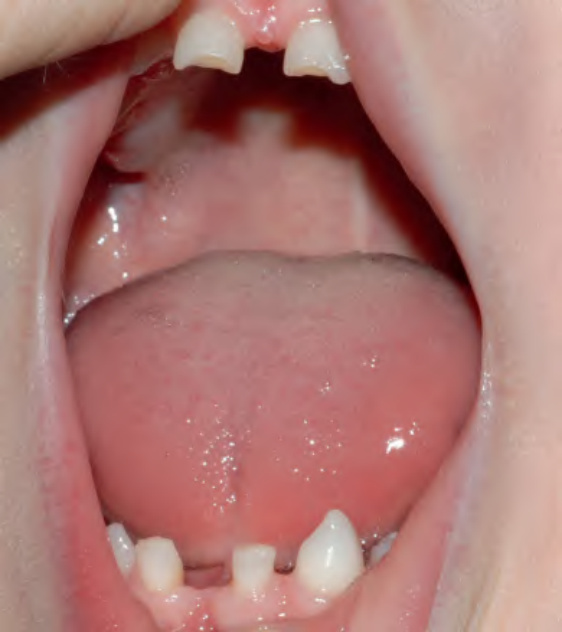
Fig. 63.19 Witkop tooth and nail syndrome.