CLOSTRIDIAL SKIN INFECTIONS
Clostridia are spore-forming Gram-positive rods that are ubiquitous soil saprophytes and part of the normal intestinal flora. Clostridium perfringens, the most frequent cause of trauma-associated gas gangrene, is an obligate anaerobe and thus proliferates in hypoxic or ischemic tissue. Clostridium septicum is much more aerotolerant, requires a smaller infective dose, and is associated with spontaneous gas gangrene in patients with neutropenia or gastrointestinal malignancy.
C. perfringens produces two membrane-active toxins, alpha and theta (perfringolysin O), which have synergistic effects. Alpha toxin possesses biologic activity akin to phospholipase C and sphingomyelinase, while theta toxin disrupts endothelial cell integrity, impairs recruitment of phagocytes, and induces intravascular platelet aggregation, leading to reduced arteriolar blood flow. Impaired oxygen delivery then results in tissue hypoxia and anaerobic glycolysis of muscle tissues. Production of hydrogen sulfide and CO accounts for the characteristic “gas” gangrene visualized on radiographic imaging. Local progression results in myonecrosis, whereas shock and multi-organ failure can occur when the toxins enter the systemic circulation.
The majority of cases of anaerobic cellulitis (a necrotizing subcutaneous infection) and myonecrosis (gas gangrene) are caused by clostridia. These diseases are compared and their treatment outlined in Table 74.11. Soft tissue crepitus, evidence of gas on plain films, or a foul-smelling brownish discharge (“dirty dishwater”) should prompt the clinician to suspect a clostridial infection, especially following trauma or surgery in patients with diabetes mellitus and peripheral vascular disease.
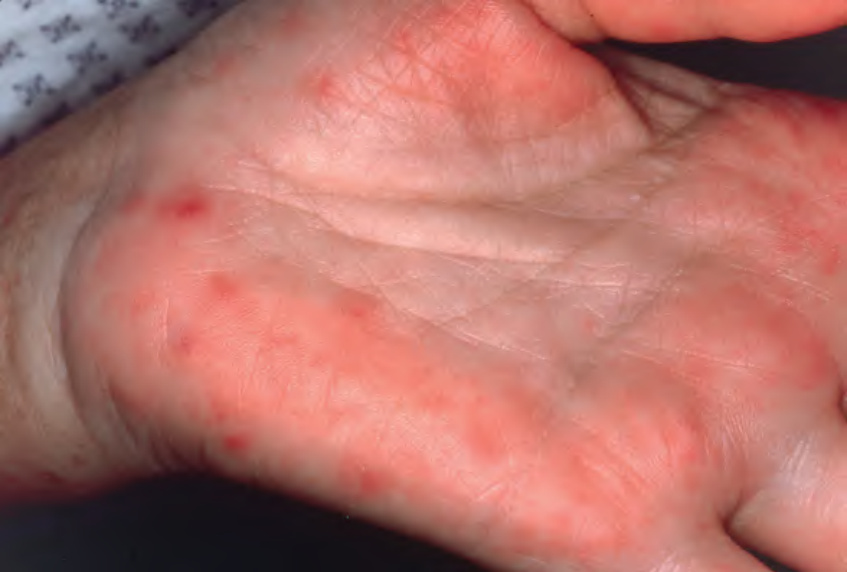
Fig. 74.19 Palmar lesions due to staphylococcal endocarditis.
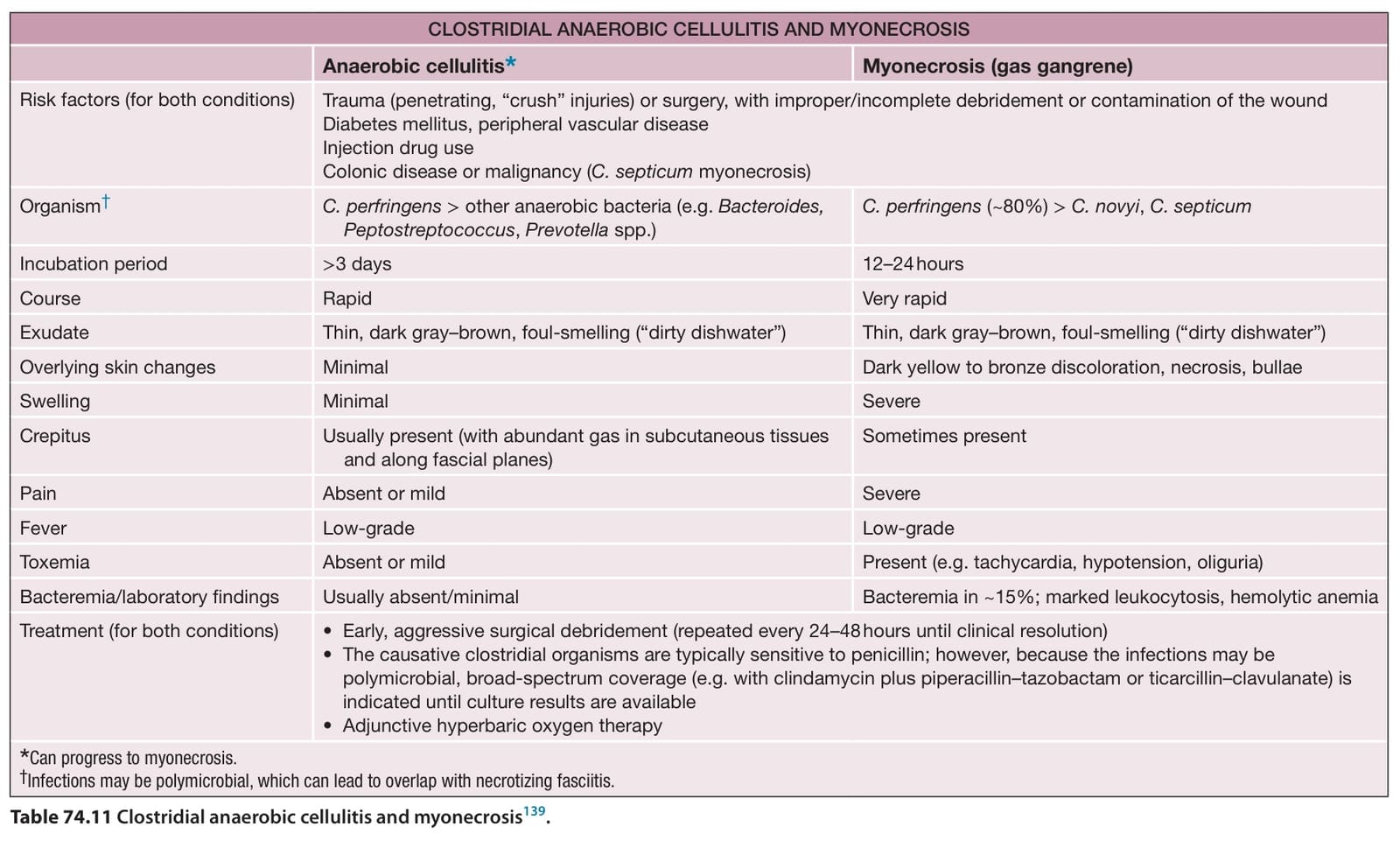
Table 74.11 Clostridial anaerobic cellulitis and myonecrosis.