HUMAN GRANULOCYTIC ANAPLASMOSIS
Anaplasma phagocytophilum, previously referred to as the “human granulocytic ehrlichiosis (HGE) agent”, is an obligately intracellular bacterium (closely related to Ehrlichia spp.) that causes human granulocytic anaplasmosis (HGA; formerly known as HGE). HGA occurs in the same geographic distribution as Lyme disease (and babesiosis) owing to their transmission by the same Ixodes spp. tick vectors (see Table 76.1 & Fig. 76.12C). The clinical features of HGA are similar to those of HME, but HGA has a lower case fatality rate (0.5%–1%), often presents with peripheral neuropathy (but rarely meningoencephalitis), and seldom (≤5% of patients) has dermatologic manifestations other than petechiae or purpura related to thrombocytopenia. Interestingly, Sweet syndrome has been described in association with HGA. As for HME, the first-line treatment is doxycycline.
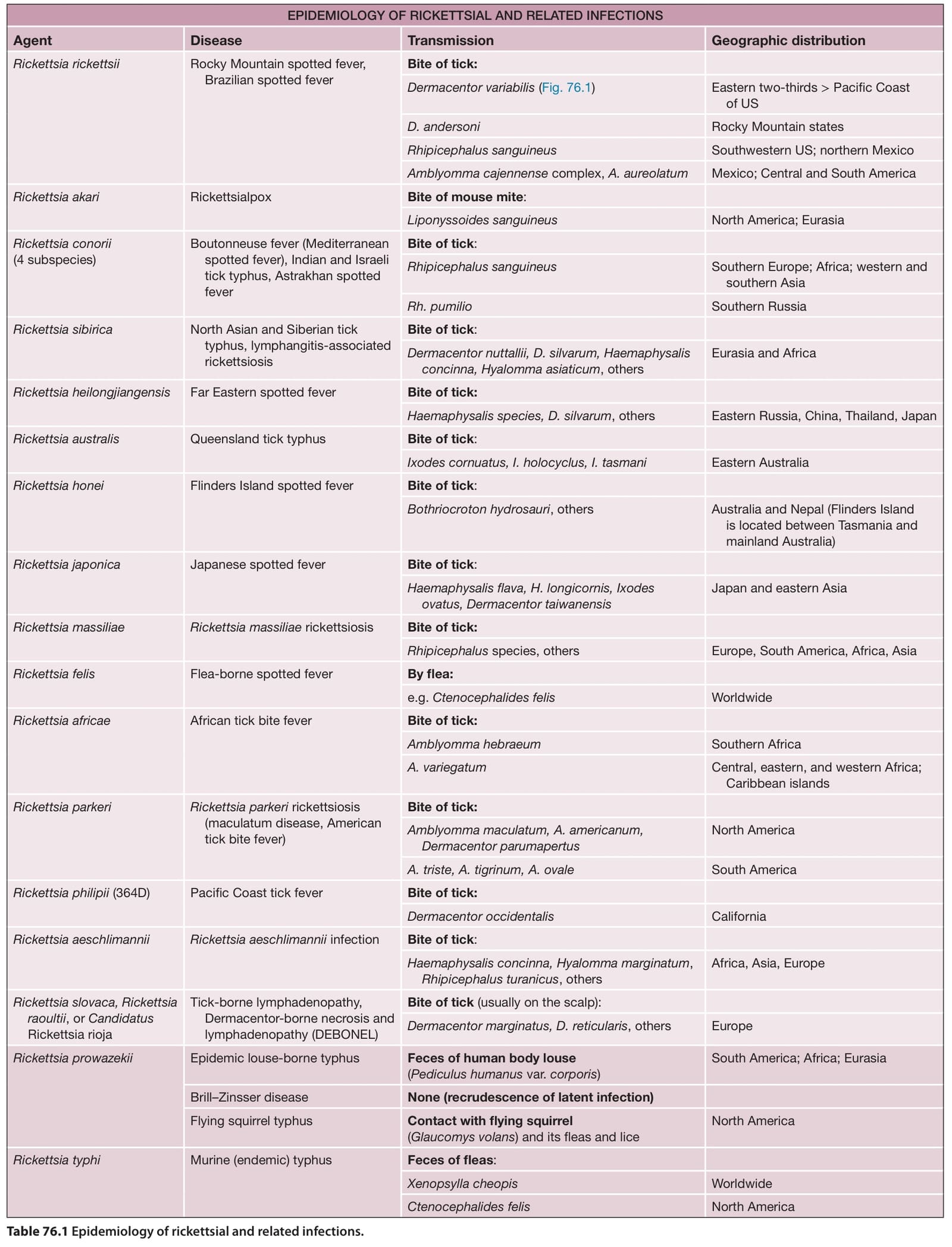
Table 76.1 Epidemiology of rickettsial and related infections.