Metabolic Changes
HIV/ART-associated lipodystrophy and weight gain
In patients receiving ART, HIV/ART-associated lipodystrophy is a common finding. Patients may develop peripheral fat loss (lipoatrophy) or central fat gain (lipohypertrophy) or both (see Ch. 101). The underlying mechanisms of fat alteration are incompletely understood and involve a complex interplay between the virus, adipose immune system, and ART. Lipodystrophy can be accompanied by metabolic abnormalities such as hyperlipidemia, insulin resistance, and diabetes mellitus. The reported prevalence ranges from 10% to 80%, with most patients developing the lipodystrophy within months to 2 years of ART initiation. Lipoatrophy and lipohypertrophy are recognized as distinct entities with separate pathogenic mechanisms.
Lipoatrophy is characterized by loss of subcutaneous fat, principally in the face, limbs and buttocks, without concomitant loss of lean muscle. The face looks “skeletal” due to loss of the buccal and/or temporal fat pads. Lipoatrophy is primarily a side effect of nucleoside reverse transcriptase inhibitors (NRTIs), especially earlier generation inhibitors such as stavudine. Proposed pathomechanisms include mitochondrial toxicity, impairment of adipogenesis and adipocyte differentiation, and increased lipolysis. Other risk factors include age >40–50 years, male sex, lower percentage of body fat, lower CD4+ T cell count (<100 cells/mm), and higher plasma HIV-1 RNA levels (>10 copies/ml) at ART initiation.
Lipohypertrophy consists of fat accumulation in the abdominal visceral compartment, dorsocervical region (“buffalo hump”), and breasts. It has been attributed primarily to PIs and NRTIs. Hypothesized pathomechanisms include mitochondrial toxicity, dysregulation of fatty acid metabolism, changes in intra-abdominal glucocorticoid signaling, and alterations in growth hormone secretion. Additional risk factors include older age, female sex, elevated baseline triglycerides, higher percentage of baseline body fat, and longer duration of therapy. Lipohypertrophy represents one component of a broader condition of ectopic lipid deposition which can also involve the liver, epicardial tissue, and skeletal muscle.
Both weight and generalized fat gain are commonly observed following ART initiation, in part attributable to improved health and a concomitant gain in lean mass. However, weight gain is especially pronounced with
integrase strand transfer inhibitors (INSTIs) and tenofovir alafenamide. The cause is unclear and may include effects on appetite or energy regulation.
The clinical implications of lipodystrophy include psychosocial distress, stigmatization, reduced adherence to ART, and increased risk for cardiovascular disease. Management includes a balanced diet with regular exercise and lipid- or glucose-lowering medications such as metformin. Tesamorelin, an analogue of growth hormone-releasing hormone, is FDA-approved for treatment of abdominal obesity in individuals with HIV disease, but effects are not sustained after cessation of therapy and long-term safety data are lacking. Modest improvement in lipoatrophy and hyperlipidemia often occurs upon switching from thymidine analogue NRTIs to alternative agents, but substitution of other agents for PIs has had inconsistent effects in reversing lipohypertrophy.
Injectable fillers such as poly-L-lactic acid and calcium hydroxylapatite are FDA-approved for treatment of HIV/ART-associated lipoatrophy, and autologous fat transfer represents another option. Excess fat may be removed via surgery or liposuction, although reaccumulation typically occurs. In small series, bariatric surgery has been reported to lead to improvement. The incidence of lipodystrophy is expected to decrease further with the widespread use of newer ART regimens, although fat alterations can persist for years in patients who received older ART medications.
Malnutrition
The causes of malnutrition in people living with HIV include: (1) reduced food intake due to poor appetite, nausea, or dysphagia related to oral/esophageal candidiasis; (2) diarrhea secondary to infection, medications, or malignancy; (3) malabsorption; and (4) psychosocial issues. Patients can develop the cutaneous manifestations of kwashiorkor, zinc deficiency, and other vitamin and mineral deficiencies. Nutritional replacement is critical, as malnutrition is associated with lower CD4+ T cell counts and an increased risk of opportunistic infections.
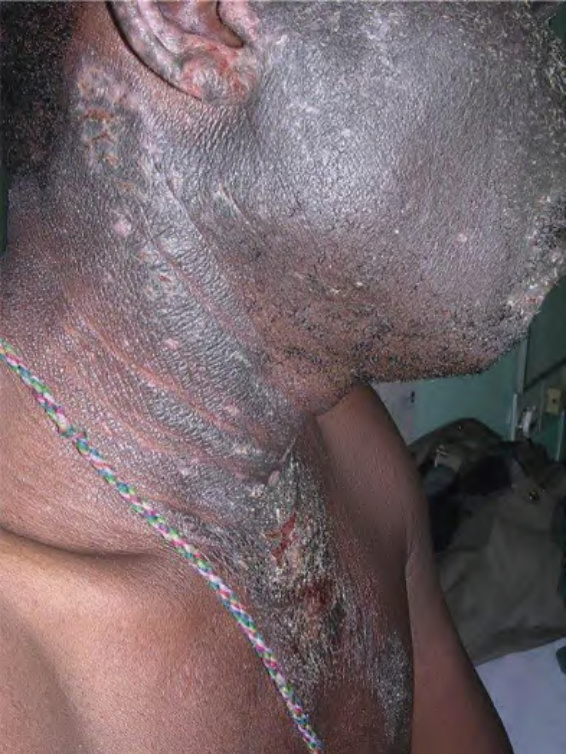
Fig. 78.16 Photolichenoid eruption in a patient with HIV.Courtesy Ncoza Dlova, MD.