ANTIRETROVIRAL THERAPY (ART)
Antiretroviral Medications for Treatment and Prevention
There are >30 FDA-approved drugs in nine mechanistic classes that block HIV replication at various steps in its lifecycle (see Fig. 78.2). A list of FDA-approved antiretroviral medications is available at https://hivinfo.nih. gov/understanding-hiv/fact-sheets/fda-approved-hiv-medicines. Current ART regimens are more effective and better tolerated than those utilized in the past. Regimens that are less likely to lead to the emergence of HIV resistance, even when treatment adherence is not optimal, are favored.
infection. The FDA-approved OraQuick® In-Home HIV Test provides results in 20 minutes from oral fluid, which has lower antibody levels than blood. Mail-in HIV tests that involve sending a finger-prick blood sample to a laboratory and receiving results as early as the next day are also available. EIA, enzyme-linked immunoassay; IFA, indirect immunofluorescence assay; NAT, nucleic acid test. Data from Delaney KP, Hanson DL, Masciotra S, et al. Time until emergence of HIV test reactivity following infection with HIV-1: implications for interpreting test results and retesting after exposure. Clin Infect Dis 2017;64:53–9.
ART is recommended for all people with HIV who have a detectable viral load, regardless of the CD4+ T cell count. Treatment should be initiated as soon as possible after HIV diagnosis in order to increase linkage to care and decrease time to viral suppression. The advantages of early HIV treatment include decreased morbidity and mortality as well as reduced HIV transmission.
The preferred first-line therapy in treatment-naive patients consists of an integrase strand transfer inhibitor (INSTI; also known as an integrase inhibitor) combined with dual nucleoside reverse transcriptase inhibitors (NRTIs); a two-drug regimen (INSTI + NRTI) is also an option in patients without hepatitis B co-infection. Dual NRTIs plus either a non-nucleoside reverse transcriptase inhibitor (NNRTI) or a ritonavir-boosted protease inhibitor (PI) represent alternative regimens. Multiple antiretroviral drugs are often combined into a single pill in order to reduce pill burden, and intramuscular injection of two long-acting agents (INSTI + NNRTI) every 1–2 months is an option for adults who are virologically suppressed on a stable ART regimen with no resistance to these agents or history of treatment failure. In the setting of virologic failure, subsequent medication changes are guided by resistance testing.
Over the past decade, effective strategies for preventing HIV transmission and acquisition have been described. In randomized controlled trials, the use of antiretroviral medications was shown to reduce the risk of HIV transmission from an infected person by ≥96%. Pre-exposure prophylaxis (PrEP) consists of antiretroviral medications taken daily or on demand by HIV-negative individuals who are at risk of acquiring HIV; intramuscular injection of a long-acting INSTI every 2 months is also available64,64a. In MSM and persons who inject drugs, PrEP has been shown to reduce the risk of HIV acquisition by 50%–85%. Of course, central to the effectiveness of this strategy is compliance. In women at risk for acquiring HIV, consistent use of a vaginal ring that continuously releases dapivirine and is inserted monthly led to a 75% reduction in HIV transmission. In addition, male circumcision reduced the risk of men acquiring HIV via insertive vaginal sex by ~60%. Lastly, consistent and correct use of condoms remains a cornerstone in the drive to prevent transmission and acquisition of HIV.
Immune Reconstitution Inflammatory Syndrome (IRIS)
The rapid improvement in immunologic status that follows institution of ART can paradoxically result in clinical exacerbations of infectious, neoplastic, and inflammatory diseases in a subgroup of patients with HIV (Fig. 78.19). This phenomenon is known as immune reconstitution inflammatory syndrome (IRIS). It occurs in ~15% of patients 1 week to 3 months after initiation of ART, with a higher risk in those with low CD4+ T cell counts (<50/mm) prior to therapy. The overall mortality of IRIS is ~5%, but it is as high as 20% in patients with cryptococcal meningitis. Distinguishing IRIS-associated flares of inflammation from active opportunistic infections or drug reactions may be difficult. Cutaneous diseases that can be exacerbated in the setting of IRIS are listed in Table 78.5.
Drug–Drug Interactions
Knowledge of potential drug interactions is necessary to prevent adverse reactions and therapeutic failures. The human cytochrome P450 system metabolizes a number of drugs used to treat HIV disease and associated complications. Cytochrome P450 3A4 inhibitors, which include most of the PIs and delavirdine, impair drug metabolism, leading to accumulation of drugs that share the same metabolic pathway (see Ch. 131). Cytochrome P450 3A4 mixed inducers/inhibitors and inducers (e.g. efavirenz and nevirapine, respectively) may accelerate clearance of other medications, thereby necessitating dose adjustments. Cytochrome P450-independent interactions include: (1) an increase in intracellular drug levels and toxicity of didanosine when used in combination with ribavirin and/or tenofovir; and (2) a decrease in atazanavir concentration when coadministered with tenofovir.
Drug Eruptions
Adverse drug reactions (ADR) are common in people living with HIV. Underlying risk factors include genetic predisposition as well as immune dysregulation and alterations in drug metabolism. Because these patients typically take multiple medications, identification of the causal agent or combination of agents is often a complex and frustrating process (see Ch. 21). Morbilliform eruptions are the most common presentation of drug hypersensitivity, and the incidence is significantly higher in people with HIV disease than in the general population. Patients may also present with urticaria, pruritus, vasculitis, exfoliative erythroderma, drug reaction with eosinophilia and systemic symptoms (DRESS), Stevens–Johnson syndrome (SJS), and toxic epidermal necrolysis (TEN). The major cutaneous side effects of antiretroviral medications are outlined in Table 78.6.
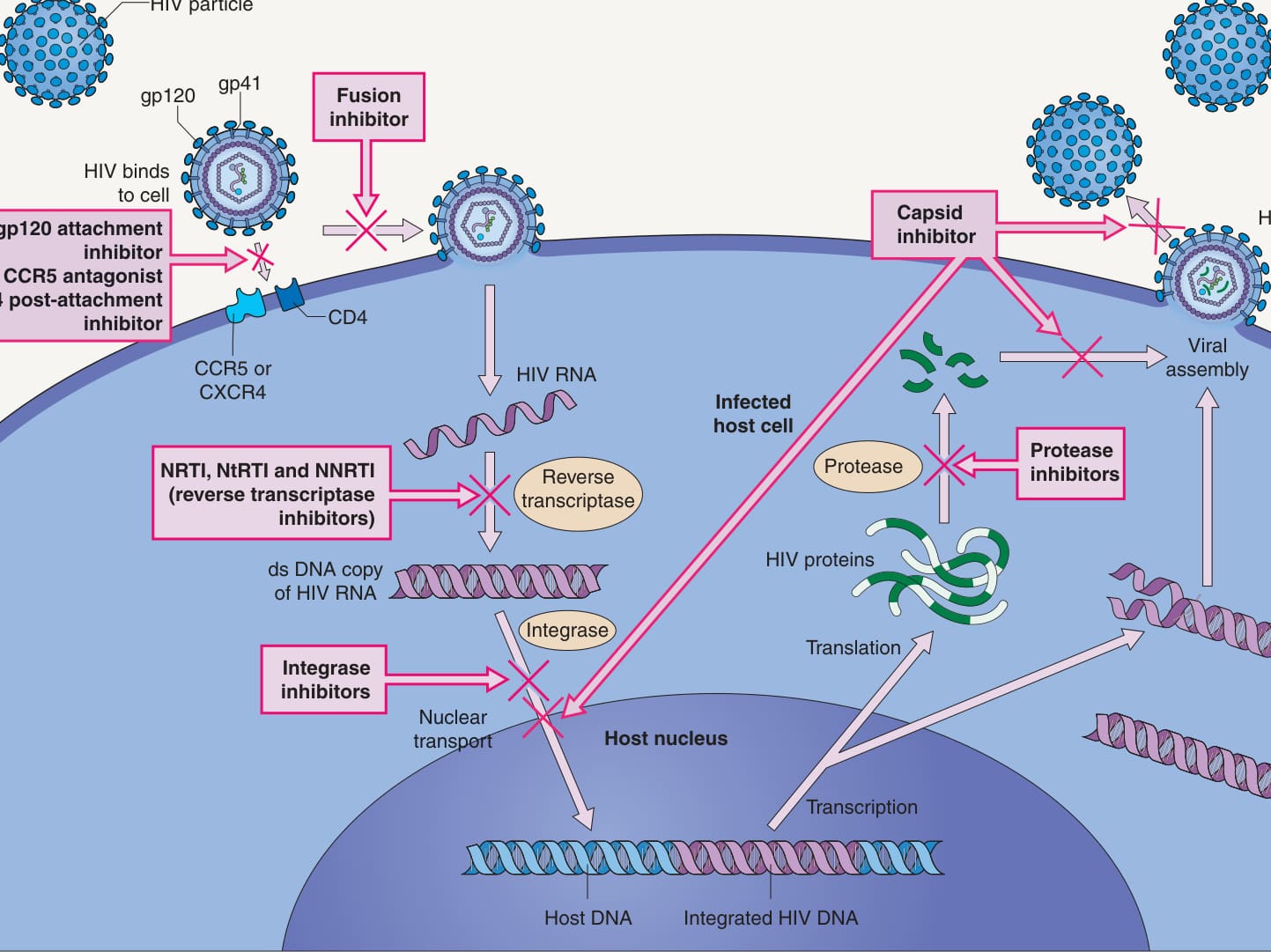
Fig. 78.2 Replication of HIV within CD4+ lymphocyte and target sites of antiretroviral drugs. CCR5, CC-chemokine receptor 5; NRTI, nucleoside reverse transcriptase inhibitor; NtRTI, nucleotide reverse transcriptase inhibitor; NNRTI, non-nucleoside reverse transcriptase inhibitor. Information on FDA-approved antiretroviral drugs is available at https://hivinfo.nih.gov/understanding-hiv/fact-sheets/fda-approved-hiv-medicines to HIV, reactivated infections, loss of mucosal integrity with consequent microbial translocation, and increased production of proinflammatory molecules. In patients receiving ART, increased levels of markers of inflammation have been associated with higher mortality rates and risk of cancer as well as cardiovascular, neurologic, and liver disease.
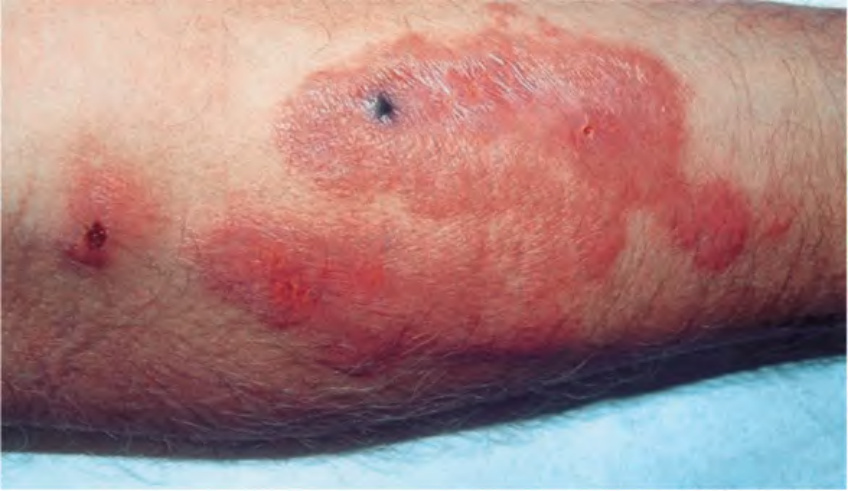
Fig. 78.19 Exacerbation of leprosy due to immune reconstitution inflammatory syndrome following institution of ART therapy.Courtesy Beatriz Trope, MD, PhD.
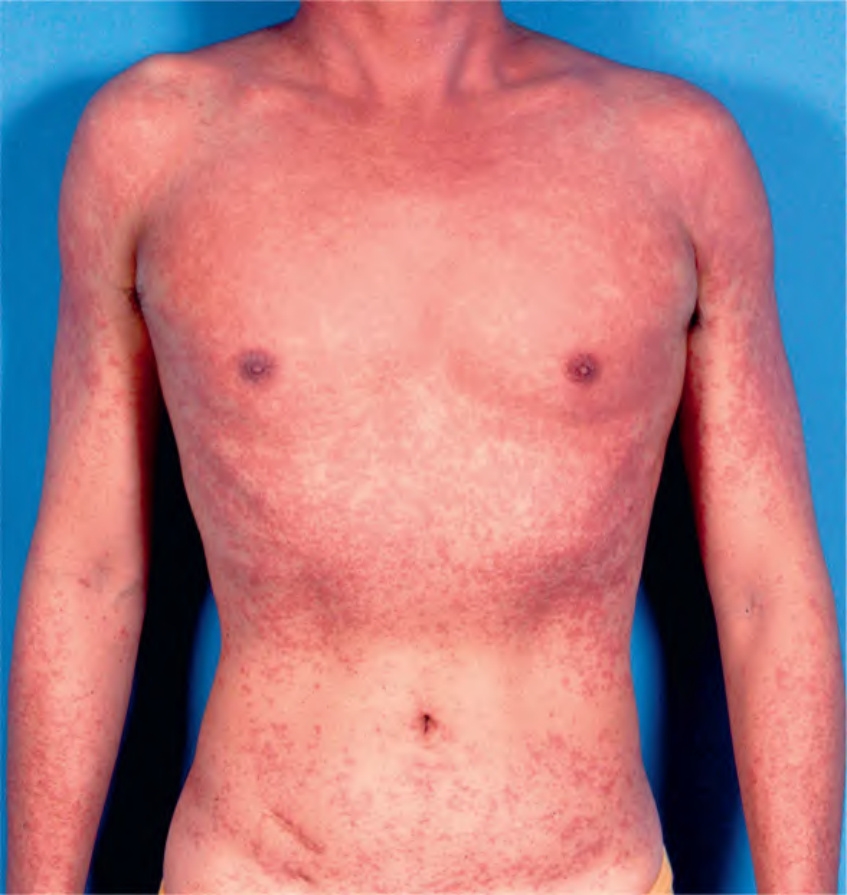
Fig. 78.20 Morbilliform drug eruption due to trimethoprim–sulfamethox- azole (TMP-SMX). This young man with HIV developed a widespread eruption of blanchable erythematous macules and papules 8 days after starting TMP-SMX. Note the coalescence on the upper trunk.
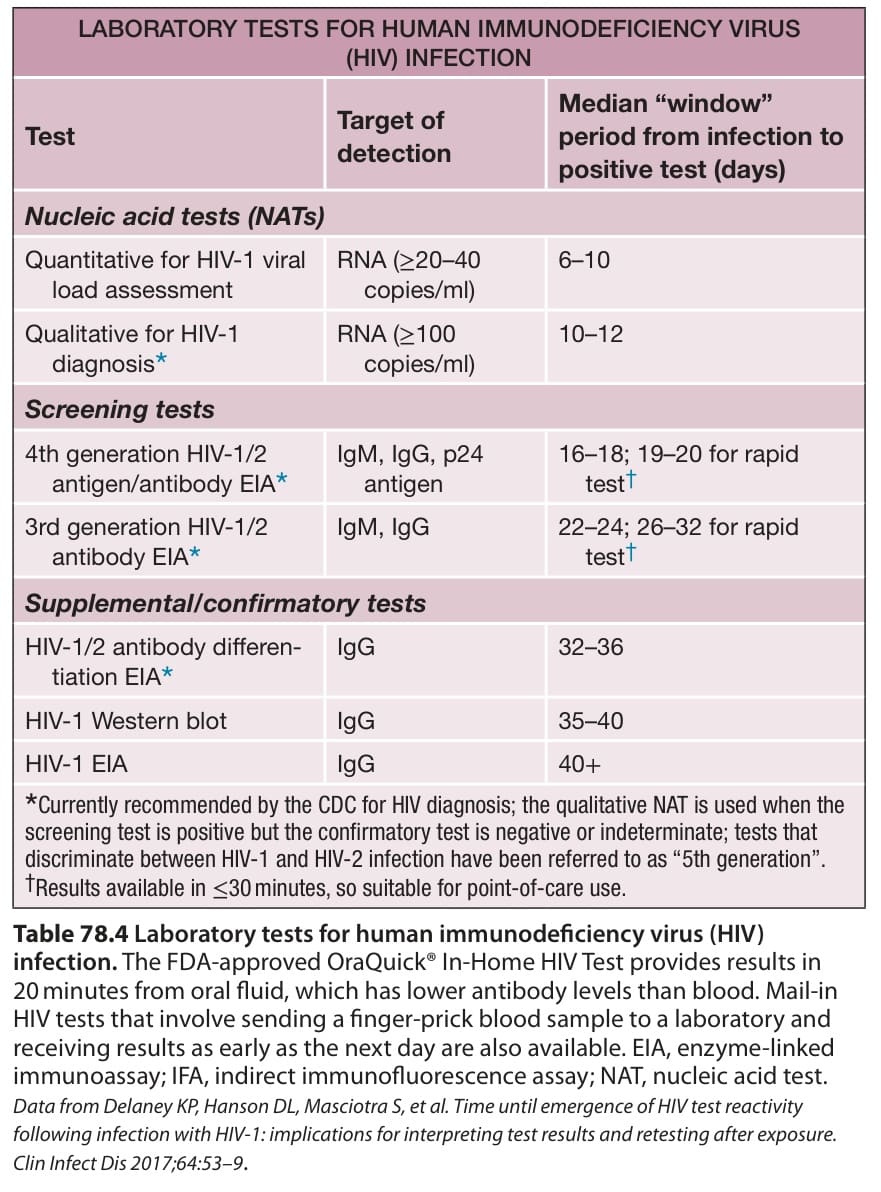
Table 78.4 Laboratory tests for human immunodeficiency virus (HIV)
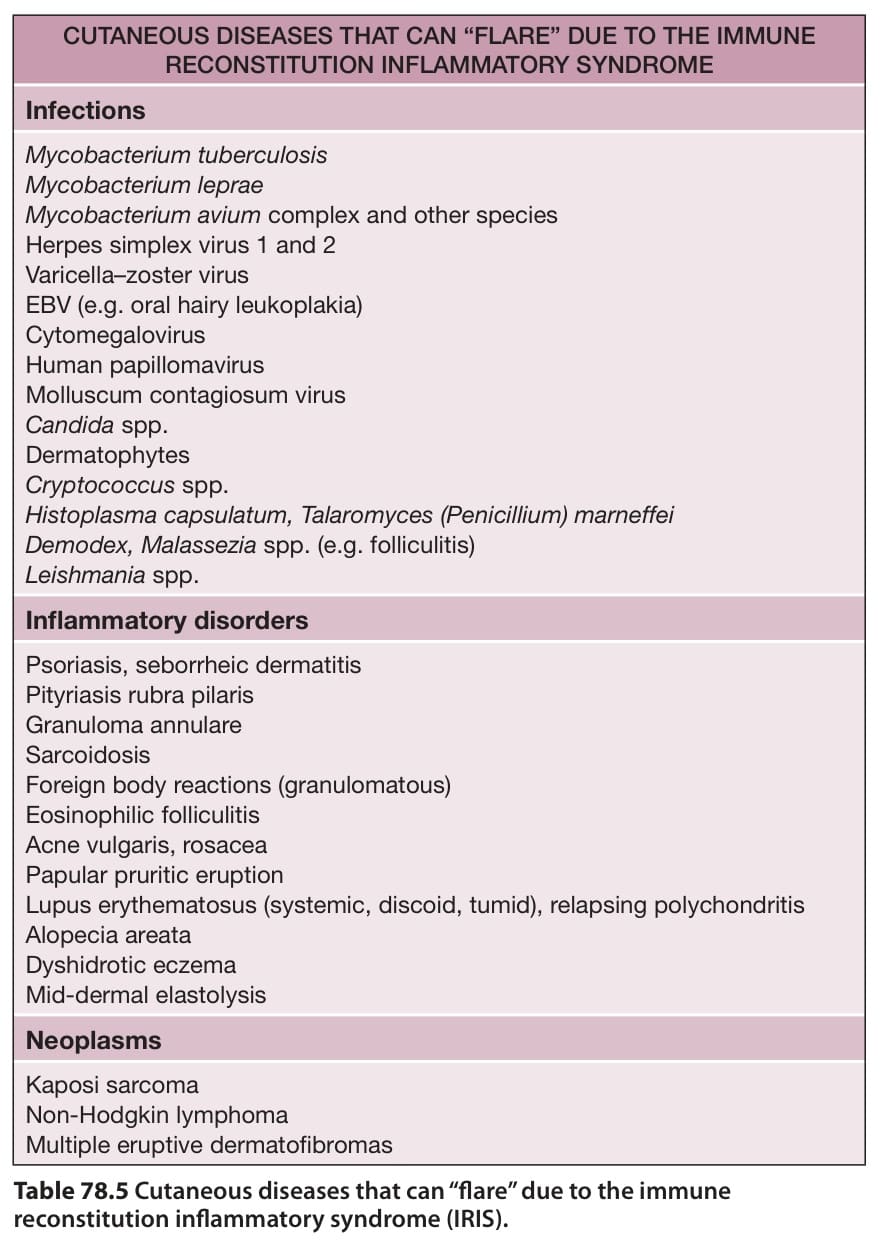
Table 78.5 Cutaneous diseases that can “flare” due to the immune reconstitution inflammatory syndrome (IRIS).
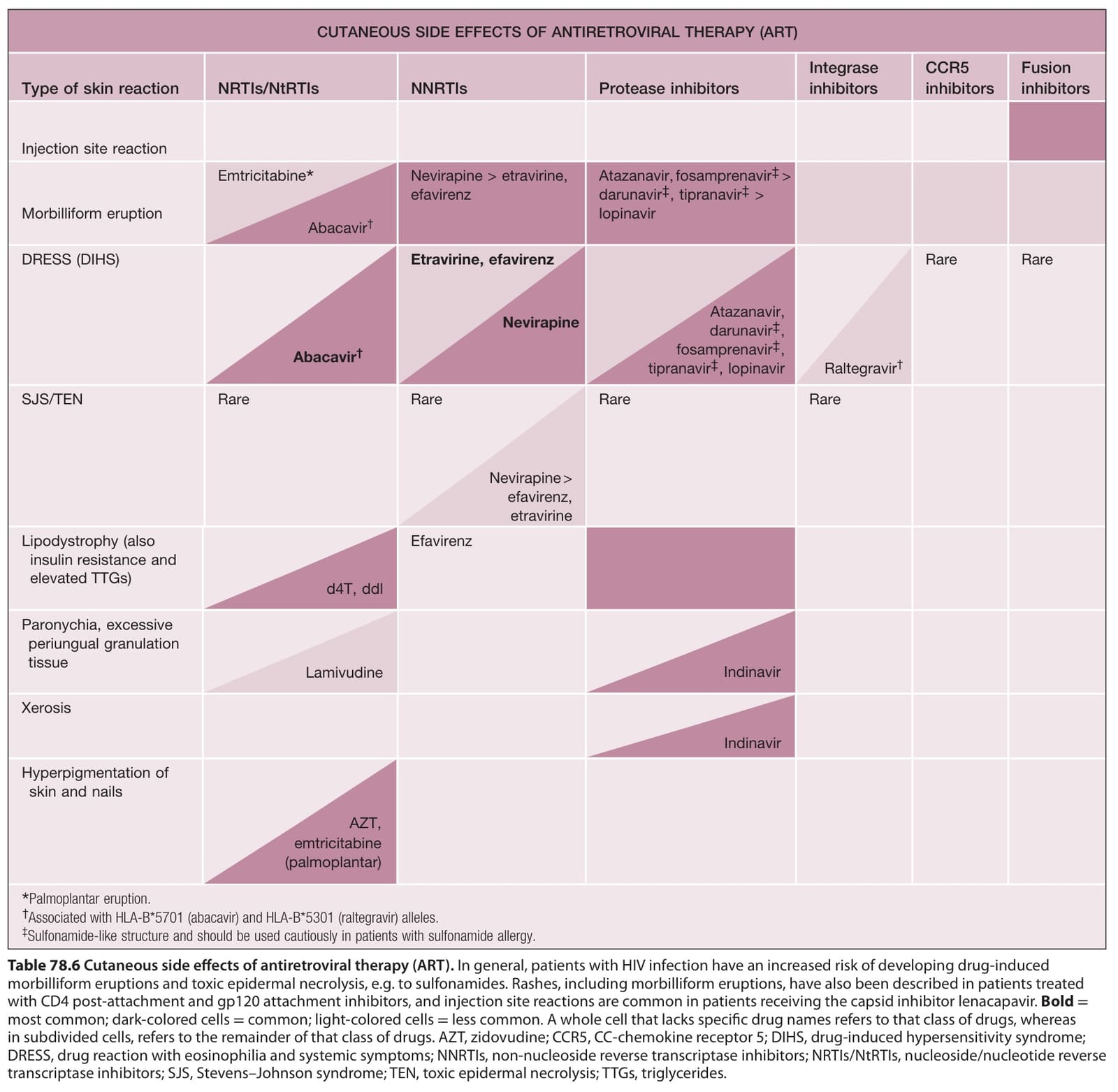
Table 78.6 Cutaneous side effects of antiretroviral therapy (ART). In general, patients with HIV infection have an increased risk of developing drug-induced morbilliform eruptions and toxic epidermal necrolysis, e.g. to sulfonamides. Rashes, including morbilliform eruptions, have also been described in patients treated with CD4 post-attachment and gp120 attachment inhibitors, and injection site reactions are common in patients receiving the capsid inhibitor lenacapavir. Bold= most common; dark-colored cells = common; light-colored cells = less common. A whole cell that lacks specific drug names refers to that class of drugs, whereas in subdivided cells, refers to the remainder of that class of drugs. AZT, zidovudine; CCR5, CC-chemokine receptor 5; DIHS, drug-induced hypersensitivity syndrome; DRESS, drug reaction with eosinophilia and systemic symptoms; NNRTIs, non-nucleoside reverse transcriptase inhibitors; NRTIs/NtRTIs, nucleoside/nucleotide reverse transcriptase inhibitors; SJS, Stevens–Johnson syndrome; TEN, toxic epidermal necrolysis; TTGs, triglycerides.