INTRODUCTION
Viral infections are frequently associated with cutaneous manifestations, especially in children, in whom they are the most common cause of exanthems. An exanthem is defined as a skin eruption occurring as a sign of a general disease. Viral exanthems may present with distinctive cutaneous features or in an entirely nonspecific fashion, and at times they may pose a significant diagnostic challenge, even to the most astute clinician. While dermatologists are most likely to be consulted for atypical or less widely recognized exanthems, a solid working knowledge of the classic disorders, whether common (e.g. roseola) or rare in high-income countries (e.g. measles), is essential.
This chapter describes classic childhood and less common exanthems; eruptions associated with poxvirus and polyomavirus infections; and the cutaneous manifestations of hepatitis A, B, and C viral as well as SARS-CoV-2 infections. Kawasaki disease, which features a polymorphic exanthem together with other mucocutaneous findings and systemic manifestations that can mimic a viral syndrome, is also discussed. In contrast to the symptomatic management of most viral exanthems, prompt recognition and initiation of therapy for Kawasaki disease is necessary to prevent potentially life-threatening systemic complications. Herpesvirus infections, including infectious mononucleosis, are covered in Chapter 80. Structural features and sizes of major types of viruses that infect humans are shown in Fig. 81.1.
Nonspecific viral exanthems are the most common type of exanthem seen in children. These eruptions lack distinctive features such as specific lesional morphologies, distribution patterns, natural histories, or enanthems (eruption on the mucous membranes). They most often present with blanchable erythematous papules and macules in a widespread distribution on the trunk and extremities, and less often the face. Associated symptoms such as a low-grade fever, myalgias, headache, rhinorrhea, or gastrointestinal complaints may be present. Although multiple infectious agents can cause such exanthems, the most common etiologies in children are the non-polio enteroviruses (see below) in the summer/fall and respiratory viruses such as adenovirus and parainfluenza virus in the winter. Nonspecific exanthems tend to be self-limited, with spontaneous resolution within 1 week, and supportive therapy is usually sufficient. While identification of the exact etiologic agent would be desirable, in many instances it is neither necessary nor clinically feasible. Fig. 81.2 outlines the clinical features to be considered when evaluating the patient with a morbilliform (“maculopapular” or “measles-like”) viral exanthem, highlighting similar and different aspects of various etiologies. Diagnostic considerations in patients presenting with fever and a “rash” are listed in Fig. 0.11.
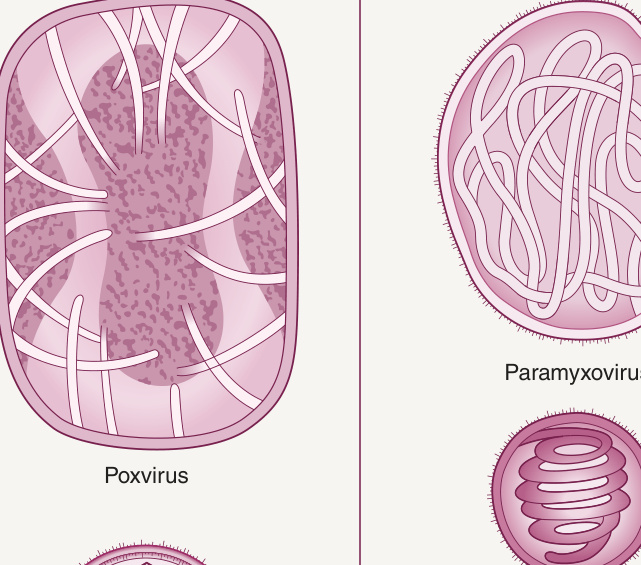
Fig. 81.1 Relative size and shape of selected viruses infecting humans.Adapted from Hsiung’s Diagnostic Virology, Yale University Press, 1994.
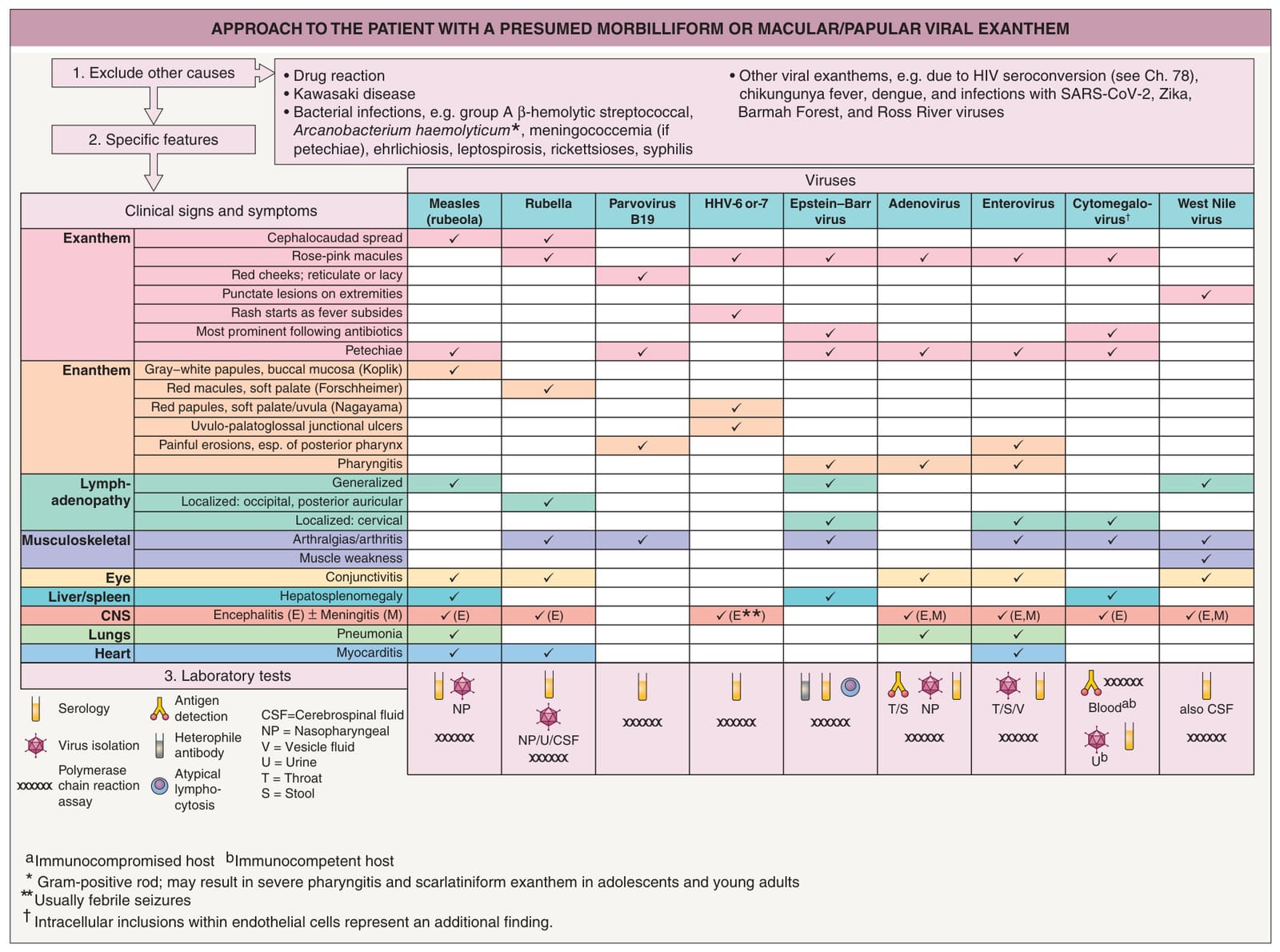
Fig. 81.2 Approach to the patient with a presumed morbilliform or macular/papular viral exanthem.