CHILD ABUSE
Synonym: Battered child syndrome
Key features
Signs of physical abuse include: unexplained bruises; injuries of the thorax, abdomen, buttocks, genitals, chin, ears, or neck; curvilinear marks; and cigarette burns or other well-demarcated burns
Signs of sexual abuse include laceration or bruising of genital or perianal tissue, complete transection of the posterior hymen, and scars of the perianal area or posterior fourchette
Introduction
Child abuse encompasses the broad spectrum of non-accidental maltreatment of children, including physical, emotional, and sexual abuse as well as neglect. Physical abuse is defined as non-accidental injury of a child; the injury may be the result of a single abusive episode or occur over a longer period of time. In the US, ~2.5 in 100 infants <1 year of age and one in 100 children 1–3 years of age are victims of abuse or neglect. Because they are demanding, less verbal, and defenseless, infants and children <3 years of age are at greatest risk, accounting for almost 30% of child abuse victims. In 2016, 8.5% of childhood injuries reported to the National Trauma Data Bank were due to intentional assault, and 6% of assault-related injuries resulted in the child’s death. Abused children are more likely to sustain serious intracranial, thoracic, and abdominal injuries than children who are injured accidentally.
Parents may describe abused children as “difficult”, which in fact may be true; however, the parents’ attempts to intervene in an excessive and inappropriate manner constitute abuse. Premature infants, disabled children, and children with behavioral problems are at increased risk of abuse. Parents who abuse their children were often themselves abused as children. They are frequently immature, dependent, socially isolated individuals. Often, they do not handle stress well, and a personal or family crisis may trigger an abusive episode. It is important that all physicians recognize signs of physical abuse in children, as it tends to be repeated, and an intentionally injured child is at high risk for severe physical injury in the future.
Physical neglect is a failure to provide the necessities of life for a child, including nutrition, clothing, housing, medical care, and a safe, super-vised environment. Emotional abuse or neglect results when parents fail to provide a nurturing environment that permits the child to grow and reach his or her full potential.
Sexual abuse can be defined as engaging a child in a sexual activity that the child cannot comprehend, for which the child is developmentally unprepared and cannot give informed consent, and/or that violates the social and legal taboos of society. The child’s involvement may be coerced with physical threats, rewarded through bribes, or induced via misrepresentation of moral values. Sexual abuse can be assaultive or non-assaultive. Non-assaultive sexual abuse often goes unreported since there is usually little or no physical injury to the child. In contrast, assaultive sexual abuse is characterized by physical injury and violence. Both types of sexual abuse may result in severe emotional trauma to the child.
History
Maltreatment of children has always existed, but in 1946, Dr John Caffey, a pediatric radiologist, initiated medical concern about child abuse by reporting six children who presented with skeletal fractures and subdural hematomas that were clearly related to trauma. The immense importance of this problem was not generally recognized until 1962, when Kempe et al. coined the term battered child syndrome, the findings of which include inadequately explained signs of trauma, multiple fractures at different stages of healing, and/or failure to thrive that responds to nutritional therapy or placing the child in an emotionally supportive environment.
Epidemiology
Child abuse is a worldwide problem that occurs among all ethnic and racial groups and in families of all socioeconomic and educational levels. In the US, single-parent families with incomes below 200% of the poverty threshold have much higher probabilities of violence. Child abuse occurs more frequently when other problems such as unemployment, substance abuse, unplanned pregnancies, or discord between parents increase the stress on individuals within the family. Boys are at greater risk for serious injury than are girls, and infant boys have the highest fatality rate.
The perpetrator of sexual abuse is often a person well known to the child, most often the natural father, followed in frequency by a stepfather or another close relative. Although reports of abuse are about three times more likely in girls than in boys, sexual abuse in boys may be more likely to go undetected and/or unreported. The risk for sexual abuse rises during preadolescence and in family situations with a stepfather in the household, children living without one or both of their natural parents, and children whose mothers are disabled, ill, or extensively out of the home. Overcrowded living conditions may also be associated with an increased risk of child sexual abuse.
Sexual abuse occurring during sex trafficking of minors, which involves the engagement of youth in sexual acts in exchange for money or items of value, is an increasingly recognized global health crisis. The United Nations Children’s Fund estimates that 1.2 million children are trafficked for sexual exploitation worldwide annually, including 200 000 children in the US. The average age of child sex trafficking victims is 12–14 years. While many domestically trafficked children are homeless, runaways from abusive homes, or vulnerable due to unmet needs, others from stable homes are recruited via social media or lured away from public places such as malls and bus stops.
Clinical Features
Physical abuse
Physical abuse is frequently identified by bruises (ecchymoses) (Fig. 90.1) that may be located in areas not normally prone to accidental injury, most commonly the head and neck (particularly the face) followed by the buttocks, trunk, and arms. They are often large, multiple, and in clusters. The shape of the bruises may help to identify the object with which the child was struck. Linear bruising is produced when an object such as a rod, stick, or strap is used to strike a child. Hematomas and traumatic fractures of underlying bone may be present.
Loop marks are perhaps the single most characteristic finding in child abuse. Such curvilinear marks are produced by small ropes, electrical cords, or belts and appear randomly over the body as a result of striking a struggling child.
Buckle imprints from belts can often be matched to the particular belt buckle used to strike the child. Buckles produce deep ecchymoses (see Fig. 90.1C) and can result in injury to underlying organs and bones.
Pinch marks, particularly on the ears or in the genital region of boys, should alert the examining physician to the possibility of abuse. Male toddlers rarely sustain bruises on the genitalia secondary to a fall.
Blunt trauma can be a very severe form of abuse that may or may not result in cutaneous lesions. Blunt trauma to the abdomen can lead to severe injury or even death of a child. Soft intra-abdominal organs are injured when they are slammed against the vertebral column by a kick or severe blow delivered to the abdomen. Blunt trauma in the form of slapping injury causes capillaries to break between the digits, producing linear bruises that outline the fingers. This often leaves the imprint of a hand on the child’s skin, which can frequently be matched to the perpetrator.
Binding injuries are more likely to occur when the perpetrator is emotionally disturbed or psychotic. Acute binding injuries cause edema of the soft tissue around the wrists and ankles that may resemble rope burns with redness and warmth or abrasions (Fig. 90.2). Chronic binding injuries may result in bands of postinflammatory hyperpigmentation.
Traumatic alopecia results from forcefully pulling out the scalp hair. The occipital region is the most common location. When a large tuft of hair is abruptly pulled out, the underlying scalp may hemorrhage with subsequent hematoma formation.
Human bite marks leave the indelible mark of the perpetrator and may serve to identify the abuser. Adult human bite marks, which can be identified by the width of the dental arch (>4 cm), must be distinguished
from those of a child, since toddlers may be bitten by their peers. Human bites produce a crushing type of injury, whereas animal bites typically result in puncture wounds.
Thermal burns constitute an especially traumatic form of injury to the young child, and the abuser in such cases is likely to be suffering from a psychiatric disorder. Cigarette burns represent a frequent form of thermal injury and tend to be randomly distributed (Fig. 90.3). Branding injuries take the shape of the heated object (Fig. 90.4). Dunking scald injuries occur most often in infants and toddlers, and scalds on the
buttocks may be associated with attempts to toilet train an infant. “Donut-type sparing” on the child’s buttocks may be apparent when the buttocks are held against the cooler tub or basin while the surrounding hot water scalds the remaining immersed skin. Dunking scalds of the extremities leave a characteristic “stocking and glove” distribution with a very sharp demarcation of the burn (Fig. 90.5). In non-accidental burns, the adults responsible for the child (and possibly the burn) frequently claim not to have witnessed the burning incident, and other relatives commonly bring the child to the hospital. A delay between the injury and seeking medical care often occurs with inflicted burns.
A child may present with skin signs of multiple types of physical abuse. Such a child is at high risk for severe injury concurrently or in the future. Both acute and healing injuries are frequently present in chronically abused children.
Factitious disorder imposed on another, also known as Munchausen syndrome by proxy, is an uncommon form of abuse that typically affects children. In this condition, a parent or caregiver induces or feigns illness in a child for psychological gain. The perpetrator is often the mother, and the father is classically absent or uninvolved in care of the child. Cutaneous manifestations occur in ~9% of cases.
Physical neglect
Physical neglect usually results in a constellation of relatively obvious findings, including signs of poor nutrition, hygiene, and general health. Children may have old untreated injuries, dermatitis, and infestations of the skin and hair, and they typically have not received required childhood immunizations.
Emotional deprivation
Emotional neglect or deprivation accounts for at least half of the children in high-income countries diagnosed with failure to thrive. These children fail to grow and develop in their home environment despite adequate caloric intake, while they thrive with food and stimulation in a hospital setting or foster home. There are no characteristic physical findings or diagnostic laboratory tests for these children. The diagnosis can be rendered only after other potential causes of failure to thrive have been excluded, and it is usually confirmed when the child demonstrates “catch-up” growth and development outside the disturbed home environment.
Sexual abuse
The diagnosis of child sexual abuse is based on a combination of findings in the patient’s history, physical examination and, when indicated, laboratory evaluation. Children rarely fabricate reports of sexual abuse, and any such description by a child should be thoroughly investigated. Unfortunately, false accusations by parents involved in custody disputes do occasionally occur and are a burden to the medical and legal systems.
Physical signs that are suggestive of childhood sexual abuse are described in Table 90.1. However, physical findings are present in a small minority of sexually abused children. Many types of sexual molestation, such as fondling and oral sodomy, usually do not leave physical signs. Even when mild or moderate injuries occur (e.g. petechiae, ecchymoses, abrasions, superficial lacerations), healing in the anogenital area often takes place within days, resulting in very subtle or undetectable physical findings. In a large study of sexually abused girls, physical
Adapted from Adams JA, Farst KJ, Kellogg ND. Interpretation of medical findings in suspected child sexual abuse: an update for 2018. J Pediatr Adolesc Gynecol 2018;31:225–31.
findings were present in 21% (73/340) of those examined acutely (within 72 hours) but only 2% (26/1160) of those examined nonacutely. In the absence of a plausible history of accidental injury, findings that should alert the physician to the possibility of abuse include laceration or bruising of genital or perianal tissues, complete transection of the posterior hymen, and scars of the perianal area or posterior fourchette (Fig. 90.6; see Table 90.1).
It is important to be aware of normal physical findings in the genital area of female children. Studies of newborn girls have noted that a hymen is invariably present and anterior hymenal clefts are common, but posterior clefts are not normally seen. A complete hymenal cleft located between 4 and 8 o’clock is suggestive of penetration. The presence of semen, detected via testing for prostatic acid phosphatase, or sperm is indicative of abuse; non-perinatally acquired syphilis, gonorrhea, or (if other modes of acquisition are excluded) HIV infection confirms mucosal contact (most likely sexual) with infective bodily secretions. Perinatally acquired infections with Chlamydia trachomatis have been documented to persist as long as 28 months; therefore, infections with this organism in children younger than 3 years of age are not as suggestive of abuse.
Anogenital warts in children (see Ch. 79) may be perinatally acquired, transmitted during the routine care of children, autoinoculated from other sites of infection, or (especially for genital warts) acquired as a result of sexual abuse. In most studies, proven abuse is uncommon in children with anogenital warts who are younger than 3 years of age.
Human trafficking
Victims of human trafficking may demonstrate signs of physical, emotional, or sexual abuse as noted above. In addition, tattoos in locations ranging from highly visible (e.g. hands, face) to discrete (e.g. lower back, genitals) have been used by some traffickers to brand their victims, with common motifs depicting a male name, hearts, symbols of wealth, and profanity. Recognition of these tattoos, which are often low-quality, may help to identify victims of human trafficking.
Differential Diagnosis
Although it may be difficult to differentiate abuse from accidental injury in a child, the distribution of injuries is often helpful. Abused children have significantly more soft tissue injuries on the cheeks, trunk, genitalia, and upper legs than accidentally injured children. Labbe and Caouette performed over 2000 skin examinations in 1467 normal children to determine the type and location of recent skin injuries. The majority of children over 9 months of age had at least one injury, usually a bruise, but 15 or more injuries was rare. The lower limbs were the most commonly involved sites. Less than 2% of the children had injuries to the thorax, abdomen, pelvis, or buttocks, and less than 1% to the chin, ears, or neck. Bruises were rare in infants who were not yet independently mobile. Therefore, injury in infants or in the locations mentioned above should arouse suspicion of the possibility of abuse.
There are several cutaneous disorders that can mimic child abuse (Table 90.2; Fig. 90.7 & 90.8). In addition, normal anatomic variants are sometimes mistaken for signs of childhood sexual abuse. For example, 25% of newborn girls have a white line (linea vestibularis) in the posterior vestibule that could be confused with scar tissue produced by sexual abuse. Other conditions that are occasionally misdiagnosed as sexual abuse are listed in Table 90.3.
Evaluation and Management
When any lesion suspicious for abuse is present, the entire cutaneous surface of the child as well as the oral, anal, and genital mucosae should be examined. Child abuse should be suspected if parents lack an explanation for a child’s injuries, relate circumstances not compatible with the physical findings, describe activities for which a child is developmentally incapable, give differing accounts, or change their stories. A summary of recommended steps in the evaluation and management of suspected child abuse is provided in Table 90.4. Most countries (including the US) require physicians to report suspected physical abuse, neglect, and sexual abuse of children. Legal protection is generally given to healthcare providers who make such reports in good faith.
When a child gives a history of sexual abuse or has physical findings highly suggestive of abuse, an immediate referral should be made to a child protective services agency. If the history and physical findings are less certain, it may be most appropriate for experienced medical personnel to make the decision of whether sexual abuse is likely and referral to child protective services is warranted, since the potential negative impact of misdiagnosis on the family structure is substantial. Whenever feasible, any child suspected of being sexually abused should be examined by a pediatrician or gynecologist experienced in evaluating children for signs of abuse. Anogenital examination by multiple physicians should be avoided if possible, given the potential trauma this may impose on the child. Lastly, because physical signs of sexual abuse may resolve within a few days, children should be evaluated by an experienced provider as soon as possible.
When the history and/or physical findings suggest the possibility of oral, genital, or rectal contact, cultures and serologic tests to evaluate for sexually transmitted diseases are indicated. If the abuse occurred
within 24 hours of the examination, samples should also be collected for forensic evidence.
Victims of all types of abuse may suffer long-term psychologic consequences. Some children withdraw and develop feelings of worthlessness, helplessness, hopelessness, and depression. Others exhibit aggressive and impulsive behavior and are at risk for delinquency, substance abuse, absenteeism from school or work, adolescent pregnancy, sexual promiscuity, and prostitution. Abused children are more likely as adults to abuse their own children and spouses. Thus, long-term psychologic support for abused children is desirable.
In summary, the dermatologist may be the first physician to encounter the abused child, so it is important to be alert for signs of abuse, perform the appropriate documentation and testing, and report it to the proper authorities. It is often necessary to enlist the help of a primary care physician or gynecologist experienced in the evaluation of abuse. An atlas by Hobbs and Wynne provides additional information and color illustrations.
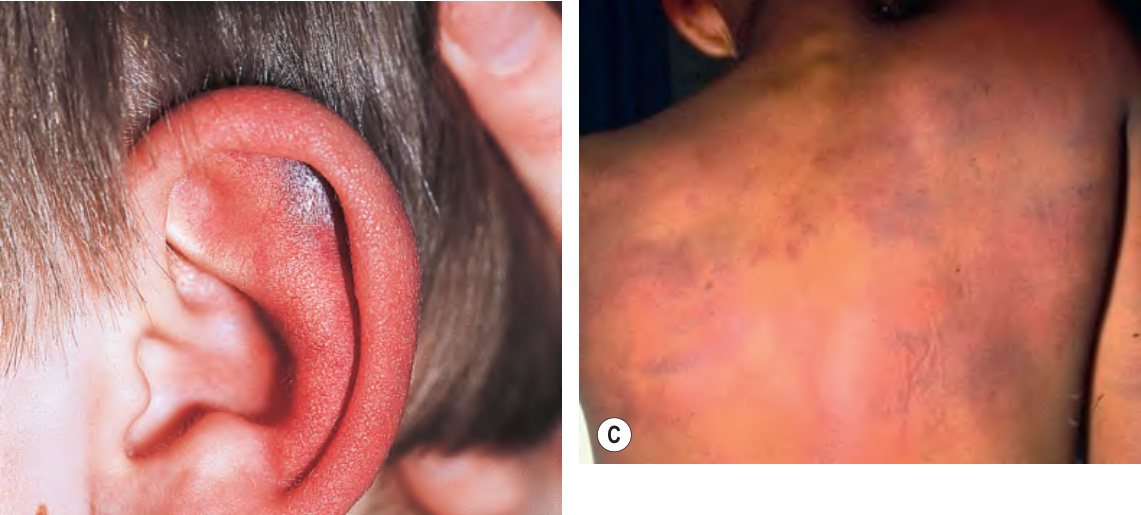
Fig. 90.1 Bruising and petechiae. A, B Bruising and petechiae of the pinna and postauricular area in a 6-year-old boy, consistent with a hand slap by an adult. C Bruising from a belt and belt buckle on the back of a 5-year-old boy. A,B, From Hobbs CJ, Wynne JM. Physical Signs of Child Abuse. © 2001 WB Saunders.
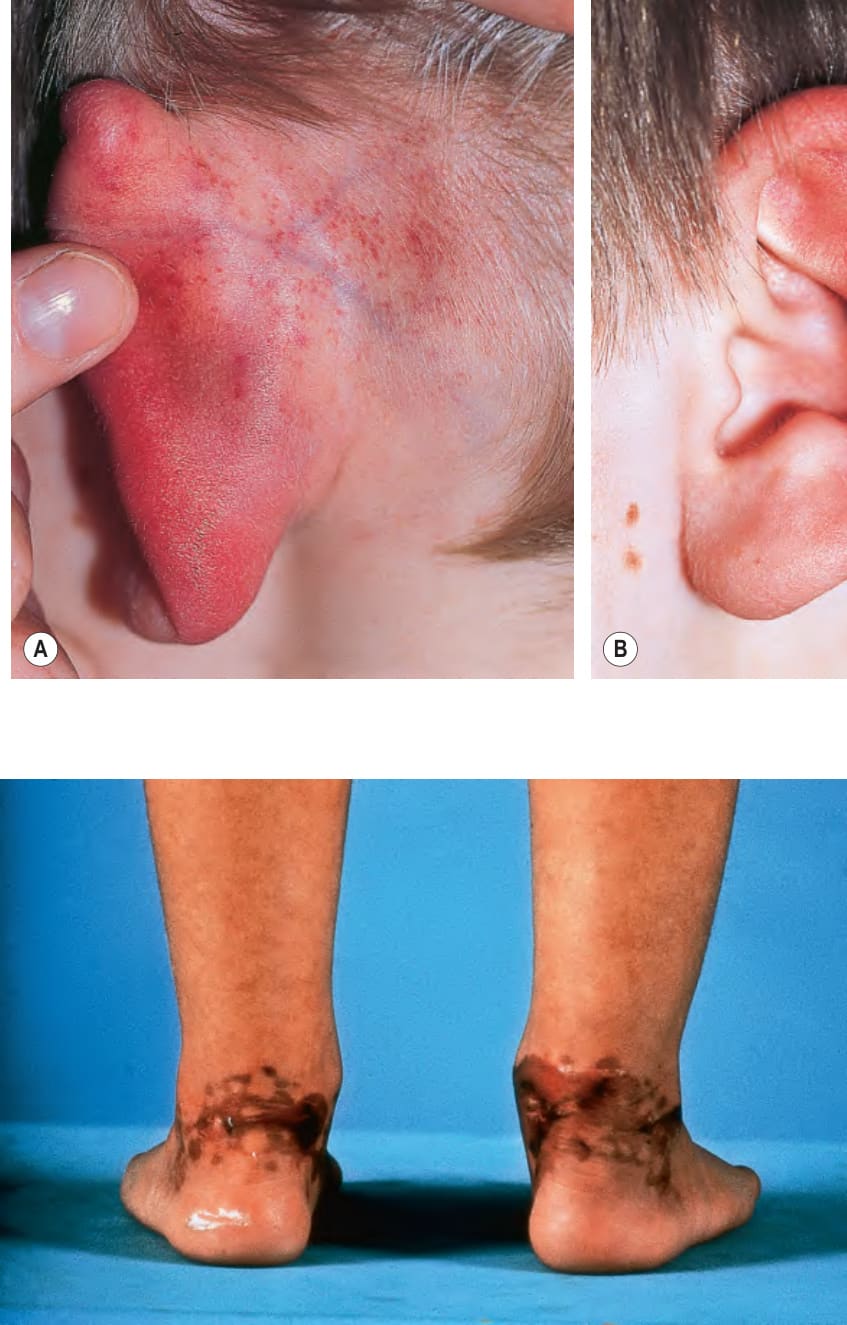
Fig. 90.2 Healing injury due to binding around the ankles.
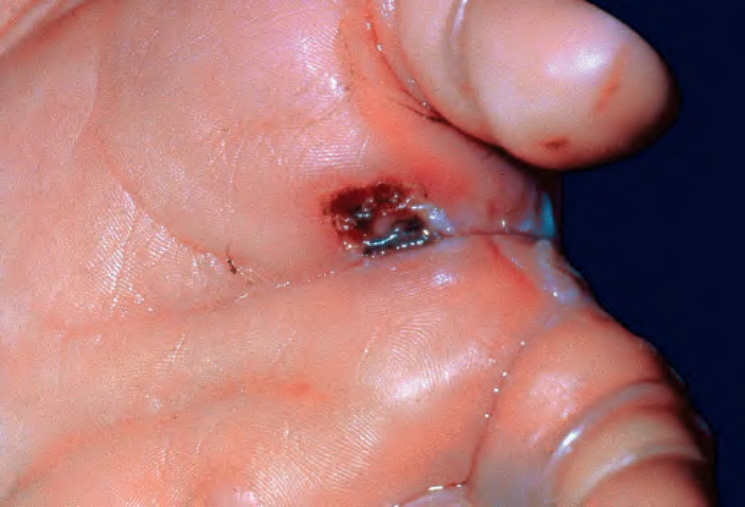
Fig. 90.3 Injury produced by a cigarette burn.
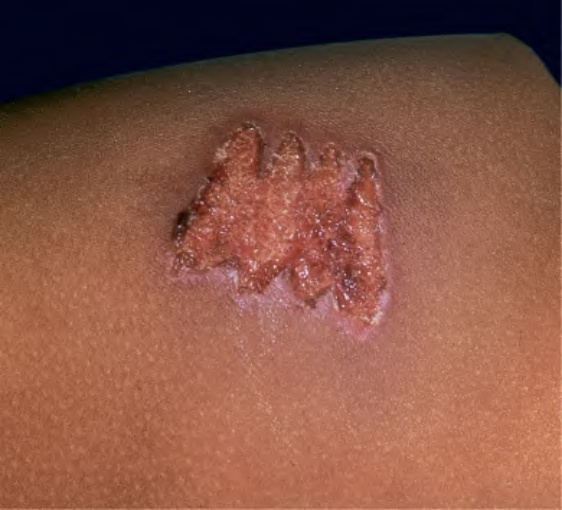
Fig. 90.4 Branding injury on the thigh from a fork.
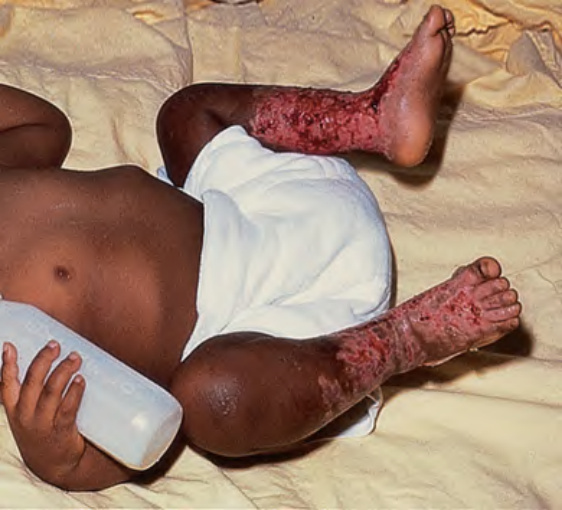
Fig. 90.5 Burn injury due to dunking in hot water. Note the sharp, symmetric lines of demarcation on the lower legs. Courtesy Leo Litter, MD.
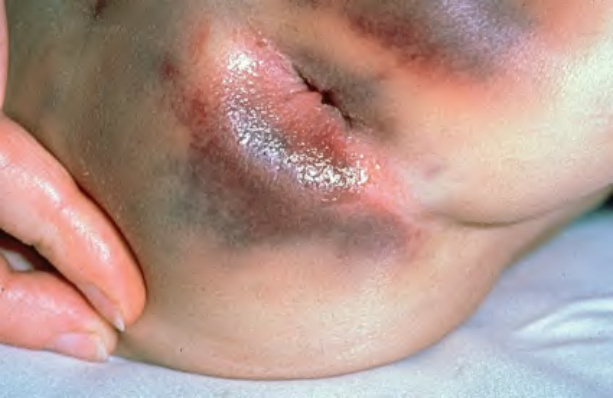
Fig. 90.6 Bruising of the buttocks and perianal area of a sexually abused 2-year-old child.
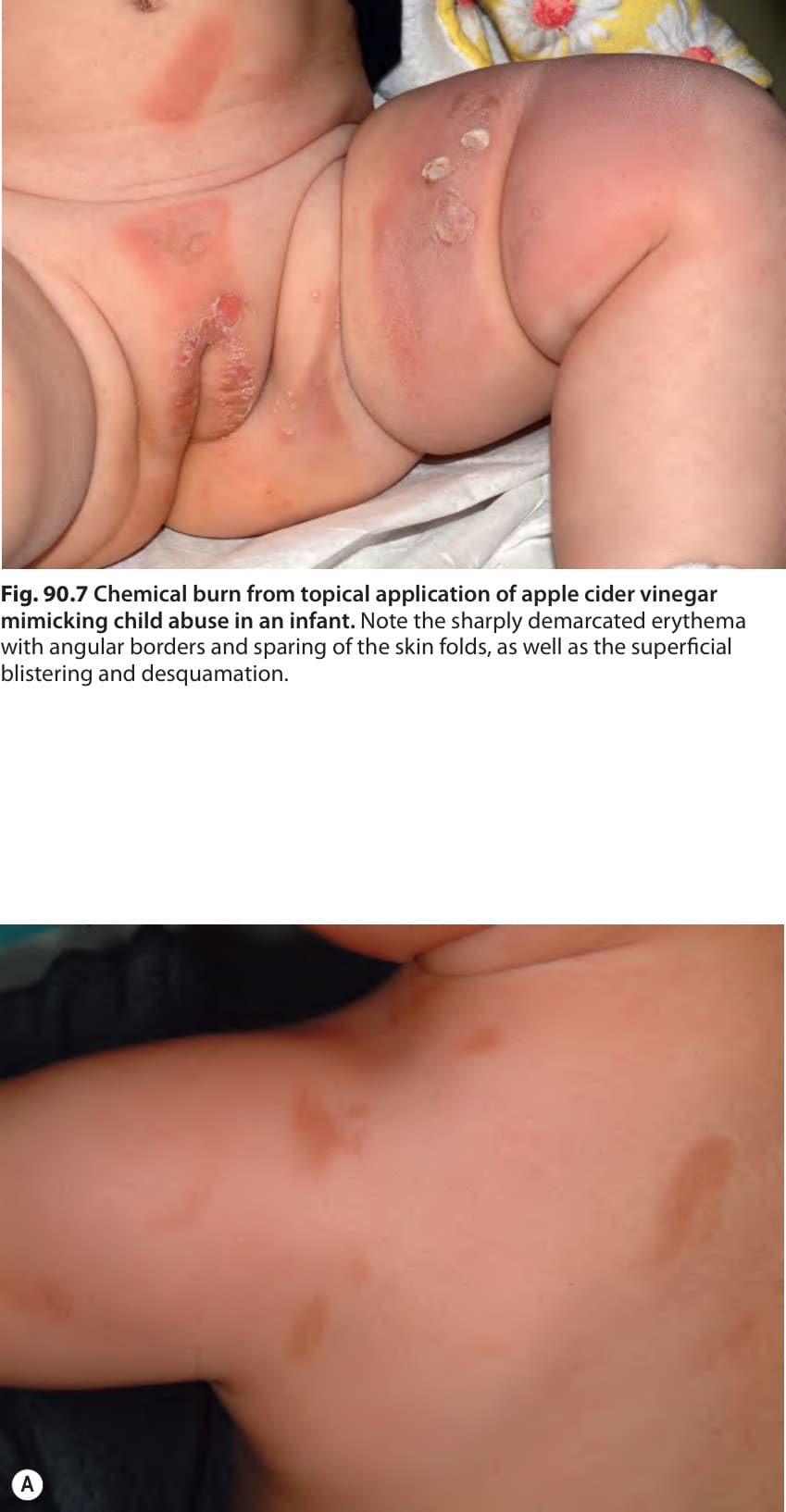
Fig. 90.7 Chemical burn from topical application of apple cider vinegar mimicking child abuse in an infant. Note the sharply demarcated erythema with angular borders and sparing of the skin folds, as well as the superficial blistering and desquamation.
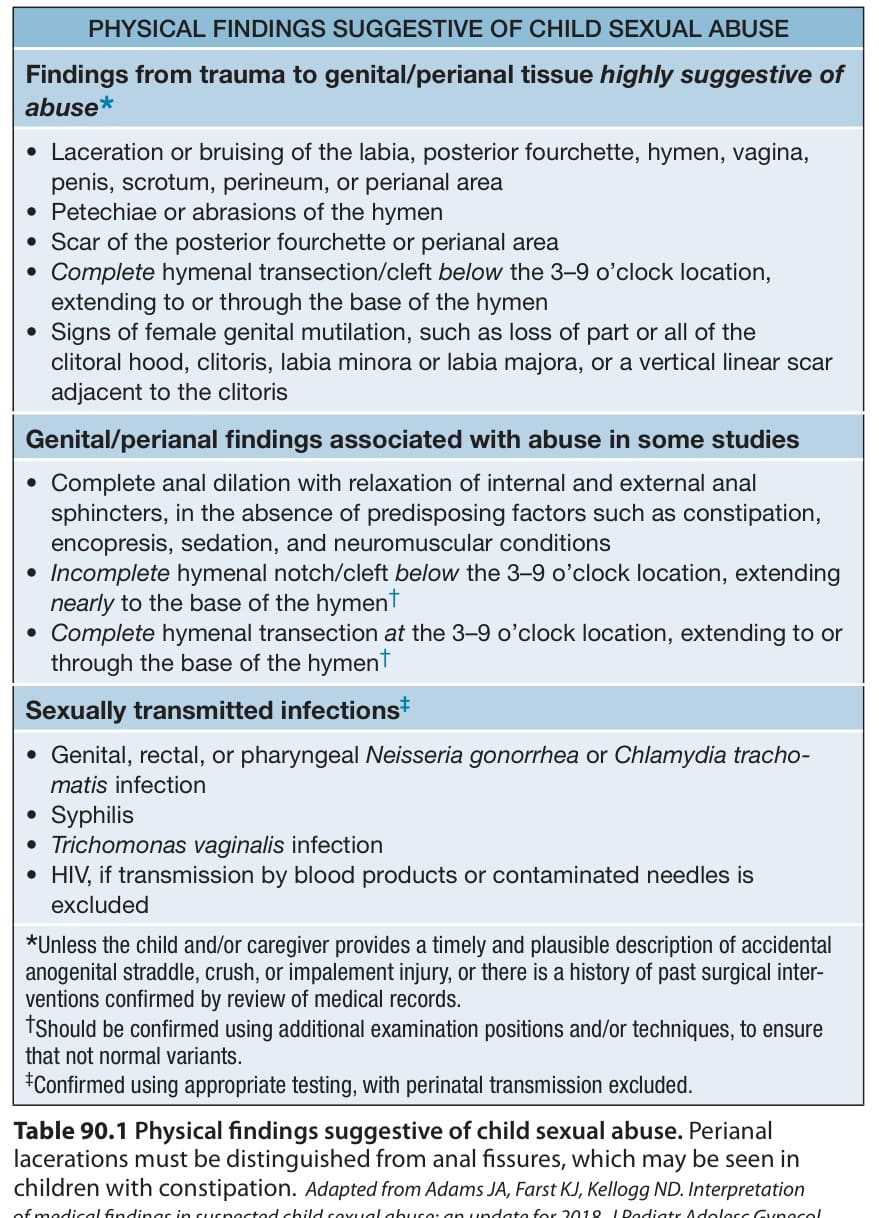
Table 90.1 Physical findings suggestive of child sexual abuse. Perianal lacerations must be distinguished from anal fissures, which may be seen in children with constipation.
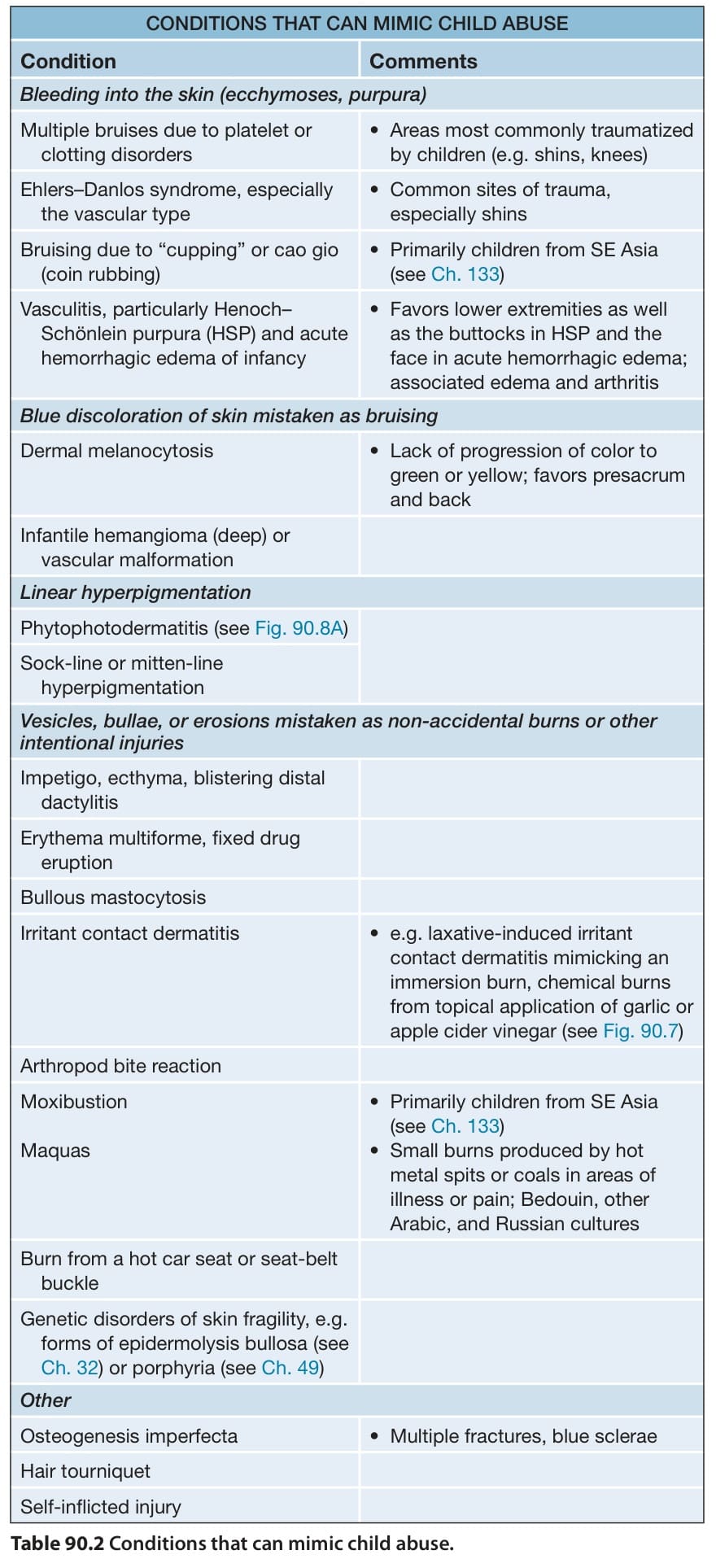
Table 90.2 Conditions that can mimic child abuse.
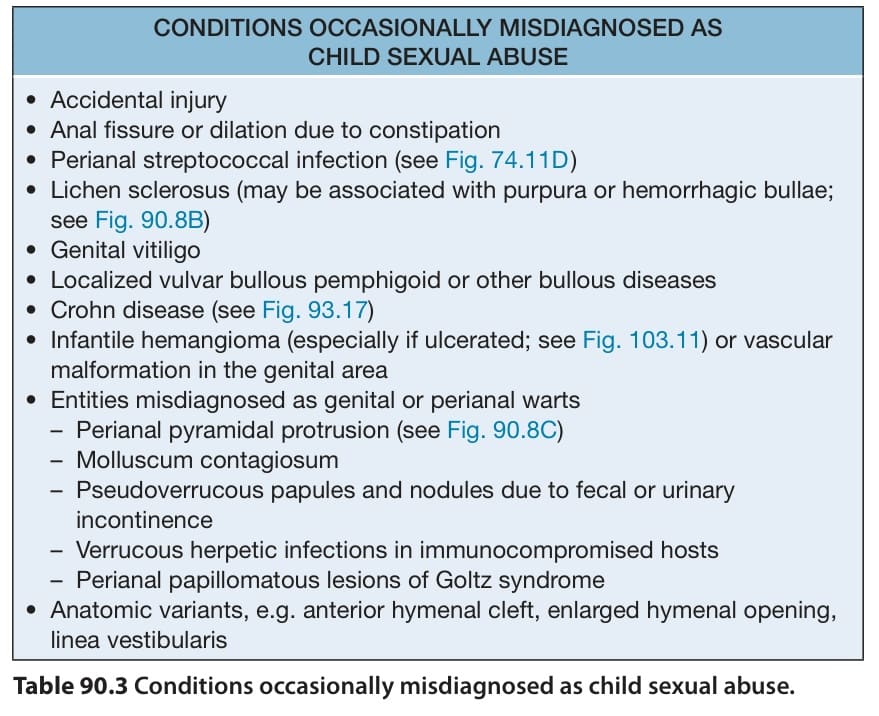
Table 90.3 Conditions occasionally misdiagnosed as child sexual abuse.
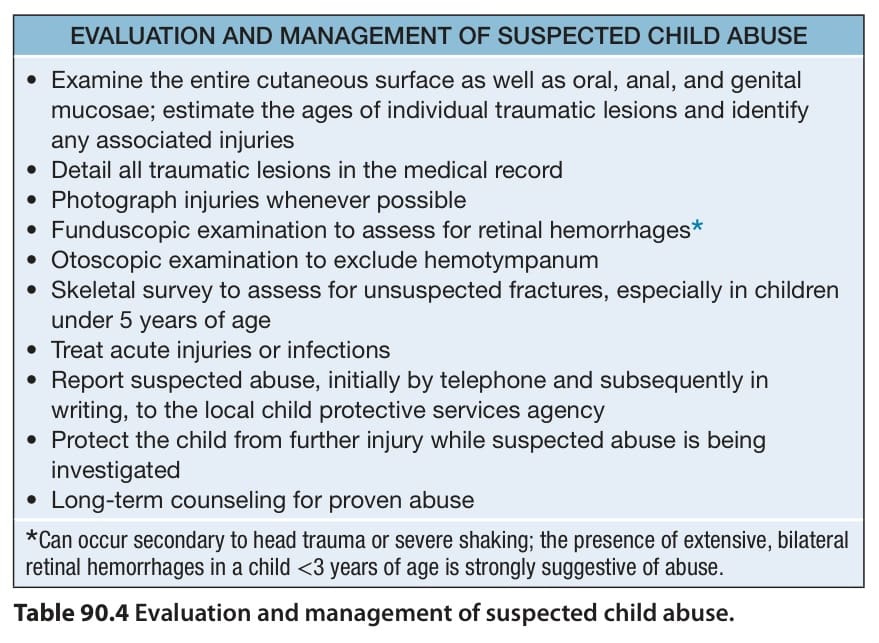
Table 90.4 Evaluation and management of suspected child abuse.